


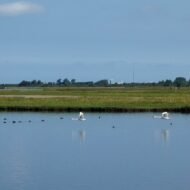
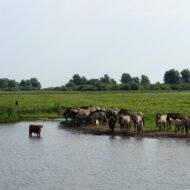

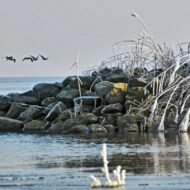
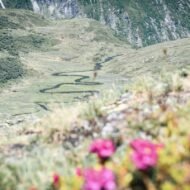

Ready to ditch the crowds and carbon footprint? These five European protected areas are redefining what it means to travel responsibly. From Austria’s towering Alpine peaks to Estonia’s pristine bogs, these destinations prove that sustainable tourism doesn’t mean sacrificing adventure – it means enhancing it.
- 1. Hohe Tauern National Park, Austria: Where Alpine Giants Meet Green Innovation
- 2. Vatnajökull National Park, Iceland: Europe’s Largest National Park Goes Carbon-Neutral
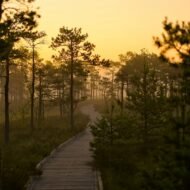
- 3. Soomaa National Park, Estonia: Europe’s Best-Kept Wetland Secret
- 4. Sierra de Grazalema Natural Park, Spain: Mediterranean Sustainability at Its Finest
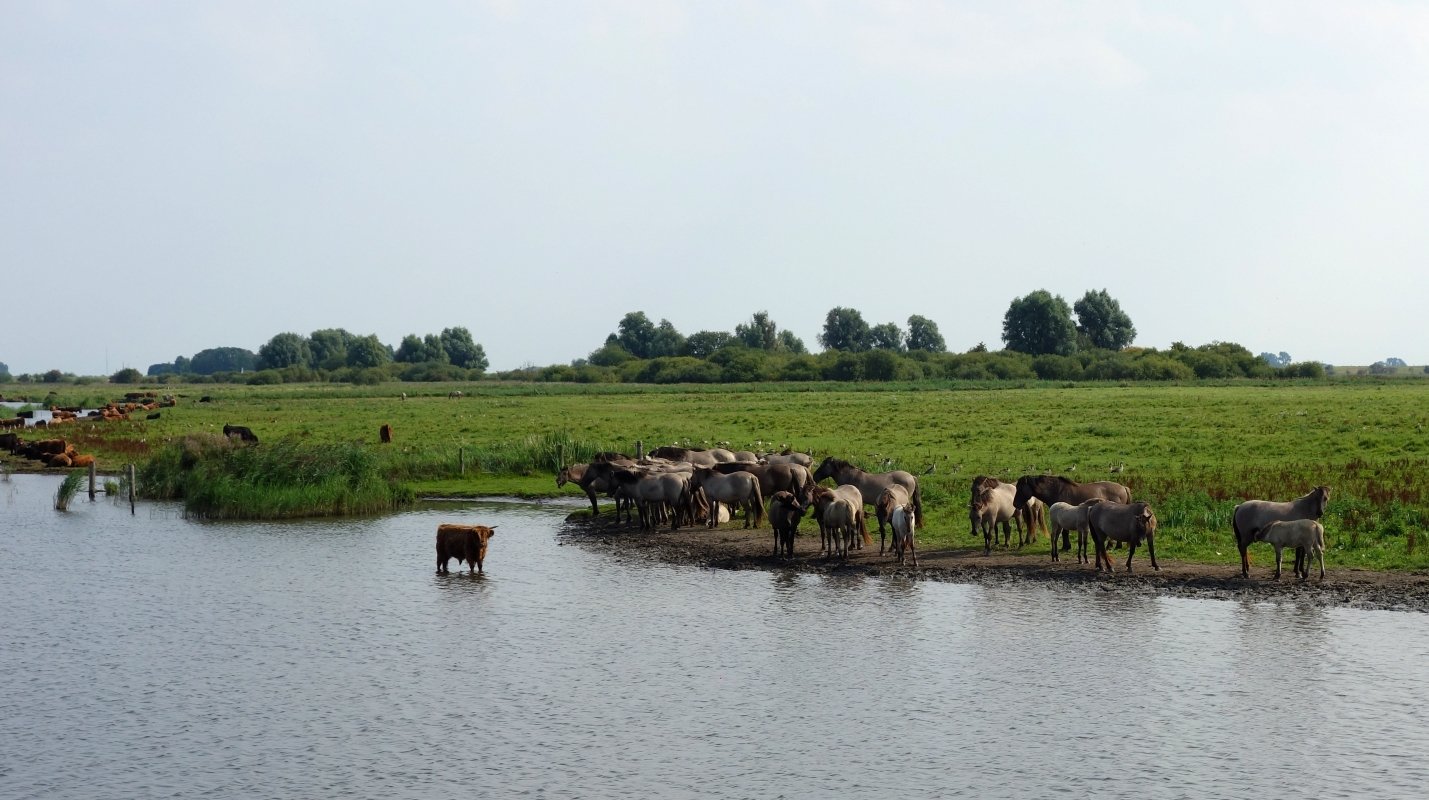
- 5. Lauwersmeer National Park, Netherlands: Proof That Rewilding Works
- Final Thoughts: Your Sustainable European Adventure Awaits
1. Hohe Tauern National Park, Austria: Where Alpine Giants Meet Green Innovation
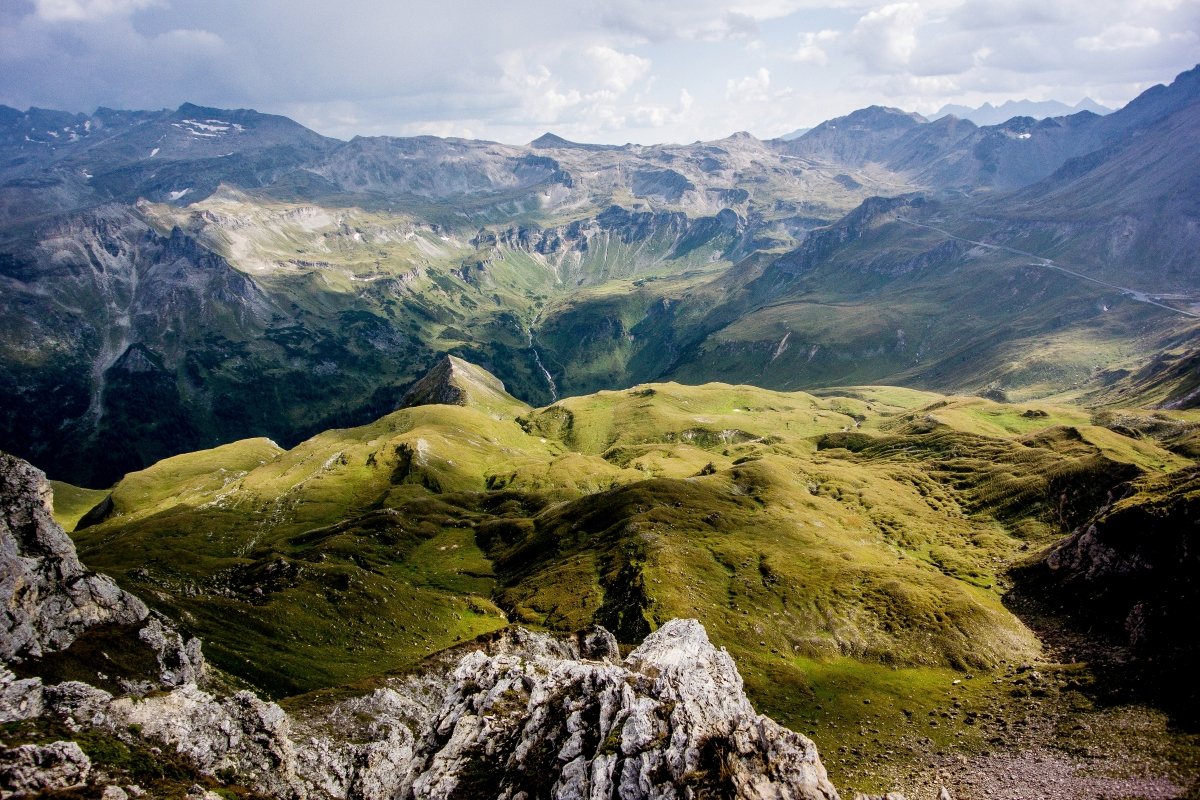
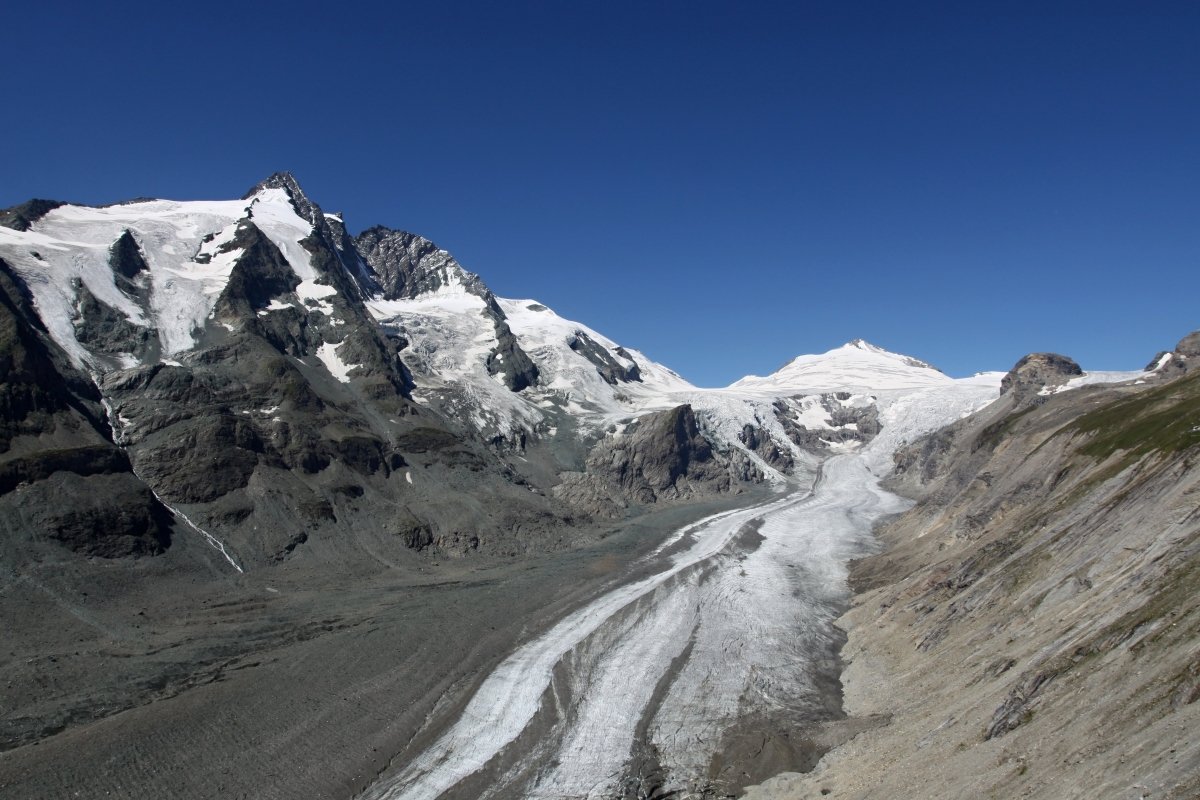
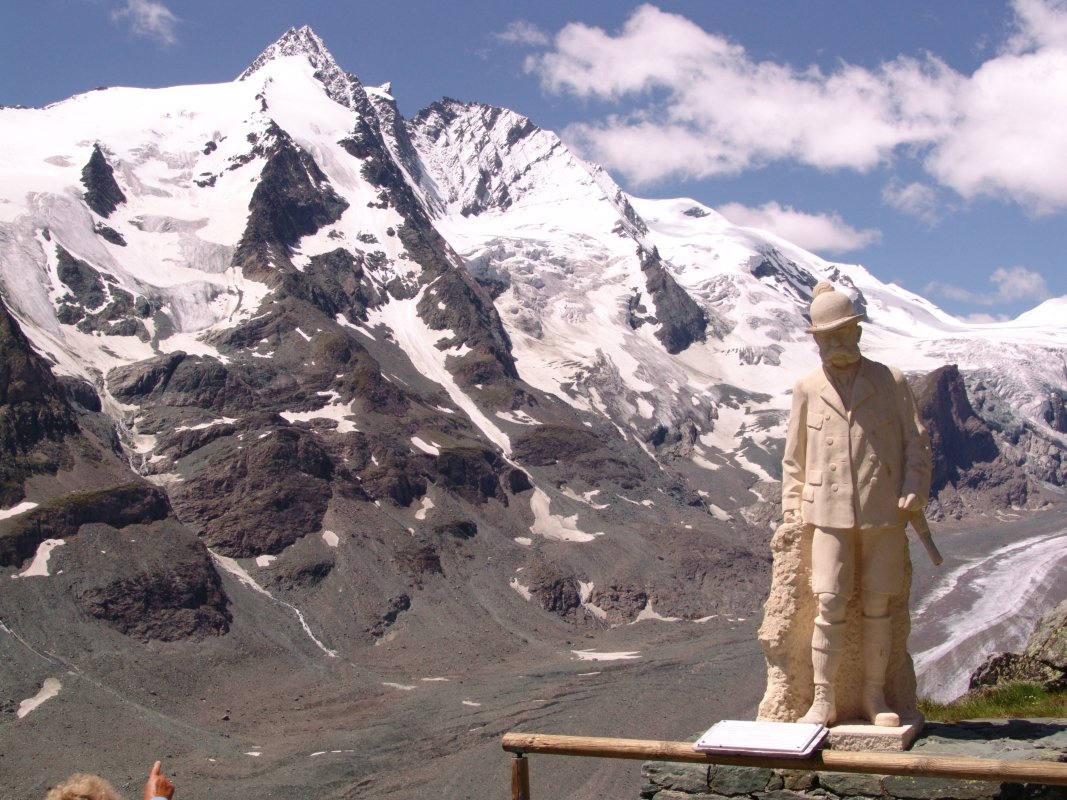
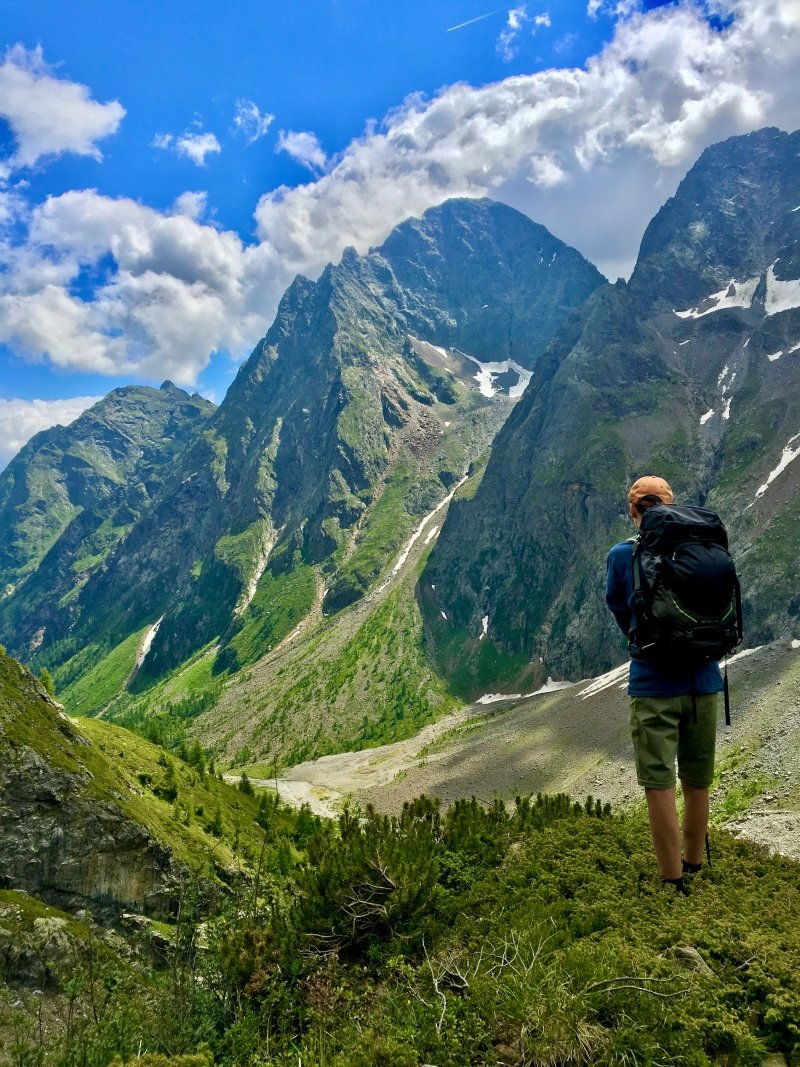
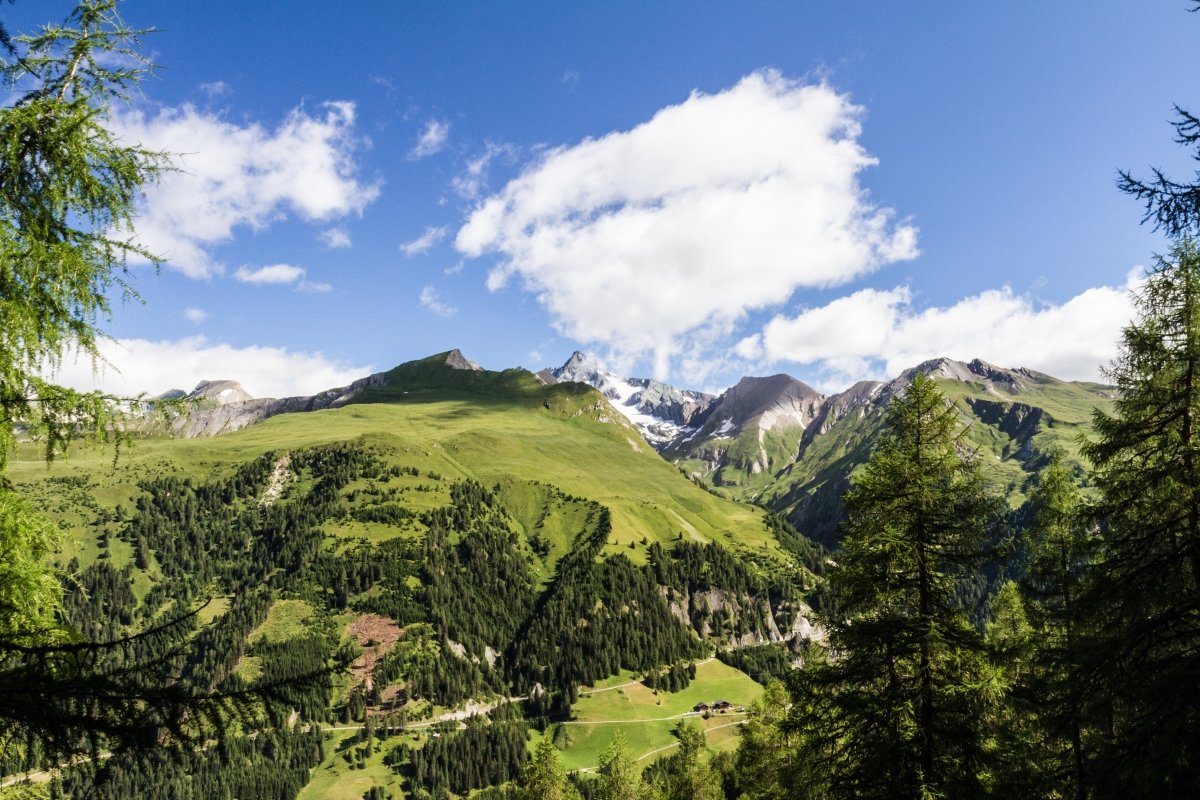
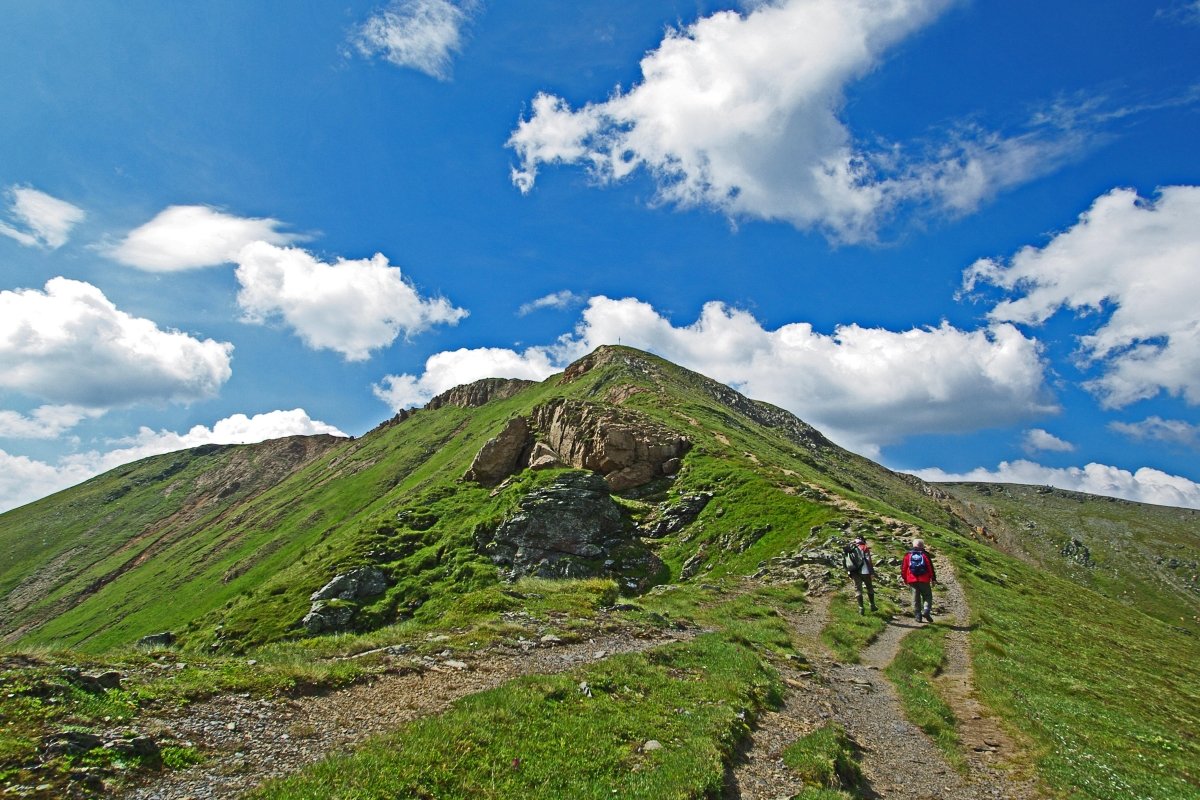
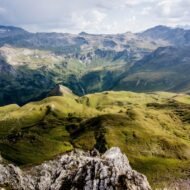
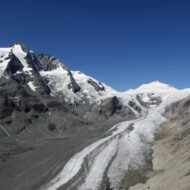
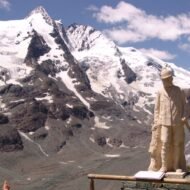
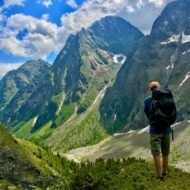
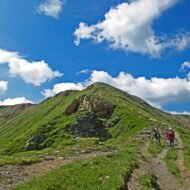
Nestled in the heart of the Austrian Alps, Hohe Tauern isn’t just Austria’s largest national park – it’s a masterclass in sustainable mountain tourism. Home to the mighty Grossglockner (Austria’s highest peak) and the spectacular Krimml Waterfalls, this UNESCO Biosphere Reserve spans three provinces and hosts over 15,000 animal and plant species.
Summer Eco-Adventures:
- E-bike glacier tours to Pasterze Glacier with certified ranger guides
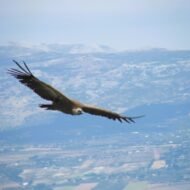
- Wildlife photography workshops focusing on golden eagles and Alpine ibex
- Traditional Alpine farming experiences learning sustainable mountain agriculture
- Guided botanical walks discovering endemic Alpine flora
Winter Wonders:
- Snowshoe expeditions through untouched valleys with minimal environmental impact
- Cross-country skiing on groomed trails powered by renewable energy
- Winter wildlife tracking workshops learning to read nature’s stories in snow
- Sustainable ski touring with avalanche safety and Leave No Trace principles
Educational Focus: The park’s climate research stations offer visitors hands-on learning about glacial retreat and climate adaptation. Their “Glacier Education Centers” provide interactive exhibits showing real-time environmental changes, making climate science accessible and engaging.
Accommodation & Campervan Options:
- Eco-certified mountain huts powered by solar energy and hydroelectric systems
- Designated campervan areas in Heiligenblut and Matrei with composting toilets and water recycling
- Farm stays offering organic meals and traditional Alpine hospitality
- Carbon-neutral guesthouses in surrounding villages
2025 Events:
- Alpine Sustainability Festival (June): celebrating traditional crafts and renewable energy innovations
- Junior Ranger Program (July-August): week-long courses for young conservationists
- Dark Sky Festival (September): astronomy events in Europe’s clearest mountain skies
Useful Info: Free shuttle buses run on renewable energy between major attractions. Download the “Hohe Tauern App” for offline maps and real-time wildlife sighting updates.MORE READ..
2. Vatnajökull National Park, Iceland: Europe’s Largest National Park Goes Carbon-Neutral
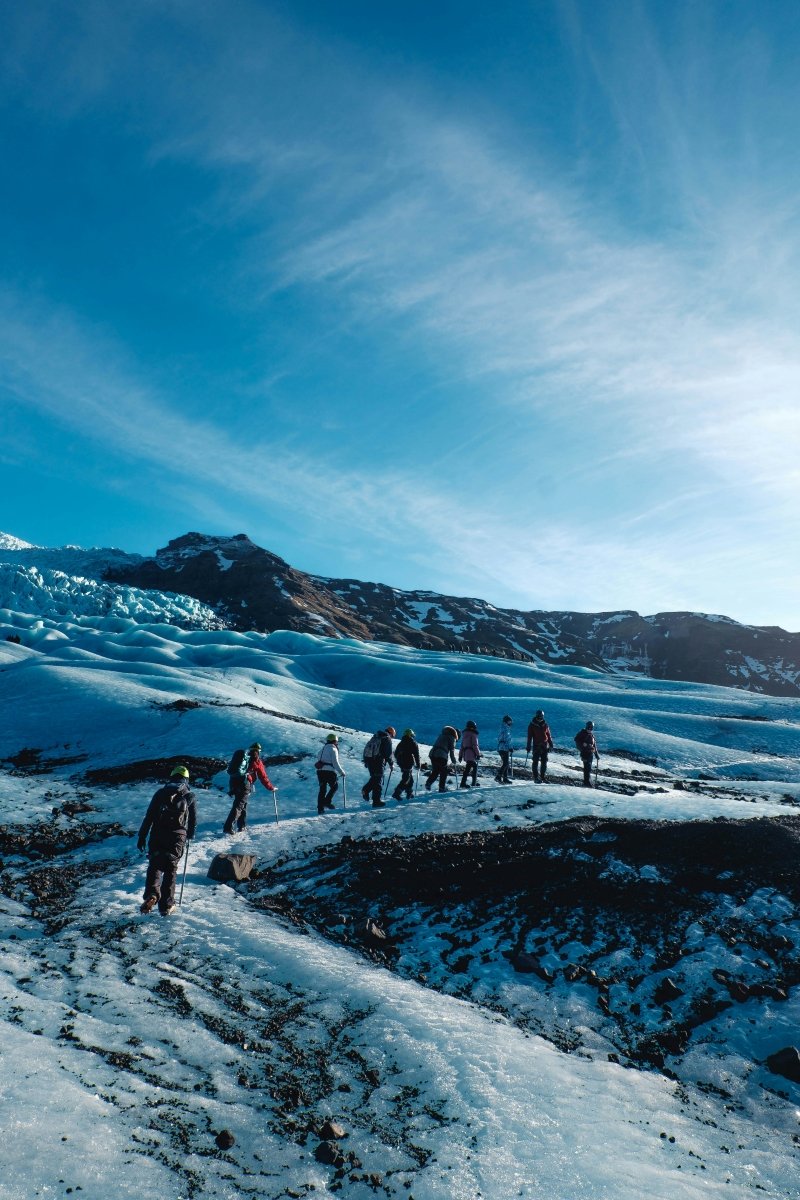
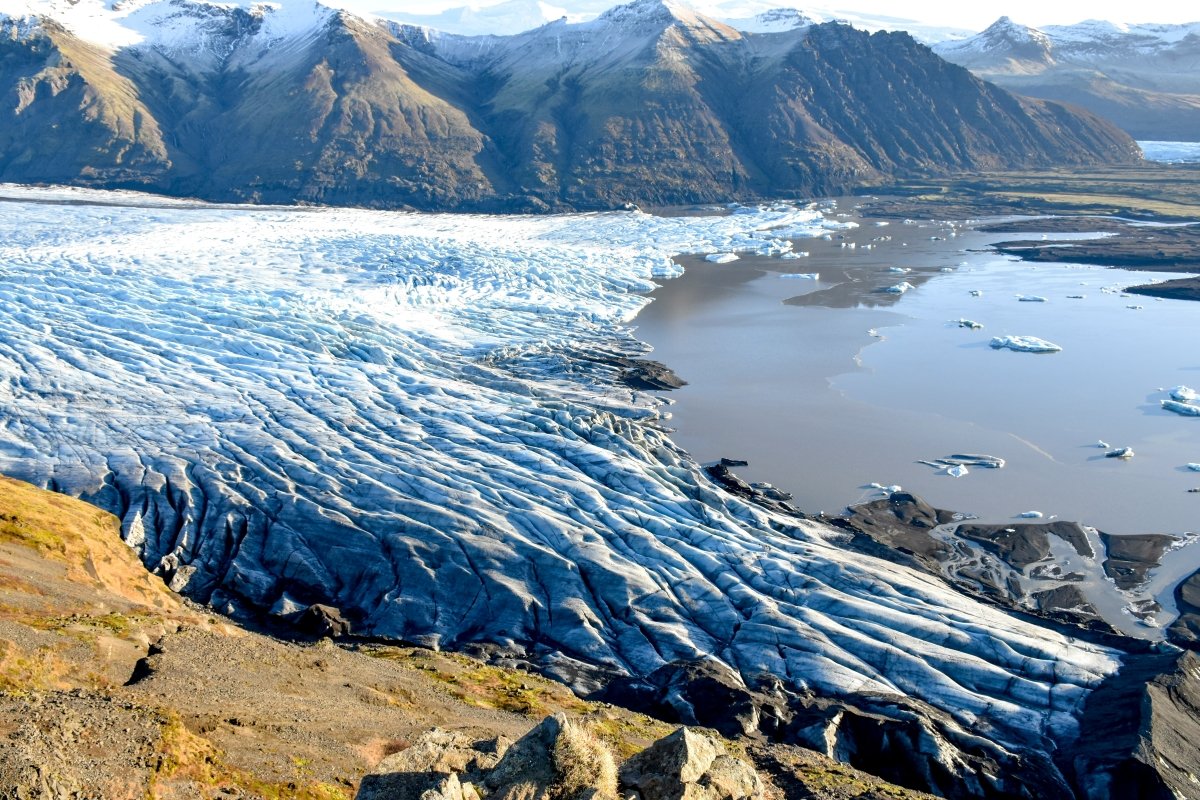
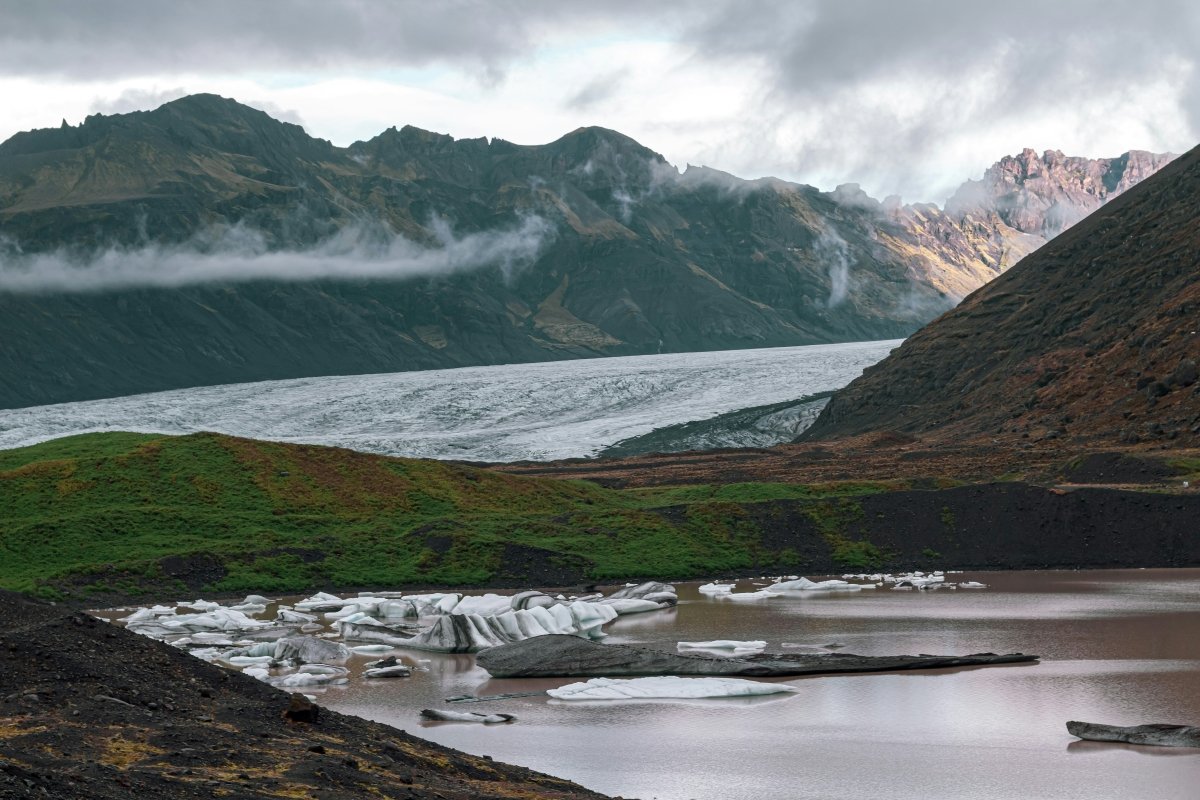
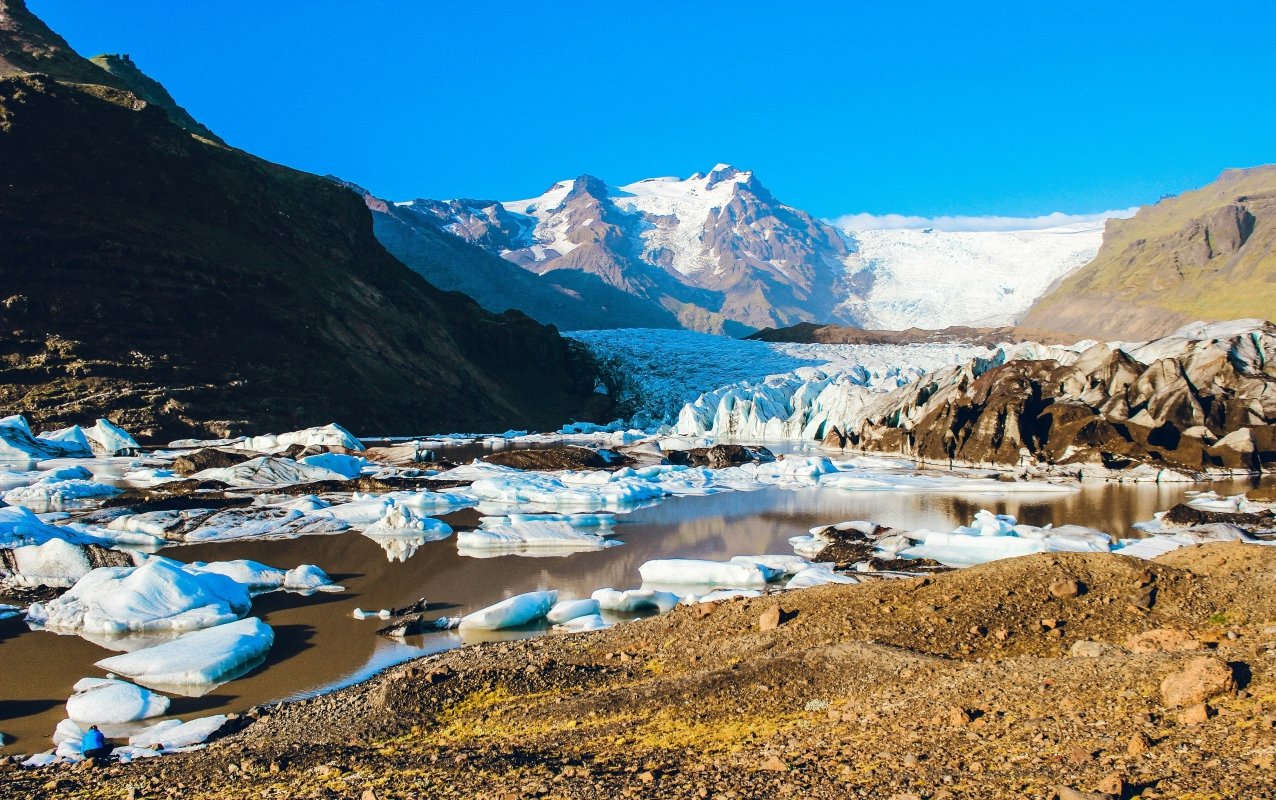
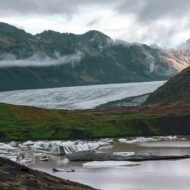
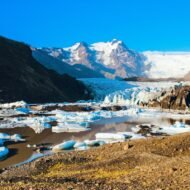
Covering roughly 14% of Iceland, Vatnajökull National Park is where fire meets ice in the most spectacular way possible. This UNESCO World Heritage site encompasses Europe’s largest glacier, active volcanoes, and otherworldly landscapes that look straight out of a fantasy novel.
Summer Eco-Adventures:
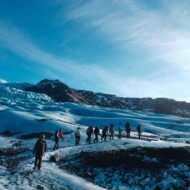
- Glacier hiking with crampons on Svínafellsjökull with carbon-offset transportation
- Ice cave exploration using LED lighting to minimize environmental impact
- Volcanic geology tours to Askja caldera via electric 4WD vehicles
- Puffin and seal watching from observation hides with minimal disturbance protocols
Winter Wonders:
- Northern Lights photography workshops in designated dark zones
- Ice climbing with certified guides using sustainable equipment practices
- Skidoo tours on biofuel-powered snowmobiles
- Winter camping experiences learning traditional Icelandic survival skills
Educational Focus: The park’s Visitor Centers feature cutting-edge exhibits on glaciology and volcanic activity. Their “Climate Time Machine” uses VR technology to show 1,000 years of glacial changes, while ranger-led programs teach sustainable Arctic living techniques.
Accommodation & Campervan Options:
- Eco-lodges built from sustainable Icelandic materials with geothermal heating
- Designated camping areas with composting facilities and renewable power stations
- Campervan-friendly sites in Skaftafell and Jökulsárlón with waste recycling centers
- Traditional turf houses offering authentic Icelandic accommodation
2025 Events:
- Glacier Marathon (May): Iceland’s most eco-friendly running event with zero-waste goals
- Northern Lights Festival (February): celebrating Inuit culture and Arctic conservation
- Volcanic Heritage Days (August): geology workshops and sustainable tourism conferences
Useful Info: All park transportation runs on renewable energy. The “Vatnajökull App” provides real-time weather updates and emergency locations for safe glacier exploration.MORE READ..
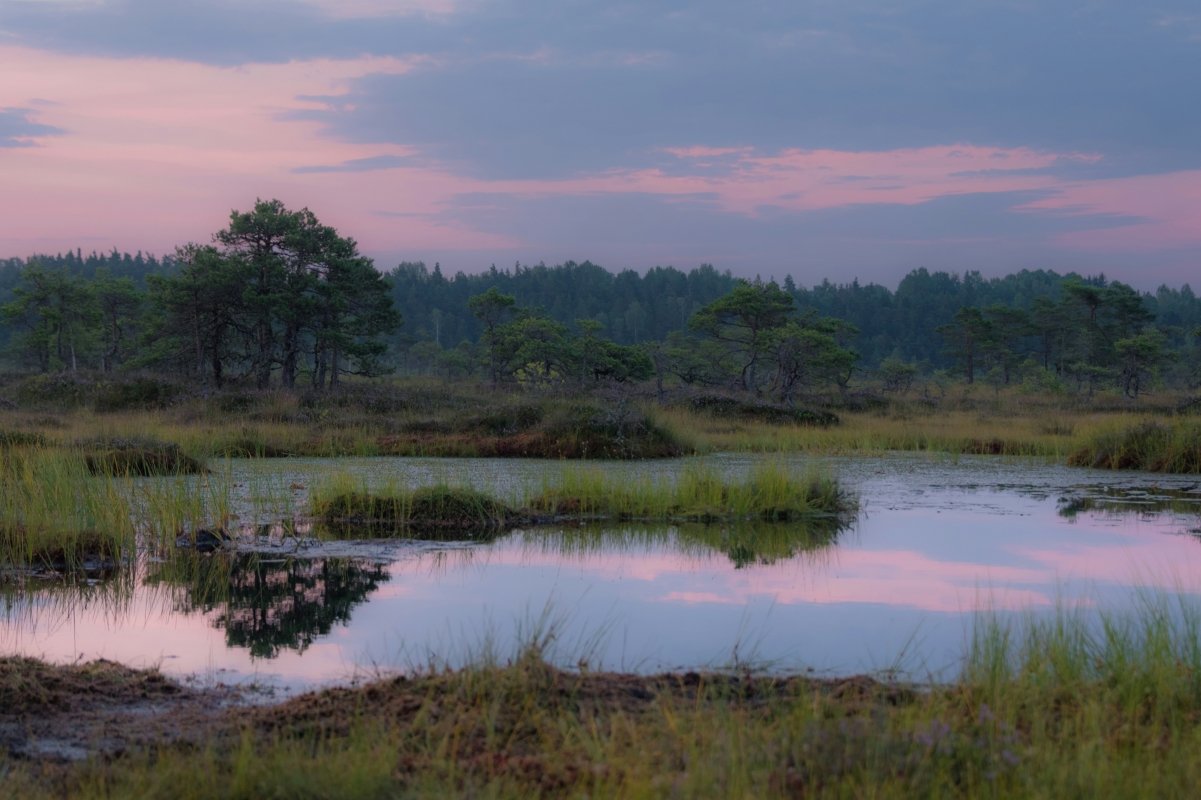
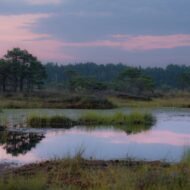
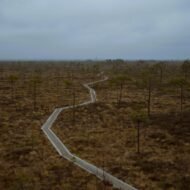
3. Soomaa National Park, Estonia: Europe’s Best-Kept Wetland Secret
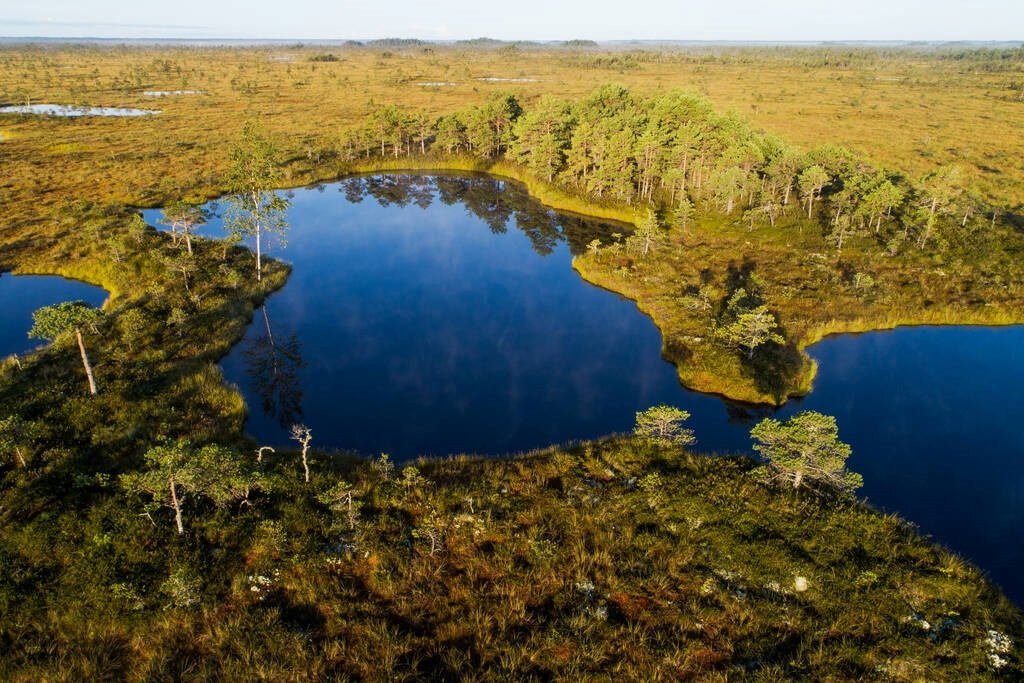
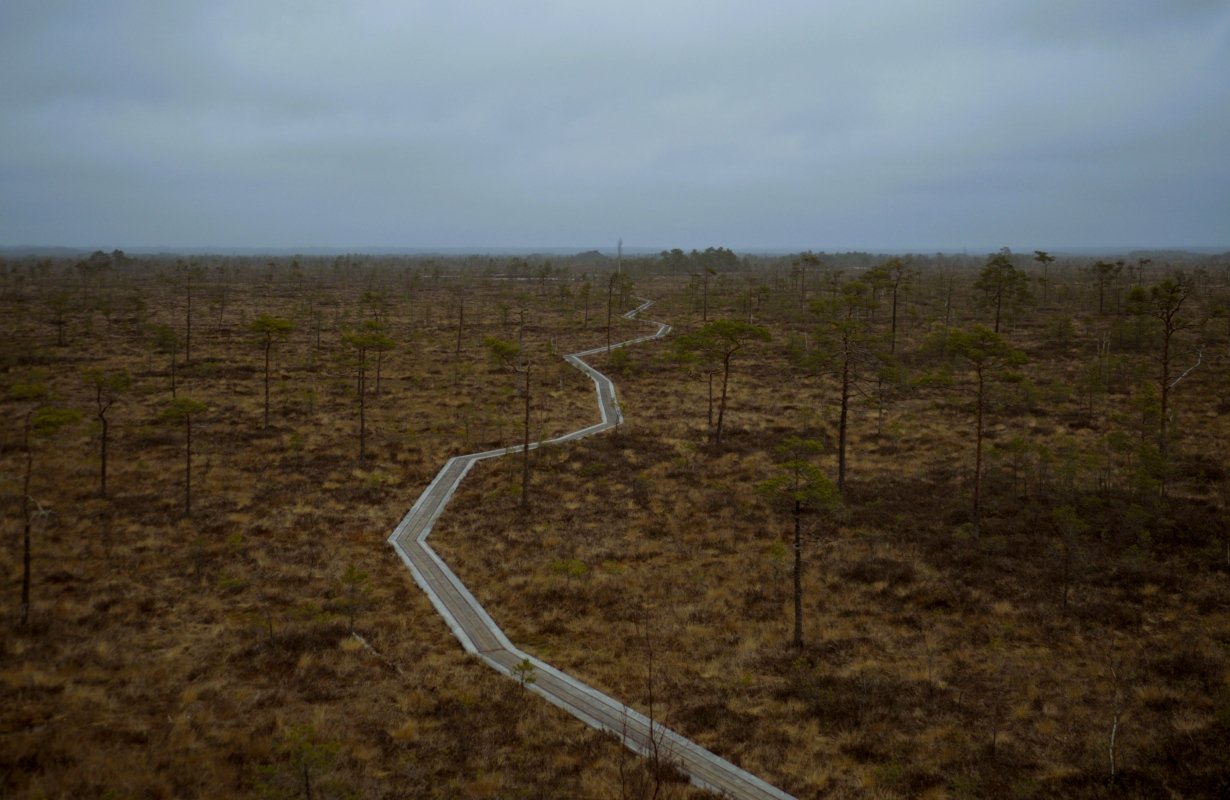
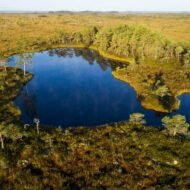
Don’t let its size fool you – this compact Estonian gem packs more biodiversity per square kilometer than almost anywhere else in Europe. Known as the “Land of Bogs,” Soomaa is famous for its unique “fifth season” when spring floods transform the landscape into a temporary lake system.
Summer Eco-Adventures:
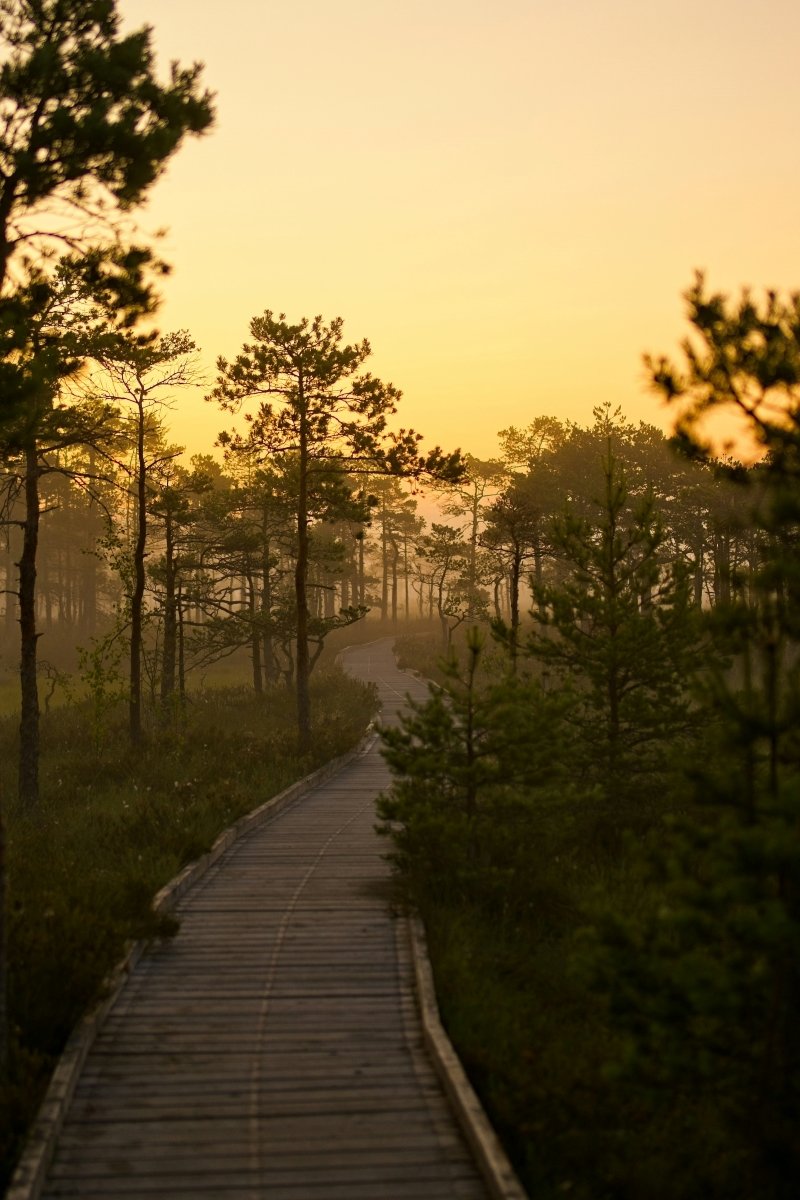
- Bog-shoe hiking across pristine raised bogs with expert naturalist guides
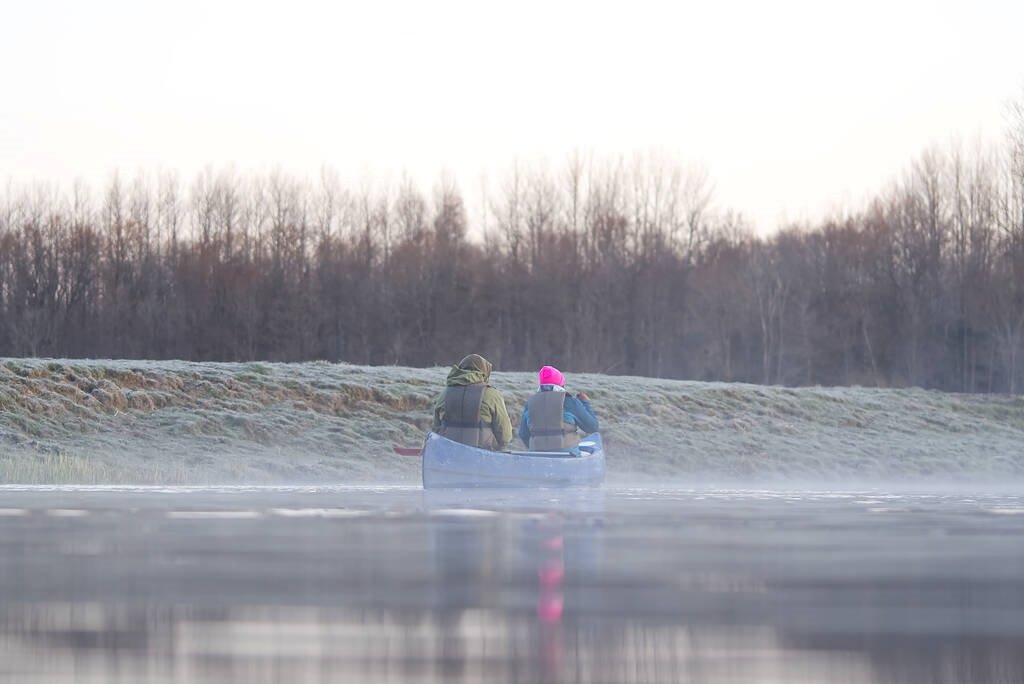
- Traditional dugout canoeing through ancient flood meadows
- Wildlife photography hides for capturing bears, lynx, and over 200 bird species
- Sustainable foraging workshops learning traditional Estonian food gathering
Winter Wonders:
- Cross-country skiing through snow-covered bogs on groomed eco-trails
- Ice fishing using traditional methods with local fishing families
- Winter wildlife tracking spotting wolf and lynx prints in fresh snow
- Traditional smoke sauna experiences heated with sustainably sourced wood
Educational Focus: Soomaa’s bog ecosystem represents 10,000 years of natural history preserved in peat layers. Educational programs focus on wetland conservation, traditional Estonian culture, and the bog’s role in carbon sequestration and climate regulation.
Accommodation & Campervan Options:
- Traditional Estonian farm stays offering organic meals and cultural immersion
- Eco-camping sites with minimal infrastructure to preserve natural landscapes
- Campervan parking at visitor centers with basic facilities and waste management
- Forest cabins built using traditional techniques and local materials
2025 Events:
- Bog Day Festival (September): celebrating wetland conservation with traditional music and crafts
- Fifth Season Experience (March-April): guided tours during the unique flood season
- Traditional Skills Week (July): learning ancient Estonian bog-walking and canoe-building
Useful Info: The park operates a free electric shuttle during peak season. Waterproof gear is essential year-round, and bog-shoes can be rented at visitor centers.MORE READ..
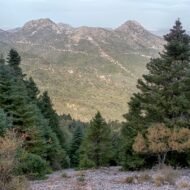
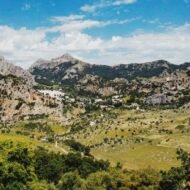
4. Sierra de Grazalema Natural Park, Spain: Mediterranean Sustainability at Its Finest
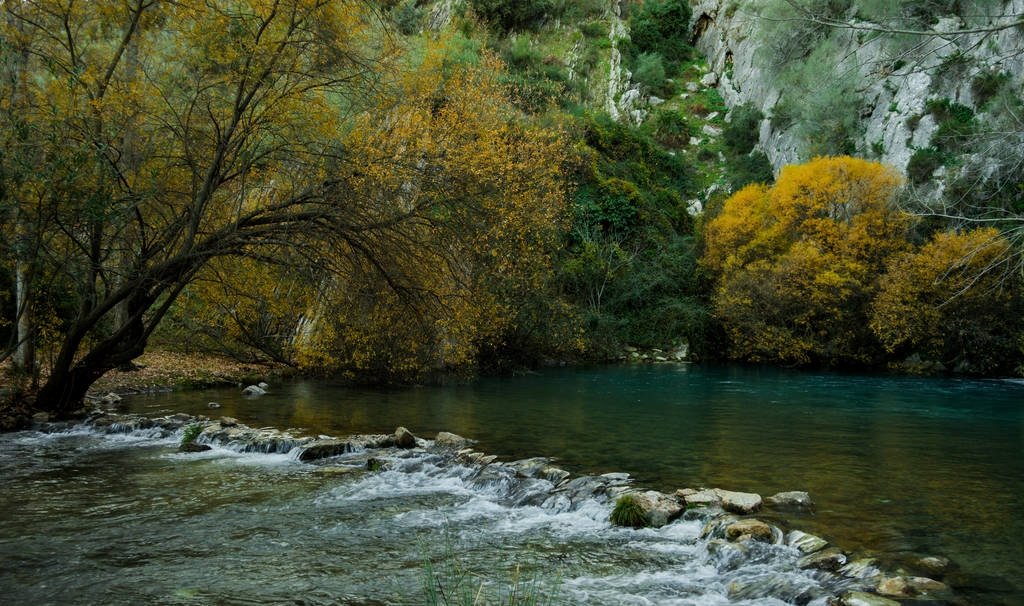
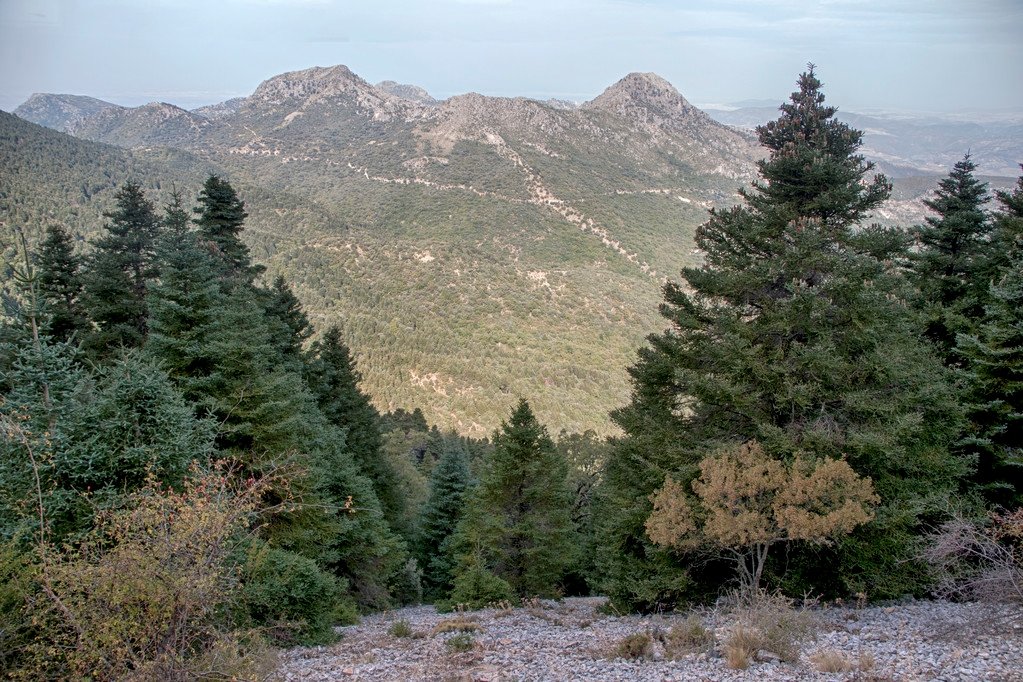
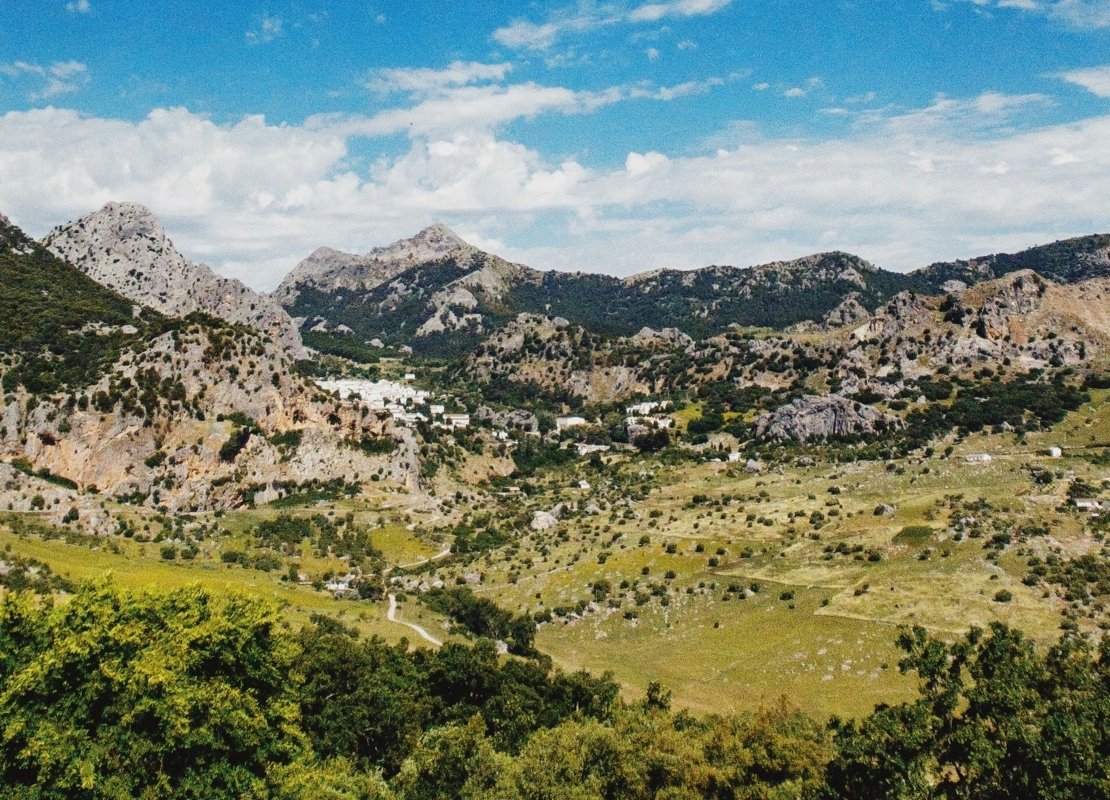
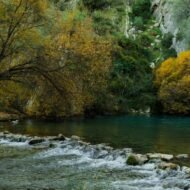
This Andalusian treasure proves that sustainable tourism thrives in Mediterranean climates. Spain’s first Biosphere Reserve combines dramatic limestone peaks, ancient Spanish fir forests, and traditional white villages (pueblos blancos) in a perfect harmony of nature and culture.
Summer Eco-Adventures:
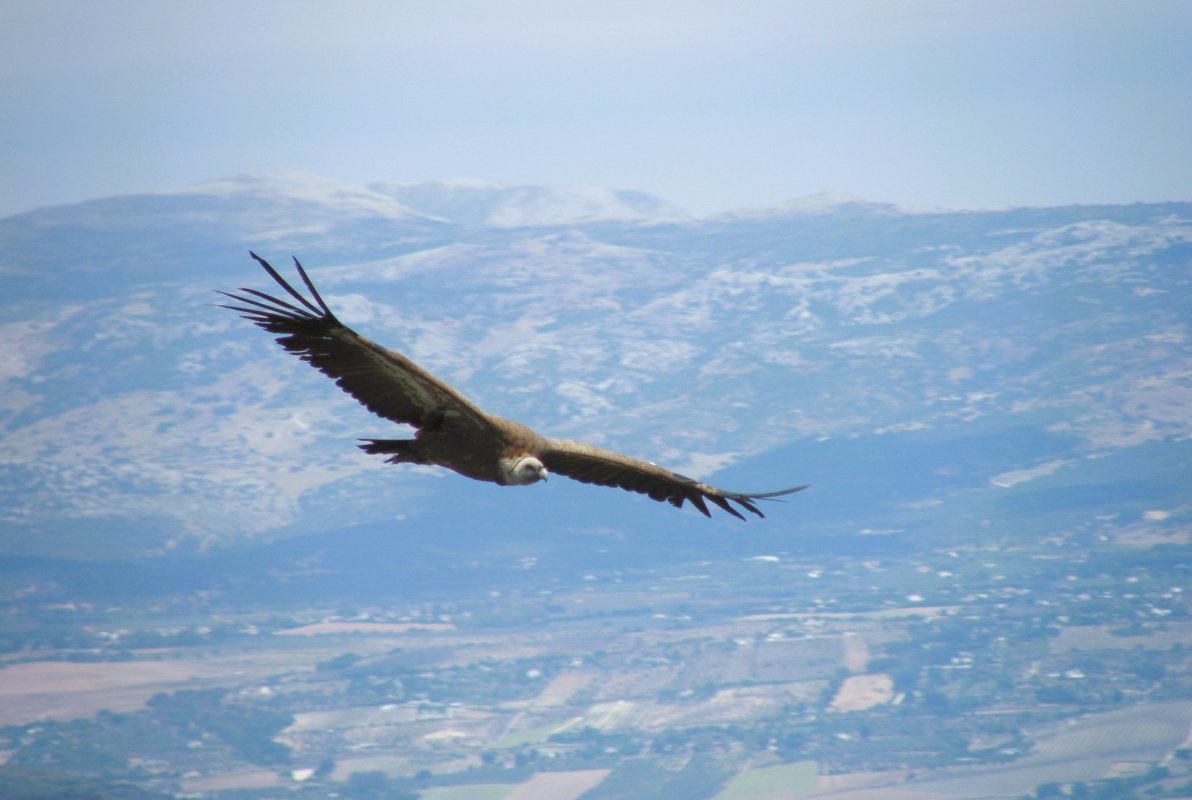
- Dawn bird-watching tours spotting endangered Spanish imperial eagles
- Traditional olive grove visits learning organic farming techniques
- Limestone canyon rappelling with certified eco-adventure companies
- Botanical photography workshops focusing on endemic Mediterranean flora
Winter Wonders:
- Hiking the ancient Spanish fir forests – some of Europe’s rarest trees
- Traditional cheese-making workshops with local goat herders
- Mountain biking on sustainable trails through cork oak forests
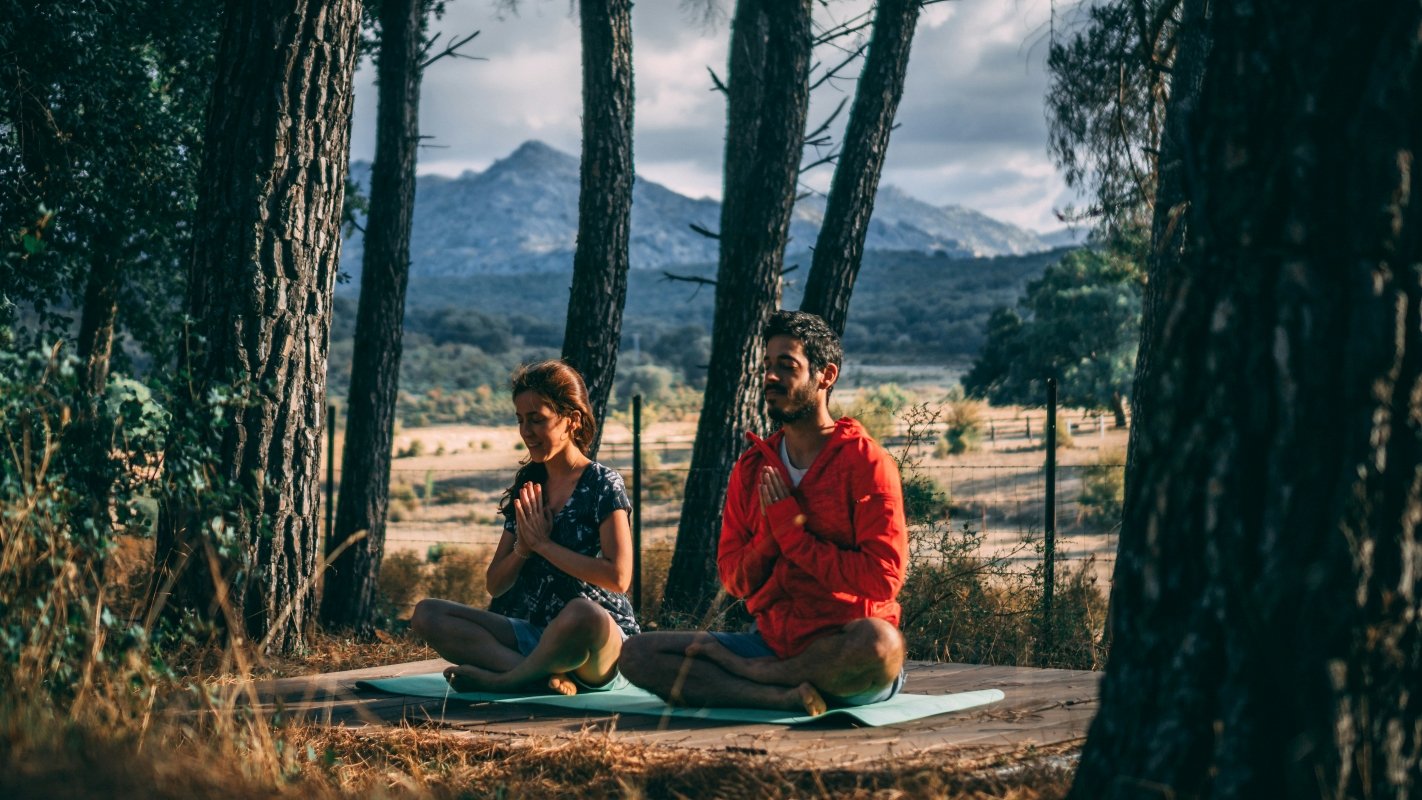
- Stargazing sessions in one of Spain’s darkest night skies
Educational Focus: The park’s interpretation centers showcase traditional Andalusian water management systems and sustainable agriculture. Programs highlight the relationship between human activity and landscape conservation over 1,000 years.
Accommodation & Campervan Options:
- Rural hotels in restored traditional houses using renewable energy
- Organic farm stays offering farm-to-table dining experiences
- Designated campervan areas in Grazalema and Zahara with solar charging stations
- Traditional cortijos (farmhouses) converted into eco-friendly accommodations
2025 Events:
- Mediterranean Forest Festival (May): celebrating cork harvesting and forest conservation
- Traditional Crafts Fair (October): showcasing leather working and pottery using sustainable methods
- Astronomy Week (August): professional stargazing in designated dark-sky zones
Useful Info: Free electric bus service connects major villages during summer months. Download the “Grazalema Trails” app for offline hiking maps and wildlife identification guides.
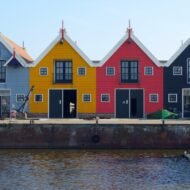
5. Lauwersmeer National Park, Netherlands: Proof That Rewilding Works
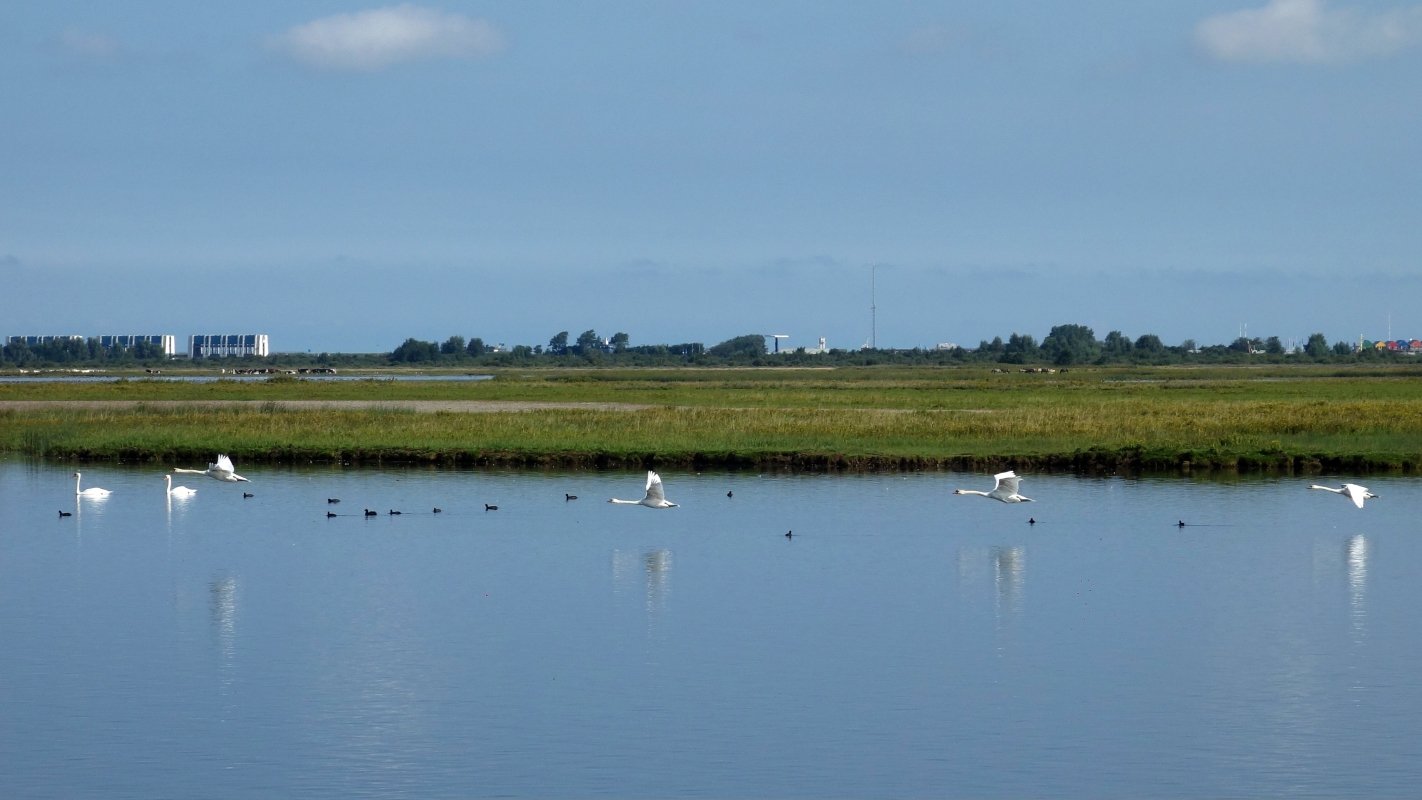
What was once the Zuiderzee inlet is now one of Europe’s most successful rewilding stories. Created in 1969 when the area was reclaimed from the sea, Lauwersmeer demonstrates how human intervention can create thriving ecosystems while providing world-class sustainable tourism experiences.
Summer Eco-Adventures:
- Seal watching expeditions from Lauwersoog harbor using electric boats
- Cycling the 90km trail network on paths made from recycled materials
- Bird migration photography during peak season migrations
- Traditional fishing workshops learning sustainable Wadden Sea techniques
Winter Wonders:
- Ice skating on frozen lakes when conditions permit
- Winter seal pupping tours observing grey seals with minimal disturbance
- Cross-country skiing through snowy grasslands and reed beds
- Dark-sky astronomy events taking advantage of minimal light pollution
Educational Focus: The park showcases rewilding success stories and sustainable land management. Educational programs focus on the transformation from agricultural land to diverse ecosystems, demonstrating how nature and human activity can coexist.
Accommodation & Campervan Options:
- Sustainable holiday parks powered entirely by wind and solar energy
- Designated campervan spots with composting toilets and rainwater collection systems
- Eco-cabins built from recycled ship materials reflecting maritime heritage
- Farm stays on surrounding organic farms offering local produce
2025 Events:
- Migratory Bird Festival (May & September): celebrating major migration seasons
- Sustainable Living Fair (June): showcasing renewable energy and permaculture
- Dark Sky Weekend (November): astronomy events and night photography workshops
Useful Info: Free electric shuttle boats operate between visitor centers during summer. The park offers free bicycle loans for visitors arriving by public transport.
Final Thoughts: Your Sustainable European Adventure Awaits
These five protected areas represent the future of travel – where exploration enhances rather than exploits our natural world. Each destination offers proof that eco-tourism isn’t just about minimizing harm; it’s about actively contributing to conservation while creating unforgettable memories.
Whether you’re tracking wolves in Estonian bogs, photographing Alpine glaciers, or stargazing in Spanish mountains, these parks demonstrate that sustainable travel provides richer, more meaningful experiences than traditional tourism. They’re not just destinations – they’re invitations to become part of Europe’s conservation story.
Ready to plan your eco-adventure? Start with one park and discover why sustainable travel isn’t just better for the planet – it’s better for your soul.
Disclaimer: This article provides general information about eco-tourism destinations and activities. Always check current park regulations, weather conditions, and booking requirements before travel. Some activities may have seasonal restrictions or require advance reservations. Environmental conditions and wildlife sightings cannot be guaranteed. Travel insurance is recommended for all outdoor activities. Please follow Leave No Trace principles and respect local communities and wildlife during your visit.