














TL;DR: Top 5 industrial heritage sites in europe . Europe’s coolest industrial sites aren’t just rusty relics—they’re vibrant cultural hubs, Instagram-worthy adventures, and living museums where smokestacks meet cocktails. From German coal mines turned design districts to Belgian steel mills hosting raves, these five spots prove industrial heritage is anything but boring.
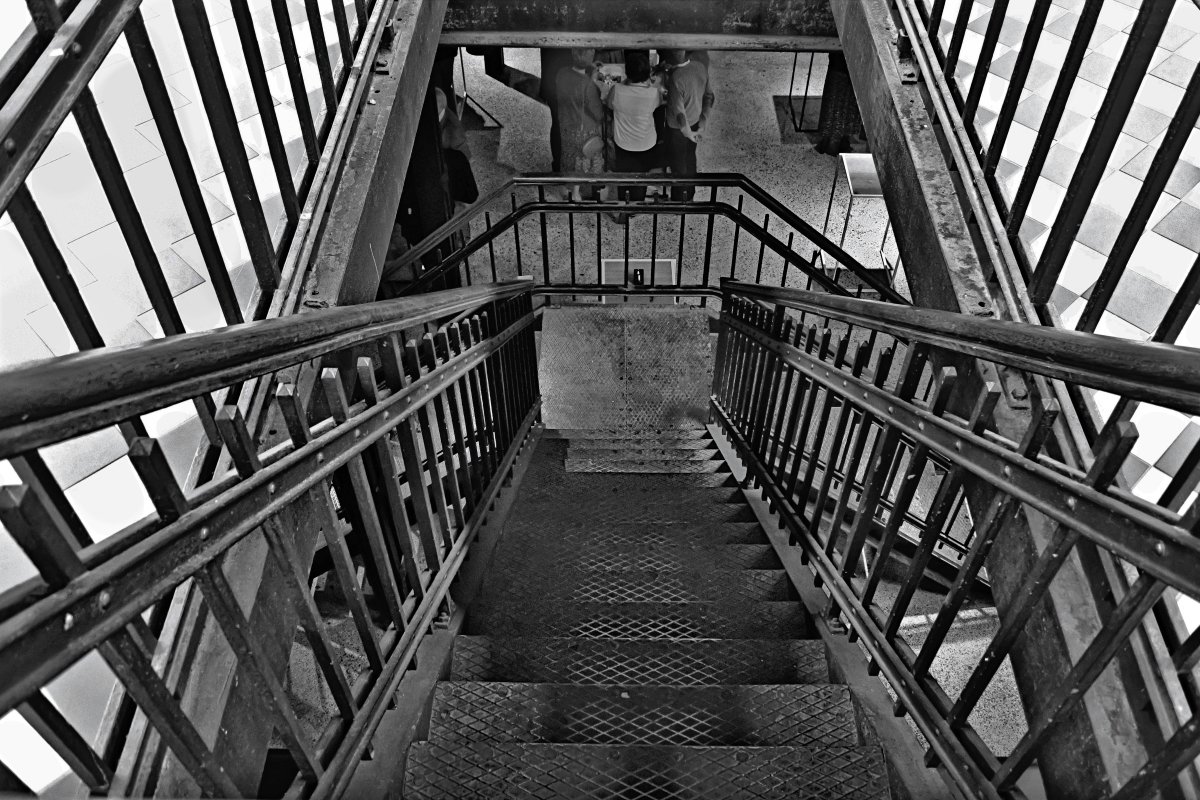
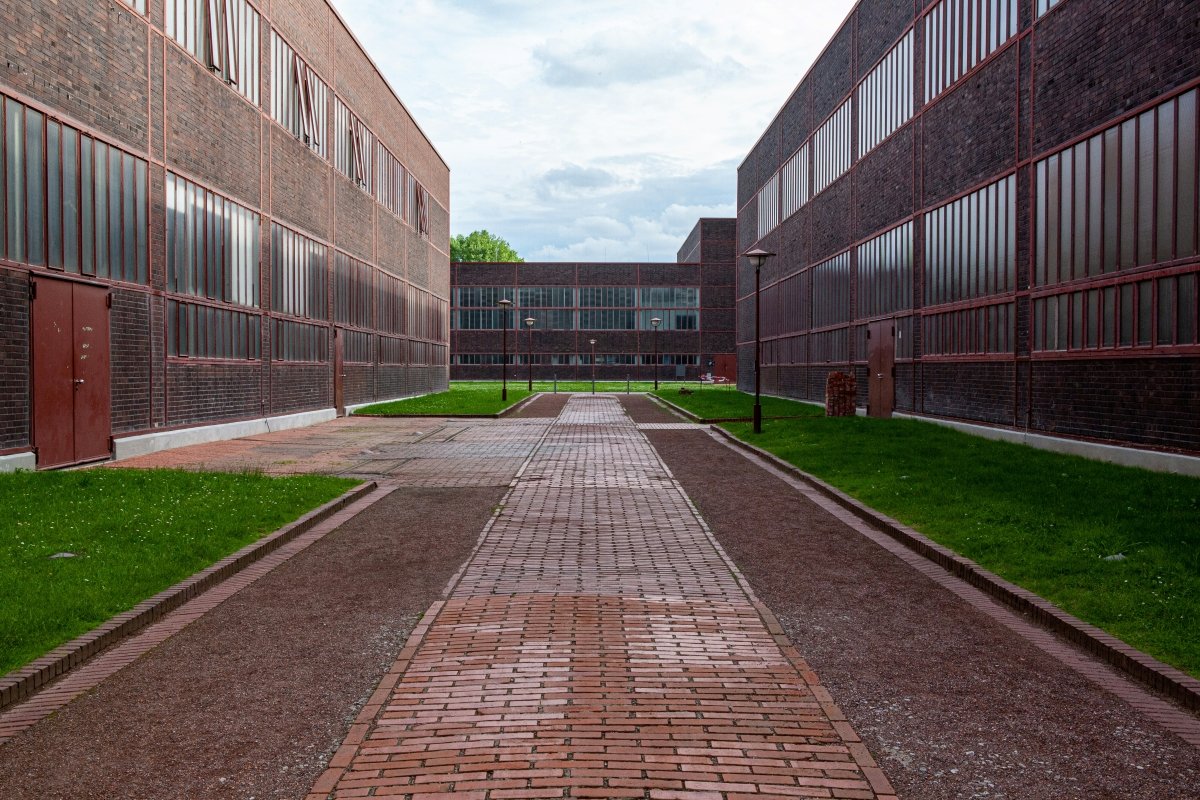
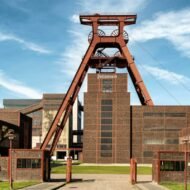
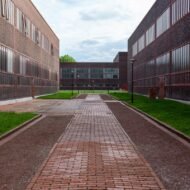
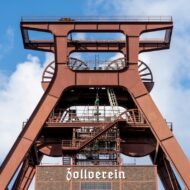
1. Zollverein Coal Mine Industrial Complex – Essen, Germany
The Backstory
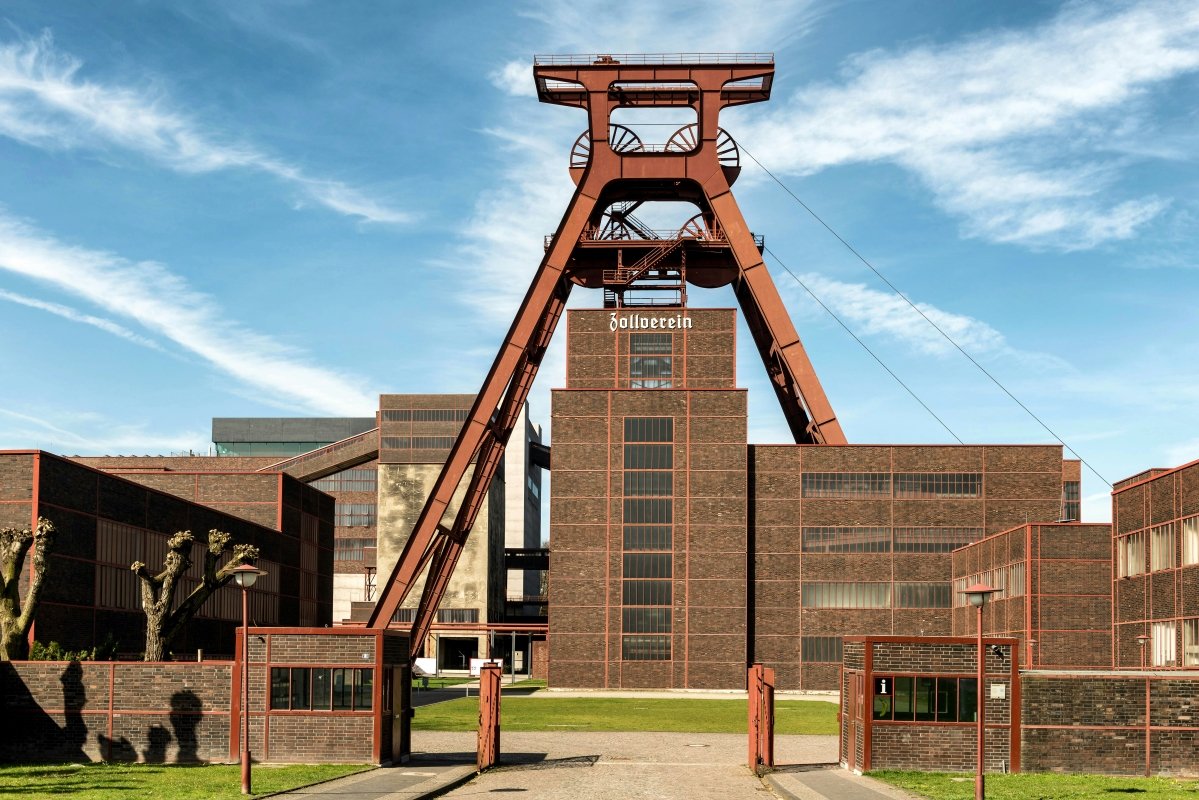
Once the largest and most modern coal mine in the world, Zollverein was dubbed the “most beautiful coal mine” thanks to its stunning Bauhaus architecture. Operating from 1851 to 1986, this behemoth processed over 240 million tons of coal and employed thousands of workers who kept Europe’s industrial heart pumping.
What’s Happening Now
Today, Zollverein is a UNESCO World Heritage Site that’s been transformed into a creative playground. The old coking plant houses the Ruhr Museum, ice skating happens on the former coal washery in winter, and the Red Dot Design Museum showcases cutting-edge contemporary design where miners once showered off coal dust.
Perfect for: Design lovers, architecture photographers, history buffs
The vibe: Industrial chic meets cultural sophistication
Visitor rating: ⭐⭐⭐⭐⭐ (4.8/5) “Absolutely stunning transformation. The contrast between raw industrial architecture and modern art is breathtaking!” – TravellerMike_92
Events: Summer cinema screenings, Christmas market, contemporary art exhibitions, design festivals
Pro tip: Grab dinner at Casino Zollverein—a Michelin-starred restaurant inside the old workers’ casino. Book ahead!
2. Landschaftspark Duisburg-Nord – Duisburg, Germany
The Backstory
This ironworks operated for nearly a century (1901-1985), producing pig iron that fueled Germany’s industrial rise. At its peak, massive blast furnaces roared day and night, creating an inferno that lit up the Ruhr Valley sky.
What’s Happening Now
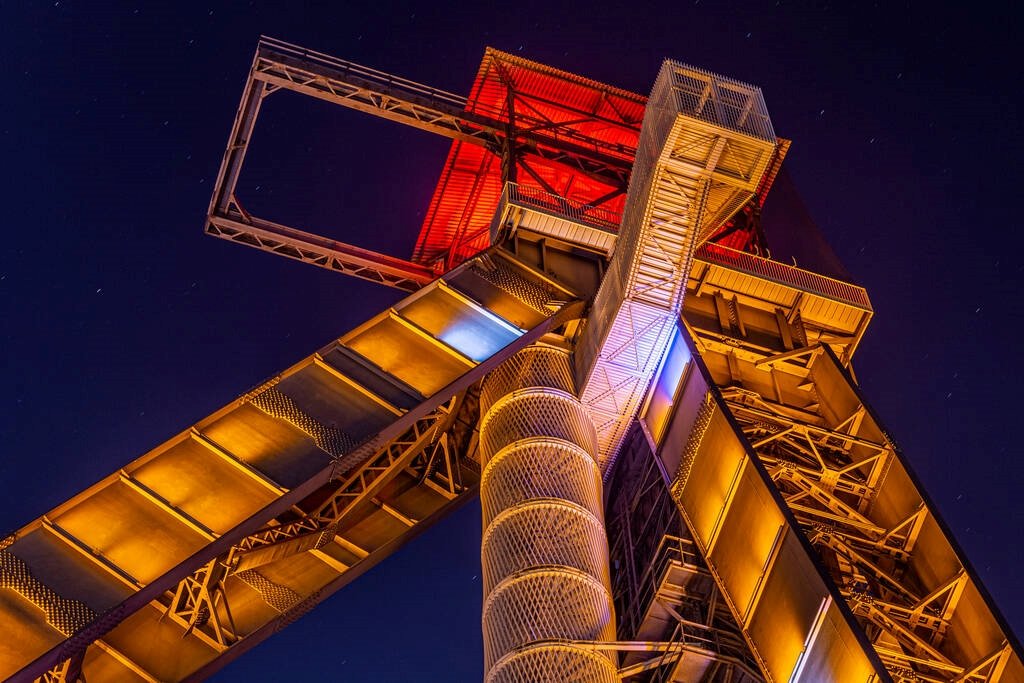
Rather than demolishing the site, visionary landscape architects turned it into an adventure park where nature and industry collide. Blast furnaces are now illuminated with colorful lights at night, gasometers host scuba diving sessions, and ore bunkers have become rock-climbing walls. Yes, you read that right—scuba diving in a gasometer.
Perfect for: Adventurers, families, nightlife seekers
The vibe: Post-apocalyptic playground meets outdoor festival
Visitor rating: ⭐⭐⭐⭐⭐ (4.9/5) “Climbed the blast furnace at sunset—absolutely unreal views. This place is pure magic!” – AdventureAnya
Events: Open-air concerts, light art festivals, outdoor cinema, yoga on blast furnaces
Don’t miss: The Saturday night illuminations when the entire complex glows in changing colors. It’s completely free and totally surreal.
3. Wieliczka Salt Mine – Wieliczka, Poland
The Backstory
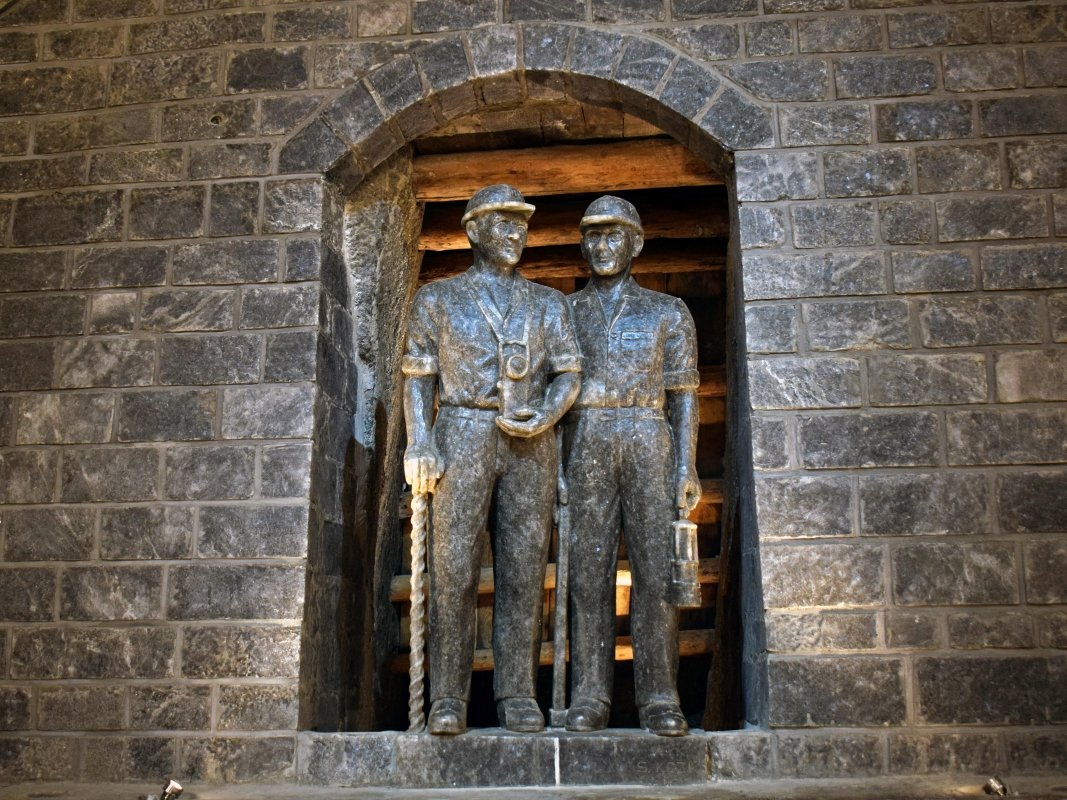
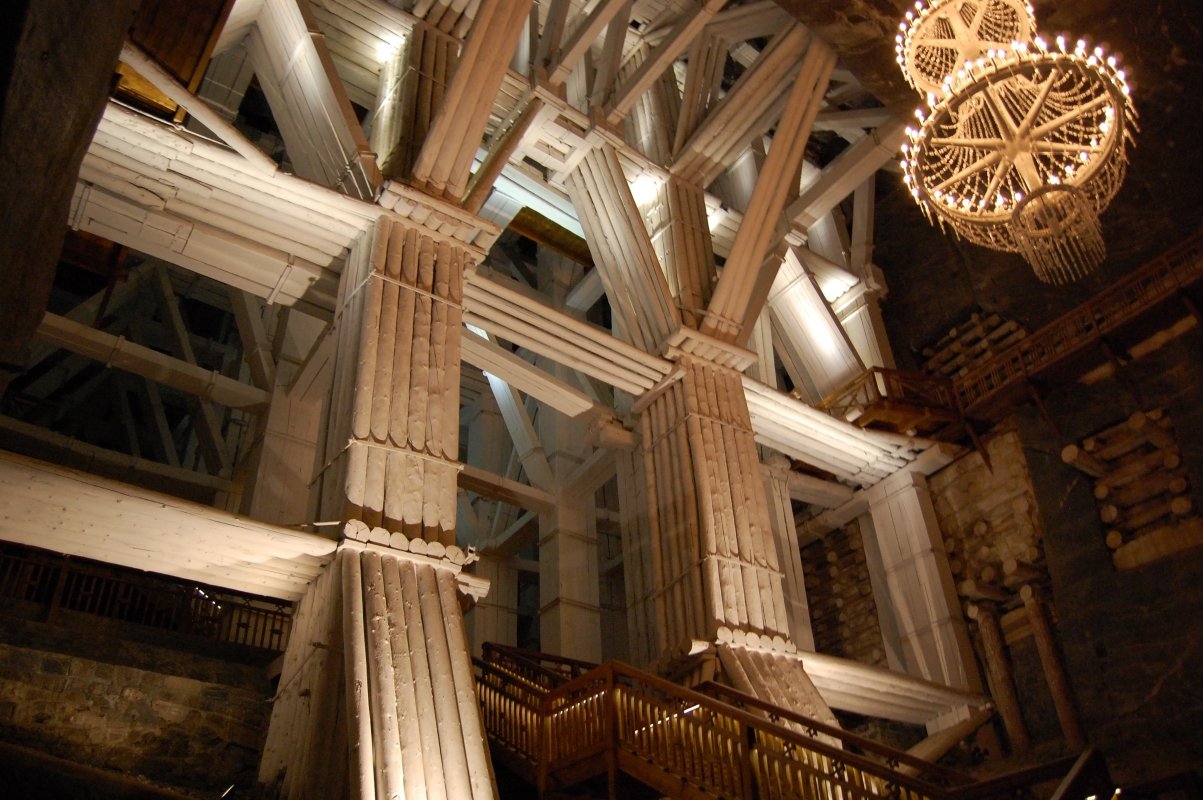
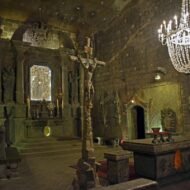
Miners started extracting “white gold” from these depths in the 13th century, and didn’t stop until 1996—that’s over 700 years of continuous operation. During that time, they carved out chambers, chapels, and even entire underground cathedrals from pure salt. Medieval miners believed they were doing holy work, and they literally built churches underground to prove it.
What’s Happening Now
This UNESCO site takes visitors 135 meters underground through carved corridors, salt lakes, and the jaw-dropping St. Kinga’s Chapel—a cathedral completely sculpted from salt, including the chandeliers. The mine also offers wellness treatments in its microclimate chambers, and there’s even an underground restaurant where you can dine surrounded by salt sculptures.
Perfect for: History enthusiasts, wellness seekers, anyone who loves unique experiences
The vibe: Underground wonderland with spiritual energy
Visitor rating: ⭐⭐⭐⭐⭐ (4.7/5) “The chapel made me tear up. How did they carve all this by hand?!” – HistoryNerd_Lisa
Events: Underground concerts (the acoustics are incredible), New Year’s Eve celebrations, wellness retreats
Insider knowledge: The temperature stays around 14-16°C year-round, so bring a jacket even in summer!
4. Tate Modern – London, UK
The Backstory
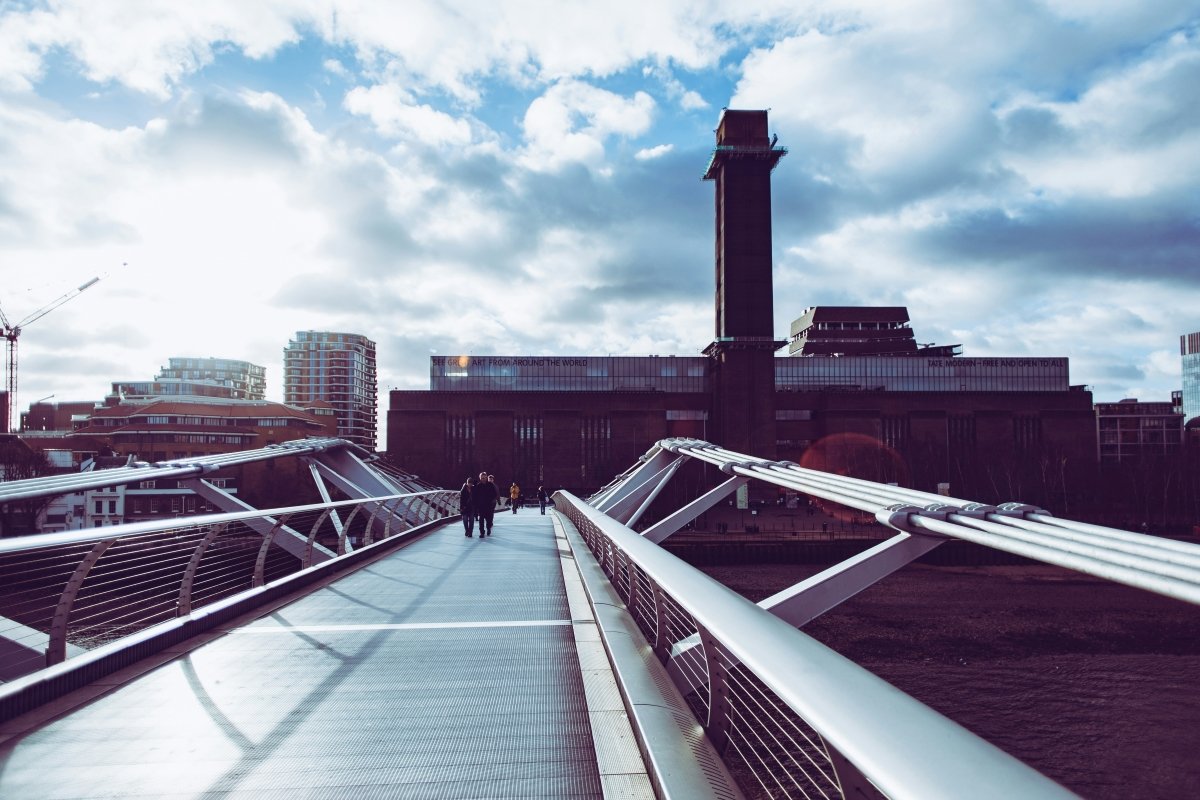
The Bankside Power Station was an oil-burning behemoth that generated electricity for London from 1952 to 1981. Designed by Sir Giles Gilbert Scott (who also created the iconic red telephone boxes), its imposing brick structure dominated the Thames riverside with its 99-meter chimney.
What’s Happening Now
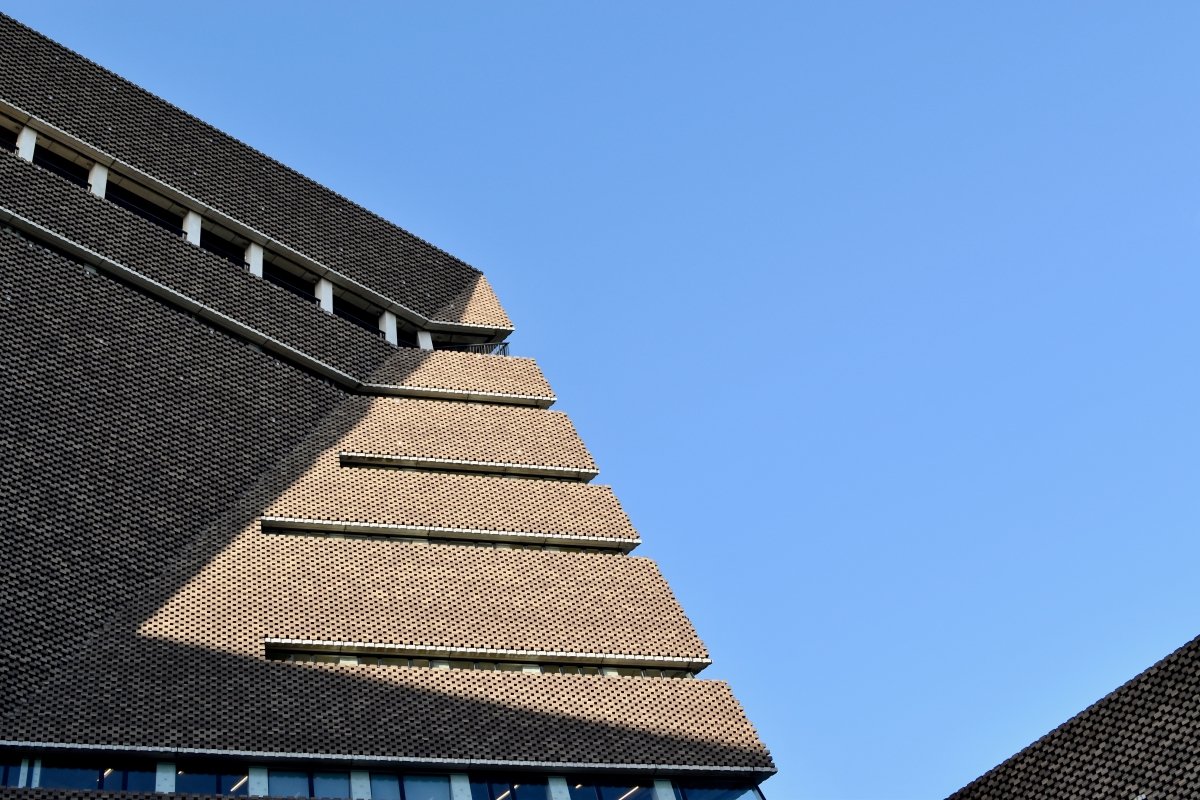
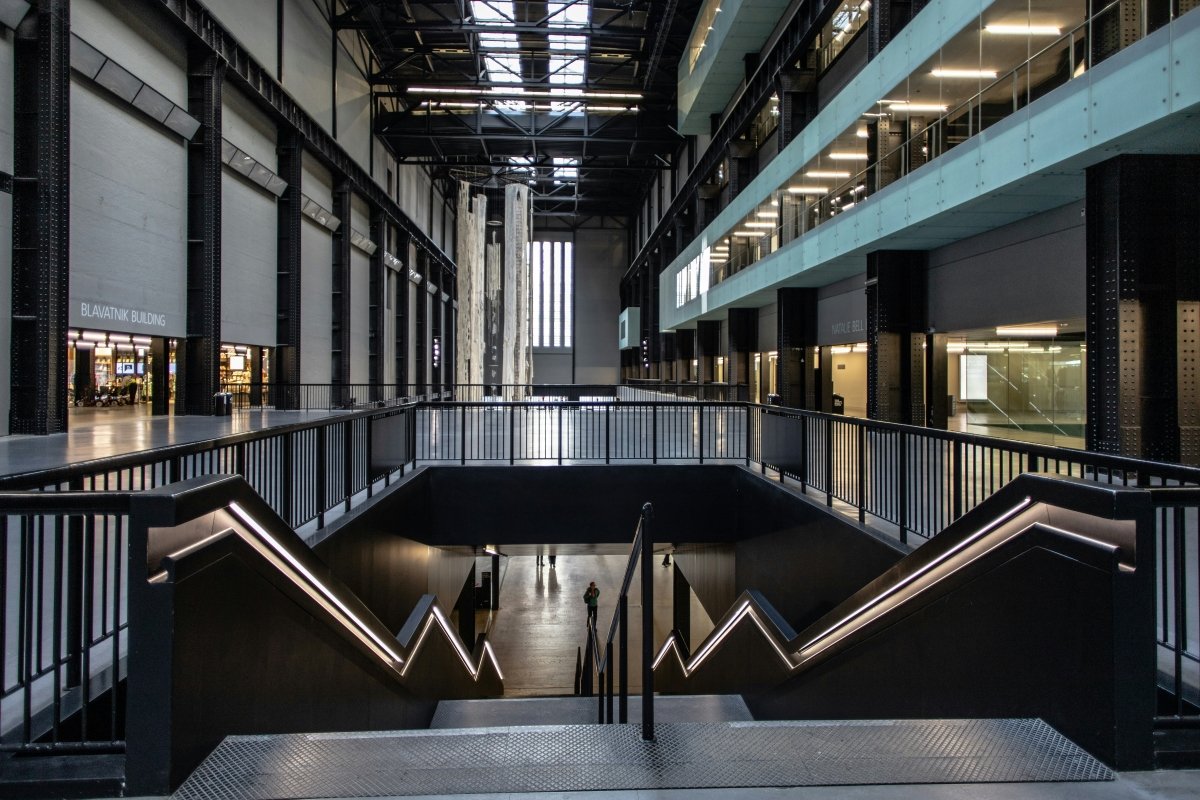
Since 2000, this power station has housed one of the world’s most visited modern art museums. The massive Turbine Hall—which once held electricity generators—now hosts monumental art installations that dwarf visitors. The transformation keeps the raw industrial bones while adding contemporary elegance, proving that culture and industry make perfect partners.
Perfect for: Art lovers, architecture fans, anyone seeking free world-class culture
The vibe: Sophisticated urban cool with industrial edge
Visitor rating: ⭐⭐⭐⭐⭐ (4.6/5) “The building is as much art as what’s inside it. Plus the view from the top floor restaurant!” – ArtGeek_Sam
Events: Late-night openings with DJs, artist talks, film screenings, rotating special exhibitions
Bonus: The museum is completely free (except special exhibitions), and the Thames riverfront location makes it perfect for a riverside walk.
5. C-Mine – Genk, Belgium
The Backstory
From 1923 to 1987, this coal mine was the economic heart of Genk, employing thousands and shaping the entire region’s identity. When the last miners descended for their final shift, locals mourned the loss of an era—but the best was yet to come.
What’s Happening Now
C-Mine has been reborn as a cultural expedition center that blends entertainment, creativity, and innovation. The site includes a cinema, adventure rooms, expedition museum, youth hostel, gold-class restaurant, and even a creative incubator for startups. The old headframe still towers over everything, a reminder of the site’s gritty past.
Perfect for: Families, creative types, people who want variety in one location
The vibe: Dynamic cultural hub with something for everyone
Visitor rating: ⭐⭐⭐⭐½ (4.5/5) “Did the escape room in a real mine shaft. My kids absolutely loved the expedition museum!” – FamilyTravels_EU
Events: Summer concerts, film festivals, innovation conferences, interactive exhibitions
Can’t-miss experience: The expedition museum takes you through interactive installations that explore both mining history and future innovation—it’s surprisingly moving.
Why These Places Matter (And Why You Should Visit)
These industrial heritage sites aren’t just about preserving the past—they’re about reimagining what’s possible when communities refuse to let history gather dust. They prove that smokestacks can be beautiful, that gasometers can hold dreams, and that the spaces where people once labored can become places where people play, create, and connect.
Each site offers something you simply can’t find anywhere else: the weight of authentic history combined with the energy of contemporary culture. Whether you’re climbing blast furnaces in Duisburg, descending into salt cathedrals in Poland, or sipping wine in a former power station in London, you’re experiencing spaces that honor workers’ legacies while building something new.
Getting there: All five sites are easily accessible by public transport and offer facilities for visitors of all abilities. Most have official apps or audio guides available in multiple languages.
Best time to visit: Spring and autumn offer pleasant weather and fewer crowds, though each site has unique seasonal events worth timing your visit around.
Ready to explore where industry meets imagination? These five sites are waiting to show you that Europe’s industrial past is very much alive—and it’s spectacular.