









TL;DR: Top European Winter Escapes: Snow, Mountains & Cozy Stays, Skip overcrowded Alpine resorts and discover five underrated European winter destinations where you’ll find authentic mountain culture, family-friendly slopes, and accommodation that won’t drain your savings. From Andorra’s duty-free shopping to Czech Republic’s beer-soaked après-ski, these hidden gems deliver the full winter experience without the Instagrammer crowds.
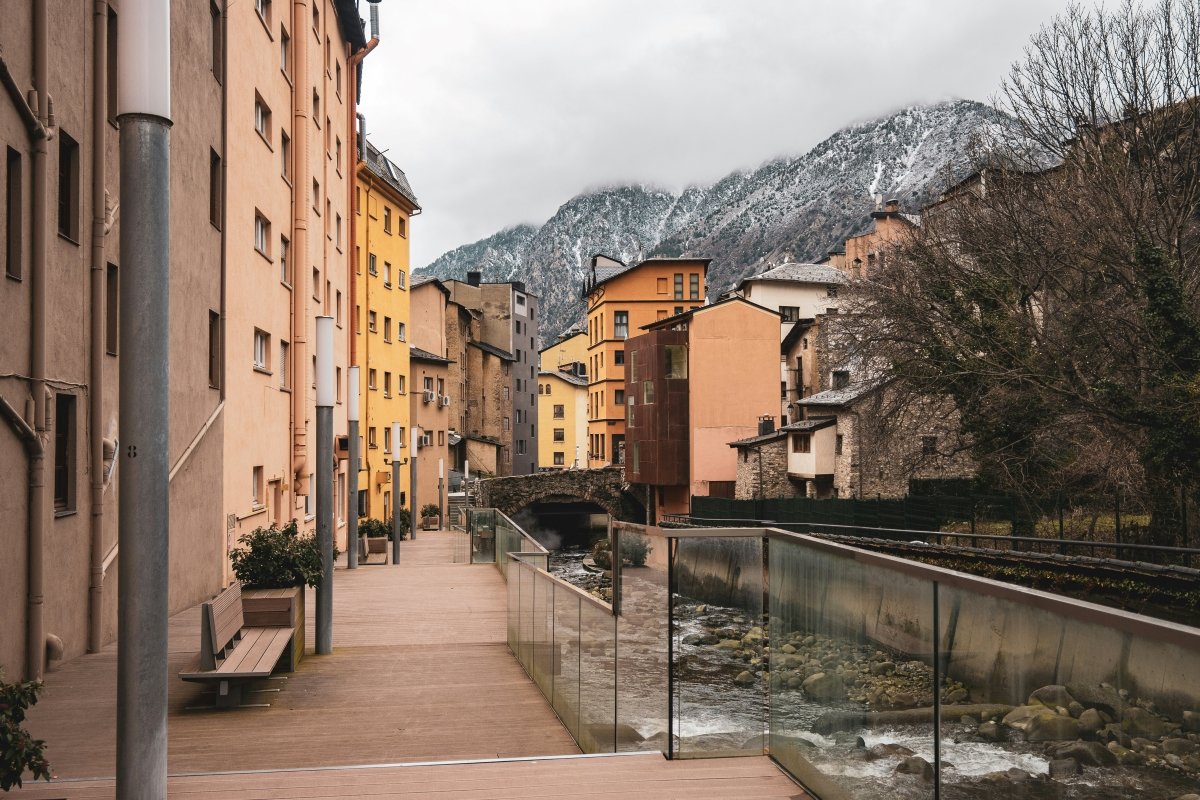
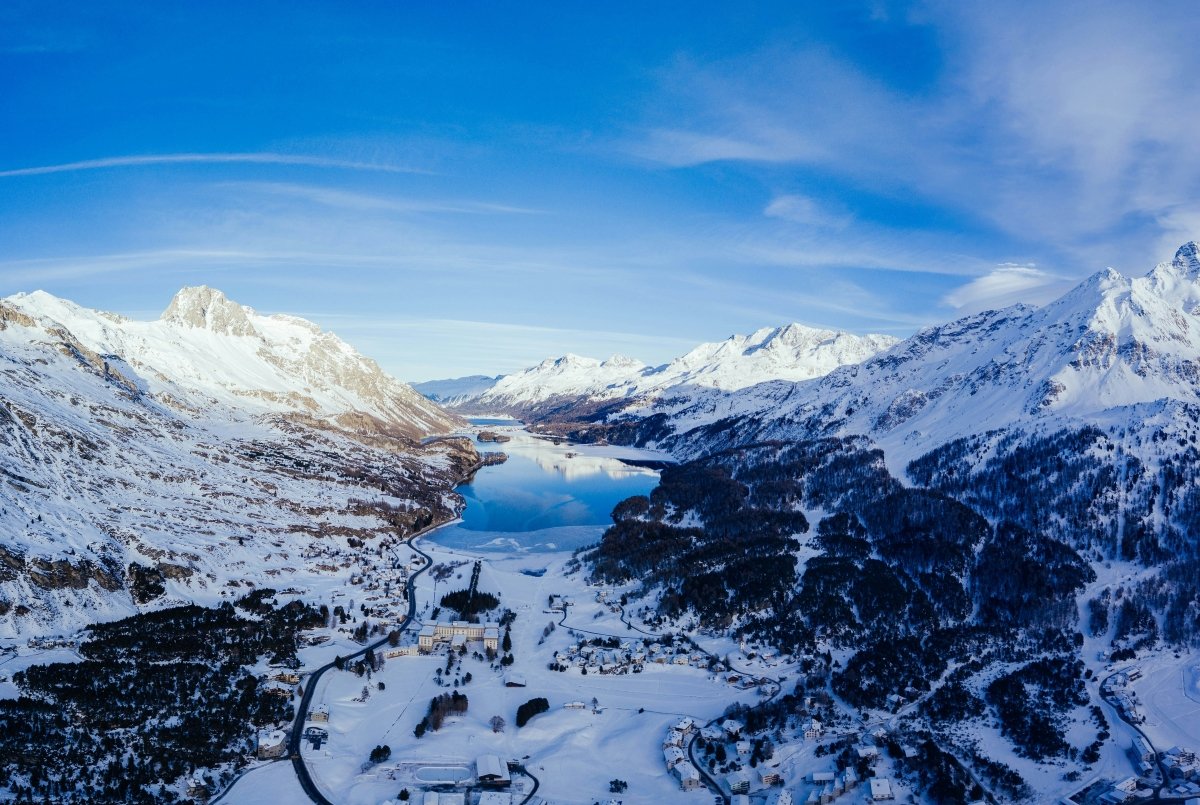
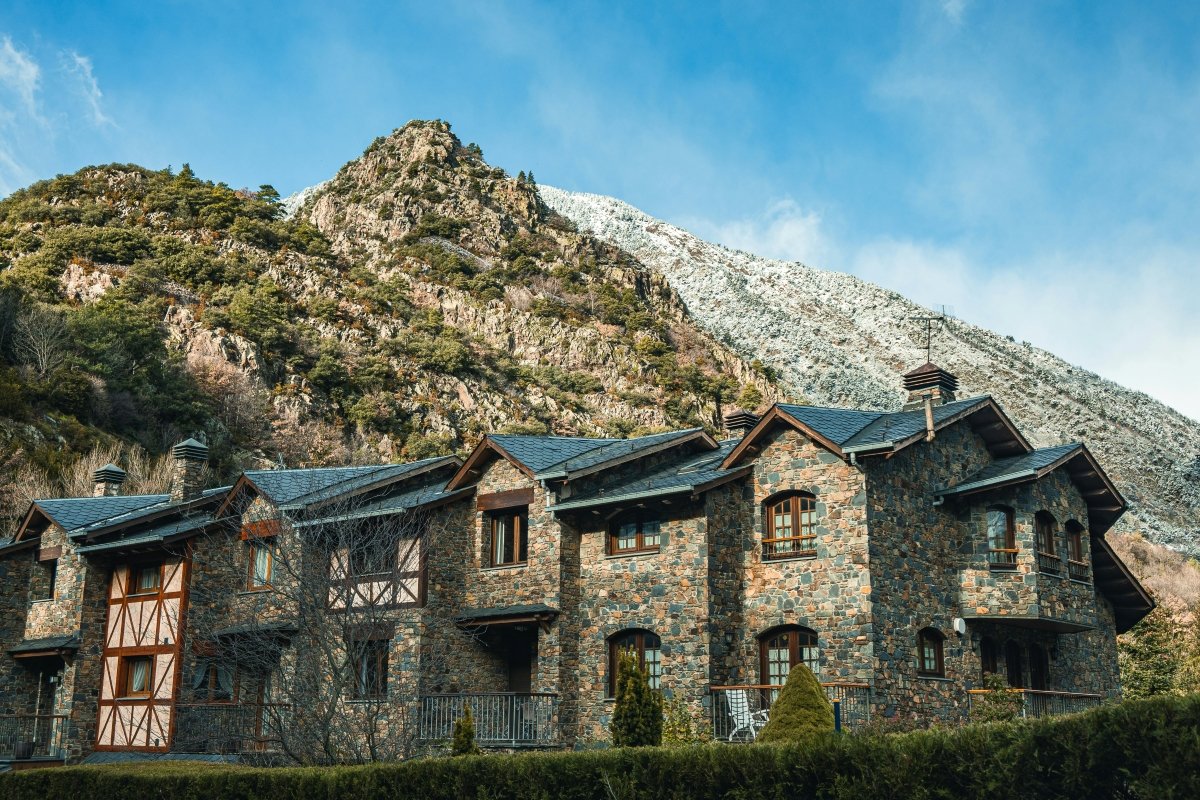
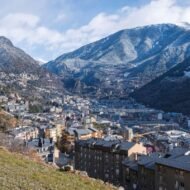
1. Andorra la Vella & Soldeu, Andorra ⭐ 4.4/5
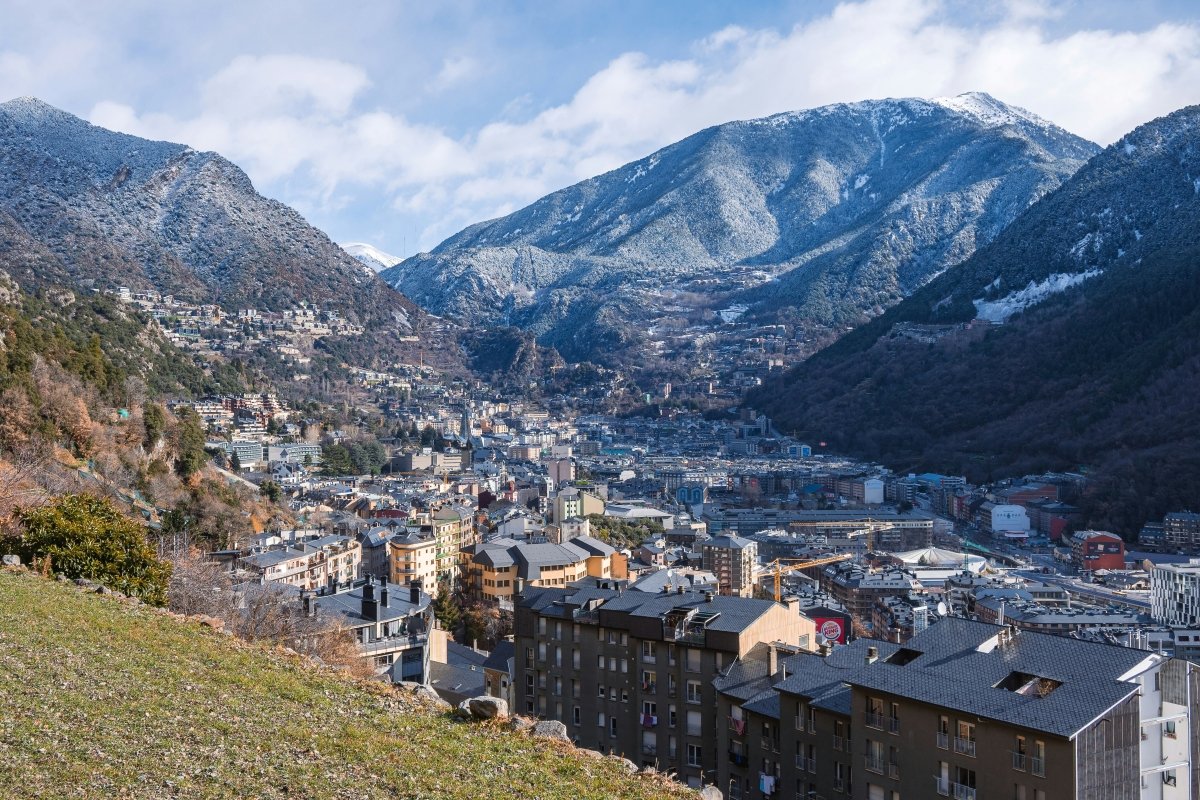
Why you haven’t heard of it: Sandwiched between France and Spain, this tiny principality gets overlooked by travelers rushing to bigger-name resorts. Their loss, your gain.
Family-Friendly Highlights:
- Grandvalira (Soldeu sector) offers 210km of slopes with dedicated beginner zones and ski schools that won’t make your kids cry
- Naturlandia adventure park features toboggan runs that adults secretly enjoy more than children
- Caldea spa complex has shallow thermal pools perfect for tired little legs (and yours)
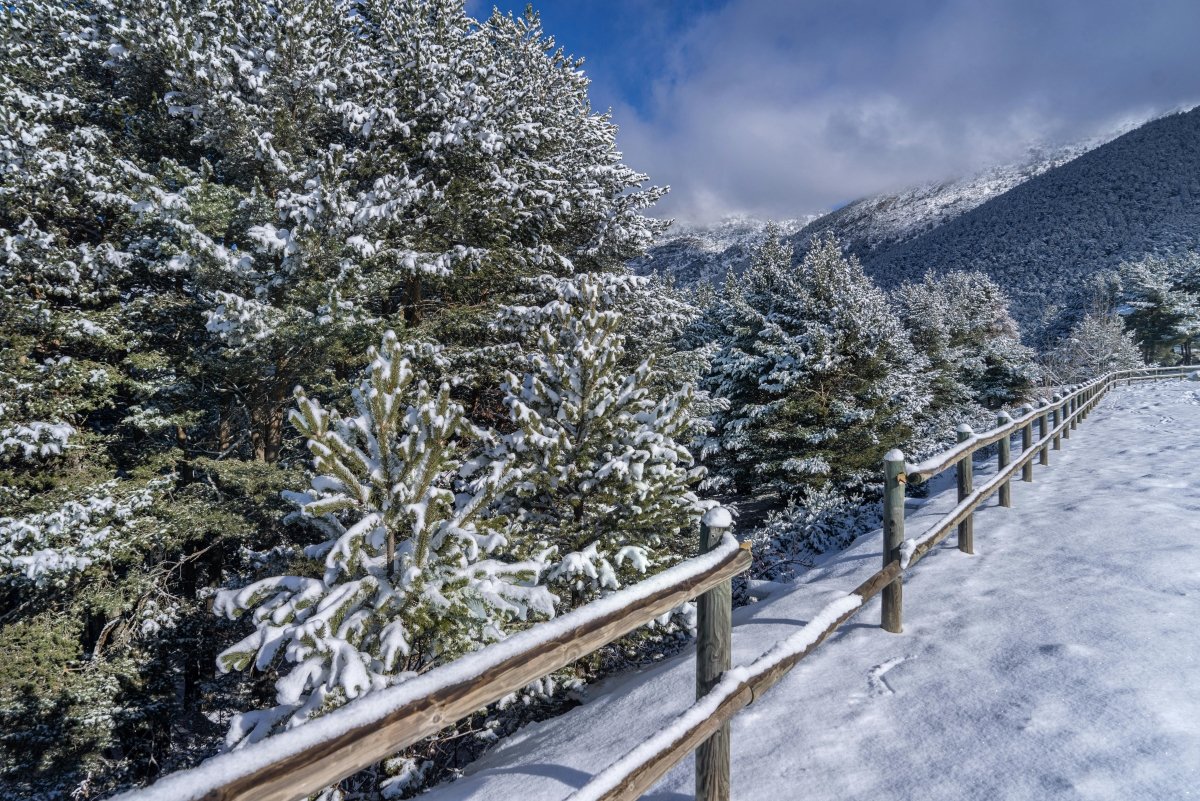
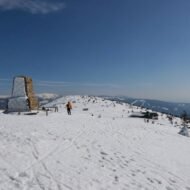
The Skiing Situation: Soldeu connects to one of Europe’s largest ski domains. You’re looking at terrain that handles everyone from wobbly first-timers to speed demons, without the elbow-to-elbow lift queues. Snow reliability runs December through April, with most runs sitting above 2,000m.
Local Traditions Worth Your Time:
- Escudella season (winter months): This heavyweight stew appears on every menu, packed with local sausage, vegetables, and enough carbs to fuel a full ski day
- January’s Festa Major brings fire-running traditions (correfocs) that look wild but are surprisingly family-safe
Budget Reality Check:
- Accommodation: €60-120/night for apartment rentals sleeping four
- Ski passes: €50-60/day (cheaper than France or Austria by 30%)
- Meals: €12-18 for hearty mountain lunch
- The kicker: Duty-free status means your gear, groceries, and that bottle of whisky cost significantly less
Food Scene: Beyond escudella, hunt down trinxat (cabbage and potato mash with bacon), and don’t leave without trying coca flatbreads at local bakeries. Restaurant picks: Borda Estevet for traditional mountain cooking, or grab empanadas from street vendors in Andorra la Vella.
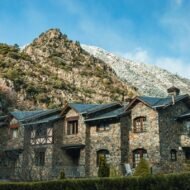
Cultural Bonus: Romanesque churches dot the mountainsides (Sant Joan de Caselles is the poster child), offering free admission and Instagram gold without crowds.
Events Calendar:
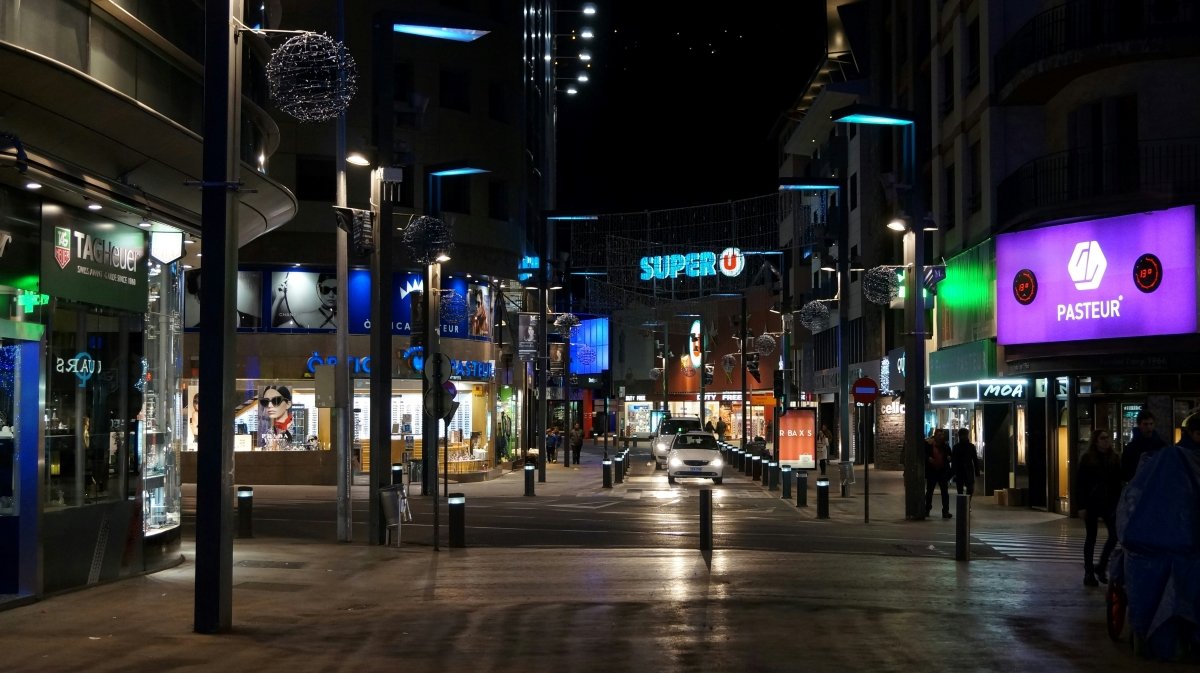
- Andorra la Vella Christmas Market (late Nov-early Jan): Smaller than German markets but with Spanish warmth
- Caramelles (weekends before Easter): Traditional Catalan singing that spills into streets
Useful Info:
- Getting there: Fly into Barcelona or Toulouse, then 3-hour bus/drive
- Language: Catalan officially, but Spanish, French, and English all work
- Currency: Euros (and no, you can’t avoid sales tax entirely—it’s low, not zero)
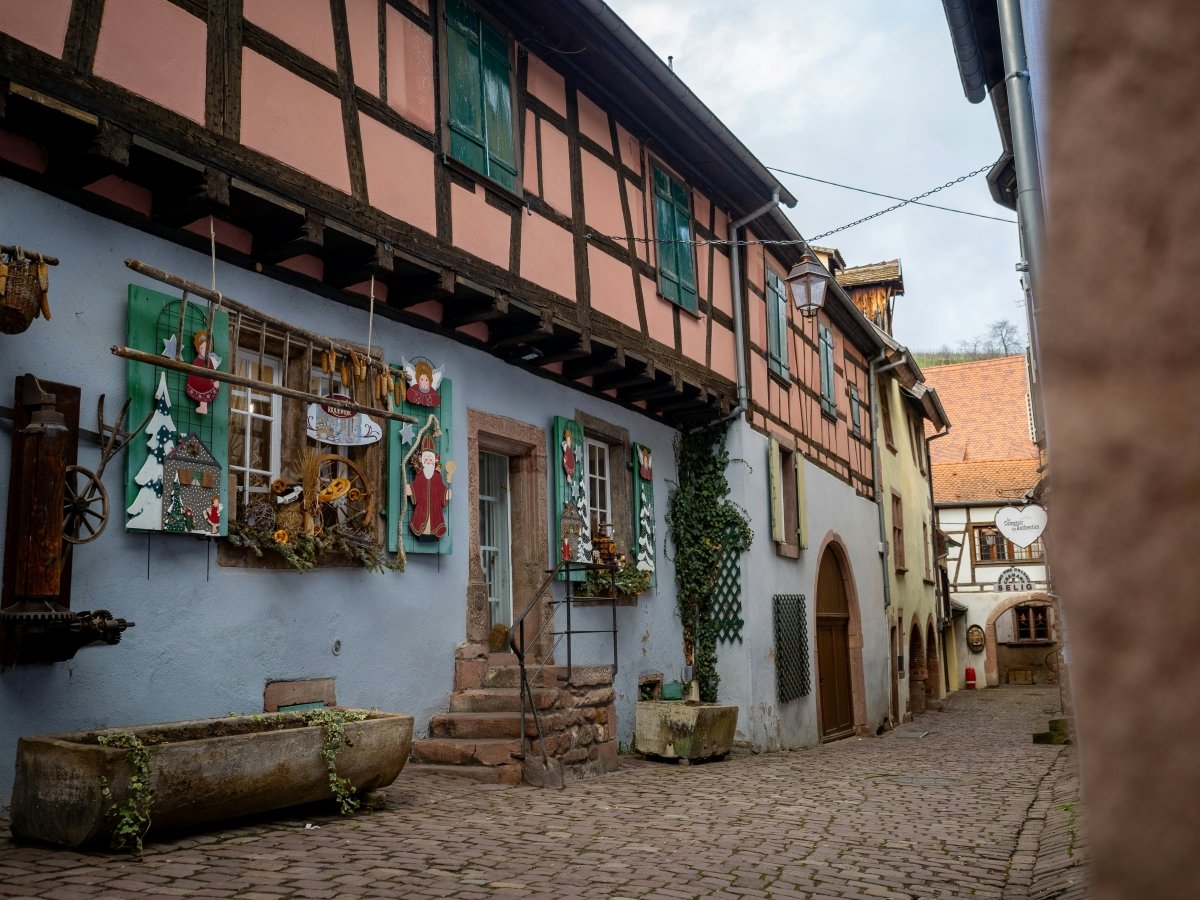
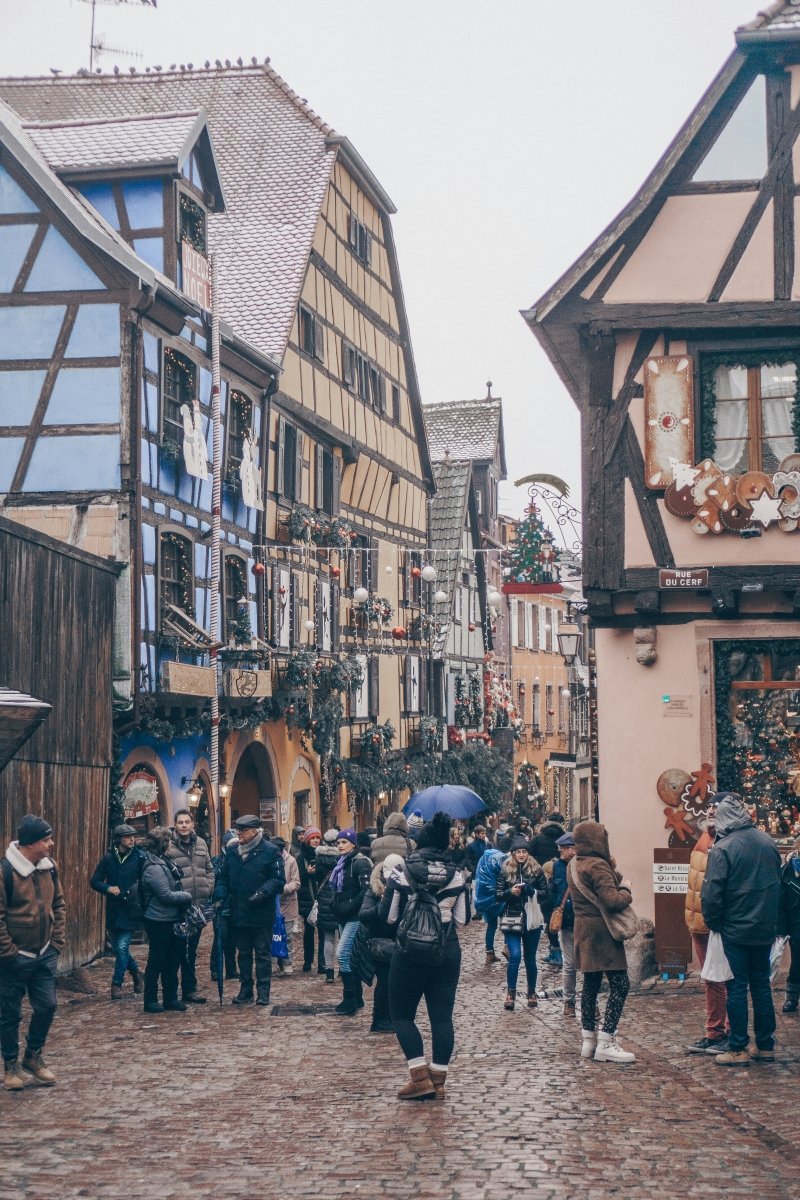
2. Riquewihr, Alsace, France ⭐ 4.6/5
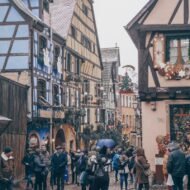
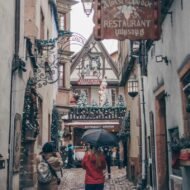
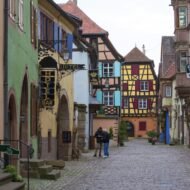
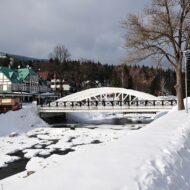
Why it’s under the radar: Most winter travelers beeline for the Alps, completely missing this fairytale wine village in northeastern France.
Family-Friendly Highlights:
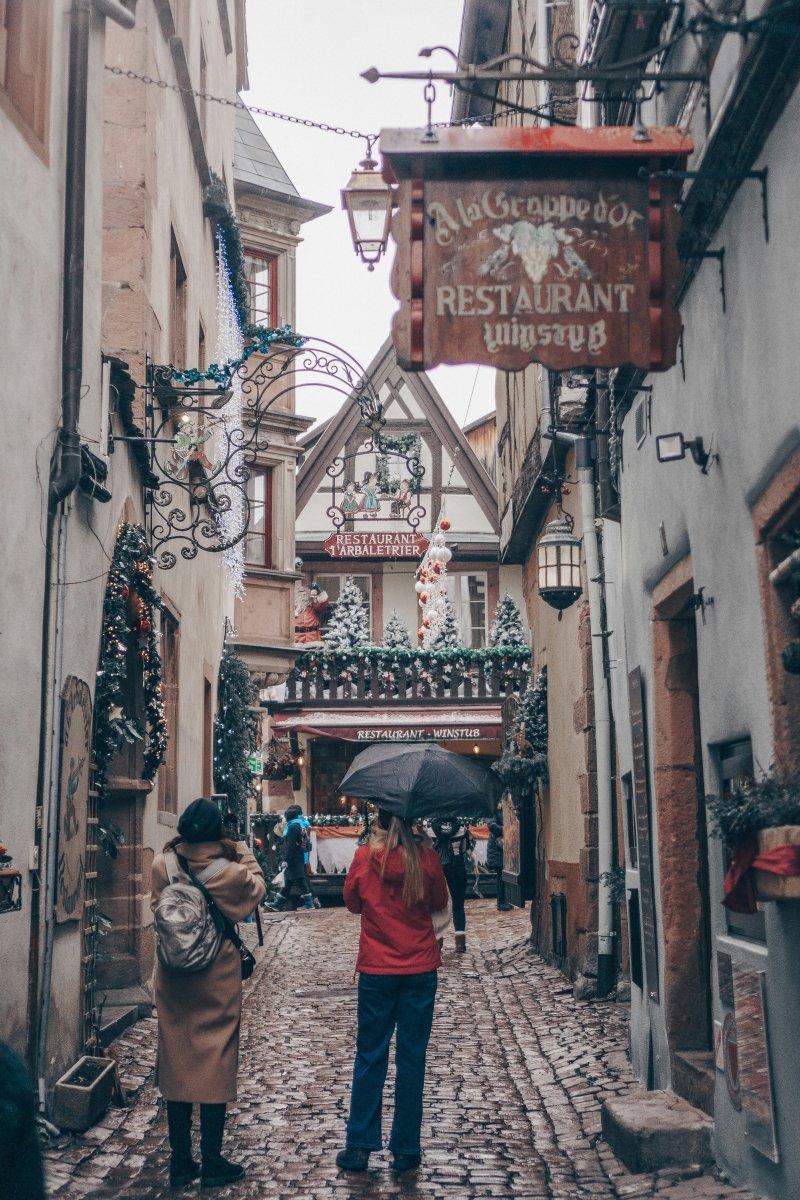
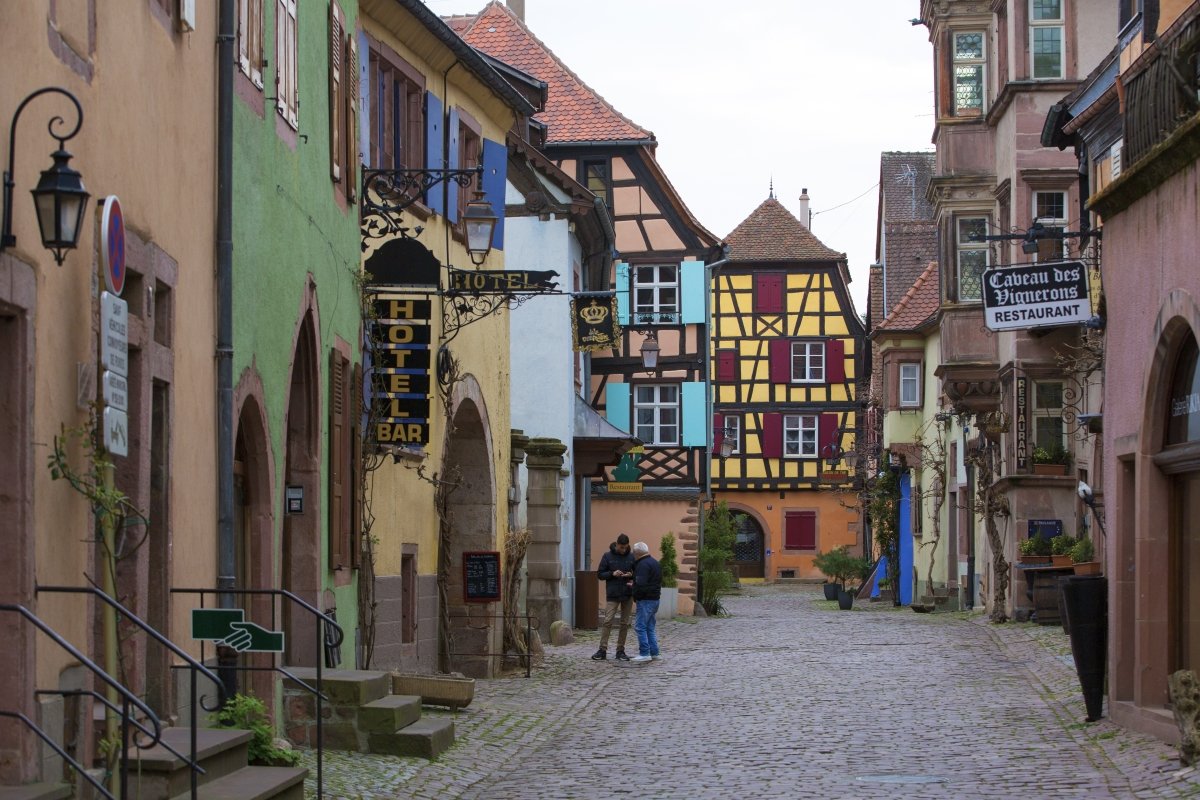
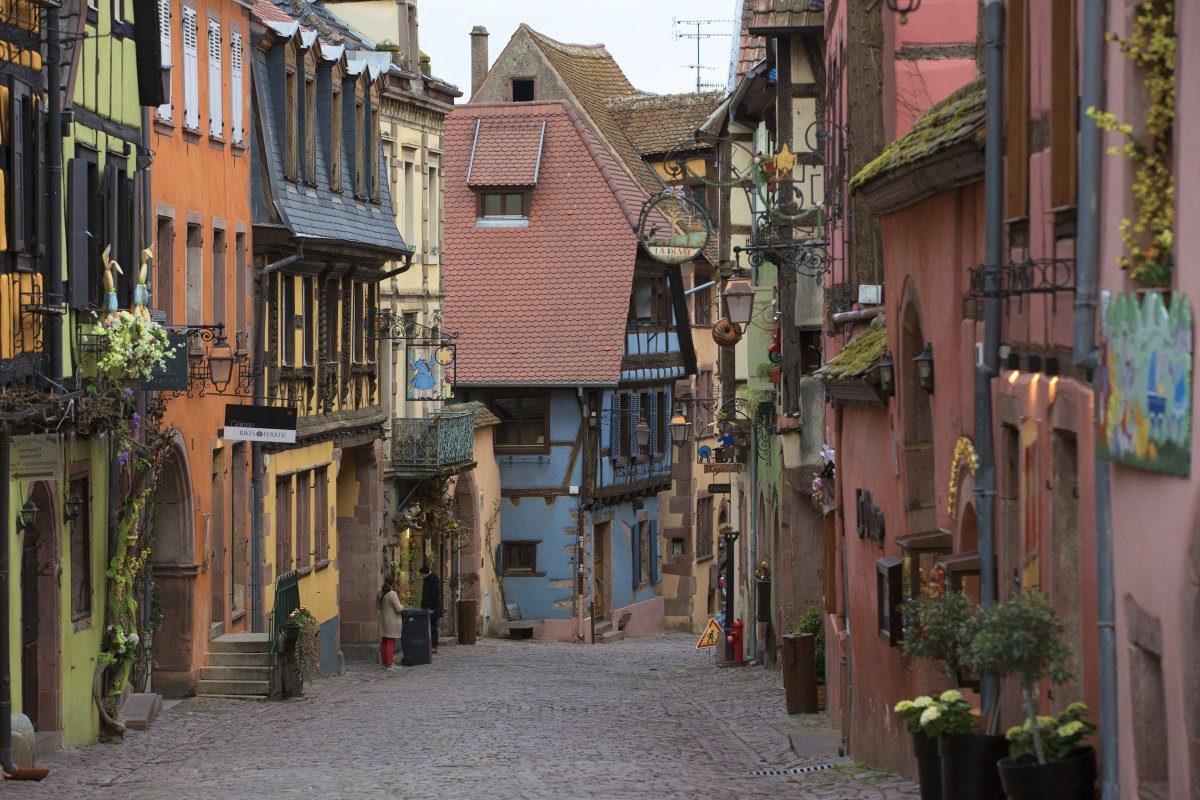
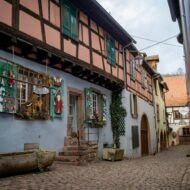
- Medieval village streets feel like walking through a pop-up book (car-free = stress-free)
- Three nearby ski areas (Le Bonhomme, Lac Blanc, Schnepfenried) offer gentle slopes perfect for building confidence
- Ecomusée d’Alsace in nearby Ungersheim recreates village life with animals kids can actually pet
The Skiing Situation: This isn’t destination skiing—it’s intimate, local, and refreshingly unpretentious. Vosges mountains max out around 1,300m, so think late December through February for best snow. Perfect for families wanting variety beyond just slopes.
Local Traditions Worth Your Time:
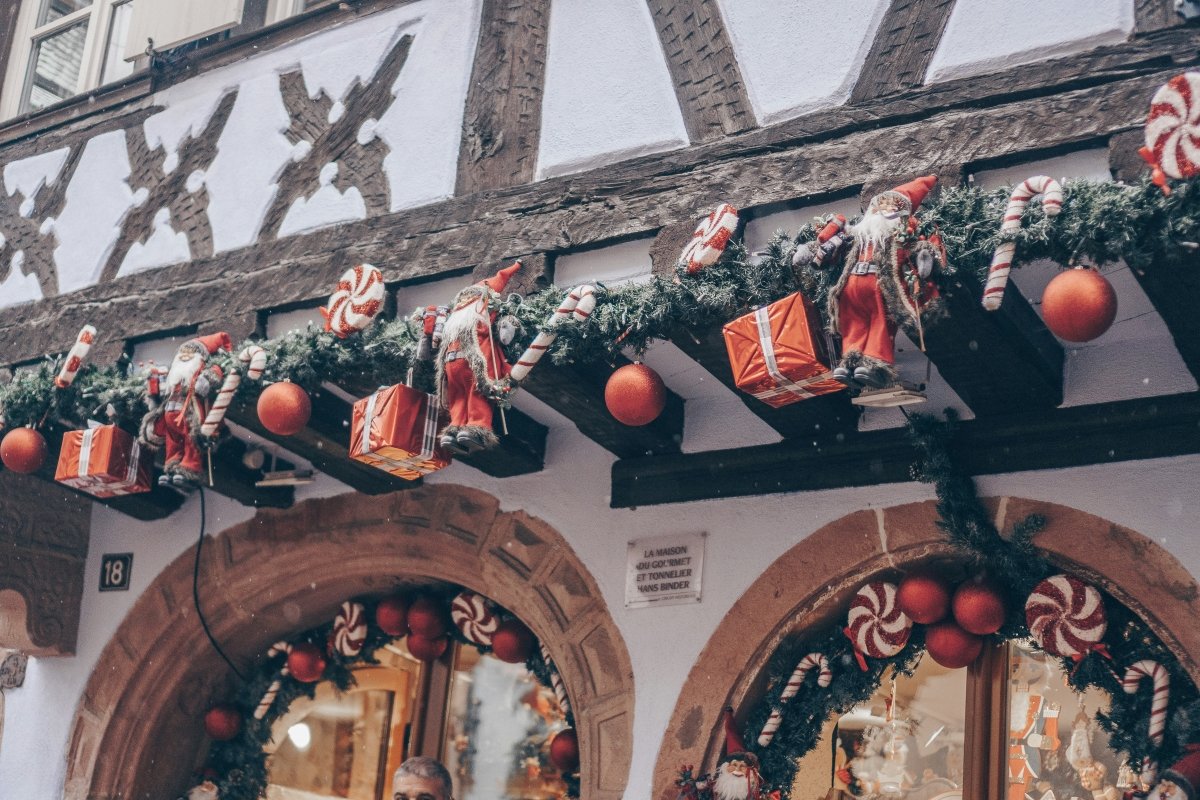
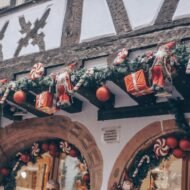
- Christmas markets here invented the genre—Riquewihr’s runs late November to December 31st
- St. Nicholas Day (December 6th): Expect parades, gingerbread, and kids getting small gifts
- New Year’s Eve Sylvester celebrations blend French and German traditions with serious wine consumption
Budget Reality Check:
- Accommodation: €80-150/night for gîtes (vacation homes) with kitchen facilities
- Ski passes: €25-35/day (smaller resorts = smaller prices)
- Meals: €15-25 for winstub (wine tavern) comfort food
- Wine: €8-15/bottle direct from producers (this is why you’re really here)
Food Scene: Winter demands choucroute garnie (sauerkraut avalanche with every pork product imaginable), baeckeoffe (slow-cooked meat and potato casserole), and tarte flambée. Wash it down with vin chaud (mulled wine) or local Riesling. Restaurant tips: Auberge du Schoenenbourg, or grab takeaway bretzel (pretzels) from bakeries.
Cultural Bonus: This region ping-ponged between France and Germany, creating a cultural mashup visible in half-timbered architecture and bilingual everything. The Dolder Tower (13th century) offers village views for pocket change.
Events Calendar:
- Riquewihr Christmas Market (late Nov-Dec 31): Peak season crowds are real
- Fête des Ménétriers (September, but worth planning for): Wine festival celebrating local winemakers
Useful Info:
- Getting there: Strasbourg airport (1 hour), or Basel (90 minutes)
- Language: French, with Alsatian dialect and German widely understood
- Pro move: Visit midweek in January for empty streets and better accommodation deals
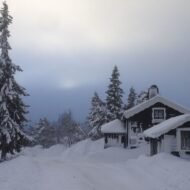
3. Sälen, Sweden ⭐ 4.5/5
Why you’re sleeping on it: Sweden’s winter reputation stops at ice hotels and northern lights. Sälen offers serious skiing without the Scandi price shock you’re expecting.
Family-Friendly Highlights:
- Four connected ski areas with dedicated learning zones and forest trails
- Skidskolan (ski school) programs cater to Scandinavian standards (read: very good)
- Tomteland (Santa’s workshop) in nearby Mora keeps the magic alive
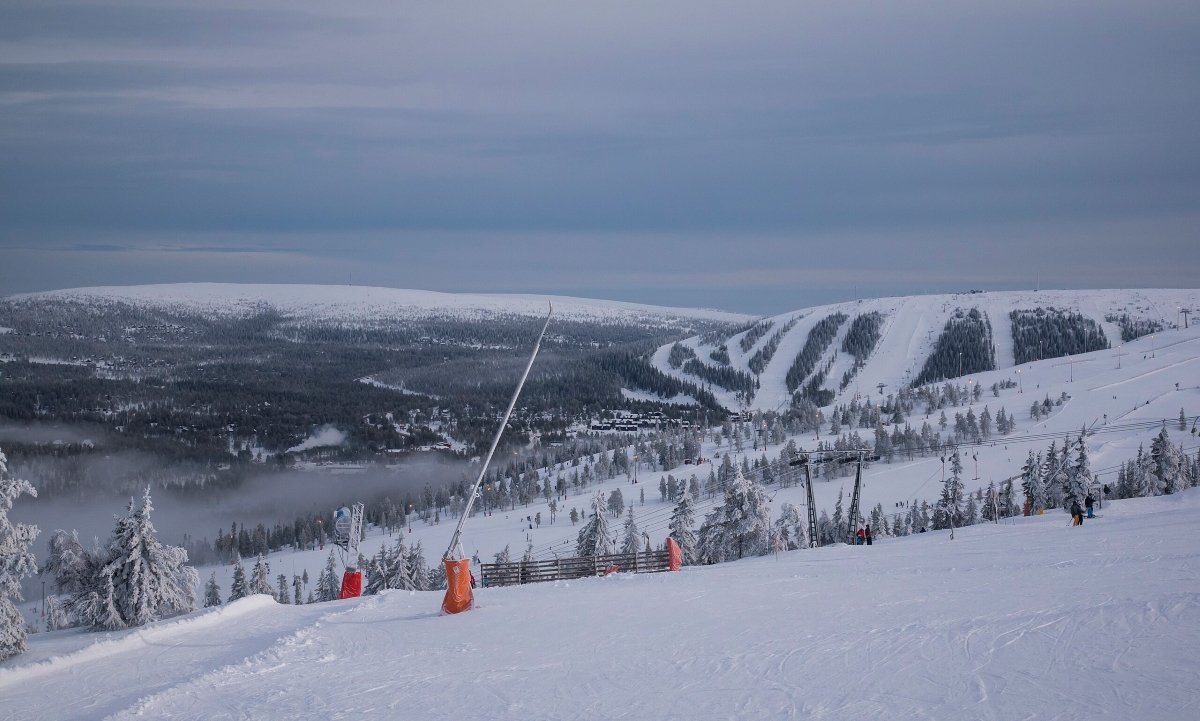
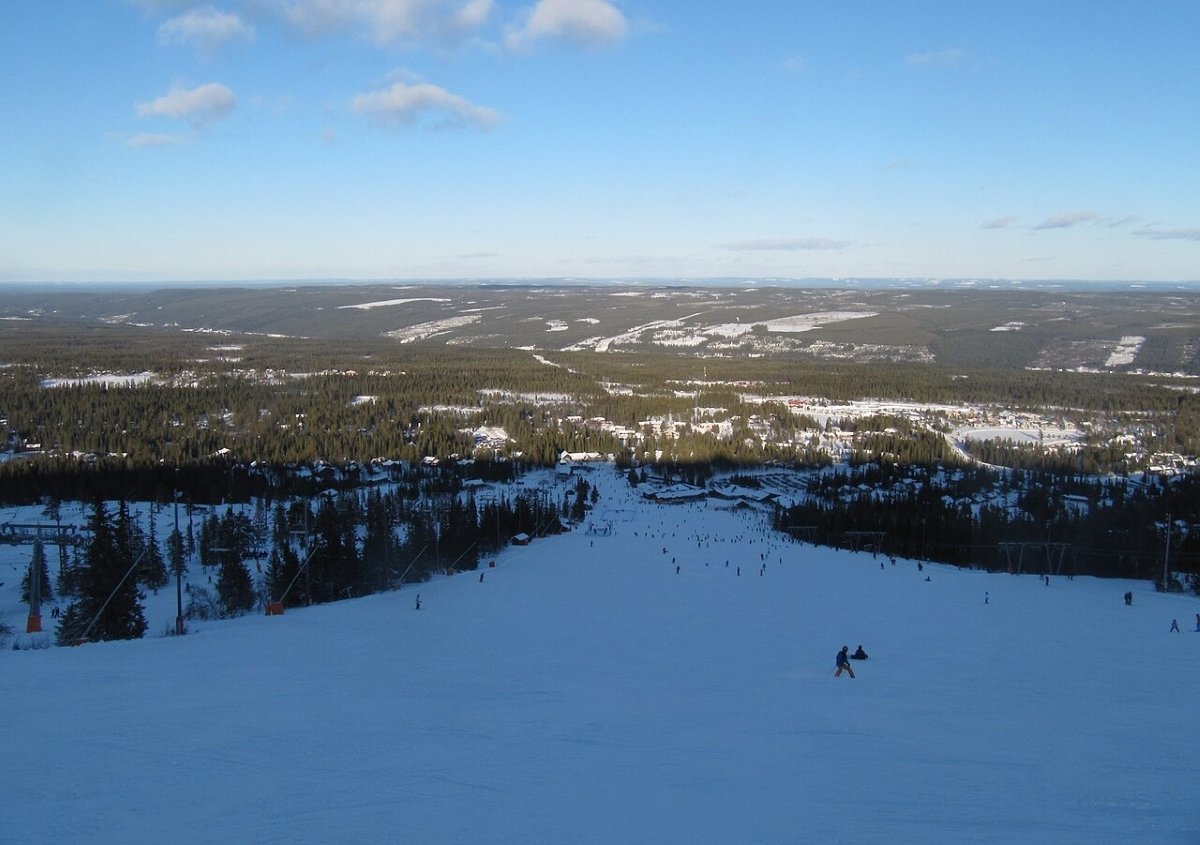
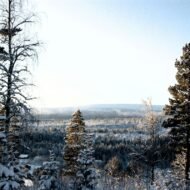
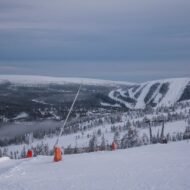
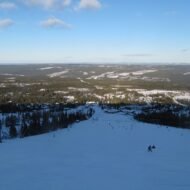
The Skiing Situation: Sälen hosts Scandinavia’s largest ski resort with 100+ slopes. Terrain suits intermediates best, but beginners have plenty of space. Season runs late November through May (yes, May). Night skiing under floodlights feels surreal in the best way.
Local Traditions Worth Your Time:
- Lucia Day (December 13th): Candlelit processions and saffron buns everywhere
- Vasaloppet prep (late February-early March): The ski race atmosphere infects the whole region even if you’re not racing
- Outdoor fika culture: Swedes take coffee and cinnamon buns seriously, even in snow
Budget Reality Check:
- Accommodation: €100-180/night for cabin rentals (split costs with another family)
- Ski passes: €40-55/day (cheaper than Alpine resorts)
- Meals: €18-25 for lunch on mountain (Sweden’s not cheap, but not as bad as rumors suggest)
- Grocery hack: Self-cater from ICA supermarket—breakfast and snacks cost half what restaurants charge
Food Scene: Embrace köttbullar (meatballs), ärtsoppa (pea soup, traditionally Thursday’s lunch), and kladdkaka (sticky chocolate cake). Mountain restaurants serve hearty fläskpannkaka (pork pancake). In town, Sälen Restaurang handles traditional fare, or grab korv (hot dogs) from grills outside shops.
Cultural Bonus: Swedish allemansrätten (freedom to roam) means public land access for cross-country skiing and winter walks. Just respect nature and clean up—it’s practically religion here.
Events Calendar:
- Vasaloppet (first Sunday in March): World’s oldest and longest cross-country ski race creates festival atmosphere
- Sälen Ski Opening (late November): Discounted passes and family activities
Useful Info:
- Getting there: Fly to Stockholm, train/bus to Sälen (5 hours), or drive from Oslo (4 hours)
- Language: English widely spoken (Swedish is nearly optional for tourists)
- Dark winters: Expect 6-7 hours daylight in December—pack vitamin D