




























TL;DR: Wander, Shop, Repeat: Europe’s Best Old Quarters for a Perfect Day Out , Seven knockout old-town districts where you can shop vintage treasures, devour legendary local eats, and Instagram your way through centuries of history—all without selling a kidney. From Kraków’s pierogi paradise to Rome’s Trastevere buzz, these aren’t museum pieces, they’re living, breathing neighborhoods where locals actually hang out.
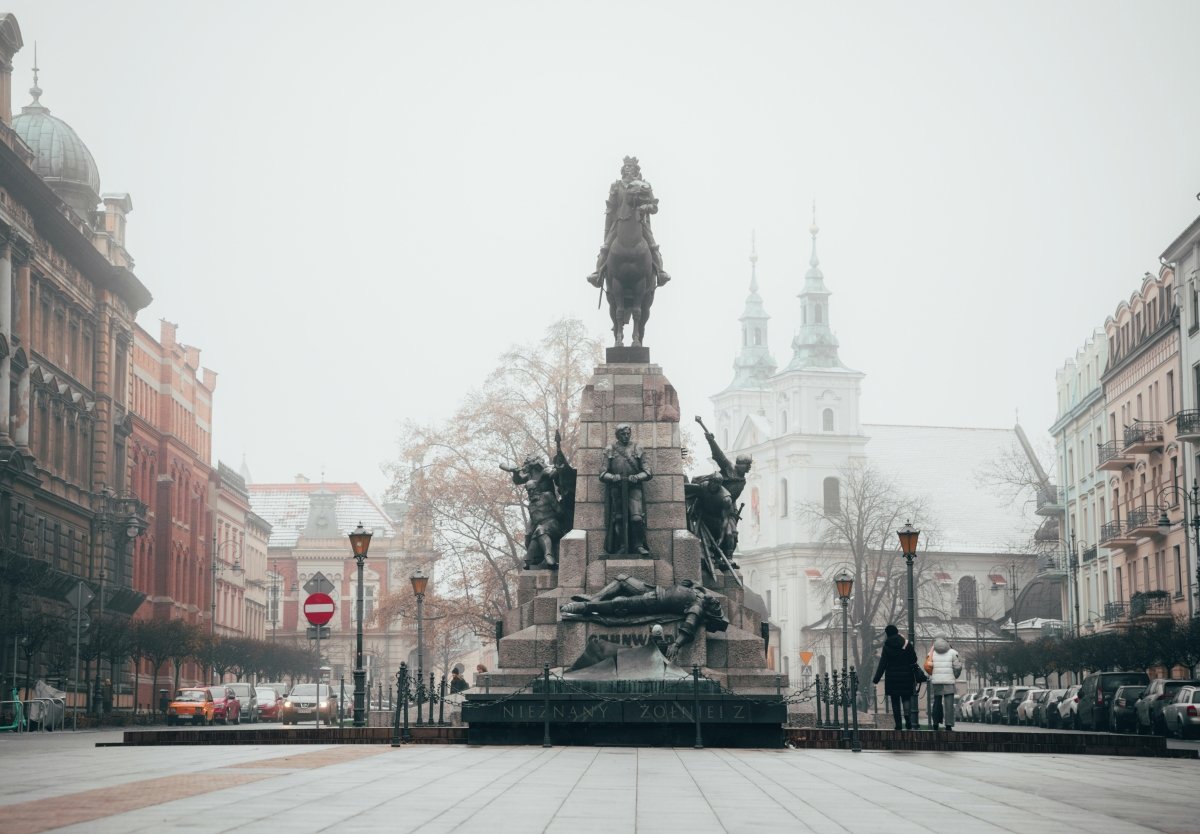
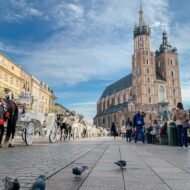
1. Kraków – Stare Miasto (Old Town) ⭐ 4.8/5
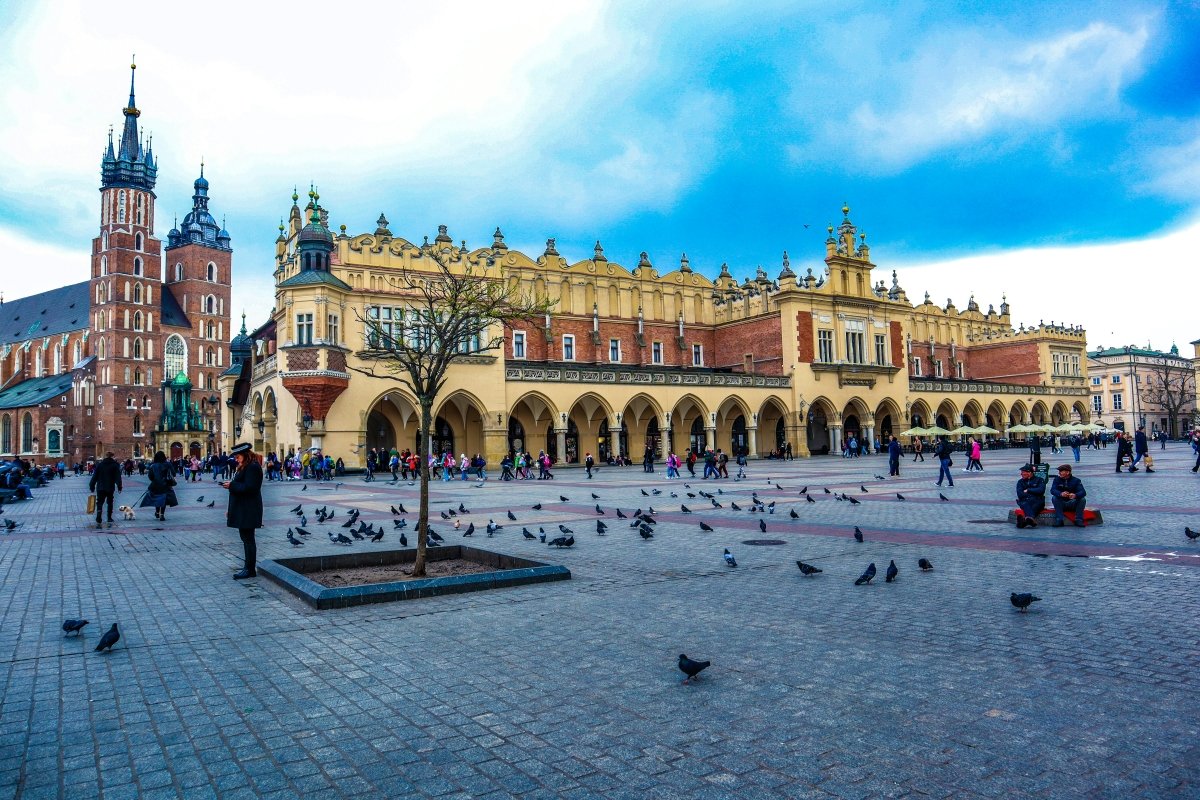
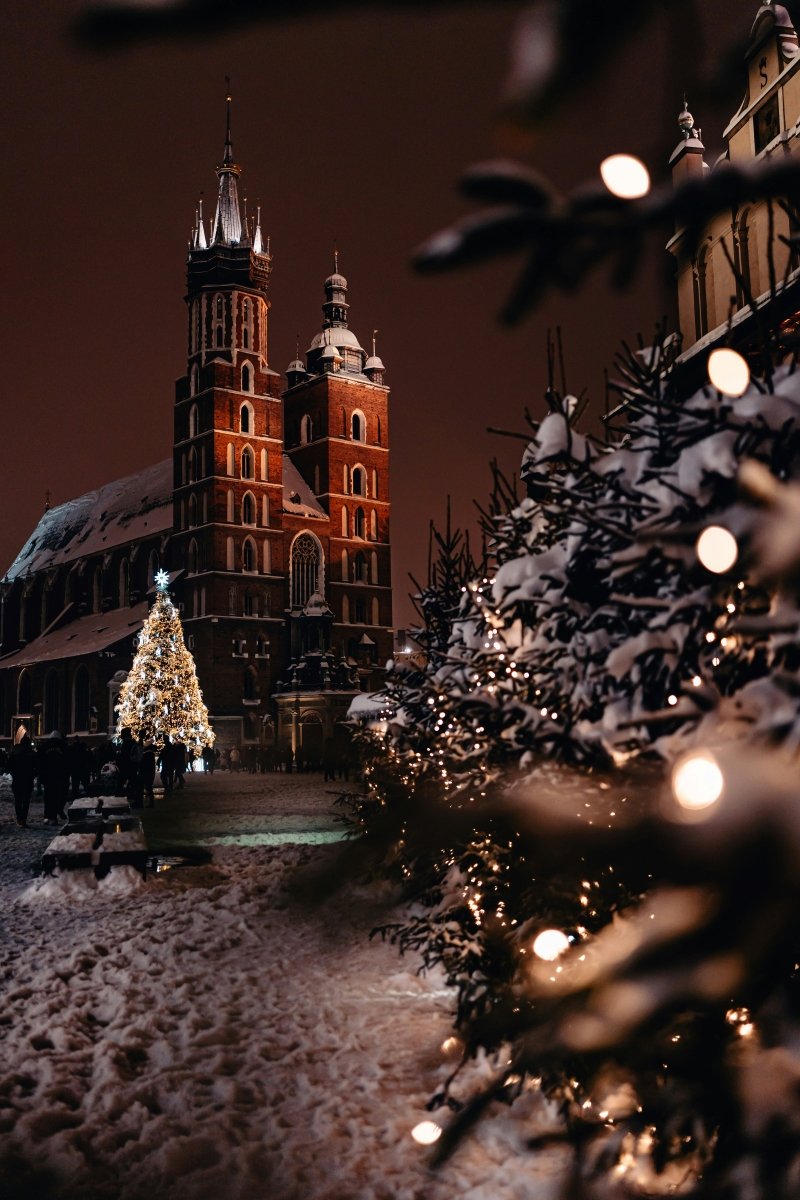
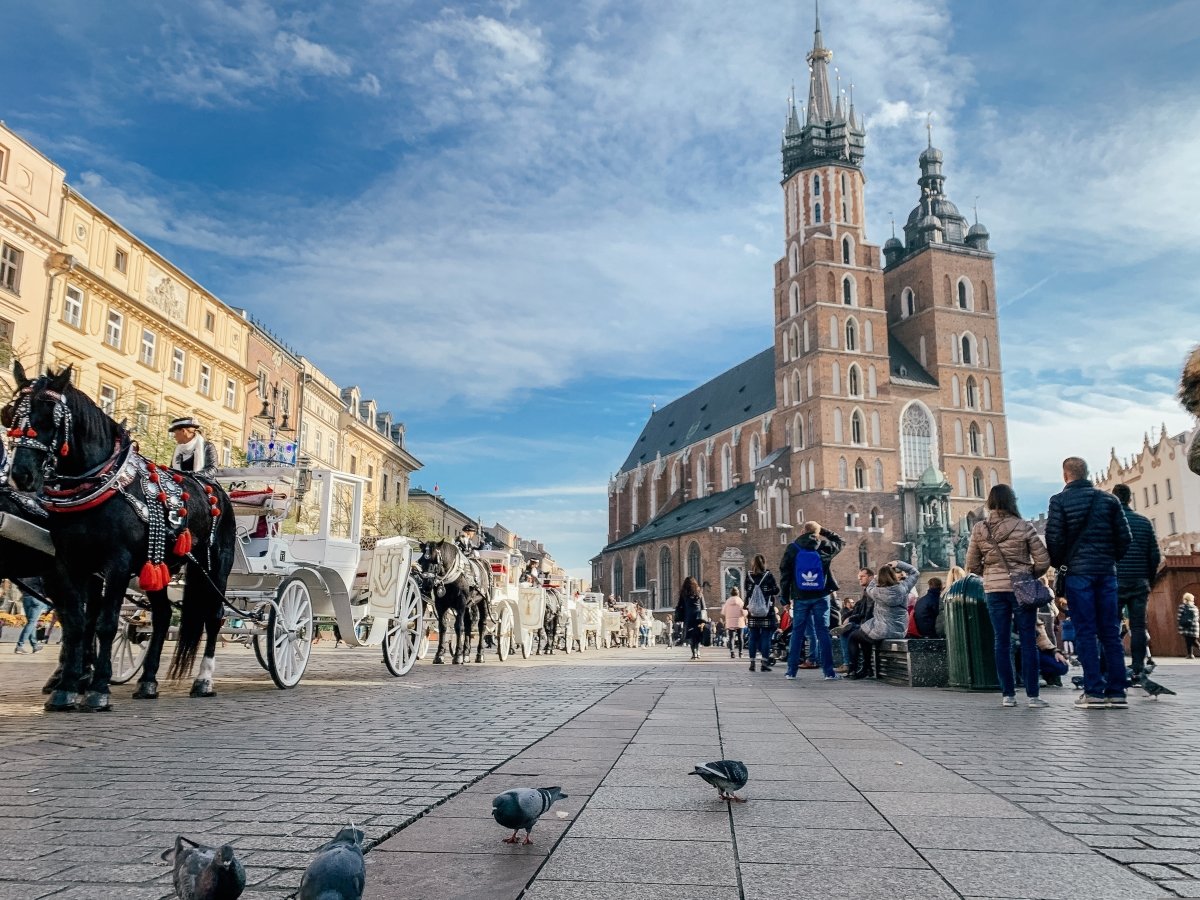
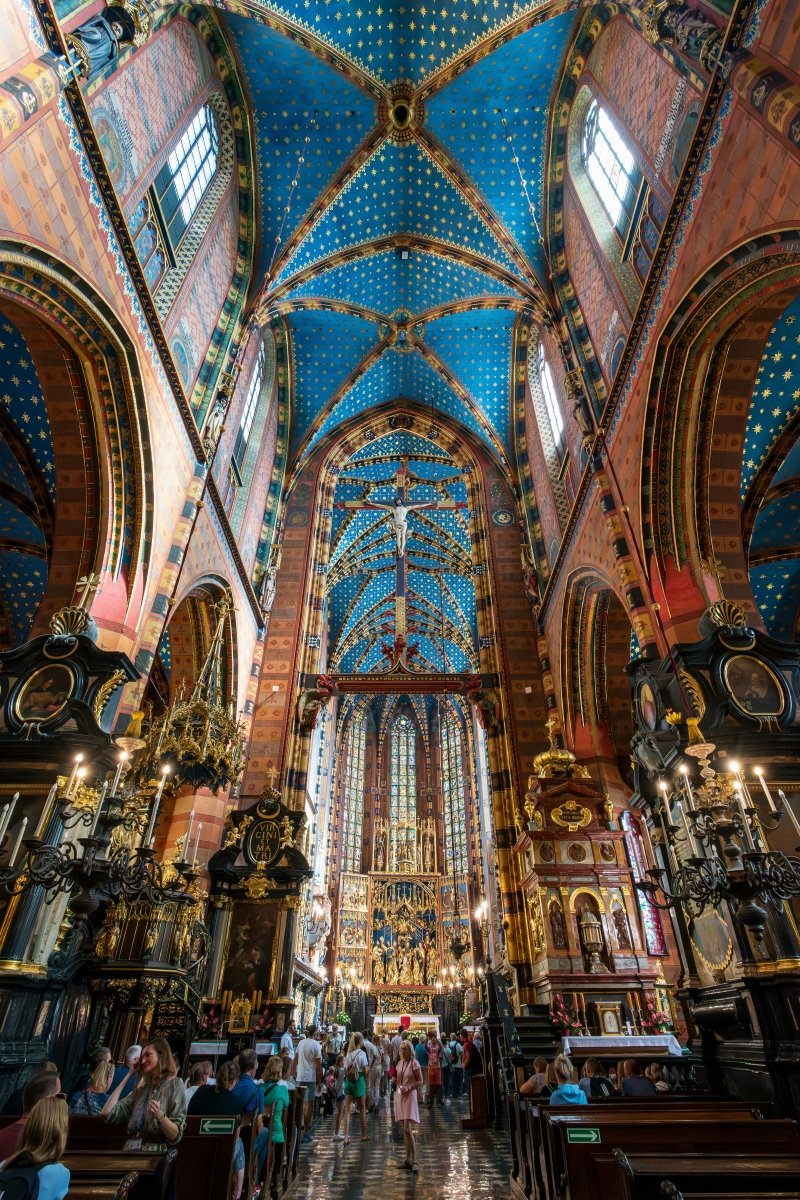
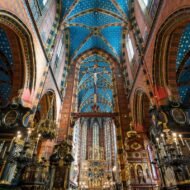
Why travelers are obsessed: Poland’s former royal capital delivers medieval magic without the Western European price tag. Stare Miasto centers around Europe’s largest medieval market square, where street performers compete with flower vendors and the hourly trumpet call from St. Mary’s Basilica stops everyone in their tracks.
The Shopping-Sightseeing Sweet Spot
Duck into the Cloth Hall (Sukiennice) for amber jewelry and handmade wooden crafts between ogling the Gothic architecture. The surrounding streets hide concept stores like Galeria Kazimierz mixing Polish designers with quirky vintage finds. Pro tip: Bargain gently—vendors expect it.
Where to Eat & What to Order
- Milkbar Tomasza (ul. Św. Tomasza 24): Communist-era cafeteria vibes, mind-blowing pierogi ruskie (potato-cheese dumplings) for €3
- Morskie Oko (Plac Mariacki 8): Try oscypek (smoked sheep cheese) with cranberry sauce—it’s a Tatra Mountain thing
- Café Camelot (ul. Św. Tomasza 17): Candlelit cave-like space, incredible sernik (Polish cheesecake)
Stay Here
Budget: Mosquito Hostel (€15-25/night)—social vibe, kitchen access Mid-range: Hotel Gródek (€80-120)—boutique charm, walking distance to everything Splurge: Hotel Copernicus (€150-250)—Renaissance palace turned luxury stay
The Real Deal
- Budget wisdom: Skip tourist-trap restaurants on the main square; walk 2 blocks in any direction for half the price
- Getting around: Walk everywhere or grab a tram (€1.20 single ticket)
- Hidden gem: Planty Park circles the Old Town—perfect for morning runs or evening strolls
- Safety note: One of Europe’s safest cities; just watch for pickpockets in crowded areas
Fascinating fact: The hourly trumpet call (hejnał) stops mid-melody, commemorating a 13th-century trumpeter shot in the throat while warning of a Mongol invasion.
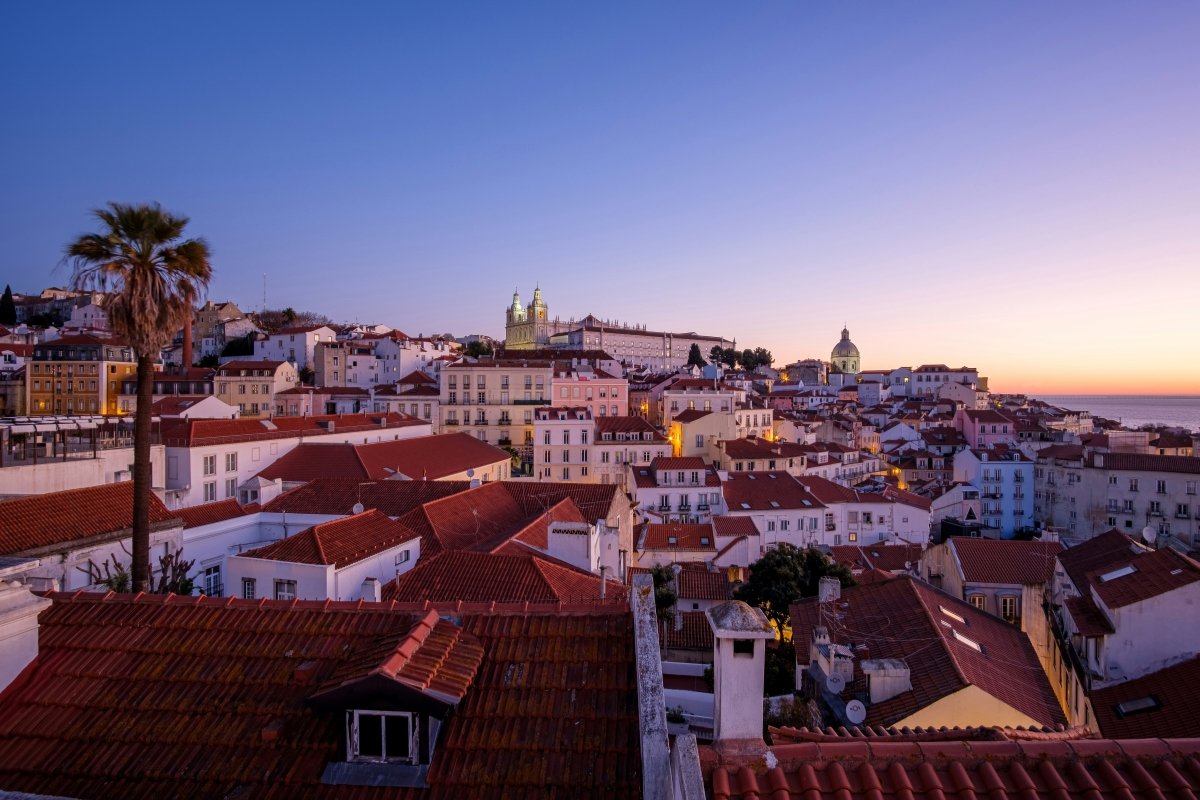
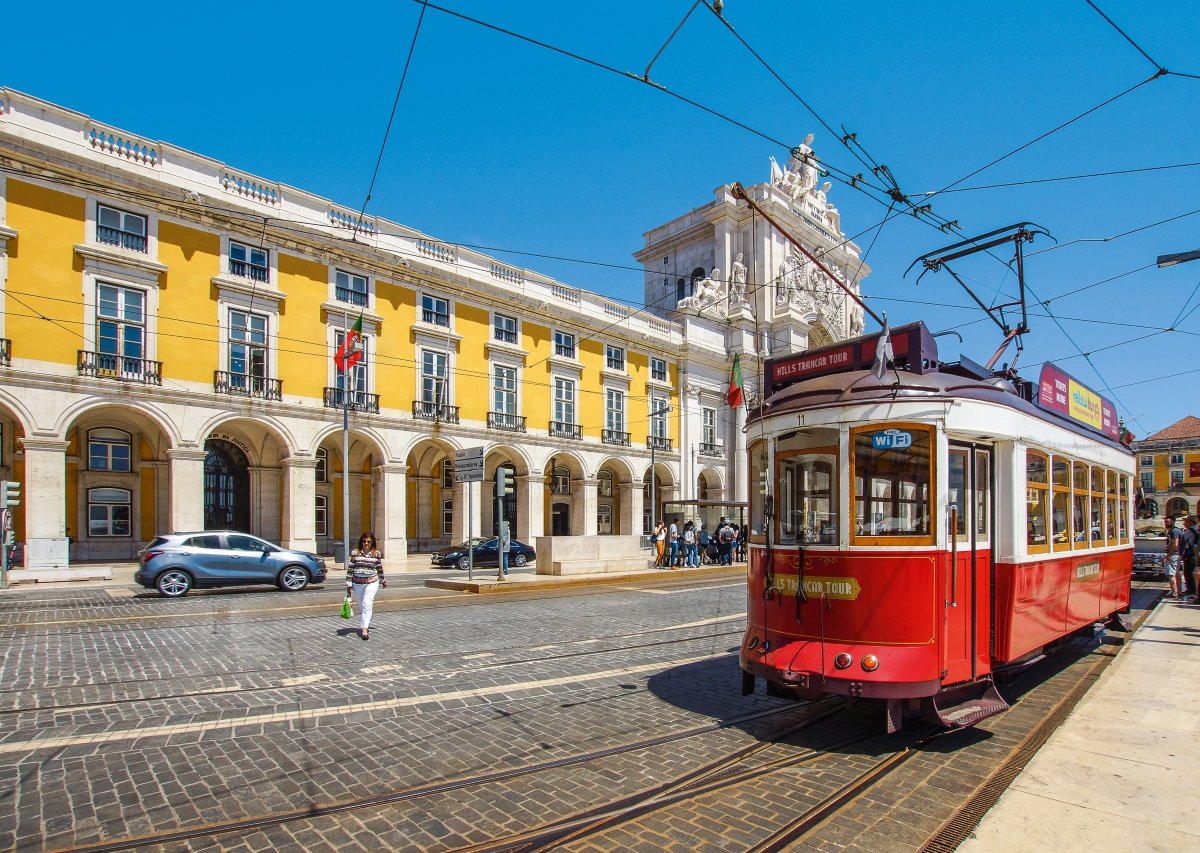
2. Lisbon – Alfama ⭐ 4.7/5
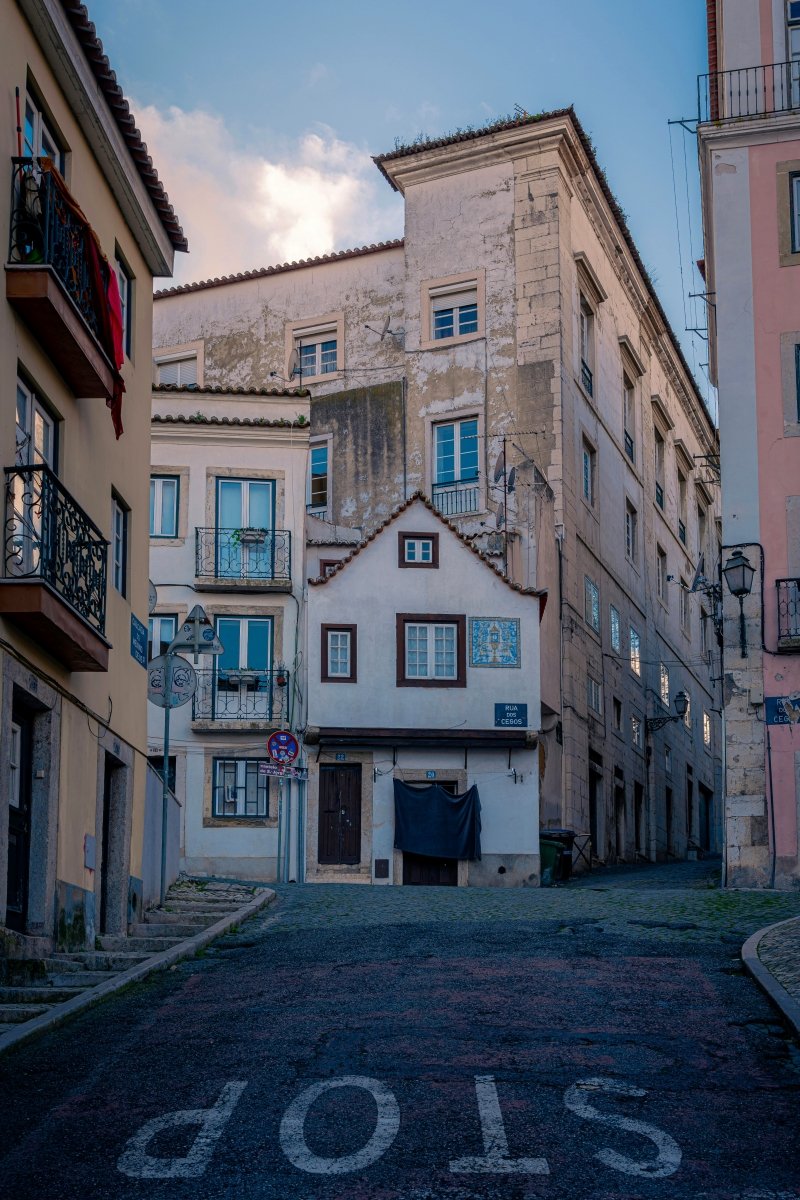
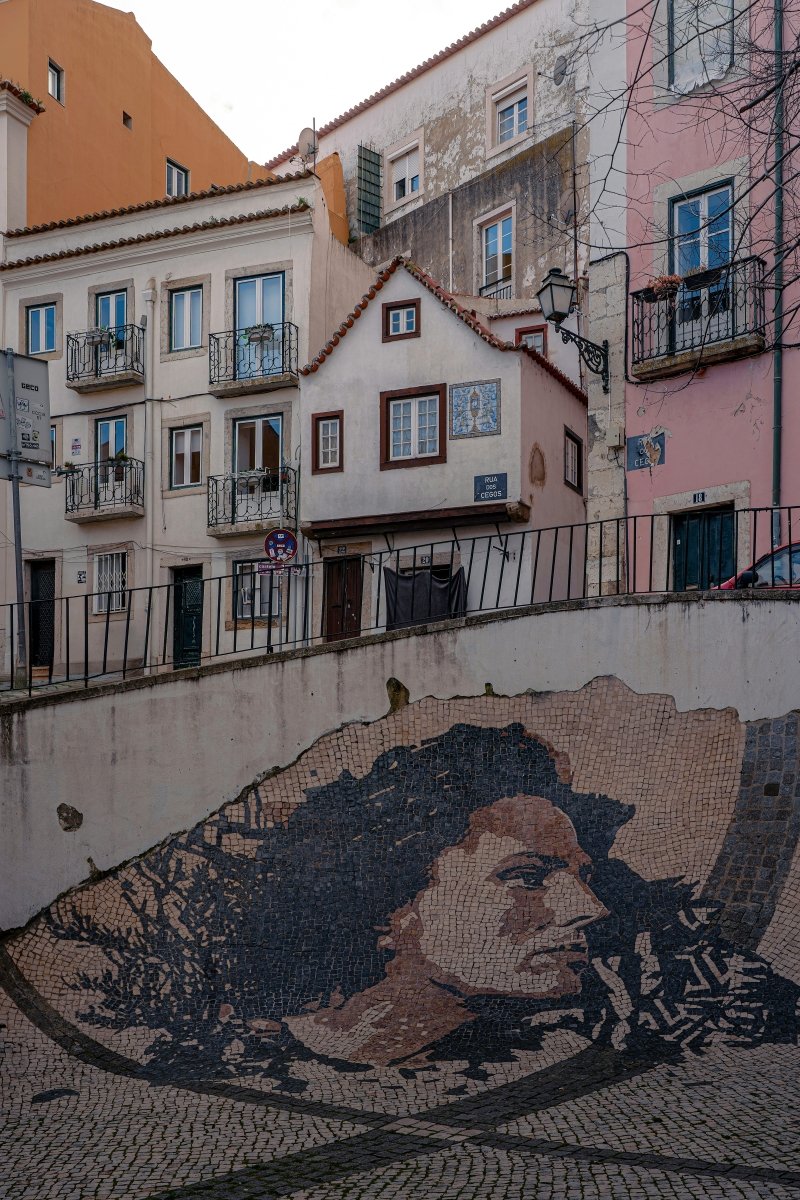
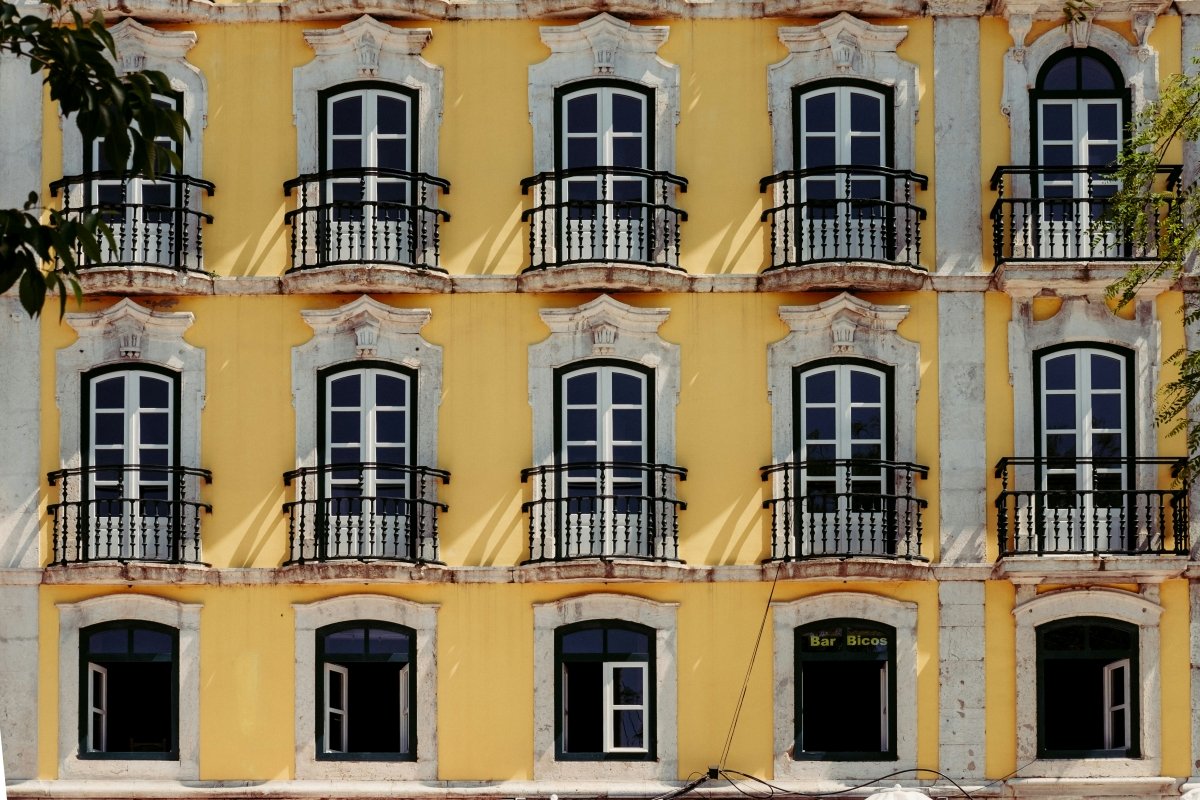
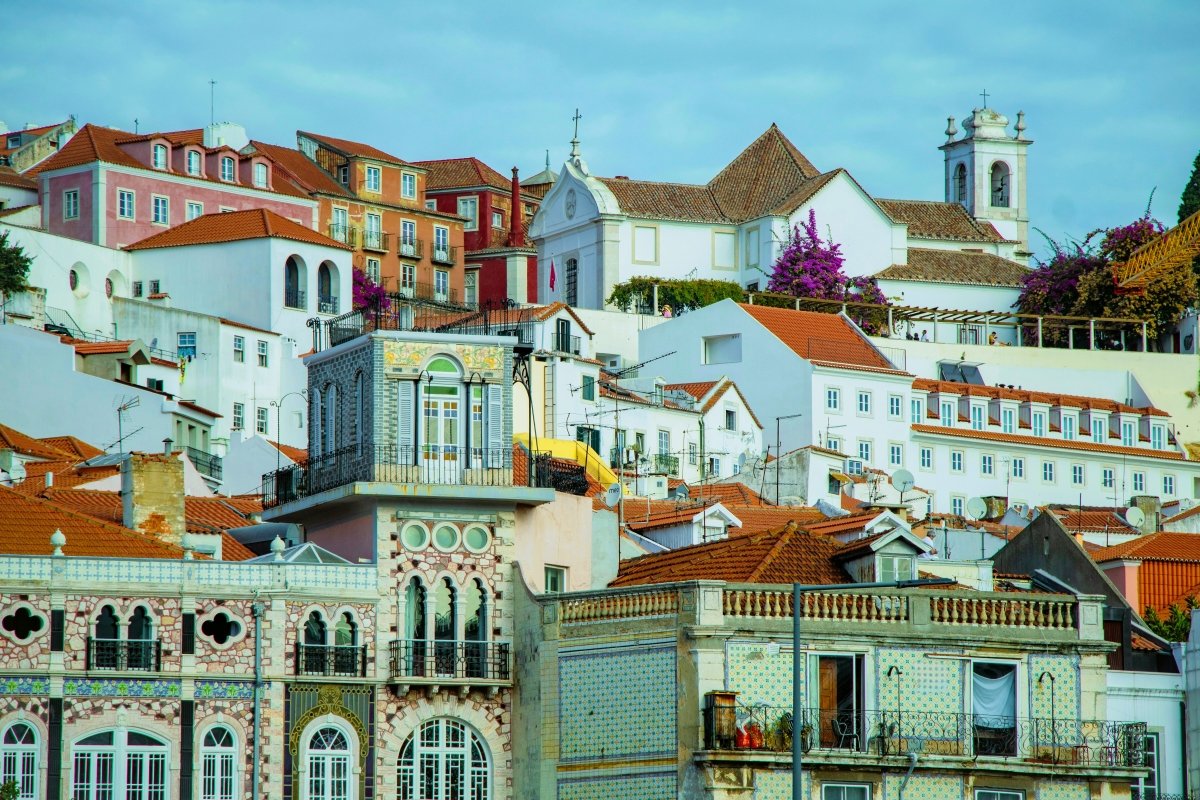
Why everyone’s talking about it: Lisbon’s oldest neighborhood is a labyrinth of Moorish-era alleyways where fado music spills from tavern doorways and laundry dries above your head. It survived the 1755 earthquake that leveled most of Lisbon, so you’re literally walking through 1,000+ years of history.
Shopping Meets Soul-Searching
Alfama isn’t about designer boutiques—it’s about stumbling into Feira da Ladra (Tuesday/Saturday flea market) for vintage azulejos (tiles), then browsing tiny shops like A Vida Portuguesa for retro Portuguese products. The uphill climb to São Jorge Castle rewards you with panoramic views and artisan stalls.
Feast Mode: Activated
- Tasca do Chico (Rua do Diário de Notícias 39): Sardines grilled streetside, live fado, locals singing along (€15-20)
- Pois Café (Rua de São João da Praça 93-95): Cozy spot for pastel de nata and afternoon people-watching
- Zé da Mouraria (Rua João do Outeiro 24): No-frills tavern, legendary arroz de marisco (seafood rice)
Where to Rest Your Head
Budget: Lisbon Destination Hostel (€20-35)—modern, rooftop terrace Mid-range: Memmo Alfama Hotel (€100-180)—river views, minimalist design Luxury: Santiago de Alfama (€200-350)—boutique palace hotel
Insider Intel
- Tram alert: Tram 28 is iconic but packed with tourists and pickpockets; walk or take less crowded trams
- Sustainable choice: Support traditional fado houses (tasca) over tourist mega-venues
- Connectivity: Free Wi-Fi in most cafés; get a Vodafone SIM for €10 with 10GB
- Budget hack: Many museums free on Sundays before 2pm
Did you know? Alfama’s name comes from Arabic “al-hamma” (hot springs)—Moors built public baths here in the 8th century.
3. Stockholm – Gamla Stan ⭐ 4.6/5
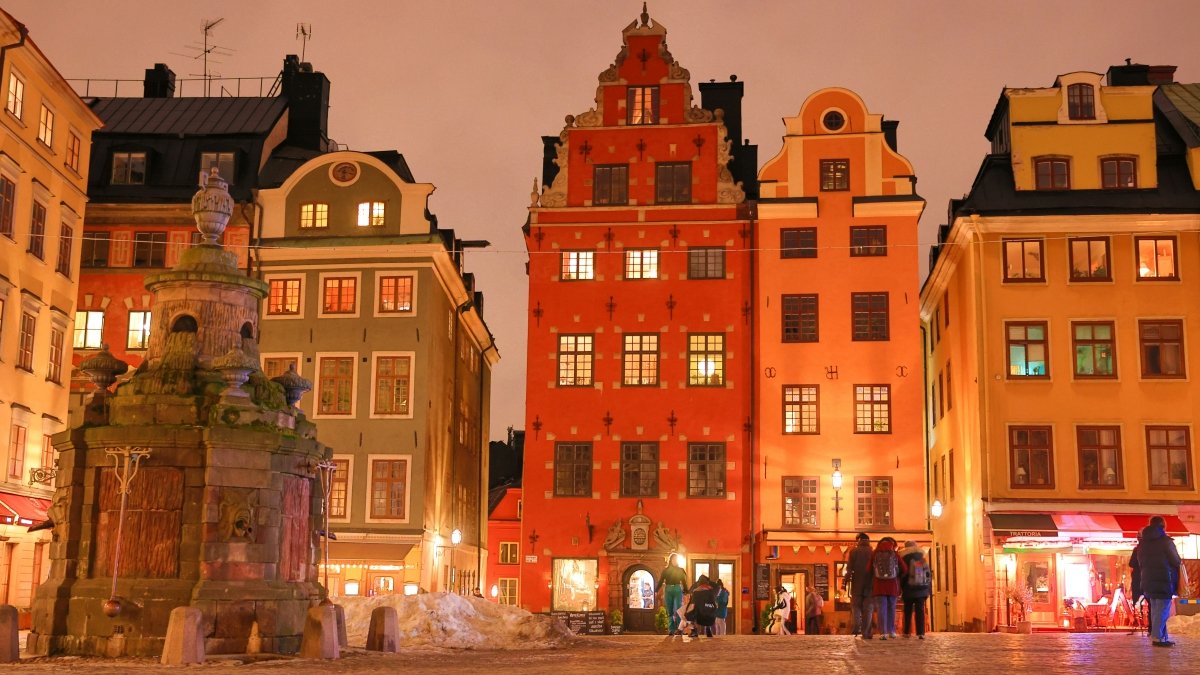
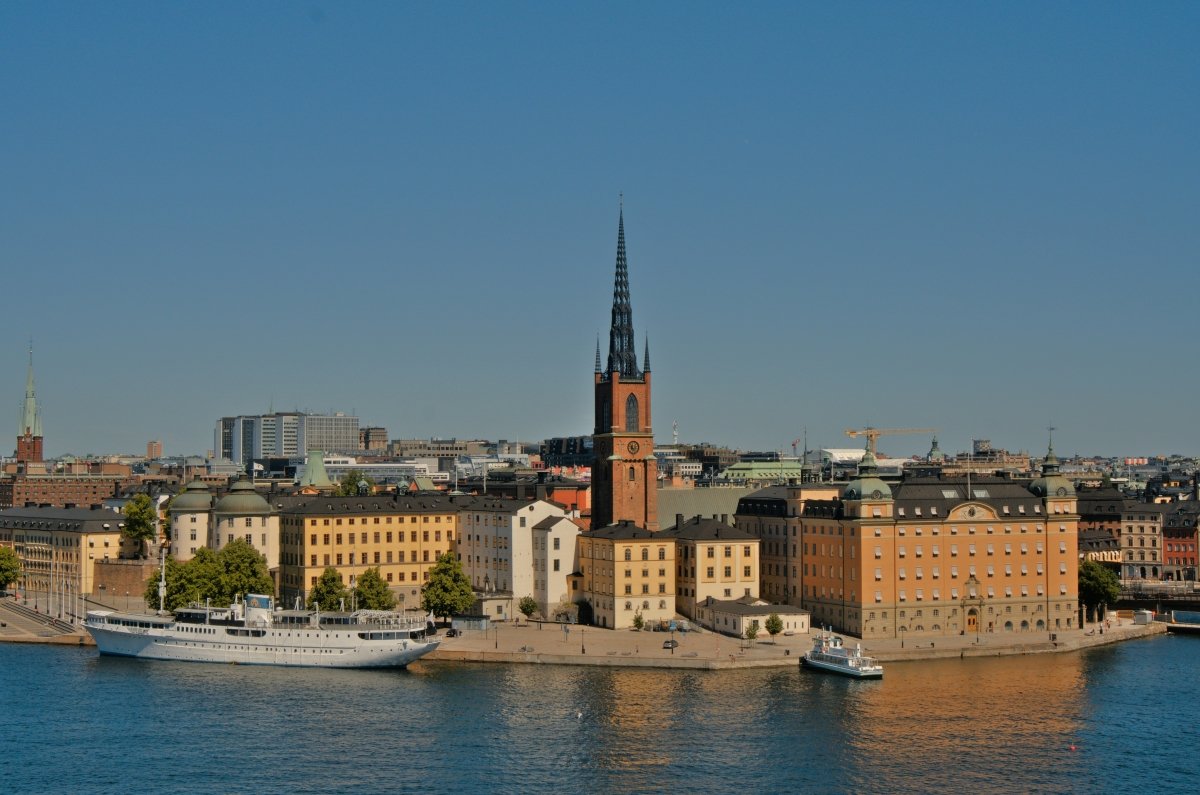
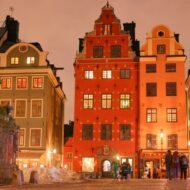
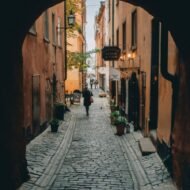
The allure: This island Old Town is where Sweden’s Viking-age settlement became a medieval power hub. Impossibly narrow cobbled lanes (some just 90cm wide!) open onto colorful buildings and the massive Royal Palace.
Shop Till You Drop (Scandinavia-Style)
Västerlånggatan is the main shopping artery—touristy, yes, but also home to Iris Hantverk (brushes made by visually impaired artisans) and Kosta Boda glass. Side streets hide vintage treasure troves like Gamla Stans Tradera.
Fika & Feasting
- Café Schweizer (Storkyrkobrinken 4): Classic Swedish kanelbullar (cinnamon buns) since 1923
- Tradition (Västerlånggatan 68): Modern take on köttbullar (meatballs) with lingonberry sauce
- Djuret (Lilla Nygatan 5): Nose-to-tail dining, seasonal menus (€50-70)
Accommodations
Budget: City Backpackers (€30-50)—central location, sauna (very Swedish) Mid-range: Lady Hamilton Hotel (€120-200)—antique-filled, maritime theme Upscale: Grand Hôtel Stockholm (€250-400+)—waterfront legend since 1874
Practical Wisdom
- Expensive reality check: Stockholm ain’t cheap—budget €40-60/day minimum for food
- Eco-win: Walk everywhere or rent bikes (city bikes €2.60/3 hours)
- Safety: Extremely safe; Sweden’s famous for it
- Cultural note: Swedes cherish allemansrätten (freedom to roam)—respect nature when you’re exploring
Cool fact: The narrowest alley, Mårten Trotzigs gränd, is just 90cm wide—you can touch both walls simultaneously.
4. Salzburg – Altstadt ⭐ 4.8/5
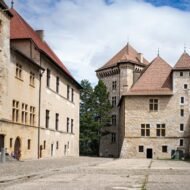
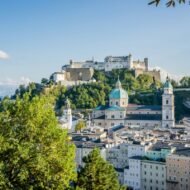
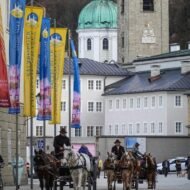
What’s the hype? Mozart’s birthplace sits beneath a cliff-top fortress in the Alps’ shadow. The Baroque architecture is so perfectly preserved, UNESCO gave it World Heritage status, and The Sound of Music gave it Hollywood fame.
Retail Therapy Meets History
Getreidegasse is the shopping spine—wrought-iron guild signs swing overhead as you browse Sporer (traditional Austrian clothing) and Salzburger Heimatwerk (handicrafts). Side alleys lead to courtyards hiding cafés and boutiques.
Eat Like a Local Legend
- St. Peter Stiftskulinarium (St. Peter Bezirk 1/4): Europe’s oldest restaurant (803 AD!), Tafelspitz (boiled beef) is the move
- Café Tomaselli (Alter Markt 9): Since 1705, perfect Sachertorte and people-watching
- Augustiner Bräu (Lindhofstraße 7): Beer hall in a monastery, bring your own food or buy snacks there
Sleep Options
Budget: YoHo Salzburg (€25-40)—hostel with young vibe Mid-range: Hotel am Dom (€110-180)—literally steps from the cathedral Fancy: Hotel Goldener Hirsch (€300-500+)—luxury since 1407
Real Talk
- Cost considerations: Similar to Western European prices; save by eating at beisl (casual taverns)
- Getting around: Compact and walkable; city buses efficient (€2.50 single)
- Sustainable angle: Support Grünmarkt (green market) for local produce Thursdays
- Safety: Very safe; standard tourist-area awareness applies
Mind-blowing fact: The fortress (Hohensalzburg) is over 900 years old and has never been conquered.
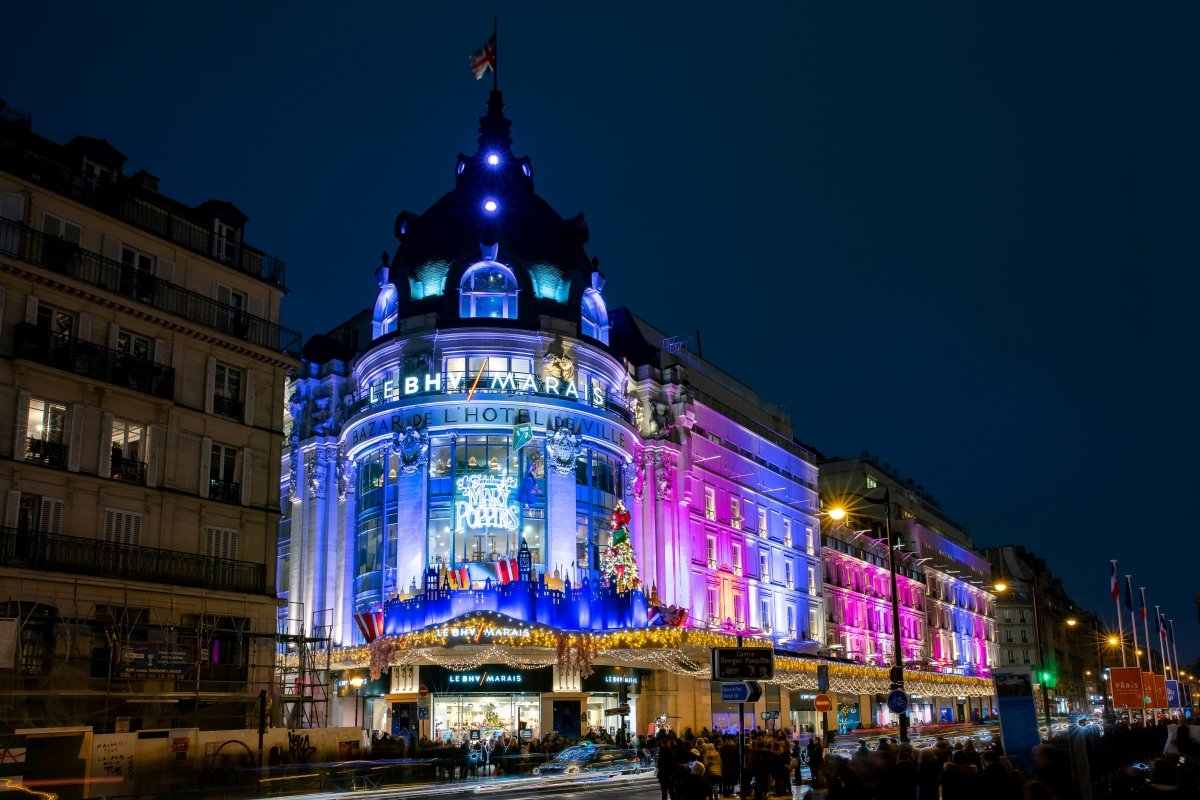
5. Paris – Le Marais ⭐ 4.7/5
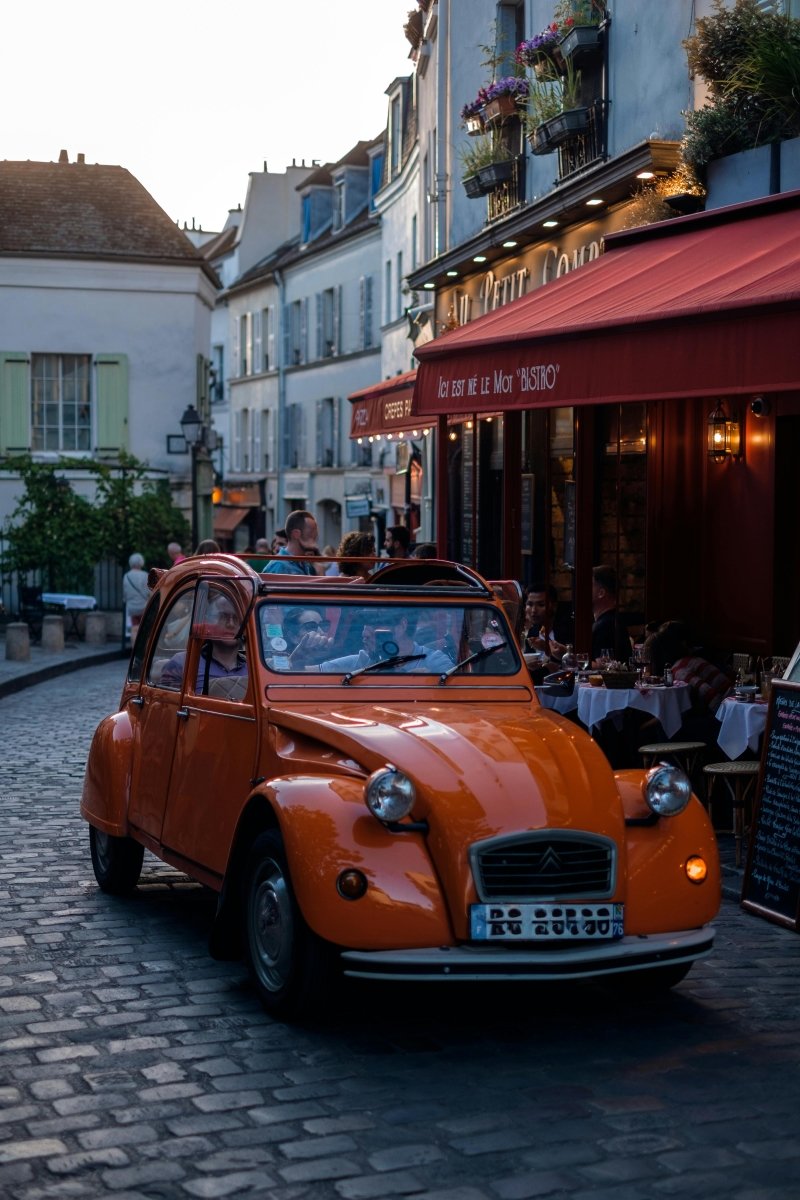
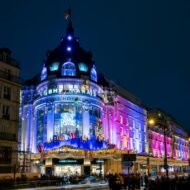
Why it’s magnetic: Once a swamp (marais = marsh), then aristocratic, then Jewish quarter, then gay village—Le Marais is Paris at its most gloriously mixed-up. Medieval mansions house concept stores, synagogues neighbor trendy galleries, and Sunday is the one day Paris shops while the rest of the city rests.
Shopping Paradise
Rue des Francs-Bourgeois = vintage heaven (Free’P’Star), French designers, and museum shops. Rue des Rosiers keeps Jewish heritage alive with delis and bakeries, while Rue Vieille du Temple brings the fashion-forward crowd. Village Saint-Paul is an antique courtyard cluster perfect for treasure hunting.
Food, Glorious Food
- L’As du Fallafel (Rue des Rosiers 34): The falafel debate rages, but this one’s legendary (€8)
- Breizh Café (Rue Vieille du Temple 109): Galettes (buckwheat crepes) done Breton-style
- Café des Musées (Rue de Turenne 49): Classic French duck confit, locals’ lunch spot (€20-25)
- Jacques Genin (Rue de Turenne 133): Chocolatier/pâtissier—try the millefeuille
Where to Stay
Budget: Les Piaules (€35-60)—hostel with rooftop bar Mid-range: Hôtel Caron de Beaumarchais (€120-180)—18th-century charm Splurge: Pavillon de la Reine (€350-600+)—Place des Vosges palace hotel
Navigate Like a Pro
- Metro mastery: Saint-Paul or Hôtel de Ville stations; walk everywhere from there
- Budget saves: Picnic supplies from Marché des Enfants Rouges (oldest covered market)
- Inclusive vibe: Le Marais celebrates diversity—LGBTQ+ friendly year-round, Pride epicenter
- Safety: Generally safe; watch belongings in crowded areas
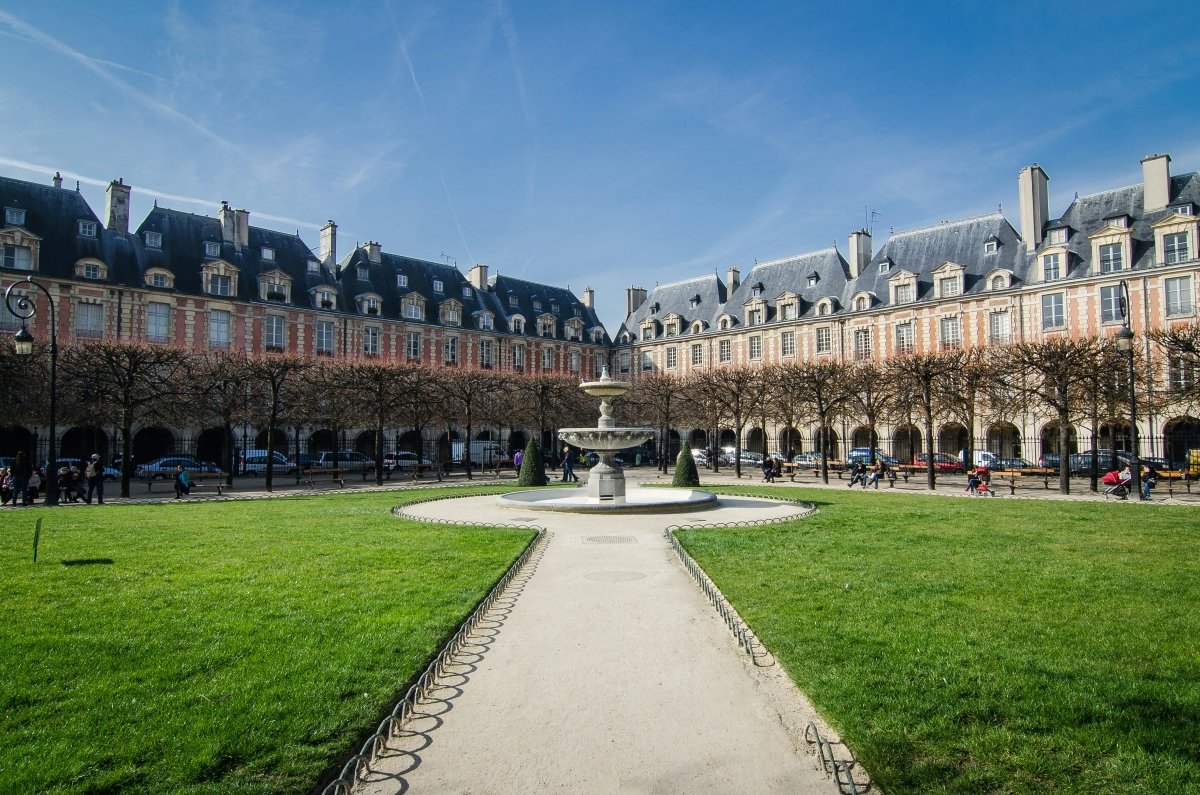
Fun fact: Place des Vosges (1612) was Paris’s first planned square—Victor Hugo lived at #6, now a museum.
6. Rome – Trastevere ⭐ 4.9/5
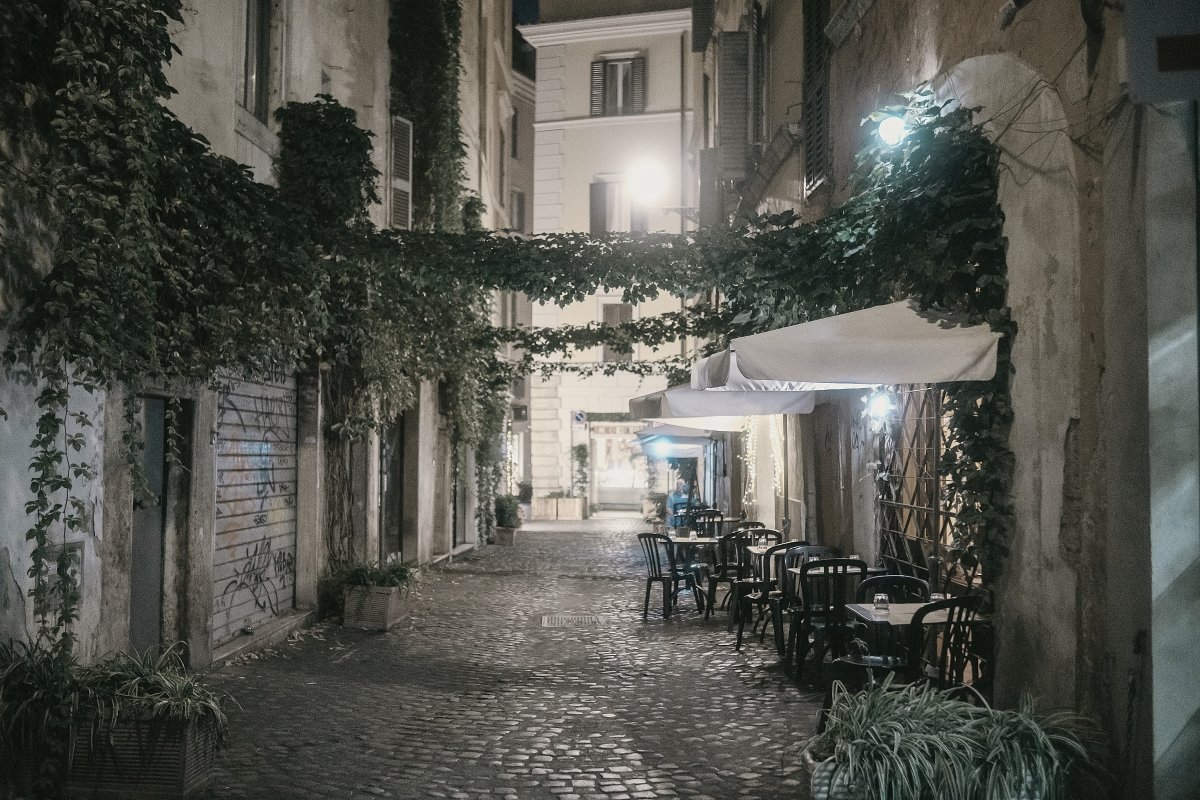
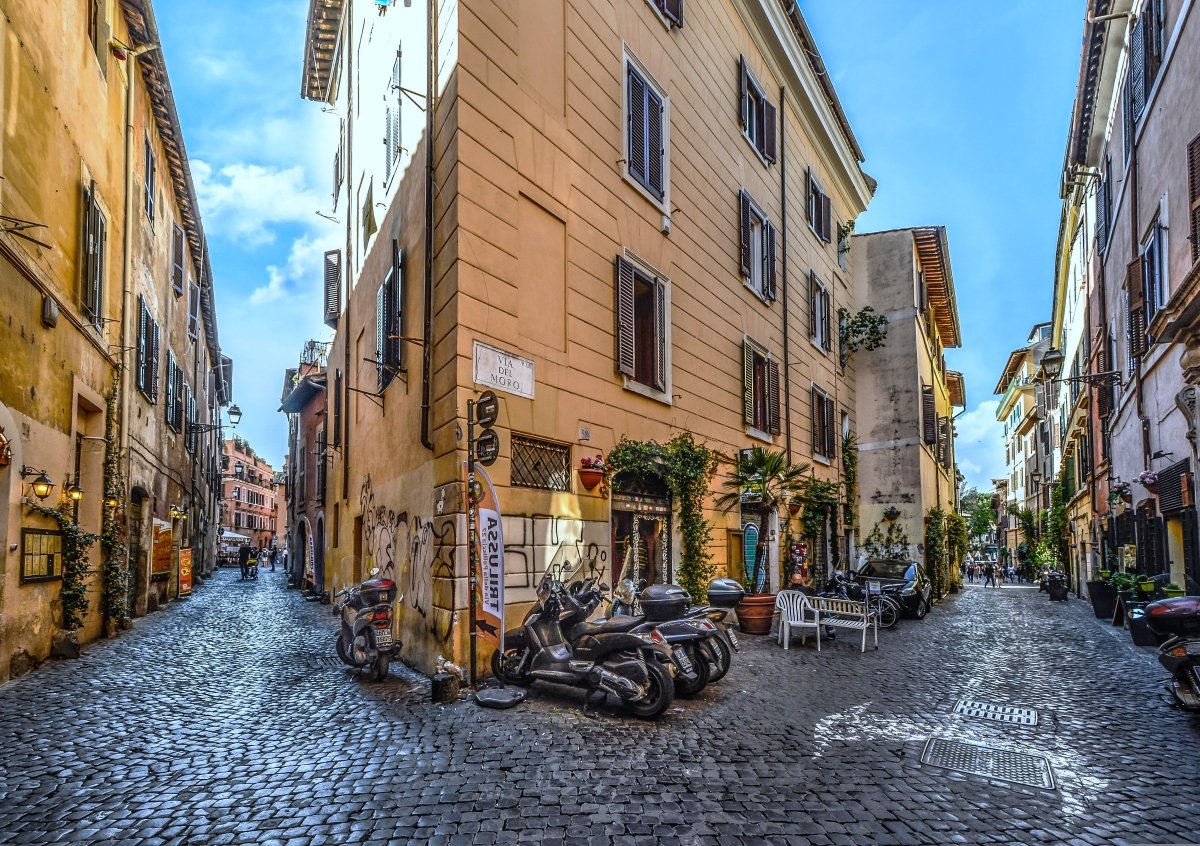
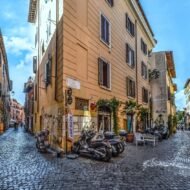
The magic formula: Across the Tiber River, Trastevere (literally “beyond the Tiber”) is Rome’s bohemian heart. Ivy-draped buildings, hidden piazzas, and the kind of trattoria where nonna still rolls pasta in the back—this is the Rome locals fight to protect from overtourism.
Shopping the Roman Way
Less about malls, more about Porta Portese flea market (Sundays) for vintage everything, and Via della Lungaretta for leather sandal workshops and artisan jewelry. Biorto (Via Natale del Grande 13) stocks organic/sustainable Italian products.
Eat Until You Can’t Move
- Tonnarello (Via della Paglia 1): Cacio e pepe that’ll ruin all others, expect lines (€12-15)
- Dar Fico (Via della Lungaretta 5): Jewish-Roman artichokes (carciofi alla giudia), cozy courtyard
- Suppli Roma (Via di San Francesco a Ripa 137): Street-food champion—supplì (fried rice balls) for €1.50
- Biscottificio Artigiano Innocenti (Via della Luce 21): Buy cookies by weight, cash only, locals’ secret
Accommodation Choices
Budget: Trastevere Home (€30-50)—basic, clean, location is everything Mid-range: Hotel Santa Maria (€130-200)—orange tree courtyard, total charm Upscale: Relais Le Clarisse (€180-300)—converted convent, boutique beauty
Essential Info
- Transportation: Trams 8 or bus H from Termini; walkable once you’re there
- Budget reality: Mid-tier meals €15-25, aperitivo hour = free snacks with drinks
- Ethical eating: Look for Slow Food stickers—local, sustainable, traditional
- Safety: Safe overall; standard awareness at night in quiet areas
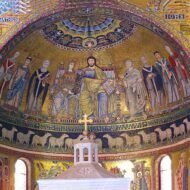
Roman secret: Santa Maria in Trastevere (12th century) has Rome’s oldest mosaics—completely free to enter.
7. Annecy – Old Town ⭐ 4.7/5
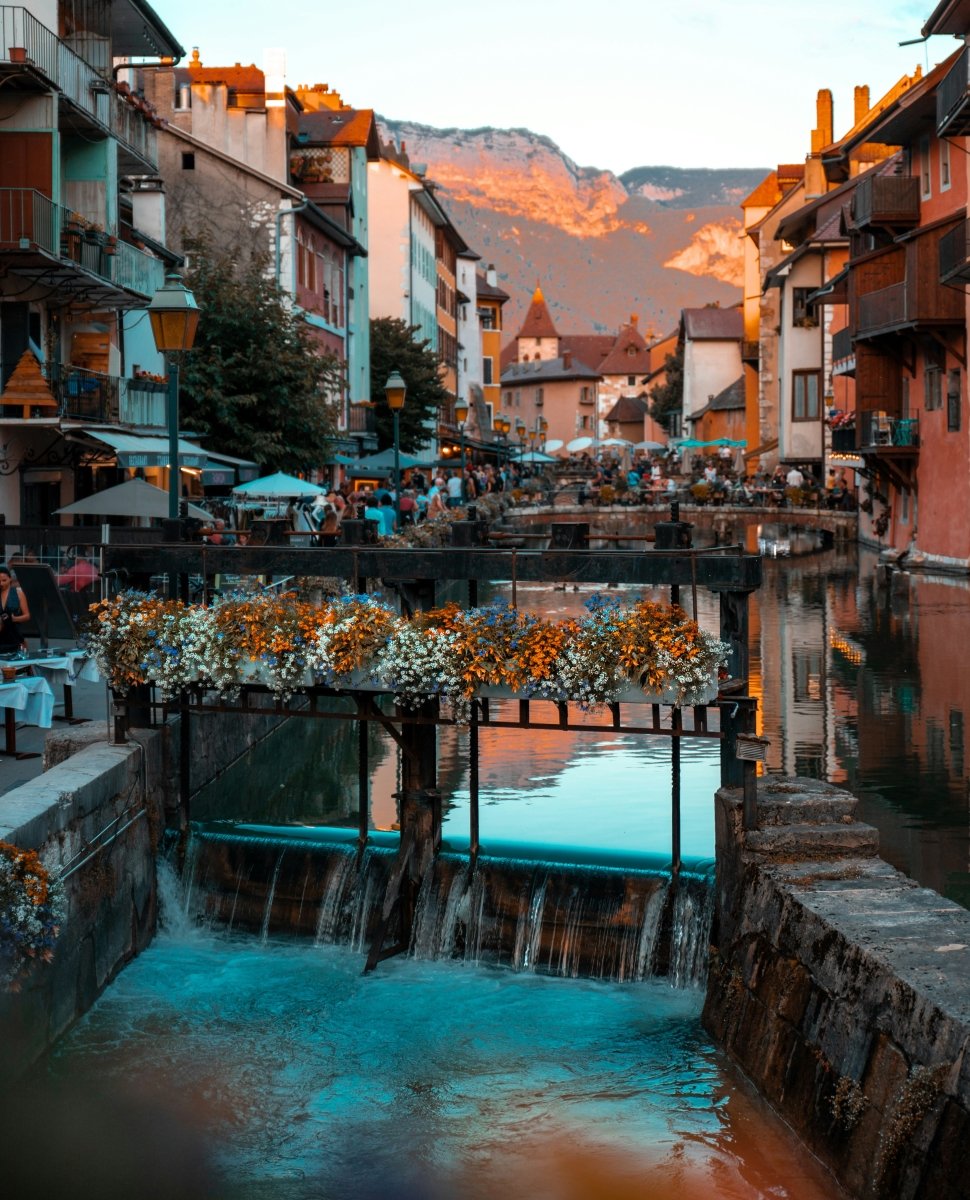
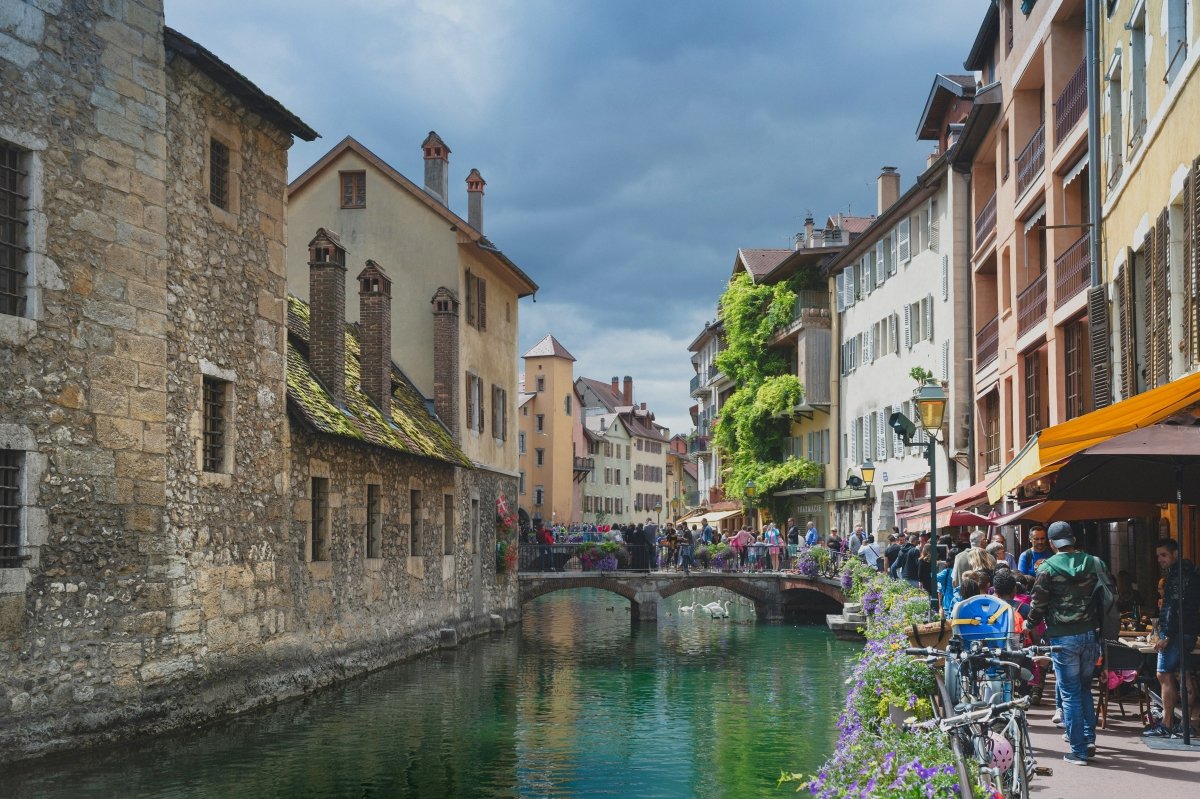
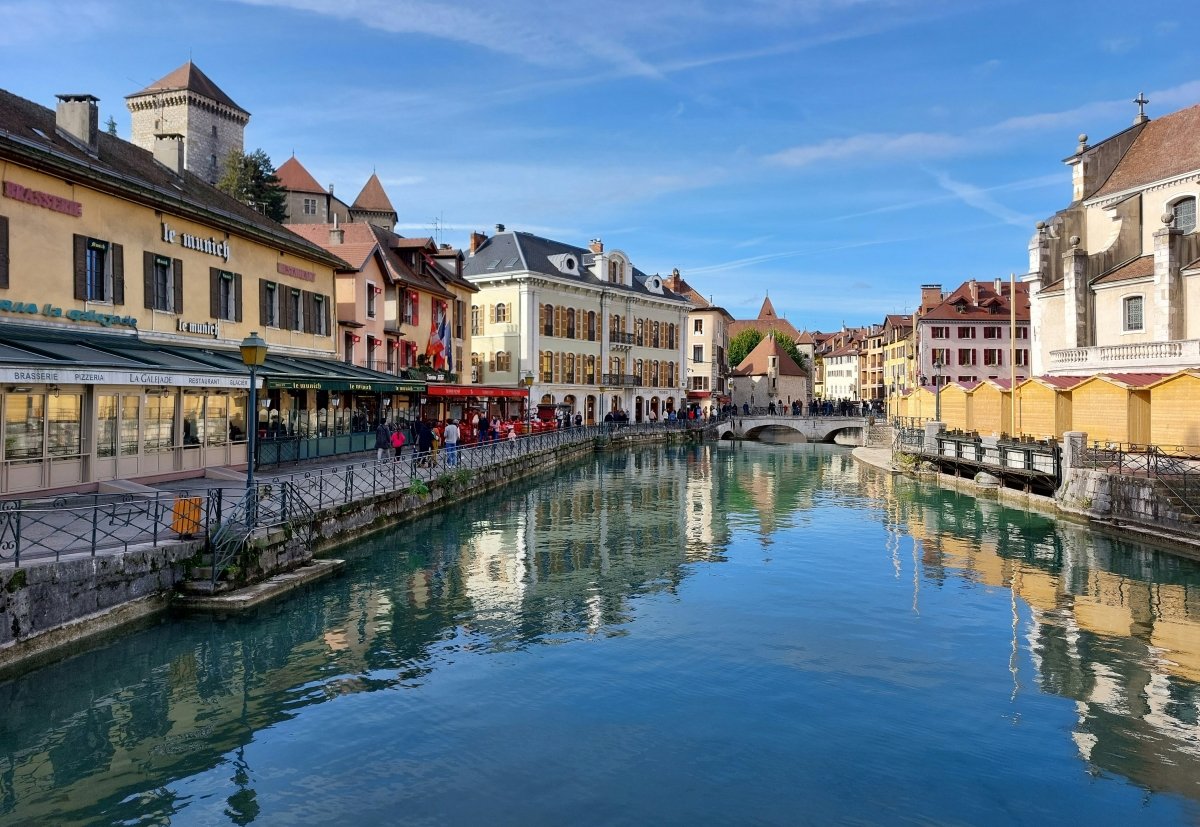
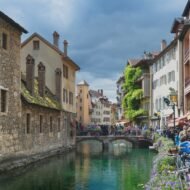
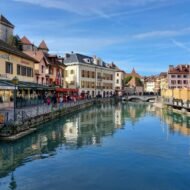
Why it’s special: The “Venice of the Alps” nickname isn’t just marketing—medieval canals snake through pastel buildings with flower boxes, all backed by snow-capped mountains. It’s criminally underrated compared to France’s mega-cities.
Shop + Sightsee Strategy
Rue Sainte-Claire arcades shelter boutiques selling Savoyard specialties (cheese, liqueurs, pottery). The Thiou canals area hides galleries and linen shops. Wednesday and Saturday markets at Place Sainte-Claire showcase local producers—perfect for picnic supplies.
Savoyard Food Glory
- Le Freti (Rue Sainte-Claire 12): Tartiflette (potatoes, cheese, bacon)—pure Alpine comfort (€18)
- Chez Mamie Lise (Rue Grenette 11): Raclette in a medieval vault, locals’ favorite
- L’Étage (Passage de l’Île 13): Contemporary twist on Savoyard classics (€25-35)
- Glacier des Alpes (Rue Sainte-Claire): House-made ice cream, génépi (Alpine herb) flavor is wild
Stay Here
Budget: Le Pélican Hostel (€25-40)—lakeside location, friendly staff Mid-range: Hôtel du Palais de l’Isle (€90-140)—right on the canals Luxury: Les Trésoms Lake & Spa Resort (€200-350)—panoramic views, outside Old Town
Practical Stuff
- Getting there: 40 min from Geneva airport, regional trains connect Lyon/Paris
- Activities: Rent bikes (€10/day) to circle the lake, swim in summer (free beaches!)
- Sustainable win: The lake is pristine thanks to strict environmental protections since the ’60s
- Budget tip: Free walking tour meets at Palais de l’Isle daily at 10:30am
Amazing fact: The Palais de l’Isle (12th-century prison on a tiny island) is France’s most photographed monument outside Paris.
The Wrap-Up: Your Old-Town Cheat Sheet
These seven aren’t just pretty postcards—they’re where history actually lives. Whether you’re hunting vintage leather in Le Marais, diving into pierogi in Kraków’s market square, or getting lost in Alfama’s fado-filled alleys, these neighborhoods prove Europe’s best stories aren’t behind velvet ropes.
The Universal Truth: Walk early (8am = locals’ time), eat where you see families eating, and remember that getting lost is half the point. These places survived centuries because they evolved—they’re not museums, they’re masterclasses in how heritage and modern life can dance together.
Budget Hierarchy (daily spend, excluding accommodation):
- Most affordable: Kraków (€30-40), Lisbon (€35-50)
- Mid-range: Annecy (€50-70), Rome (€50-80)
- Premium: Stockholm (€60-80), Salzburg (€60-90), Paris (€70-100+)
Sustainability Score: All seven champion walkability and local businesses. Standouts: Stockholm’s eco-consciousness, Annecy’s lake preservation, Rome’s slow-food movement.
Disclaimer
Prices, opening hours, and travel conditions change faster than you can say “cacio e pepe.” Restaurant recommendations reflect current traveler ratings and our research as of early 2025, but chefs move, spots close, and tastes vary. Always double-check official tourism sites, confirm accessibility needs in advance, and respect that these are living neighborhoods—not theme parks. Ratings compiled from Google Reviews, TripAdvisor, and Trustpilot averages. Travel responsibly, support local businesses, and please don’t be that person blocking the narrow alley for Instagram. Budget estimates assume mid-season travel; adjust expectations for peak summer or Christmas markets. Safe travels!