

















Budget Considerations That Actually Matter
Let’s talk money, because winter along the Danube can fit almost any budget:
Budget Traveler (€50-70/day) Absolutely doable, especially in Eastern European sections. Hostels in Budapest, Bratislava, and Belgrade run €12-25/night. Street food and markets keep meal costs down (€3-8 per meal). Free walking tours cover major sites, and many museums offer free days or student discounts. Public transport is incredibly affordable in all Danube cities (€1-5 for day passes). Skip the fancy Christmas market stalls and buy supplies from supermarkets.
Mid-Range Traveler (€100-150/day) The sweet spot for comfortable exploration. Three-star hotels or nice Airbnbs (€40-80/night), sit-down restaurant meals (€10-20 per meal), admission to attractions (€10-15 each), occasional taxis or Ubers, and daily Christmas market treats. At this level, you can enjoy thermal baths (€15-25), take river cruises (€15-30), and sample local wines without constant budget anxiety.
Luxury Traveler (€250+/day) Five-star hotels overlooking the Danube (€150-400/night), fine dining experiences (€40-100 per meal), private tours and transfers, premium spa treatments at thermal baths, opera and concert tickets in excellent seats (€80-200). Vienna and Budapest offer world-class luxury that still costs less than Paris or London equivalents.
Money-Saving Hacks
- Travel in January-February instead of December for 30-40% lower prices while maintaining the winter atmosphere
- Buy attraction passes (Vienna Pass, Budapest Card) if you’re hitting multiple sites
- Eat your main meal at lunch when many restaurants offer set menus at half the dinner price
- Book accommodations slightly outside the immediate center and use excellent public transport
- Markets and supermarkets sell Glühwein for €2-3 versus €5-7 at Christmas market stalls
Food: What to Eat and Where Winter Shines
Winter is honestly the best time for Danube cuisine. Everything gets heartier, richer, and more comforting:
Must-Try Dishes
- Goulash (gulyás): The ultimate warming stew found throughout Hungary and Austria, with variations in every country
- Wiener Schnitzel: Vienna’s signature breaded cutlet pairs perfectly with potato salad on a cold day
- Langos: Hungarian fried dough topped with sour cream and cheese, found at markets and street stalls
- Bratislavské rožky: Crescent-shaped Slovak pastries filled with poppy seed or walnut paste
- Ćevapi: Grilled minced meat served in flatbread, Serbia’s beloved street food that hits differently in winter
- Kaiserschmarrn: Shredded pancake with powdered sugar and plum compote, Austrian comfort food at its finest
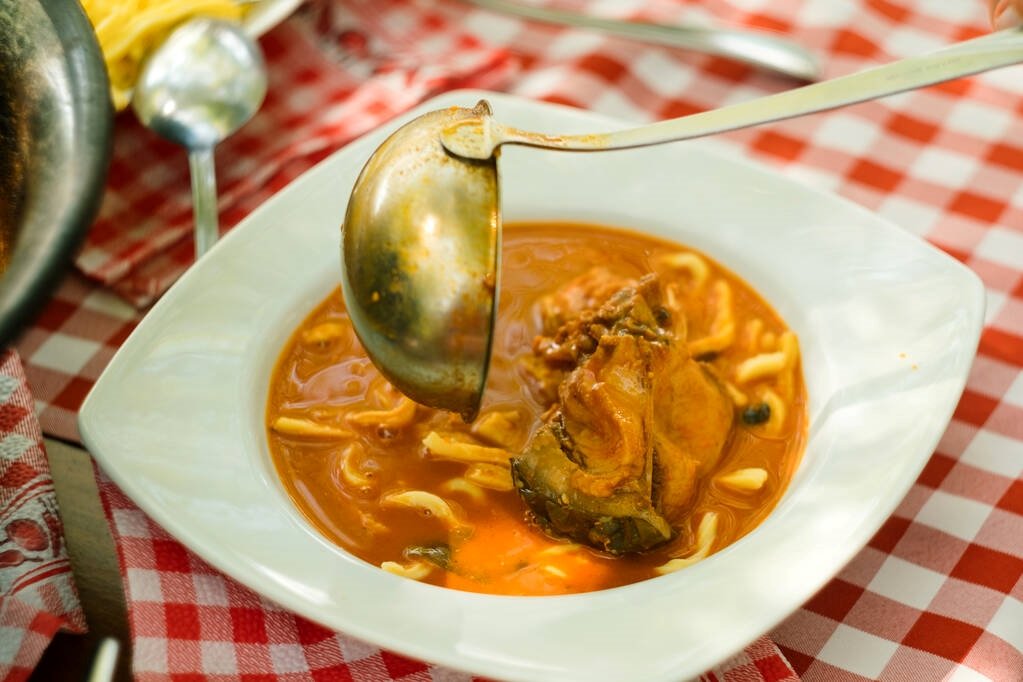
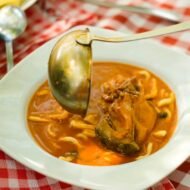
- Halászlé: Hungarian fisherman’s soup, spicy and warming, traditionally eaten on Christmas Eve
Winter Market Foods Christmas markets are food festivals disguised as shopping venues:
- Glühwein (mulled wine) and Punsch (spiked fruit punch) keep you warm between stalls
- Bratwurst and other grilled sausages appear everywhere
- Kürtőskalács (chimney cake) in Budapest is mandatory
- Roasted chestnuts sold from carts on every corner
- Raclette (melted cheese over potatoes) at higher-end markets
- Lebkuchen (gingerbread) in countless variations
- Gebrannte Mandeln (candied roasted almonds) are dangerously addictive
Local Restaurant Tips Skip the tourist traps around major squares. In Vienna, head to traditional Beisls in outer districts (try Neubau or Josefstadt neighborhoods). In Budapest, the ruin pubs serve surprisingly good food alongside craft beer. Belgrade’s kafanas offer authentic Serbian dining with live music. Ask locals or check Google Maps for places with recent reviews in the local language.
Christmas Markets and Cultural Events
December transforms the Danube into one continuous celebration:
Top Christmas Markets
- Vienna Rathausplatz: The most iconic, with 150+ stalls, ice skating, and nightly light shows
- Budapest Basilica Christmas Market: Spectacular 3D light projections on St. Stephen’s Basilica combined with quality craft stalls
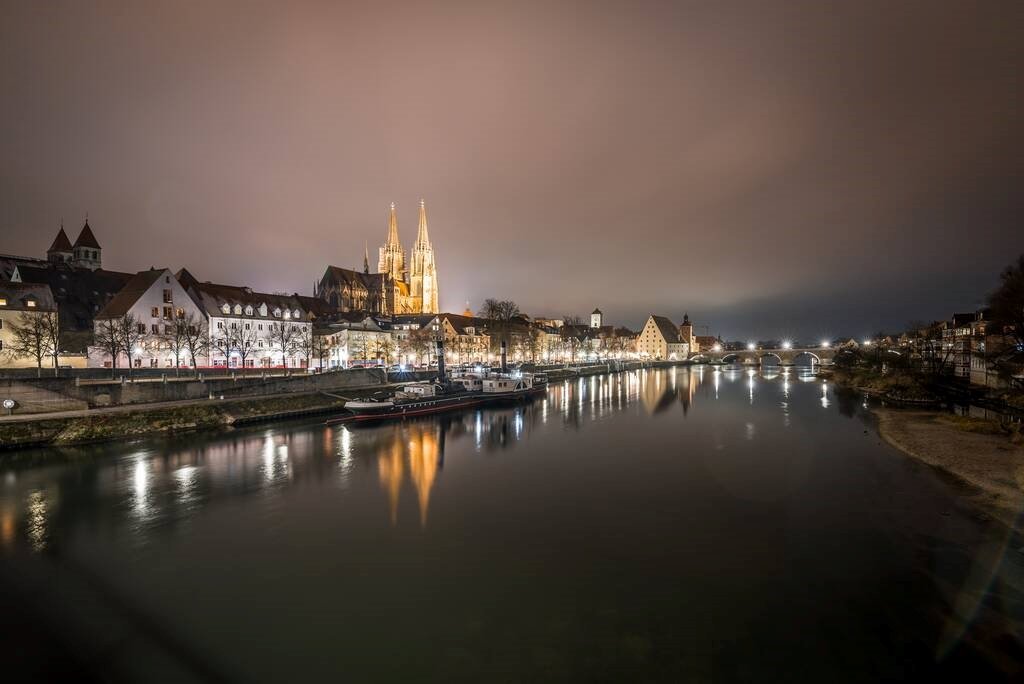
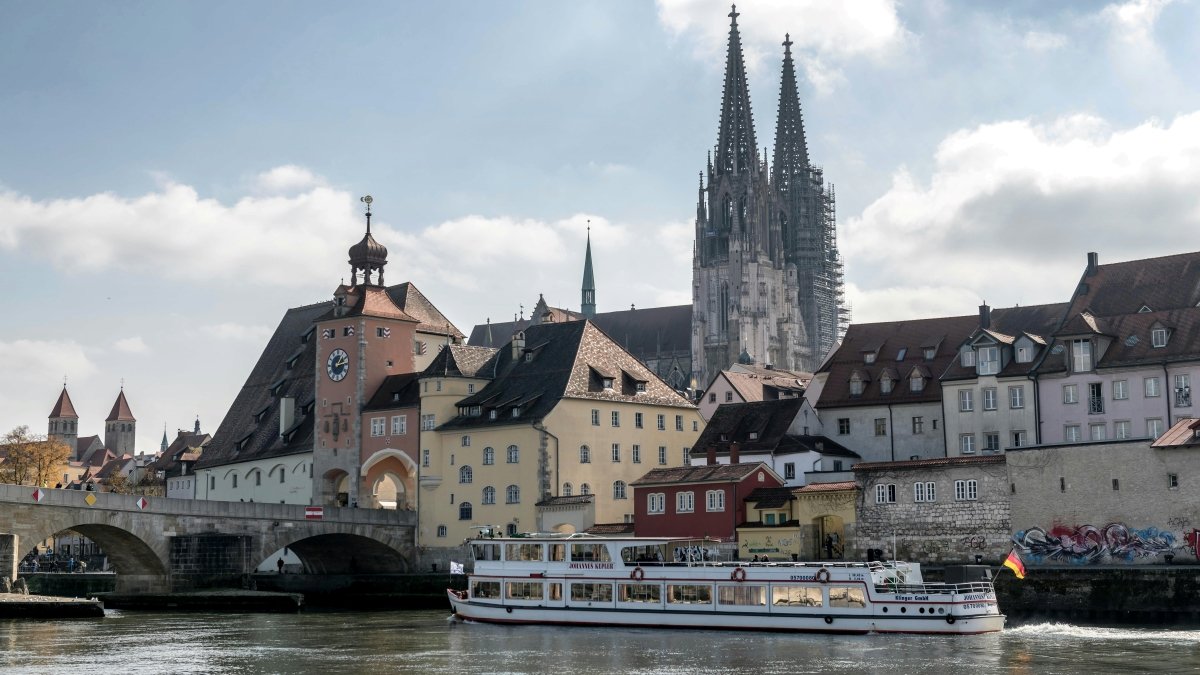
- Regensburg Christkindlmarkt: Historic setting in the UNESCO medieval center with emphasis on local artisans
- Bratislava Christmas Market: Intimate and authentic, less touristy than Vienna but equally charming
- Nuremberg Christkindlesmarkt: Technically not directly on the Danube but close enough and absolutely worth the detour, Germany’s most famous market
Cultural Christmas Aspects Christmas along the Danube reflects deep Catholic and Orthodox traditions (depending on region) blended with pre-Christian winter solstice celebrations. The Advent season starts four Sundays before Christmas with Advent wreaths and calendars in every home. Churches hold special concerts and midnight masses. On Christmas Eve, many families attend evening services before gathering for festive meals. In Orthodox regions like Serbia, Christmas falls on January 7 using the Julian calendar, extending the season beautifully.
Winter Events Beyond Christmas
- Vienna New Year’s Concert (January 1): World-famous but tickets are lottery-based; public viewing in Rathausplatz
- Fasching/Carnival (February): Pre-Lenten celebrations with balls, parades, and parties, especially significant in Vienna and Munich
- Winter Music Festivals: Classical concerts happen year-round but increase in winter when venues feel more intimate
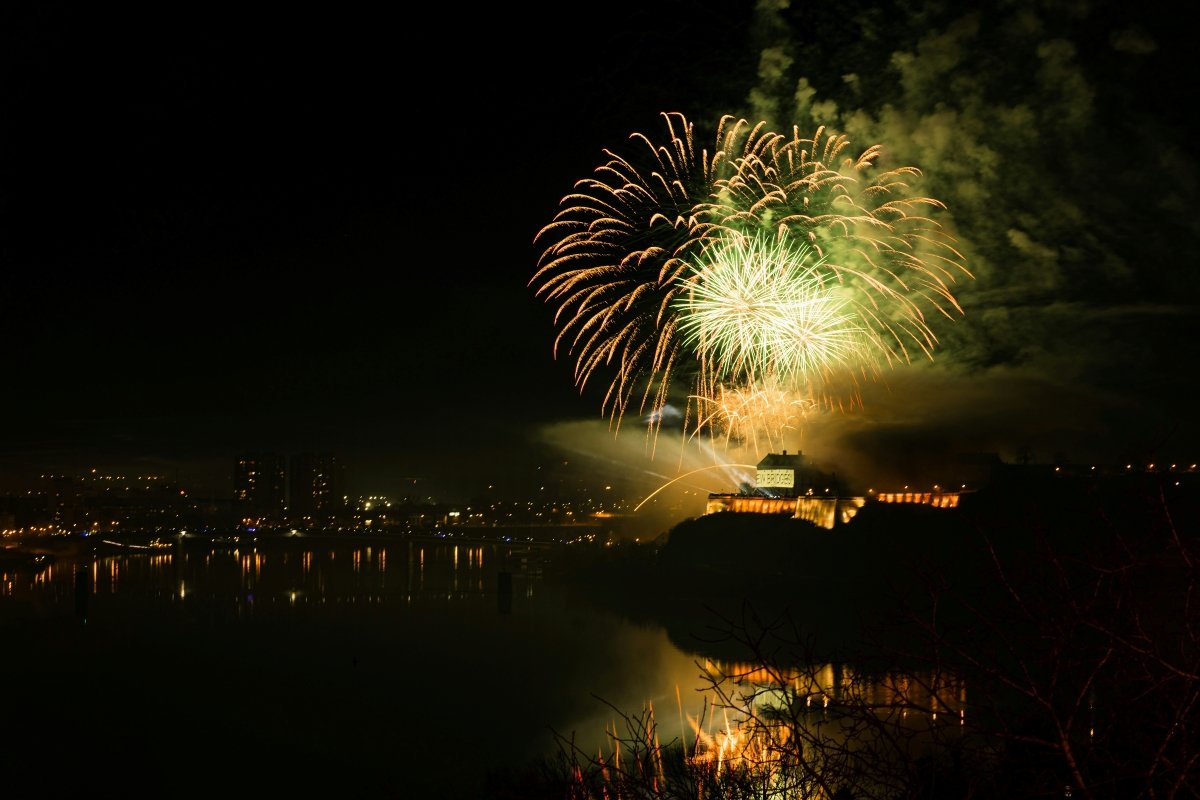
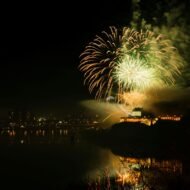
- New Year’s Eve Celebrations: Every major city hosts outdoor celebrations with fireworks and street parties
- Wine Festivals: The Wachau Valley holds winter wine tastings in cellars and taverns
Winter Danube River Cruises: What You Need to Know
River cruising the Danube in winter is a completely different experience from the summer season, and honestly? It’s pretty special if you know what you’re getting into.
What’s Different About Winter Cruises
First, let’s be real: winter cruising is dramatically scaled back compared to summer. Most major cruise lines reduce their Danube schedules between November and March, with December being the exception for Christmas market cruises. But this reduction means smaller groups, more intimate experiences, and significantly lower prices.
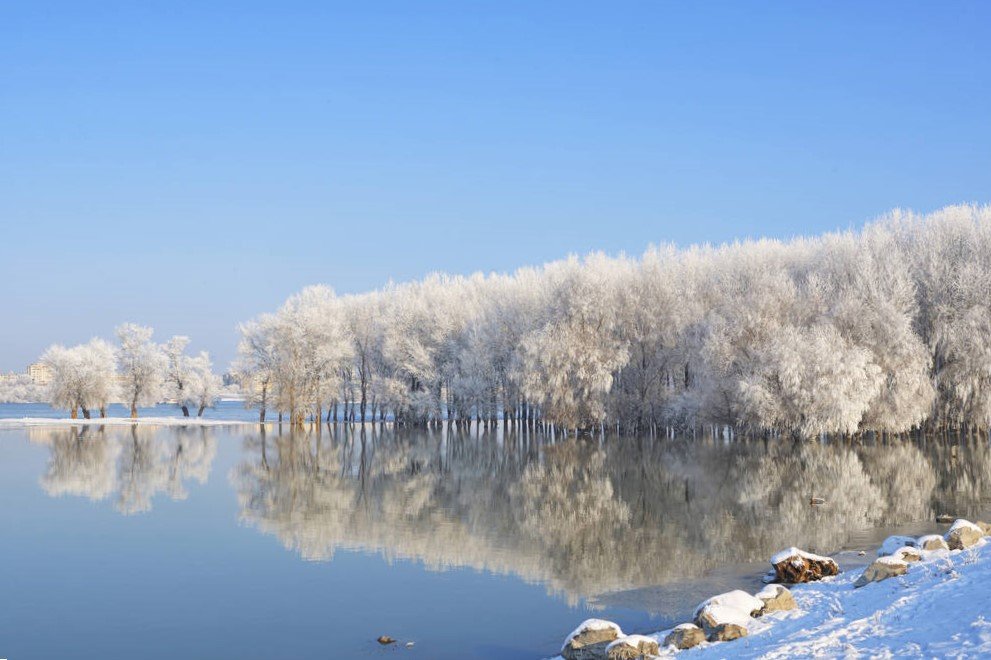
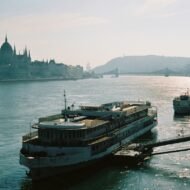
The boats themselves are fully heated with large windows for viewing, so you’re not suffering through the cold. Many feature glass-enclosed upper decks that let you watch the scenery while staying warm. Hot beverage service is constant, and the cozy indoor atmosphere actually enhances the experience when the landscape outside is frosted and dramatic.
Types of Winter Cruises Available
Christmas Market Cruises (Late November – December) These are the most popular winter offerings. Typically 7-10 day itineraries focusing on cities with famous markets: Vienna, Budapest, Bratislava, Regensburg, Nuremberg, and sometimes Passau or Linz. The ships dock in city centers, so you’re steps away from the markets. Evening departures mean you can enjoy the markets when they’re most atmospheric with lights and crowds.
Prices range €1,200-3,500 per person depending on cabin type and cruise line. This includes accommodation, most meals, and guided market tours. It’s actually decent value when you calculate hotel costs, transportation between cities, and meals separately.
New Year’s Cruises (December 26 – January 2) These capitalize on the festive season extending into New Year’s. You’ll experience multiple cities’ New Year’s celebrations, with many ships hosting onboard galas on December 31st before watching fireworks from the deck. Budapest and Vienna both put on spectacular riverside displays visible from the river.
Short Winter Cruises (January – March) Some lines run abbreviated 3-5 day cruises during the quiet season, usually focusing on a single country stretch like Vienna to Budapest or the Wachau Valley. These are budget-friendly (€400-1,200) and perfect if you want the cruise experience without committing to a full week.
What Winter Cruising Gets You
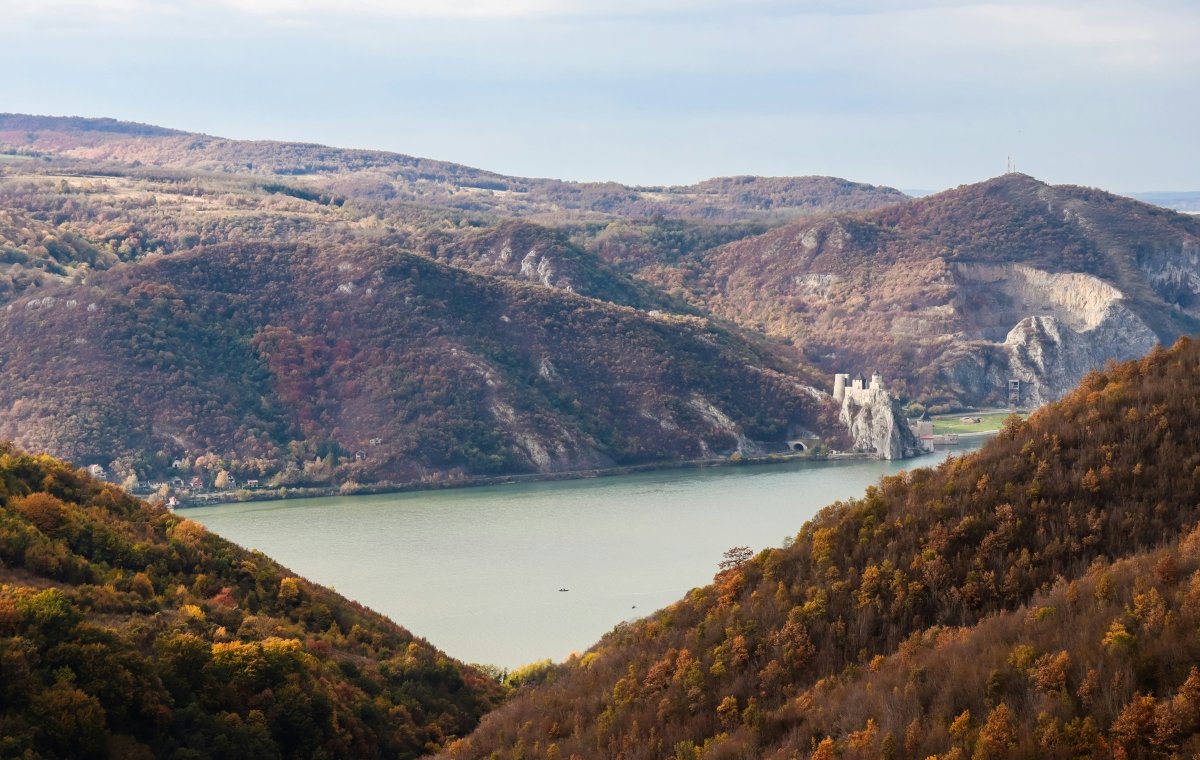
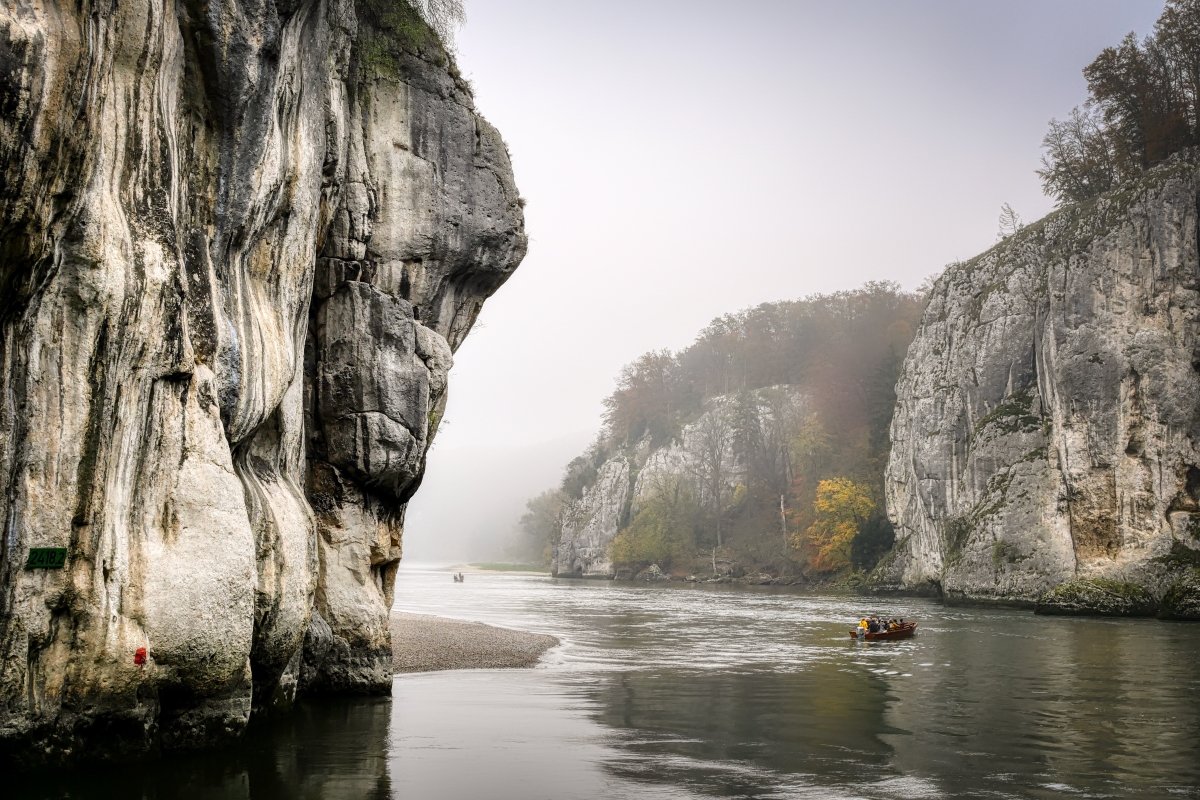
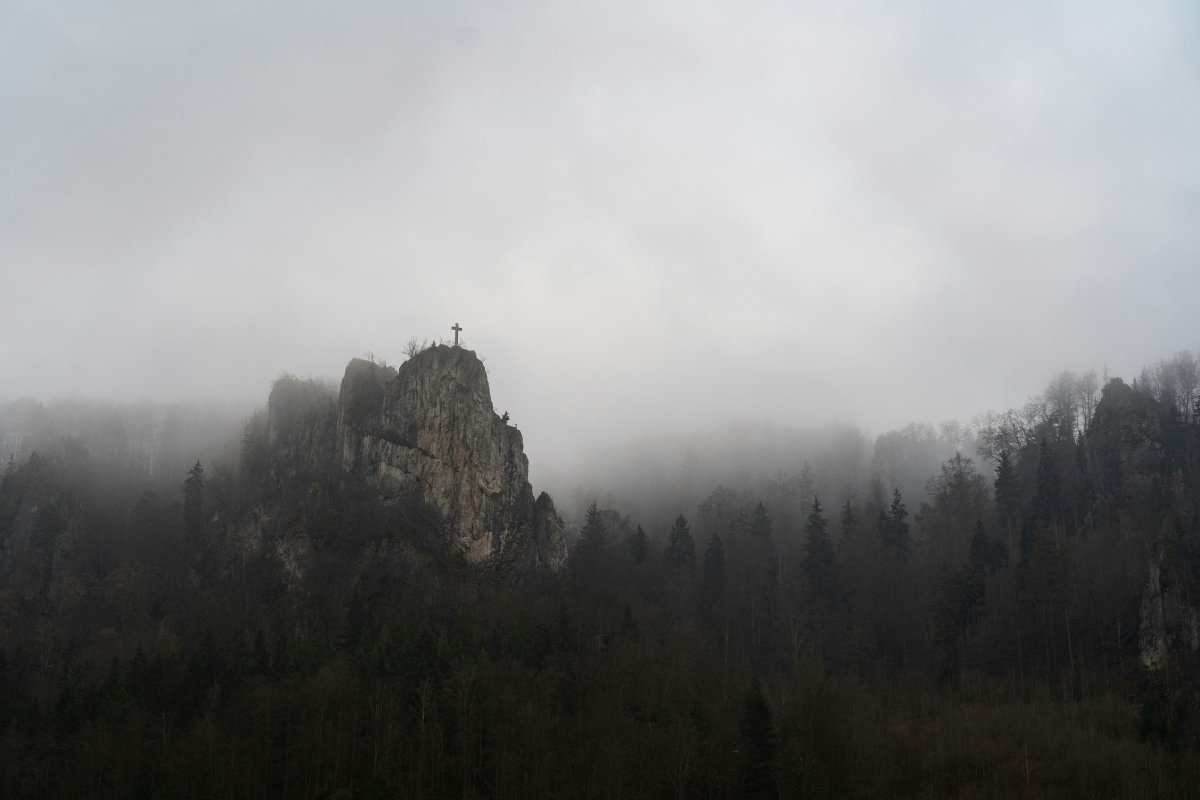
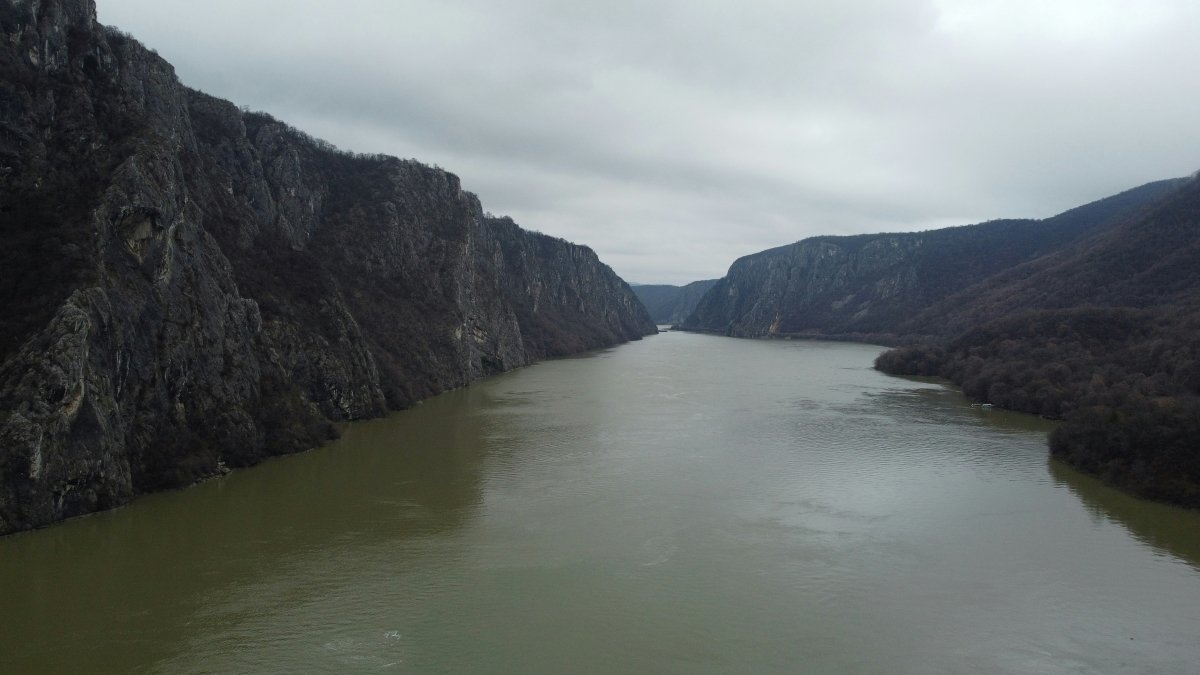
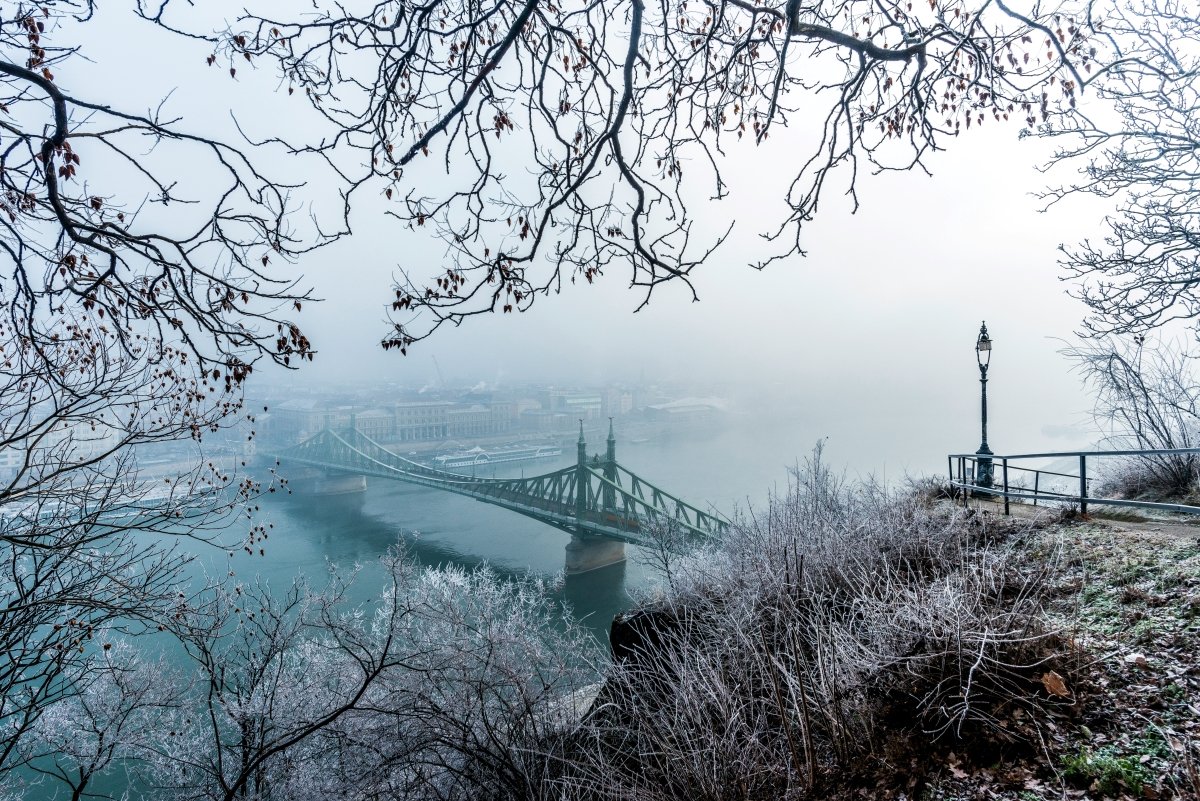
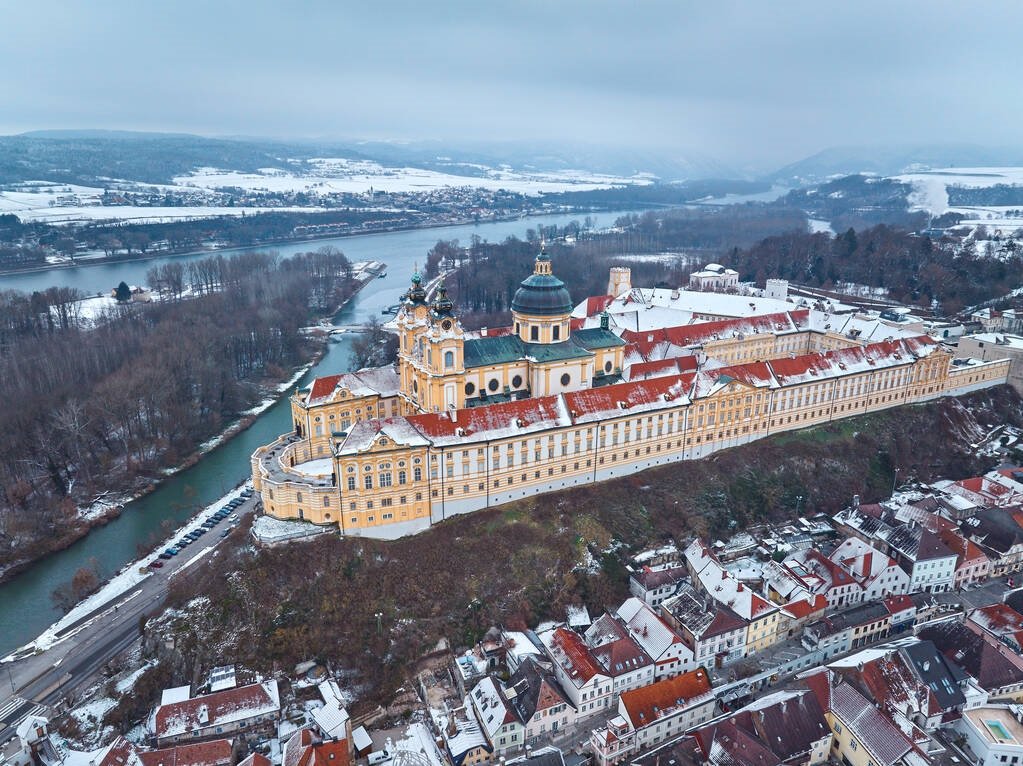
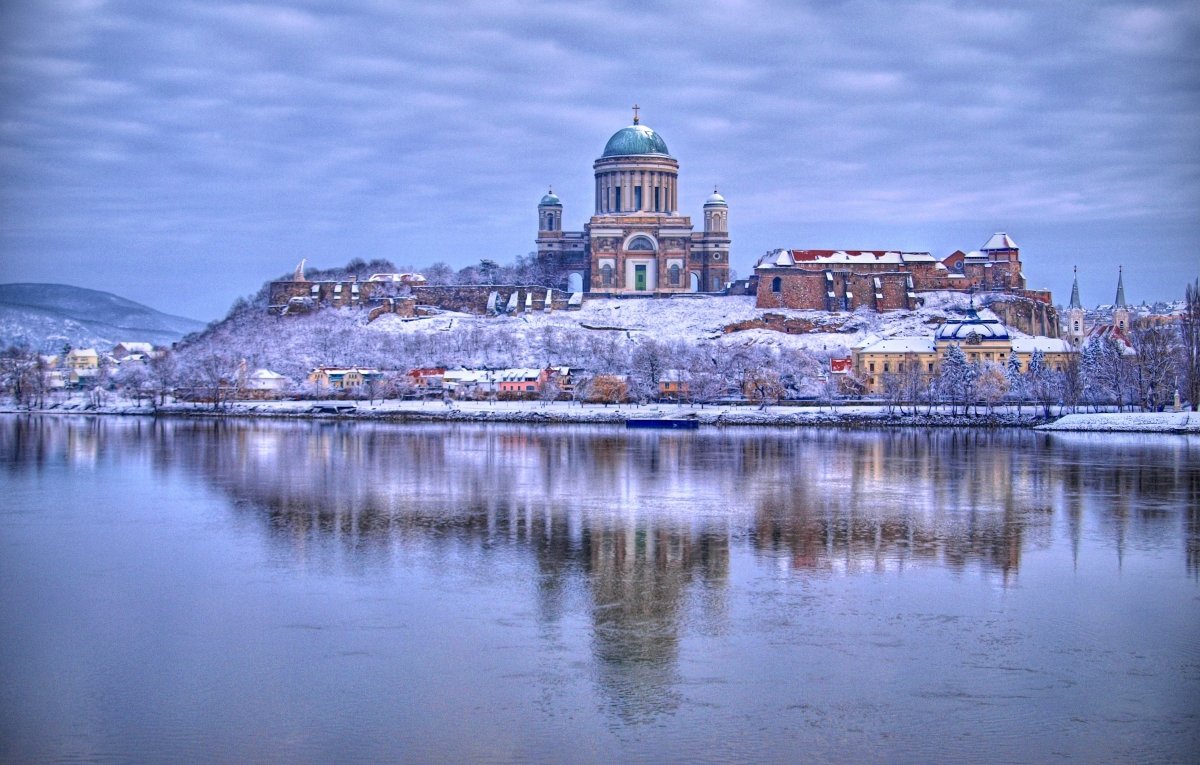
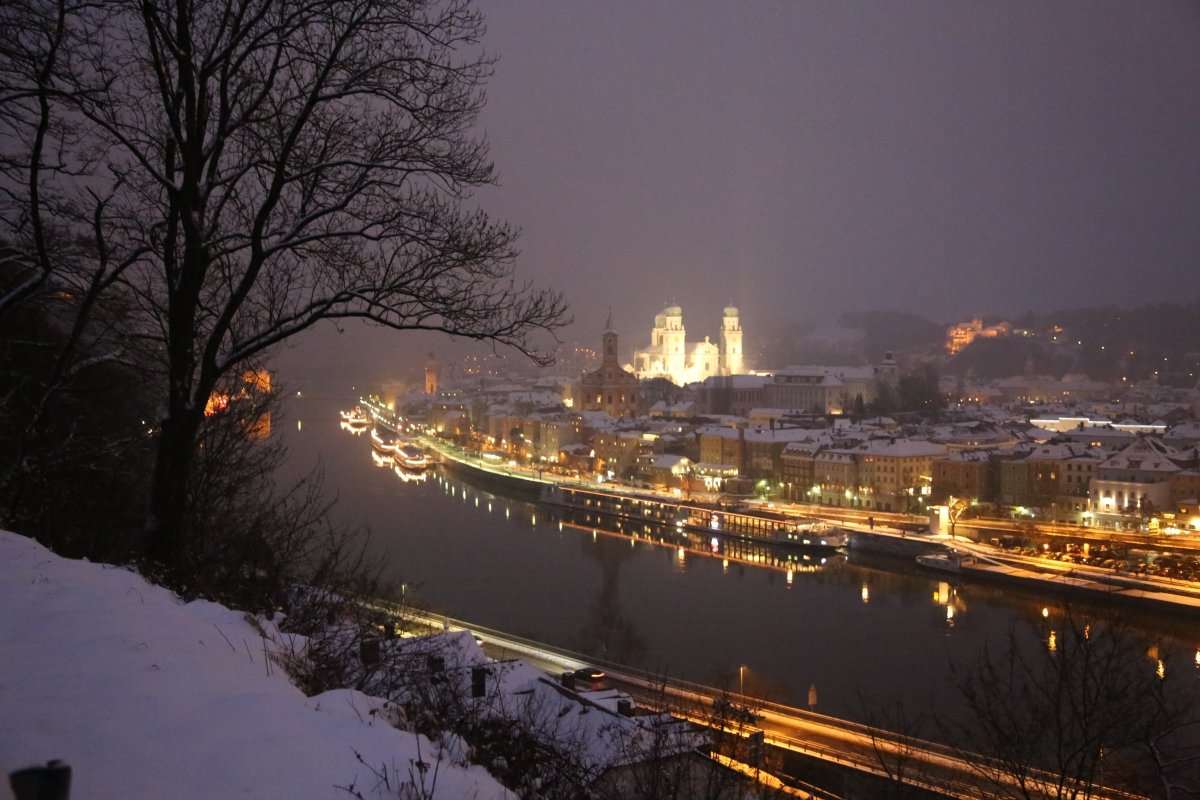
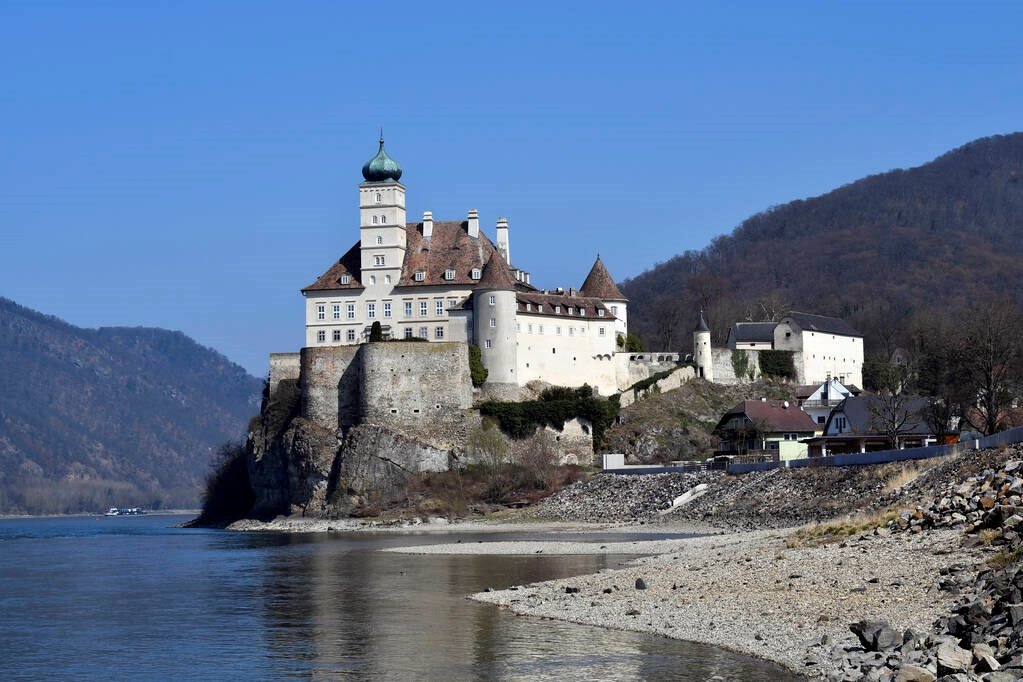
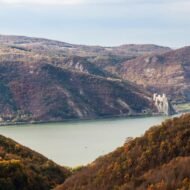
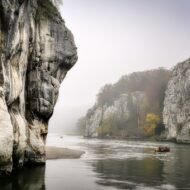
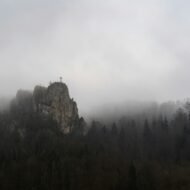
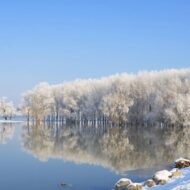
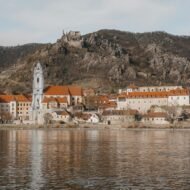
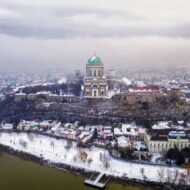
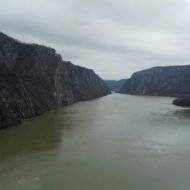
The scenery is absolutely stunning in winter. Snow-dusted medieval castles, misty mornings over the river, vineyard terraces covered in frost—it’s like cruising through a Christmas card. The lower water levels mean you see more of the riverbanks and dramatic rock formations. Sunrise and sunset come at reasonable hours, so you don’t miss the best light.
Onboard, expect a quieter, more relaxed atmosphere. Without summer’s families and large tour groups, the average age skews older (55+), but the vibe is sociable and friendly. Entertainment focuses on cultural lectures, wine tastings featuring Danube region wines, classical music performances, and regional cooking demonstrations.
Shore excursions are included or heavily discounted in winter packages. You’ll get guided tours of each port city, usually with transportation and admission fees covered. The Christmas market cruises include market tours with local guides who know which stalls sell the best handcrafted items versus tourist trinkets.
The Downsides (Because There Are Some)
Weather can disrupt schedules. Heavy rain, ice, or flooding occasionally forces itinerary changes. Cruise lines handle this professionally with alternative arrangements, but you need flexibility. Travel insurance that covers itinerary changes is essential.
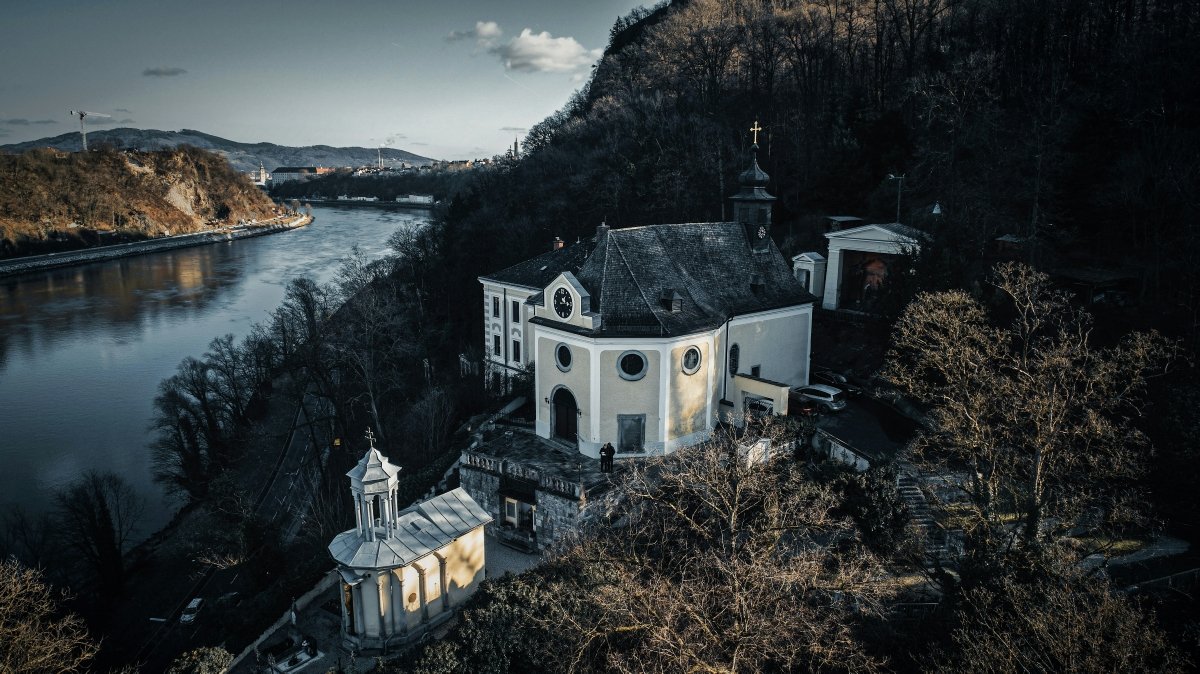
Some attractions in smaller ports have reduced winter hours or close entirely. That charming hilltop monastery might only be open weekends, or that famous viewpoint trail might be inaccessible due to ice. Major cities maintain full schedules, but rural stops can feel limited.
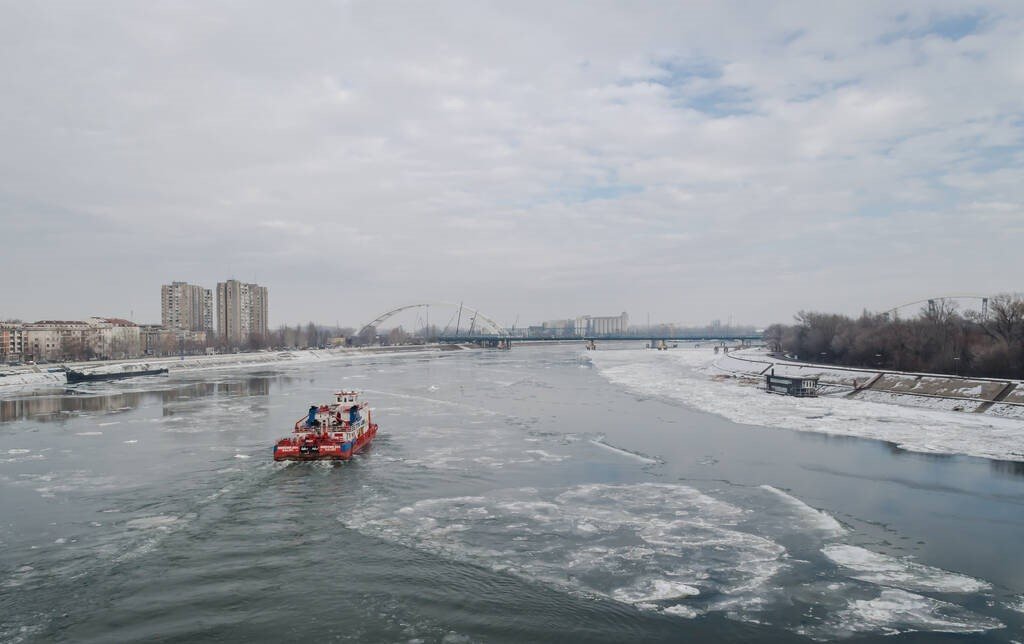
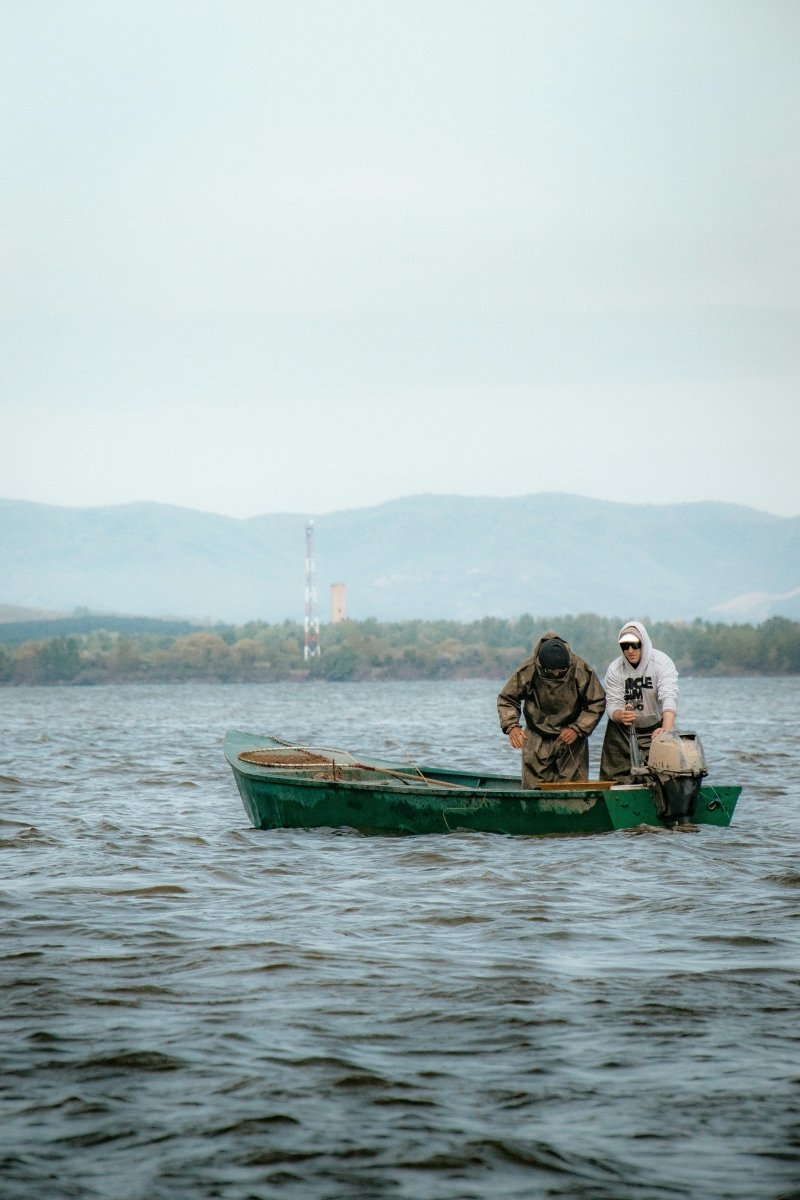
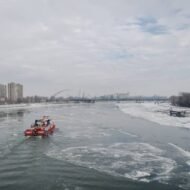
The river itself is busier with commercial traffic when cruise ship numbers are low, so you’ll share the waterway with cargo barges. Not a dealbreaker, but it changes the aesthetic slightly.
Dining options in ports are more limited. Many riverside restaurants close in winter or reduce hours. Your cruise includes meals, but if you want to explore local dining independently, you’ll need to research open restaurants beforehand.
Best Cruise Lines for Winter Danube
AmaWaterways: Premium option with excellent food, spacious cabins, and well-heated ships designed for year-round cruising. Their Christmas market cruises are popular and well-executed. Expect to pay more but get higher quality.
Viking River Cruises: The biggest name in river cruising, with consistent service and comprehensive shore excursion packages. Their winter cruises include excellent cultural programming. Mid-to-upper price range but frequently discounted for winter sailings.
Emerald Waterways: Good value for quality. Their ships are newer with innovative indoor/outdoor viewing areas that work well in winter. Pricing is competitive, usually 15-20% less than Viking for comparable itineraries.
Amadeus: Central European company with solid reputation and fair pricing. They maintain more winter sailings than some competitors, especially on the Vienna-Budapest route. Good option if you prioritize more sailing dates over brand recognition.
Booking Tips for Winter Cruises
Book 6-9 months ahead for Christmas market cruises, as these sell out early. January-March cruises can be booked much closer to departure with better last-minute deals.
Look for “cruise-only” rates if you’re comfortable arranging your own pre/post-cruise accommodation. This saves €200-400 per person compared to packages including hotel nights.
Single travelers face hefty supplements (150-200% of per-person rate) on river cruises. Some lines offer reduced single supplements in winter or will match solo travelers willing to share a cabin.
Travel insurance is non-negotiable. Get “cancel for any reason” coverage if possible, as winter weather can create legitimate reasons to postpone travel.
Alternatives to Multi-Day Cruises
If a full cruise feels like overkill or exceeds your budget, shorter day cruises operate in most major cities:
Vienna: 3-hour Wachau Valley cruises run weekends through winter (€30-45), offering scenic vineyard views and castle spotting without the multi-day commitment.
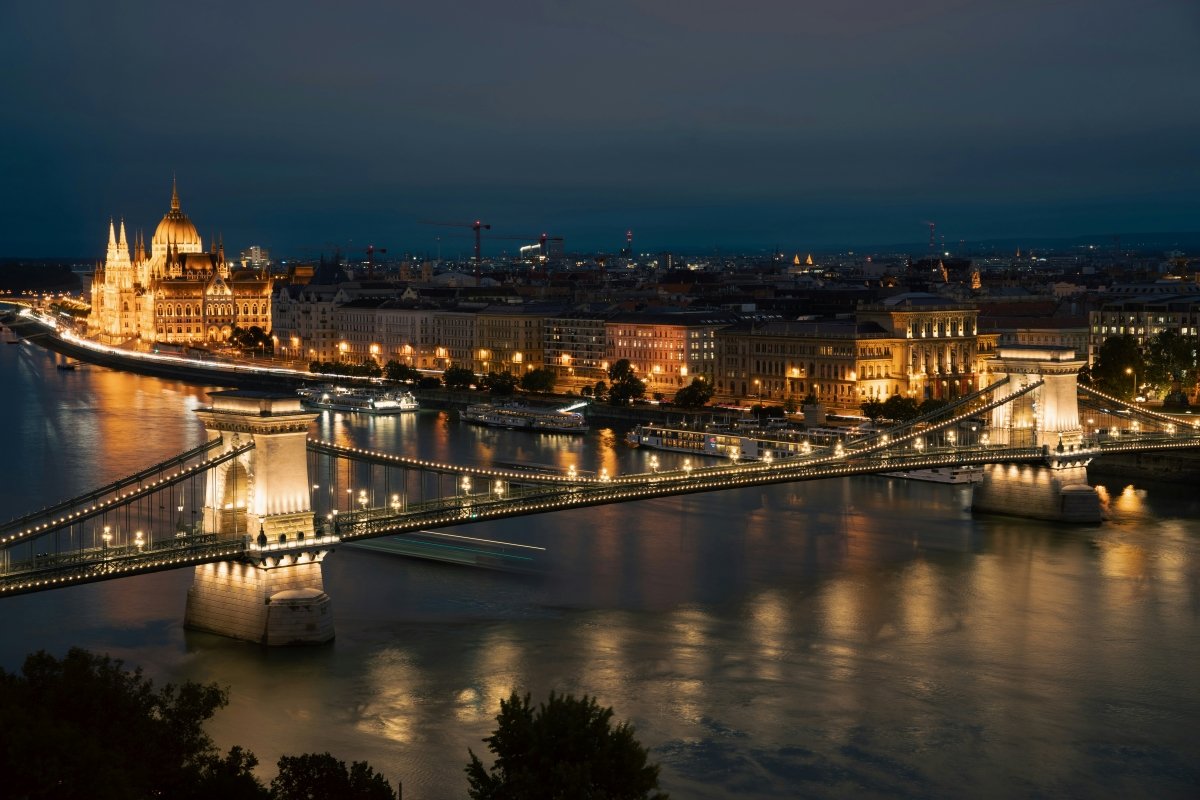
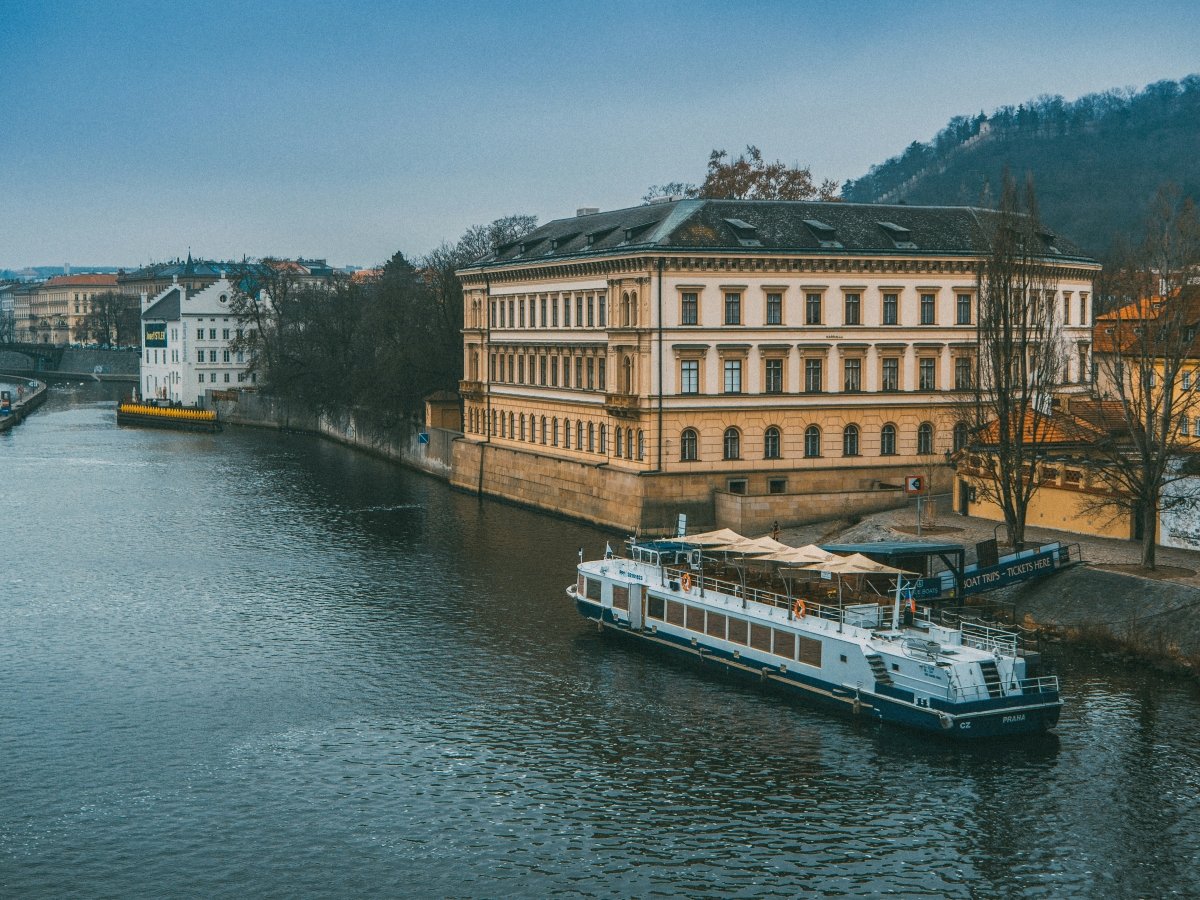
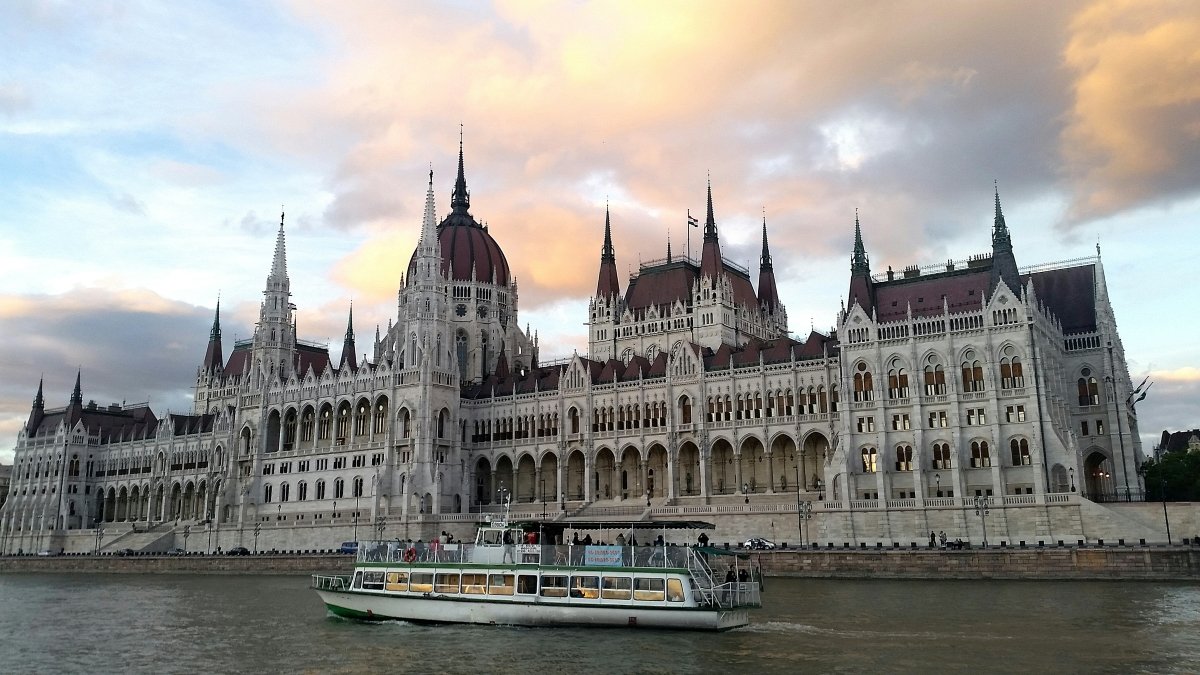
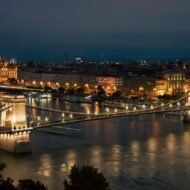
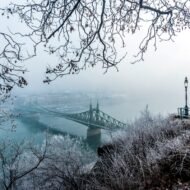
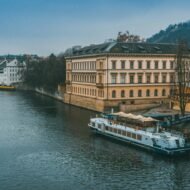
Budapest: 1-2 hour city cruises run daily year-round (€15-30), many including dinner or drinks. The evening cruises with Budapest’s illuminated bridges are stunning in winter.
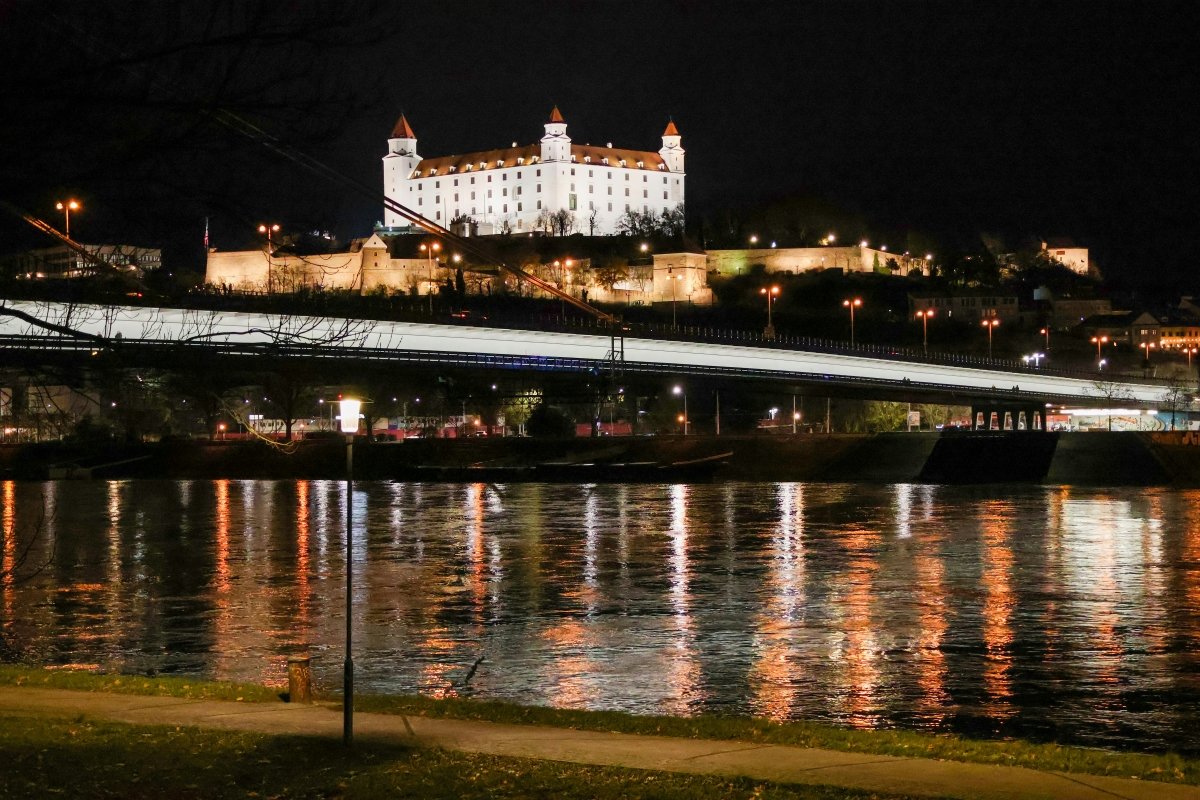
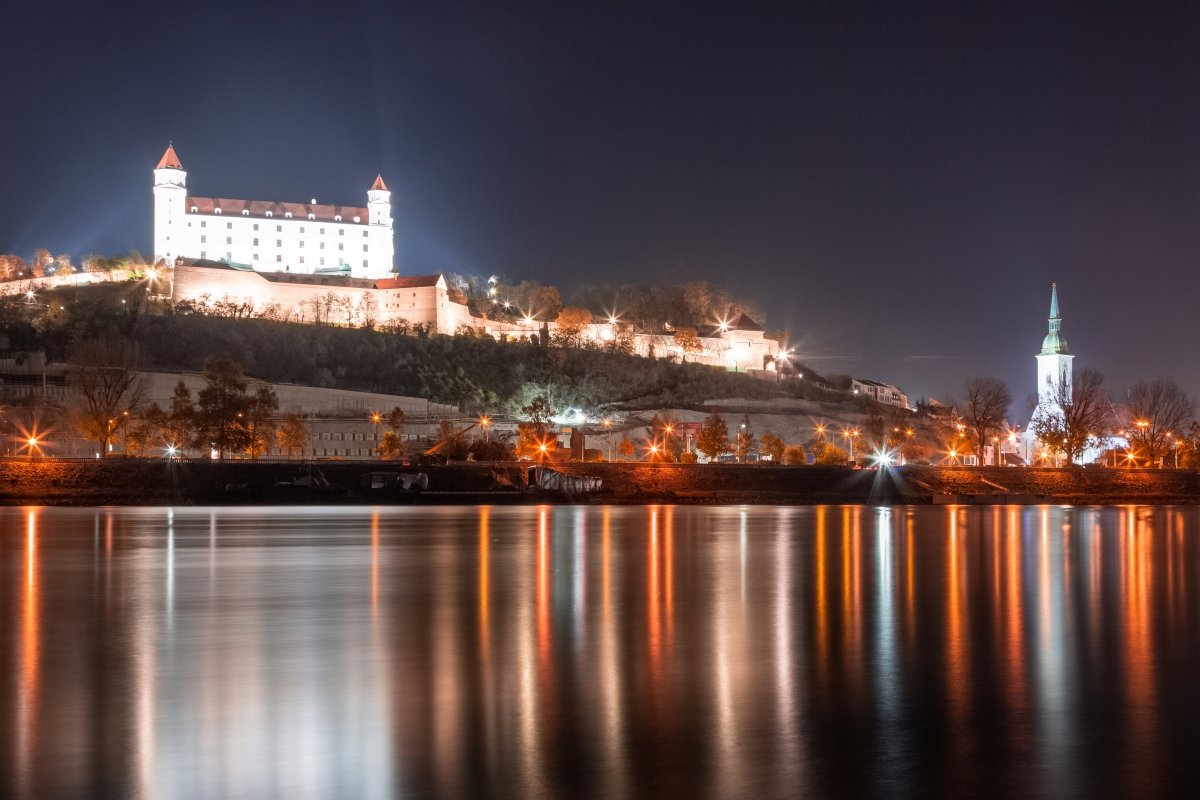
Bratislava: Short cruises to Devin Castle or along the city riverfront (€12-25), typically 1-2 hours, provide a taste of river perspective.
Passau to Vienna: Day cruises through the Wachau Valley operate select winter dates (€60-90), including lunch and wine tasting stops.
These shorter options let you experience the Danube from water level without the cruise ship commitment, and you maintain flexibility for your overall itinerary.
Useful Information for Actual Travelers
When to Visit
- December: Peak season for markets and festivities, highest prices, most crowds
- January-February: Significantly cheaper, fewer tourists, still beautiful, some markets closed but thermal baths feel even better
- March: Shoulder season, weather improving, spring approaching, fewer winter activities but good value
Weather Expectations Temperatures typically range 0-8°C (32-46°F) during the day, often dropping below freezing at night. Snow is possible but not guaranteed everywhere. Vienna and regions west tend to be colder with more snow. Belgrade and the lower Danube are milder. Rain is common, so waterproof layers matter more than heavy insulation.
What to Pack Layers are everything. A good waterproof coat, warm but removable mid-layers, comfortable waterproof boots, gloves, scarf, and hat. You’ll move between cold outdoor markets and overheated museums constantly. Thermal underwear if you plan serious outdoor time. Power adapters for Type C/F plugs (230V). Reusable water bottle since tap water is safe throughout.
Getting Around Public transport in Danube cities is excellent and affordable. Vienna, Budapest, and Bratislava have efficient metro, tram, and bus systems (€1-5 for day passes). Trains connect major cities easily (Vienna-Budapest is 2.5 hours, €19-40 depending on booking). River cruises operate reduced winter schedules but still run. Rental cars give flexibility for Wachau Valley or Danube Bend exploration but aren’t necessary for cities.
Language English works in major tourist areas and with younger people. German is useful in Austria and parts of Germany. Hungarian is notoriously difficult but locals appreciate attempts. Slovakia uses Slovak, similar to Czech. Serbian uses both Cyrillic and Latin alphabets. Google Translate’s camera function is invaluable for menus and signs.
Safety The Danube corridor is very safe. Pickpocketing exists in crowded tourist areas (Christmas markets, public transport) so basic vigilance applies. Emergency number throughout EU is 112. Healthcare is good quality; EU citizens should carry EHIC cards, others need travel insurance.
Accessibility Major cities have improving accessibility, though historic centers with cobblestones present challenges. Vienna leads in wheelchair accessibility with low-floor trams and adapted museums. Budapest is catching up but older thermal baths have limited access. Always call ahead for specific needs.
Final Thoughts
Here’s the truth about winter along the Danube: it won’t be perfect. Some days will be gray and drizzly. Your feet will get cold. That restaurant you really wanted to try might be closed for renovation. But that’s kind of the point.
Winter travel strips away the Instagram veneer and shows you places as they actually exist. You’ll share a thermal bath with locals who’ve been coming every Sunday for thirty years. You’ll huddle in a small café while sleet hammers the windows outside, drinking wine that costs €3 a glass and tastes like it should cost ten times that. You’ll wander through a Christmas market in a small town where you’re the only obvious tourist, and someone will insist on explaining their handmade ornaments in broken English while pressing a free sample of homemade schnapps into your hand.
The Danube in winter is about moments like these. It’s affordable in ways that peak-season European travel just isn’t anymore. It’s accessible without requiring months of planning or impossible-to-get reservations. And it’s beautiful in that understated, real-life kind of way that makes you want to come back.
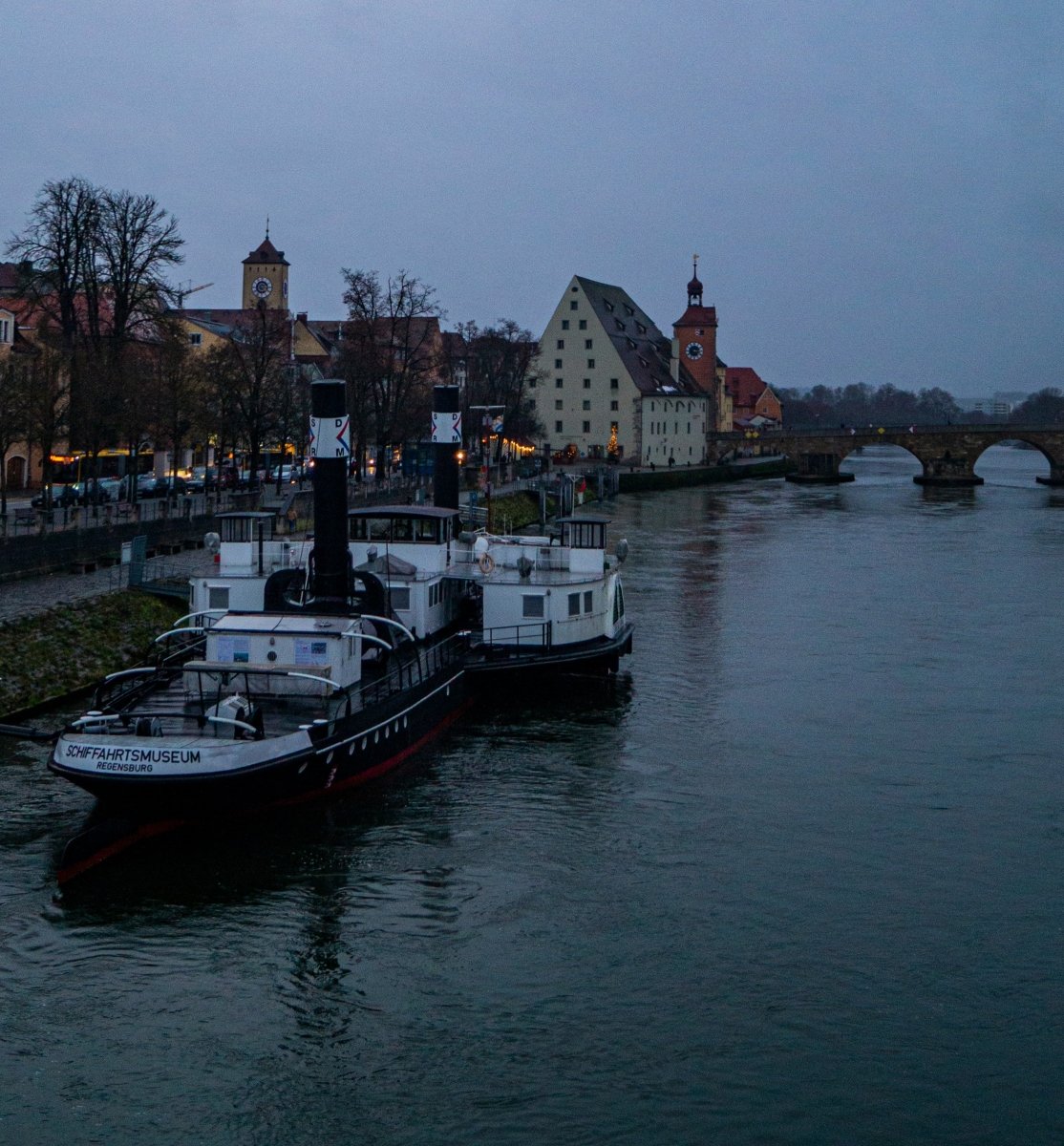
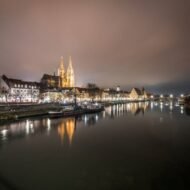
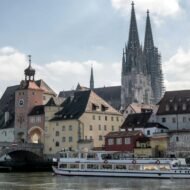
Whether you’re soaking in Budapest’s thermal baths while snow falls, sampling pastries in a Viennese coffeehouse that’s looked the same for a hundred years, or watching the river flow past medieval towers in Regensburg, you’re experiencing something authentic. Not Instagram-authentic. Actually authentic.
So yeah, pack some warm layers, book something affordable, and get yourself to the Danube this winter. Your summer-vacation friends can keep their beach resorts. You’ll be the one with the stories worth telling.
DISCLAIMER
This travel guide provides general information based on publicly available sources, traveler reviews, and travel industry standards as of early 2025. Prices, opening hours, events, and travel conditions can change without notice. Always verify current information directly with service providers, official tourism boards, and local authorities before making travel decisions or bookings.
We strongly recommend purchasing comprehensive travel insurance covering cancellations, medical emergencies, and unexpected disruptions. Check current visa requirements for your nationality, as regulations vary by country and change periodically.
Budget estimates are approximate and based on average costs; your actual expenses will vary depending on personal choices, travel style, season, and current exchange rates. Christmas market dates, events, and attraction schedules should be confirmed on official websites.
Weather conditions are based on historical patterns but cannot be guaranteed. Pack appropriately and prepare for variability. Accessibility information is general; travelers with specific mobility or accessibility needs should contact individual venues directly to confirm current facilities.
This guide does not constitute professional medical, legal, or financial advice. Consult appropriate professionals for specific concerns. While we strive for accuracy, we cannot guarantee all information is current or complete. Travel at your own risk and exercise common sense regarding safety and personal wellbeing.