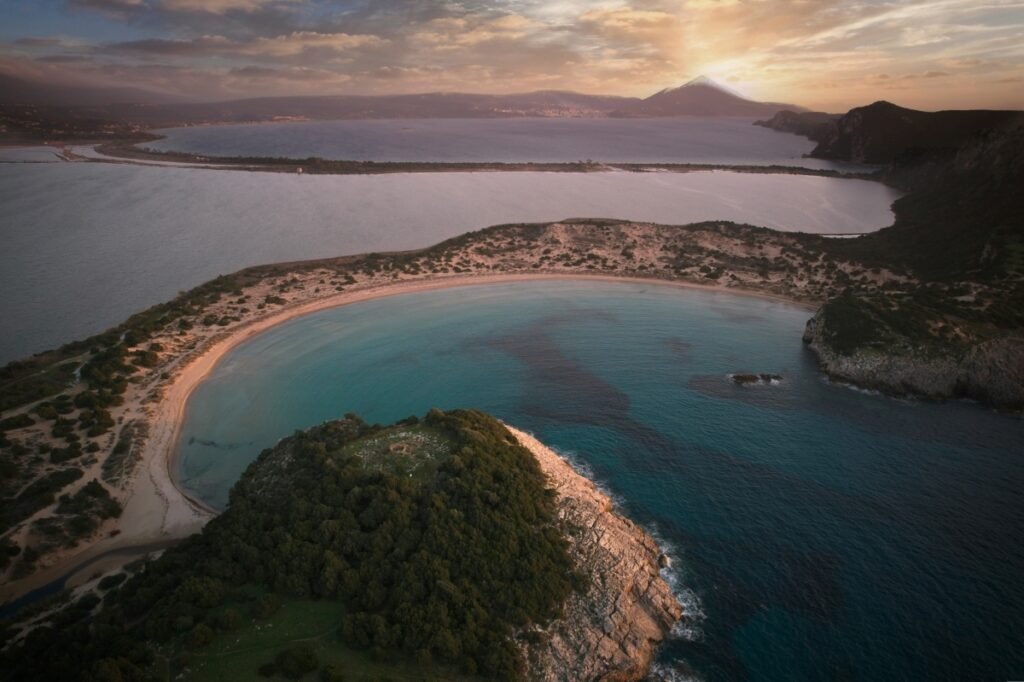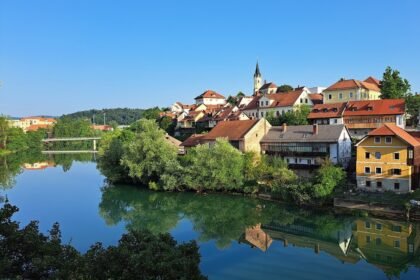


Forget overcrowded Santorini and overpriced Ibiza – the Baltic Sea is hiding some of Europe’s most spectacular islands that most travelers have never even heard of. While everyone’s fighting for beach space in the Mediterranean, you could be exploring medieval castles on windswept cliffs, cycling through ancient forests, or watching the Northern Lights dance over pristine beaches.
These ten Baltic Sea islands offer everything from UNESCO World Heritage sites to some of the darkest skies in Europe for stargazing. Whether you’re a budget backpacker looking for affordable adventures or a family seeking unique experiences that won’t break the bank, these islands deliver authentic European charm without the tourist crowds.
From Estonia’s wild and remote Vilsandi to Germany’s dramatic chalk cliffs on Rügen, each island has its own personality and secrets waiting to be discovered. The best part? You can often find accommodation for under €50 per night and enjoy activities that would cost triple in more famous destinations. Ready to discover your new favorite European getaway?
1. Hiiumaa, Estonia
Fun Facts:
- Home to one of the oldest lighthouses in the world (Kõpu Lighthouse, built in 1531)
- The island has more meteorite craters per square kilometer than anywhere else on Earth
- Only 1,000 permanent residents live on this 989 square kilometer island
Unique Features: Hiiumaa feels like stepping into a fairy tale. The island is dotted with ancient windmills, mysterious stone circles, and forests so dense they seem enchanted. The Kõpu Peninsula offers some of the most pristine beaches in the Baltics, while the inland areas hide Soviet-era bunkers and abandoned military installations that make for fascinating exploration.
Accessibility/Family Friendly: Ferries run regularly from Rohuküla (mainland Estonia) taking just 90 minutes. The island is perfect for families with young children – traffic is minimal, beaches are safe, and locals are incredibly welcoming. Rental cars are available, but cycling is the preferred way to explore.
Budget Considerations:
- Ferry tickets: €8-15 per person
- Guesthouses: €25-45 per night
- Meals: €8-15 at local restaurants
- Bike rental: €15-20 per day
Things to Do: Cycling enthusiasts will love the 200km of marked bike trails that wind through forests and along dramatic coastlines. The Tahkuna Peninsula offers excellent hiking with its lighthouse and WWII bunkers. For sailing enthusiasts, the sheltered bays around Kärdla provide perfect conditions for beginners, while experienced sailors can explore the challenging waters around Kõpu Peninsula.
2. Åland, Finland
Fun Facts:
- This archipelago of 6,700 islands has its own parliament and issues its own stamps
- Åland is officially demilitarized and has been since 1856
- The islands are Swedish-speaking but belong to Finland
Unique Features: Åland offers a unique blend of Finnish nature and Swedish culture. The main island, Fasta Åland, is connected to smaller islands by a network of bridges and free ferries. Medieval churches dot the landscape, while the capital Mariehamn feels like a charming Swedish coastal town with its wooden houses and maritime museums.
Accessibility/Family Friendly: Excellent ferry connections from both Finland and Sweden make Åland easily accessible. The islands are incredibly family-friendly with safe cycling paths, beautiful beaches, and attractions like the Åland Maritime Museum. Many families camp at one of the many well-equipped campgrounds.
Budget Considerations:
- Ferry from Finland: €25-40 per person
- Camping: €15-25 per night
- Hotels: €60-100 per night
- Meals: €12-20 at restaurants
Things to Do: The island chain is a cyclist’s paradise with over 500km of marked routes connecting the main islands. Hiking trails wind through ancient forests to hidden coves and prehistoric sites. The sheltered waters between islands create perfect conditions for sailing, with numerous yacht charter companies offering everything from day trips to week-long adventures.
3. Rügen, Germany
Fun Facts:
- Germany’s largest island at 926 square kilometers
- Home to the famous chalk cliffs that inspired Romantic painter Caspar David Friedrich
- The island has over 60km of sandy beaches
Unique Features: Rügen combines dramatic natural beauty with rich history. The Jasmund National Park protects ancient beech forests and the iconic Königsstuhl chalk cliffs. The island also features elegant seaside resorts from the 1800s, including the grand Kurhaus Binz with its distinctive white architecture.
Accessibility/Family Friendly: Connected to mainland Germany by bridges, Rügen is easily accessible by car or train. The island is extremely family-friendly with dedicated cycling paths, numerous playgrounds, and the famous Rügen narrow-gauge railway that delights children. Beach access is excellent with lifeguards during summer months.
Budget Considerations:
- Accommodation: €35-80 per night in guesthouses
- Meals: €10-18 at local restaurants
- National park entry: €3 per person
- Bike rental: €12-18 per day
Things to Do: Hiking in Jasmund National Park is unmissable – the cliff-top trails offer breathtaking views over the Baltic Sea. The island has over 200km of cycling paths, including the popular coastal route from Binz to Sellin. For sailing enthusiasts, the waters around Rügen offer excellent conditions, with several marinas providing yacht charter services and sailing lessons.
4. Bornholm, Denmark
Fun Facts:
- The island sits closer to Sweden than Denmark but remains fiercely Danish
- Home to the largest medieval fortress ruins in Northern Europe (Hammershus)
- Bornholm has its own time zone (15 minutes ahead of the rest of Denmark until 1916)
Unique Features: Bornholm combines rugged granite cliffs with charming fishing villages and ancient round churches. The island is famous for its smoked fish, craft beer, and thriving arts scene. The dramatic coastline includes both sandy beaches and rocky outcrops perfect for climbing.
Accessibility/Family Friendly: Regular ferries connect Bornholm to Denmark, Sweden, and Germany. The island is very family-friendly with excellent cycling infrastructure, safe beaches, and attractions like the Bornholm Butterfly Park. Many accommodations offer family packages.
Budget Considerations:
- Ferry tickets: €30-50 per person
- Guesthouses: €40-70 per night
- Meals: €15-25 at restaurants
- Bike rental: €15-25 per day
Things to Do: The island offers 235km of marked cycling routes, including the spectacular coastal path that circles the entire island. Hiking enthusiasts can explore the dramatic cliffs and inland forests. The sheltered southern coast provides excellent sailing conditions, with several yacht charter companies based in Rønne offering everything from day trips to extended cruises.
5. Saaremaa, Estonia
Fun Facts:
- Estonia’s largest island with over 2,600 islands and islets in its archipelago
- Home to the Kaali meteorite crater, formed 4,000 years ago
- The island has over 1,000 windmills, more than anywhere else in Estonia
Unique Features: Saaremaa perfectly balances medieval history with pristine nature. The capital Kuressaare boasts one of the best-preserved medieval castles in the Baltics, while the countryside offers ancient stone churches, traditional thatched-roof houses, and mysterious stone walls built by ancient settlers.
Accessibility/Family Friendly: Regular ferries connect Saaremaa to mainland Estonia via Muhu island. The island is excellent for families with safe cycling paths, numerous beaches, and attractions like the Angla Windmill Park. Traffic is light, making it perfect for family cycling adventures.
Budget Considerations:
- Ferry tickets: €5-12 per person
- Guesthouses: €30-50 per night
- Meals: €8-15 at local restaurants
- Bike rental: €12-18 per day
Things to Do: Cycling is the best way to explore Saaremaa’s 300km of marked bike trails that connect medieval villages and pristine beaches. Hiking opportunities include the Panga Cliffs and Vilsandi National Park. The island’s numerous bays and inlets provide excellent sailing conditions, with yacht charters available from Kuressaare marina.
6. Öland, Sweden
Fun Facts:
- Sweden’s second-largest island, connected to the mainland by a 6km bridge
- UNESCO World Heritage site due to its unique agricultural landscape
- The island has over 400 ancient stone monuments and burial sites
Unique Features: Öland’s southern half is dominated by the Stora Alvaret, a vast limestone plain that supports unique flora and fauna. The island combines this otherworldly landscape with charming fishing villages, medieval churches, and the impressive Borgholm Castle ruins.
Accessibility/Family Friendly: Connected to mainland Sweden by bridge, making it easily accessible by car. The island is very family-friendly with excellent cycling infrastructure, safe beaches, and attractions like the Öland Zoo. Many camping sites cater specifically to families.
Budget Considerations:
- No ferry costs (connected by bridge)
- Camping: €20-30 per night
- Hotels: €50-90 per night
- Meals: €12-20 at restaurants
Things to Do: The island offers over 300km of cycling paths, including the spectacular route along the western coast. Hiking opportunities include the Alvaret landscape and coastal trails. The waters around Öland provide excellent sailing conditions, with several marinas offering yacht charter services and sailing schools.
7. Neringa, Lithuania
Fun Facts:
- A 52km long sand dune peninsula shared between Lithuania and Russia
- Home to some of the highest sand dunes in Europe (up to 60 meters)
- The entire area is a UNESCO World Heritage site
Unique Features: Neringa combines massive shifting sand dunes with traditional fishing villages and pristine beaches. The Curonian Spit features unique ecosystems where desert-like dunes meet Baltic forests. The area is also famous for its distinctive wooden architecture and weathervanes.
Accessibility/Family Friendly: Accessible by ferry from Klaipėda (Lithuania) or by road through Kaliningrad (Russia). The area is family-friendly with safe beaches, cycling paths, and educational nature centers. However, border crossings can be complex due to the political situation.
Budget Considerations:
- Ferry tickets: €3-8 per person
- Guesthouses: €25-45 per night
- Meals: €8-15 at local restaurants
- Bike rental: €10-15 per day
Things to Do: Cycling along the lagoon and Baltic Sea coasts offers spectacular scenery. Hiking the massive sand dunes provides unique desert-like experiences. The sheltered Curonian Lagoon is perfect for sailing and offers excellent conditions for beginners, with several yacht charter options available.
8. Muhu, Estonia
Fun Facts:
- The third-largest island in Estonia with only 1,800 residents
- Connected to Saaremaa by a causeway, making it a gateway island
- Home to some of Estonia’s oldest churches and stone formations
Unique Features: Muhu offers a quieter, more intimate experience than its larger neighbor Saaremaa. The island features ancient stone churches, traditional farmsteads, and some of the best-preserved examples of Estonian rural architecture. The coastline alternates between sandy beaches and rocky shores.
Accessibility/Family Friendly: Same ferry access as Saaremaa, making it very accessible. The island is perfect for families seeking a quieter experience with safe cycling paths, beautiful beaches, and friendly locals. The smaller size makes it less overwhelming for young children.
Budget Considerations:
- Ferry tickets: €5-12 per person (same as Saaremaa)
- Guesthouses: €25-40 per night
- Meals: €6-12 at local restaurants
- Bike rental: €10-15 per day
Things to Do: The island’s 100km of cycling paths offer intimate exploration of traditional Estonian landscapes. Hiking opportunities include coastal walks and forest trails. The sheltered bays provide perfect conditions for sailing, and the island serves as an excellent base for exploring the surrounding archipelago.
9. Vilsandi, Estonia
Fun Facts:
- Estonia’s first national park, established in 1993
- Home to over 247 bird species, including rare arctic terns and eiders
- The island has been uninhabited since 2001 when the last lighthouse keeper left
Unique Features: Vilsandi is Estonia’s wildest island, accessible only by boat and offering true wilderness experiences. The island is part of a larger archipelago with over 160 islands and islets, creating a maze of channels perfect for exploration. The landscape is dominated by juniper forests, stone fields, and pristine beaches.
Accessibility/Family Friendly: Accessible only by boat from Kihelkonna (Saaremaa), making it more challenging but also more rewarding. Best suited for older children and teenagers who can handle basic hiking and boat travel. The island requires some preparation and isn’t suitable for very young children.
Budget Considerations:
- Boat transport: €15-25 per person
- Camping: Free (with permits)
- Guided tours: €30-50 per person
- Equipment rental: €20-30 per day
Things to Do: This is primarily a hiking and wildlife watching destination. The island offers challenging coastal hikes and excellent birdwatching opportunities. While there’s no cycling infrastructure, the island is perfect for sea kayaking and offers some of the best sailing conditions in Estonia for experienced sailors.
10. Naissaar, Estonia
Fun Facts:
- Nicknamed “Women’s Island” though the name actually comes from the Estonian word for “island of women”
- Served as a military base for over 80 years and was closed to civilians until 1991
- Home to Estonia’s largest colony of gray seals
Unique Features: Naissaar combines military history with pristine nature. The island features abandoned Soviet military installations, underground bunkers, and a fascinating lighthouse. The northern part of the island remains largely wilderness, while the southern area shows remnants of various military occupations.
Accessibility/Family Friendly: Accessible by ferry from Tallinn during summer months. The island is moderately family-friendly, though some areas require supervision due to old military installations. Best suited for families with older children interested in history and nature.
Budget Considerations:
- Ferry tickets: €12-20 per person
- Guided tours: €25-40 per person
- Camping: €10-15 per night
- Meals: Limited options, bring supplies
Things to Do: The island offers excellent hiking opportunities with marked trails through forests and along coastlines. Cycling is possible on the southern part of the island. The surrounding waters provide good sailing conditions, though facilities are limited. The island is particularly popular for its historical tours and wildlife watching.
Travel Tips and Practical Information
Best Time to Visit: May through September offers the warmest weather and longest days, with July being peak season. June and August provide the best balance of weather and fewer crowds. Winter visits are possible but require more preparation and limit ferry schedules.
Getting Around: Rental cars are available on larger islands, but cycling is often the most practical and enjoyable way to explore. Many islands offer bike rental services, and some ferries transport bicycles free of charge.
Accommodation: Budget options include camping, guesthouses, and farm stays. Book accommodations in advance during summer months, especially on smaller islands with limited options.
Language: English is widely spoken in tourist areas, though learning basic phrases in local languages is appreciated. Many islands have multilingual information centers.
Currency: Most islands use euros, with Estonia, Finland, and Lithuania in the eurozone. Sweden uses Swedish kronor, and Denmark uses Danish kroner. Credit cards are widely accepted.
Safety: These islands are generally very safe with low crime rates. Main concerns include changing weather conditions and rough seas. Always check weather forecasts before sailing or hiking.
Packing Essentials:
- Waterproof clothing and layers
- Comfortable hiking/cycling shoes
- Sunscreen and insect repellent
- Power bank for phones
- Basic first aid supplies
Final Thoughts
The Baltic Sea islands offer some of Europe’s last undiscovered treasures, combining stunning natural beauty with rich cultural heritage at prices that won’t empty your wallet. Whether you’re seeking adventure, relaxation, or cultural exploration, these ten islands provide authentic experiences that mass-tourism destinations simply can’t match.
From Estonia’s wild and remote islands to Germany’s dramatic chalk cliffs, each destination offers its own unique character and attractions. The key is choosing islands that match your interests, budget, and travel style. Remember that weather can change quickly in the Baltic, so pack appropriately and always have backup plans.
Disclaimer: Travel information was accurate at the time of writing but may change. Always verify current ferry schedules, accommodation availability, and entry requirements before traveling. Some islands may have limited services during off-season months. Political situations, particularly around border areas, can affect accessibility and should be researched before travel. Photo credit: Pädaste mõisa peahoone / Old village / Tubala tuulik / Vilsandi merepäästejaama / Õhtune Vilsandi saar / Naissaare sadama / Naissaare põhjatipp