


TL;DR: Forget crowded tourist traps! These five hidden gems serve up world-class seafood, authentic local culture, and unforgettable experiences without the Instagram hordes. From Denmark’s smokehouse traditions to Portugal’s secret surf spots, we’ve ranked Europe’s best-kept seafood secrets by visitor numbers.
The Rankings: From Hidden to “Getting Discovered”
We’ve ranked these incredible destinations from least to most visited, giving you the inside scoop on where to go before everyone else catches on. Each offers something special – killer seafood, rich traditions, and that authentic European charm that’s getting harder to find.
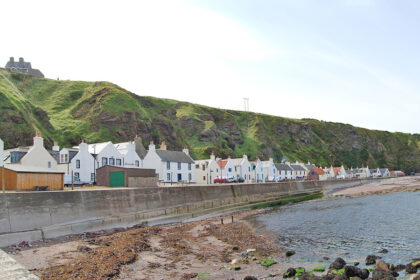
1. Aarsdale, Denmark 🇩🇰
Population: 330 residents
Annual Visitors: ~15,000
Why it’s special: Traditional smokehouse culture meets Nordic minimalism
The Seafood Scene
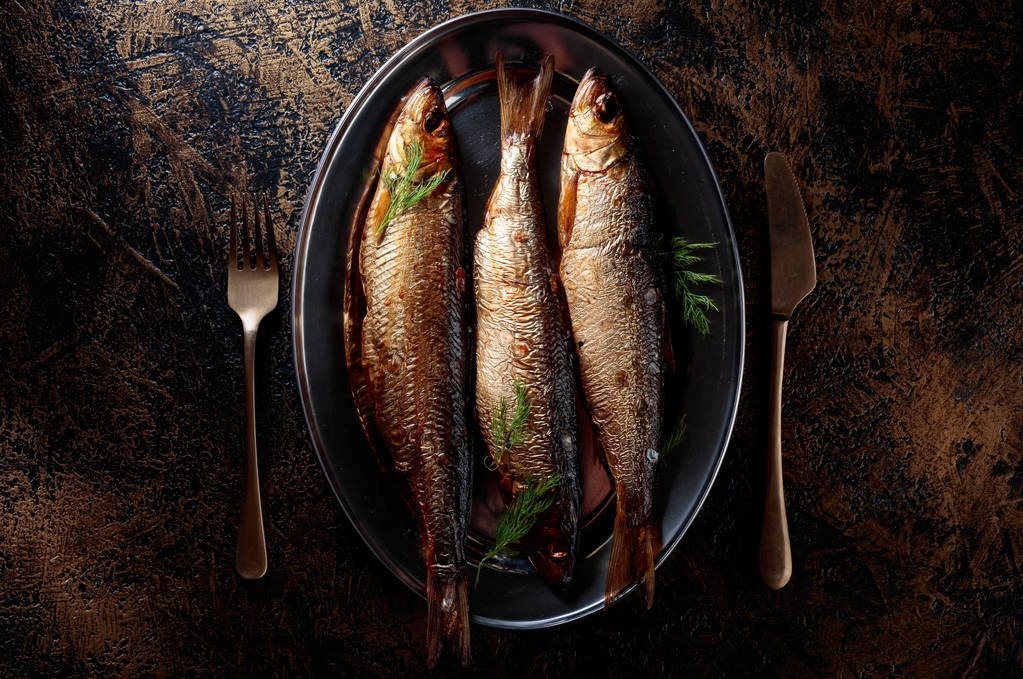
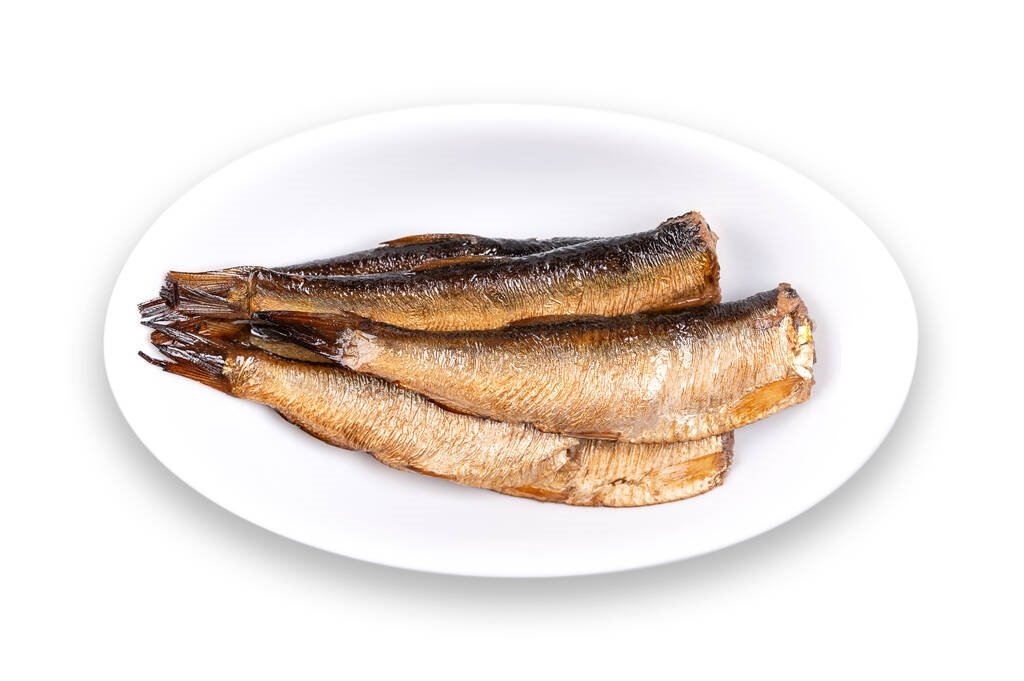
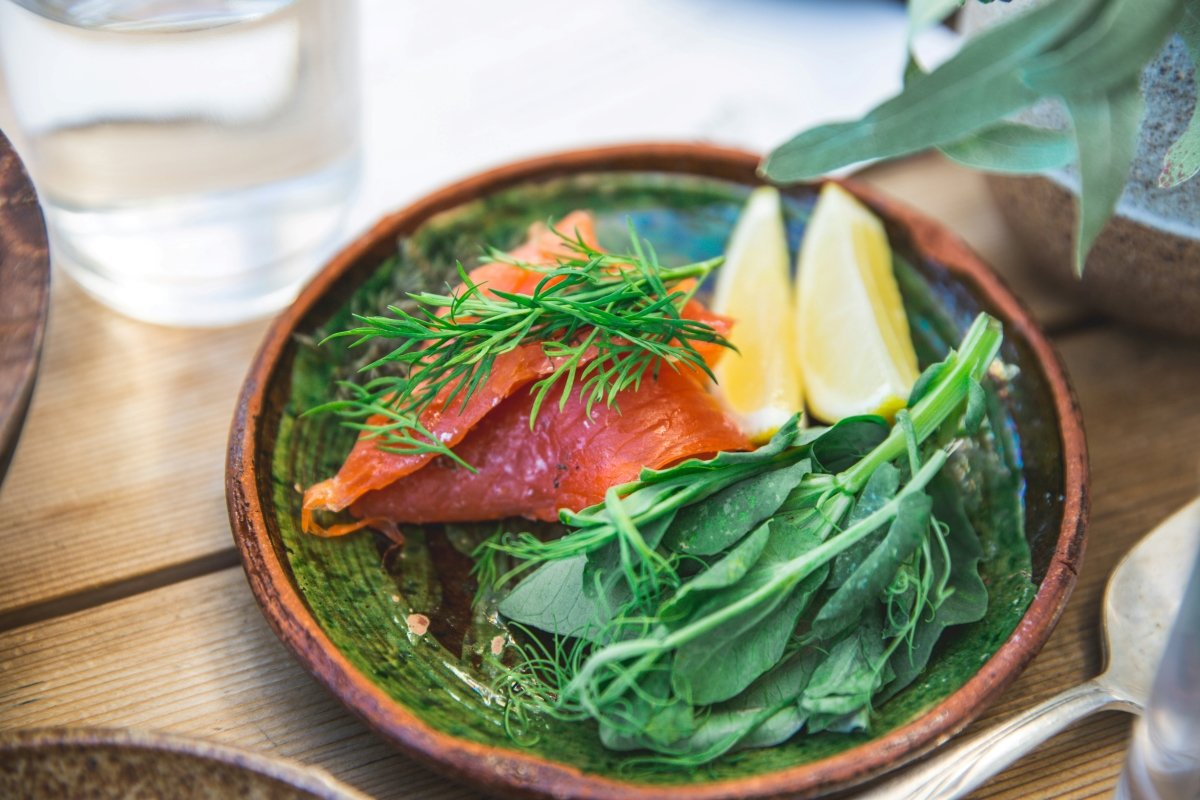
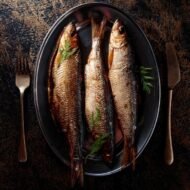
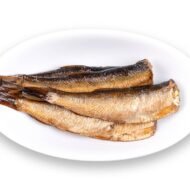
Aarsdale is home to three active smokehouses that have been perfecting their craft for generations, with some using recipes dating back to 1900. The village’s signature is smoked herring and Baltic fish, prepared using traditional methods with local alder wood.
Must-try dishes:
- Freshly smoked Baltic herring with rye bread
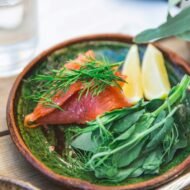
- Local salmon prepared in the centuries-old smokehouse tradition
- Seasonal fish specialties at Aarsdale Smokehouse & Bistro
Local Traditions & Culture
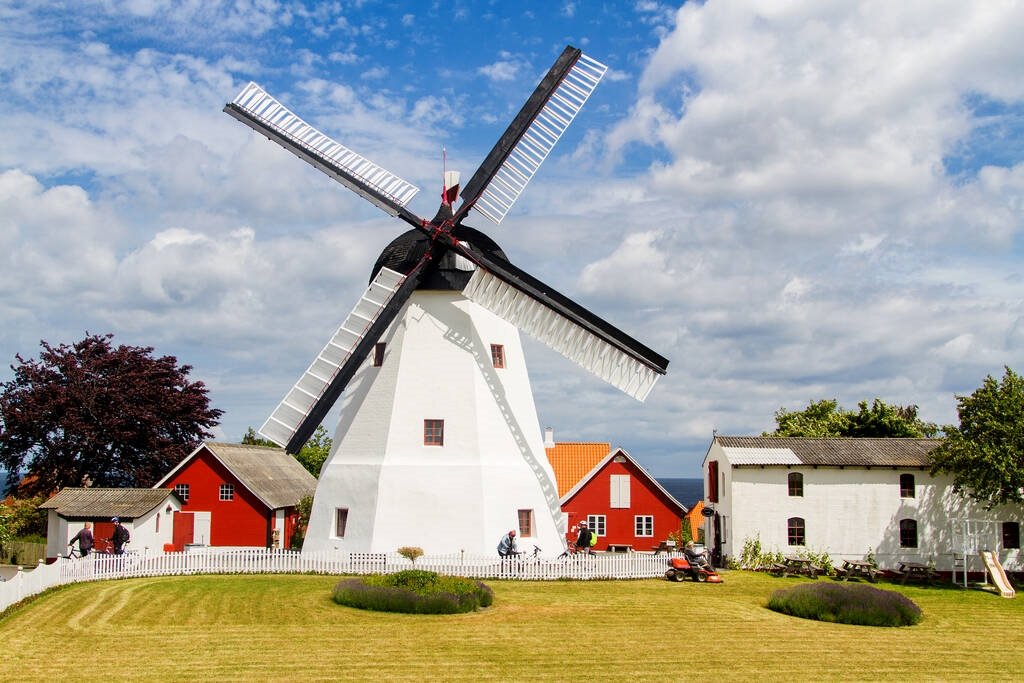
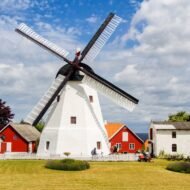
The iconic Aarsdale Windmill, built in 1877, is still operational and was Denmark’s longest-running windmill until 2003. The village features many half-timbered houses that are 200 years old, creating an authentic Danish maritime atmosphere.
Cultural highlights:
- Annual Mikkeller Brewery Harbor and Beer Festival
- Traditional Christmas markets in winter
- Guided tours of the historic windmill with grain milling demonstrations
- Jewelry-making workshops using local Bornholm granite
Events & Festivals
- Summer: Harbor festivals with live music and local craft beer
- December: Cozy Christmas markets featuring handmade goods
- Year-round: Windmill tours and traditional bread-making workshops
Getting There & Useful Info
- Location: Bornholm Island, 3km south of Svaneke
- Best months: May-September for warmest weather, December for Christmas charm
- Transport: Fly to Bornholm Airport, then short drive or local bus
- Parking: Free parking available near the harbor
- Language: Danish (English widely spoken)
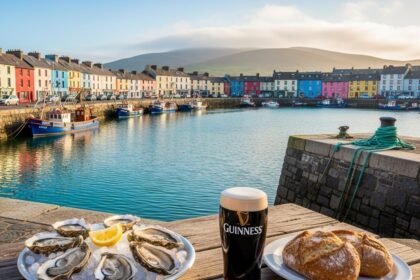
2. Union Hall, Ireland 🇮🇪
Population: 359 residents
Annual Visitors: ~25,000
Why it’s special: Authentic Irish fishing village with world-class whale watching
The Seafood Scene
The Nolan family has been running Union Hall Smoked Fish since 1987, using centuries-old traditional oak smoking methods with generations of fishing expertise. The pier features its own ice plant and fish processing factory run by Glenmar Shellfish Ltd.
Must-try specialties:
- Black sole and mussels with garlic at Dinty’s pub
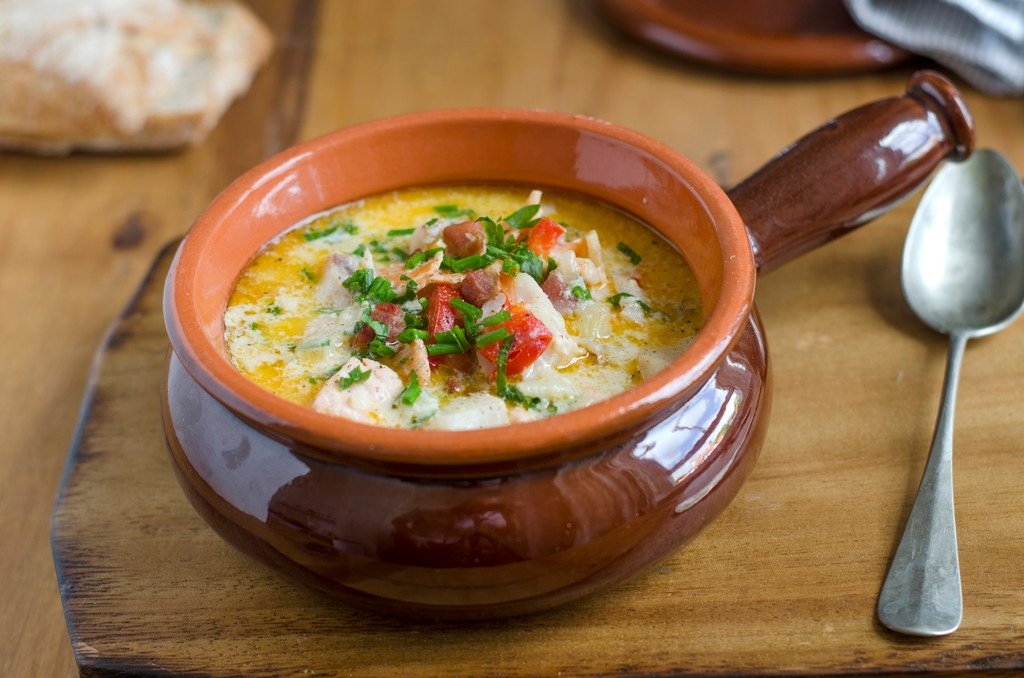
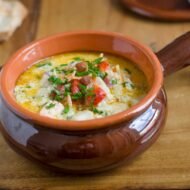
- Seafood chowder and Thai curries at The Dock Wall
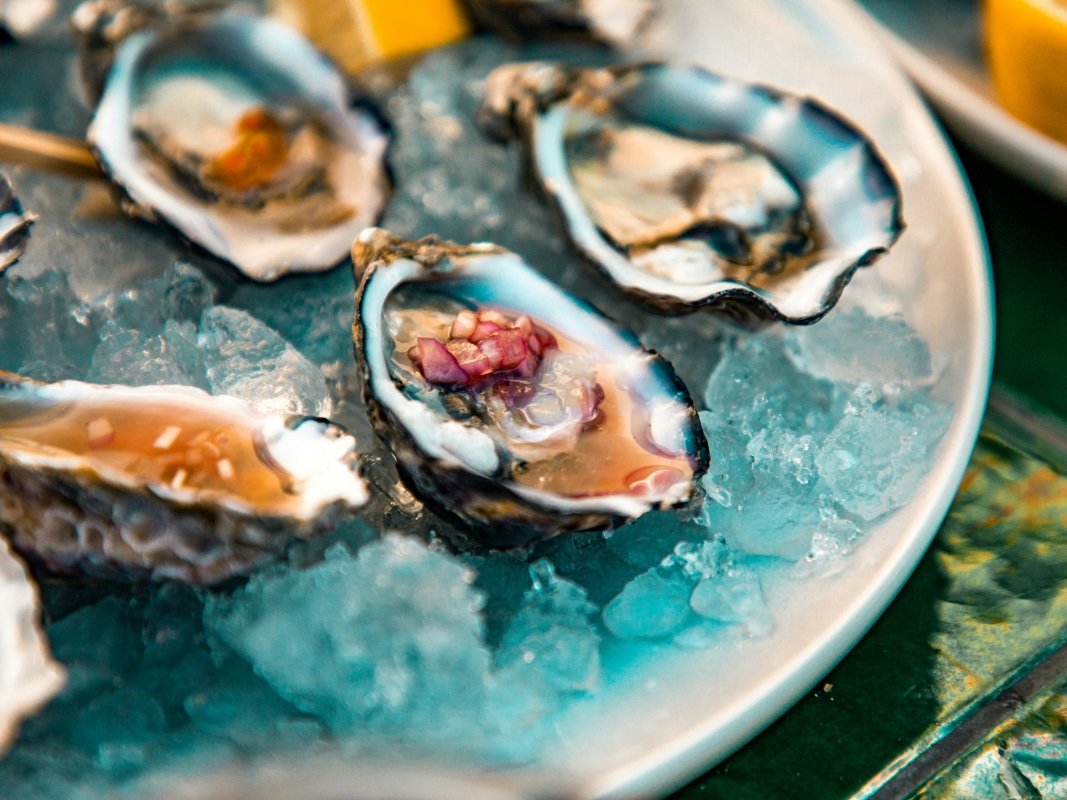
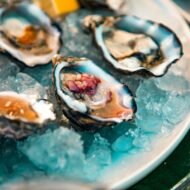
- Fresh oysters, clams, and prawns straight from local fishing boats
- Traditional Irish smoked salmon and mackerel
Local Traditions & Culture
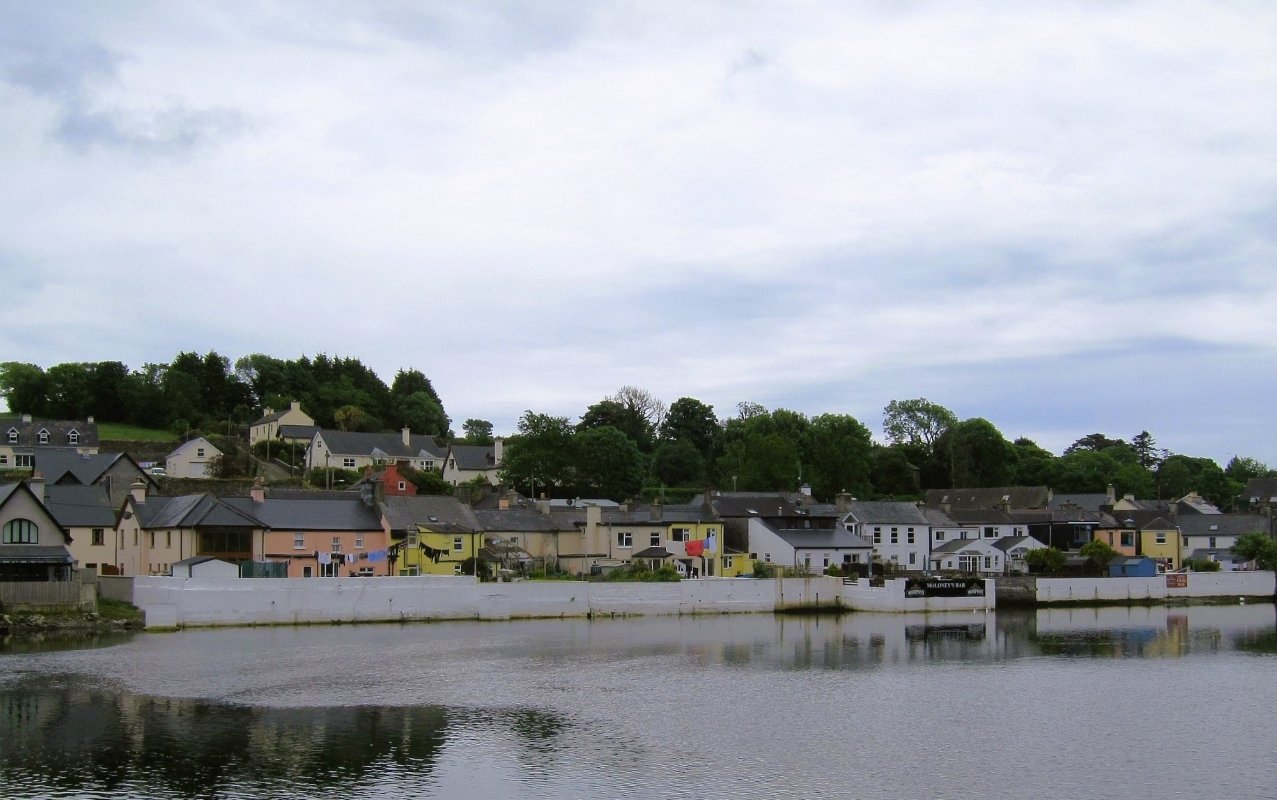
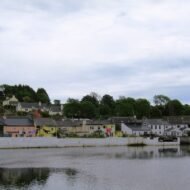
Union Hall sits on a hill overlooking Glandore Harbour, accessible via the narrow, single-lane Poulgorm Bridge. The village maintains strong connections to both fishing traditions and Irish heritage.
Cultural experiences:
- Visit the Holy Well dedicated to St. Brigid on February 1st
- Irish Basketmakers Fair and Sale in May
- Traditional music sessions at local pubs
- Maritime heritage tours focusing on local fishing traditions
Events & Festivals
- February: St. Brigid’s Day celebrations
- May: Irish Basketmakers Fair showcasing traditional crafts
- June: Union Hall Festival featuring water sports and games
- Summer: Regular traditional music sessions
Getting There & Useful Info
- Location: West Cork, 10km southeast of Skibbereen
- Best months: April-October for longest days and better weather
- Transport: 1 hour 18 minutes drive from Cork City
- Activities: Whale and dolphin watching tours, Cork Whale Watch just 7 minutes south
- Language: English and Irish Gaelic
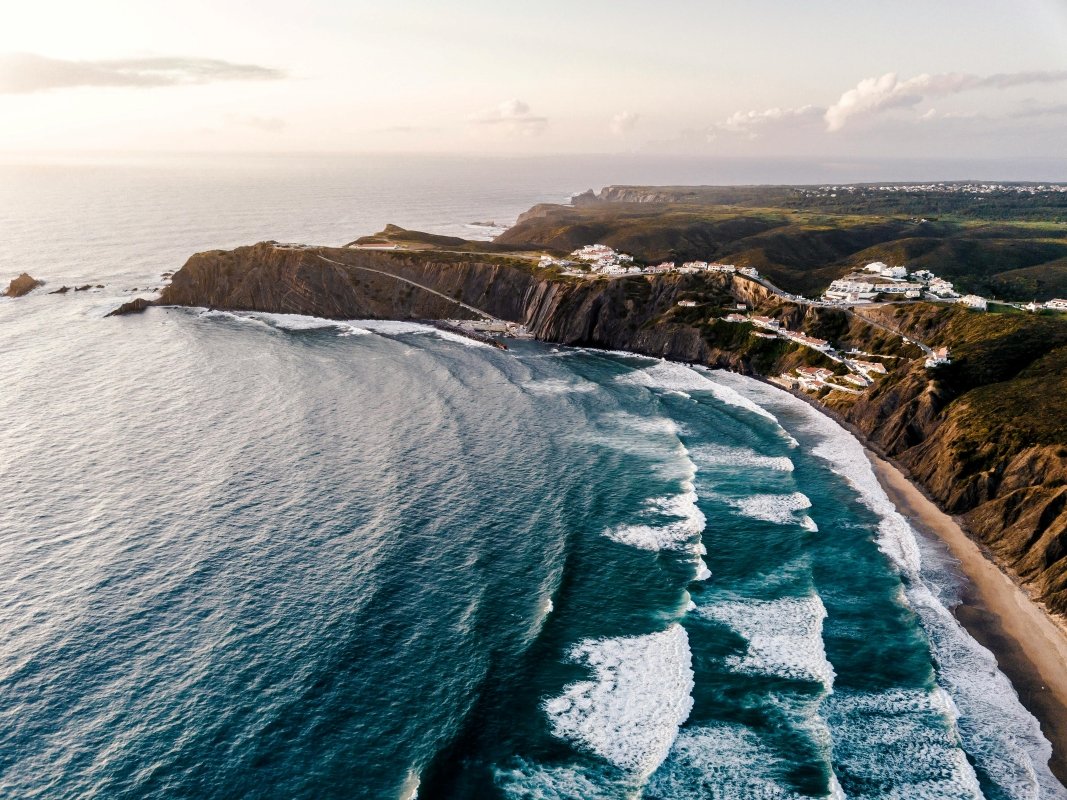
3. Arrifana, Portugal 🇵🇹
Population: ~500 residents
Annual Visitors: ~45,000
Why it’s special: Surf culture meets traditional Portuguese fishing village
The Seafood Scene
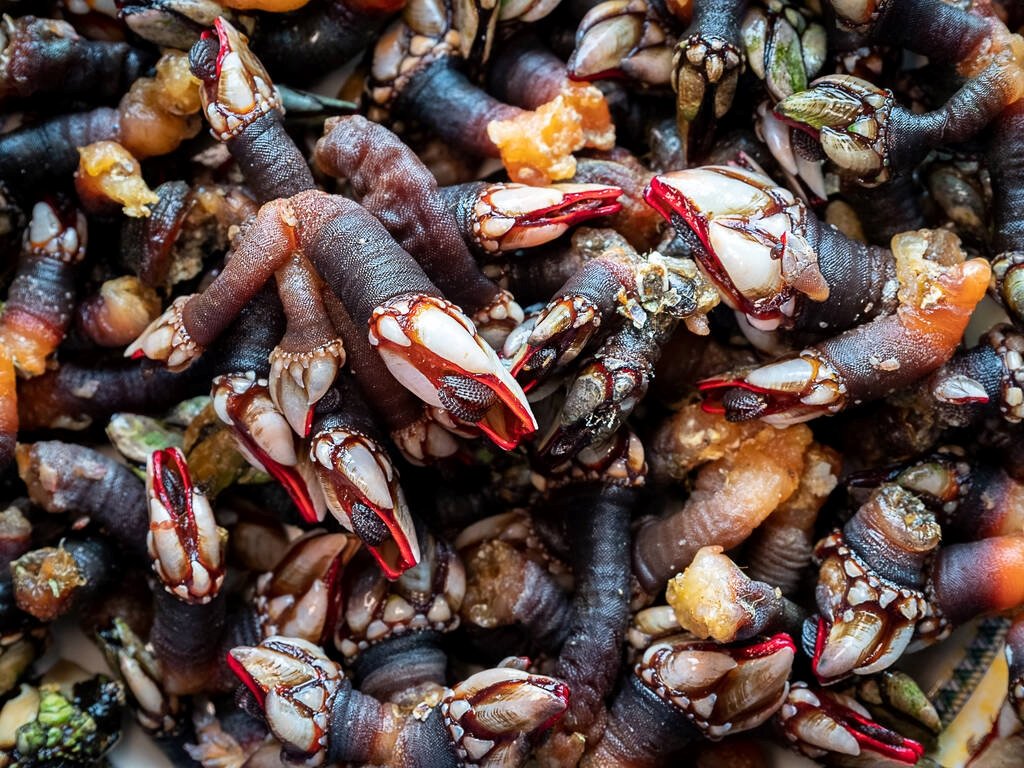
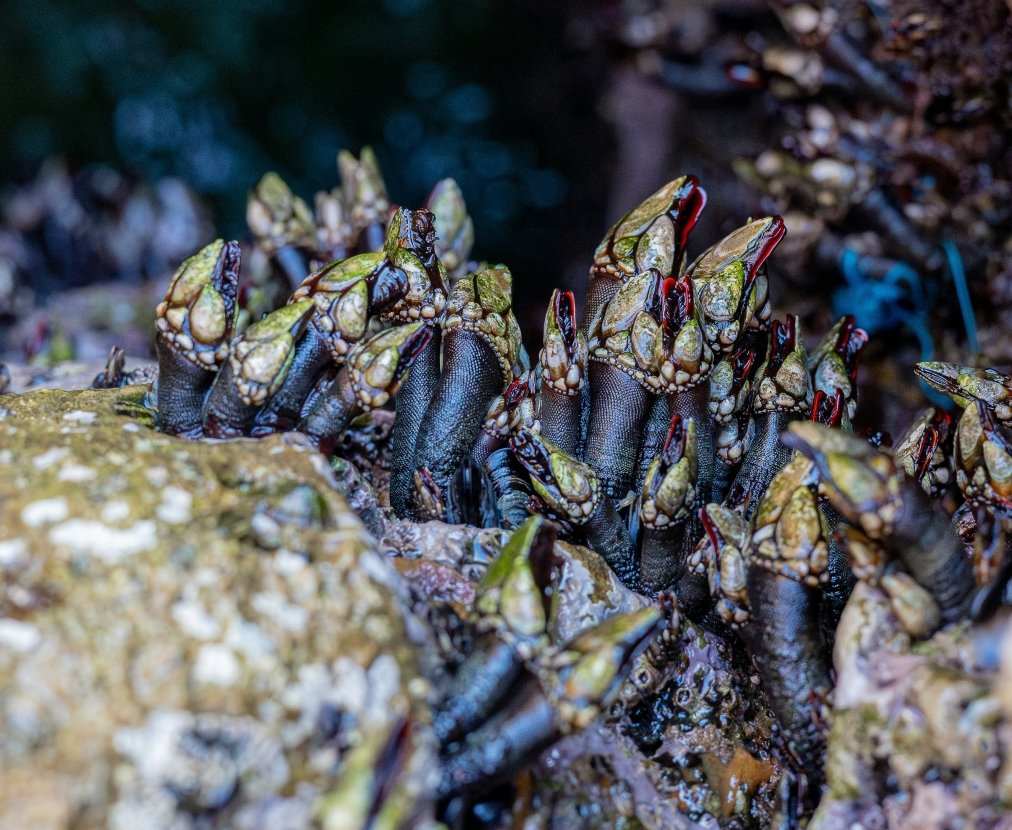
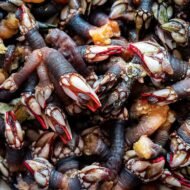
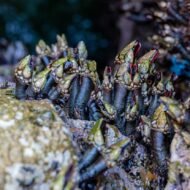
As a fishing village, Arrifana’s regional specialty is the percebes (goose barnacle), considered one of the most dangerous seafood to harvest due to the treacherous rocky coastline where they grow. Restaurant O Paulo near the fortress offers exceptional seafood with spectacular clifftop views.
Must-try dishes:
- Fresh percebes (goose barnacles) – a true delicacy
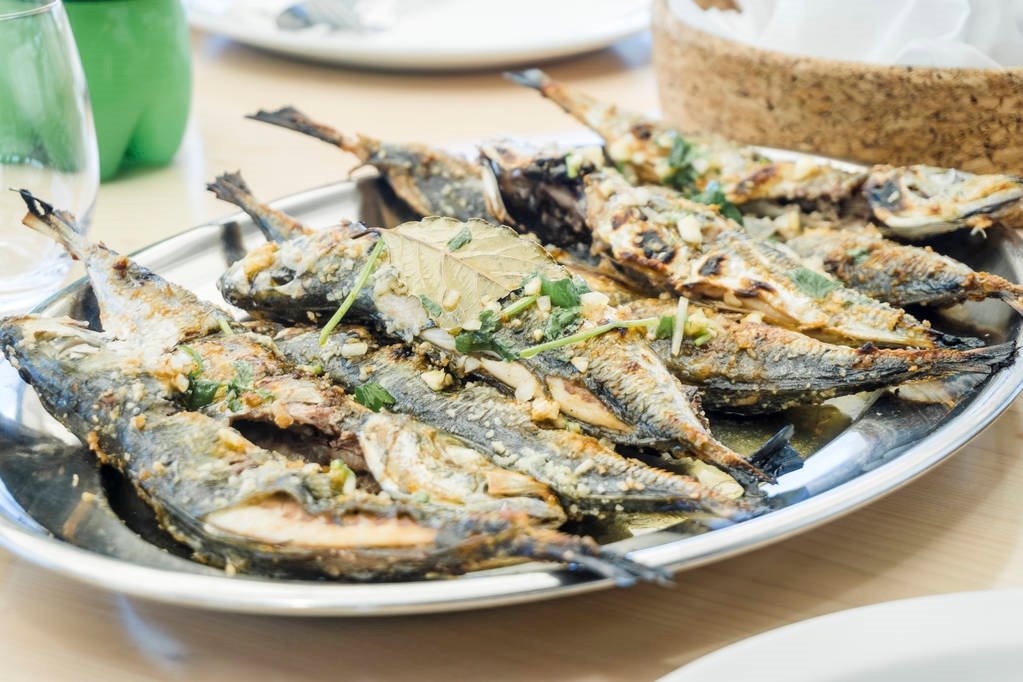
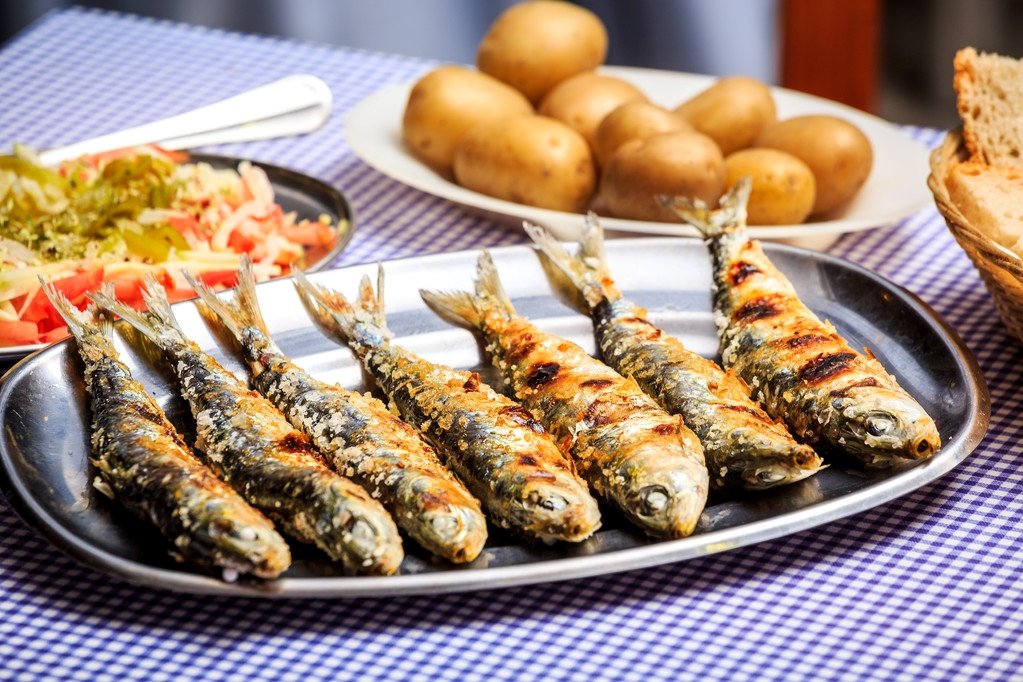
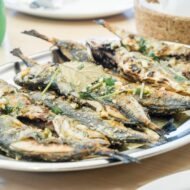
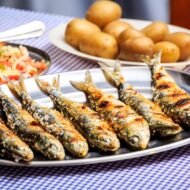
- Grilled sardines and local Atlantic fish
- Traditional Portuguese seafood stews
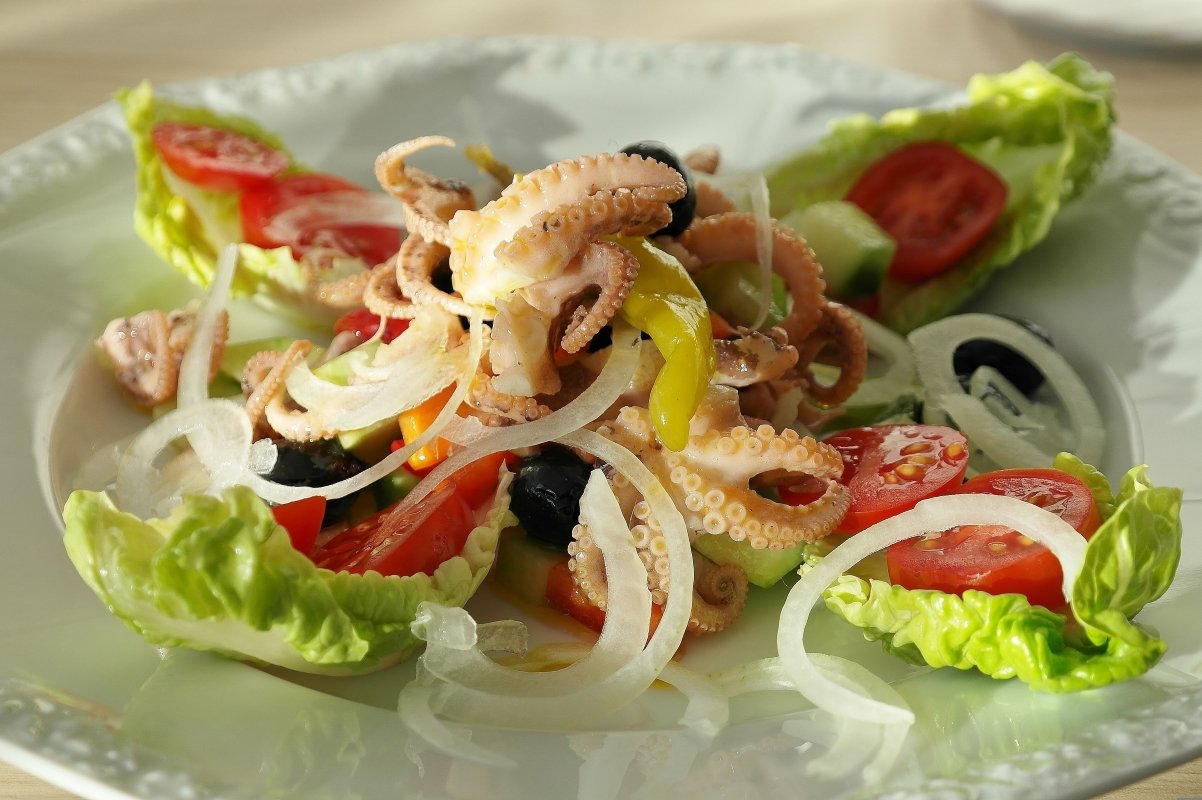
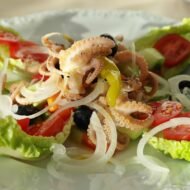
- Fresh octopus and squid preparations
Local Traditions & Culture
The village is dominated by the Arrifana Fortress, originally built in 1635 to defend the coast and fishing grounds, though destroyed in the 1755 earthquake and later rebuilt. Archaeological excavations revealed a 12th-century Moorish fortress (ribat), the only one of its kind in Portugal.
Cultural highlights:
- Rota Vicentina hiking trail, twice certified with “Leading Quality Trails—Best of Europe” label
- Traditional Portuguese architecture with whitewashed houses
- Moorish historical heritage and archaeological sites
- Artisanal fishing boat building traditions
Events & Festivals
- Summer: Local fishing festivals and surf competitions
- Year-round: Traditional Portuguese celebrations in nearby Aljezur
- Sunset gatherings: Informal community gatherings to watch spectacular sunsets
Getting There & Useful Info
- Location: 6km from Aljezur in the Costa Vicentina Natural Park
- Best months: April-October for surfing; year-round for seafood
- Transport: No public transport; car rental recommended
- Activities: World-class surfing for all levels, diving in northern waters
- Language: Portuguese (some English in tourist areas)
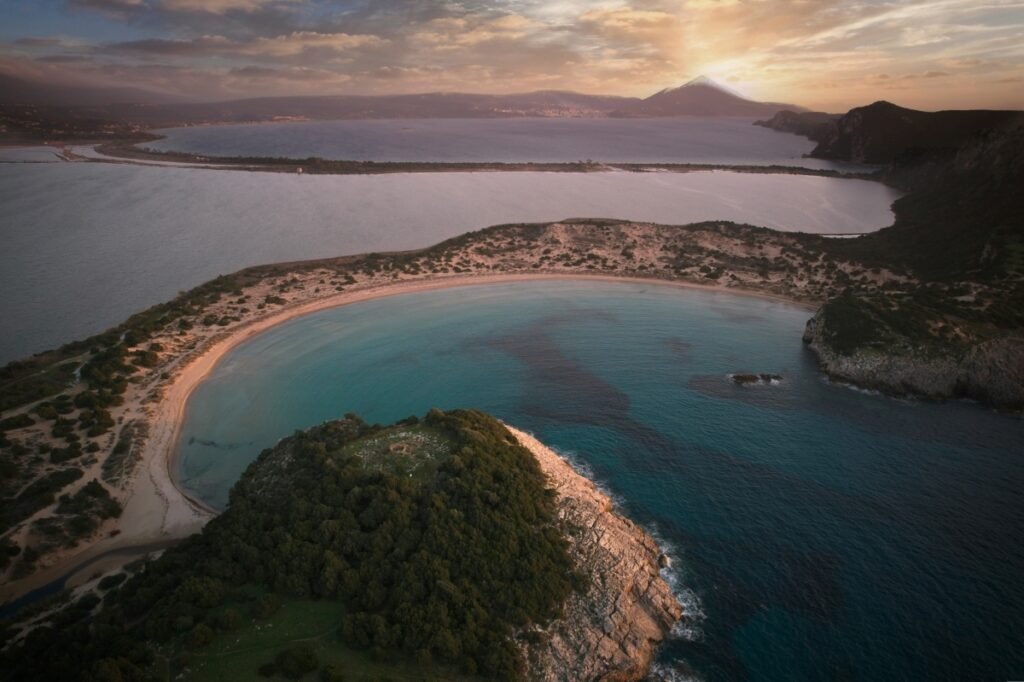
4. Cacela Velha, Portugal 🇵🇹
Population: ~50 residents (seasonal variation)
Annual Visitors: ~60,000
Why it’s special: Timeless village with ever-changing beach landscapes
The Seafood Scene
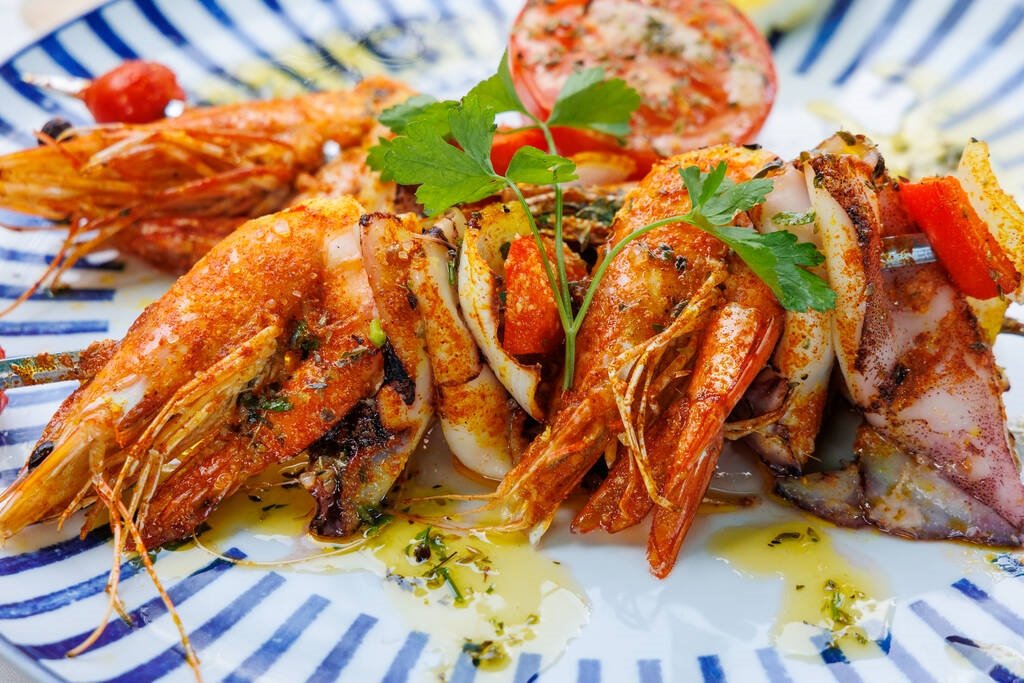
For many years, commercial fishing has been the main source of commerce for Cacela Velha, with local fishing fleets supplying restaurants with oysters, clams, prawns, and baby squid. Local fishermen bring wonderful fresh oysters, clams, prawns, baby squid, and other delicacies directly to village restaurants.
Must-try specialties:
- Fresh Ria Formosa oysters and clams
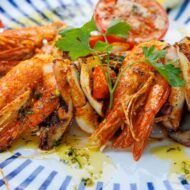
- Grilled prawns and baby squid
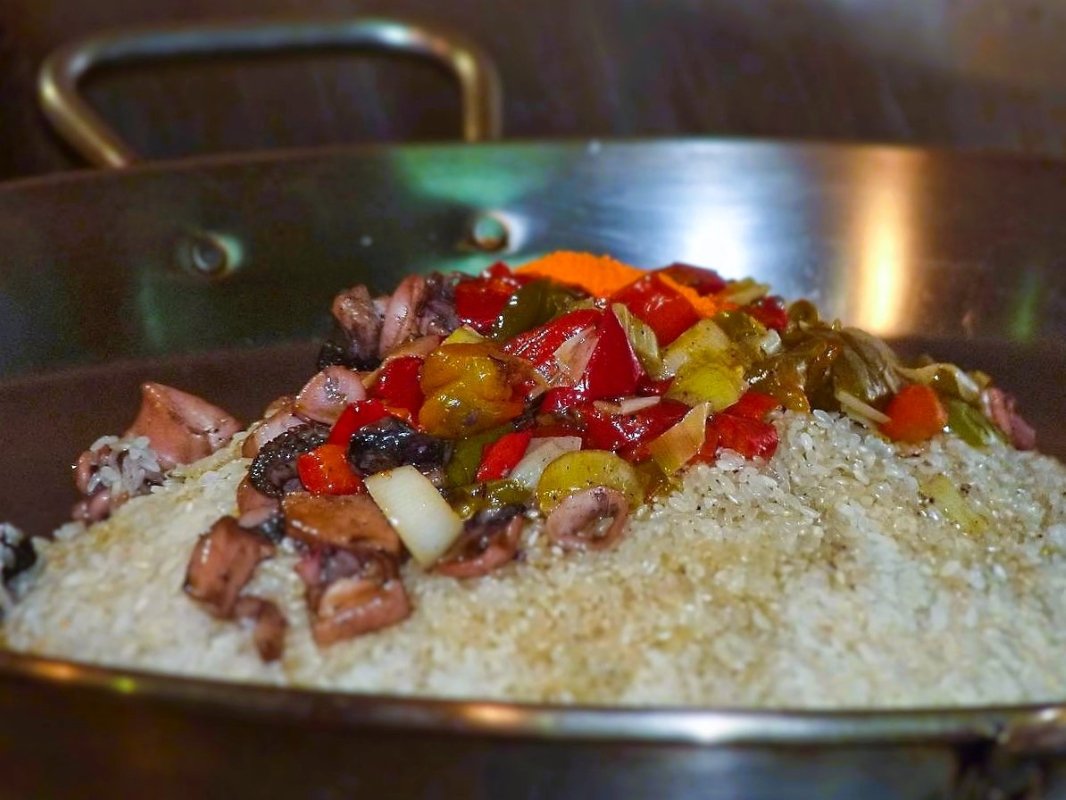
- Traditional Portuguese seafood rice dishes
- Local fish grilled with sea salt and herbs
Local Traditions & Culture
Archaeological excavations determined the village was the Islamic town of Qast’alla Daraj from the 10th century, when much of Iberia was controlled by Moors and Berbers. Street signs feature names of poets inspired by the village, including Ibn Darraj al-Qastalli, born here in 958.
Cultural experiences:
- Annual “Noites da Moura Encantada” (Nights of the Enchanted Moor Woman) with music, street fairs, and artisan exhibitions celebrating Arab and Berber heritage
- “Clássica em Cacela” concert series featuring medieval and contemporary classical music
- Integration into the Portuguese Way of St. James pilgrimage route
Events & Festivals
- Summer: Noites da Moura Encantada cultural festival
- Year-round: Classical music concerts at historic locations
- Religious celebrations: Traditional Portuguese Catholic festivals
Getting There & Useful Info
- Location: Between Tavira (11km) and Vila Real de Santo António (13km), 45 minutes from Faro Airport
- Best months: May-October for beach access; spring and fall for fewer crowds
- Transport: Bus 67 operates between Faro and Vila Real de Santo António with stops in Cacela Velha
- Beach access: Boat service or wading through shallow wetlands (5-10 minutes)
- Language: Portuguese (some English in restaurants)
5. Kotor, Montenegro 🇲🇪
Population: 13,347 residents
Annual Visitors: ~250,000
Why it’s special: UNESCO World Heritage medieval town with fjord-like bay setting
The Seafood Scene
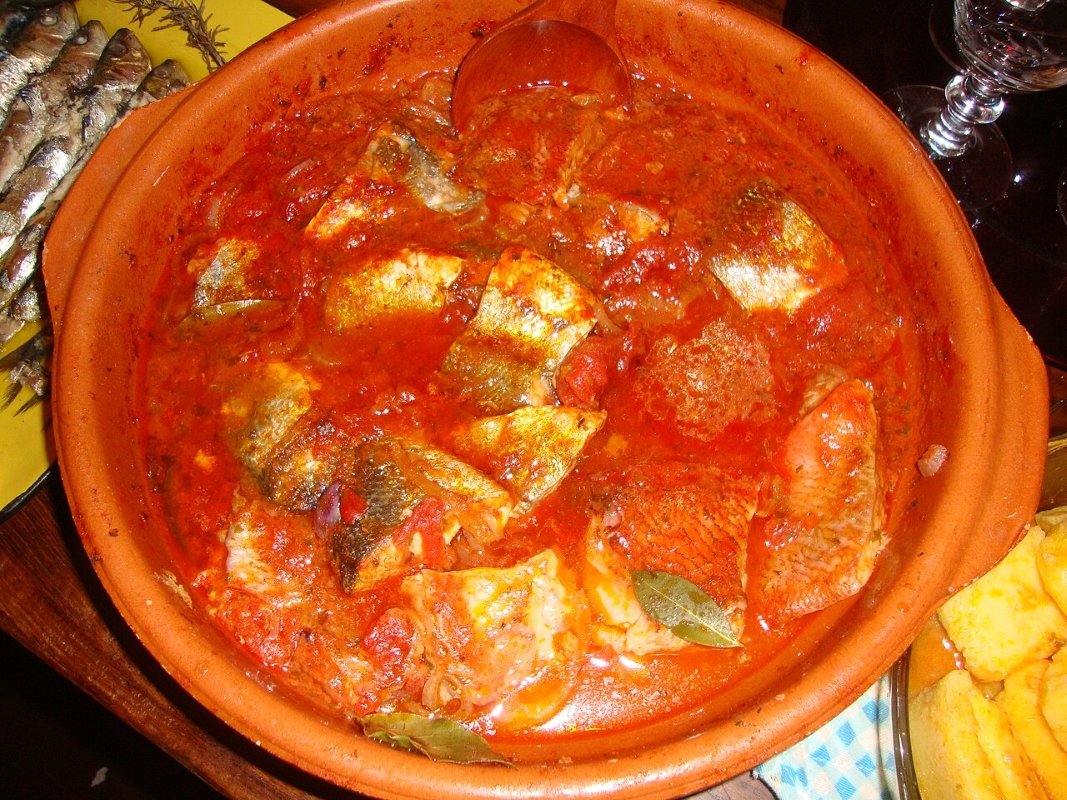
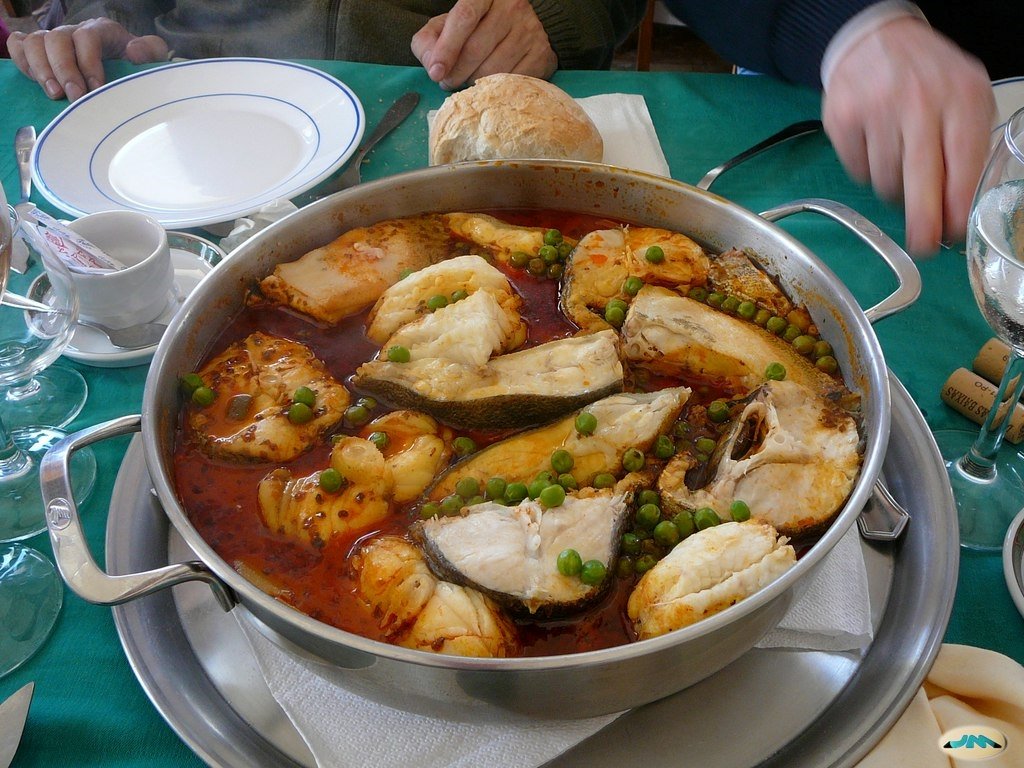
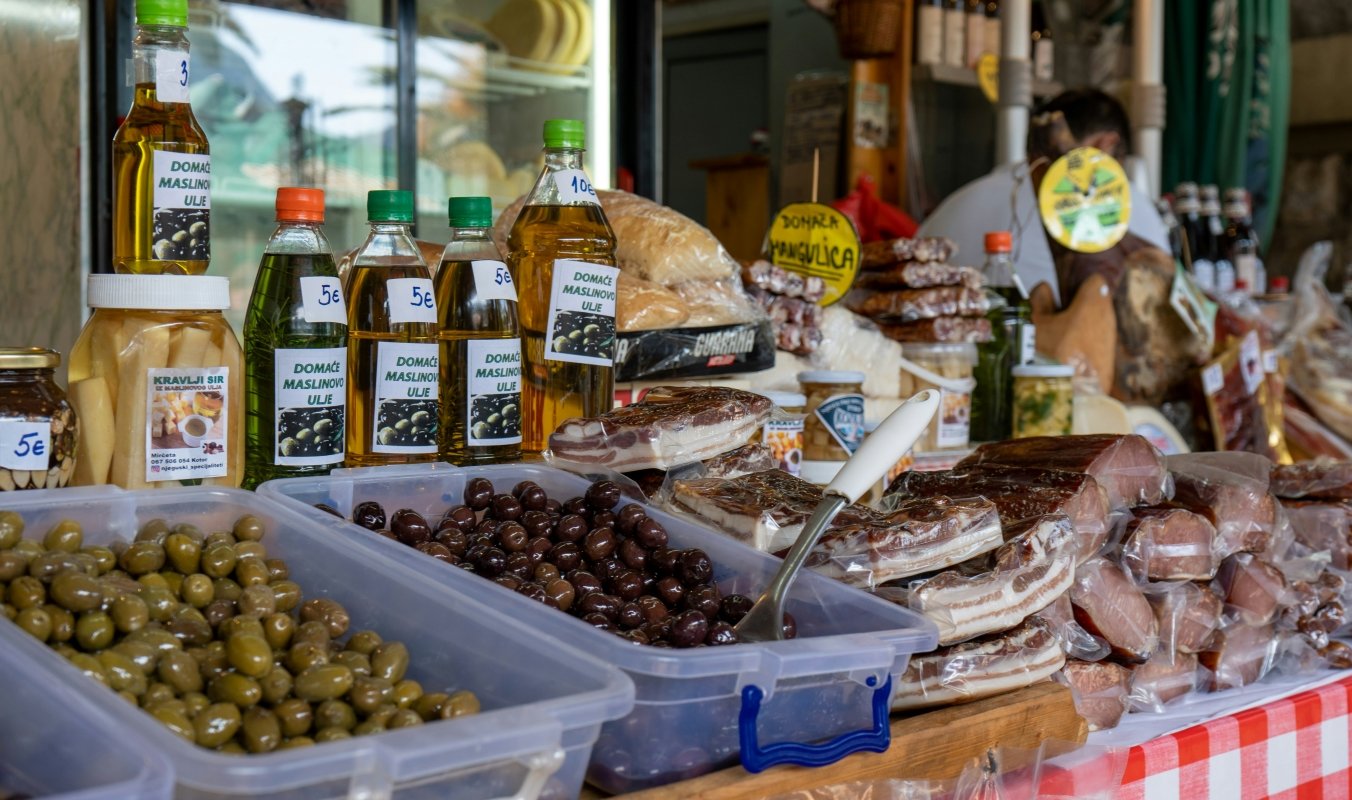
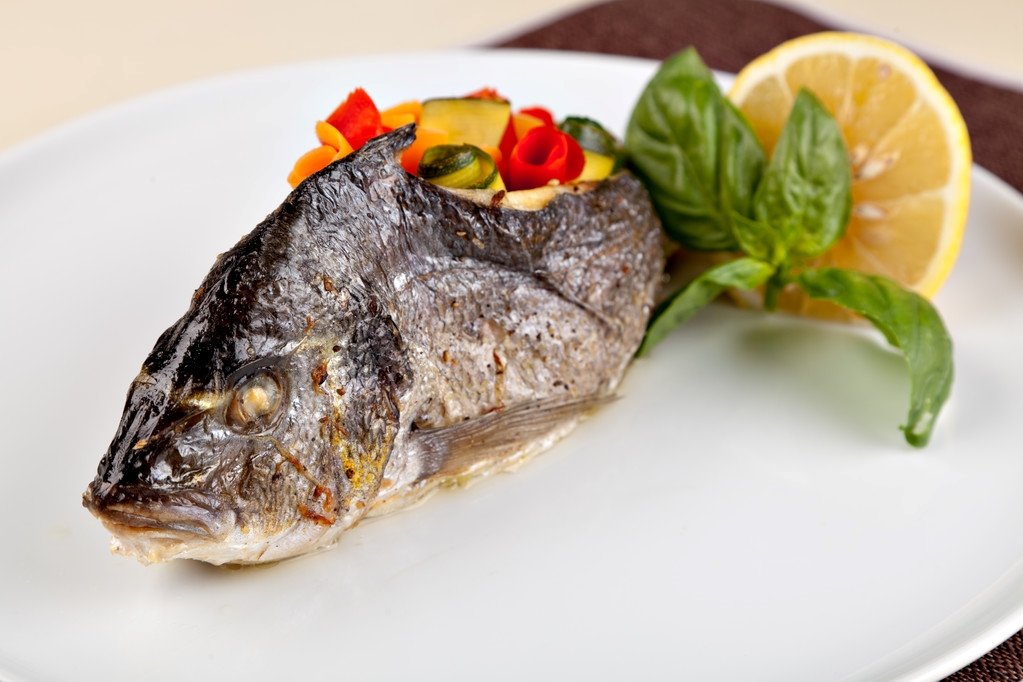
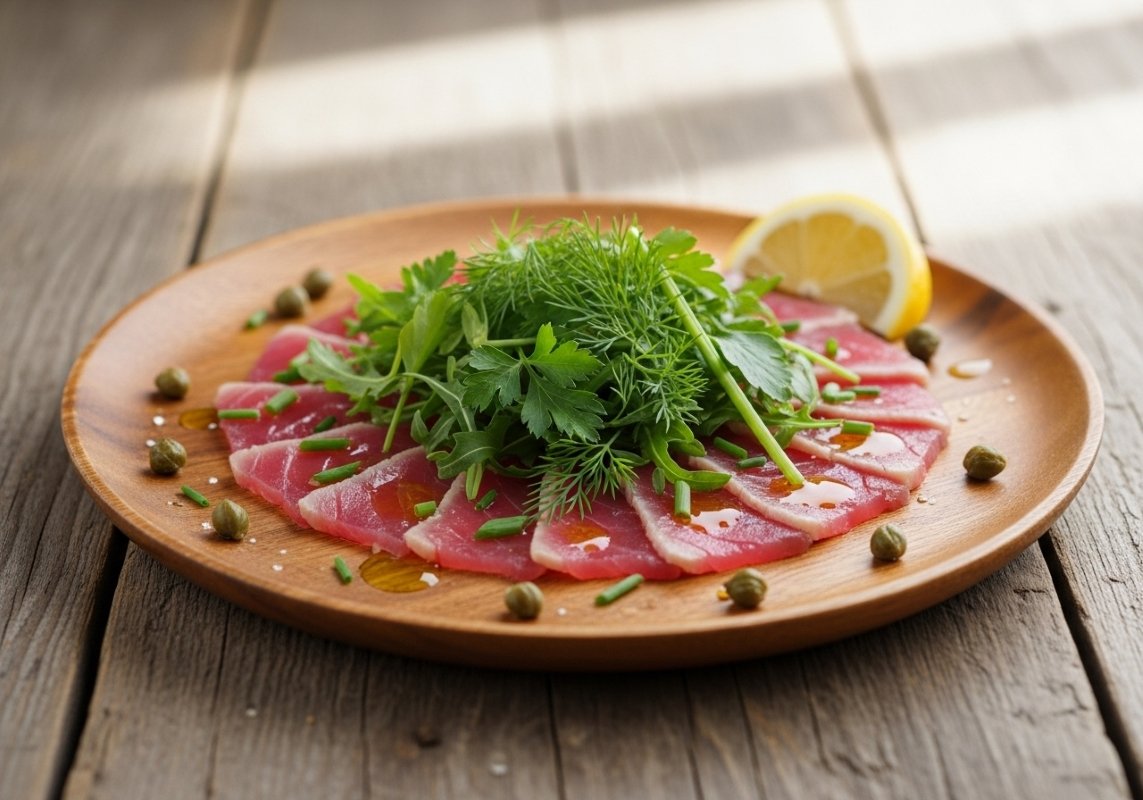
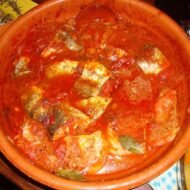
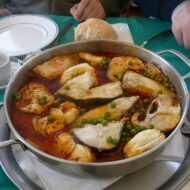
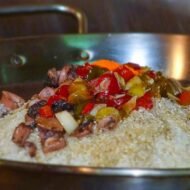
The Bay of Kotor is known for outstanding seafood, with fresh whole fish like bream and branzino, often grilled, plus local tuna, octopus, and squid. “Bokeški brodet” (Brodet from Boka) originated as a fishermen’s dish using smaller and damaged fish that couldn’t be sold.
Must-try dishes:
- Traditional Bokeški brodet (fisherman’s stew)
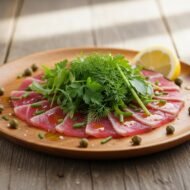
- Fresh Adriatic tuna carpaccio
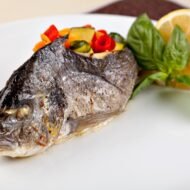
- Grilled sea bream and branzino
- Prawn stuffed gnocchi with shrimp sauce and local fish at Restaurant Conte
- Octopus and squid preparations
Local Traditions & Culture
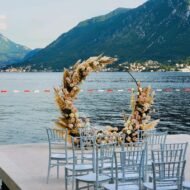
Kotor’s Old Town is a UNESCO World Heritage Site, featuring medieval architecture with famous schools of masonry and iconography from when it was an important artistic and commercial center. The city is surrounded by 4.5km of ancient walls built between the 9th and 14th centuries.
Cultural highlights:
- Cathedral of Saint Tryphon, built in 1166
- Cat Square (Pjaca od Drva) – the town is famous for its well-cared-for stray cats
- Summer events including Summer Carnival and Bokeljska Noć
- Traditional maritime heritage and Venetian architecture
Events & Festivals
- Summer: Summer Carnival and Bokeljska Noć celebrations
- Year-round: Kotor Festival of Theatre for Children, one of Southeast Europe’s most important festivals of its kind
- May: Federation of European Carnival Cities events
Getting There & Useful Info
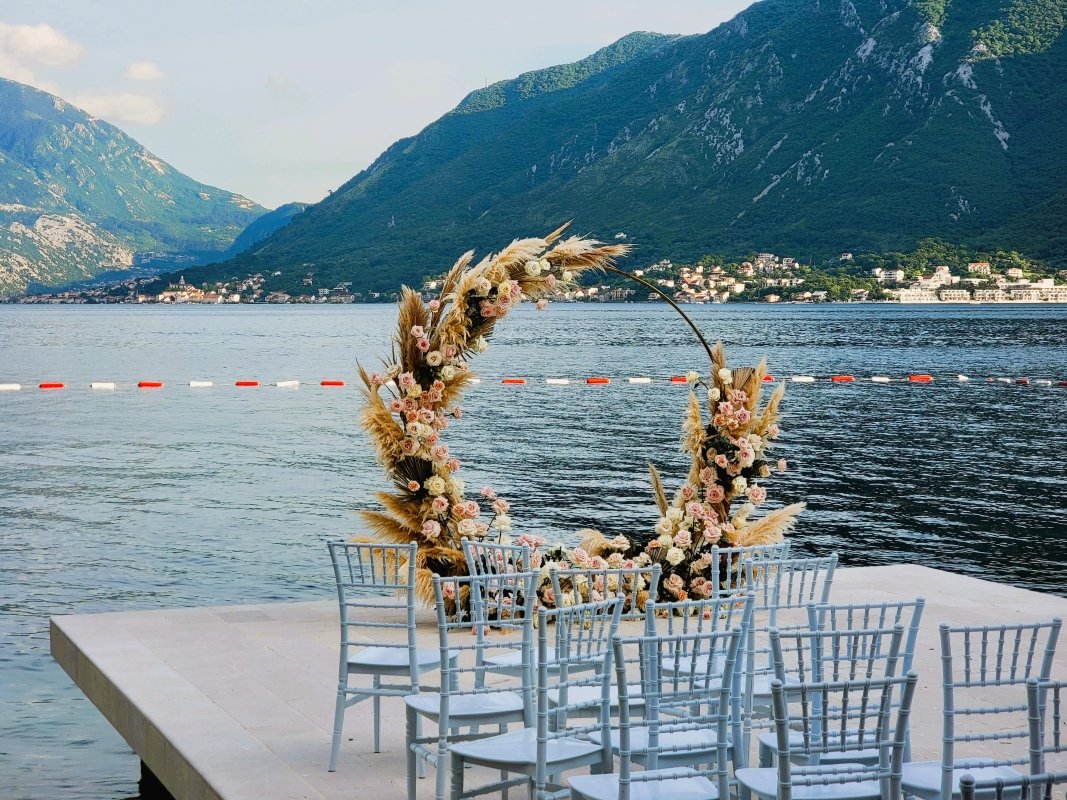
- Location: Secluded part of Bay of Kotor, 5km from Tivat Airport
- Best months: April-June and September-October for fewer crowds
- Transport: Connected by Vrmac Tunnel; regular flights to Belgrade, Moscow, Paris, and London via Tivat Airport
- Currency: Euro
- Language: Montenegrin/Serbian (English widely spoken in tourist areas)
Final Thoughts
These five destinations prove that Europe’s best seafood experiences aren’t found in crowded hotspots, but in authentic communities where fishing traditions run deep and locals still gather to share stories over fresh catches. Each offers something unique – from Denmark’s smokehouse mastery to Montenegro’s medieval charm, from Ireland’s rugged coastal beauty to Portugal’s blend of surf culture and ancient heritage.
Pro tip: Visit during shoulder seasons (April-June, September-October) for the best balance of good weather, fewer crowds, and authentic local experiences. Most importantly, come hungry and ready to embrace the slower pace of coastal life – these places aren’t about rushing from sight to sight, but about savoring moments with incredible food and welcoming people.
Disclaimer
This guide is based on the most current available information as of 2025. Visitor numbers are estimates based on tourism data and may vary by season. Restaurant hours, ferry schedules, and local events can change, especially in smaller destinations. Always check local tourism websites or contact accommodations directly for the most up-to-date information before traveling. Some attractions may have seasonal closures or weather-dependent operations.
The author has made every effort to ensure accuracy, but travel conditions, regulations, and business operations can change rapidly. Travelers should verify current entry requirements, COVID-19 restrictions if applicable, and local guidelines before departure. Seafood availability can vary by season and weather conditions.