


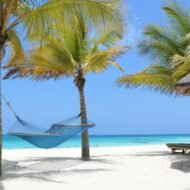
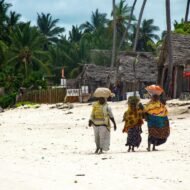
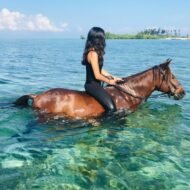
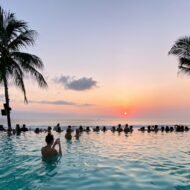
TL;DR: 5 Iconic Summer Spots for Your 2026 Bucket List , Five bucket-list beaches — Amalfi Coast (Italy), Bali & Nusa Penida (Indonesia), Tulum (Mexico), Zanzibar (Tanzania), and the Maldives — each offering a wildly different vibe, from drama-drenched cliffs to powder-white sandbanks floating in the middle of the Indian Ocean. Packed with what to eat, where to sleep, family-friendly picks, shopping spots, and honest budget breakdowns. Read this before you book.
Ready to trade your screen glare for actual sunlight? These aren’t just “nice beaches.” These are the kind of places that rewire how you think about summer — where the food hits different, the light does something strange to your camera roll, and you catch yourself asking “why don’t I live here?” at least once a day. Grab your sunscreen and your wanderlust. Here’s your 2026 hit list.
01 · Amalfi Coast, Italy 🇮🇹
Where La Dolce Vita Gets Vertical
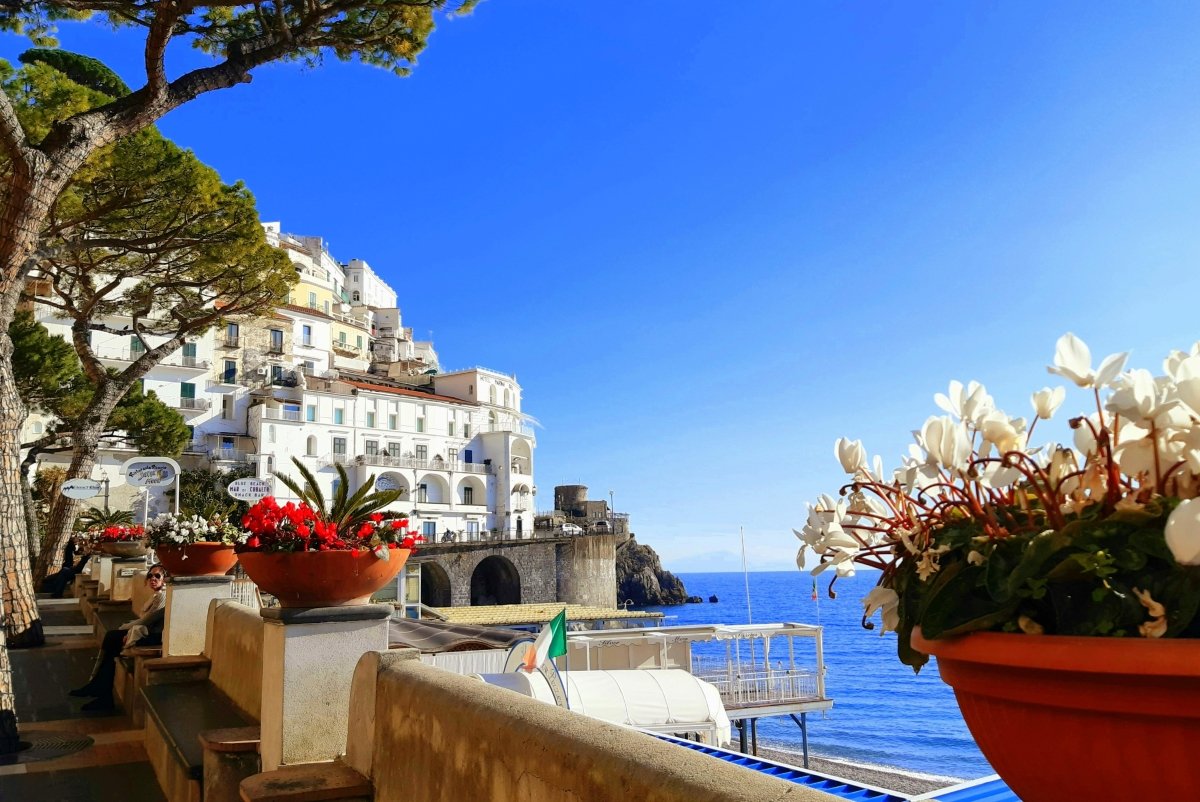
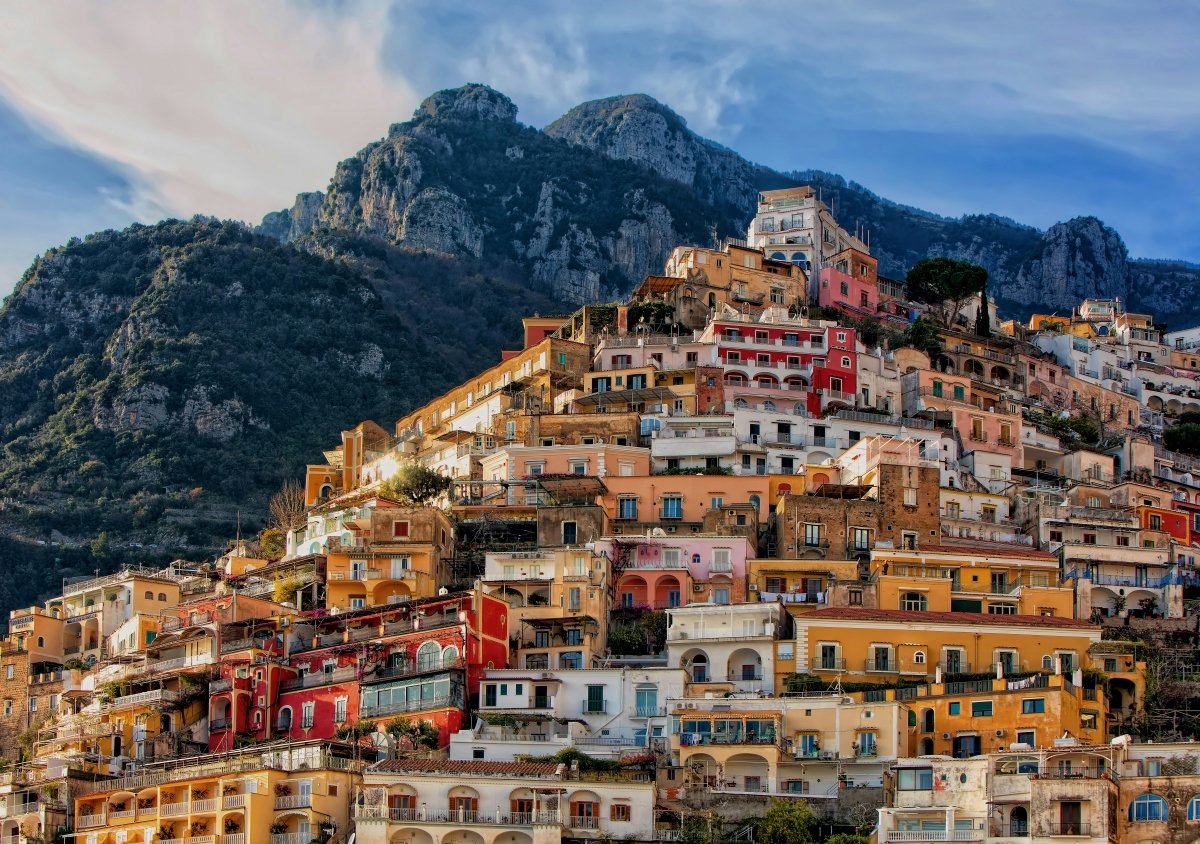
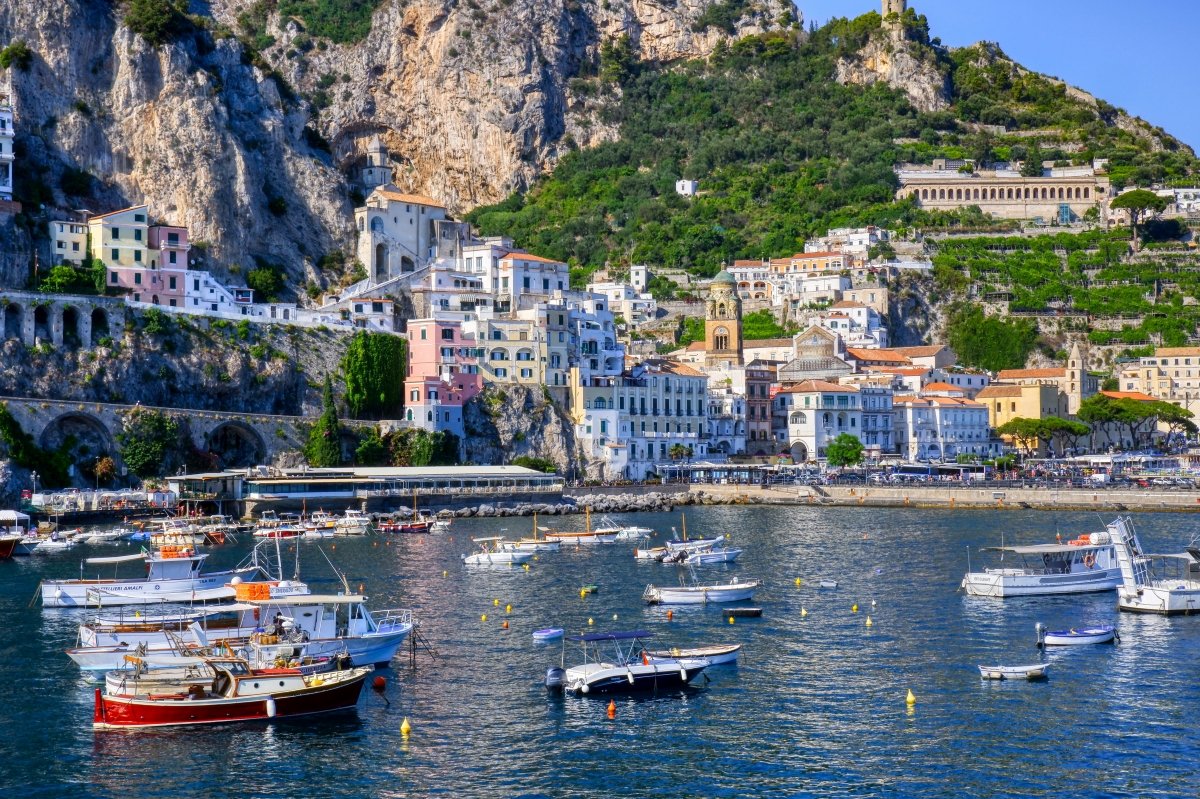
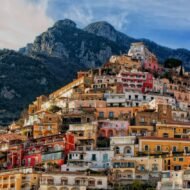
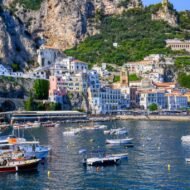
There’s a reason every travel brand in the world has tried (and failed) to recreate the Amalfi Coast. No filter does it justice. Pastel villages stacked on cliffs like a fever dream, the Mediterranean doing that impossible shade of blue, and the smell of lemons thick enough to taste — this is the original summer fantasy.
The Vibe: Cinematic, romantic, slightly chaotic. Think narrow roads, honking scooters, and gelato dripping faster than you can eat it. Positano is the photogenic queen of the coast, Ravello is the quiet intellectual cousin, and Praiano is where the savvy travellers are heading in 2026 to skip the crowds without sacrificing the views.
Interesting Facts:
- The Amalfi Drive (SS163) is consistently listed among the world’s most dangerous and most beautiful roads — often in the same sentence.
- Lemons here are so prized they’re grown under nets to protect them from hailstorms. The local sfusato amalfitano lemon is UNESCO-recognised.
- Amalfi was once a maritime republic powerful enough to rival Venice.
Things to Do:
- Hike the Sentiero degli Dei (Path of the Gods) — a trail that runs along the ridge with views that will legitimately make you stop walking.
- Take a boat trip to the Grotto dello Smeraldo, a sea cave where the water glows emerald green.
- Day-trip to Ravello for the Villa Rufolo gardens and classical music concerts overlooking the sea.
- Wander Atrani, the smallest municipality in southern Italy — two steps off the tourist trail and completely magical.
Food & Signature Dishes: Spaghetti alle vongole (clams, white wine, olive oil — that’s it, that’s the dish). Fresh-caught sea bream baked in a salt crust. Limoncello — yes, at lunch. Delizia al limone, a sponge cake soaked in lemon cream that locals consider a religion. And sfogliatelle if you’re passing through Naples on the way.
Family-Friendly Aspects: Kids will love the ferry rides between towns (way more fun than the road). Maiori and Minori have the widest, flattest beaches on the coast — ideal for families who need a bit of room. Water is calm inside the bays.
Accommodation Options:
- Budget: Guesthouses in Maiori or Minori from ~€70/night. Airbnb apartments in Praiano offer great value.
- Mid-Range: Boutique hotels in Positano run €180–350/night in peak summer.
- Splurge: Hotel Santa Caterina in Amalfi town and Le Sirenuse in Positano are the stuff of honeymoon legend (€500–€1,200+/night).
Shopping: Hand-painted ceramics are the signature buy — Vietri sul Mare, just east of the coast, is the ceramic capital of the region. Also: locally made sandals (Positano has cobblers who’ll custom-make a pair while you wait), limoncello in hand-painted bottles, and linen everything.
Know Before You Go — Amalfi Coast
| Category | Details |
|---|---|
| Best Time to Visit | May–June or September–October (July/August = overcrowded, expensive) |
| Getting There | Fly into Naples (NAP) → ferry or SITA bus to the coast |
| Currency | Euro (€) |
| Language | Italian (English widely spoken in tourist areas) |
| Visa | Schengen rules apply |
| Average Daily Budget | Budget €80–120 / Mid €200–350 / Luxury €400+ |
| Family Score | ⭐⭐⭐⭐ (best for ages 5+) |
| Solo/Couple Score | ⭐⭐⭐⭐⭐ |
| Crowd Level (Jul–Aug) | 🔴 Very High |
| Crowd Level (May–Jun) | 🟡 Moderate |
| Water Temp (Summer) | 22–26°C (72–79°F) |
| Connectivity | Good 4G throughout |
| Health & Safety | Low risk standard EU travel health insurance recommended |
02 · Bali & Nusa Penida, Indonesia 🇮🇩
The Island That Has No Chill (In the Best Way)
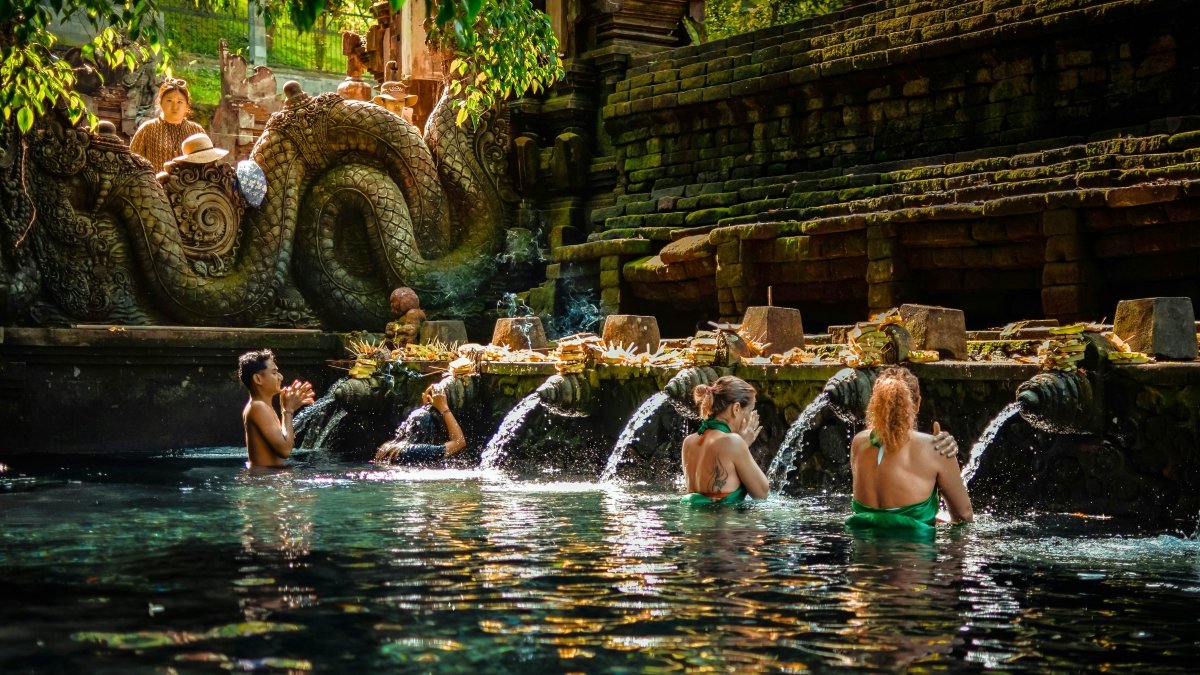
Bali has been declared “over” by travel snobs approximately 47 times since 2010. And every single year it refuses to cooperate with that narrative. Because here’s the thing: Bali evolves. It keeps reinventing itself while somehow staying exactly the one thing people need — loud, colourful, spiritual, sweaty, and completely alive.
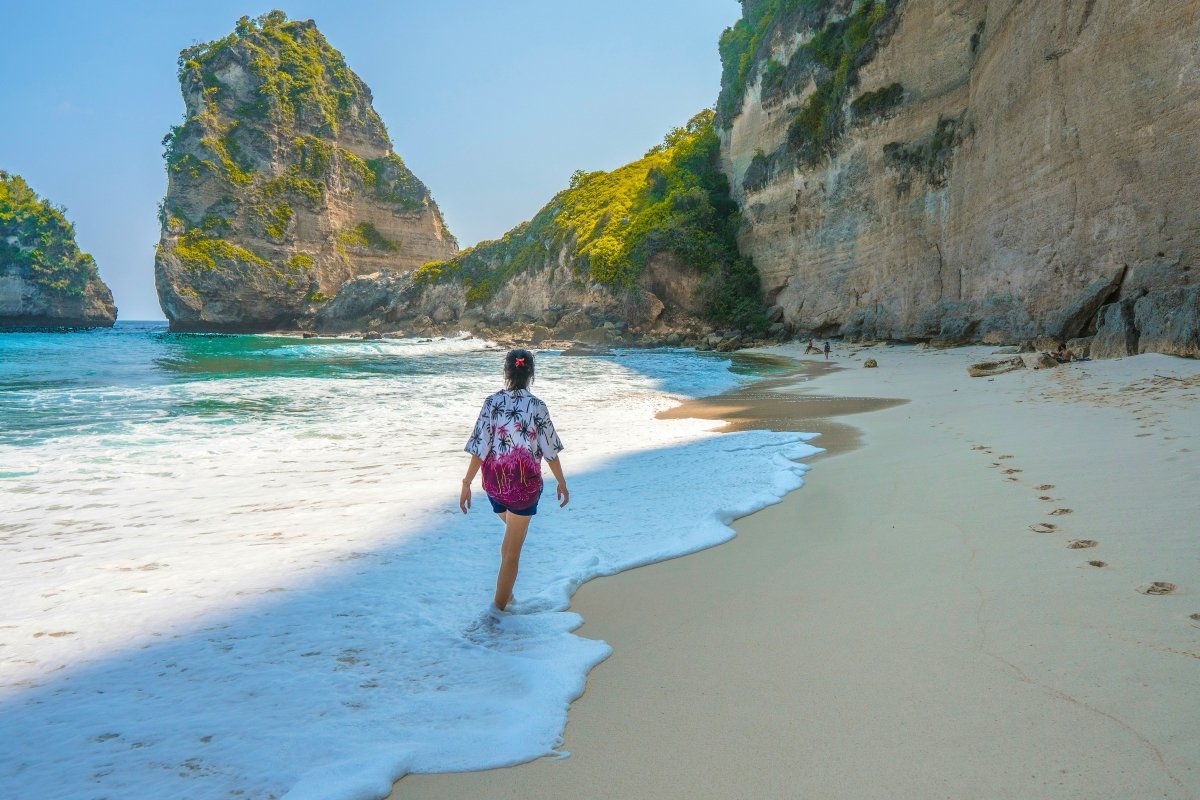
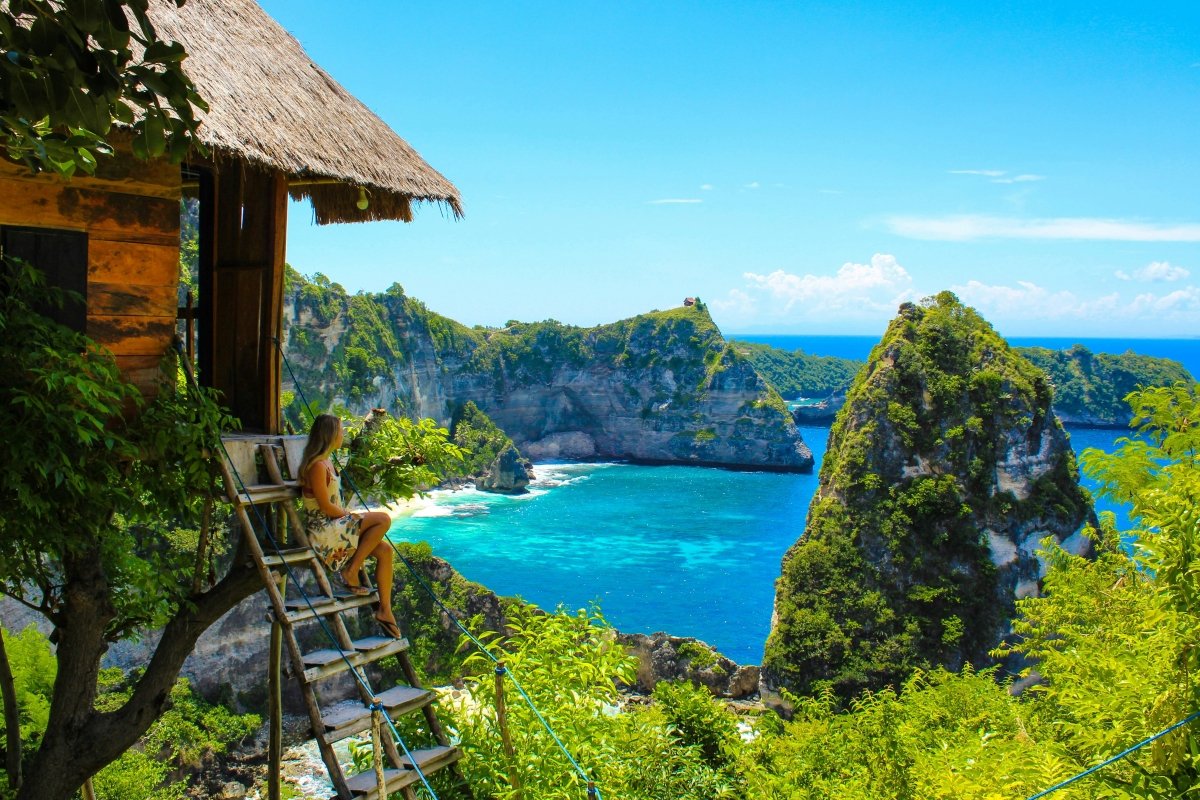
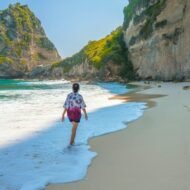
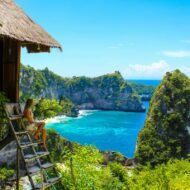
And then there’s Nusa Penida. A 45-minute boat ride from Sanur, it’s everything Bali was before Instagram found it — raw cliffs dropping to secret coves, roads that are more suggestion than infrastructure, and a coastline so dramatic it looks like it was designed by someone who’d never heard the word “subtle.”
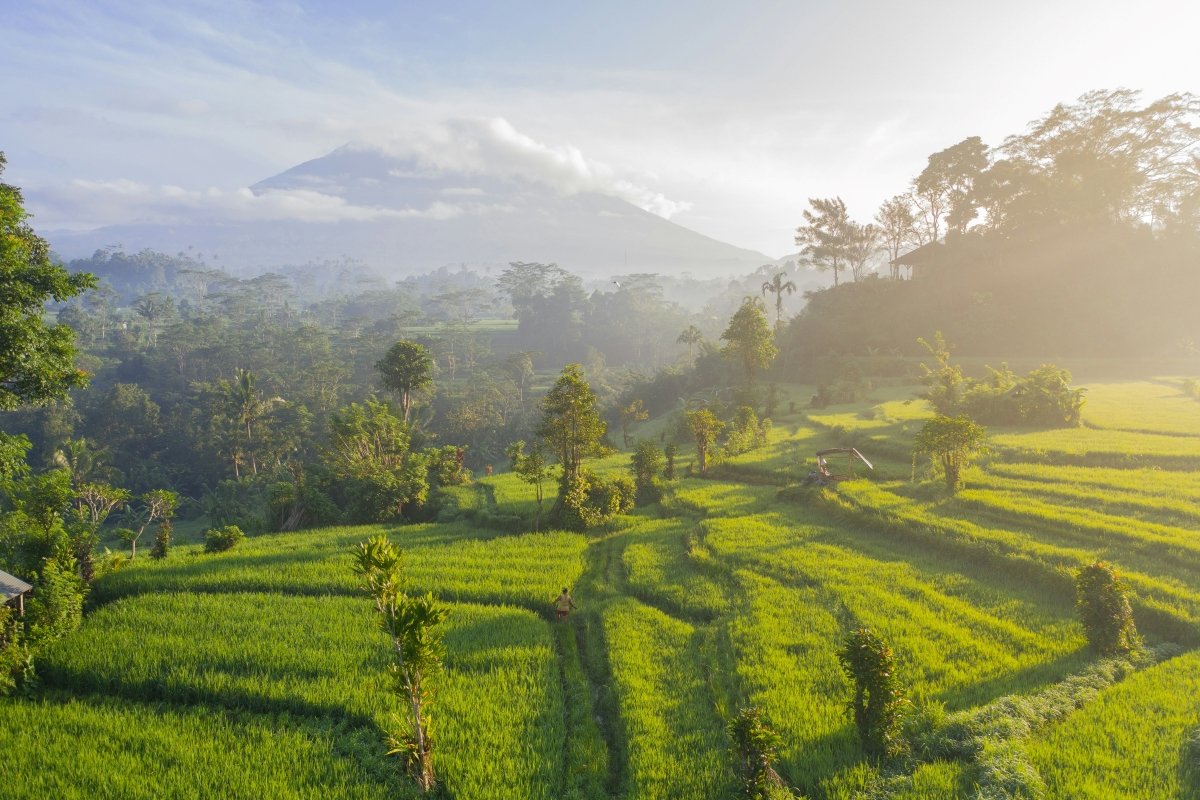
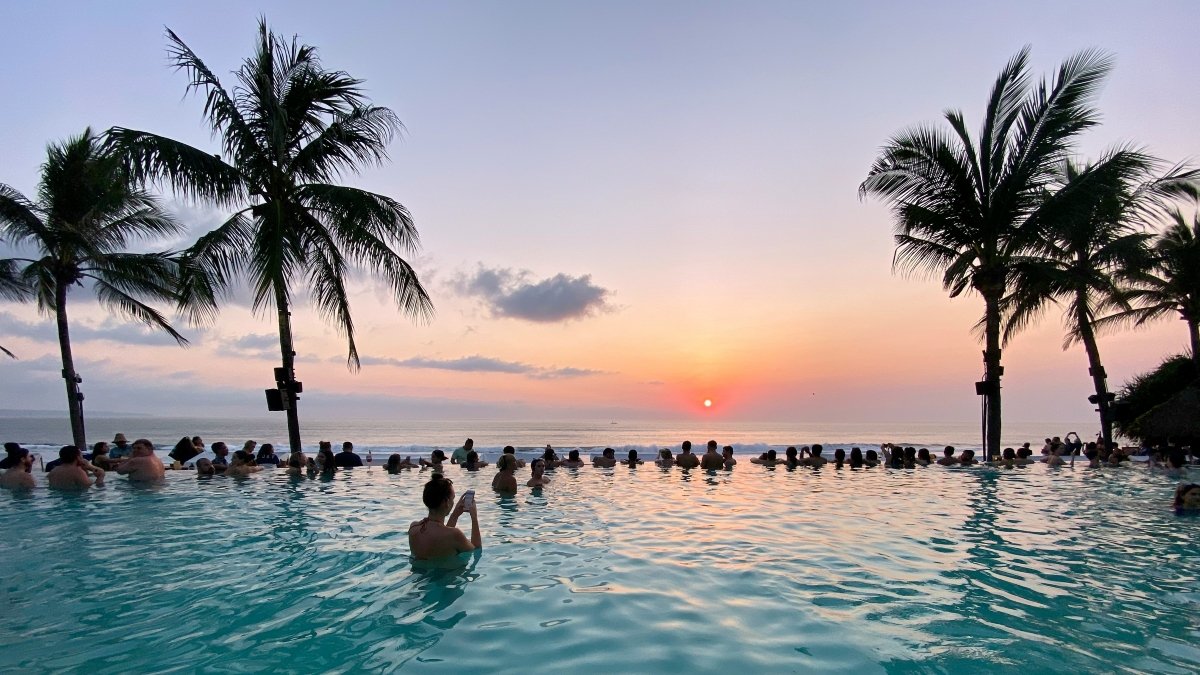
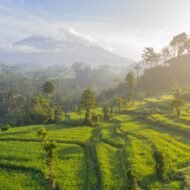
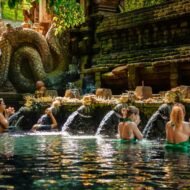
The Vibe: Bali = wellness meets party meets culture shock. Ubud is the spiritual, rice-paddy centre. Seminyak and Canggu are cocktails-at-sunset territory. Uluwatu is for the surfers and the clifftop temple-watchers. Nusa Penida is for people who want the reward without the tourist infrastructure — yet.
Interesting Facts:
- Bali is the only Hindu-majority island in Muslim-majority Indonesia.
- The Balinese calendar has 210 days — ceremonies happen almost continuously throughout the year.
- Kelingking Beach on Nusa Penida has been called “the most beautiful beach you can’t swim at” — the descent takes 45 minutes and the currents are powerful, but the view from the top is extraordinary.
Things to Do:
- Watch sunrise at Mount Batur (active volcano, predawn hike, otherworldly light show).
- Visit Tanah Lot or Uluwatu Temple at sunset — both perched on sea-cliffs, both genuinely sacred.
- Take a day trip to Nusa Penida to see Kelingking, Angel’s Billabong, and Crystal Bay.
- Take a cooking class in Ubud — most include a morning market tour.
- Catch a Kecak fire dance performance at Uluwatu.
Food & Signature Dishes: Babi guling (spit-roast suckling pig — the dish that made Anthony Bourdain go quiet for a moment). Nasi campur, a plate of small portions of everything. Mie goreng (fried noodles, a late-night staple). Fresh coconut straight from the tree. Bebek betutu — slow-cooked duck wrapped in banana leaf. And for the caffeine-obsessed: Balinese drip coffee, made with beans grown in the highlands.
Family-Friendly Aspects: Bali is extremely family-friendly. The Balinese culture is warm toward children — they’re considered sacred. Seminyak and Sanur have calm, shallow beaches perfect for smaller kids. There’s a strong ecosystem of family villas with private pools. Waterbom Bali in Kuta is a full-day water park the kids will lose their minds over.
Accommodation Options:
- Budget: Guesthouses and homestays in Ubud or Canggu from ~$20–40/night.
- Mid-Range: Private pool villas in Seminyak run $120–250/night.
- Splurge: Amandari (Ubud) or COMO Shambhala are among the best resort experiences anywhere in Asia.
Shopping: Silver jewellery from Celuk (the silversmith village). Hand-carved wooden sculptures. Batik and ikat textiles — buy at source in the artisan villages around Ubud. Locally produced coconut oil, rice vinegar, and spice blends. And the Ubud market for everything from sarongs to paintings.
Know Before You Go — Bali & Nusa Penida
| Category | Details |
|---|---|
| Best Time to Visit | April–October (dry season July–August peak) |
| Getting There | Fly into Ngurah Rai Int’l (DPS), Denpasar |
| Currency | Indonesian Rupiah (IDR) |
| Language | Bahasa Indonesia + Balinese (English widely spoken) |
| Visa | 30-day visa on arrival for most nationalities (~$35 USD) |
| Average Daily Budget | Budget $30–60 / Mid $100–200 / Luxury $300+ |
| Family Score | ⭐⭐⭐⭐⭐ |
| Solo/Couple Score | ⭐⭐⭐⭐⭐ |
| Crowd Level (Jul–Aug) | 🔴 High (Bali) / 🟡 Moderate (Nusa Penida) |
| Water Temp (Summer) | 27–29°C (80–84°F) |
| Health Considerations | Hepatitis A & typhoid vaccines recommended; dengue risk exists |
| Cultural Note | Dress modestly at temples cover shoulders and knees |
03 · Tulum, Mexico 🇲🇽
Jungle Meets Sea Meets Ancient Mystery
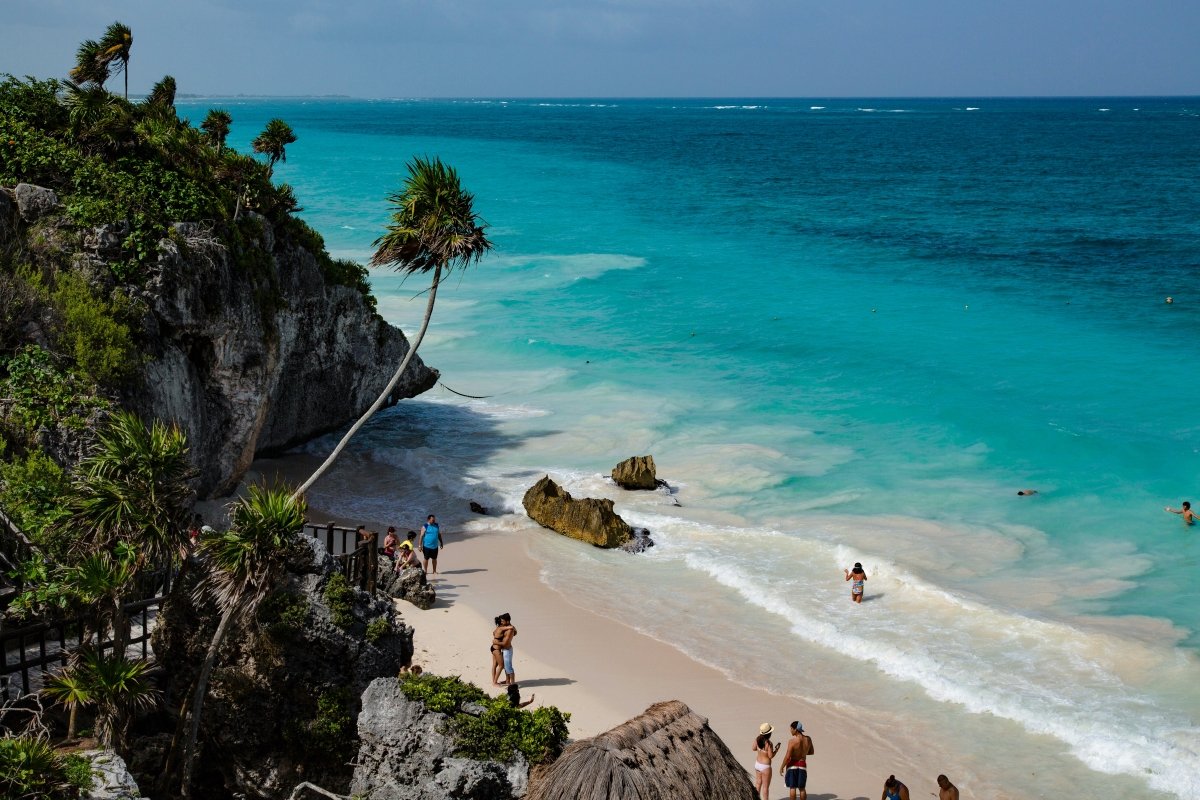
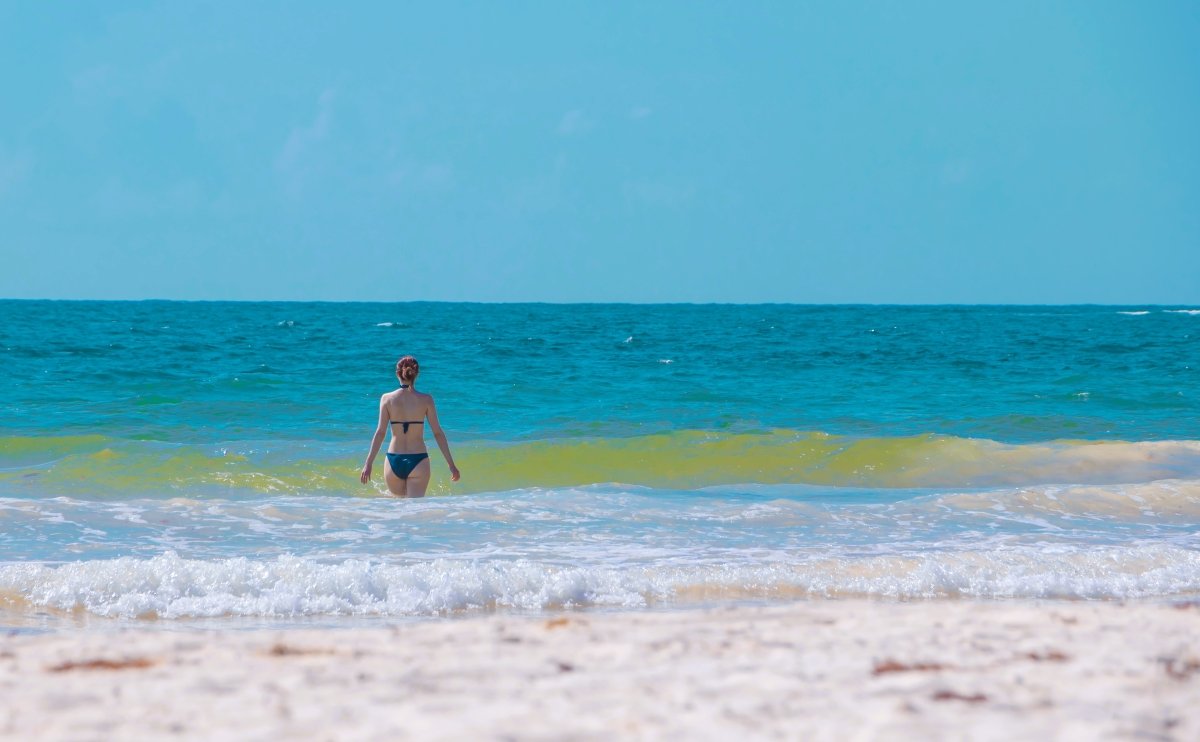
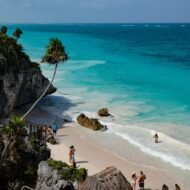
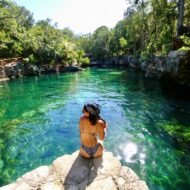
Tulum occupies a very specific corner of the cultural imagination — it’s the place that invented “wellness tourism,” burned out on it, and is now figuring out what comes next. The Mayan ruins perched on a limestone cliff above the Caribbean are still jaw-dropping. The cenotes are still among the most extraordinary swimming experiences on earth. And the beach? Still that green-to-turquoise colour gradient that breaks brains.
What’s changed is that Tulum has grown up. The 2024–2026 Maya Train has dramatically improved access from Cancún, bringing new visitors while also opening up the Yucatán interior. Sustainability is now a genuine conversation in Tulum, not just a hashtag.
The Vibe: Boho-luxe crossed with ancient civilisation, heavy on the cacao ceremonies and raw vegan menus — but also with some of the best seafood you’ve ever had. It’s simultaneously the most aesthetic place you’ve ever visited and one of the most interesting.
Interesting Facts:
- The Tulum ruins are one of the only Mayan walled cities built directly on the sea.
- The Yucatán Peninsula sits on top of the world’s largest known underground river system — the source of the famous cenotes.
- The name “Tulum” likely comes from the Yucatec Mayan word for “wall” or “fence.”
- Jaguars still roam the Sian Ka’an Biosphere Reserve directly south of Tulum.
Things to Do:
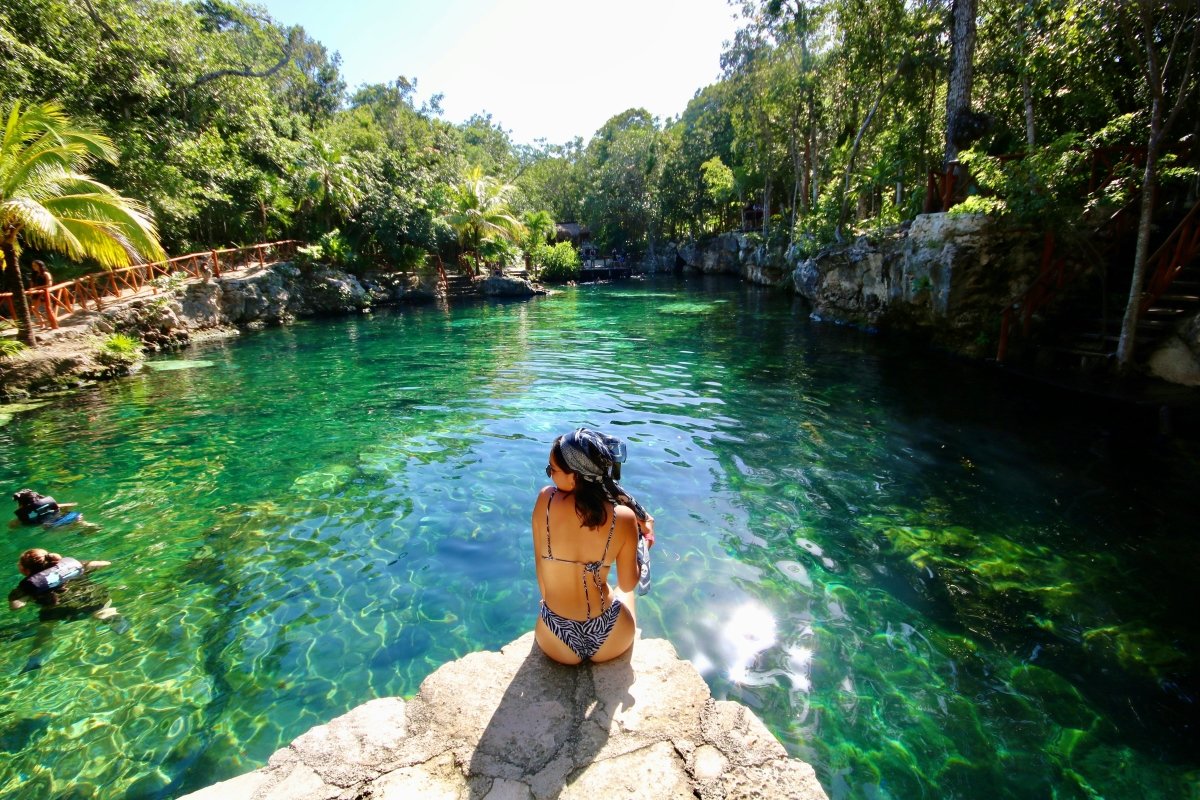
- Swim in Gran Cenote or Dos Ojos — snorkelling through an underground cavern lit by shafts of light is a full-body experience.
- Visit the Tulum ruins at opening time (8am) before the cruise crowds arrive.
- Kayak or paddleboard in the Sian Ka’an lagoons.
- Take a day trip to Cobá to climb one of the last Mayan pyramids still open for climbing.
- Rent bikes — Tulum’s beach road is entirely cyclable, and the jungle-to-sea transitions are surreal.
Food & Signature Dishes: Cochinita pibil — slow-roasted pork marinated in achiote and sour orange, wrapped in banana leaf, the most important dish in the Yucatán. Ceviche with fresh lime, cilantro, and habanero. Freshly made tortillas with everything. Agua de Jamaica (hibiscus water). And the Tulum taco al pastor — don’t overthink it, just eat three.
Family-Friendly Aspects: Families are increasingly well-catered for in Tulum. The beach zone has calm Caribbean waters (no significant waves). Cenote swimming is suitable for older kids (8+) with supervision — guides are available everywhere. The ruins are short and manageable for children. Note: some of the more exclusive beach clubs have 18+ policies.
Accommodation Options:
- Budget: Hostels and guesthouses in Tulum Town (pueblo) from ~$25–60/night.
- Mid-Range: Eco-cabanas along the beach road from $150–280/night.
- Splurge: Azulik, Nomade, or Papaya Playa Project for a full immersive experience (from $350/night).
Shopping: Hand-embroidered Mayan textiles. Locally made hammocks. Ambar (amber) jewellery — the Yucatán has some of the world’s richest amber deposits. Artisanal mezcal and locally brewed kombucha. The Tulum pueblo market has a great range of authentic crafts at non-tourist prices.
Know Before You Go — Tulum, Mexico
| Category | Details |
|---|---|
| Best Time to Visit | November–April (dry season; summer = hot + humid + hurricanes possible) |
| Getting There | Fly into Cancún (CUN) → Maya Train (~1.5 hrs) or colectivo/bus |
| Currency | Mexican Peso (MXN); USD widely accepted on beach |
| Language | Spanish (English common in tourist areas) |
| Visa | Most nationalities visa-free for up to 180 days |
| Average Daily Budget | Budget $50–80 / Mid $150–300 / Luxury $400+ |
| Family Score | ⭐⭐⭐⭐ (best ages 8+) |
| Solo/Couple Score | ⭐⭐⭐⭐⭐ |
| Crowd Level (Dec–Mar) | 🔴 High |
| Water Temp (Summer) | 28–30°C (82–86°F) |
| Safety Note | Stick to tourist zones; check current FCO/State Dept advisories before travel |
| Sustainability | Opt for eco-certified accommodation; cenotes have strict no-sunscreen policies |
04 · Zanzibar, Tanzania 🇹🇿
The Spice Island That Refuses to Be Rushed
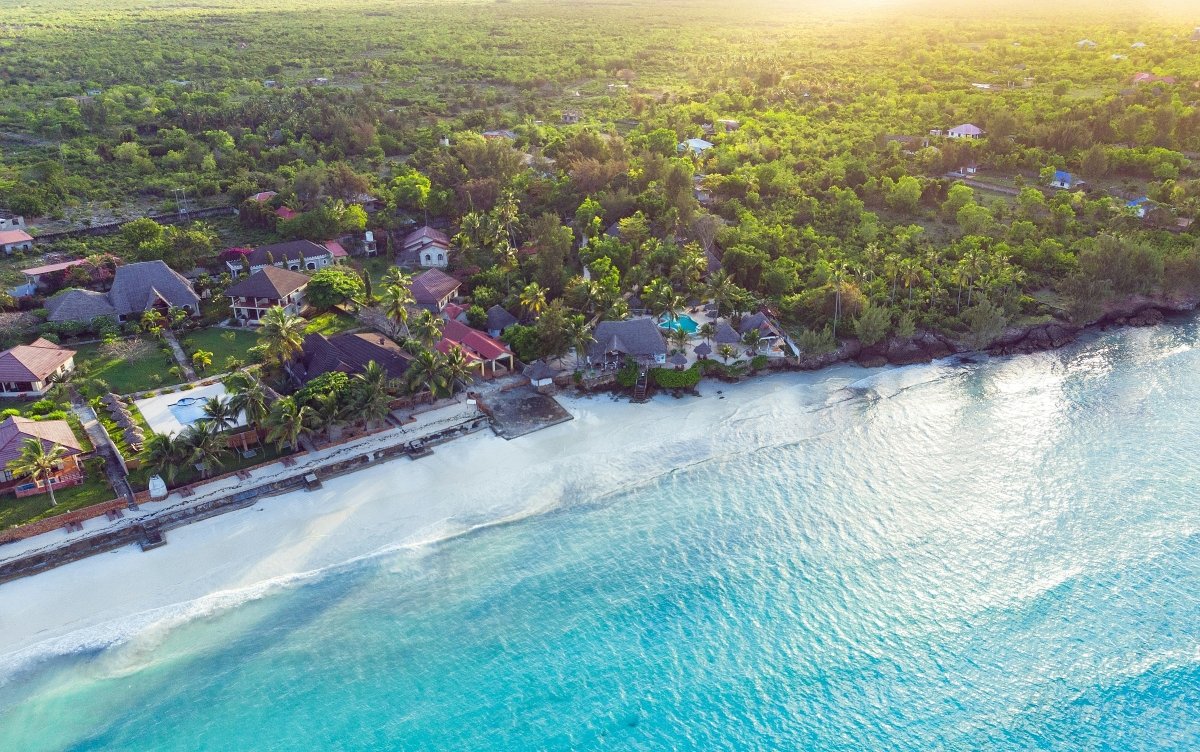
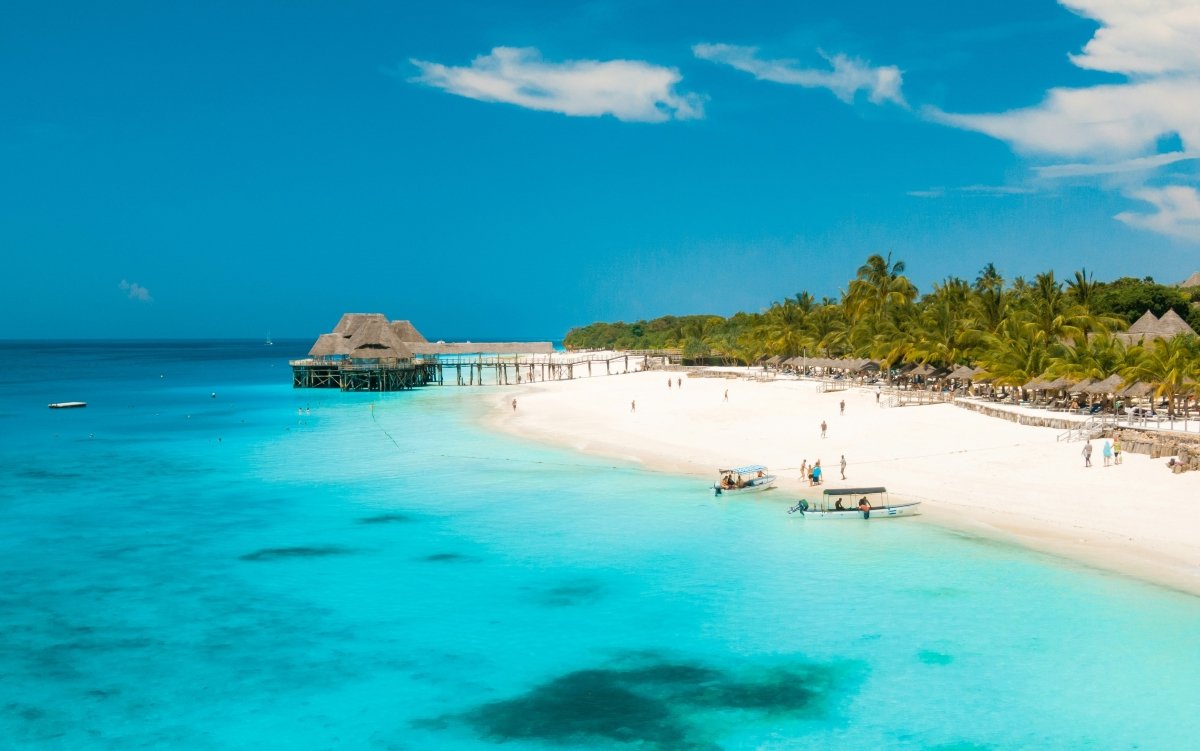
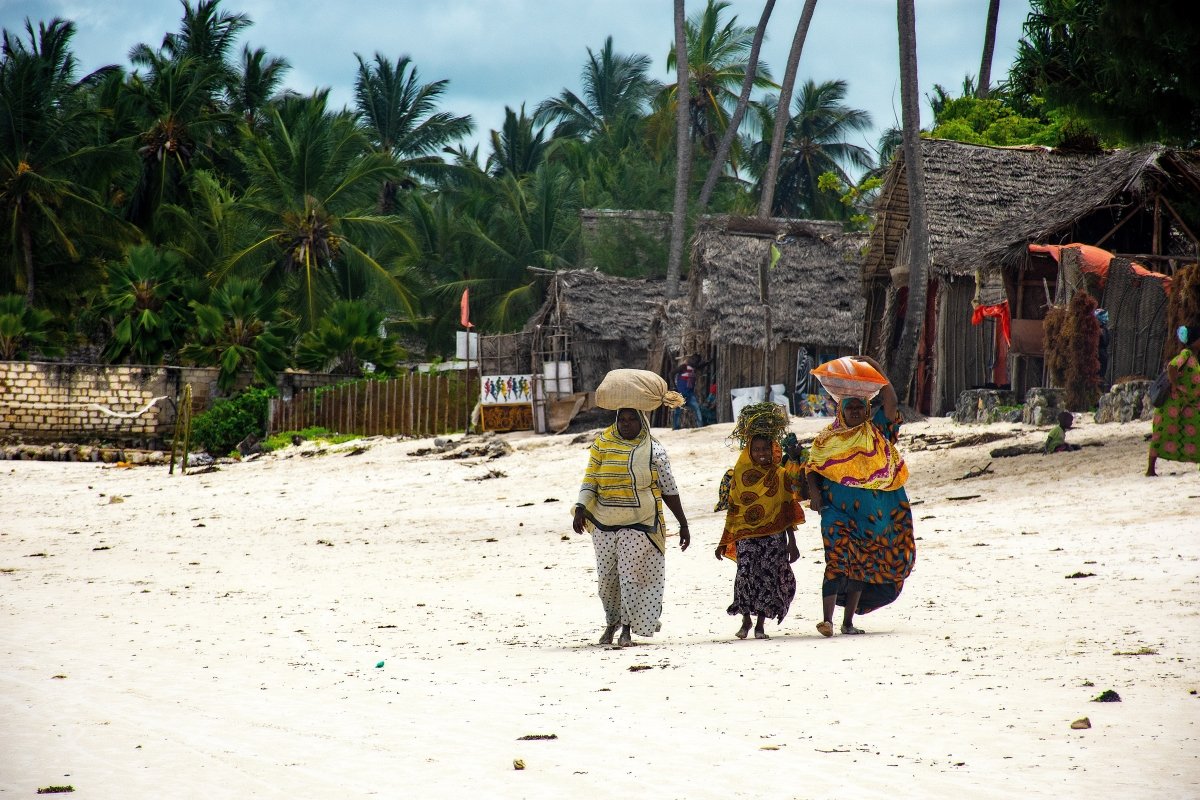
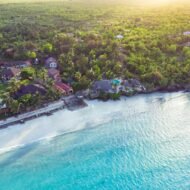
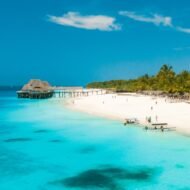
If you haven’t put Zanzibar on your radar yet, consider this your notice. An archipelago off the coast of Tanzania, Zanzibar is equal parts East Africa, Arab world, and Indian Ocean paradise. The old Stone Town is a UNESCO World Heritage Site with centuries of trade history layered into its coral-stone walls and carved wooden doors. The beaches — especially on the north and east coasts — are the kind of wide, white, low-key perfect that makes you forget what month it is.
The Vibe: Unhurried. Spiced. The air actually smells of cloves and cardamom (seriously — there are clove plantations everywhere). It’s spiritual, multicultural, and deeply atmospheric in ways that no resort brochure has ever quite captured.
Interesting Facts:
- Zanzibar was once the world’s largest producer of cloves — it still produces around 90% of Tanzania’s clove output.
- The archipelago has its own semi-autonomous government within Tanzania.
- Freddie Mercury was born in Stone Town in 1946 — a small but devoted pilgrimage site exists in his honour.
- Zanzibar’s prison island (Changuu) houses giant Aldabra tortoises, some over 100 years old.
Things to Do:
- Explore Stone Town on foot — the labyrinthine alleys, spice markets, and Forodhani night food market are unmissable.
- Take a spice tour through the plantation villages north of Stone Town.
- Swim with whale sharks off Chwaka Bay (seasonal, roughly October–February and June–September).
- Snorkel at Mnemba Atoll — considered one of the top 10 dive sites in the Indian Ocean.
- Visit Prison Island for the giant tortoises.
- Catch the sunset from the rooftop bars of Stone Town.
Food & Signature Dishes: Zanzibar pizza (nothing like Italian pizza — it’s a street-food crepe stuffed with spiced meat, egg, cheese, and vegetables, made fresh at the Forodhani night market). Urojo, the legendary Zanzibar mix soup — a tart, coconut-spiced broth loaded with toppings. Grilled lobster, fresh off the boat. Pilau rice fragrant with cardamom, cinnamon, and cumin. And the freshest mango juice you’ve ever had, full stop.
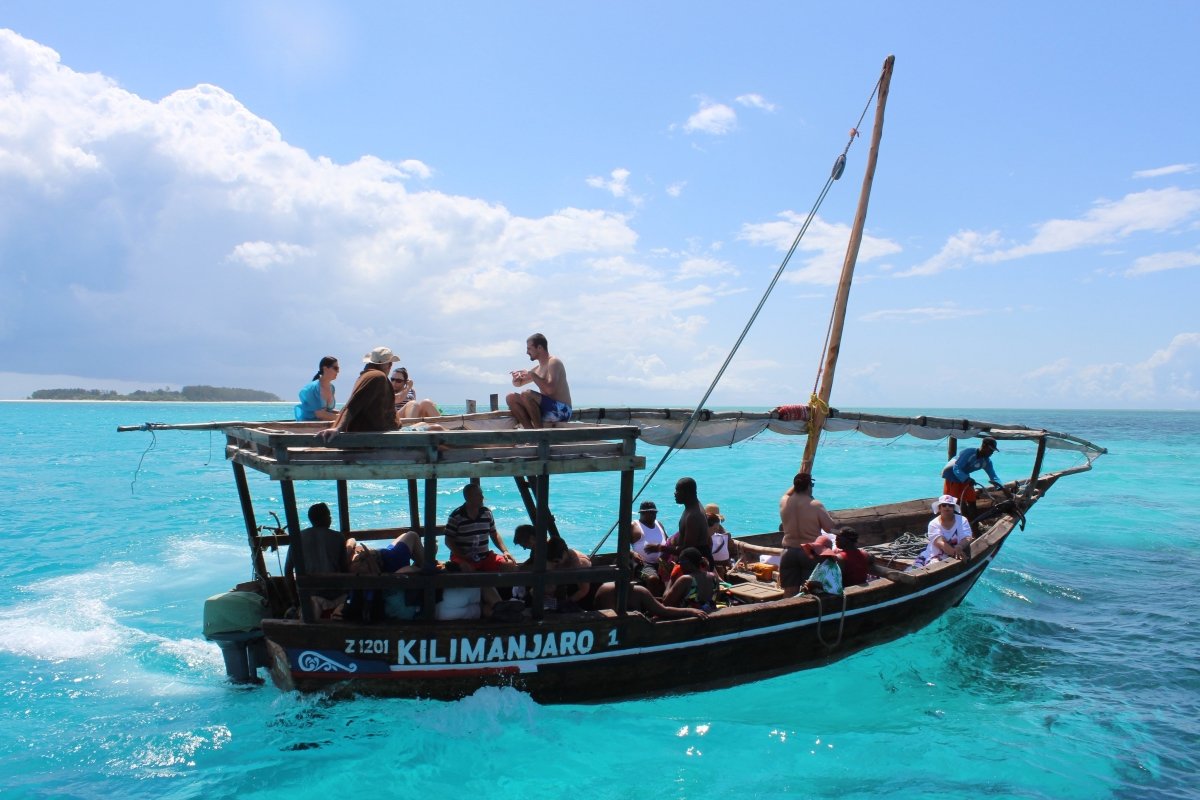
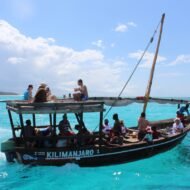
Family-Friendly Aspects: Zanzibar is warm and welcoming to families. The west coast (Nungwi, Kendwa) has calm, shallow waters ideal for young swimmers. Cultural experiences are genuinely enriching for children — cooking classes, dhow sailing, spice tours. Note: Ramadan affects services and some businesses in the predominantly Muslim island.
Accommodation Options:
- Budget: Guesthouses and small lodges in Stone Town or Paje from $40–80/night.
- Mid-Range: Beach resorts in Nungwi or Kizimkazi from $150–280/night.
- Splurge: &Beyond Mnemba Island (ultra-exclusive, all-inclusive) or The Residence Zanzibar for serious luxury ($600–2,000+/night).
Shopping: Hand-carved dhow model boats. Tingatinga paintings — a bold, colourful East African folk art style. Locally made spice bags and essential oils. Kikoi fabric (hand-woven striped cotton — the most versatile thing you’ll pack). Silver filigree jewellery in the old Arab style. And saffron, vanilla, and whole cloves to take home and ruin you forever for supermarket spices.
Know Before You Go — Zanzibar
| Category | Details |
|---|---|
| Best Time to Visit | June–October (dry and cooler) or December–February |
| Getting There | Fly into Abeid Amani Karume Int’l (ZNZ) direct, or via Dar es Salaam (DAR) |
| Currency | Tanzanian Shilling (TZS); USD also widely accepted |
| Language | Swahili + English |
| Visa | e-Visa required for most nationalities (~$50 USD) |
| Average Daily Budget | Budget $60–100 / Mid $200–350 / Luxury $500+ |
| Family Score | ⭐⭐⭐⭐ |
| Solo/Couple Score | ⭐⭐⭐⭐⭐ |
| Crowd Level | 🟢 Low to Moderate (still relatively undiscovered) |
| Water Temp (Summer) | 26–29°C (79–84°F) |
| Cultural Note | Dress modestly in Stone Town; swimwear for beach areas only |
| Health | Yellow fever vaccine required if arriving from endemic country; malaria prophylaxis recommended |
05 · The Maldives 🇲🇻
The Original Luxury Dream (That’s More Accessible Than You Think)
The Maldives is one of those places that has transcended normal travel to become a cultural symbol of luxury, romance, and — lately — urgency. Because 80% of its land mass sits less than one metre above sea level, and the conversation about its future is real and ongoing. Going there now isn’t just a bucket list moment. It’s a chance to see something that, in its current form, may not exist in the same way for future generations.
And yet: the Maldives doesn’t have to cost a fortune. The local island experience — a parallel track to the luxury resort circuit — has exploded in the last five years and opens up this extraordinary destination to a completely different type of traveller.
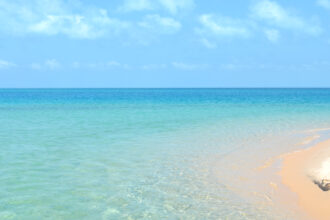
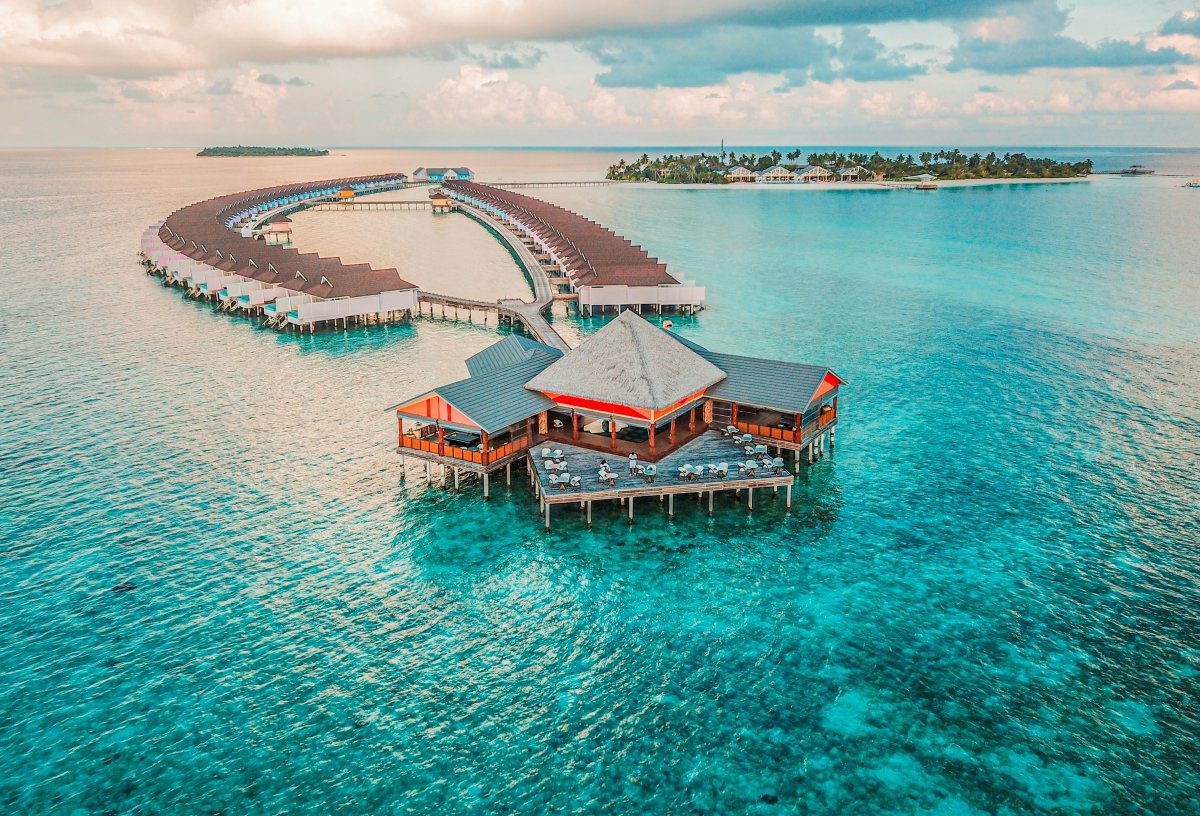
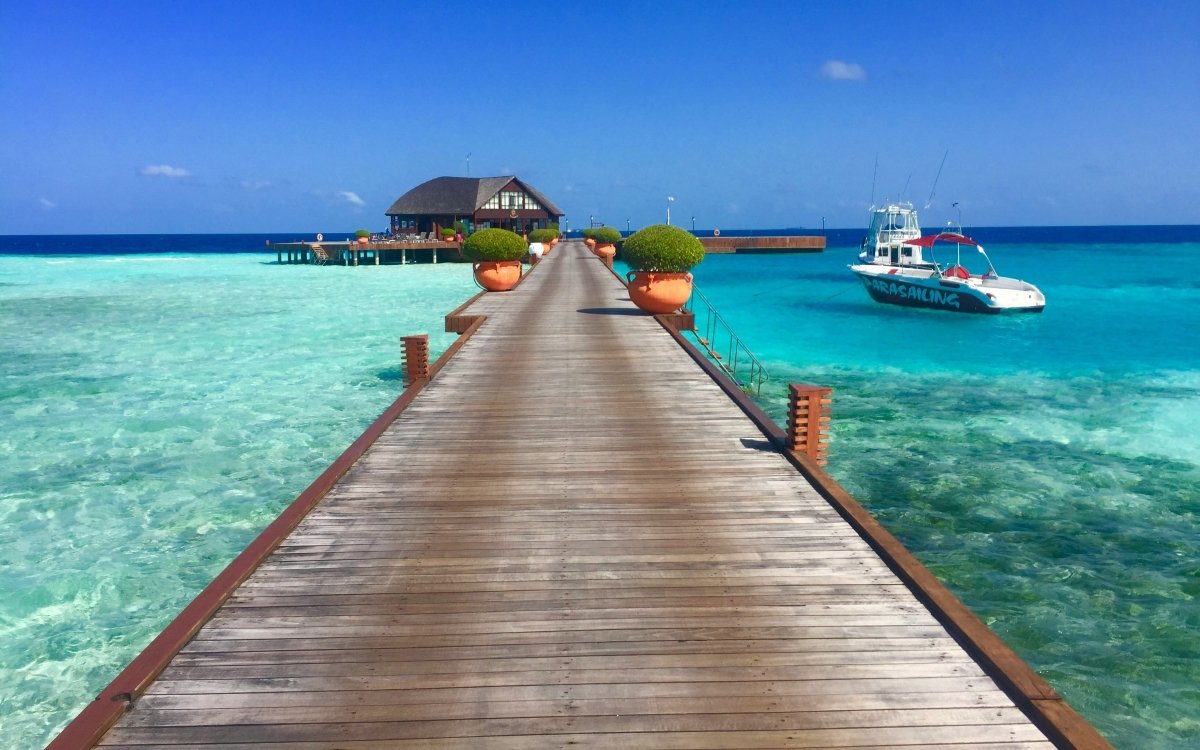
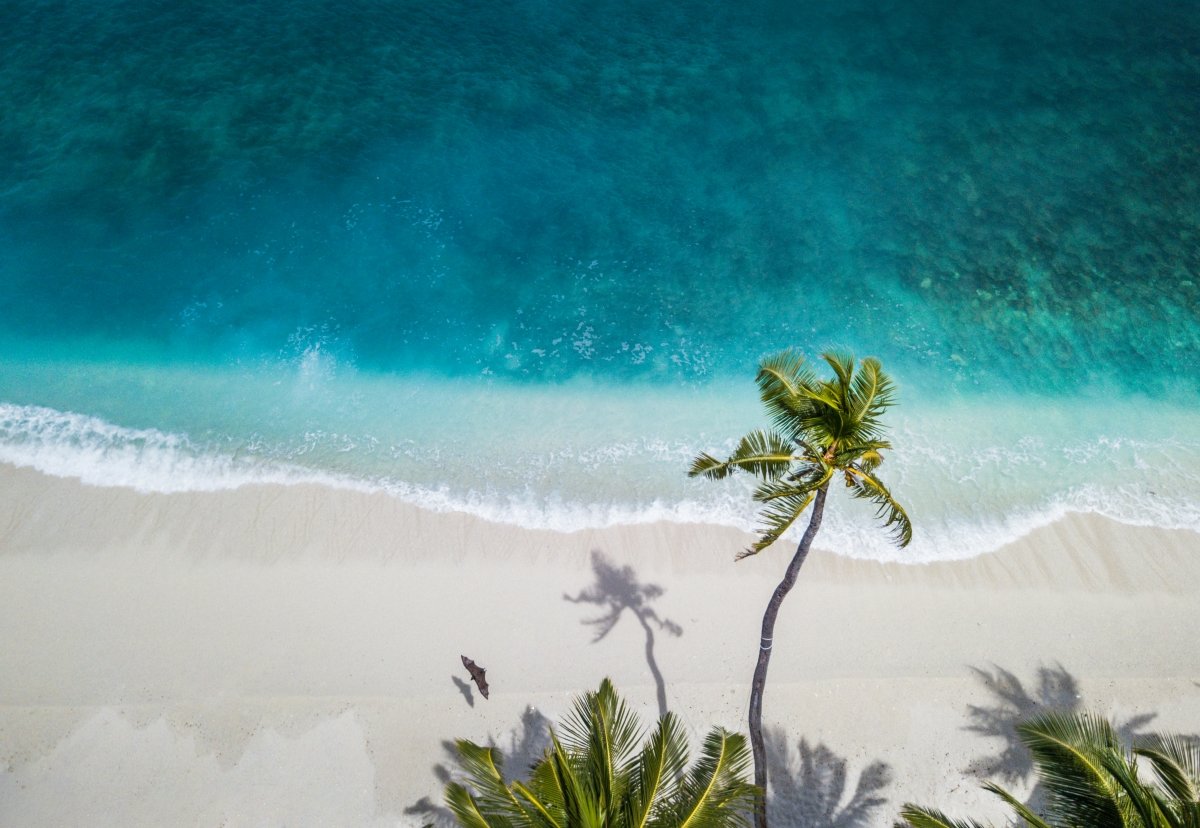
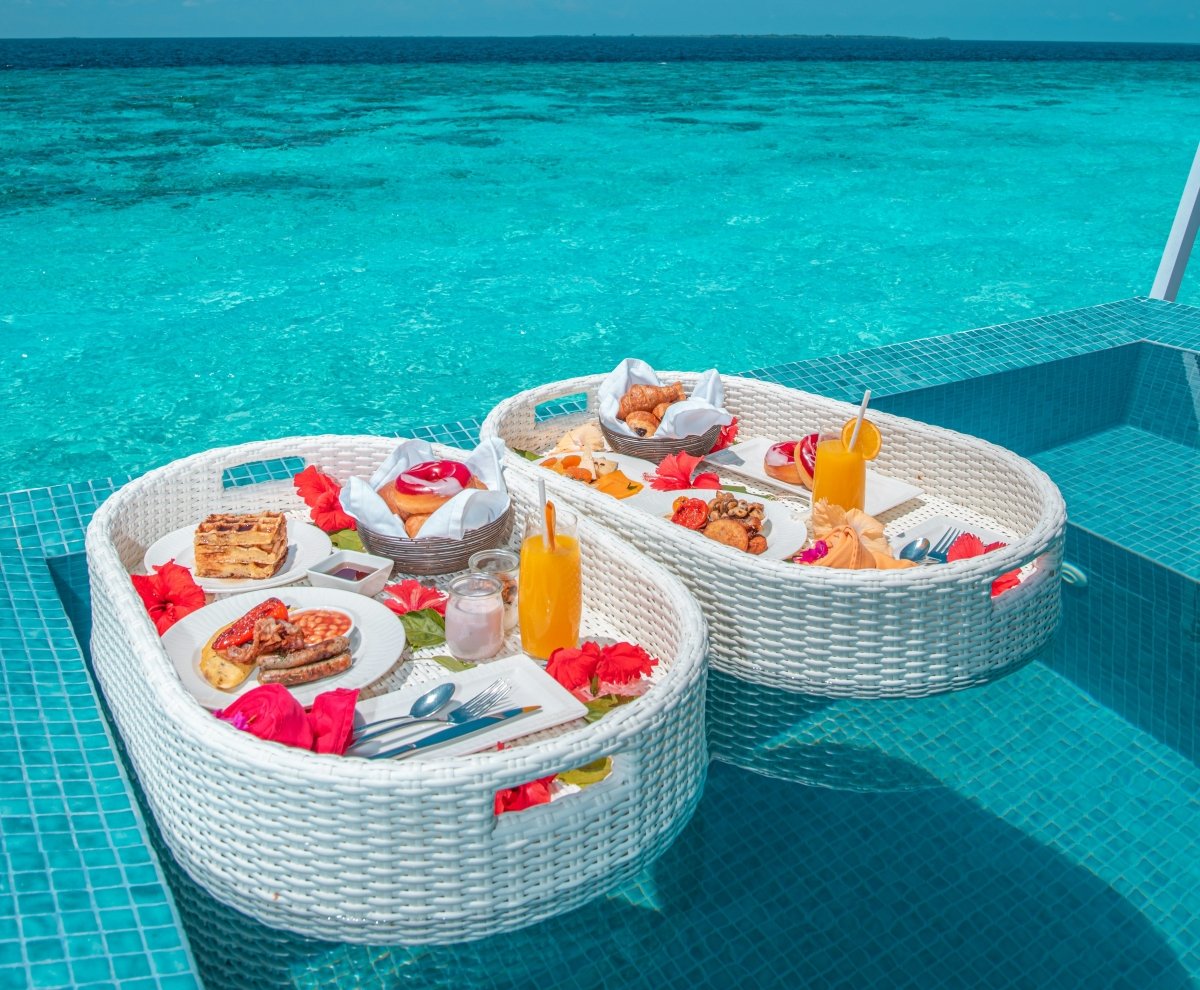
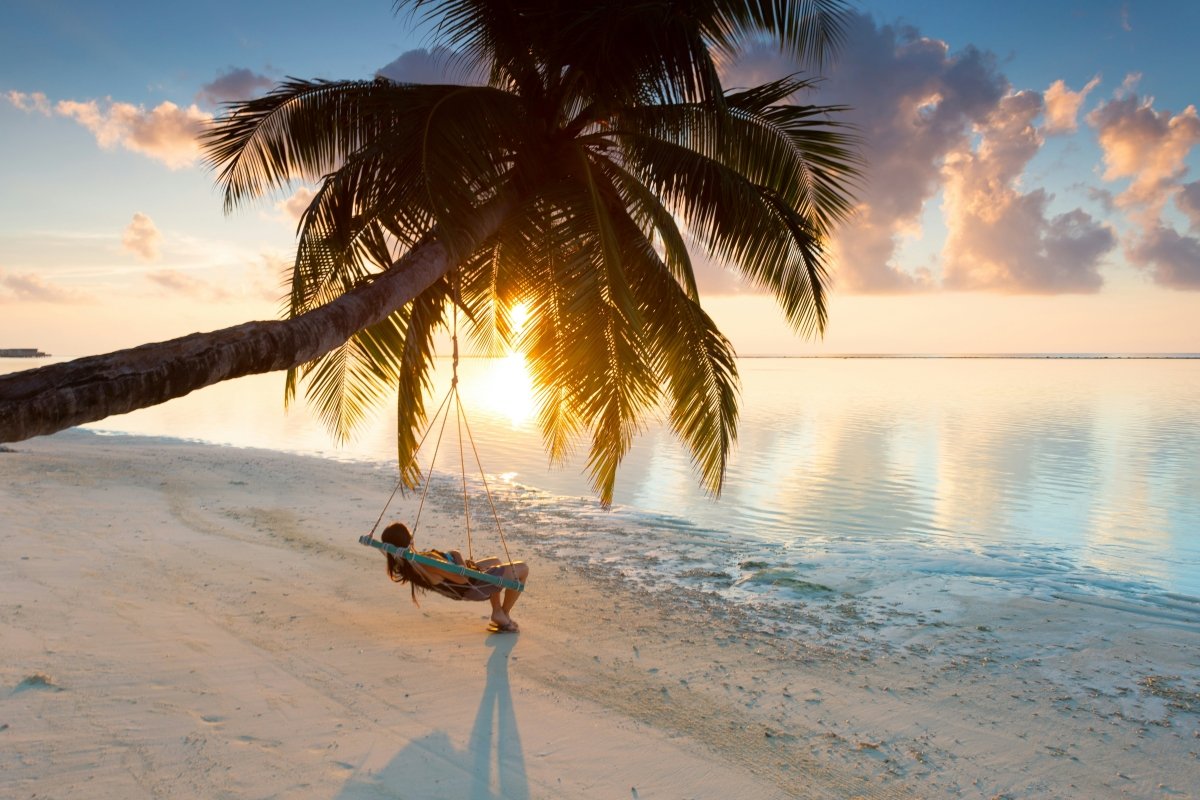
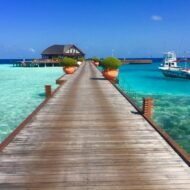
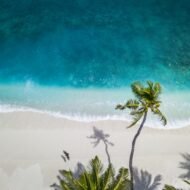
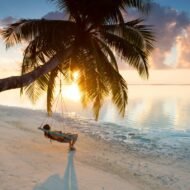
The Vibe: Silence. Absolute, profound, above-the-world silence. The kind of blue that has no business existing. Warm water so clear that your feet cast shadows on the sand four metres below. It’s not just beautiful — it’s disorienting. The world just drops away.
Interesting Facts:
- The Maldives is the flattest country on Earth — its highest natural point is around 2.4 metres above sea level.
- It’s made up of 1,192 coral islands grouped in 26 atolls.
- The bioluminescent plankton phenomenon — where the sea glows electric blue at night — occurs on several islands, particularly in November and December.
- It’s one of the world’s top 10 diving destinations, with visibility often exceeding 30 metres.
Things to Do:
- Snorkel the house reef — most resorts and many local islands have coral gardens immediately accessible from the beach.
- Dive with whale sharks and manta rays (best between November and April).
- Take a sunset dhoni cruise.
- Try sandbank picnics — transfer to a private sandbank in the middle of the ocean for a private lunch.
- Visit a local island (Maafushi, Dhigurah, or Fulidhoo) to experience Maldivian culture outside the resort bubble.
- Night snorkel or dive for bioluminescence.
Food & Signature Dishes: Mas huni — shredded smoked tuna mixed with coconut, onion, and chilli, eaten for breakfast with roshi (flatbread). It sounds simple. It is not simple. Garudhiya, a clear tuna broth served with lime and chilli. Grilled reef fish with curry leaves and coconut cream. And on resort islands, world-class multi-cuisine restaurants where the dinner comes with a view of the Milky Way.
Family-Friendly Aspects: The Maldives is genuinely magical for families. The lagoon waters are calm, warm, and shallow — perfect for toddlers and non-swimmers. Many luxury resorts have dedicated kids’ clubs with marine biology programmes, glass-bottom kayaks, and supervised snorkelling. Local island guesthouses are a more budget-friendly and authentic option for families comfortable with modest facilities.
Accommodation Options:
- Budget: Local island guesthouses on Maafushi, Fulidhoo, or Thulusdhoo from $60–120/night. Bikini beaches are designated areas on local islands.
- Mid-Range: Three and four-star resort islands from $250–500/night all-inclusive.
- Splurge: Overwater villa at Gili Lankanfushi, Baros, or Soneva Fushi ($800–$5,000+/night — yes, really, but you knew that).
Shopping: The Maldives isn’t famous for its shopping, which is part of the charm. But: handwoven lacquerwork (laajehun) in deep reds and blacks is the traditional Maldivian craft. Dried tuna products and spice blends to take home. And locally made coconut-shell and coral-reef-inspired jewellery (ensure coral items are ethically sourced/farmed).
Know Before You Go — The Maldives
| Category | Details |
|---|---|
| Best Time to Visit | November–April (dry season, best visibility) |
| Getting There | Fly into Velana Int’l (MLE), Malé; then speedboat or seaplane to island |
| Currency | Maldivian Rufiyaa (MVR); USD accepted everywhere |
| Language | Dhivehi + English |
| Visa | Free 30-day visa on arrival for all nationalities |
| Average Daily Budget | Budget $100–180 (local islands) / Resort $400–800 / Luxury $1,000+ |
| Family Score | ⭐⭐⭐⭐⭐ |
| Solo/Couple Score | ⭐⭐⭐⭐⭐ |
| Crowd Level | 🟡 Moderate (spread across islands; rarely “crowded”) |
| Water Temp (Summer) | 28–30°C (82–86°F) |
| Cultural Note | Alcohol only on resort islands; dress modestly on local islands |
| Climate Reality | Sea-level rise is a genuine long-term threat — choose eco-certified properties |
Quick Recap — Which Beach Is Right for You?
| Destination | Best For | Skip If | Bucket List Factor |
|---|---|---|---|
| Amalfi Coast | Romance, culture, Italian food obsession | You hate crowds or winding roads | ⭐⭐⭐⭐⭐ |
| Bali & Nusa Penida | Everything, honestly | You need predictable infrastructure | ⭐⭐⭐⭐⭐ |
| Tulum | Adventure, culture, Instagram-free moments | You want resort-style convenience | ⭐⭐⭐⭐⭐ |
| Zanzibar | Off-the-beaten-path luxury, culture + beach combo | You want nightlife or urban buzz | ⭐⭐⭐⭐⭐ |
| Maldives | Total sensory reset, honeymoons, family milestone trips | You have a tight budget and won’t compromise | ⭐⭐⭐⭐⭐ |
The honest truth? There’s no wrong choice here. Every one of these destinations will earn its place in your top five travel memories. The only mistake is waiting another year. Book the thing.
⚠️ Disclaimer: Travel information, visa requirements, entry conditions, safety advisories, and pricing in this article are accurate to the best of our knowledge as of 2026, but conditions change. Always check current FCO (UK), U.S. State Department, or your national travel authority advisories before booking. Prices listed are approximate ranges and will vary by season, booking platform, and availability. This article does not constitute professional travel, legal, or financial advice. Travel insurance is strongly recommended for all international trips. The author and publisher accept no liability for any loss or inconvenience arising from use of this information.
Last updated: April 2026 · Written for modern travellers who think the world is too big not to explore.