

















TL;DR – Quick Guide to Ireland’s Foodie Villages
5 Small Irish Towns That Are Quietly Becoming Foodie Legends : Short on time? Here’s what you need to know: Ireland’s best food isn’t in the capital. It’s hiding in coastal villages and historic towns where chefs are smoking fish the old-way, families are running third-generation pubs, and Michelin inspectors are quietly taking notes. From Kinsale’s harbor-side fine dining to Dingle’s seafood shacks, from Clonakilty’s legendary black pudding to Carlingford’s oyster trails – these five towns pack more flavor per square mile than anywhere else on the Emerald Isle. Budget €80-150 per day, fly into Cork or Dublin, and prepare for the best meals of your life.
- TL;DR – Quick Guide to Ireland’s Foodie Villages
- Why Skip the Big Cities? (Because the Real Food is Hiding in Plain Sight)
- 1. Kinsale, County Cork: Ireland’s Gourmet Capital (Without the Big-City Chaos)
- Why Kinsale Will Ruin You for Other Irish Towns
- Signature Dishes & Where to Find Them
- Cultural Context: Why Kinsale Became a Food Hub
- Where to Stay
- Shopping & Markets
- Events Not to Miss
- Budget Breakdown
- 2. Dingle, County Kerry: Small Town, Huge Flavor (And a Famous Dolphin)
- The Most Charming Town You’ve Never Heard Of
- Must-Try Dishes
- Cultural Immersion
- Accommodation Guide
- Shopping & Crafts
- Annual Events
- Money Matters
- 3. Clonakilty, County Cork: Where Black Pudding is Basically Religion
- The Town That Put Blood Sausage on the Map
- Signature Foods
- Beyond the Food: Culture & History
- Where to Stay
- Shopping Scene
- Festival Calendar
- Budget Guide
- 4. Galway’s Westend: Small Neighborhood, Massive Food Scene
- Why This Quarter of Galway Deserves Its Own Section
- Food Highlights
- Cultural Immersion in the Westend
- Accommodation Options
- Markets & Shopping
- Events & Festivals
- Money Talk
- 5. Carlingford, County Louth: The Medieval Village with Oysters and Vikings
- Ireland’s Best-Kept Culinary Secret
- Signature Dishes & Experiences
- Medieval History Meets Modern Food
- Where to Stay
- Local Shopping
- Can’t-Miss Events
- Budget Planning
- Getting There: Airports, Connectivity & Transport
- Nearest Major Airports
- Getting Around
- Sample Itineraries
- Sustainable & Ethical Travel Tips
- Safety & Practical Considerations
- Money-Saving Hacks
- Perfect Combo Trips (Because You’re Already in Ireland)
- Why These Towns Beat the Tourist Trail (Final Thoughts)
- Disclaimer
Why Skip the Big Cities? (Because the Real Food is Hiding in Plain Sight)
Look, Dublin’s great. Temple Bar has its charm, and yes, you’ll find decent fish and chips. But here’s the thing nobody tells you: Ireland’s food revolution isn’t happening in the tourist-packed capital. It’s unfolding in small coastal towns where fishermen still bring in the day’s catch, where butchers craft their own recipes passed down through generations, and where that unassuming pub on the corner just happens to have a Michelin Bib Gourmand.
These five towns – Kinsale, Dingle, Clonakilty, Galway’s Westend, and Carlingford – represent the soul of Irish cuisine. They’re where tradition meets innovation, where local ingredients aren’t just a marketing buzzword, and where chefs know their suppliers by first name (because they live next door).
Interesting Fact: Ireland has more Michelin-starred restaurants per capita than Spain, and most of them are clustered in small coastal towns, not big cities. Cork County alone – home to Kinsale and Clonakilty – boasts 6 Michelin stars across just a handful of restaurants.
1. Kinsale, County Cork: Ireland’s Gourmet Capital (Without the Big-City Chaos)
Why Kinsale Will Ruin You for Other Irish Towns
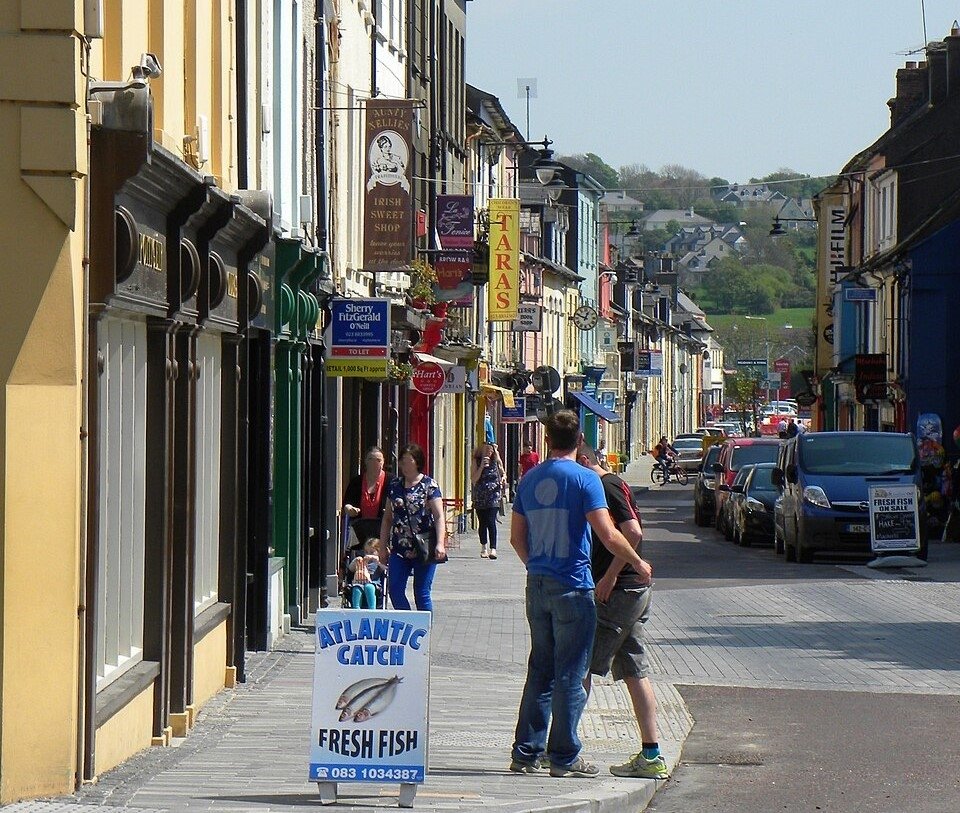
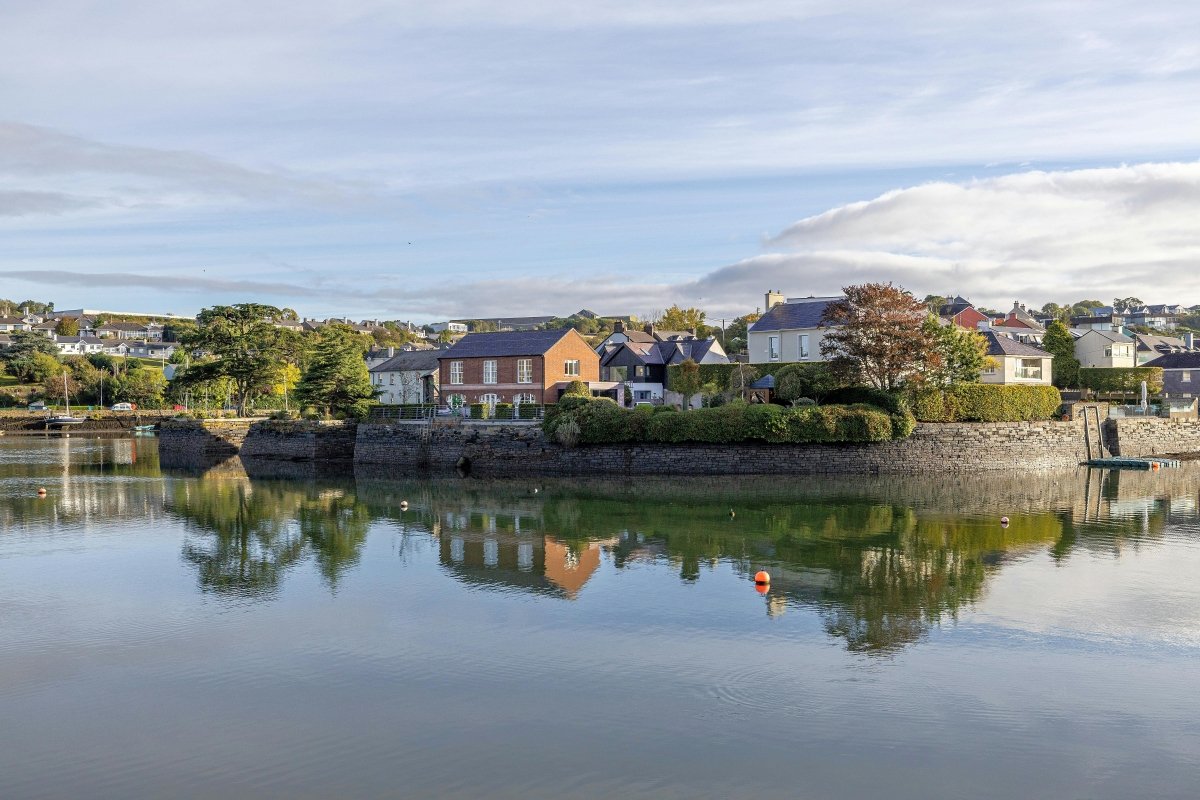
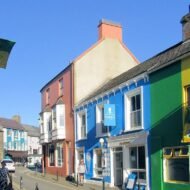
Picture this: a horseshoe-shaped harbor lined with candy-colored Georgian buildings, fishing boats unloading that morning’s catch, and more award-winning restaurants packed into 1.5 square miles than some entire Irish counties. That’s Kinsale. They don’t call it the “Gourmet Capital of Ireland” for nothing – the town’s been hosting the annual Kinsale Gourmet Festival since 1977, back when Irish cuisine was still fighting its way out of the “boiled everything” reputation.
What makes Kinsale special isn’t just the food – it’s the concentration of it. Walk five minutes in any direction and you’ll stumble upon a Michelin-recommended spot, a family-run bakery that’s been perfecting scones for 40 years, or a wine bar with 200+ bottles from independent producers.
Signature Dishes & Where to Find Them
• Black Pudding & Scallops at Fishy Fishy: Martin Shanahan’s seafood restaurant is legendary. The black pudding (blood sausage) here is silky, rich, and pairs perfectly with sweet pan-seared scallops. The fish is so fresh it was probably swimming that morning. Expect €18-28 per main.
• Surf & Turf Done Right at Bastion: Chef Paul McDonald earned a Michelin star here before moving on. The current team maintains that excellence – think dry-aged beef from local farms paired with lobster from Kinsale Harbor. Tasting menu €85-110.
• Chowder Championship Winner: Jim Edwards has won multiple Ireland chowder championships. Their seafood version is thick, creamy, and loaded with chunks of fish. €12-14 for a bowl that could be a meal.
• Crackpots for Breakfast: Tucked in an alley, this tiny ceramic-studio-turned-restaurant serves the best breakfast in town. Try the crab Benedict or their legendary potato cakes. €10-15.
Cultural Context: Why Kinsale Became a Food Hub
Kinsale’s gourmet reputation isn’t accidental. In the 1970s, a group of local restaurateurs decided to position the town as Ireland’s answer to French Riviera dining. They established strict quality standards, shared suppliers, and created the Gourmet Festival. The strategy worked. Today, locals joke that you can’t throw a stone without hitting either a restaurant, a ghost, or a restaurant in a haunted building.
Fun Fact: The Battle of Kinsale (1601) was one of the most important battles in Irish history. Today, the most intense battles are between restaurants competing for food awards.
Where to Stay
• Budget (€60-90/night): The Old Presbytery B&B – charming, central, and the host Noreen makes unreal breakfasts. Or try Guardwell House with harbor views.
• Mid-Range (€120-180/night): The Giles Norman Gallery B&B – stay above an art gallery in a restored townhouse. Or The White House, a Georgian gem on the harbor.
• Splurge (€200-400/night): The Trident Hotel – waterfront luxury with its own Michelin-mentioned restaurant. Or the Perryville House boutique hotel.
Shopping & Markets
Kinsale Farmers Market (Tuesdays, year-round) is small but mighty – artisan cheese, organic veg, handmade chocolates. Hit up Kinsale Crystal for hand-blown glassware, or browse the independent boutiques on Main Street and Market Street for Irish woolens, ceramics, and jewelry.
Events Not to Miss
• Kinsale Gourmet Festival (October): Three days of cooking demos, wine tastings, and special menus across town.
• Arts Weekend (July): Galleries open late, street performers, live music in every pub.
• Shannonvale Carnival Race (May): Community fundraiser with races, fairgrounds, and local food stalls.
Budget Breakdown
Daily Budget: €80-100/day (budget), €120-180/day (moderate), €200+/day (comfortable)
• Breakfast: €8-15 (café) or included with B&B • Lunch: €12-20 (pub or casual) • Dinner: €25-45 (mid-range), €60-120 (fine dining) • Pint of Guinness: €5-6 • Activities: Charles Fort €5, harbor cruise €25, food tour €75 MORE READ..
2. Dingle, County Kerry: Small Town, Huge Flavor (And a Famous Dolphin)
The Most Charming Town You’ve Never Heard Of
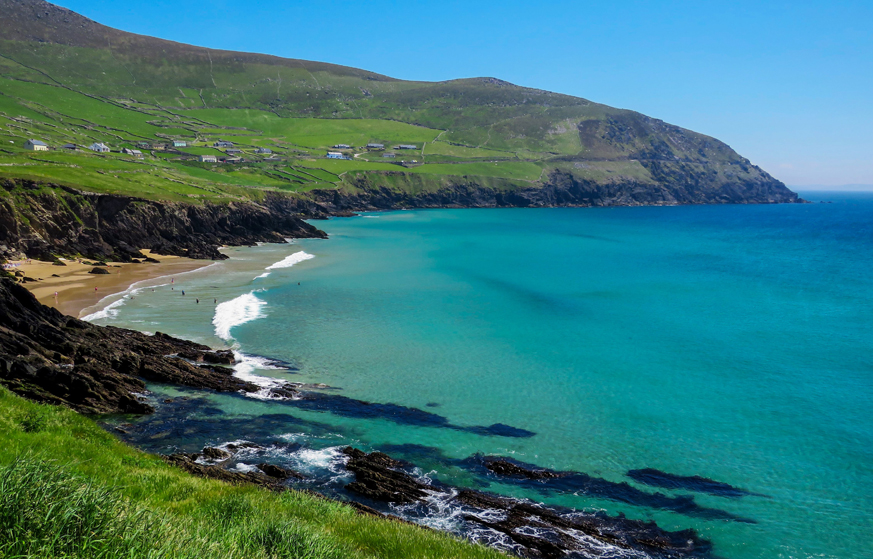
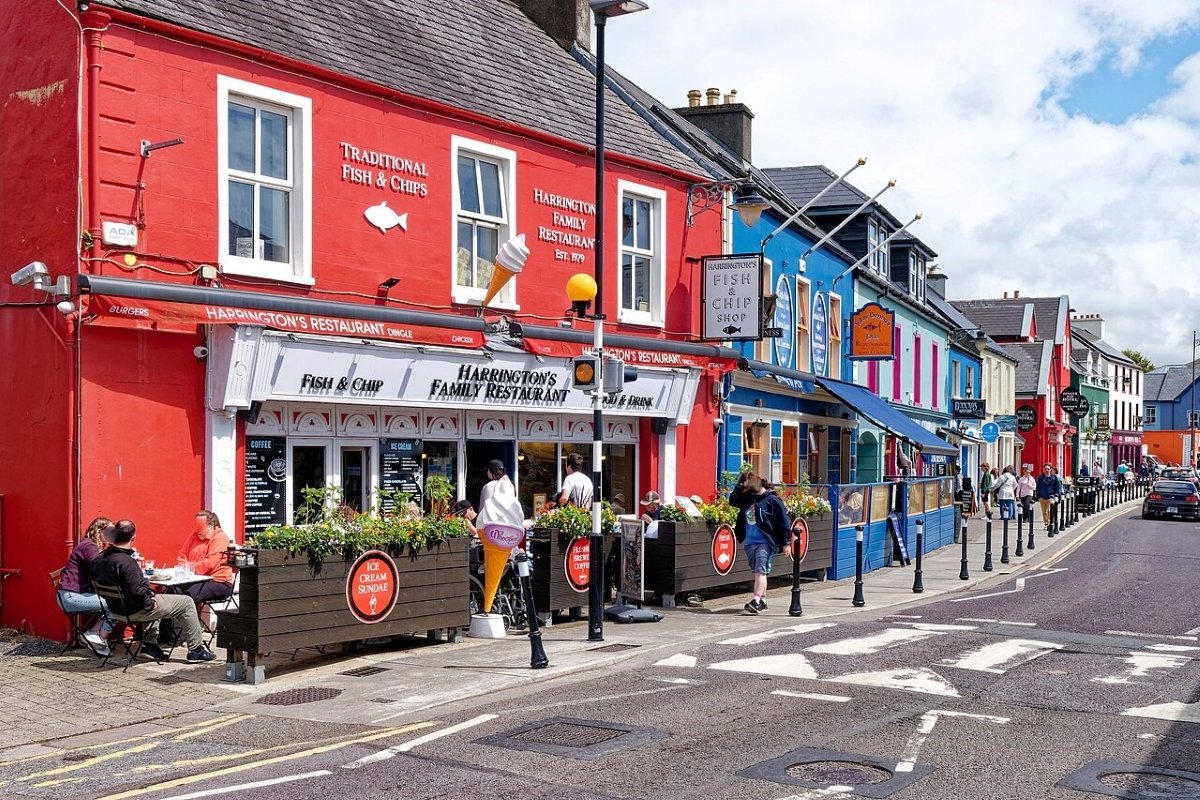
At the western edge of Europe, where the Atlantic crashes into ancient cliffs and Irish is still the first language for many locals, sits Dingle (An Daingean). With a population of just 2,000, this tiny town somehow supports 52 pubs, a dozen top-tier restaurants, and an artisan food scene that punches way above its weight class.
Dingle’s secret? Geography and gumption. The harbor brings in incredible seafood daily – langoustines, crab, lobster, and fish you’ve probably never heard of. The surrounding farmland provides grass-fed lamb and beef. And the town’s isolation meant traditional food crafts never died out. Plus, there’s Fungi the dolphin, who’s been hanging around the harbor since 1983, basically guaranteeing tourist traffic. (Note: Fungi disappeared in 2020, but Dingle’s food scene is thriving independently.)
Must-Try Dishes
• Fish Pie at Out of the Blue: This bright blue seafood shack only opens when the owner catches enough fish. No freezers, no pre-planned menus. The fish pie changes daily based on the catch – could be hake, monkfish, salmon, whatever’s fresh. €18-24. Cash only.
• Dingle Gin at The Dingle Distillery: Local botanicals including fuchsia, bog myrtle, and rowan berry. Tour the distillery (€15) then taste their single-batch gin. They also make whiskey aged in sherry casks.
• Murphy’s Ice Cream: Family recipe, farm-fresh milk, wild flavors. Try the Dingle Sea Salt or Brown Bread ice cream. Sounds weird, tastes incredible. €4-6.
• Lamb Shank at The Chart House: Kerry lamb slow-braised until it falls off the bone. Chef Jim McCarthy sources everything within 20 miles. Book ahead. €28-35 per main.
• Seafood Chowder at John Benny’s: Traditional pub, no frills, just perfect execution. Their chowder is thick, loaded with local shellfish, and served with brown bread. €10.
Cultural Immersion
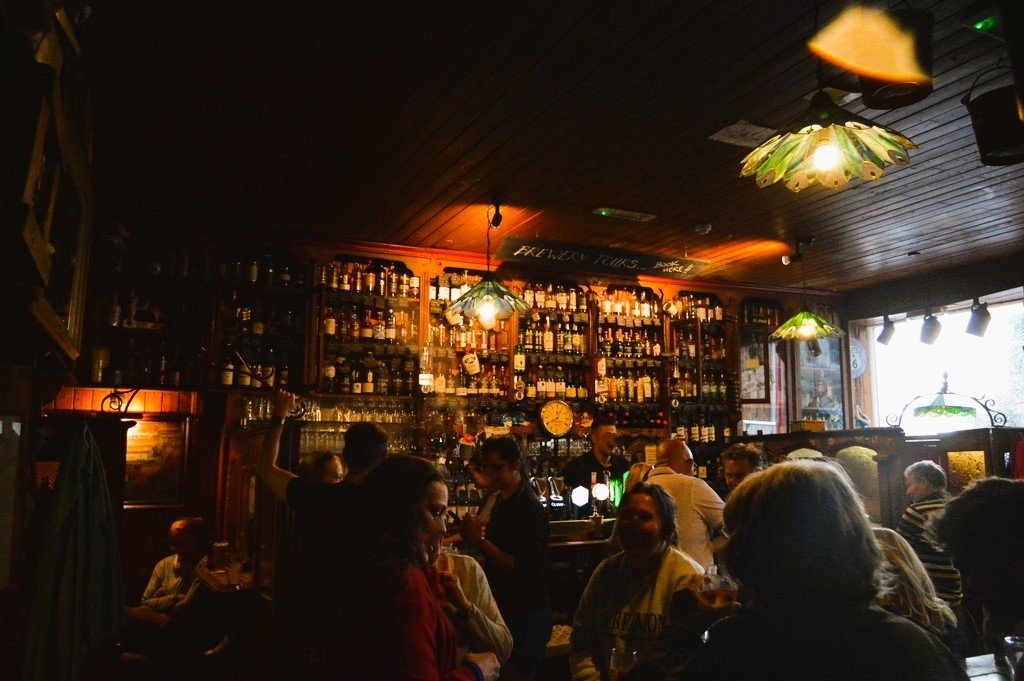
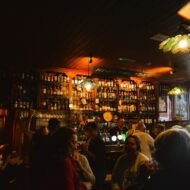
Dingle is part of the Gaeltacht – Irish-speaking region – so you’ll hear Irish in shops and pubs. Don’t worry, everyone speaks English too. The town hosts traditional music sessions (seisiúns) nightly. Wander into any pub after 9pm and you’ll likely catch local musicians playing fiddles, tin whistles, and bodhráns.
The Dingle Peninsula is also thick with ancient history – over 2,000 archaeological sites including stone forts, beehive huts, and standing stones. Combine food touring with history touring: visit the Gallarus Oratory (12th-century stone church), then reward yourself with lunch.
Accommodation Guide
• Budget-Friendly (€50-80/night): The Hideout Hostel – private rooms available, walking distance to everything. Or Ballintaggart Hostel in a former hunting lodge.
• Mid-Range (€100-150/night): Benners Hotel – historic coaching inn in town center. Or Emlagh House with mountain views and exceptional breakfast.
• Luxury (€180-350/night): Pax House – boutique guesthouse with designer interiors. Or The Lighthouse Keeper’s House at the Great Blasket Island (April-September only, seriously remote).
Shopping & Crafts
Dingle has a thriving artisan scene. Louis Mulcahy Pottery (15 minutes west) creates stunning handmade ceramics – tableware, sculptures, everything. In town, hit up The Weavers for Irish woolens, Greenlane Gallery for local art, and Lisbeth Mulcahy for designer knitwear. The Friday market (summer months) features local produce, baked goods, and crafts.
Annual Events
• Dingle Food Festival (October): Weekend-long celebration with cooking demos, foraging walks, artisan markets, and special restaurant menus.
• Other Half Festival (May): Craft beer festival featuring Irish microbreweries.
• Dingle Regatta (August): Traditional boat races, street party, fireworks.
Money Matters
• Daily spend: €70-200 depending on comfort level • Many places cash-only (carry euros) • Distillery tour: €15 • Boat trips: €30-50 • Bike rental: €20/day (best way to explore)
3. Clonakilty, County Cork: Where Black Pudding is Basically Religion
The Town That Put Blood Sausage on the Map
If Kinsale is Cork’s gourmet showpiece, Clonakilty (“Clon” to locals) is its soul kitchen. This colorful market town of 4,500 people has become synonymous with one thing: Clonakilty Black Pudding. But reducing Clon to blood sausage would be like reducing Paris to baguettes – technically accurate but missing the full picture.
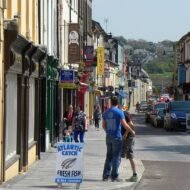
The town’s food reputation rests on a trifecta: legendary butchers, a thriving farmers market that’s been running since 2004, and a new generation of chefs who grew up watching their grandmothers cook. Walk down Pearse Street on a Saturday morning and you’ll understand – the smell of fresh-baked bread mingles with artisan coffee, buskers play traditional music, and locals queue up at their favorite stalls like it’s a weekly ritual. Which, honestly, it is.
Signature Foods
• Clonakilty Black Pudding: The legend. Made by Edward Twomey since 1880 using a secret family recipe. You’ll find it on breakfast plates across Ireland, but taste it here first – ideally at Deasy’s Harbour Bar with a full Irish breakfast (€12-15). The texture is softer, spicier, and more complex than typical blood pudding.
• Clonakilty Blackbird Whiskey: New distillery making waves. Their single malt is finished in apple brandy casks for a unique sweetness. Tours €15, tasting €25.
• Organic Farm-to-Table at An Súgán: Chef Liam Edwards sources from farms you can see from the restaurant windows. The menu changes daily. Could be wild venison, could be line-caught sea bass. Always incredible. €28-40 per main.
• Lettercollum Kitchen Project: This bakery-deli is famous among Irish food nerds. Sourdough fermented for 48 hours, house-cured meats, gorgeous salads. Perfect lunch spot. €10-16.
• Fish & Chips at The Atlantic Fish Bar: Done the old-school way. Thick-cut chips, crispy batter, and whatever fish came in that day. €9-13.
Beyond the Food: Culture & History
Clonakilty is Michael Collins territory – the revolutionary leader was born just outside town. His memory is everywhere: statues, museums, murals. The Michael Collins House and Museum tells his story (and Ireland’s fight for independence) beautifully. Entry €7.
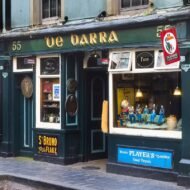
The town also has a vibrant music scene. Any given night, you’ll find traditional sessions at O’Donovan’s, De Barra’s Folk Club (which has hosted legends like Elvis Costello and John Martyn), or An Teach Beag. Summer brings the Clonakilty Guitar Festival – three days of workshops and concerts.
Where to Stay
• Budget (€60-90/night): Clonakilty Park Hotel – modern, clean, central. Or Desert House B&B for family-run hospitality.
• Mid-Range (€110-160/night): The Old Brewery – boutique townhouse with contemporary Irish design. Or Fernhill House, an elegant country house 5km from town.
• Splurge (€200+/night): Inchydoney Island Lodge & Spa – beachfront luxury with an award-winning spa and restaurant. Waves crash literally beneath your window.
Shopping Scene
The Saturday Farmers Market (9am-2pm) is non-negotiable. You’ll find: Fingal Ferguson’s legendary artisan salami (his Gubbeen cheese is exported worldwide), fresh oysters from local producers, Arbutus Bread, organic vegetables, handmade soaps, and more. Stock up for picnics or grab breakfast from the hot food stalls.
For crafts: Clonakilty Pottery makes beautiful ceramic tableware, and Fuschia Crafts sells Irish-made woolens, jewelry, and art. The Vintage Shop is perfect for secondhand treasures and retro Irish memorabilia.
Festival Calendar
• Clonakilty International Guitar Festival (September): Workshops, concerts, jam sessions. World-class musicians in intimate venues.
• Waterfront Marathon (April): If running’s your thing. Post-race food is exceptional – local restaurants go all out.
• Agricultural Show (August): Traditional county fair with livestock competitions, food stalls, and pure rural Irish culture.
Budget Guide
• Daily budget: €70-180 • Market picnic: €15-25 (incredible value) • Pub meal: €12-20 • Restaurant dinner: €30-50 • Distillery tour: €15 MORE READ..
4. Galway’s Westend: Small Neighborhood, Massive Food Scene
Why This Quarter of Galway Deserves Its Own Section
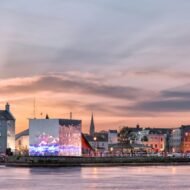
Okay, technically Galway (population 80,000) isn’t a small town. But Galway’s Westend – the area around Quay Street, Shop Street, and the Latin Quarter – operates like a village within a city. These medieval streets, barely wide enough for cars, pack more character and more exceptional restaurants per square foot than anywhere else in Ireland.
The Westend is where Galway’s food culture thrives: fishmongers selling oysters for €1 each, street performers playing traditional music, students spilling out of pubs, and chefs who’ve trained in Michelin kitchens now running tiny 20-seat restaurants. The vibe is bohemian, creative, and unapologetically Irish. As locals say, “Galway is the San Francisco of Ireland” – artsy, LGBTQ+-friendly, and proud of its outsider status.
Food Highlights
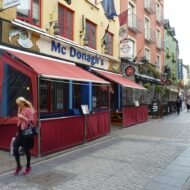
• Oysters at McDonagh’s: This fish-and-chips joint has been family-run since 1902. But the real move? Skip the chips and order a half-dozen Galway Bay oysters (€12). They’re served fresh from Clarinbridge, about 15 minutes south. Slurp them at the bar with a Guinness.
• Tasting Menu at Ard Bia: Overlooking the River Corrib in the Spanish Arch area. Chef Aoibheann McNamara uses Middle Eastern spices on Irish ingredients – think lamb with harissa, mackerel with za’atar. Brunch is legendary. €15-28 per dish.
• Aniar (Michelin Star): Chef JP McMahon’s flagship. Hyper-local, hyper-seasonal, hyper-creative. The tasting menu changes constantly but might include foraged seaweed, wild venison, raw scallops with sea herbs. Book months ahead. €95-120.
• Brown Bread Ice Cream at Murphy’s: Yes, ice cream flavored with toasted brown bread. Yes, it’s amazing. €4-5. The shop has been making it since the 1980s.
• Kai Café: Tiny spot, organic everything, vegetarian-friendly. The crab claws in garlic butter are famous. Weekend brunch requires patience (expect a wait) but it’s worth it. €12-22.
Cultural Immersion in the Westend
Galway is a Gaeltacht city – Irish language is alive here. You’ll see bilingual signs everywhere. The city is also famously artsy and alternative. Street performers (“buskers”) need licenses from the city council, which means quality is high. Ed Sheeran famously busked on Shop Street before becoming famous.
The Claddagh ring – the iconic Irish symbol of love, friendship, and loyalty – originated in Galway. You can watch jewelers craft them at Thomas Dillon’s, the oldest Claddagh ring makers (since 1750).
Quick History Note: The Spanish Arch was built in 1584 to protect ships unloading Spanish wine and goods. Galway had strong trade ties with Spain (hence the “Spanish Arch” name), and you’ll still see that Mediterranean influence in the architecture.
Accommodation Options
• Budget (€40-80/night): Sleepzone Hostel Galway – private rooms available, right in the Westend. Or Kinlay Hostel in Eyre Square.
• Mid-Range (€100-180/night): The House Hotel – boutique property on the Spanish Arch. Or Park House Hotel, a Georgian mansion converted to modern luxury.
• Luxury (€200-350/night): The g Hotel – ultra-modern design by milliner Philip Treacy. Or The Hardiman, Galway’s historic grand hotel.
Markets & Shopping
Galway Market (Saturdays and Sundays, year-round) fills Church Lane with artisan food, vintage clothes, handmade jewelry, and crafts. It’s been running since medieval times.
For Irish design: Ó Máille (traditional Aran sweaters since 1938), Thomas Dillon’s (Claddagh rings), and Twice as Nice (designer consignment). Charlie Byrne’s Bookshop is a labyrinthine three-story treasure trove of new and used books.
Events & Festivals
• Galway International Oyster & Seafood Festival (September): The oldest oyster festival in the world (since 1954). Oyster shucking competitions, chef demos, seafood trails, and copious amounts of Guinness.
• Galway International Arts Festival (July): Two weeks of theater, music, visual arts, and street performances. The city goes wild.
• Galway Film Fleadh (July): Major international film festival. Premieres, Q&As, industry events.
Money Talk
• Daily budget: €80-200 • Oysters: €1-2 each at markets, €12-18/half-dozen at restaurants • Casual dining: €12-25 • Fine dining: €35-120 • Pint: €5.50-6.50 • Free: Street performers, waterfront walks, window shopping
5. Carlingford, County Louth: The Medieval Village with Oysters and Vikings
Ireland’s Best-Kept Culinary Secret
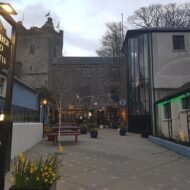
Tucked against the Cooley Mountains on the shores of Carlingford Lough, this medieval village looks like it fell out of a Game of Thrones episode. Stone cottages, a Norman castle, winding streets barely wide enough for a donkey cart – Carlingford (pop. 1,200) is absurdly picturesque. But here’s what most visitors don’t realize: those cold, clean waters of the lough produce some of Ireland’s finest oysters.
Carlingford oysters have Protected Geographical Indication (PGI) status, like Champagne or Parmigiano-Reggiano. The lough’s unique mix of fresh and saltwater creates plump, sweet oysters with a distinctive clean finish. Local restaurants serve them fresh from family-run oyster farms, some of which have been operating for generations.
Signature Dishes & Experiences
• Oyster Trail Experience: Multiple restaurants participate. Start at PJ O’Hare’s with a half-dozen Carlingford oysters (€14), move to The Oystercatcher for oyster chowder (€10), finish at Ghan House for oysters Rockefeller (€16). Day-pass oyster trail tickets available during the festival.
• Lobster at The Kingfisher: This bistro has won awards for its seafood. The lobster comes straight from the lough, served simply with garlic butter. €38-45. Book ahead, especially weekends.
• Tasting Menu at Ghan House: Fine dining in a Georgian manor house. Chef uses the estate’s own kitchen garden plus local seafood. Five courses, €70. The wine list is exceptional.
• Carlingford Brewing Company: Small-batch craft beers. Try their Cooley Red Ale or Oyster Stout (yes, brewed with actual oysters). Tours available. €8-12 for tasting flight.
• Traditional Pub Grub at PJ O’Hare’s: This family pub has been serving since 1900. Their seafood pie is legendary – fish, prawns, mussels in creamy sauce under puff pastry. €16-20.
Medieval History Meets Modern Food
Carlingford’s medieval past is everywhere. King John’s Castle (built 1210) looms over the harbor. Taaffe’s Castle, The Mint, and Tholsel are all preserved from the 13th-14th centuries. The village was a major port in medieval times, trading with England and continental Europe.
Local legend says the mountains are home to Fionn mac Cumhaill (Finn McCool) – the same giant credited with building the Giant’s Causeway in Northern Ireland. The Táin Trail walking route follows the path of the legendary cattle raid from Irish mythology.
Viking Connection: The name “Carlingford” comes from the Old Norse “Kerlingfjörður” (meaning “narrow sea-inlet of the hag”). Vikings settled here in the 9th century and established it as a trading port.
Where to Stay
• Budget (€70-100/night): Carlingford Adventure Centre – hostel-style but private rooms available. Or Beaufort House B&B overlooking the lough.
• Mid-Range (€120-180/night): The Four Seasons Hotel – modern comfort in a historic village setting. Or McKevitt’s Village Hotel, family-run for 50+ years.
• Luxury (€200-300/night): Ghan House – country house hotel with award-winning restaurant, spa treatments, and cooking classes. Or The Carrickdale Hotel outside town with mountain views.
Local Shopping
Small but quality. The Village Craft Shop sells Irish pottery, woolens, and jewelry. Carlingford Heritage Centre has books on local history and culture. For food: buy fresh oysters directly from oyster farms to take home (they’ll pack them for travel), or stock up on artisan preserves and smoked fish.
Can’t-Miss Events
• Carlingford Oyster Festival (August): Three-day celebration. Oyster shucking championships, seafood cooking demos, street food, live music. The whole village participates.
• Medieval Festival (August): Knights in armor, falconry displays, medieval markets. Surprisingly authentic and fun.
• Carlingford Lough Food Trail (year-round): Self-guided trail connecting restaurants and producers around the lough. Pick up the map at the Heritage Centre.
Budget Planning
• Daily budget: €70-180 • Oysters: €14-18/half-dozen • Pub meal: €14-22 • Fine dining: €40-70 • Castle visits: free (exterior viewing) • Guided heritage walks: €10-15 • Adventure activities (kayaking, zip-lining): €30-60
Getting There: Airports, Connectivity & Transport
Nearest Major Airports
• Cork Airport (ORK): Best for Kinsale (25km, 30 min), Clonakilty (55km, 50 min). International flights from Europe and UK. Direct buses to both towns, or rent a car (€30-50/day).
• Shannon Airport (SNN): Best for Dingle (140km, 2 hrs) and Galway (90km, 1 hr). US direct flights available. Car rental essential for Dingle; bus to Galway city (€8-12).
• Dublin Airport (DUB): Largest international hub. Works for Carlingford (100km, 1.5 hrs). Trains to Dundalk then local bus/taxi to Carlingford. Or rent a car and road trip.
Getting Around
• Car Rental: Most flexible option. Roads are narrow and winding – drive defensively. Automatic transmission costs extra. Book ahead in summer. Budget €250-400/week.
• Bus Éireann: National bus network connects major towns. Infrequent service to smaller villages. Check schedules carefully.
• Train: Irish Rail serves Cork, Galway, and Dundalk (for Carlingford). Scenic routes along the coast.
• Bike Rental: Perfect for exploring within each town. €20-25/day. Dingle and Galway have great bike paths.
• Taxis/Rideshare: Uber doesn’t operate outside Dublin. Use FreeNow app or local taxi companies. Rural areas may have limited availability.
Sample Itineraries
3-Day Southern Foodie Loop (Cork Focus):
• Day 1: Fly into Cork → Kinsale. Lunch at Fishy Fishy, explore Charles Fort, dinner at Bastion. Stay overnight.
• Day 2: Drive to Clonakilty (45 min). Saturday Farmers Market, lunch at Lettercollum, Blackbird Distillery tour, dinner at An Súgán. Stay overnight.
• Day 3: Return to Cork. Visit English Market, fly home.
5-Day Wild Atlantic Way Adventure:
• Day 1: Shannon Airport → Dingle. Settle in, casual dinner, traditional music session.
• Day 2: Full Dingle day. Slea Head Drive, distillery tour, dinner at Out of the Blue.
• Day 3: Drive to Galway (2.5 hrs). Stop at Cliffs of Moher en route. Afternoon in Galway Westend, evening oysters and music.
• Day 4: Full Galway day. Market, Aran Islands day trip (optional), dinner at Aniar.
• Day 5: Shannon departure or continue to Carlingford (5 hrs drive).
7-Day Complete Circuit:
• Days 1-2: Kinsale + Clonakilty (Cork base) • Days 3-4: Dingle • Days 5-6: Galway • Day 7: Carlingford (overnight near Dublin Airport for departure)
Sustainable & Ethical Travel Tips
• Support Local: Prioritize family-run B&Bs, independent restaurants, farmers markets. Chains are rare in these towns anyway.
• Sustainable Seafood: Ask if fish is line-caught or sustainably farmed. Most restaurants in these towns are transparent about sourcing.
• Reduce Car Use: Once you’re in town, walk or bike. All five towns are compact and pedestrian-friendly.
• Respect Nature: Stay on marked trails, don’t disturb wildlife. The Irish countryside is working farmland – close gates, respect private property.
• Avoid Over-Tourism: Visit in shoulder seasons (April-May, September-October) for better weather than you’d expect and fewer crowds.
• Leave No Trace: Pack out all trash. Irish beaches and trails rely on community upkeep.
Safety & Practical Considerations
• Crime: Ireland is very safe. Petty theft in tourist areas is the main concern. Lock valuables in your car trunk, watch bags in crowded pubs.
• Weather: “Four seasons in one day” is real. Layered clothing essential. Rain jacket mandatory. Summer temps: 15-20°C (59-68°F). Winter: 5-10°C (41-50°F).
• Driving: Left-side driving. Narrow roads, stone walls, sheep. Take it slow. Speed limits in km/h (not mph).
• Language: English spoken everywhere. Irish (Gaelic) used in Gaeltacht areas but everyone is bilingual.
• Tipping: 10-15% in restaurants if service isn’t included. Round up in taxis. €1-2 per drink for bartenders is appreciated but not expected.
• Health: EU citizens can use European Health Insurance Card. Others should get travel insurance. Pharmacies widely available.
• Accessibility: Historic towns have cobblestones and uneven surfaces. Newer hotels are accessible; older B&Bs may have stairs. Call ahead to confirm.
• LGBTQ+ Travelers: Ireland is very LGBTQ+-friendly, especially Galway. Same-sex marriage legal since 2015. Rainbow flags common in cities and towns.
Money-Saving Hacks
• Book B&Bs directly (not through booking sites) – often get better rates and breakfast is always included. • Lunch is the deal meal – many restaurants offer early bird or lunch menus at 40% less than dinner prices. • Shop at farmers markets for picnic supplies instead of eating every meal out. • Bring a reusable water bottle – tap water is excellent and free. • Skip the tours; these towns are small enough to explore on your own with a map. • Visit in May or September for lower accommodation prices and good weather.
Perfect Combo Trips (Because You’re Already in Ireland)
Day Trips from Each Town
From Kinsale: • Cork City (30 min) – English Market, Crawford Art Gallery, Jameson Distillery • Blarney Castle (45 min) – Kiss the stone, explore gardens • Cobh (40 min) – Titanic’s last port, colorful houses, maritime history
From Dingle: • Slea Head Drive – Ancient beehive huts, dramatic cliffs, Blasket Islands views • Connor Pass – Ireland’s highest mountain pass, breathtaking scenery • Inch Beach – 5km sandy beach, surfing
From Clonakilty: • Drombeg Stone Circle (15 min) – Ancient stone circle, winter solstice alignment • Inchydoney Beach – Blue Flag beach, surfing, cliff walks • Timoleague Abbey – 13th-century Franciscan friary ruins
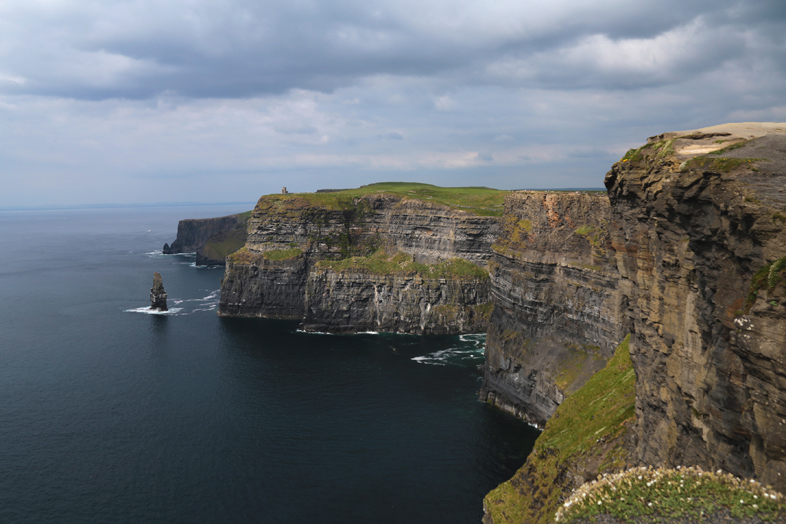
From Galway: • Aran Islands – Traditional Irish culture, ancient forts, stunning landscapes (ferry €25-45) • Cliffs of Moher (1.5 hrs) – 700-foot cliffs, visitor center (€8) • Connemara National Park – Wild landscapes, hiking, bog walks
From Carlingford: • Cooley Peninsula Drive – Scenic coastal route, mountains • Newgrange (45 min) – 5,000-year-old passage tomb, older than Stonehenge (book ahead) • Belfast (1 hr) – Titanic Museum, street art, political murals
Why These Towns Beat the Tourist Trail (Final Thoughts)
Ireland’s best food isn’t hiding in fancy Dublin restaurants or trendy Belfast gastropubs. It’s in harbor-side villages where the chef knows the fisherman’s name. It’s in family butcher shops perfecting recipes for 140 years. It’s in tiny restaurants with 15 tables and Michelin stars. It’s in pubs where locals have been gathering for generations, and newcomers are always welcome.
These five towns – Kinsale, Dingle, Clonakilty, Galway’s Westend, and Carlingford – represent what makes Irish food culture special: connection to place, respect for ingredients, and genuine hospitality. The landscapes are stunning, the history is rich, and the people are warm. But it’s the food that brings it all together.
You don’t need a massive budget or months of planning. Pick one town or visit all five. Eat oysters straight from the lough. Order the black pudding. Try the wild Atlantic salmon. Have the whiskey. Listen to the music. Talk to locals. And for heaven’s sake, don’t fill up on bread before the main course arrives.
This is Ireland at its most authentic, most delicious, and most alive. The only question is: which town will you visit first?
Disclaimer
Information Accuracy: All prices, restaurant details, accommodation options, and travel information were accurate at time of writing (February 2026). Restaurants close, hotels renovate, prices change, and events get rescheduled. Always verify details directly before traveling – call ahead for reservations, check current pricing, and confirm opening hours, especially in off-season months (November-March).
Health & Safety: While Ireland is generally very safe, travelers are responsible for their own wellbeing. This includes: appropriate travel insurance, understanding dietary restrictions when ordering food, driving cautiously on narrow rural roads, and being aware of weather conditions when planning outdoor activities. If you have severe food allergies, always inform restaurant staff – most Irish establishments take allergies seriously and will accommodate.
Personal Recommendations: Restaurant and accommodation suggestions are based on reputation, awards, and general consensus within Ireland’s food community. Your experience may vary. Taste is subjective, and service quality can fluctuate. Read recent reviews, ask locals for current recommendations, and remember that everywhere has off days.
Alcohol & Responsible Tourism: Irish pub culture is integral to the experience, but drink responsibly. Never drink and drive – taxis, designated drivers, or staying within walking distance of your accommodation are essential. Irish drink-driving laws are strict and penalties severe.
Sustainability Claims: While many restaurants and producers mentioned prioritize sustainable practices, we recommend verifying specific sustainability certifications yourself if this is important to your travel choices. Terms like ‘local’ and ‘sustainable’ can mean different things to different businesses.
Not Professional Advice: This guide provides general travel information and suggestions. It is not professional medical, legal, or financial advice. Consult appropriate professionals regarding visa requirements, health precautions, travel insurance, or any concerns specific to your situation.
Enjoy Your Trip: Above all, this guide is meant to inspire exploration and culinary adventure. Ireland’s small-town food scene is extraordinary, and these destinations offer authentic experiences that will create lasting memories. Go with an open mind, an empty stomach, and a full heart. Sláinte!