


The Galapagos National Park is like no other place on Earth. Sitting nearly 1,000 kilometers off the coast of Ecuador, this unique archipelago is a haven of untouched natural beauty and rare wildlife. From giant tortoises to blue-footed boobies, the Galapagos are famously home to animals and plants that exist nowhere else. This national park spans 97% of the islands’ land area, with the remaining 3% inhabited by people. Whether you’re a wildlife enthusiast, a snorkeler, or just someone in awe of nature’s wonders, the Galapagos National Park offers a once-in-a-lifetime adventure that immerses you in the incredible biodiversity of the islands. Ready to explore?
Declared a national park in 1959 and a UNESCO World Heritage Site in 1978, Galapagos National Park was established to protect one of the world’s most unique ecosystems. The islands’ isolation and varying environments—spanning volcanic landscapes, dry coastal regions, and lush highlands—make them an “evolutionary laboratory.” The famous naturalist Charles Darwin visited in 1835, and his observations of species here helped lay the foundation for his theory of evolution by natural selection.
Today, the park is meticulously protected and regulated to preserve its natural balance. This includes controlling the number of visitors, enforcing strict rules, and working to prevent the spread of invasive species. The Galapagos Islands are often described as a “living museum” where scientists, conservationists, and eco-conscious travelers alike can witness species and ecosystems much as they existed thousands of years ago. With so much beauty and fragility in one place, the park is a testament to nature’s power and the importance of conservation.
Galapagos National Park Attractions
The Galapagos Islands offer stunning sights, each with its unique appeal:
- Charles Darwin Research Station: Located on Santa Cruz Island, this research facility and tortoise breeding center allows visitors to learn more about conservation efforts and even see giant tortoises up close.
- Tortuga Bay: A beautiful beach on Santa Cruz known for its turquoise waters and a great spot to see marine iguanas and sea turtles.
- Sierra Negra Volcano: Situated on Isabela Island, this active volcano offers breathtaking hikes with views over its massive caldera.
- Las Tintoreras Islet: Off the coast of Isabela Island, this small islet is home to white-tipped reef sharks, blue-footed boobies, and playful sea lions.
- Bartolomé Island: Known for its stunning Pinnacle Rock and snorkeling with penguins and tropical fish.
Galapagos National Park Wildlife
Galapagos National Park is teeming with species that you won’t find anywhere else on the planet:
- Giant Tortoises: The park’s iconic species, these ancient tortoises can live over 100 years and weigh up to 500 pounds.
- Marine Iguanas: The only sea-swimming lizard in the world, these iguanas dive into the ocean to feed on algae.
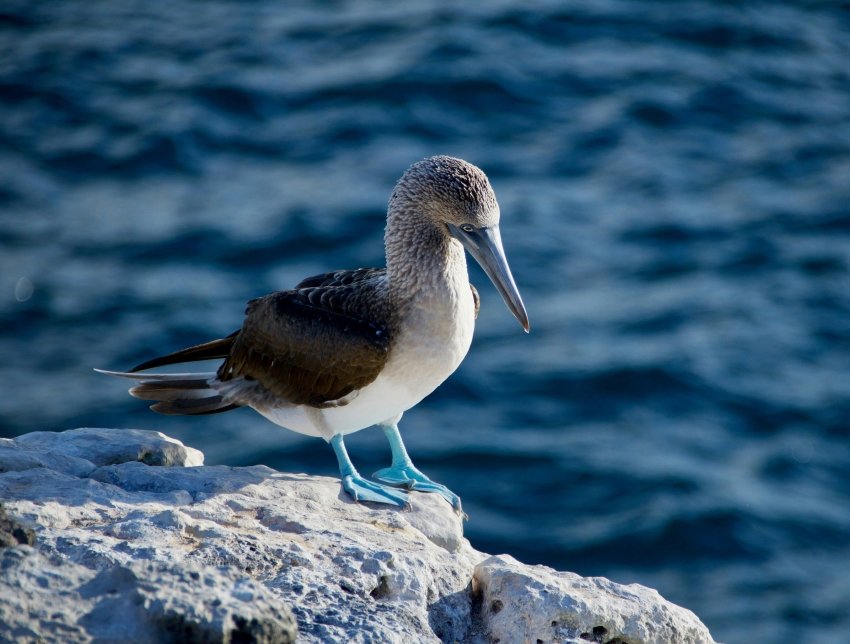
- Blue-footed Boobies: Known for their colorful feet and funny mating dances, these birds are a fan favorite.
- Galapagos Penguins: The only penguin species found north of the equator, these small penguins are a delight to spot.
- Flightless Cormorants: Unique to the islands, these birds have adapted to life in the water, with wings too small to fly.
Galapagos National Park Activities
There’s no shortage of amazing experiences to be had in Galapagos National Park:
- Snorkeling & Diving: The underwater world here is as fascinating as the land, with options to see rays, sea turtles, sharks, and colorful fish.
- Hiking: Each island has its unique landscapes, with trails that take you through lava fields, volcanic craters, and lush highlands.
- Wildlife Watching: Get up close to unique animals like sea lions, boobies, and giant tortoises, all in their natural habitat.
- Kayaking: Paddle along the coasts for a chance to see marine life up close and explore hidden coves.
- Photography: With so many incredible landscapes and wildlife, the Galapagos is a paradise for photographers.
Galapagos National Park Best Time to Visit
The Galapagos Islands can be visited year-round, but different seasons bring different experiences:
- Warm Season (December–May): This season brings warmer weather and calm seas, ideal for snorkeling, diving, and beach days. Expect clear skies and lush landscapes.
- Cool Season (June–November): The water is cooler but offers prime conditions for seeing larger marine species, like whale sharks. The Humboldt Current brings nutrient-rich waters, attracting diverse marine life.
Galapagos National Park Practical Information
- Park Entry: There’s a mandatory entry fee for visitors, which helps fund conservation efforts and supports local communities.
- Guided Tours: Many areas of the park can only be visited with a licensed guide, ensuring that the impact on wildlife and ecosystems is minimized.
- Facilities: The inhabited islands have a range of accommodations and dining options, but many areas of the park are undeveloped and only accessible by boat.
[put_wpgm id=306]
Galapagos National Park Getting There
The Galapagos Islands are accessible by air, with flights available from Ecuador’s main cities, Quito and Guayaquil, to either Baltra Island or San Cristóbal Island. From there, most visitors join organized tours or cruises, which are the best ways to explore multiple islands. Within the islands, boats and ferries are commonly used to get between destinations, and you can also find day tours departing from the inhabited islands like Santa Cruz and San Cristóbal.
Galapagos National Park Nearby Attractions
If you’re traveling to the Galapagos, consider adding these nearby spots to your Ecuador itinerary:
- Quito: Ecuador’s capital is known for its beautifully preserved colonial architecture and rich cultural history.
- Amazon Rainforest: Head to eastern Ecuador for a completely different adventure, exploring one of the most biodiverse regions in the world.
- Otavalo Market: North of Quito, this vibrant indigenous market is perfect for picking up handmade crafts and textiles.
- Baños: A small town known for its hot springs, waterfalls, and adventure sports.
Final Thoughts
Visiting Galapagos National Park is like stepping into a world frozen in time, where animals roam freely, and nature’s wonders unfold at every turn. With its extraordinary wildlife, pristine landscapes, and dedication to conservation, the park is a truly inspiring destination. Whether you’re snorkeling with sea lions, hiking up volcanic craters, or simply marveling at the incredible biodiversity, the Galapagos offers a transformative travel experience that stays with you long after you leave. So pack your bags, charge your camera, and get ready for a journey into the heart of nature’s living laboratory!