



TL;DR: Görlitz is a jaw-dropping medieval town on Germany’s Polish border that’s so picturesque, it doubles as a movie set for major Hollywood films. Think untouched Gothic architecture, zero WWII damage, incredible Polish-German culture blend, and prices that won’t demolish your travel budget.
- Why Görlitz Should Be on Your Radar
- Getting There and Getting Around
- Where to Stay: From Budget to Boutique
- Must-See Attractions and Hidden Gems
- Görlitz Old Town Market Square
- St. Peter and Paul Church
- Untermarkt Square
- Synagogue and Mikvah
- Zgorzelec (Polish Side)
- Film Location Tours
- Food Scene: Where Tradition Meets Innovation
- Shopping and Local Culture
- Day Trips and Nearby Attractions
- Practical Travel Tips
- Budget Breakdown
- Why Görlitz Works for Every Traveler
- Final Thoughts
Tucked away in eastern Saxony right on the Polish border, Görlitz might just be Germany’s best-kept secret. This isn’t your typical tourist trap – it’s a living, breathing medieval masterpiece that somehow survived WWII completely intact, making it one of Europe’s most authentic historical experiences.
Why Görlitz Should Be on Your Radar
You’ve probably seen Görlitz without even knowing it. This stunning town has starred in major films like “The Grand Budapest Hotel,” “Inglourious Basterds,” and “The Reader.” Why? Because finding authentic European architecture elsewhere is nearly impossible – most cities were rebuilt after the war. Görlitz wasn’t touched.
The result? A 4,000-building historical ensemble that spans 500 years of architectural evolution, from Gothic and Renaissance to Baroque and Art Nouveau. Walking through Görlitz feels like time travel, except with great coffee shops and reliable WiFi.
Getting There and Getting Around
Coordinates: 51°09′10″N 14°59′14″E
By Train: Direct connections from Dresden (1 hour), Berlin (2.5 hours), and Prague (3 hours). The regional trains are comfortable and surprisingly affordable – book through Deutsche Bahn for best prices.
By Car: Easy access via A4 autobahn. Parking in the old town costs around €1-2 per hour, with several affordable lots just outside the historic center.
Getting Around: Forget the car once you arrive. Görlitz’s old town is compact and entirely walkable. The real magic happens on foot anyway – you’ll want to stop constantly for photos.
Where to Stay: From Budget to Boutique
Budget Travelers (€30-60/night): Pension Am Stadtpark offers clean, comfortable rooms just minutes from the old town. Hotel Börse provides great value right in the historic center.
Mid-Range (€60-120/night): Sorell Hotel Görlitz delivers modern comfort in a beautifully restored building. Hotel Tuchmacher sits directly on the market square – perfect for early morning photography sessions before the crowds arrive.
Luxury (€120+/night): Romantik Hotel Tuchmacher occupies a gorgeous Renaissance building with period details and contemporary amenities. For something unique, try the historic Villa Marstall with its incredible garden setting.
Must-See Attractions and Hidden Gems
Görlitz Old Town Market Square
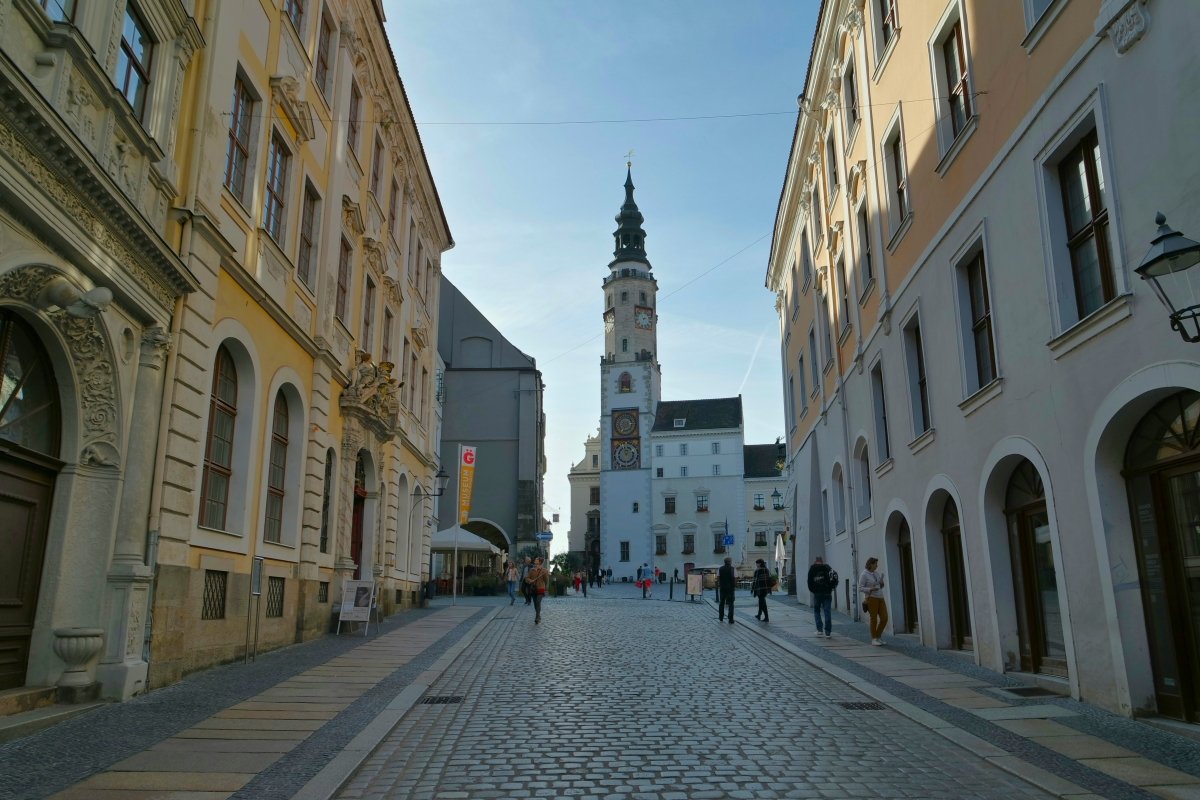
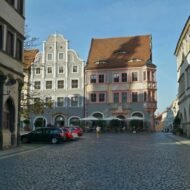
The heart of everything, surrounded by merchant houses that showcase centuries of architectural styles. Visit early morning or late afternoon for the best lighting – Instagram gold guaranteed.
St. Peter and Paul Church
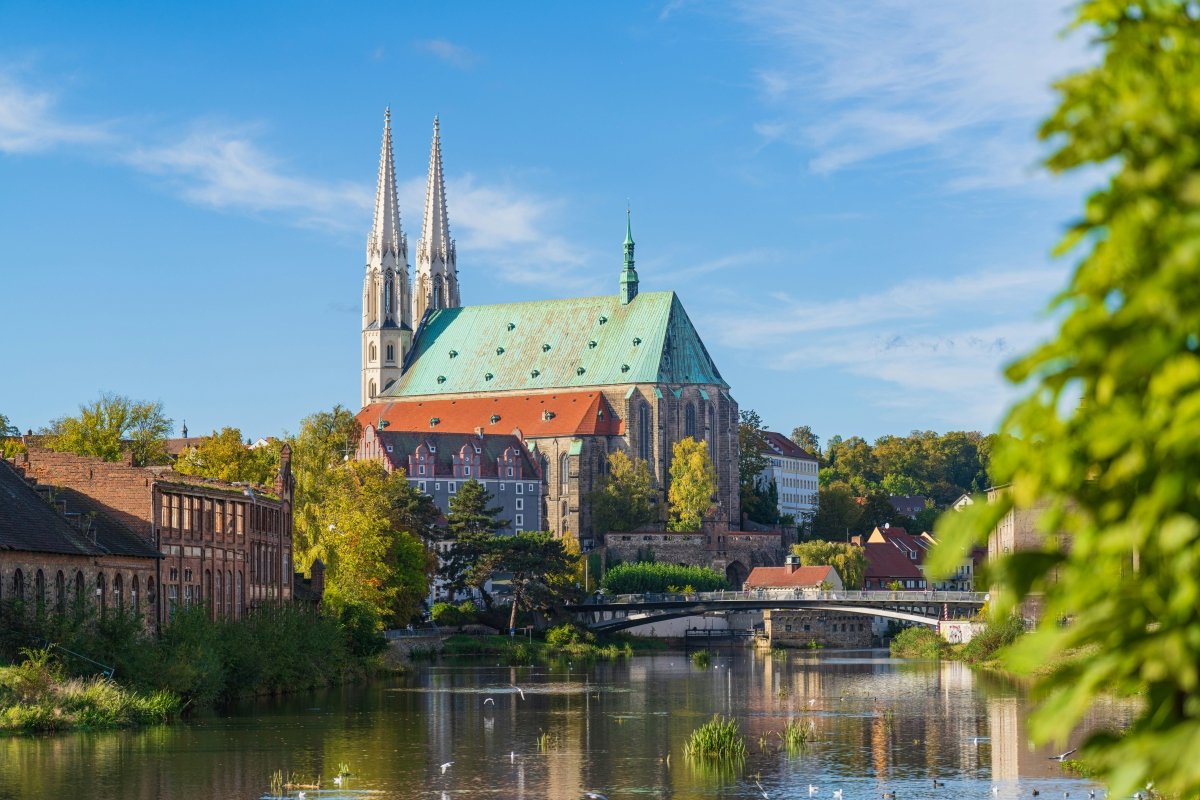
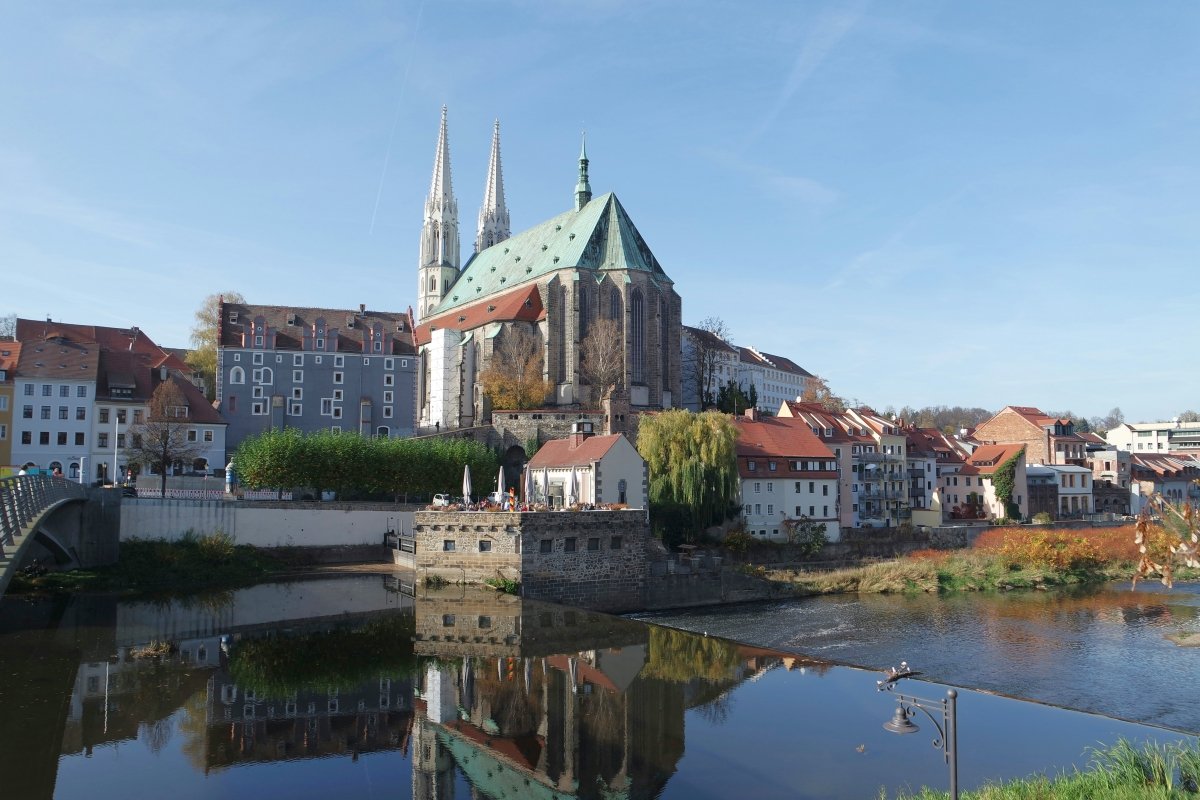
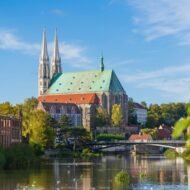
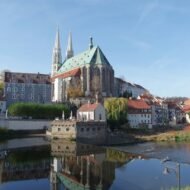
Climb the tower for panoramic views across the Neisse River into Poland. The Gothic interior is breathtaking, and the acoustics during evening concerts are phenomenal.
Untermarkt Square
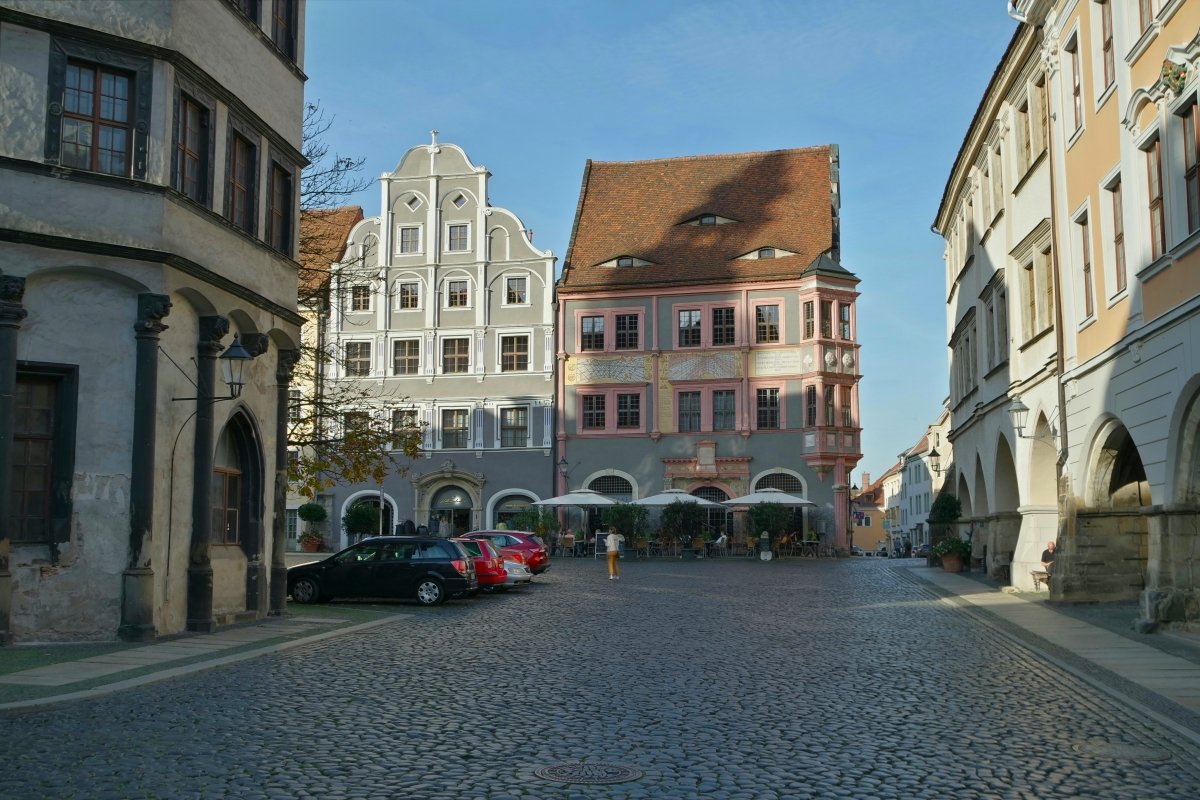
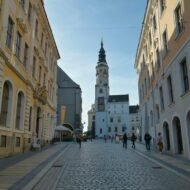
Often called one of Germany’s most beautiful squares, and honestly, it’s hard to argue. The Renaissance town hall and surrounding baroque facades create an almost surreal perfection.
Synagogue and Mikvah
Home to one of Europe’s oldest preserved Jewish ritual baths. The exhibits thoughtfully explore Görlitz’s Jewish history and provide important historical context.
Zgorzelec (Polish Side)
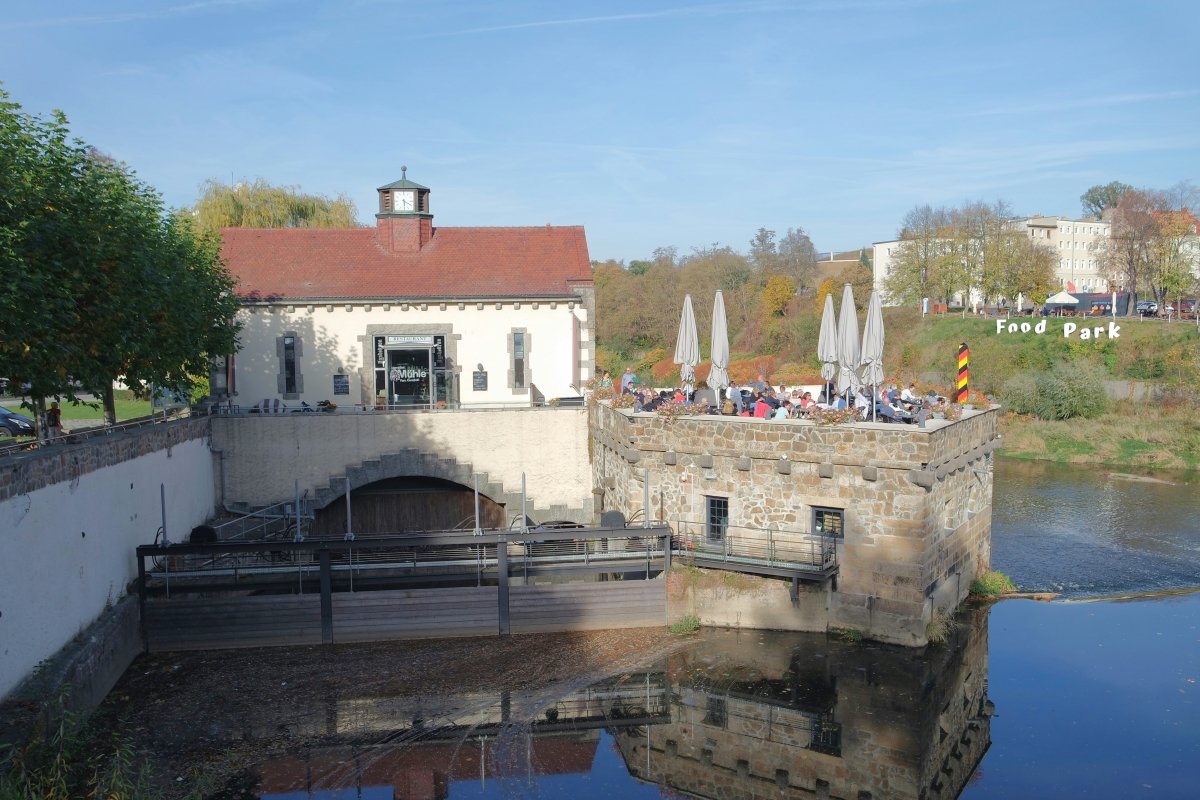
Walk across the Neisse River bridge and you’re literally in another country. Grab lunch in Poland for half the price, then walk back to Germany for dinner. EU membership makes this seamless.
Film Location Tours
Self-guided tours hit major movie locations. The Warenhaus department store (featured in “The Grand Budapest Hotel”) is particularly spectacular.
Food Scene: Where Tradition Meets Innovation
Traditional Saxon Cuisine: Restaurant Schlesischer Hof serves authentic regional dishes. Try the Sauerbraten (marinated roast beef) or local game dishes.
Modern German: Destille Restaurant combines local ingredients with contemporary techniques. Their seasonal menus highlight the best of Saxon and Silesian traditions.
Polish Influence: Cross into Zgorzelec for authentic Polish pierogi and kielbasa at fraction of German prices. Restaurant Stylowa offers excellent traditional Polish cuisine.
Coffee Culture: Café Central roasts their own beans and creates the perfect afternoon break spot. The historic setting adds to the experience.
Local Breweries: Landskron Brewery offers tours and tastings. Their pilsner pairs perfectly with hearty German fare.
Shopping and Local Culture
The old town boutiques offer everything from handcrafted items to designer goods. Local artisans specialize in traditional German Christmas decorations – even outside December, these make fantastic souvenirs.
Visit the weekly farmers market for regional specialties. Local honey, artisanal cheeses, and seasonal produce provide authentic tastes of the region.
Day Trips and Nearby Attractions
Bautzen (30 minutes): Another well-preserved medieval town with impressive fortifications and great mustard museum.
Dresden (1 hour): Reconstructed baroque masterpiece with world-class museums and stunning architecture.
Czech Republic: Liberec is just 45 minutes away, offering mountain scenery and affordable Czech culture.
Zittau Mountains: Perfect for hiking, with scenic railways and cross-border trails into Czech Republic and Poland.
Practical Travel Tips
Best Time to Visit: May through September offers warmest weather and longest days. December brings magical Christmas markets. April and October provide fewer crowds and mild weather.
Language: German obviously, but many locals speak English. Polish is useful for cross-border adventures.
Currency: Euros in Germany, Polish zloty across the river. Many Polish establishments accept euros.
Border Crossing: EU citizens need just ID. Non-EU visitors should check visa requirements for both countries.
Local Transportation: City buses connect outer areas, but walking covers most tourist attractions.
Budget Breakdown
Budget Day (€40-60): Hostel/pension accommodation, street food/grocery meals, free walking tours, church visits.
Mid-Range Day (€80-120): Comfortable hotel, restaurant meals, museum entries, local beer tastings.
Luxury Day (€150+): Boutique hotel, fine dining, private tours, shopping, wine experiences.
Why Görlitz Works for Every Traveler
History Buffs: Unparalleled architectural preservation spanning multiple centuries.
Photography Enthusiasts: Endless Instagram opportunities without tourist crowds blocking shots.
Budget Travelers: Significantly cheaper than western German cities, with Poland next door for even more savings.
Film Fans: Extensive movie location connections provide unique pop culture angles.
Cultural Explorers: Genuine cross-border experience between three countries (Germany, Poland, Czech Republic).
Final Thoughts
Görlitz delivers that rare travel experience where reality exceeds expectations. This isn’t a reconstructed tourist version of medieval Europe – it’s the real thing, preserved through historical accident and maintained through community pride.
Whether you’re planning a weekend getaway from Berlin, a stop on a broader Eastern European adventure, or a deep dive into German culture, Görlitz offers authenticity that’s becoming increasingly rare in modern Europe. Plus, your travel photos will make friends seriously jealous.
The town’s compact size means you can experience everything in a long weekend, but its depth rewards longer stays. Most visitors leave planning their return trip – and honestly, once you’ve experienced Görlitz’s magic, everywhere else feels slightly artificial by comparison.
Pack comfortable walking shoes, bring your camera, and prepare for a German town that feels too perfect to be real – except it absolutely is.