

TL;DR: Mala Fatra National Park is Slovakia’s compact mountain paradise perfect for hiking, wildlife spotting, and alpine adventures. Best visited May-October, featuring dramatic peaks, traditional villages, and some of Europe’s most accessible mountain trails. Budget €50-80/day for accommodation and meals.
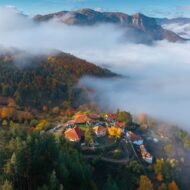
Slovakia might not be the first country that pops into your head when planning a European mountain getaway, but Mala Fatra National Park is about to change that. This compact alpine wonderland packs serious punch into its 226 square kilometers, offering everything from gentle valley walks to heart-pumping ridge hikes—all without the crowds you’d find in the Alps.
Why Mala Fatra Should Be on Your Radar
Located in north-central Slovakia, Mala Fatra (which translates to “Little Fatra”) proves that good things really do come in small packages. The park’s highest peak, Velky Kriváň, stands at 1,709 meters, making it perfectly manageable for hikers of various skill levels. What sets this place apart isn’t just the stunning mountain scenery—it’s the authentic Slovak mountain culture that’s still very much alive here.
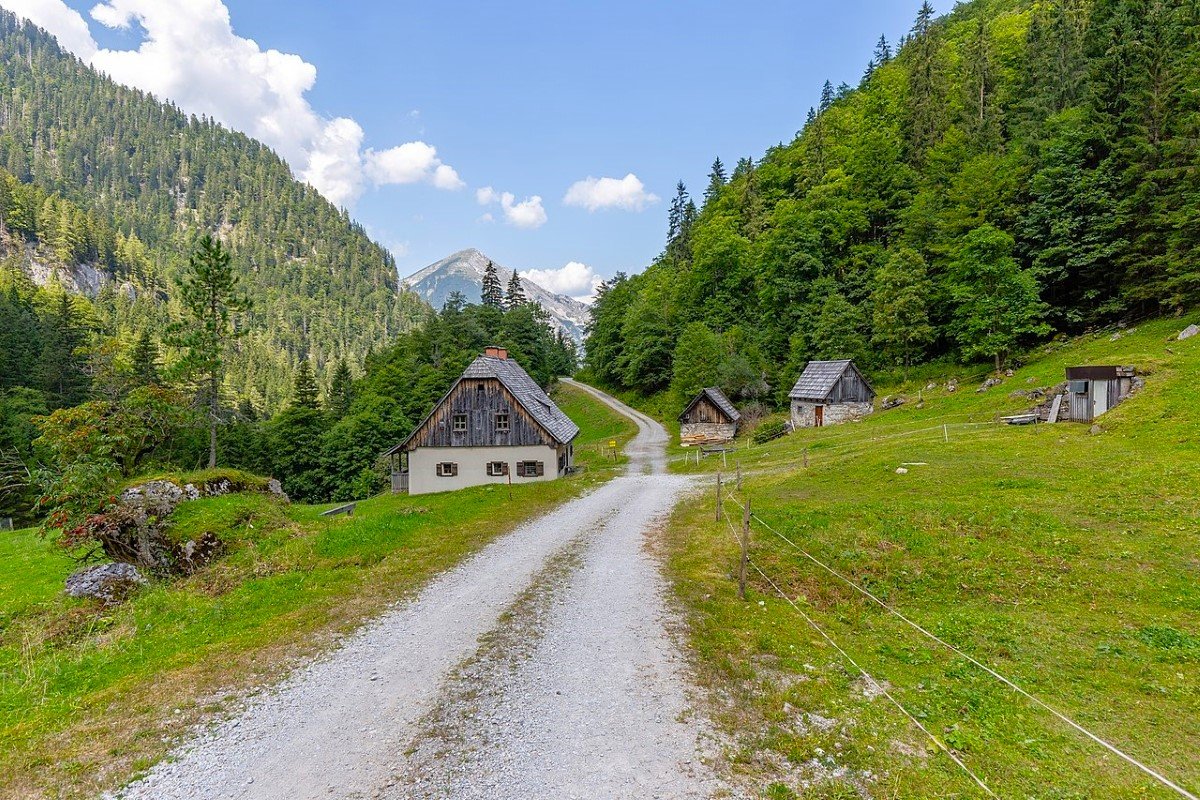
Unlike some of Europe’s more touristy mountain destinations, Mala Fatra maintains that genuine mountain village atmosphere where locals still greet visitors with a smile and a hearty “Dobrý deň!” You’ll find traditional wooden architecture, family-run guesthouses, and hiking trails that feel more like following ancient shepherd paths than walking through an outdoor theme park.
Getting There and Around
Flying In: The closest major airport is in Bratislava (about 3 hours by car), but many visitors find it more convenient to fly into Krakow, Poland (2.5 hours) or Prague, Czech Republic (4 hours). Budget airlines serve all these airports regularly.
By Train: Slovakia’s rail network connects well to the region. Take a train to Žilina, then catch a local bus to Vrátna Valley—the main gateway to the park.
By Car: This is honestly your best bet for maximum flexibility. The roads are generally good, and having a car lets you explore multiple valleys and villages at your own pace. Plus, parking is usually free and abundant.
Local Transport: Buses run regularly between major towns and trailheads during summer months, but services can be limited in shoulder seasons. Check current schedules at the local tourist information centers.
When to Visit
Peak Season (June-August): Warmest weather, longest days, all trails accessible, but also the busiest period. Accommodation prices are highest, but the mountain huts are all open and buzzing with activity.
Shoulder Seasons (May & September-October): The sweet spot for many visitors. Fewer crowds, decent weather, and beautiful autumn colors in fall. Some higher elevation trails might still have snow patches in early May.
Winter (November-April): Snow transforms the landscape into a winter wonderland perfect for skiing and snowshoeing. The resort at Vrátna Valley operates several lifts, making it accessible for winter sports enthusiasts.
Pro Tip: Weather in the mountains can change quickly regardless of season. Always pack layers and waterproof gear, even on sunny days.
Where to Stay
Vrátna Valley: The most popular base camp, offering everything from budget hostels to mid-range hotels. The valley sits right at the main trailheads, making it super convenient for hikers.
Terchová: A traditional Slovak village that’s perfect for experiencing authentic mountain culture. Several guesthouses offer half-board options with hearty Slovak meals.
Žilina: If you prefer staying in a larger town with more dining and shopping options, Žilina is about 30 minutes from the park by car.
Mountain Huts: For the full alpine experience, book a night in one of the mountain huts (called “chata” in Slovak). These typically offer simple but comfortable dormitory-style accommodation with meals included.
Budget Breakdown:
- Mountain huts: €15-25 per person
- Guesthouses: €30-50 per room
- Mid-range hotels: €60-100 per room
Must-Do Hikes and Activities
Velky Kriváň Summit (Advanced): The park’s highest peak offers 360-degree views that’ll make your Instagram followers seriously jealous. The hike takes about 6-8 hours round trip from Vrátna Valley, but the sense of accomplishment is unreal.
Rozsutec Ridge Walk (Intermediate): This dramatic ridge hike showcases some of the park’s most photogenic limestone formations. The trail includes some light scrambling sections that add just enough excitement without being dangerous.
Štefánikova Magistrála (Various Levels): This long-distance trail crosses the entire park, but you can easily tackle shorter sections. It’s well-marked and passes through diverse landscapes from dense forests to open meadows.
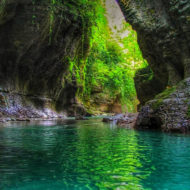
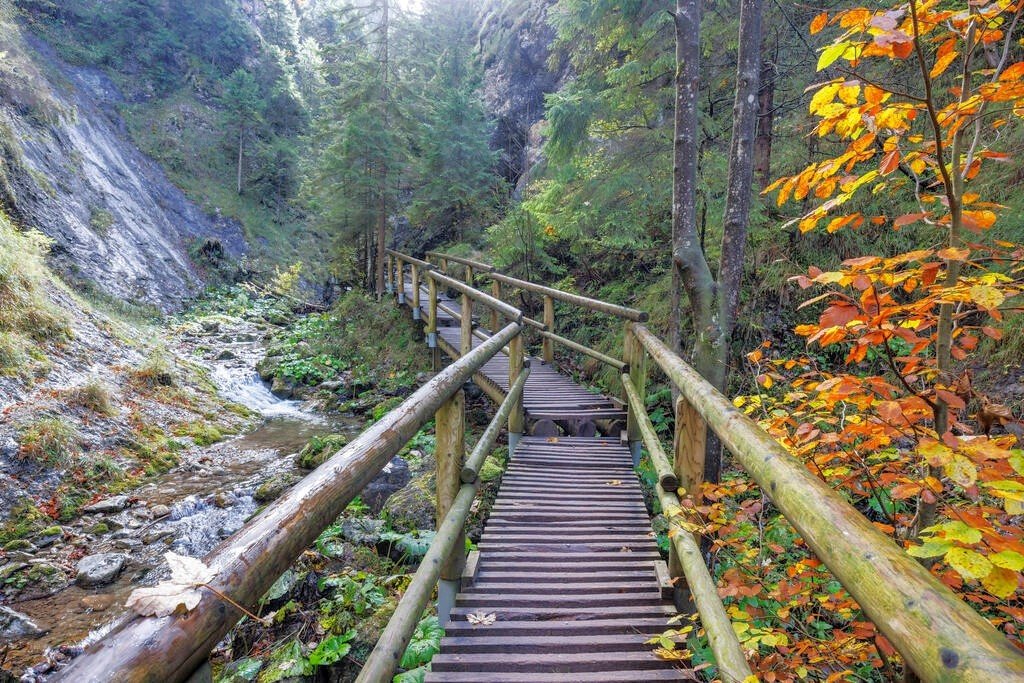
Jánošíkove Diery – Jánošík’s Holes (Beginner to Intermediate): The park’s most famous trail and absolute must-do experience. This spectacular gorge system consists of three sections: Dolné Diery (Lower Holes) with 2 waterfalls perfect for families, Nové Diery (New Holes) featuring 4 cascading waterfalls, and the dramatic Horné Diery (Upper Holes) with 9 waterfalls accessed via thrilling ladders and chains. Named after Slovakia’s legendary folk hero Juraj Jánošík who supposedly hid his treasures here after robbing nobles, the trail takes you through narrow canyons where you literally walk over rushing water on wooden bridges and metal walkways. The full 8.8-mile loop takes 3.5-4.5 hours, starting from Hotel Diery in Biely Potok (€5 parking). Pro tip: Visit early morning to avoid crowds at the ladder sections, and note that Upper Holes closes in winter. This trail consistently ranks as Slovakia’s most beautiful gorge hike. MORE READ..
Cable Car Adventures: The Vrátna Valley cable car system lets less experienced hikers access higher elevations easily. You can ride up and walk down, or use it as a starting point for higher-elevation trails.
Wildlife and Nature
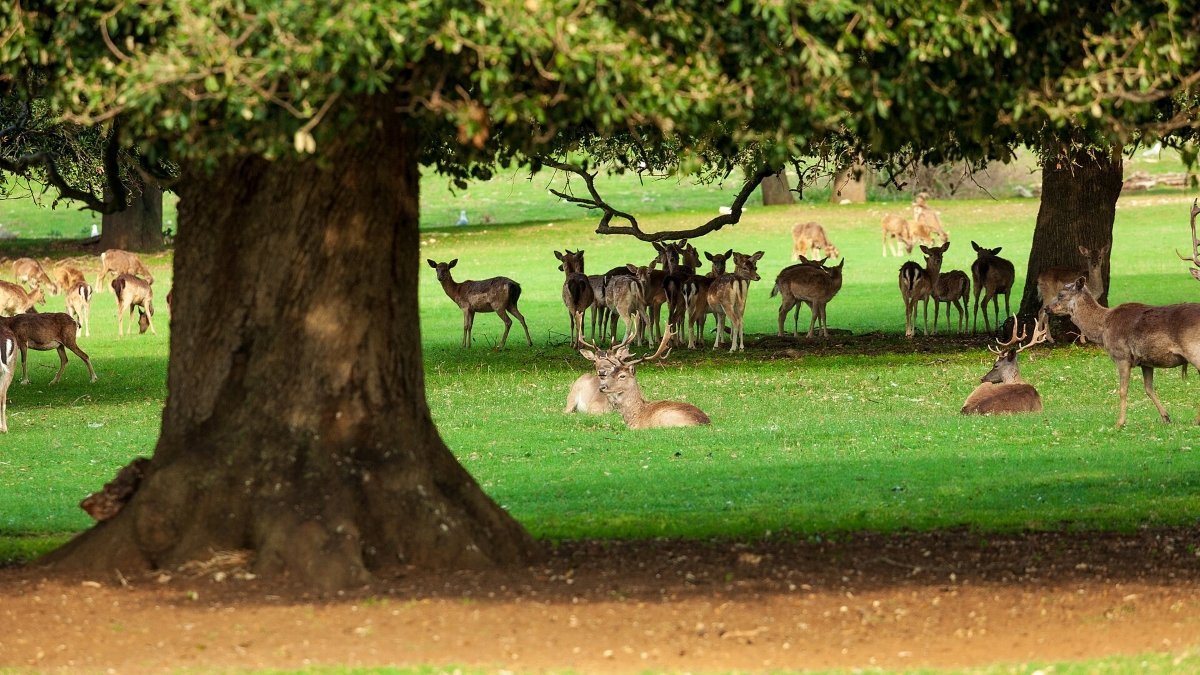
Mala Fatra is home to some of Europe’s most exciting wildlife. Brown bears roam the forests (though encounters are rare), while lynx, wolves, and wild boar also call this place home. Birdwatchers will spot golden eagles soaring above the peaks, and the forests are filled with deer and marmots.
The park’s plant life is equally impressive, with over 900 plant species including rare alpine flowers that bloom spectacularly in late spring and early summer. The limestone geology creates unique karst formations and cave systems that add geological interest to your hikes.
Jánošík’s Holes
Local Culture and Food
The region maintains strong connections to Slovak folk traditions, particularly the legend of Jánošík—Slovakia’s answer to Robin Hood. You’ll see references to this folk hero throughout the area, and the local tourist board does a great job of weaving cultural stories into the hiking experience.
Must-Try Foods:
- Bryndzové halušky (potato dumplings with sheep cheese)
- Kapustnica (hearty sauerkraut soup)
- Lokše (thin potato pancakes)
- Local honey and mountain tea
Most guesthouses and mountain huts serve traditional Slovak cuisine that’s hearty, warming, and perfect after a day of hiking. Vegetarian and vegan options are increasingly available, though it’s worth mentioning dietary requirements when booking.
Practical Tips for First-Time Visitors
Language: Slovak is the official language, but German and English are commonly spoken in tourist areas. Learning a few basic Slovak phrases goes a long way with locals.
Money: Slovakia uses the Euro. Cards are widely accepted, but carry some cash for mountain huts and smaller establishments.
Safety: Mountain rescue services are professional and well-equipped. Always inform someone of your hiking plans and carry a charged phone. The emergency number in Slovakia is 112.
Trail Marking: Trails are well-marked with colored blazes painted on trees and rocks. Red markings indicate main ridge trails, blue and green are for connecting trails, and yellow marks local trails.
Weather Apps: Download a reliable weather app before your trip. Mountain weather can change rapidly, and afternoon thunderstorms are common in summer.
Beyond the Hiking Trails
While hiking is the main draw, Mala Fatra offers plenty for non-hikers too. The spa town of Rajecké Teplice sits just outside the park and offers thermal baths and wellness treatments. Several traditional craft workshops in local villages welcome visitors interested in woodcarving, pottery, or traditional textile work.
The region also produces excellent local spirits—particularly borovička (juniper brandy) and various fruit brandies that make perfect evening refreshments after a day in the mountains.
Planning Your Visit
A long weekend gives you enough time to tackle a few major hikes and soak in the atmosphere, but a full week lets you really explore the park’s diverse landscapes and perhaps venture into neighboring regions. Many visitors combine Mala Fatra with trips to the High Tatras or explore other parts of Slovakia.
The park entrance is free, though some facilities like cable cars and parking areas charge modest fees. Most trails require no permits or advance bookings, making it refreshingly simple compared to some other European mountain destinations.
Bottom Line: Mala Fatra National Park delivers authentic alpine experiences without the Alpine price tags or crowds. Whether you’re seeking challenging summit hikes, family-friendly nature walks, or simply want to disconnect in one of Europe’s most unspoiled mountain regions, this Slovak gem deserves a spot on your travel list. The combination of accessible trails, genuine mountain culture, and stunning scenery makes it particularly appealing for travelers who want adventure without the hassle of over-touristed destinations.
Pack your hiking boots, brush up on your Slovak greetings, and prepare to discover why locals consider Mala Fatra one of Slovakia’s best-kept secrets. Just don’t be surprised if you start planning your return visit before you’ve even left.