


TL;DR: The Sellaronda is a 40km ski circuit around the Sella massif in Italy’s Dolomites, connecting four valleys and offering intermediate skiers one of the world’s most scenic alpine adventures. Best visited December-March, budget €150-300/day, and book accommodations early for peak season.
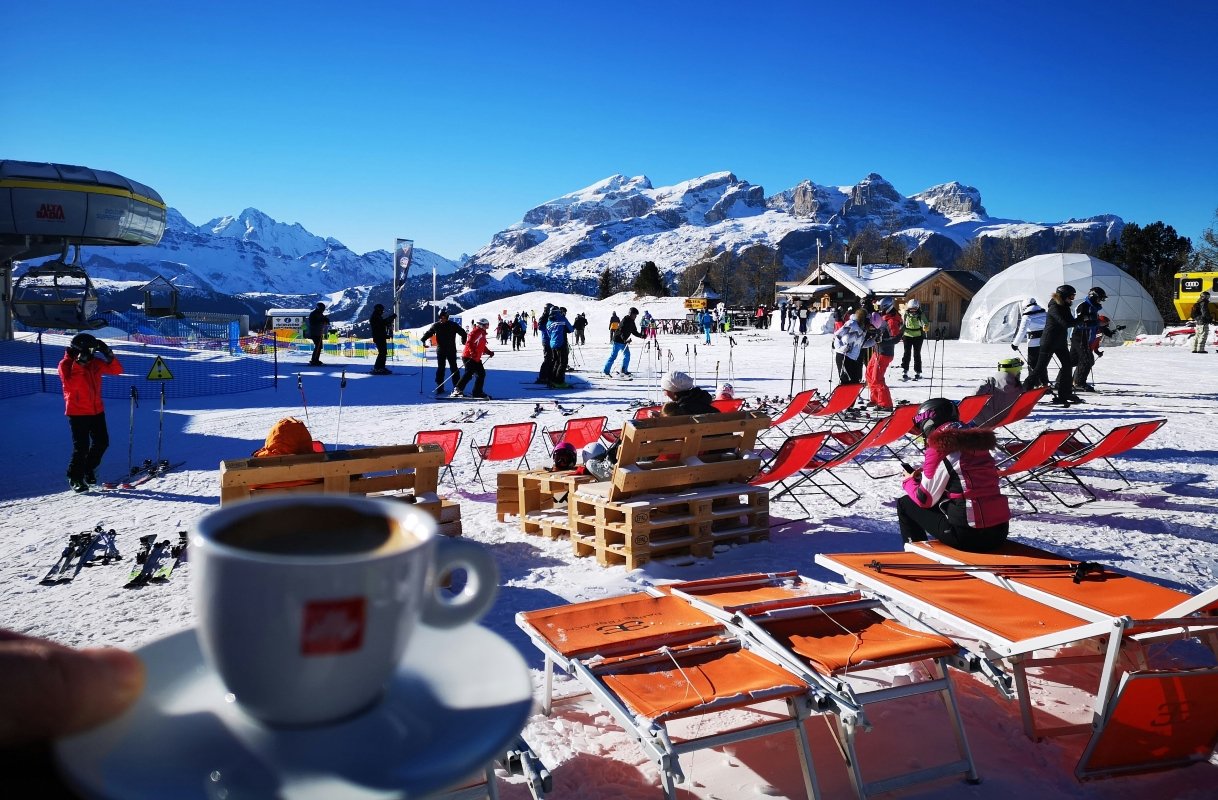
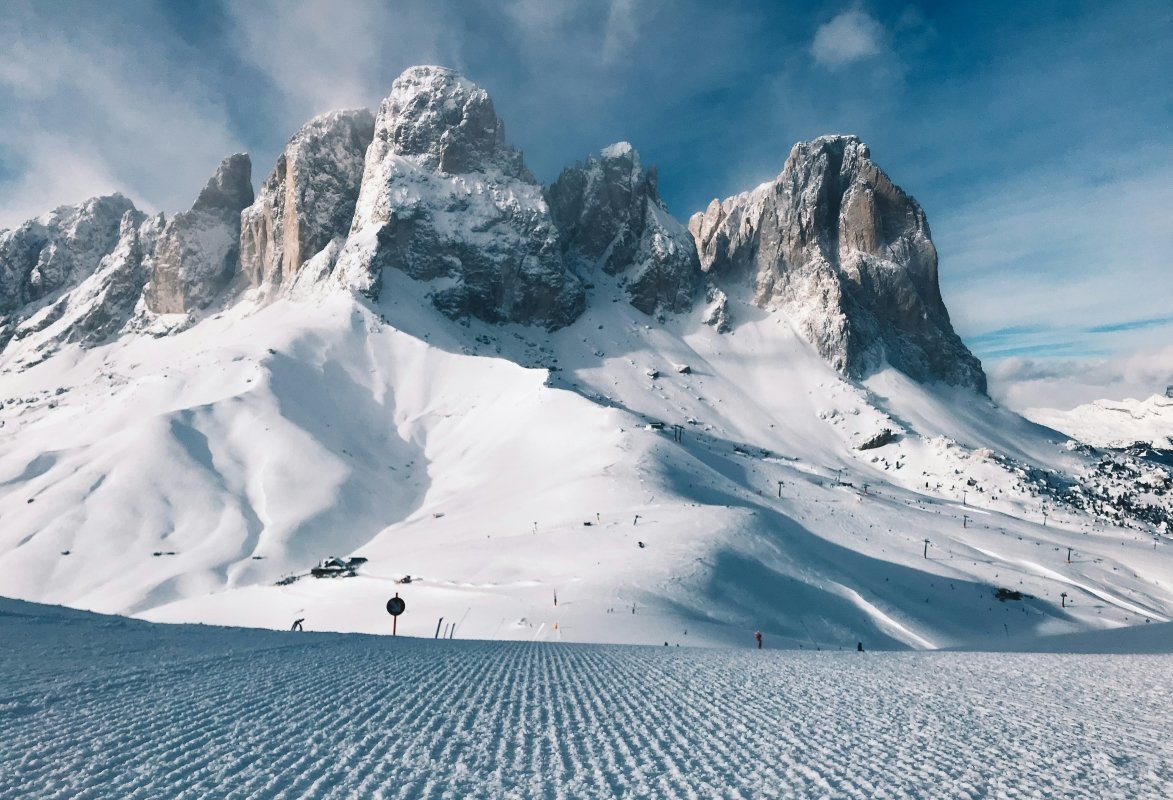
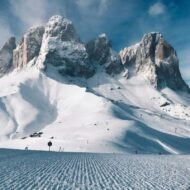
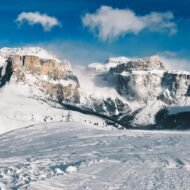
Picture this: you’re gliding down perfectly groomed slopes with jagged limestone peaks towering above you, stopping for spätzle and speck at a mountain hut, then continuing your ski journey through four different valleys—all without ever taking your skis off. Welcome to the Sellaronda, arguably the most spectacular ski circuit on the planet.
What Makes Sellaronda So Special?
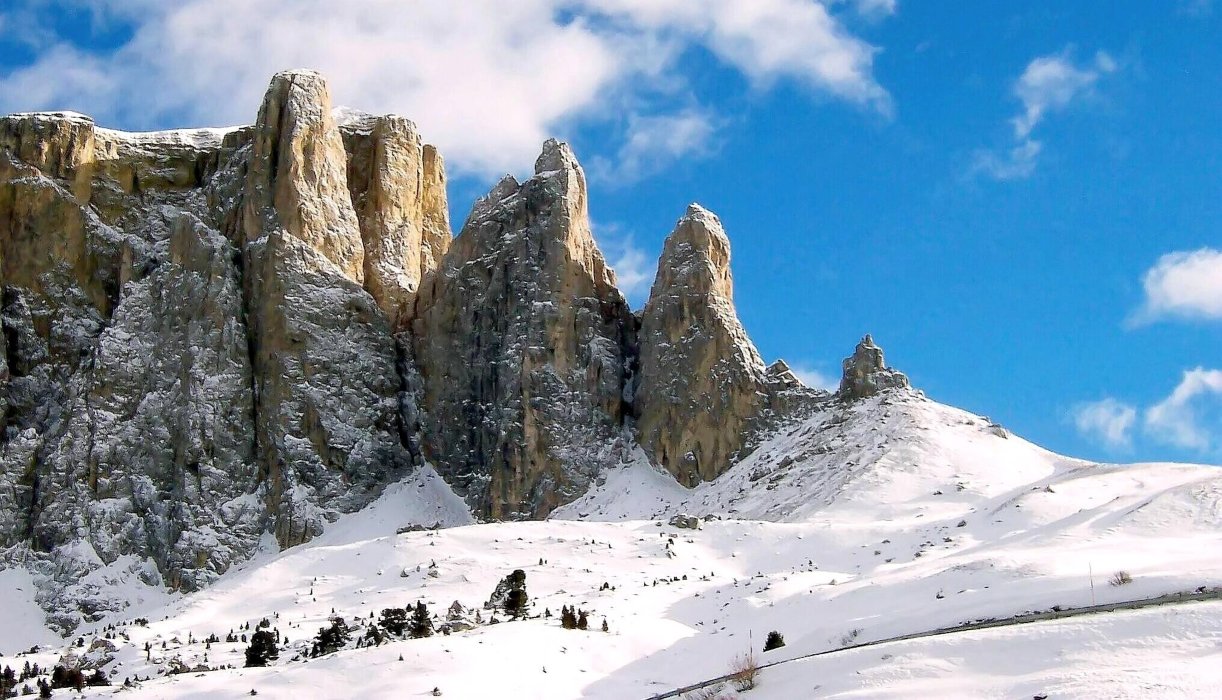
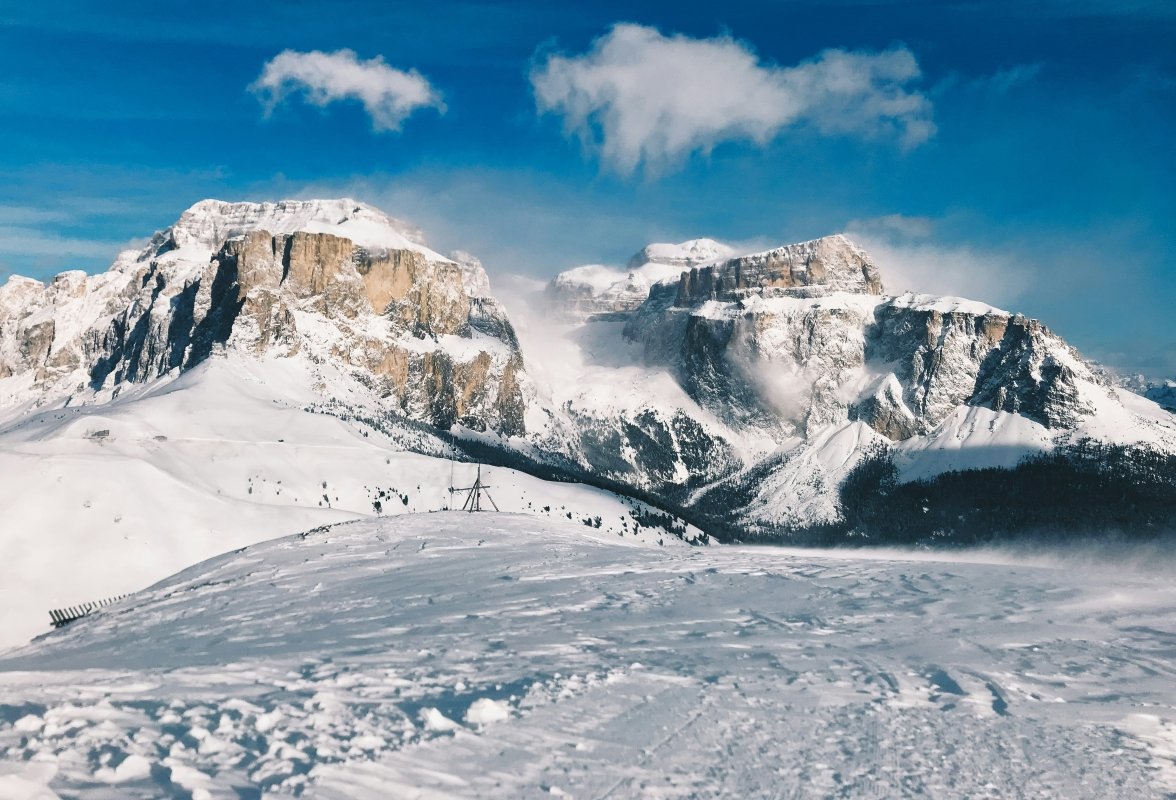
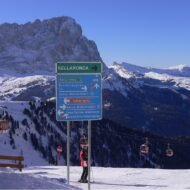
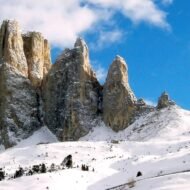
The Sellaronda isn’t just a ski area; it’s a full-day adventure that takes you around the entire Sella group, a UNESCO World Heritage site in the heart of the Dolomites. This legendary circuit connects the valleys of Val Gardena, Alta Badia, Arabba, and Val di Fassa, offering skiers and snowboarders 40 kilometers of pure alpine bliss.
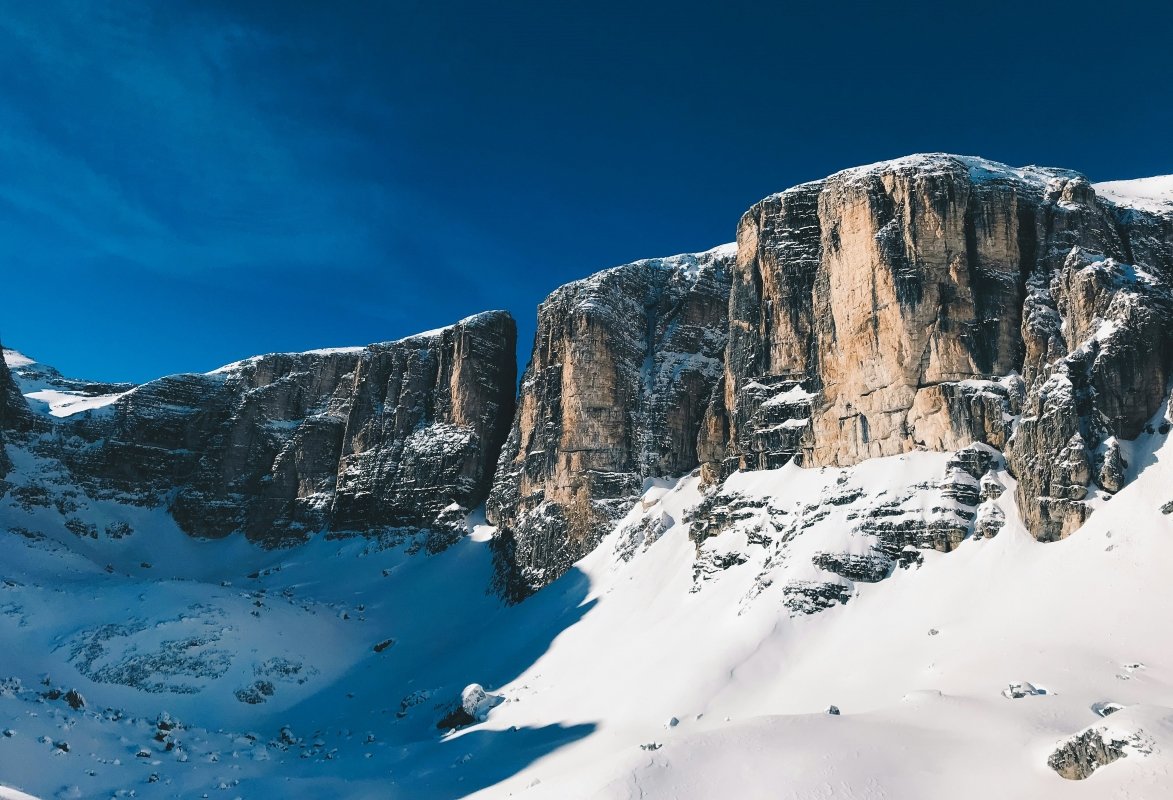
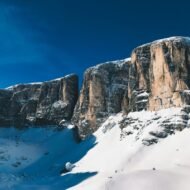
What sets it apart? The sheer scale and variety. You’ll ski through Ladin-speaking villages where traditional culture meets modern lift technology, past dramatic rock faces that glow pink at sunset (the famous “enrosadira”), and through terrain that changes personality with each valley. One moment you’re carving wide turns on gentle slopes, the next you’re navigating steeper pitches with views that’ll make you forget you’re supposed to be skiing.
Planning Your Sellaronda Adventure
When to Go The season typically runs from early December through late March, with January and February offering the most reliable snow conditions. March brings longer days and spring skiing vibes, while December and January deliver that pristine winter wonderland experience. Weekends and Italian holidays get crowded, so weekdays are your friend if you want shorter lift lines.
Skill Level Requirements Here’s the honest truth: the Sellaronda is designed for intermediate skiers. While there are easier sections, you’ll encounter red runs and some challenging terrain that requires solid parallel turns and confidence on varied snow conditions. Advanced beginners might struggle with certain sections, particularly when conditions are less than perfect.
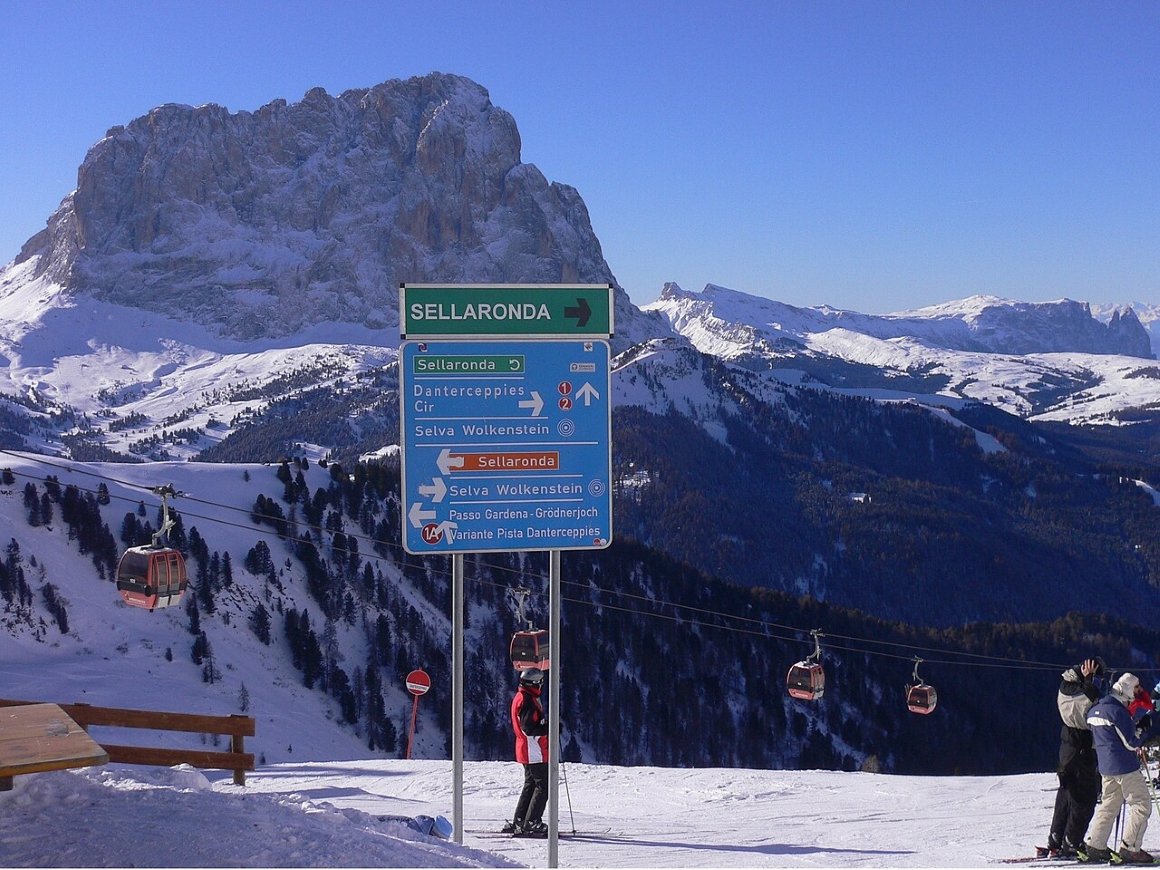
Clockwise vs. Counterclockwise You can ski the circuit in either direction, but most locals recommend going clockwise (Orange route) for better flow and fewer bottlenecks. The counterclockwise route (Green route) works well too, especially if you’re staying in certain areas like Arabba.
The Four Valleys: Your Circuit Breakdown
Val Gardena Starting point for many, this valley offers some of the circuit’s most dramatic scenery. The Seceda area provides Instagram-worthy ridgeline views, while the slopes down to Ortisei are perfect for warming up those ski legs. Don’t miss the traditional Tyrolean architecture in the villages below.
Alta Badia Known for its incredible mountain dining scene and challenging terrain. This is where you’ll find some of the steeper sections of the circuit, plus access to the legendary La Villa and Corvara areas. The cuisine here blends Italian and Austrian influences in the most delicious way possible.
Arabba The highest point of your journey, offering spectacular views of the Marmolada glacier. The terrain here tends to be more challenging, with excellent off-piste opportunities for advanced skiers. The village maintains an authentic mountain atmosphere without the glitz of some resort towns.
Val di Fassa The final leg brings you through the most diverse terrain, from gentle cruising runs to steeper pitches near Canazei. This valley offers some of the best value for accommodation and dining, making it popular with budget-conscious travelers.
Practical Tips for Circuit Success
Timing Your Day Start early—like 8:30 AM early. The full circuit takes 6-8 hours depending on your pace, stops, and skiing ability. Factor in lunch breaks, photo stops, and potential lift delays. Starting late means risking incomplete circuits or skiing in poor afternoon light.
What to Pack
- Trail map (essential—this isn’t your typical ski area)
- Plenty of water and snacks
- Phone with offline maps
- Small backpack for layers
- Cash for mountain huts
- Sunglasses and sunscreen (mountain sun is intense)
Navigation Made Simple Follow the colored signs: Orange for clockwise, Green for counterclockwise. The signage is generally excellent, but downloading an offline map app helps when visibility is poor or you want to explore alternative routes.
Where to Stay and Eat
Accommodation Hotspots
- Selva di Val Gardena: Prime location with excellent apres-ski scene
- Corvara: Central hub with easy circuit access
- Canazei: Budget-friendly with authentic atmosphere
- La Villa: Upscale option with gourmet dining
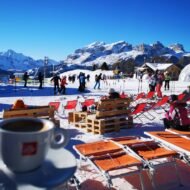
Mountain Dining The Sellaronda offers some of the world’s best ski-in dining. Highlights include Ütia de Börz for traditional Ladin cuisine, Rifugio Emilio Comici for spectacular views, and any hut serving fresh pasta with mountain cheese. Expect to pay €15-25 for mountain lunch, but the experience justifies every euro.
Budgeting Your Trip
Daily Costs (per person)
- Lift ticket: €50-65
- Accommodation: €80-250 (wide range based on location and season)
- Meals: €40-80
- Equipment rental: €30-45
- Total daily budget: €200-440
Money-Saving Tips
- Book accommodations early for better rates
- Consider half-board hotel packages
- Pack lunch some days instead of always eating on-mountain
- Stay in Val di Fassa for better value
- Buy multi-day passes for lift ticket discounts
Beyond the Circuit
While the main Sellaronda circuit is the star attraction, the area offers incredible variety:
Additional Terrain The Dolomiti Superski pass (which includes Sellaronda) opens up 1,200km of slopes across 12 ski areas. You could spend weeks exploring terrain from the Tre Cime to Cortina d’Ampezzo.
Off-Piste Adventures Advanced skiers and snowboarders will find excellent off-piste terrain, particularly around Arabba and the Marmolada area. Consider hiring a local guide for the best and safest experience.
Cultural Experiences The Dolomites blend Italian, Austrian, and Ladin cultures. Take time to explore the unique architecture, try local specialties like canederli (bread dumplings), and maybe learn a few words of Ladin—the ancient Romance language still spoken here.
Making It Happen
The Sellaronda isn’t just a ski circuit; it’s a journey through one of Europe’s most spectacular mountain landscapes. Whether you’re seeking the thrill of covering serious terrain, the joy of mountain dining, or simply the satisfaction of completing one of skiing’s great challenges, this alpine circuit delivers.
The key to Sellaronda success? Embrace the adventure mindset. Some days you’ll have perfect powder and sunshine; others might bring flat light and icy conditions. Both are part of the authentic mountain experience that makes this circuit legendary among skiers worldwide.
Start planning now—the Sellaronda awaits, and trust us, it’s going to be the ski adventure you’ll be talking about for years to come.
[embedpress]https://www.thewanders.eu/wp-content/uploads/2025/09/sellaronda_map.html[/embedpress]