






TL;DR: Bermeo is a picturesque coastal town in Spain’s Basque Country famous for its colorful harbor, whaling history, proximity to the Instagram-famous San Juan de Gaztelugatxe, and incredible fresh seafood. Just 35 km from Bilbao, it’s perfect for a day trip or weekend escape. Budget €13-16 for lunch, book accommodations early in summer, and pack layers—weather changes fast on the coast!
- Why Bermeo Should Be Your Next Basque Country Obsession
- Getting There (It’s Easier Than You Think)
- The Must-See Sights (No Tourist Crowds Required)
- The Old Port (Puerto Viejo/Portu Zaharra)
- San Juan de Gaztelugatxe (The Game of Thrones Castle—But Better)
- Lamera Park (La Lamela)
- Ercilla Tower & Fisherman’s Museum
- Aita Guria (The Whaling Ship Interpretation Center)
- Santa María de la Asunción Church
- Sabino Arana Square (Sabino Arana Goiri Enparantza)
- Beyond Bermeo: Easy Day Trips
- San Juan de Gaztelugatxe (Already covered above, but worth its own section)
- Mundaka (3 km away)
- Bakio Beach (30-minute bus ride)
- Matxitxako Lighthouse & Cape Machichaco
- Urdaibai Biosphere Reserve
- Where & What to Eat (The Pintxo Pipeline)
- Practical Things You Need to Know
- Accommodation Tips
- Your Perfect Bermeo Itinerary
- Final Thoughts
Why Bermeo Should Be Your Next Basque Country Obsession
Picture this: narrow cobblestone streets lined with pastel-colored fishermen’s houses, a bustling harbor filled with colorful boats, and dramatic clifftops overlooking the Bay of Biscay. That’s Bermeo, and it’s criminally underrated.
Bermeo isn’t just another pretty coastal town (though it absolutely is one of the most stunning). This place has serious history chops—we’re talking medieval vibes, centuries-old whaling traditions, and once being so important that King Ferdinand II made it the provincial capital of Biscay back in 1476. The fact that representatives from other towns had to remove their hats when Bermeo’s reps spoke? That tells you something about its former power.
Today, Bermeo feels like Basque Country’s best-kept secret. While everyone flocks to Bilbao, you get an authentic, walkable town with world-class restaurants, fascinating museums, and gateways to some of the Basque coast’s most dramatic landscapes. It’s the kind of place where you can spend your morning climbing 241 steps to a hermitage perched on a rocky island, grab pintxos and txakoli wine for lunch, and still be back in Bilbao for dinner.
Getting There (It’s Easier Than You Think)
Bermeo is incredibly accessible, especially if you’re based in Bilbao. Here’s what works:
By Train: Catch Euskotren Trena directly from Bilbao to Bermeo—it’s straightforward and takes about an hour. No driving stress, no parking hunt. The train station puts you within walking distance of everything.
By Car: If you’re driving, it’s about 35 km from Bilbao via BI-631. There’s parking on the outskirts, though it gets tight in summer. Pro tip: park and walk to the port—the old town is best experienced on foot.
By Bus: BizkaiBus connects Bermeo to surrounding towns. From Bermeo, local buses run hourly to San Juan de Gaztelugatxe and Bakio beach—incredibly convenient for day trips.
Best time to visit? September through November offers lower hotel prices and fewer crowds. July-August is lively but touristy and pricier. Anytime works, but bring layers—the Basque coast can be moody.
The Must-See Sights (No Tourist Crowds Required)
The Old Port (Puerto Viejo/Portu Zaharra)
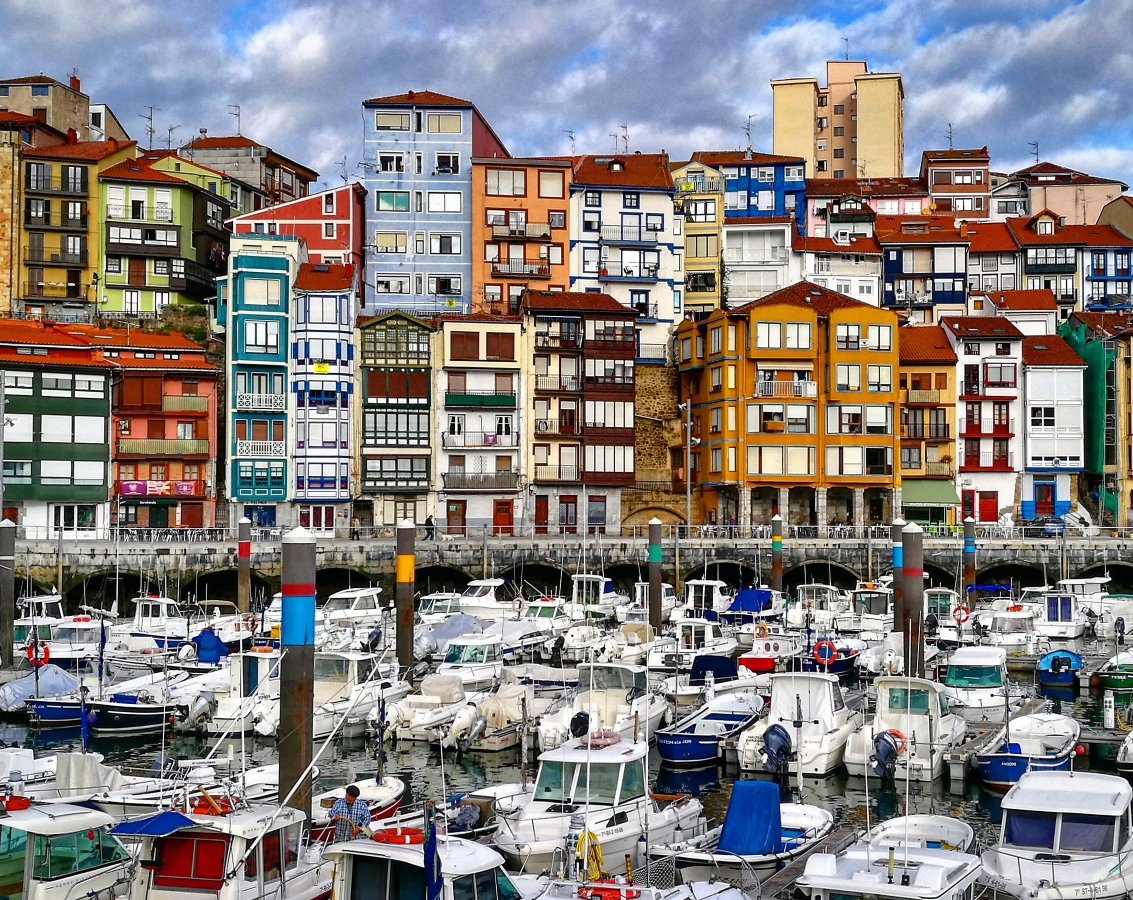
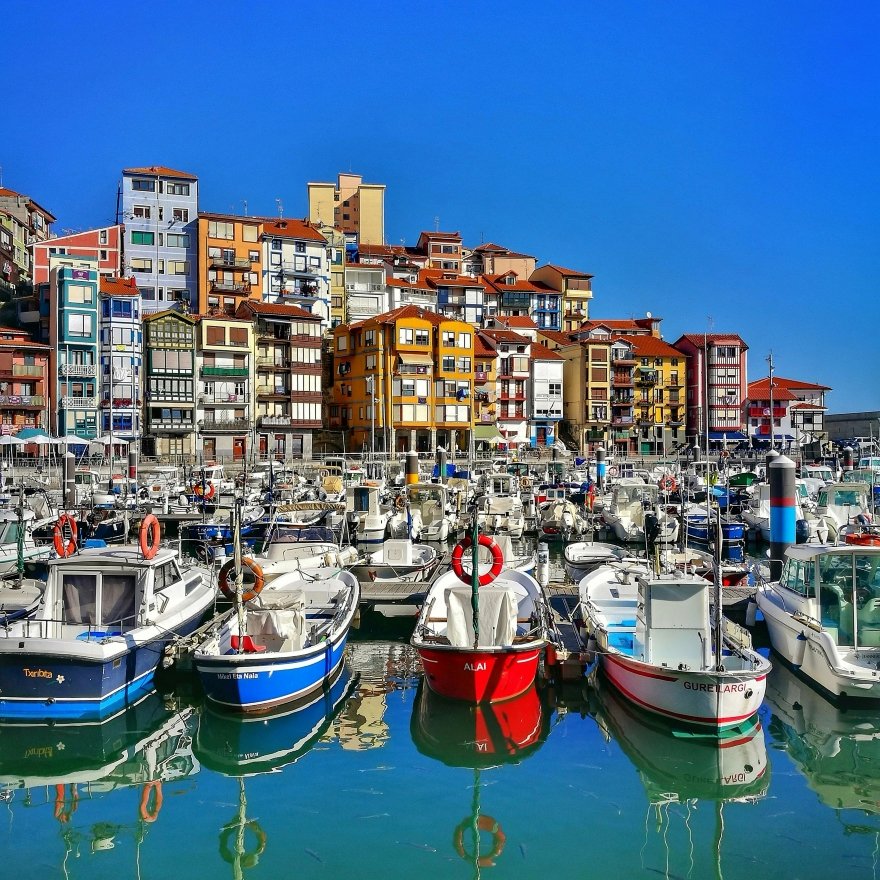
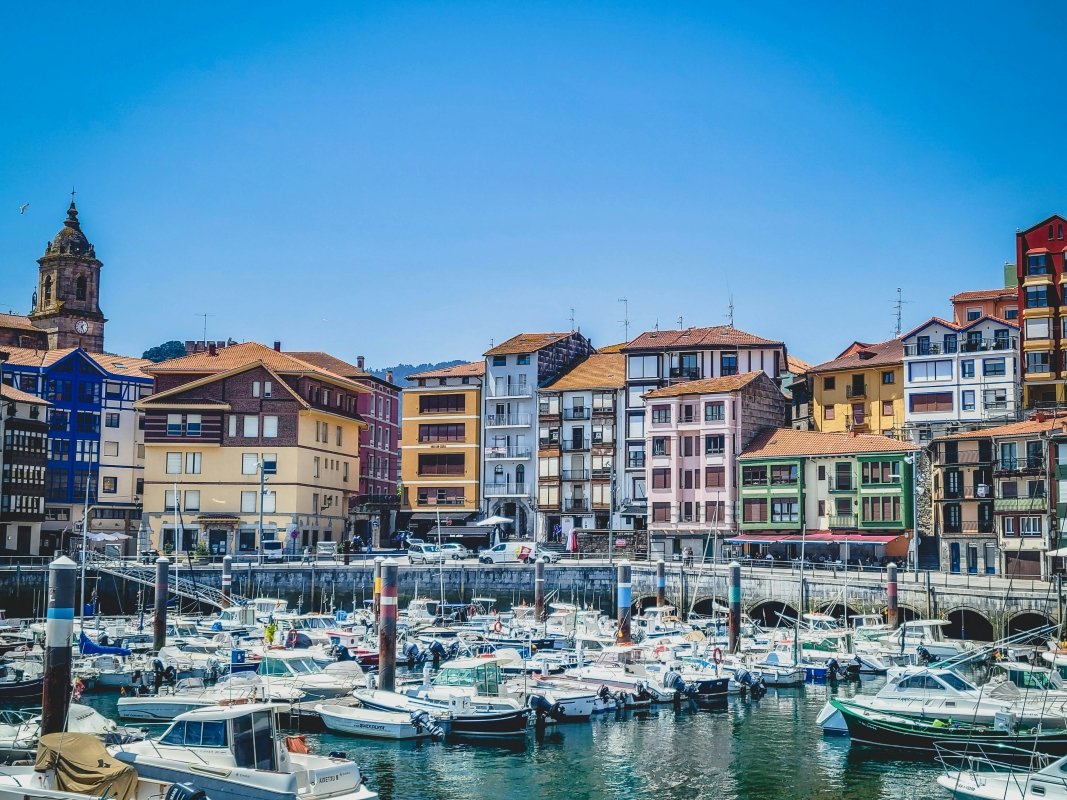
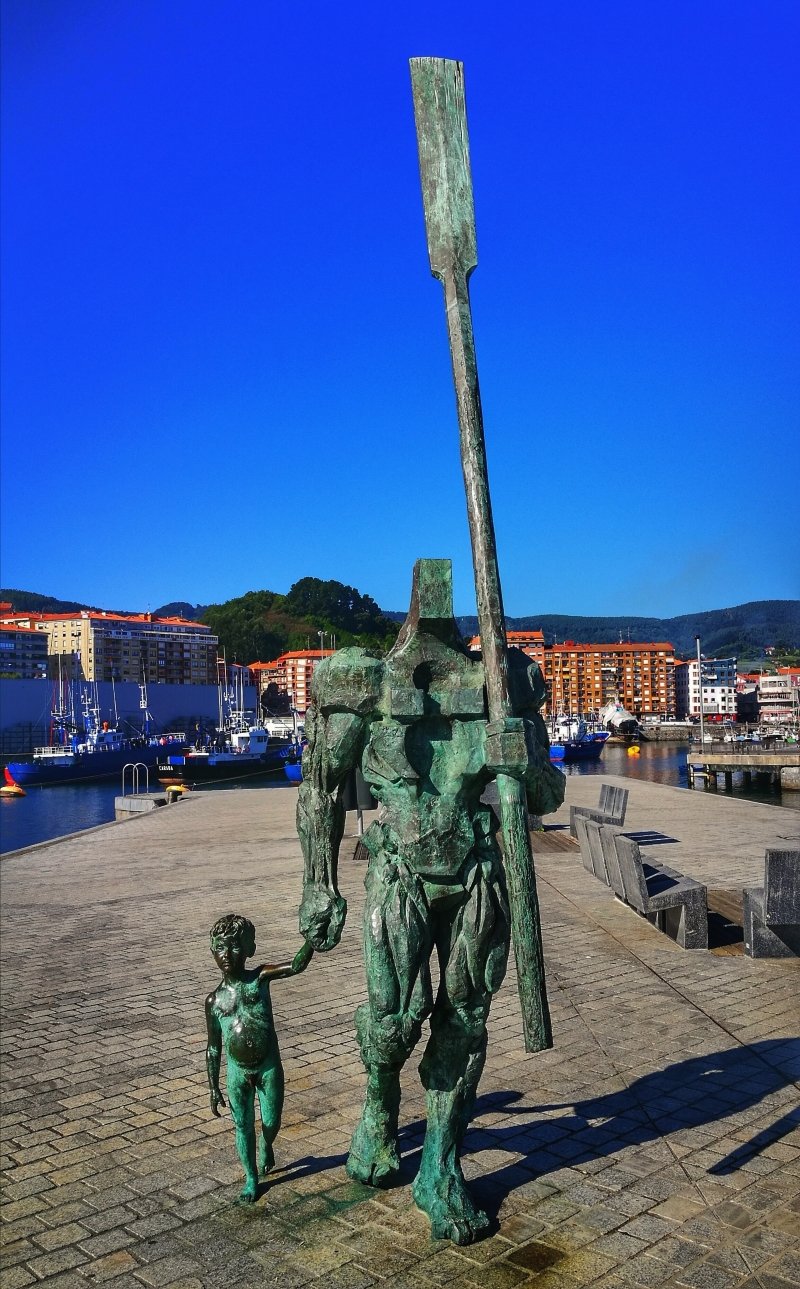
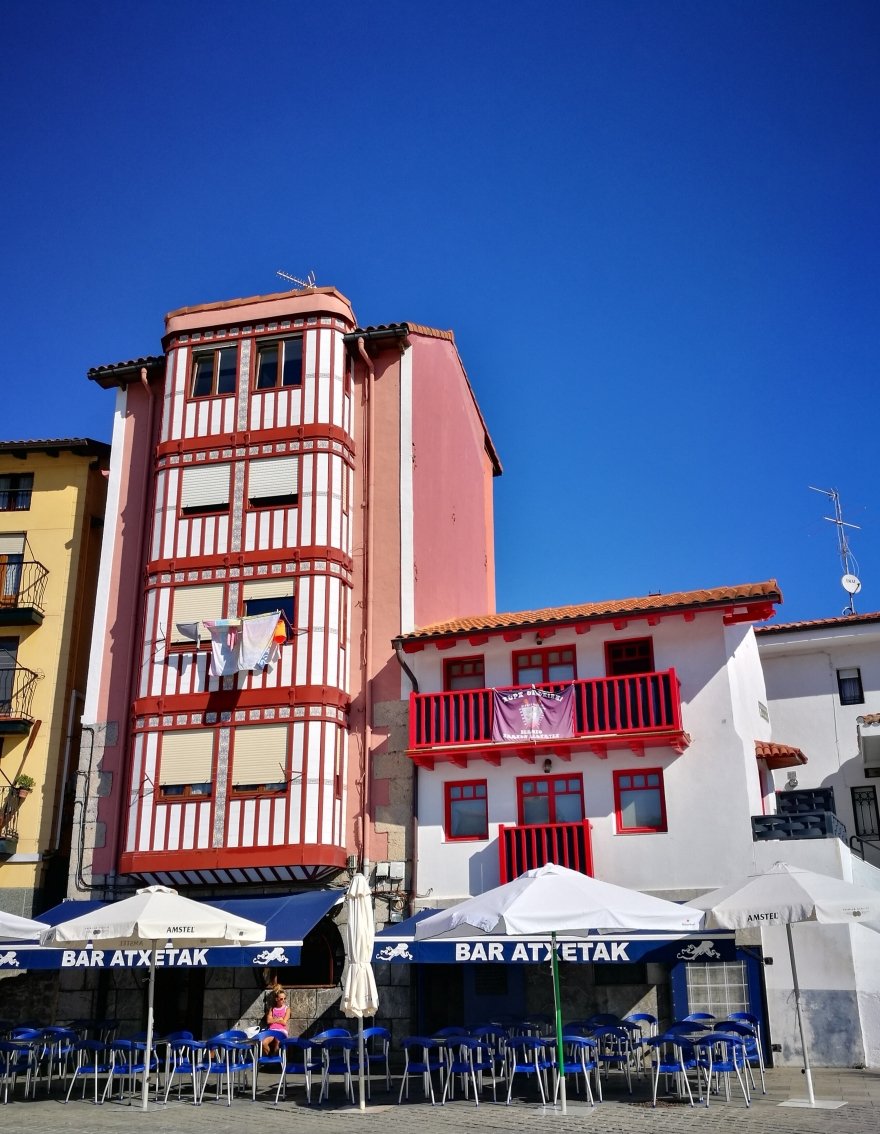
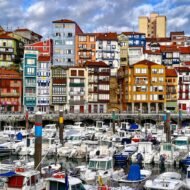
Let’s be honest: this is the photo spot. The harbor is ringed with impossibly charming houses painted in jewel tones—blues, greens, oranges, reds. Fishing boats bob in the water. Locals chat over coffee. It’s the textbook postcard moment, but it never feels crowded because it’s genuinely lived-in, not performative.
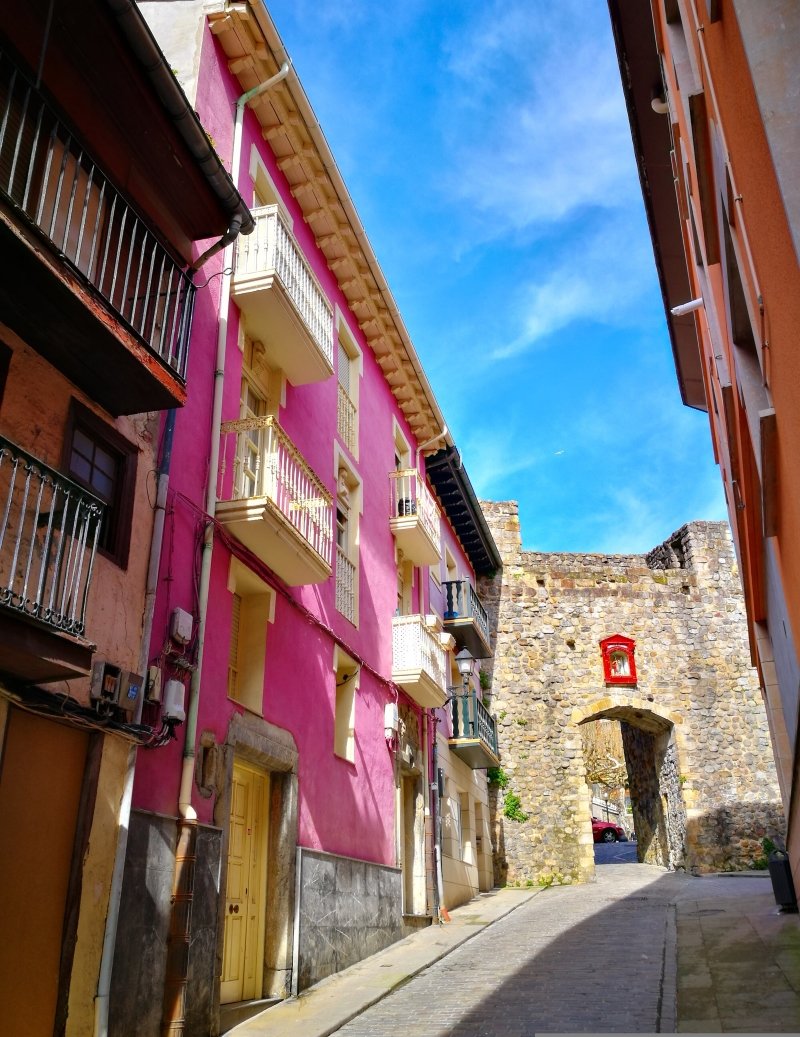
Wander the narrow streets behind the port. You’ll find tiny bars serving pintxos, locals heading to boats, and the kind of authenticity that makes travel worthwhile. The best time to visit? Early morning when fishermen are still working, or late afternoon when the light turns golden and the harbor comes alive with people.
San Juan de Gaztelugatxe (The Game of Thrones Castle—But Better)
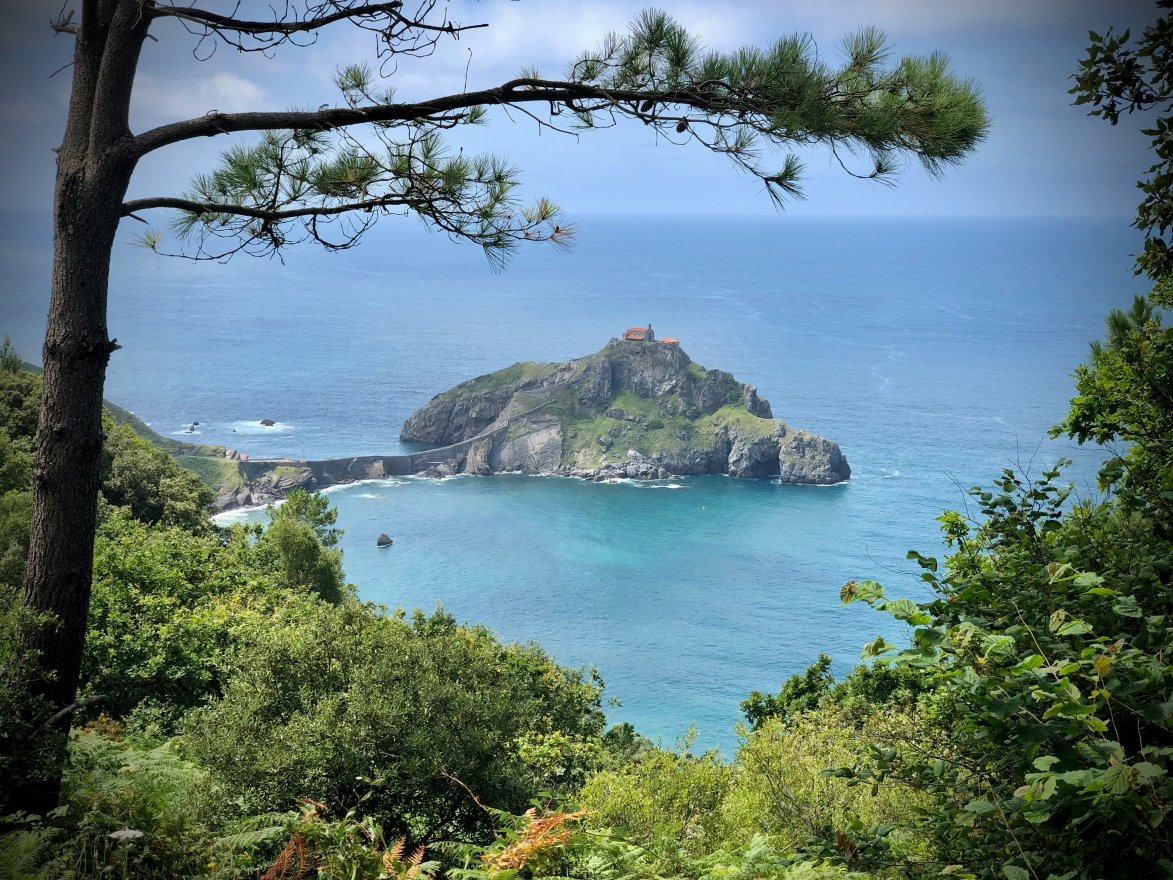
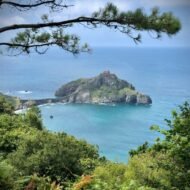
Located just 8 km from Bermeo, this rocky island connected by a stone bridge is the most visited site in the province, and for good reason. The tiny hermitage of San Juan sits dramatically atop the island, and the views? Absolutely breathtaking.
Here’s what you need to know: There are 241 steps. They’re steep. But the panoramic views of the Bay of Biscay and surrounding islands make every step worth it. Go early morning or late afternoon to avoid midday crowds. Pack water—there’s no shade, and it’s exposed to sun the whole way. The hike takes about 1.5 hours round trip from the entrance.
Pro tip: Book your visit in advance through the official site (ortzadar.eus)—especially in summer or during the San Juan festival (June 24). If you can’t get a timed slot, bus tours from Bermeo are available, and they handle parking logistics for you.
Lamera Park (La Lamela)
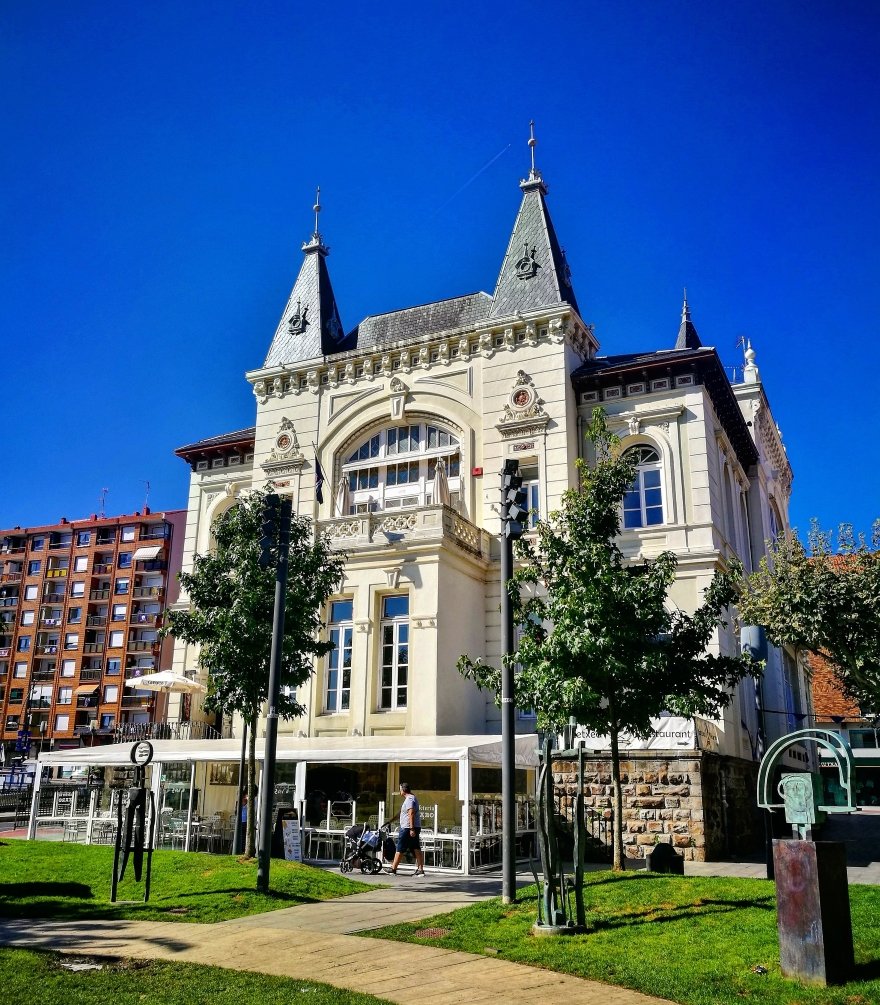
This converted shipyard is now a gorgeous green space right by the water, surrounded by bars and restaurants. It’s where locals actually hang out—not just tourists. The park features sculptures from local artist Nestor Basterretxea’s “Euskal Kosmogonia” series, the impressive Casino Building, and endless views of fishing boats and sea life.
Grab a drink at one of the terraces, watch the harbor activity, and feel like a local. The Port Path (Kai Bidea) that runs alongside the park is perfect for evening strolls.
Ercilla Tower & Fisherman’s Museum
This Gothic tower is the only remaining one of 30 medieval towers that once defended Bermeo. Inside? The Fisherman’s Museum—an excellent resource for understanding Bermeo’s whaling heritage and fishing culture. You’ll find ship models, ancient fishing tools, and an impressive replica of a 16th-century Basque whaling ship.
The whaling story is wild: From the 15th-18th centuries, Basque whalers hunted the Biscay whale (black right whale) in Atlantic waters. The whale provided blubber for oil and soap, bones for construction, and meat for feeding communities. Scarcity eventually made it obsolete, and fishermen pivoted to sardines and tuna. Understanding this history adds serious depth to your Bermeo experience.
Aita Guria (The Whaling Ship Interpretation Center)
For a truly immersive experience, check out this actual whaling ship docked in the harbor. It’s an interpretation center where you can explore the vessel and really understand what whaling life looked like. The crew quarters, fishing equipment, and storage areas tell stories of maritime hardship and ingenuity.
Santa María de la Asunción Church
Finished in 1858, this neoclassical church is architecturally unique—it looks more like a Greek or Roman temple than a typical Catholic church. The triangular facade and imposing columns are striking. If you’re into architecture, don’t skip it. (Check opening times: Monday, Wednesday, Friday & Saturday, 11:30 am-12:30 pm, plus Saturday 5:30-7 pm.)
Sabino Arana Square (Sabino Arana Goiri Enparantza)
This is the heart of modern Bermeo. The town hall (built 1732) sits here with two sundials on its facade. It’s where locals gather, especially during festivals. Grab a drink at one of the cafe terraces and soak in the authentic Basque atmosphere. During the San Juan celebration (September 7th-9th), this square comes alive with music, traditional costumes, and family-friendly activities.
Beyond Bermeo: Easy Day Trips
San Juan de Gaztelugatxe (Already covered above, but worth its own section)
Mundaka (3 km away)
This charming village is famous for its epic surfing breaks and is way less crowded than Bermeo. The harbor is equally picturesque, with colorful houses and fresh seafood restaurants. Perfect if you want a quieter coastal vibe or if you (or anyone in your group) surfs.
Bakio Beach (30-minute bus ride)
A much longer, spacious beach perfect for swimming, picnicking, or just stretching out. The bus ride itself offers gorgeous coastal views. Great for families or anyone wanting more beach time than Bermeo’s small beach offers.
Matxitxako Lighthouse & Cape Machichaco
Between Bermeo and Gaztelugatxe, this lighthouse sits on a dramatic cape with incredible sea views. This is also historically significant—the Battle of Cape Machichaco happened here in 1937. On clear days, you might spot dolphins and seabirds. It’s a popular stop on coastal walks.
Urdaibai Biosphere Reserve
Bermeo sits in the corner of this protected natural area featuring unique landscapes, wetlands, and forests. It’s perfect for birdwatching, nature walks, and understanding the region’s ecological importance. The reserve includes Izaro Island (accessible by boat) and is a stunning natural complement to Bermeo’s cultural attractions.
Where & What to Eat (The Pintxo Pipeline)
Bermeo punches above its weight in the food department. As a major fishing port, you’re eating incredibly fresh fish and seafood caught literally where you’re standing.
The Must-Try Dish: Marmitako
This is the Bermeo specialty—a delicious tuna and potato stew that’s hearty, flavorful, and perfect with a glass of local txakoli wine. It’s not fancy, just soul food perfection. Almost every restaurant serves it.
Budget-Friendly Eats
Restaurant Artza: Probably the best menú del día (daily set menu) in town at €13.50. It’s packed with local workers—always a good sign. Located at Askatasun Hiribidea 1. Phone: +34 946 88 35 77.
Casino Restaurant: Around €16 for menú del día, but you’re paying extra for the stunning Belle Époque Casino building. Worth it for the experience.
Pintxos & Wine
Wander the harbor bars and grab pintxos (Basque-style small bites). Pair with txakoli—a slightly sparkling, acidic white wine from the Basque Country that’s incredibly refreshing and pairs perfectly with seafood.
Restaurant Scene
Bermeo has numerous restaurants offering fresh fish, seafood plates, and traditional Basque cuisine. Walk around the harbor and old town, check menus, and pick based on vibes. You really can’t go wrong.
Dietary needs? Basque Country is increasingly accommodating to vegetarian, vegan, and gluten-free diets, but it’s traditionally meat and fish-focused. Call ahead at restaurants if you have specific requirements.
Practical Things You Need to Know
Accessibility
Bermeo’s old town is steep and cobbled—great for charm, challenging for people with mobility issues. The harbor area is more accessible, and most museums have ground-floor entrances. Hotels vary; check directly with your accommodation about accessibility features. Streets and attractions are generally welcoming to visitors of all abilities.
Language
Basque Country is bilingual (Spanish and Basque). Most signs are in both languages. English is increasingly spoken in tourist areas, but learning a few key phrases in Spanish helps: “Eskerrik asko” (thank you), “Kaixo” (hello). Locals appreciate the effort.
Money Matters
Spain uses the Euro. ATMs are everywhere. Most places accept cards, but some small pintxo bars are cash-only. Budget €13-16 for lunch, €20-40 for casual dinner, €50+ for upscale restaurants. Accommodations range €60-150+ per night depending on season and comfort level.
Weather
The Basque coast is famously unpredictable. Bring layers—it can be sunny and then rainy within hours. Waterproof jackets are genuinely useful, not paranoid. Summer (July-August) is warmest but crowded and pricier. Shoulder seasons (May-June, September-October) offer perfect weather with fewer tourists.
Getting Around Town
Bermeo is walkable and compact. Most attractions are within 15-20 minutes on foot. For Gaztelugatxe and other coastal sites, use the hourly buses from Lamera Park. Taxis are available but usually unnecessary.
Festivals Worth Planning Around
Fishermen’s Day (September 9): Celebrates Bermeo’s fishing heritage with events, food, and community energy.
San Juan Festival (September 7-9): Think religious processions, concerts, traditional costumes, and Sabino Arana Square coming alive with music and dancing.
June 24 (San Juan Day): If you visit San Juan de Gaztelugatxe on this date, the landscape is even more spectacular due to religious celebrations.
Accommodation Tips
Book hotels well in advance for July-August and holidays. September-November offers better prices and a more relaxed vibe. Options range from budget hostels (€30-50) to comfortable mid-range hotels (€80-120) to luxury seafront properties (€150+). Look for places near the harbor for authentic atmosphere and walkability.
Your Perfect Bermeo Itinerary
Half-Day (3-4 hours):
- Arrive by train/bus
- Wander the old port and harbor
- Grab pintxos and txakoli at a harbor bar
- Explore Sabino Arana Square
- Return to Bilbao
Full Day:
- Morning: Harbor and old town exploration
- Late morning: Visit Fisherman’s Museum or Aita Guria
- Lunch: Marmitako and txakoli
- Afternoon: Bus to San Juan de Gaztelugatxe, climb the 241 steps
- Evening: Lamera Park for sunset drinks and people-watching
Overnight (24-48 hours):
- Follow full day itinerary
- Add: Santa María Church visit, deeper exploration of medieval streets
- Evening: Dinner at a proper restaurant
- Next day: Day trip to Mundaka or Bakio Beach, or extended coastal walks
Final Thoughts
Bermeo isn’t trying to be something it’s not. It’s a working fishing town that happens to be stunningly beautiful, historically rich, and perfectly positioned for exploring the Basque coast. You won’t find massive tourist infrastructure or theme-park energy. What you will find is authenticity, incredible food, genuine local hospitality, and one of Spain’s most underrated coastal experiences.
Whether you’re spending a few hours between Bilbao visits or planning a longer Basque Country adventure, Bermeo rewards curiosity with moments of real magic. The kind where you’re standing on a rocky island staring out at the Atlantic, eating fresh seafood with locals, and realizing you’ve stumbled onto exactly what you were looking for.
Come for the Instagram-worthy harbor. Stay for the soul of the place.