

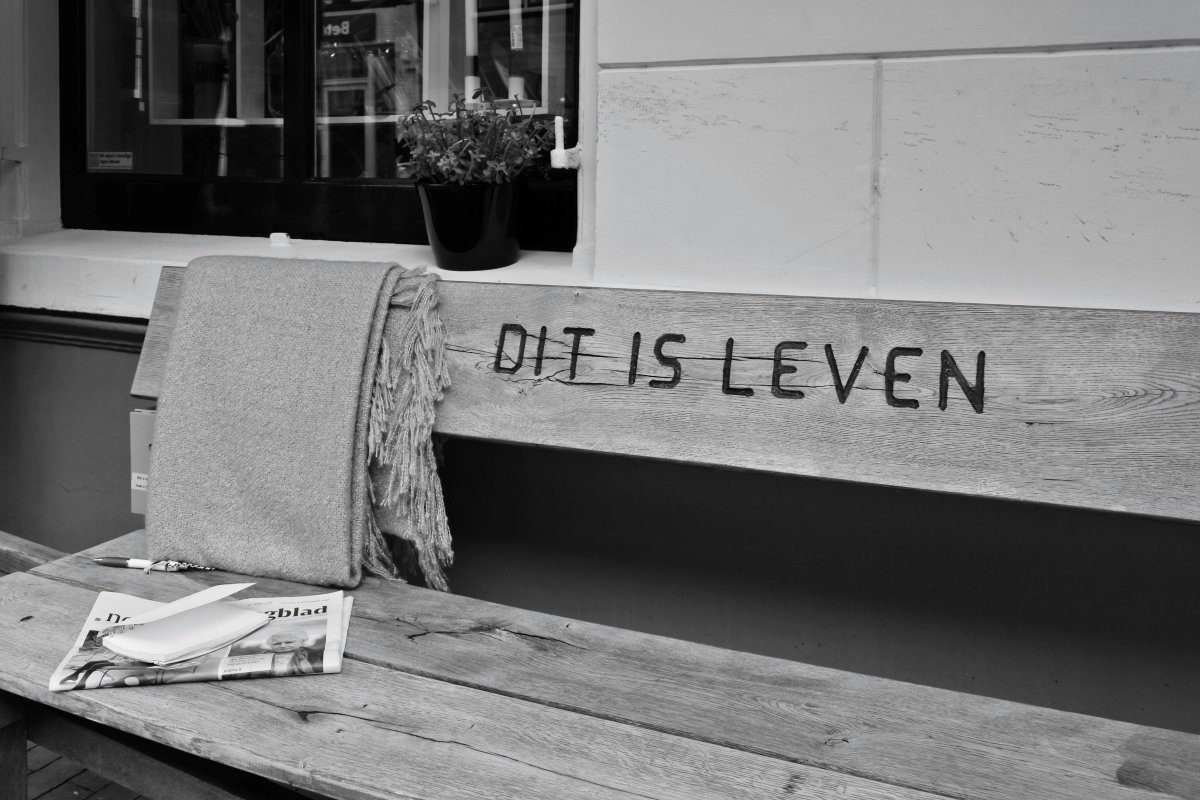




Kampen is a beautifully preserved medieval city in Overijssel that’ll have you feeling like you’ve stepped back in timeβ€”minus the medieval plumbing. With three UNESCO-worthy gates, charming canals, world-class beer, and a vibe that’s way less touristy than Amsterdam, Kampen is perfect for history buffs, cycling enthusiasts, foodies, and anyone who wants to experience authentic Dutch culture without the crowds.
- Why Kampen Should Be On Your Netherlands Itinerary
- GETTING THERE: Making Your Way To Kampen
- WHERE TO STAY: Accommodations For Every Budget & Travel Style
- Luxury & Boutique Options
- Mid-Range Comfort
- Budget-Friendly Options
- Unique Stays
- Choosing Your Neighborhood
- WHAT TO SEE & DO: The Highlights (And Then Some)
- The Three Gates: Medieval Superstars
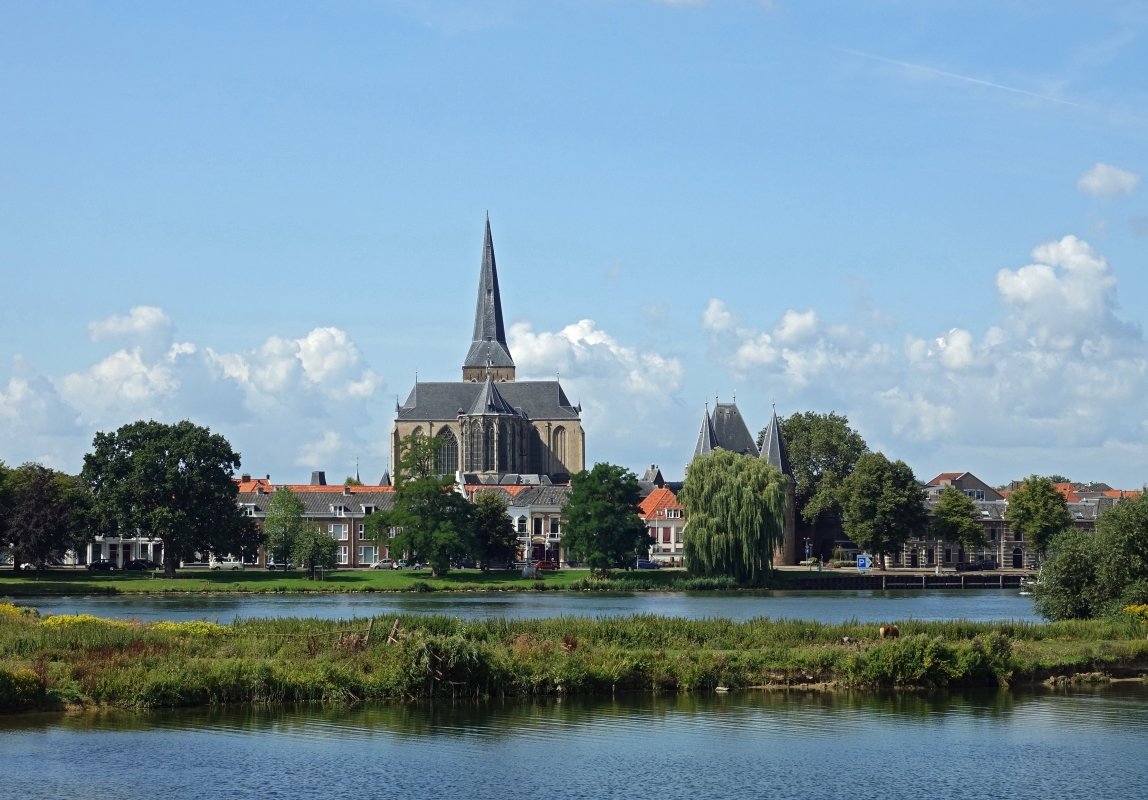
- St. Nicholas Church: The Architectural Showstopper
- The Harbour & Riverfront
- The Museum Quarter: For History Lovers
- The Cycling Experience: Explore Like a Local
- Local Markets & Street Life
- FOOD & DRINK: Culinary Gems You Need To Try
- Local Specialties Worth Seeking Out
- Where To Eat: From Casual To Special
- Craft Beer Scene
- Coffee Culture
- Practical Eating Tips
- PRACTICAL INFORMATION: The Logistics Stuff
- INSIDER TIPS: What The Locals Know
- DAY TRIPS FROM KAMPEN: Expand Your Horizons
- CONCLUSION: Why Kampen Matters
- QUICK REFERENCE: Essential Information
Why Kampen Should Be On Your Netherlands Itinerary
Let’s be real: when most people think about visiting the Netherlands, they picture Amsterdam’s packed canal-side cafΓ©s and endless selfie sticks. But here’s the thingβ€”some of the best travel experiences happen in the places tourists haven’t figured out yet. Enter Kampen, a riverside city in Overijssel that’s basically what Amsterdam looked like 300 years ago, if Amsterdam was way more relaxed and friendlier.
Kampen has serious medieval credentials. This isn’t just another cute Dutch town; it’s a place where centuries of history literally sit on the riverbanks of the IJssel River, where merchant ships still sail past, and where locals actually outnumber tourists. The city’s been around since the 1200s, thrived as a major trading hub during the Dutch Golden Age, and somehow managed to keep its soul intact despite modernization.
Whether you’re into exploring ancient architecture, pedaling through polder landscapes on a bike, discovering local craft beers, or simply soaking up that authentic Dutch atmosphere everyone talks about, Kampen delivers. Plus, it’s way easier on your wallet than Amsterdamβ€”both for accommodations and meals. We’re talking quality experiences without emptying your travel fund.
GETTING THERE: Making Your Way To Kampen
- By Train
Honestly? This is your best bet. Kampen has a direct train station with regular connections to Amsterdam (about 1 hour 15 minutes), Utrecht (45 minutes), and Zwolle (15 minutes). The trains are modern, comfortable, and you’ll actually get to see the Dutch countrysideβ€”those windmills and flat landscapes everyone romanticizes about.
Pro tip: If you’re planning multiple train journeys, grab a day ticket or an OV card at the station. It’s cheaper than buying individual tickets and works across most regional trains. Plus, you can hop on and off throughout the day to explore different towns.
- By Car
Kampen’s about 90 kilometers northeast of Amsterdam, making it a straightforward drive if you’ve rented a car. The roads are excellent (as you’d expect in the Netherlands), and parking is pretty hassle-free compared to major cities. There’s a paid car park right in the city center, or you can grab a spot on the street if you’re lucky. Fair warning: Dutch drivers are intense, but the roads are logical and well-marked.
- By Bike
If you’re already in the region, Kampen is a logical cycling destination. The Netherlands has incredible cycling infrastructure, and riding through the countryside to reach this medieval gem is genuinely magical. Most towns within 30 kilometers are accessible via dedicated bike paths. You can rent a bike at virtually any train station in the Netherlands.
- For International Travelers
Flying into Amsterdam or Rotterdam? Kampen is a straightforward train journey away. We’d recommend spending a day or two in Amsterdam if it’s your first time in the Netherlands, then heading to Kampen for the “real” Dutch experience.
WHERE TO STAY: Accommodations For Every Budget & Travel Style
Luxury & Boutique Options
If you want to treat yourself, the historic hotels in Kampen are absolutely worth it. These aren’t sterile chain hotelsβ€”they’re actual period buildings with character. The InterCityHotel Kampen sits right near the station and offers modern comfort with historical surroundings. Several converted 17th-century merchant houses now operate as boutique hotels, giving you that authentic Dutch experience with heated rooms (important in winter, trust us).
Mid-Range Comfort
The majority of Kampen’s accommodations sit comfortably in this range. You’ll find family-run hotels, well-maintained guesthouses, and apartments that feel genuinely Dutch. Places like the classic canal-side hotels offer that postcard-perfect view without the Amsterdam-level prices. Most rooms include breakfast and free WiFi, and staff are usually incredibly helpful with local recommendations.
Budget-Friendly Options
Backpackers and budget travelers have options here, though Kampen isn’t an absolute backpacker mecca like Amsterdam. Hostels are available and tend to be sociable places where you’ll meet fellow travelers. Airbnb apartments are abundant and genuinely cheaper than hotelsβ€”you can score a cute studio near the city center for less than you’d pay for a standard hotel room in the capital.
Unique Stays
Want something different? Some travelers have great luck with Airbnb houseboats (yes, they exist in Kampen), vintage camper rentals just outside the city, or farm stays in the surrounding countryside. These experiences give you a completely different perspective on the area and often include encounters with locals who can share insider tips.
Choosing Your Neighborhood
Virtually all of Kampen is walkable, so don’t stress too much about location. The city center offers the most charm and walkability to restaurants and attractions. If you want quieter surroundings, the residential areas just outside the center are beautiful and peaceful.
WHAT TO SEE & DO: The Highlights (And Then Some)
The Three Gates: Medieval Superstars
Kampen’s three remaining city gates are honestly the crown jewels of the city, and they’re incredibly well-preserved. Each one tells a different story and represents different periods of the city’s history.
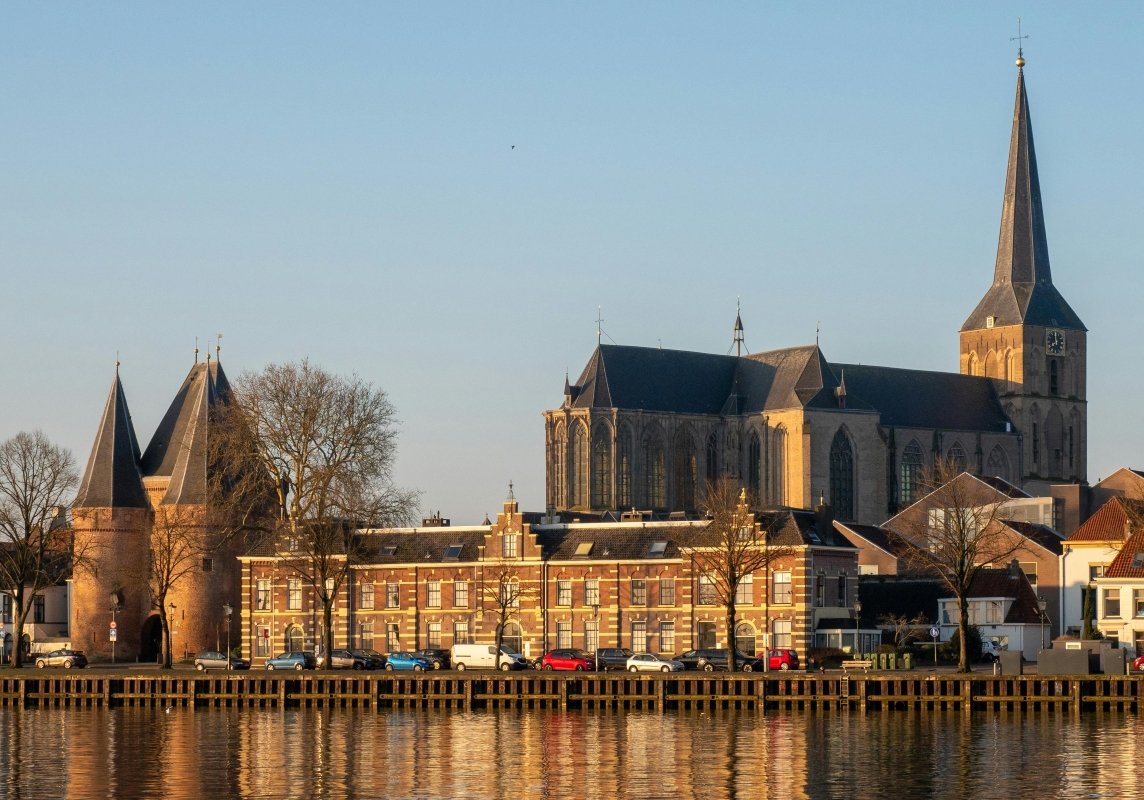
The Eelpoort (Eel Gate) is the oldest and probably the most impressiveβ€”a massive brick structure that’s been guarding the eastern entrance since the 14th century. It feels legitimately medieval, which is wild when you think about how many centuries it’s been standing there. Inside, there’s a small museum and you can climb to the top for panoramic views of the city and river.
The Koornmarktspoort sits on the south side and has this beautiful, almost fairytale-like quality. It’s smaller and more elegant than the Eelpoort, with architecture that represents the Renaissance period. The gate houses exhibitions that rotate regularly.
The Bergpoort is the northwest gate and perhaps the most photogenic. It has these iconic twin towers that make perfect backgrounds for your travel photos (everyone does this, no judgment).
Pro tip: All three gates are accessible to the public, and entry is either free or costs just a couple of euros. If you’re really into medieval history, the combination ticket for all three gates is an absolute steal.
St. Nicholas Church: The Architectural Showstopper
This isn’t just any churchβ€”it’s a proper, magnificent Gothic structure that took about 150 years to complete. The St. Nicolaaskerk sits majestically in the city center, and even if you’re not religious, the architecture is stunning. The interior is surprisingly ornate (you’d expect more austerity), and the acoustics are phenomenalβ€”if there’s an organ concert during your visit, absolutely attend.
The church also offers occasional tower climbs during peak tourist season. Yes, there are stairs (lots of them), but the views are worth it. Plus, climbing historic towers is one of those experiences that sounds small but stays with you.
The Harbour & Riverfront
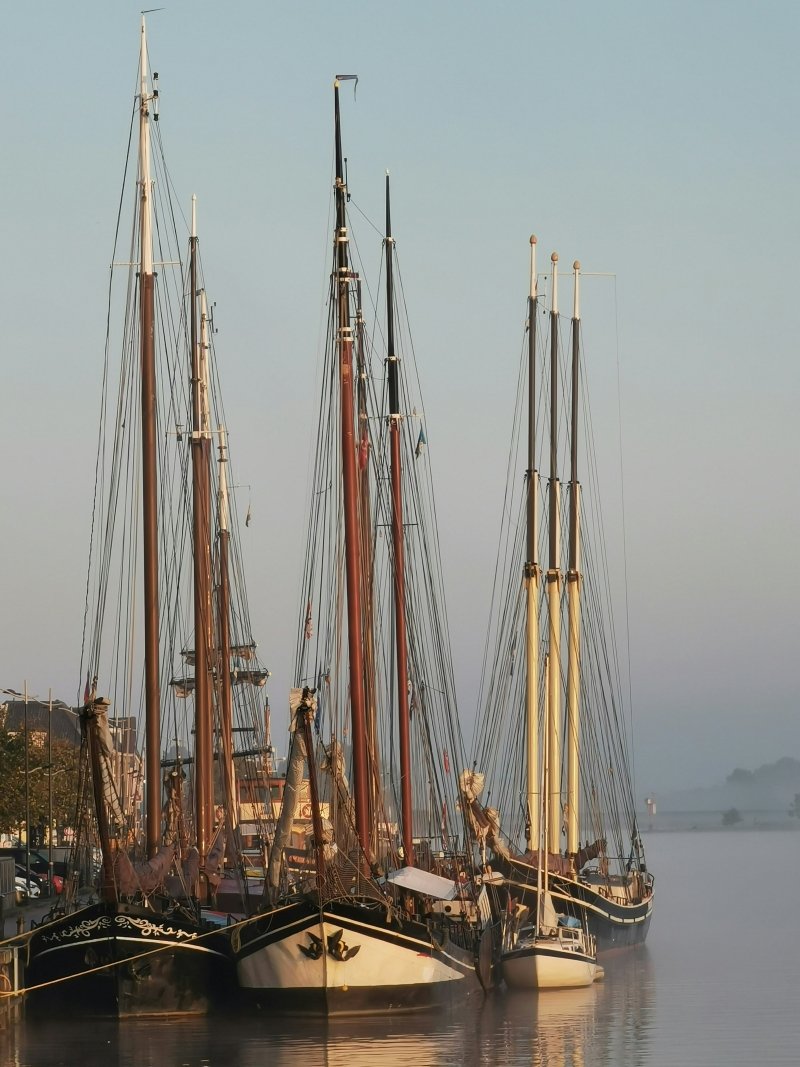
This is where Kampen feels most authentic. The river is genuinely the lifeblood of the city. Walking along the waterfront, you’ll see traditional Dutch sailing boats (called “botters”), working fishermen, and commercial vessels moving goods through the IJssel River. It’s not a theme park version of nautical charmβ€”it’s the real thing.
The harbour area has been beautifully developed with cafΓ©s, restaurants, and tiny museums. Grab a coffee or beer and watch the world go by. During summer, outdoor markets pop up along the waterfront, and occasionally you’ll catch cultural events or sailing boat races.
The Museum Quarter: For History Lovers
Kampen punches above its weight with museums. The Museum Kampen is your main stopβ€”it covers the city’s complete history from medieval times through the present day. It’s not huge, which is actually great; you won’t need five hours here, but you’ll leave with genuine understanding.
The Stedelijk Museum focuses on cultural and artistic history. If you’re into Dutch design, applied arts, or local culture, this one’s essential.
For something completely unique, the Oudheidkamer (Antiquity Room) is a quirky, old-school museum that feels like you’re visiting someone’s personal collection. It’s charmingly chaotic and unexpectedly fascinating.
The Cycling Experience: Explore Like a Local
Rent a bike and embrace what locals actually do. The polder landscape around Kampen is absolutely made for cycling. There are established cycling routes (marked with colored dots) that take you through farmland, past windmills, through small villages, and along waterways.
The “Kampen to Urk” route is popularβ€”Urk is a fishing village about 15 kilometers away that’s visually stunning and worth a day trip. The ride is easy and mostly flat (because this is the Netherlands).
You don’t need to be a serious cyclist. Dutch bikes are built for cruising, not speed. Go slow, stop whenever something looks interesting, chat with locals (they love talking about cycling), and genuinely experience the region.
Local Markets & Street Life
Kampen’s markets are authentic, not tourist-trap versions. The Weekmarkt (weekly market) happens regularly and features local produce, flowers, cheese, and crafts. This is where locals actually buy their groceries and socialize. Showing up early gets you first pick and better interactions with vendors.
FOOD & DRINK: Culinary Gems You Need To Try
Local Specialties Worth Seeking Out
Kampen has serious food traditions. Kibbeling (fried fish) is a big deal hereβ€”it’s light, crispy, and best eaten fresh from a market stand with mayo. Don’t judge the mayo; Dutch mayo is genuinely different and genuinely good.
Mussel season (September to April) brings incredible mussels into the local food scene. During these months, restaurants have daily mussel specials, and you’ll want to eat them. They’re fresh, perfectly prepared, and remarkably affordable.
Paling (eel) is another local specialty. Before you say no, hear us outβ€”when prepared well, it’s absolutely delicious. It’s typically smoked or prepared in a brown sauce with onions. At least try a bite if you’re adventurous.
Where To Eat: From Casual To Special
For casual eats, the waterfront is packed with decent restaurants and cafΓ©s where you can grab a sandwich, fresh fish, or traditional Dutch food. Nothing fancy, but genuine and reliable.
For something special, Kampen has several locally-focused restaurants that celebrate regional cuisine. These aren’t Michelin-level fancy, but they’re the kind of places where the chef sources ingredients from nearby farmers and actually cares about what you’re eating.
Don’t overlook the smaller restaurants tucked into side streetsβ€”some of the best meals come from these places where locals eat. Ask your hotel staff or locals for recommendations; they’ll steer you right.
Craft Beer Scene
Kampen’s brewery tradition goes back centuries, and it’s being revived beautifully. Several local breweries offer tours and tastingsβ€”these aren’t massive tourist operations; they’re genuinely interesting places where passionate people are brewing beer.
Brewery visits often include tastings with stories about why they’re brewing specific styles. It’s educational without being pretentious, and the beer is legitimately excellent. Many breweries also have attached restaurants or partner with local food spots.
Coffee Culture
Dutch coffee culture isn’t as intense as some places, but Kampen has some genuinely excellent coffee spots run by people who actually care. Grabbing a proper espresso-based drink and a pastry is a great way to start your day.
Practical Eating Tips
Restaurant meals are remarkably affordable compared to major citiesβ€”you can get a quality dinner for 15-25 euros. Lunch is even cheaper.
Many restaurants close between lunch and dinner (roughly 3-6 PM), so plan accordingly.
The Dutch eat dinner relatively early (6-7 PM), so if you eat late, you might hit smaller crowds. Restaurants are generally less busy after 8 PM.
PRACTICAL INFORMATION: The Logistics Stuff
Weather & When To Visit
Spring (April-May): Perfect weather, blooming flowers, moderate crowds. Honestly, this might be the ideal time.
Summer (June-August): Warmest, but also busiest. If you’re comfortable with crowds, it’s genuinely nice.
Fall (September-October): Beautiful colors, still pleasant weather, locals return after summer vacation. Excellent choice.
Winter (November-March): Cold (3-7Β°C), but way fewer tourists. It’s atmospheric if you embrace it, but bring proper clothing.
Best time overall? May or September. You get great weather without excessive tourists.
Getting Around
Kampen is genuinely walkable everything important is within about 20 minutes on foot.
Cycling is perfect and totally safe. Rent a bike for exploring surrounding areas.
For day trips beyond cycling distance, trains are reliable and frequent.
Practical Details
Currency: Euro (€)
Language: Dutch is spoken, but English is widely understood, especially among younger people and in the tourism industry.
Toilets: Public bathrooms are available; some require a small coin (usually 0.50€), which is standard in the Netherlands.
Accessibility: Kampen’s medieval streets mean cobblestones are everywhere. The city is working on accessibility, but if mobility is a concern, confirm specific locations before visiting.
Payment Methods: Card payments are the norm. While some cash is useful, most places accept cards. Many places are cashless-only.
Safety: Kampen is genuinely safe. Normal street smarts apply, but you won’t feel unsafe walking around at night.
INSIDER TIPS: What The Locals Know
Visit Early Morning
Seriously, wake up early. The city before 9 AM is absolutely magical. The light is perfect, the streets are empty, and you get to experience the city as locals do before the day gets busy. Grab coffee and walk around.
Talk To Locals
Dutch people have a reputation for being blunt, but it’s actually directness mixed with genuine helpfulness. If you ask for recommendations or directions, they’ll give you honest, detailed answers. Engage with them; they’re actually quite friendly.
Respect The Cycling Culture
The Netherlands is a cycling nation. The rules exist for everyone’s safety. When walking, stay off the red bike paths. This sounds obvious, but tourists do this constantly, and it bugs locals.
Bring Rain Gear
Even during “nice” seasons, weather can turn quickly. The Netherlands is flat, which means wind, and wind often brings rain. A small umbrella or rain jacket is genuinely useful.
Skip The Tourist Traps
Kampen doesn’t have many, but avoid places that are clearly aimed at tourists in a gimmicky way. Instead, eat where locals eat, shop where locals shop, and explore where locals explore.
DAY TRIPS FROM KAMPEN: Expand Your Horizons
This fishing village is visually stunningβ€”narrow streets, traditional Dutch buildings, colorful boats, and a marina that actually works. The harbor is genuinely active with fishing boats. It’s quiet, charming, and you can see it properly in about 4 hours. Stay for lunch at a harbourside restaurant; the fish is obviously incredible. MORE READ..
Kampen’s bigger neighbor is worth a few hours. It has its own medieval charm, excellent museums, great shopping, and fantastic restaurants. If you need urban vibe with slightly bigger options, Zwolle delivers. MORE READ..
- Lelystad & Batavia Shipyard (35 km)
This is for maritime history nerds. The Batavia was a Dutch East India Company ship that sank in the 1600s. The shipyard is a working replica that’s genuinely fascinating. It’s a solid half-day trip if you’re into history and maritime culture.
CONCLUSION: Why Kampen Matters
Kampen isn’t famous. It won’t show up in every travel guide. Most tourists will never go there. And that’s actually its superpower.
This city represents what the Netherlands genuinely is: historic, beautiful, unpretentious, and genuinely welcoming. It’s a place where you can actually experience Dutch culture instead of performing tourism.
Whether you’re spending a weekend or a few days, Kampen will show you something real. You’ll eat good food, see architecture that moves you, meet locals who’ll make you laugh, and understand why people love the Netherlands so deeply.
So grab your bike, embrace the potential rain, order some kibbeling, and discover what everyone else is somehow missing.
Welcome to Kampen.
QUICK REFERENCE: Essential Information
Population: ~35,000
Best Time To Visit: May, September
Main Transport: Train station in city center
Currency: Euro (€)
Language: Dutch (English widely spoken)
Must-See: Three medieval gates, St. Nicholas Church, Riverfront
Must-Do: Rent a bike, eat local fish, visit a brewery
Approximate Budget: €50-100/day (budget traveler), €150-250/day (comfort traveler)
Pro Tip: Visit in shoulder season for perfect balance of weather and crowds