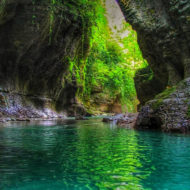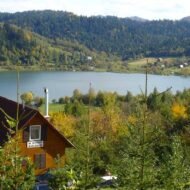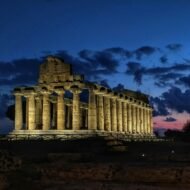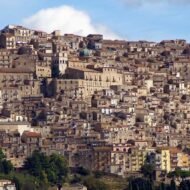











TL;DR: Baltic winter destinations guide , The Baltics in winter? Absolute magic. Think medieval towns dusted with snow, frozen waterfalls, cozy saunas after forest hikes, and Christmas markets without the overwhelming tourist crowds. This guide covers five destinations that blend Instagram-famous spots with under-the-radar treasures—from Tallinn’s fairytale Old Town to Latvia’s frozen waterfall wonderland. Budget-friendly, culturally rich, and perfect for everyone from solo adventurers to families.
- 1. Tallinn, Estonia — The Fairytale Winter Capital
- Why It’s Special
- Highlights
- Local Traditions & Cultural Aspects
- Winter Activities & Outdoor Fun
- Food Scene
- Events
- Budget Considerations
- Useful Info
- 2. Sigulda, Latvia — The Winter Adventure Town
- Why It’s Special
- Highlights
- Local Traditions & Cultural Aspects
- Winter Activities & Outdoor Fun
- Food Scene
- Events
- Budget Considerations
- Useful Info
- 3. Druskininkai, Lithuania — Spa Town With Snowy Forest Magic
- Why It’s Special
- Highlights
- Local Traditions & Cultural Aspects
- Winter Activities & Outdoor Fun
- Food Scene
- Events
- Budget Considerations
- Useful Info
- 4. Saaremaa Island, Estonia — Windmills, Saunas & Winter Seaside Vibes
- Why It’s Special
- Highlights
- Local Traditions & Cultural Aspects
- Winter Activities & Outdoor Fun
- Food Scene
- Events
- Budget Considerations
- Useful Info
- 5. Kuldīga, Latvia — Frozen Waterfalls & Storybook Streets
- Why It’s Special
- Highlights
- Local Traditions & Cultural Aspects
- Winter Activities & Outdoor Fun
- Food Scene
- Events
- Budget Considerations
- Useful Info
- Final Thoughts
- Disclaimer
1. Tallinn, Estonia — The Fairytale Winter Capital
Why It’s Special
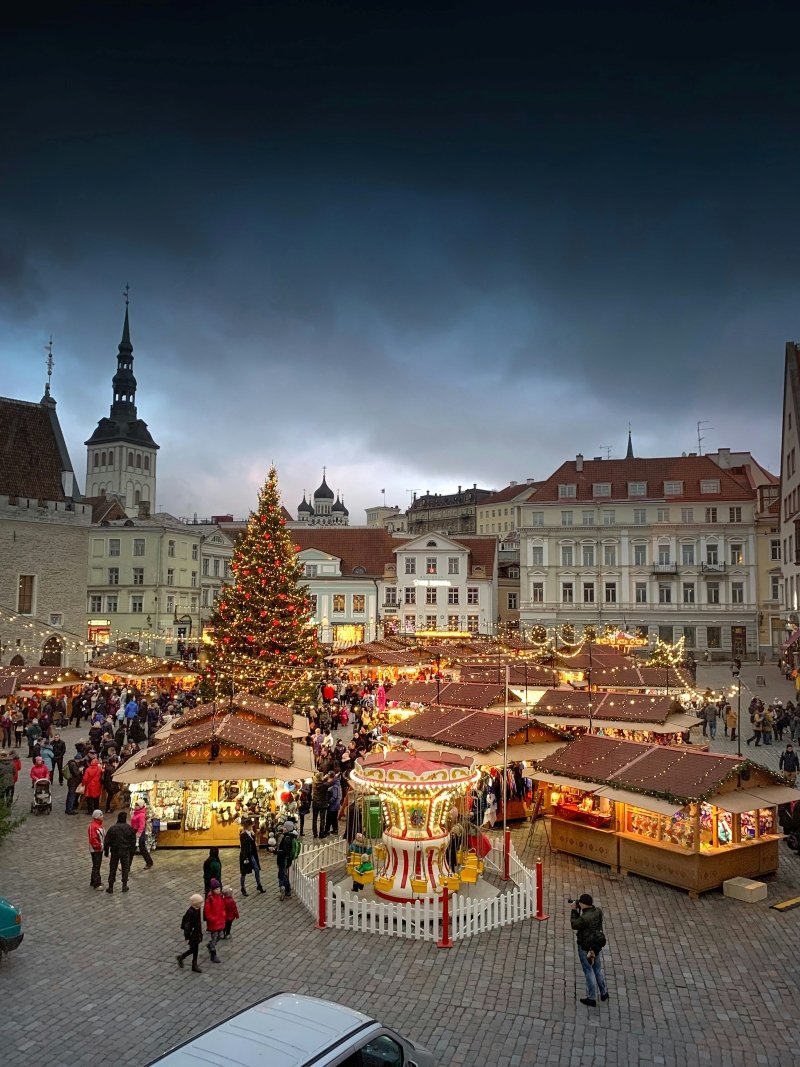
Tallinn’s Old Town under a blanket of snow looks like someone spilled a medieval fantasy novel across cobblestone streets. The mix of Gothic spires, colorful merchant houses, and twinkling lights creates an atmosphere that’s simultaneously cozy and dramatic. It’s popular for good reason, but venture beyond Town Hall Square and you’ll find quiet corners where locals sip mulled wine away from the tourist trail.
Highlights
Popular spots: The Christmas Market in Town Hall Square (one of Europe’s oldest, dating back to 1441) runs late November through early January, featuring handcrafted woolens, gingerbread, and that steaming cup of glögi (spiced wine) you desperately need. Climb Toompea Hill for panoramic snowy views, or wander through the Alexander Nevsky Cathedral’s Byzantine domes.
Off-the-radar: Head to Kalamaja district, where wooden houses wear snow like powdered sugar and hipster cafes serve Estonian craft beer. Visit Patarei Sea Fortress—a haunting former prison turned cultural space with winter exhibitions. For true local vibes, try the Balti Jaama Turg (market) where vendors sell smoked fish, dark rye bread, and fermented everything.
Local Traditions & Cultural Aspects
Estonians celebrate St. Catherine’s Day (November 25) and St. Martin’s Day (November 10) with costumed door-to-door visits—think Halloween meets caroling. If you’re around for Christmas, expect quiet, family-focused celebrations (Estonians are notoriously introverted, but wonderfully warm once you break the ice). The sauna culture is sacred here—many hotels and guesthouses offer authentic smoke saunas followed by snow rolls or Baltic Sea dips for the brave.
Winter Activities & Outdoor Fun
Ice skating at Harju Street rink (free!) is where families and couples glide under fairy lights. For cross-country skiing, head 30 minutes to Nõmme or Pirita forests where groomed trails wind through pine woods. No major downhill skiing in Tallinn proper, but the compact city means you’re never far from a sledding hill.
Food Scene
Winter comfort food here means hearty stews, blood sausage (verivorst—better than it sounds), and sauerkraut. Try Rataskaevu 16 for modern Estonian cuisine in a medieval cellar, or F-Hoone in Kalamaja for industrial-chic vibes and killer elk tartare. Street food at the Christmas market includes hot almonds, grilled sausages, and deep-fried black pudding. Budget tip: supermarkets like Rimi sell ready-made meals for €3-5, and bakery chains offer pastries for under €2.
Events
- Tallinn Christmas Market (late Nov-early Jan): Crafts, concerts, and serious glögi consumption
- Tallinn Black Nights Film Festival (November): One of Northern Europe’s biggest cinema events
- New Year’s Eve fireworks at Freedom Square: Spectacular and free
Budget Considerations
Accommodation: Hostels from €15-25/night, mid-range hotels €60-90. Book Old Town guesthouses for atmosphere.
Food: Budget €10-15/day (self-catering), €25-40/day (restaurants).
Transport: Tallinn Card (€32/24hrs) covers public transport and museum entry—excellent value.
Activities: Most churches and viewpoints are free; Christmas market browsing costs nothing.
Useful Info
Getting there: Tallinn Airport is 15 minutes from the center (€2 tram). Ferries from Helsinki take 2 hours (from €20).
Language: Estonian, but English widely spoken in tourist areas.
Weather: December-February averages -5°C to 0°C; pack layers and waterproof boots.
Accessibility: Old Town’s cobblestones challenge wheelchair users, but newer districts and trams are accessible. MORE READ..
2. Sigulda, Latvia — The Winter Adventure Town
Why It’s Special
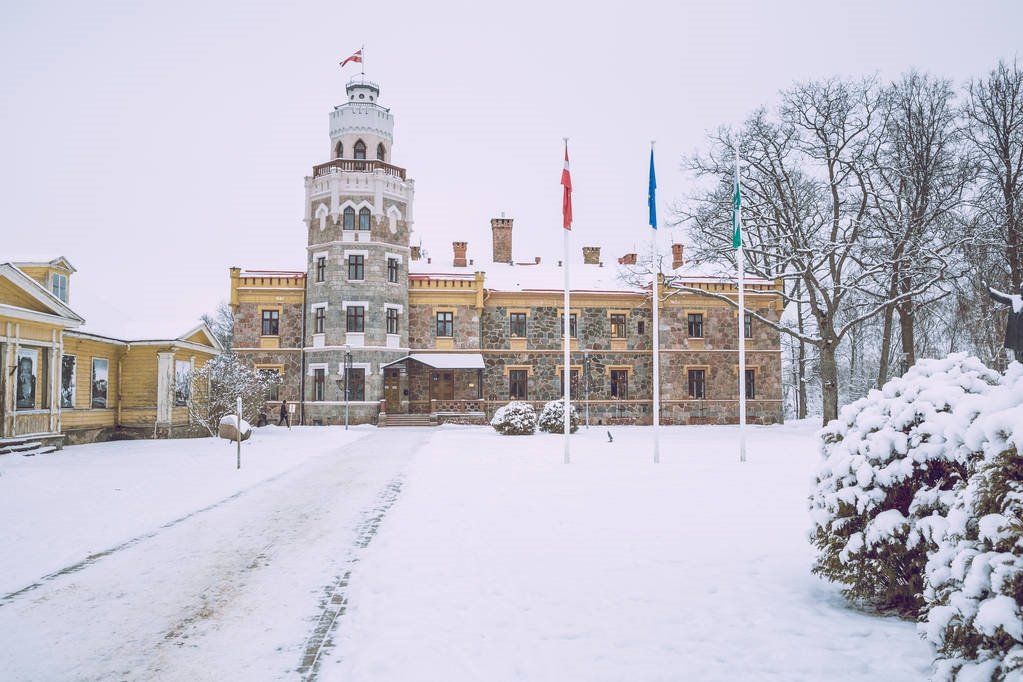
If Tallinn is a fairytale, Sigulda is an adrenaline rush wrapped in snow. This small town in Latvia’s Gauja Valley combines medieval castle ruins with Olympic-level winter sports facilities. You get the Baltic charm without the crowds, plus activities that’ll spike your heart rate.
Highlights
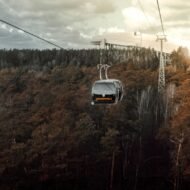
Popular spots: The bobsled track at Sigulda Olympic Center lets you ride shotgun with a professional pilot at 125 km/h down ice curves (€50, absolutely worth it). Turaida Castle’s red brick towers rise from snowy forests—climb for valley views that’ll dominate your camera roll. The cable car crossing the Gauja River offers aerial perspectives of frozen landscapes.
Off-the-radar: Krimulda Manor’s wooden architecture and quiet park see few visitors in winter. Hike to Gutmanis Cave, Latvia’s largest grotto, where frozen waterfalls create natural ice sculptures and 17th-century graffiti covers the walls (romantic declarations in old German script). The Artists’ Hill trail connects viewpoints through silent pine forests.
Local Traditions & Cultural Aspects
Latvians celebrate winter solstice with fire rituals and log-dragging traditions to “pull” the sun back north. Christmas (December 24-26) centers on family saunas, roasted pork, and the búk būk dance where costumed mummers visit homes. Sigulda locals take their winter sports seriously—don’t be surprised to see grandparents discussing luge techniques over coffee.
Winter Activities & Outdoor Fun
Skiing: The modest slopes at Sigulda Ski Center (€10-15/day pass) suit beginners and families. Cross-country trails through Gauja National Park total over 30km, groomed and free. Extreme options: Try the skeleton (headfirst sliding) at the bobsled track, or tandem paragliding over snowy valleys with Aerodium (€60-80).
Food Scene
Latvian winter food is peasant cuisine elevated—think grey peas with bacon, potato pancakes (kartupeļu pankūkas), and rye bread that could double as a doorstop. Mr. Biskvīts serves modern Latvian in a cozy setting; their smoked trout is phenomenal. Kungu Rija in Turaida offers traditional meals in a restored barn. At the bobsled café, try piragi (bacon buns) that athletes swear by for energy.
Events
- Sigulda Opera Festival Winter Edition (select dates): Performances in castle ruins with dramatic lighting
- Latvian Bobsled Championships (January-February): Free to watch, thrilling speeds
- Gauja Medieval Festival (February): Reenactments, archery, blacksmith demos
Budget Considerations
Accommodation: Guesthouses €30-50/night, B&Bs with breakfast €40-60.
Food: Self-catering €8-12/day, restaurants €20-35/day.
Transport: Bus from Riga (€2.50, 1 hour). Local buses €1-2.
Activities: Castle entries €5-7; bobsled ride is the splurge item.
Useful Info
Getting there: Train or bus from Riga to Sigulda (1 hour, frequent departures).
Best time: January-February for guaranteed snow and active Olympic track.
What to pack: Thermal layers for bobsledding; waterproof hiking boots essential.
Pro tip: Book bobsled rides online in advance—they sell out weekends. MORE READ..
3. Druskininkai, Lithuania — Spa Town With Snowy Forest Magic
Why It’s Special
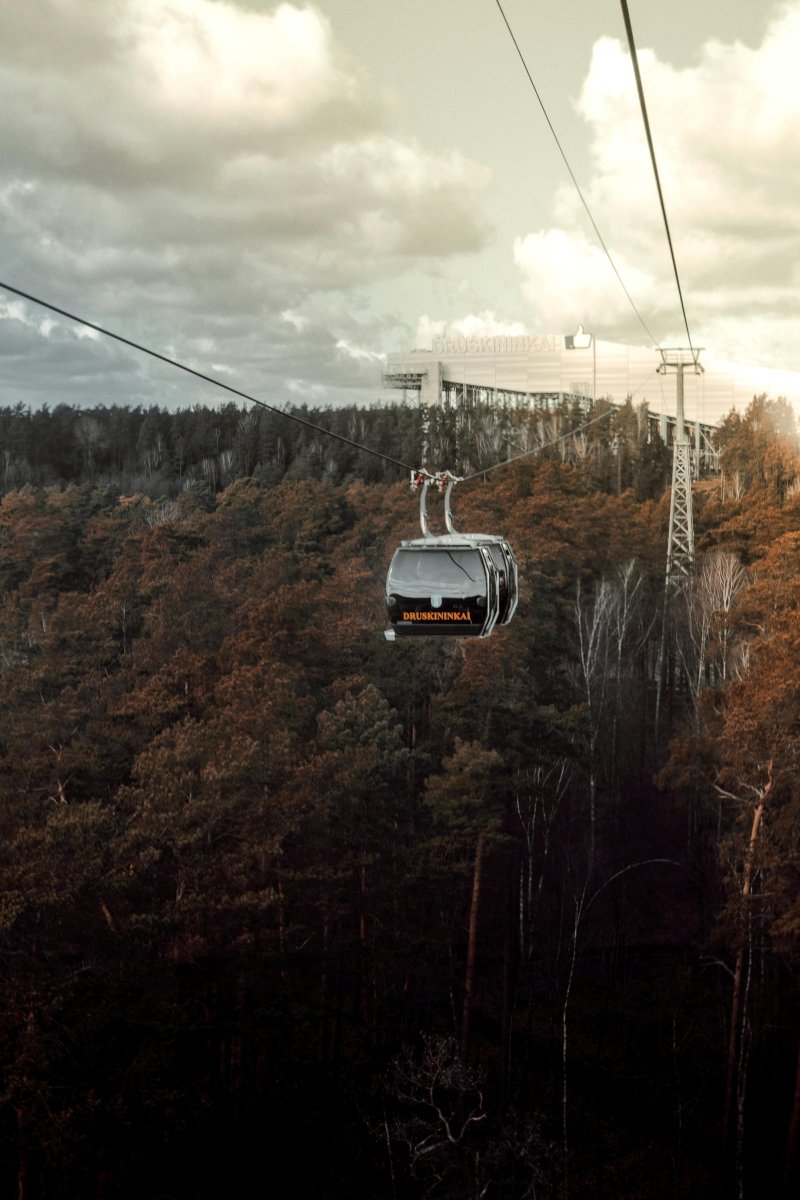
Druskininkai is where Lithuanians go to decompress—a spa town near the Belarusian border that blends Soviet-era wellness culture with modern thermal resorts. The surrounding Dzūkija forests provide cross-country skiing and mushroom foraging (yes, even under snow). It’s low-key, affordable, and perfect for travelers who want relaxation with a side of outdoor exploration.
Highlights
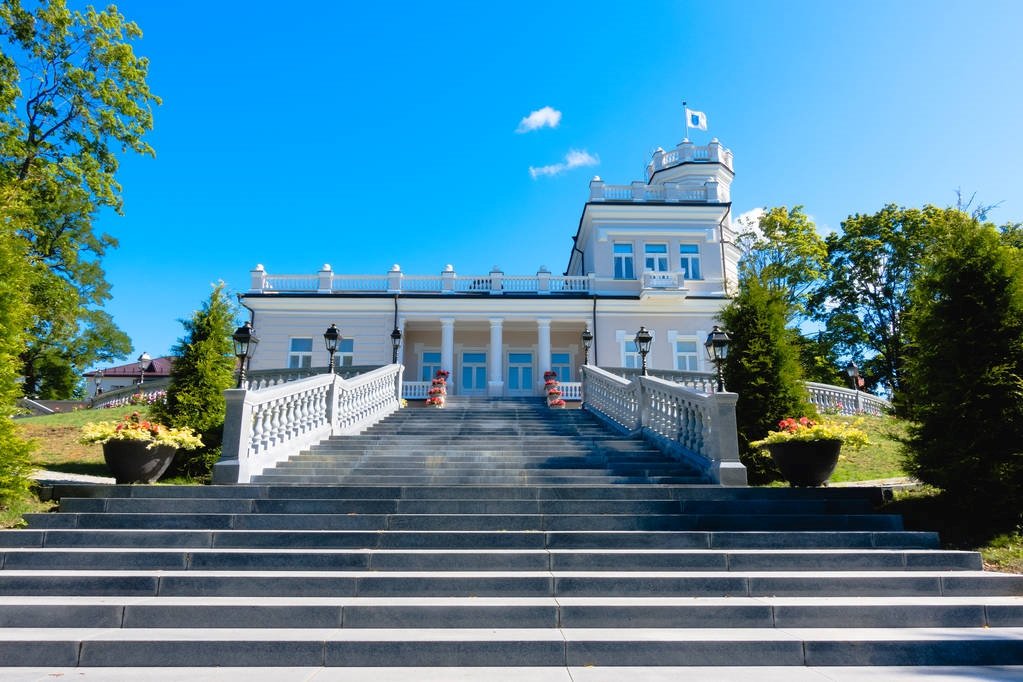
Popular spots: The Snow Arena is Eastern Europe’s only indoor ski slope (open year-round, €20-30 for 2 hours)—convenient when outdoor conditions aren’t ideal. Aqua Park at Europa Royale Resort offers water slides, thermal pools, and saunas. The town’s pedestrian Vilniaus Street sparkles with lights and ice sculptures in winter.
Off-the-radar: Grūtas Park (Stalin World) is 10km out—a bizarre sculpture garden of Soviet statues and relics that’s somehow both eerie and fascinating. The Forest Echo trail leads to observation towers over silent pine forests where you might spot deer or wild boar tracks. Visit the avant-garde Devils’ Museum (yes, really) for Lithuania’s obsession with folk devil imagery.
Local Traditions & Cultural Aspects
Lithuanians are masters of the bathhouse experience—combine sauna heat with cold plunges in the Nemunas River for a tradition called pirtis. Winter solstice (Kūčios) involves elaborate 12-dish meatless feasts and fortune-telling rituals with wax and water. Mushroom hunting continues in winter for the hardy—frozen mushrooms are considered delicacies. The town’s mineral waters have been celebrated since the 19th century, and locals swear by drinking thermal water daily.
Winter Activities & Outdoor Fun
Over 50km of cross-country ski trails through Dzūkija National Park are groomed regularly (free). Ice fishing on local lakes is popular—guides offer half-day trips (€40-60) including equipment and schnapps. The Adventure Park has winter zip-lining through snowy treetops. For mellow days, thermal baths at Grand SPA Lietuva start at €15 for 2 hours.
Food Scene
Lithuanian food is hearty and potato-centric. Cepelinai (zeppelin dumplings filled with meat, drowning in sour cream) will keep you warm for hours. Sicilia does surprising wood-fired pizzas, while Kolonada offers traditional Lithuanian spreads. The town market sells smoked meats, local honey, and homemade liqueurs. Budget eats: Maxima supermarket has hot meal sections for €3-5.
Events
- Druskininkai Winter Festival (February): Ice sculpture competitions, sleigh rides, folk music
- Snow Arena competitions (January-March): Amateur skiing events anyone can watch
- Spa wellness weekends (throughout winter): Many resorts offer package deals
Budget Considerations
Accommodation: Spa hotels €50-80/night with pool access; apartments €30-45.
Food: Self-catering €10-15/day, restaurants €15-25/day.
Transport: Bus from Vilnius (€10, 2 hours). Town walkable, buses to forests €1-2.
Activities: Snow Arena is the main expense; outdoor skiing/hiking free.
Useful Info
Getting there: Direct buses from Vilnius; car rental gives forest access flexibility.
Best for: Couples seeking spa relaxation, families (lots of kid-friendly activities).
Weather: Colder than coastal areas (-8°C to -3°C); pack serious winter gear.
Accessibility: Most major hotels and spas have accessible facilities; forest trails less so. MORE READ..
4. Saaremaa Island, Estonia — Windmills, Saunas & Winter Seaside Vibes
Why It’s Special
Saaremaa is Estonia’s largest island—a windswept, sparsely populated landscape where medieval churches stand beside working windmills, and locals outnumber tourists even in summer. Winter transforms it into something otherworldly: frozen Baltic coastlines, steaming public saunas, and a pace of life that’s genuinely restorative. This is the off-the-radar gem for travelers craving authenticity.
Highlights
Popular spots: Kuressaare Castle’s medieval fortress hosts winter exhibitions and has fully intact moats that freeze into skating rinks. The Angla Windmill Park (five historic wooden windmills) against snow-covered fields is iconic. Kaali Meteorite Crater (formed 4,000 years ago) becomes a frozen lake in winter—walk across it for surreal photo ops.
Off-the-radar: Vilsandi National Park’s coastal trails see almost no winter visitors; frozen shores create ice formations like something from a sci-fi film. The tiny village of Koguva feels frozen in the 19th century—thatched roofs, stone walls, and profound silence. Find Estonia’s last public wood-fired saunas in villages like Kihelkonna (€5-10, bring birch branches for vihta beating).
Local Traditions & Cultural Aspects
Islanders maintain pre-Christian traditions mixed with Lutheran customs. Smoke saunas here are ritualistic—men and women bathe separately, followed by rolling in snow or Baltic Sea ice swimming (harden up or go home). The island’s juniper gin (Kannu Kukk) and craft beer scene is thriving. Saaremaa residents are fiercely proud of their dialect and island identity—they’ll correct you if you call them “just Estonian.”
Winter Activities & Outdoor Fun
Ice road to Hiiumaa Island (neighboring island) opens when sea ice reaches 25cm thick—driving across frozen Baltic is bucket-list material (check safety announcements). Cross-country skiing on coastal trails, particularly in Vilsandi. Ice fishing is serious business; locals catch perch and pike through drilled holes. Birdwatching attracts enthusiasts tracking winter migrants and sea eagles.
Food Scene
Island cuisine centers on fish (smoked eel, herring, perch) and lamb. Ku-Kuu Restaurant in Kuressaare does elevated Estonian with local ingredients—their black bread ice cream is genius. Saaremaa Veski serves hearty soups and stews in a converted mill. Try leib (dark rye bread) with smoked sprat—simple, perfect. The local beer, Saaremaa, is everywhere and good.
Events
- Ice Road Opening Celebration (January/February, if ice permits): Locals drive to Hiiumaa the moment it’s safe
- Kuressaare Winter Days (February): Small-scale concerts, craft fairs, sauna marathons
- Traditional Smoke Sauna Evenings (by arrangement with guesthouses): Cultural immersion
Budget Considerations
Accommodation: Guesthouses €35-55/night, farmstays €25-40 (often include sauna).
Food: Self-catering €10-15/day, restaurants €20-30/day.
Transport: Ferry from mainland (€10-15 car + passengers). Island buses infrequent; rent a car (€25-35/day).
Activities: Nature is free; museum entries €3-6.
Useful Info
Getting there: Ferry from Virtsu (2.5 hours) or small plane from Tallinn (30 min, expensive).
Best time: January-February for ice roads; December for solitude.
What to know: Limited services—book accommodations ahead; ATMs scarce outside Kuressaare.
Pack: Extreme cold gear, especially for coastal areas (wind chill brutal). MORE READ..
5. Kuldīga, Latvia — Frozen Waterfalls & Storybook Streets
Why It’s Special
Kuldīga is Latvia’s best-preserved small town—red-tiled roofs, wooden architecture, and the widest waterfall in Europe (Ventas Rumba) that freezes into ice cascades. It’s criminally undervisited, retaining an authentic Latvian vibe without tourist infrastructure overload. You’ll share the snowy streets with locals going about their day, which is exactly the point.
Highlights
Popular spots: Ventas Rumba waterfall spans 249 meters (wider than it is tall at 2m). In winter, parts freeze while water rushes underneath, creating dramatic ice shelves. The Old Town Bridge (Ķieģeļu tilts) from 1874 offers perfect waterfall views. Wander Liepājas Street’s colorful wooden houses—it’s like stepping into a Baltic Wes Anderson film.
Off-the-radar: The abandoned Kuldīga Brick Cathedral ruins slowly being reclaimed by nature are hauntingly beautiful under snow. Alekšupīte Waterfall in town center freezes completely—you can walk behind the ice curtain. Visit the Goldingen Room Museum in a 17th-century building for local history told through artifacts nobody else bothers to see.
Local Traditions & Cultural Aspects
Kuldīga maintains Latvian folk traditions more visibly than cities—Christmas carolers (budēļi) actually go door-to-door in rural areas. The town celebrates Meteņi (pre-Lenten festival) with sledding races and ritual mask-wearing. Locals gather at Bangert’s Spring (believed to have healing properties) year-round, chipping through ice in winter. The Latvian language is stronger here than in Riga—English less common, hand gestures more important.
Winter Activities & Outdoor Fun
Ice skating on the Venta River when it freezes solid (locals know safe spots—ask). Cross-country skiing trails through Abava Valley (15km of rolling hills and forests). Photography tours follow frozen streams and mill ruins—the golden hour light is spectacular. Snowshoeing in Pelēču Manor forests offers wildlife spotting (deer, foxes, occasional lynx).
Food Scene
Bangert’s Restaurant serves seasonal Latvian cuisine—their wild boar is legendary. Metropole in a historic hotel does comfort food (pork shank, potato pancakes) at fair prices. The town market (Saturdays) sells homemade pickles, smoked fish, and questionable home-brewed spirits. Bakeries offer kliņģeris (pretzel-like sweet bread) that’s perfect for cold morning walks.
Events
- Ice Fishing Competition (February): On Kuldīga Lake, casual and welcoming to newcomers
- Kuldīga Artists’ Residence Open Days (winter dates vary): Meet local artists, see studios
- Meteņi Festival (late February): Sledding races, folk music, traditional foods
Budget Considerations
Accommodation: Guesthouses €25-40/night, small hotels €40-60.
Food: Self-catering €8-12/day, restaurants €15-25/day (very affordable).
Transport: Bus from Riga (€6-8, 2.5 hours). Town entirely walkable.
Activities: Free hiking, waterfall viewing. Museum entries €2-4.
Useful Info
Getting there: Bus from Riga or drive (rental car gives valley access flexibility).
Best for: Photographers, slow travelers, budget-conscious explorers.
Weather: -6°C to -2°C; snow reliable December-February.
Language tip: Learn “paldies” (thank you) and “lūdzu” (please)—few English speakers outside cafés.
Hidden gem: Ventas Rumba is one of few waterfalls where fish (vimba bream) jump upstream—frozen or not, it’s a spectacle. MORE READ..
Final Thoughts
The Baltics in winter reward travelers who value authenticity over Instagram polish (though you’ll get that too). These five destinations offer medieval charm, legitimate outdoor adventures, thermal relaxation, and cultural depth without the Western Europe price tags or crowds. You’ll eat well, meet locals who actually want to share their traditions, and probably fall in love with sauna culture.
Pro tips for your Baltic winter trip:
- Book accommodations with saunas—it’s not optional
- Pack layers, waterproof boots, and hand warmers
- Learn basic greetings in Estonian, Latvian, or Lithuanian—locals appreciate effort
- Embrace the early darkness (4pm sunsets)—it makes indoor coziness even better
- Allow flexibility for weather—ice roads and activities depend on conditions
The Baltics won’t overwhelm you with theme-park tourism. Instead, they offer the increasingly rare experience of places where winter is lived authentically, not just packaged for visitors. That’s worth the cold.
Disclaimer
Travel information including prices, opening hours, weather conditions, and accessibility details were accurate as of publication but may change. Always verify current information with official sources, especially for winter-specific activities like ice roads and ski conditions. Travel advisories and entry requirements (visas, COVID-19 protocols) vary by nationality—check your government’s guidance. Budget estimates are approximate and based on mid-range travel styles. This article contains the author’s subjective opinions and experiences. Winter activities like ice swimming, bobsledding, and ice road driving carry inherent risks—assess your comfort level and physical condition honestly. The author and publisher assume no liability for accidents, injuries, or losses during travel. Drink responsibly (that glögi is stronger than it tastes), respect local customs, and don’t feed the wildlife (yes, even the cute winter foxes).
Travel insurance is strongly recommended—seriously, get it.