































TL;DR: Iconic winter destinations in Europe: complete travel guide , From Switzerland’s legendary slopes to Norway’s magical northern lights, Europe’s winter wonderlands offer unforgettable experiences for every traveler and budget. This guide covers five iconic destinations with insider tips on accommodations, local traditions, skiing, cultural events, and budget planning to help you book your dream winter escape.
1. Zermatt, Switzerland 🇨🇭
History at a Glance
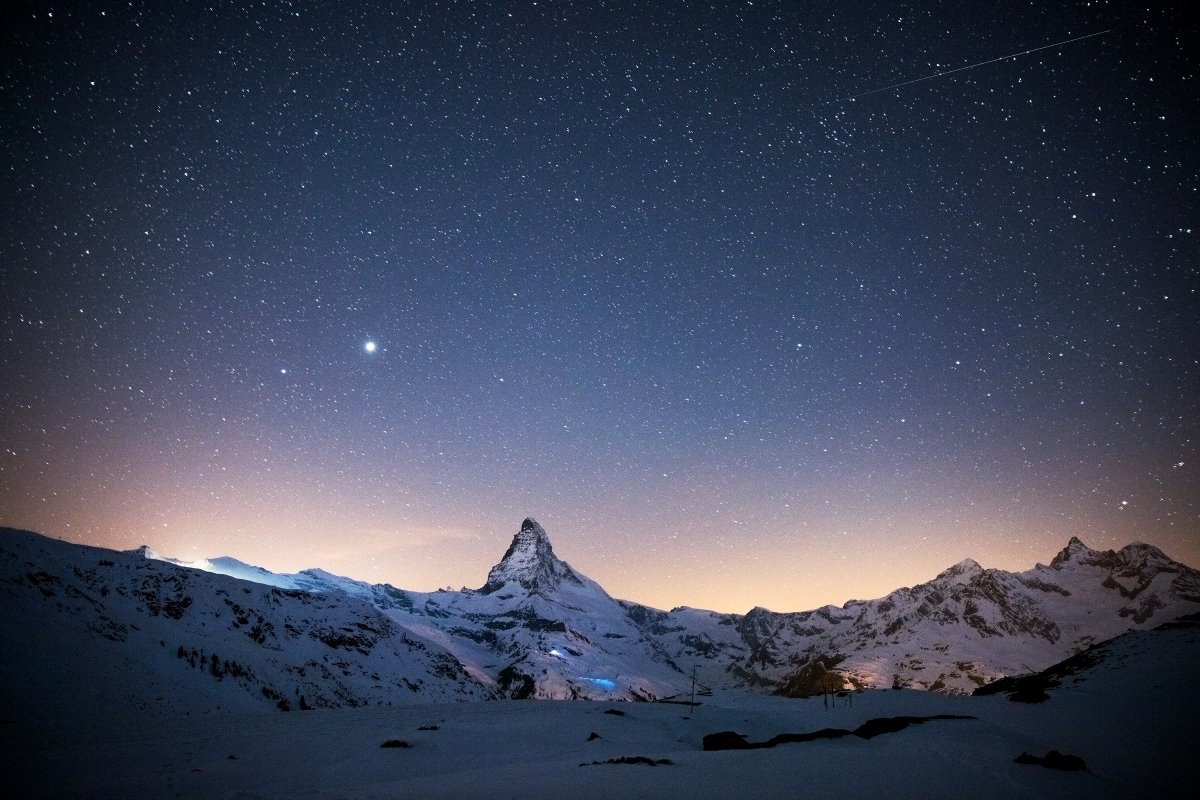
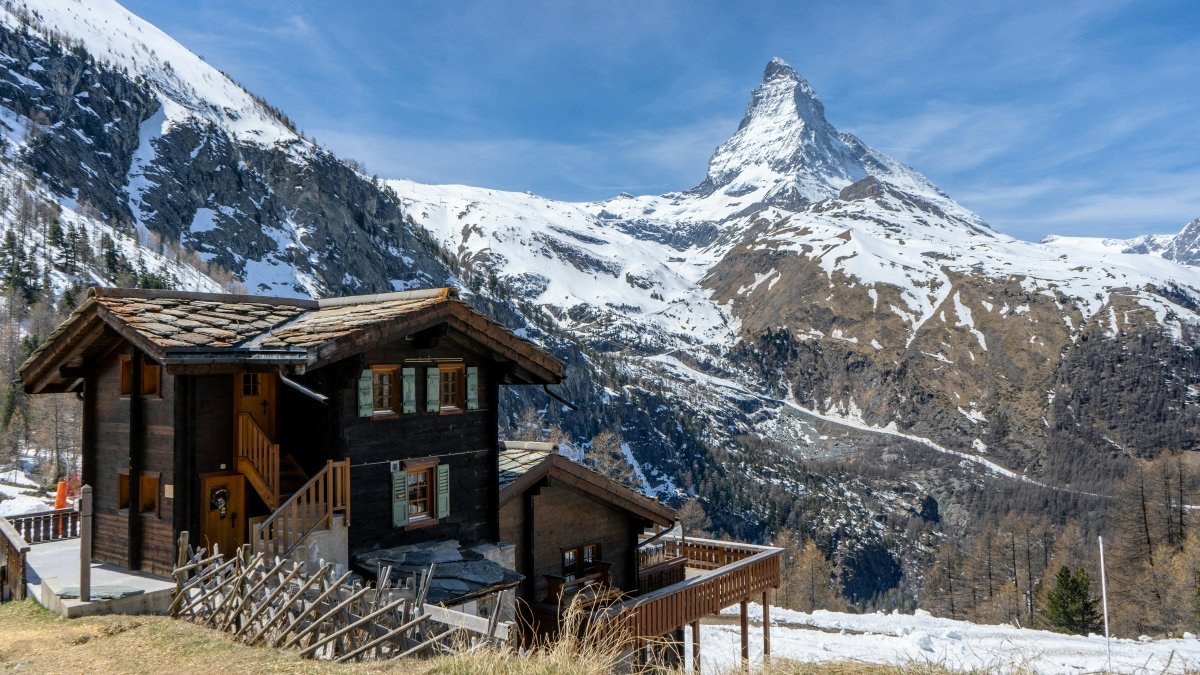
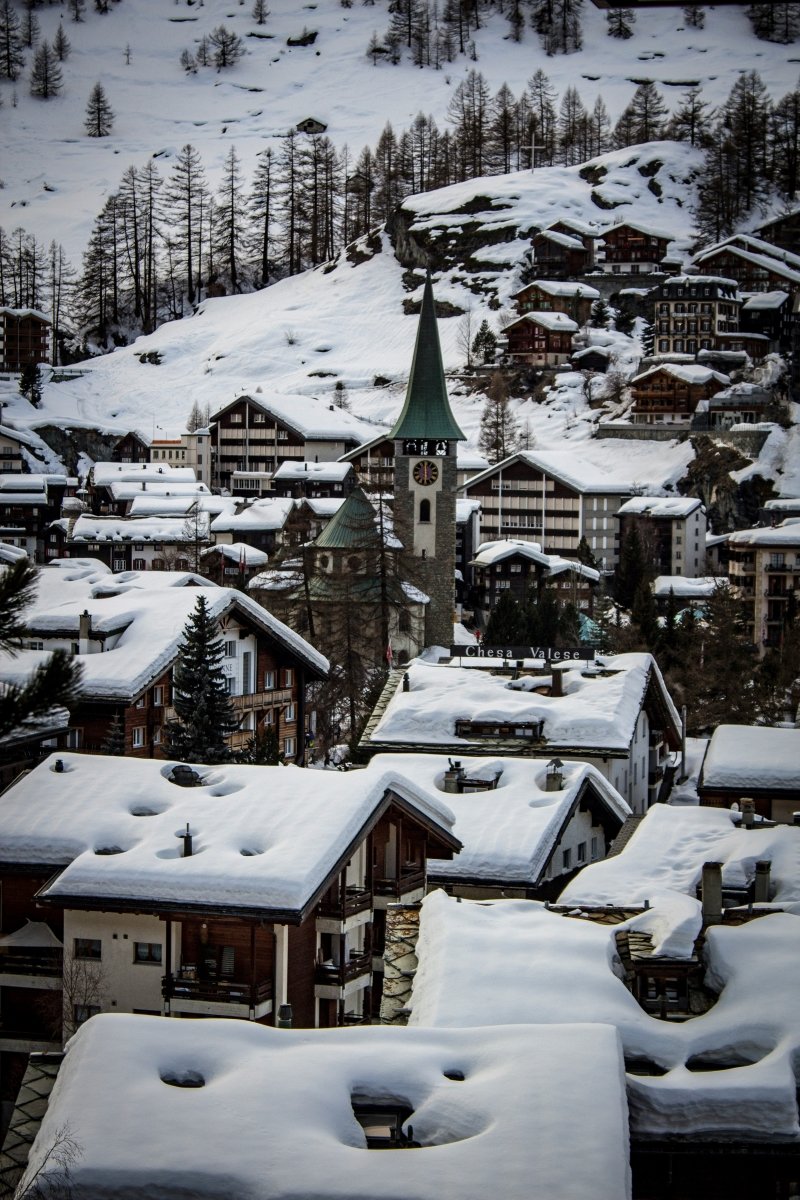
Nestled at the foot of the iconic Matterhorn, Zermatt transformed from a quiet farming village into one of the world’s most prestigious ski resorts in the mid-1800s. The first Matterhorn summit in 1865 put this car-free alpine paradise on the map, and it’s been enchanting visitors ever since.
Outdoor Adventures & Skiing
Zermatt offers 360 kilometers of pristine slopes across 21 lifts, suitable for everyone from first-timers to seasoned pros. The Klein Matterhorn glacier ensures skiing until late spring. Beyond downhill action, try snowshoeing through silent forests, winter hiking on 80+ kilometers of trails, or ice climbing for the adventurous.
Where to Stay
- Luxury: The Omnia (from €450/night) offers jaw-dropping Matterhorn views and a stunning spa
- Mid-range: Hotel Jaegerhof (€180-250/night) brings Swiss charm without breaking the bank
- Budget-friendly: Youth Hostel Zermatt (€45-80/night) provides clean, comfortable dorms and private rooms
Shopping & Local Traditions
Bahnhofstrasse is your go-to for Swiss watches, handcrafted chocolates, and mountain gear. Don’t miss the weekly market for local cheeses and artisan goods. The village celebrates traditional Valais culture with folklore evenings featuring alphorns and authentic costumes.
Food Scene
Warm up with cheese fondue at Chez Vrony (budget €40-60 per person) or splurge on Michelin-starred cuisine at After Seven (€150-200). For budget-eats, grab a hearty raclette sandwich from street vendors (€12-15) or stock up at Coop supermarket.
Cultural Highlights & Events
- Zermatt Unplugged (April): Intimate acoustic concerts in unique alpine settings
- Matterhorn Museum: Discover the dramatic history of alpine mountaineering (€12 entry)
- Traditional church services: Experience Swiss-German Christmas celebrations
Budget Breakdown
- Daily budget: €150-200 (accommodation, food, ski pass)
- Weekly ski pass: €340-400
- Equipment rental: €40-60/day
- Money-saving tip: Book accommodations in nearby Täsch and take the train up (€15 round-trip)
Useful Info
- Best time: December-March for skiing; January for fewer crowds
- Getting there: Train from Zürich or Geneva (3-3.5 hours)
- Language: Swiss German, but English widely spoken
- No cars allowed—electric taxis and horse-drawn sleighs only
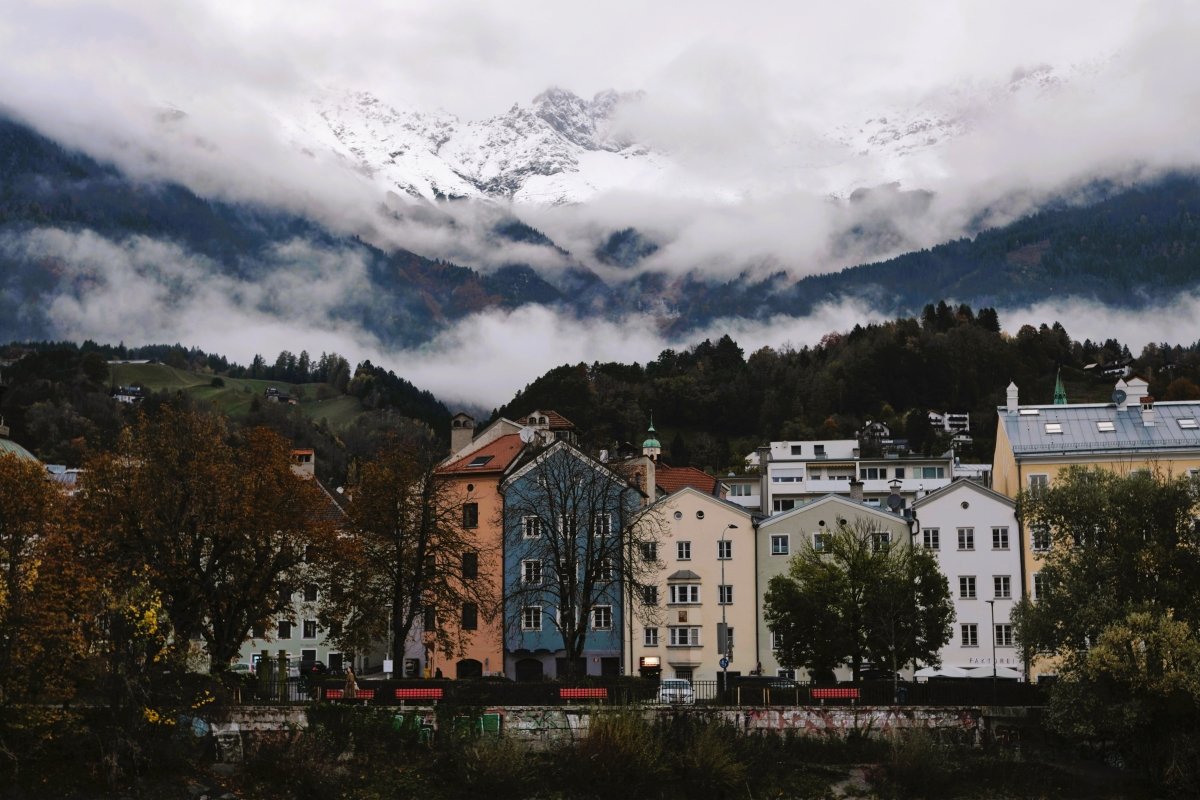
2. Innsbruck, Austria 🇦🇹
History at a Glance
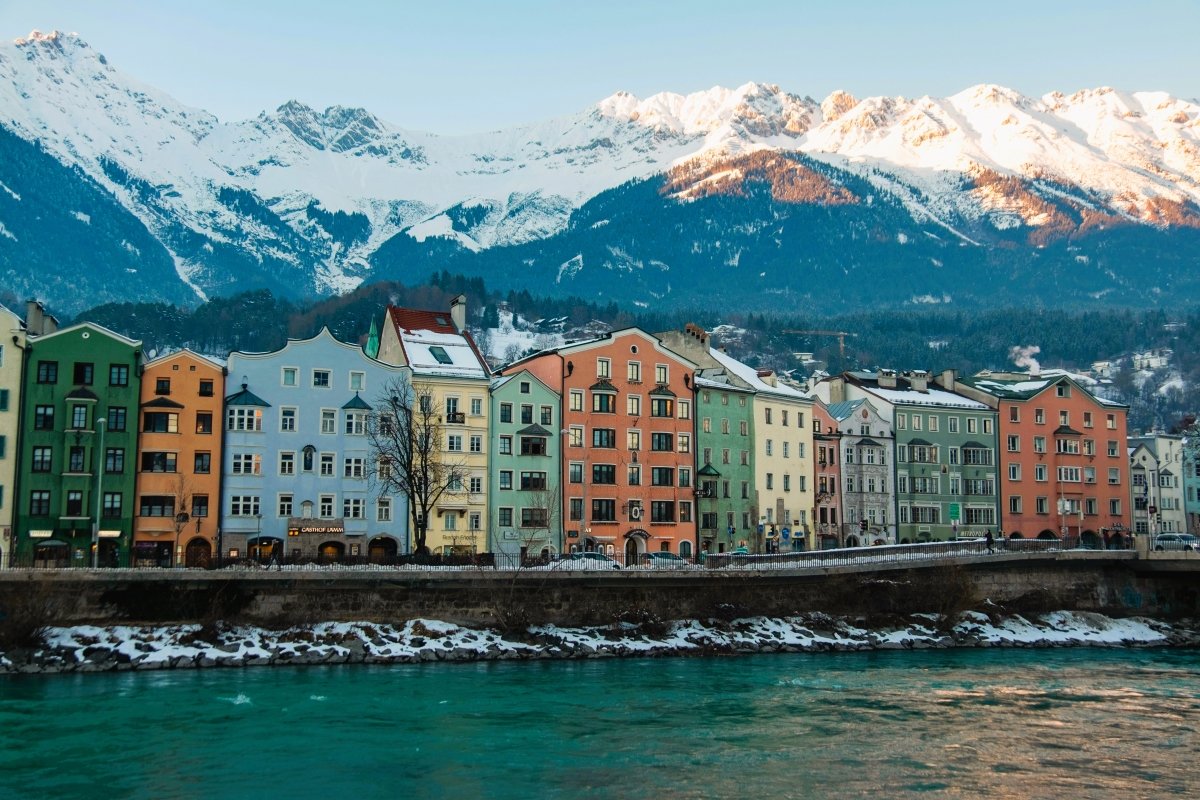
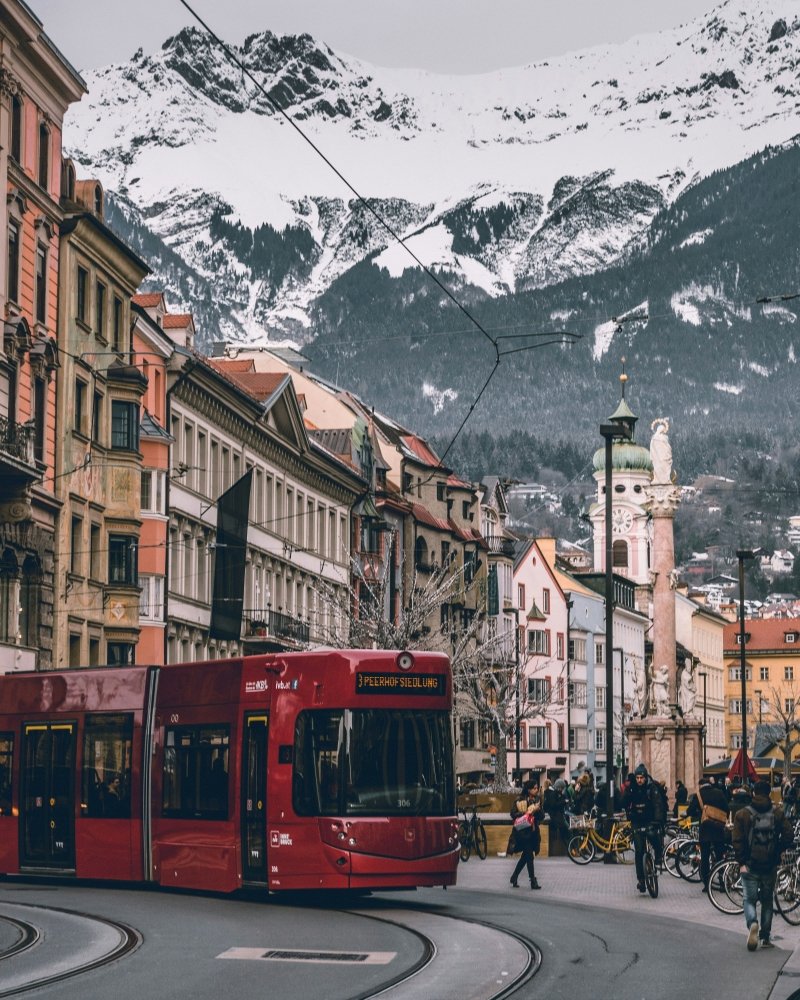
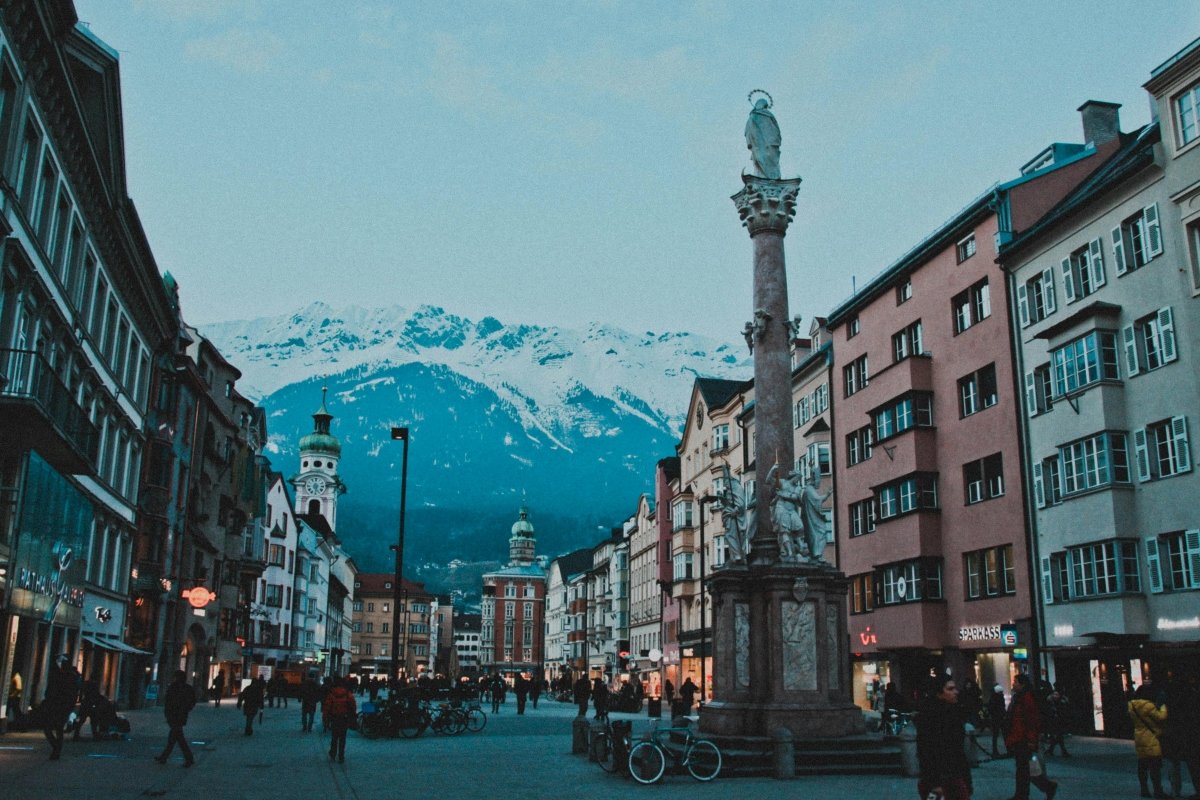
Austria’s alpine capital hosted the Winter Olympics twice (1964, 1976) and has been a crossroads of European culture since the Middle Ages. The Habsburg dynasty left behind stunning architecture, while modern Innsbruck perfectly blends Olympic heritage with authentic Tyrolean traditions.
Outdoor Adventures & Skiing
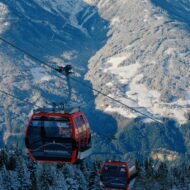
Nine ski resorts surround the city, all accessible with one lift pass. The Nordkette cable car whisks you from the city center to 2,000-meter slopes in 20 minutes—unbeatable! Try the Olympic bobsled track (€60 for a thrilling ride), cross-country skiing in pristine valleys, or tobogganing under the stars.
Where to Stay
- Luxury: Hotel Innsbruck (€200-300/night) with rooftop spa and mountain panoramas
- Mid-range: NALA Individuellhotel (€120-180/night) offers boutique style near Old Town
- Budget-friendly: Hostel Marmota (€30-70/night) has a social atmosphere and mountain views
Shopping & Local Traditions
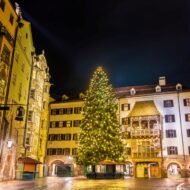
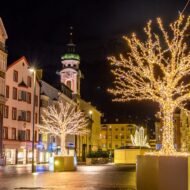
Maria-Theresien-Strasse is lined with both international brands and local boutiques selling Tyrolean hats, dirndls, and lederhosen. Visit the Christmas markets (late November-January 6) for handmade ornaments and mulled wine. The Swarovski Crystal Worlds is just 20 minutes away for dazzling shopping.
Food Scene
Indulge in Tyrolean specialties like Käsespätzle (cheese noodles, €12-15) at Die Wilderin or treat yourself to Wiener schnitzel at Goldener Adler (€18-25). Budget travelers love the daily specials at university cafeterias (€6-8) or picnic with fresh bread and cheese from the Markthalle.
Cultural Highlights & Events
- Bergisel Ski Jump: Watch world-class competitions or take the lift for epic views (€10)
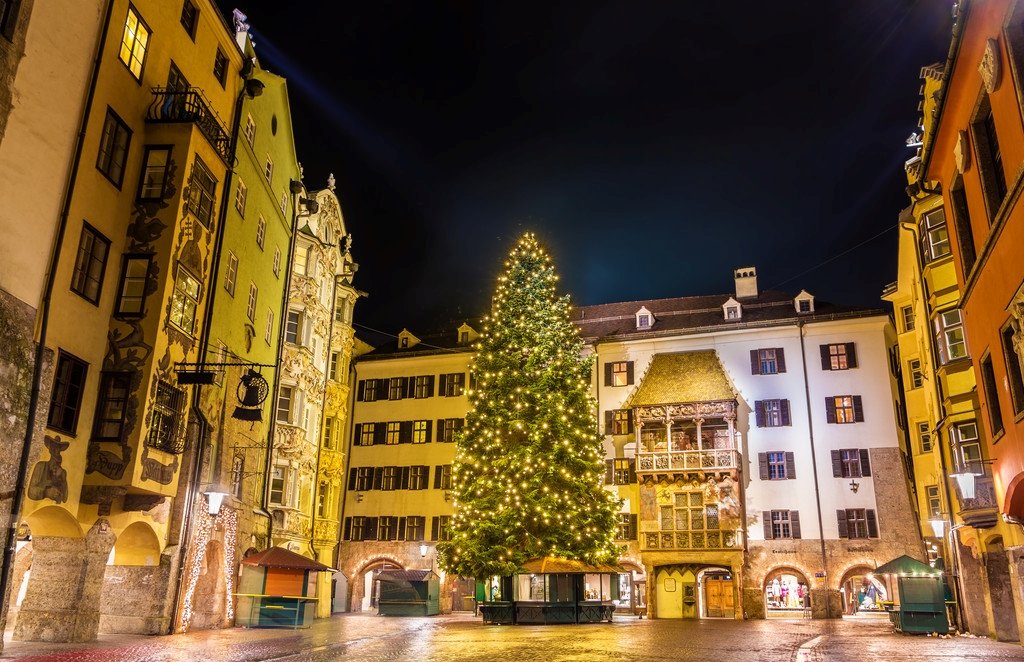
- Golden Roof: The city’s most photographed landmark in the medieval Old Town
- New Year’s Concert: Classical music in the Imperial Palace
- Alpine Zoo: Europe’s highest zoo with native alpine animals (€14)
Budget Breakdown
- Daily budget: €100-150 (more affordable than Switzerland!)
- Innsbruck Card: €58 (48 hours) includes public transport and attractions
- Ski pass: €55-65/day
- Pro tip: Many hotels offer free public transport and ski bus access
Useful Info
- Best time: December for Christmas markets; January-February for skiing deals
- Getting there: Direct flights to Innsbruck Airport or train from Munich (2 hours)
- Language: German, English common in tourist areas
- Download the IVB app for real-time public transport
3. Chamonix-Mont-Blanc, France 🇫🇷
History at a Glance
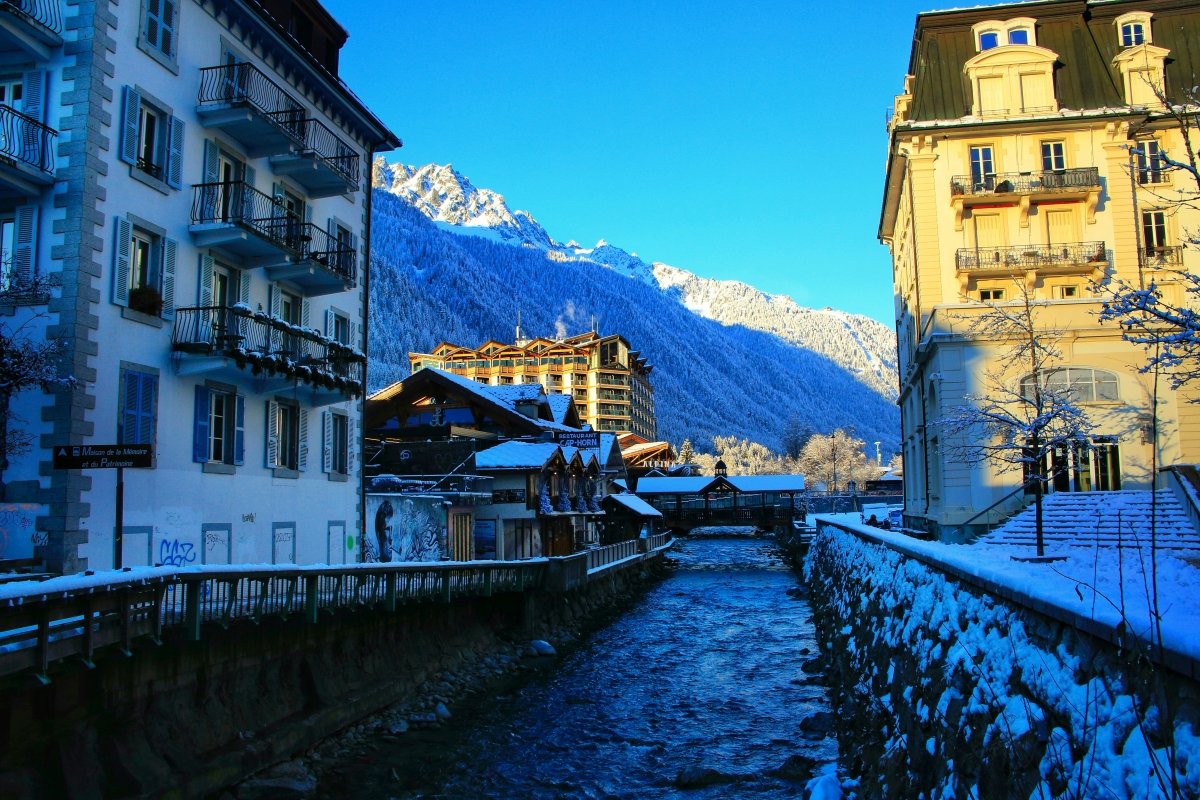
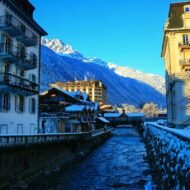
Chamonix gained legendary status in 1786 when Mont Blanc was first summited, launching the golden age of alpinism. This valley town hosted the first Winter Olympics in 1924 and remains the world capital of extreme skiing and mountaineering. The blend of French sophistication and raw alpine adventure is unmatched.
Outdoor Adventures & Skiing
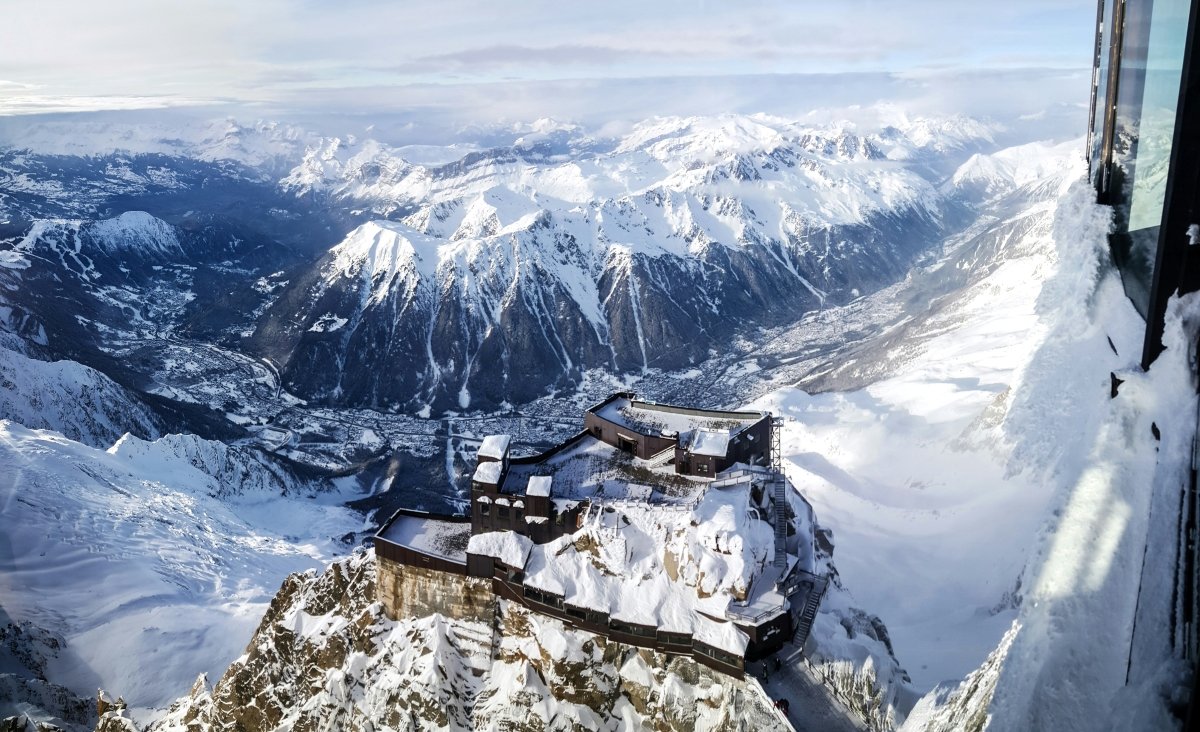
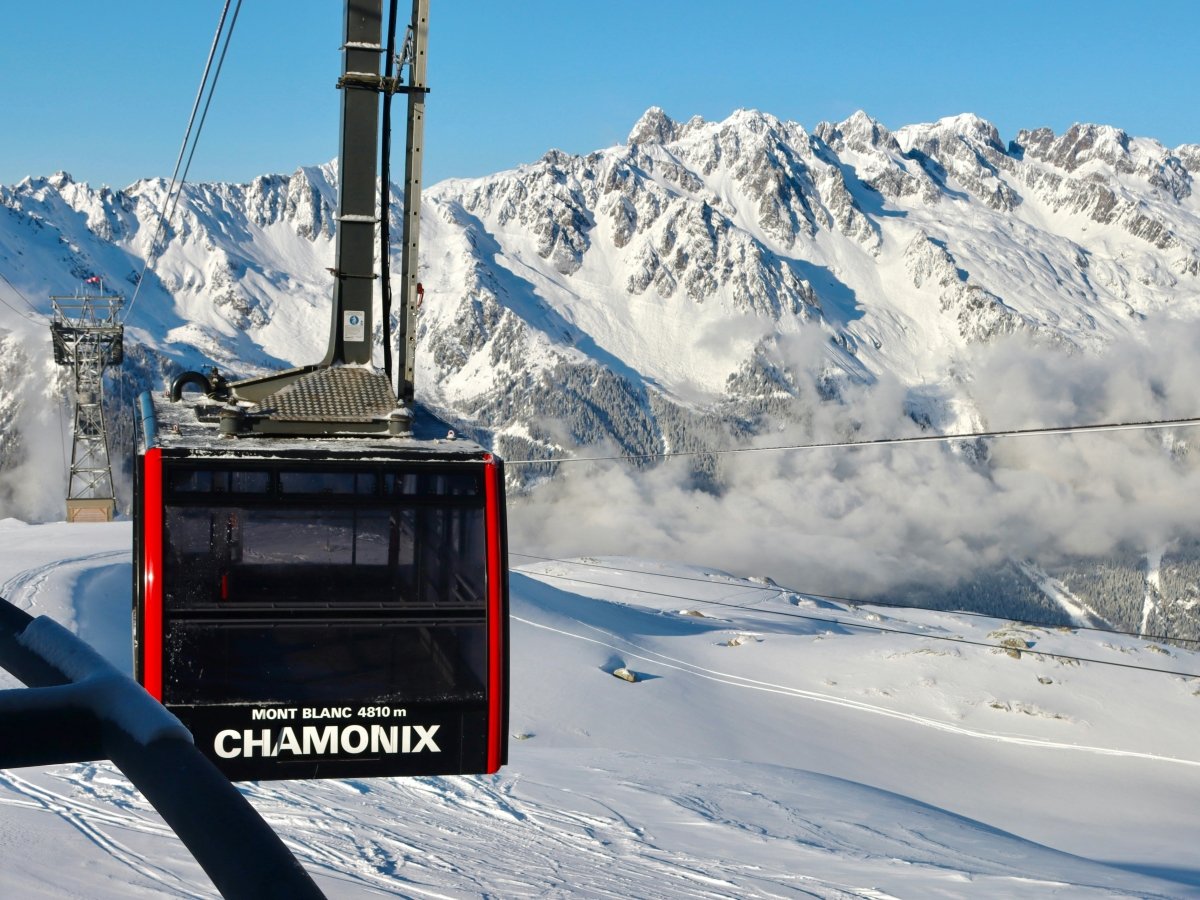
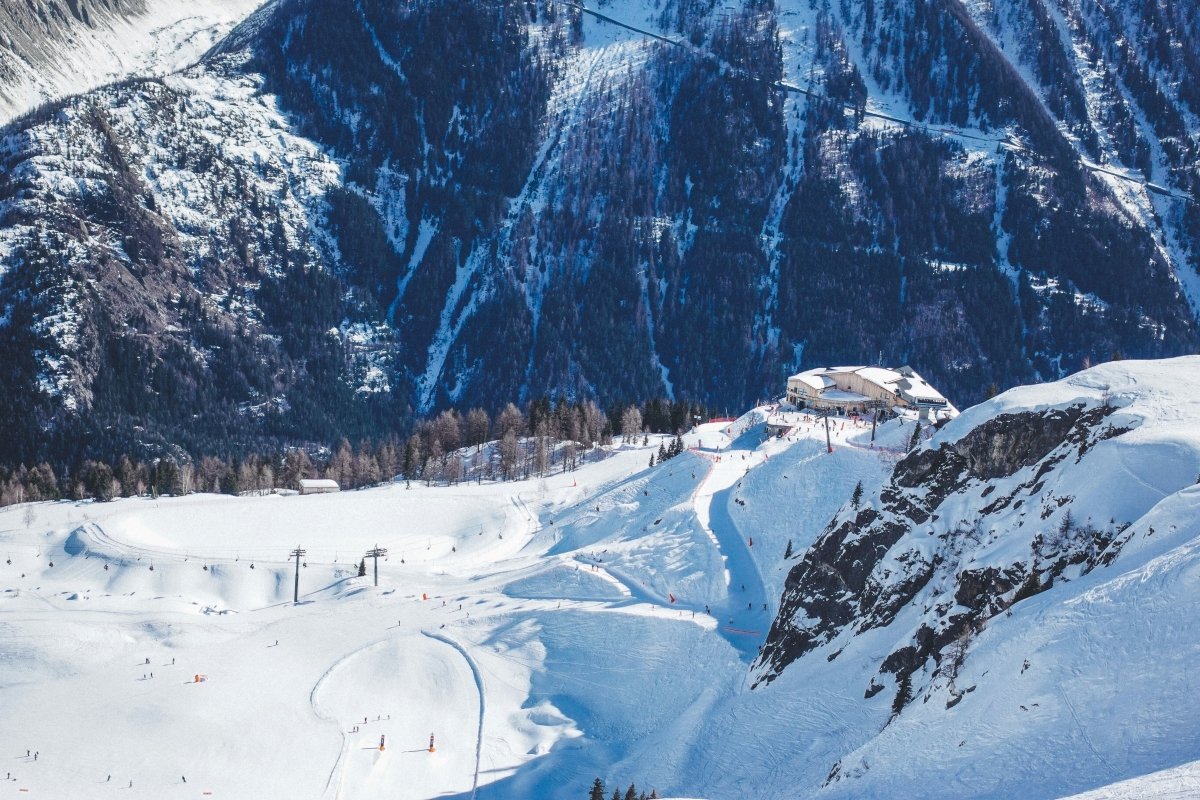
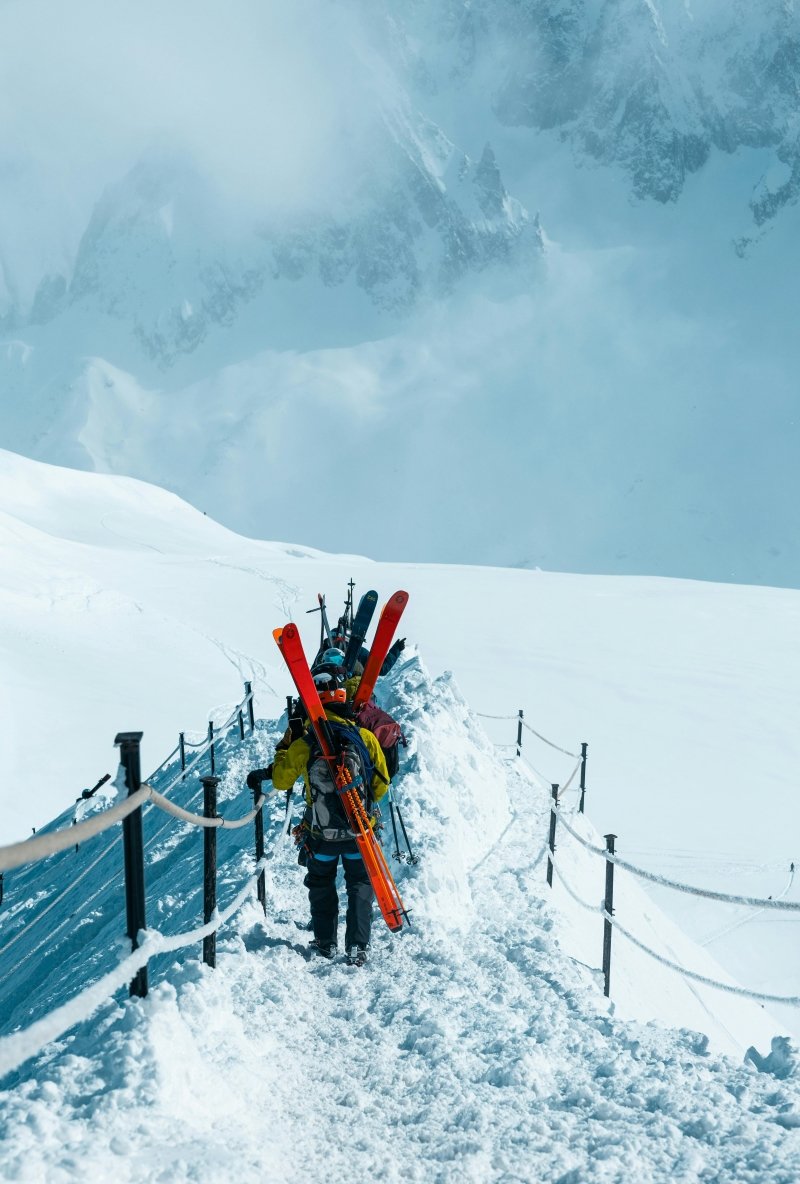
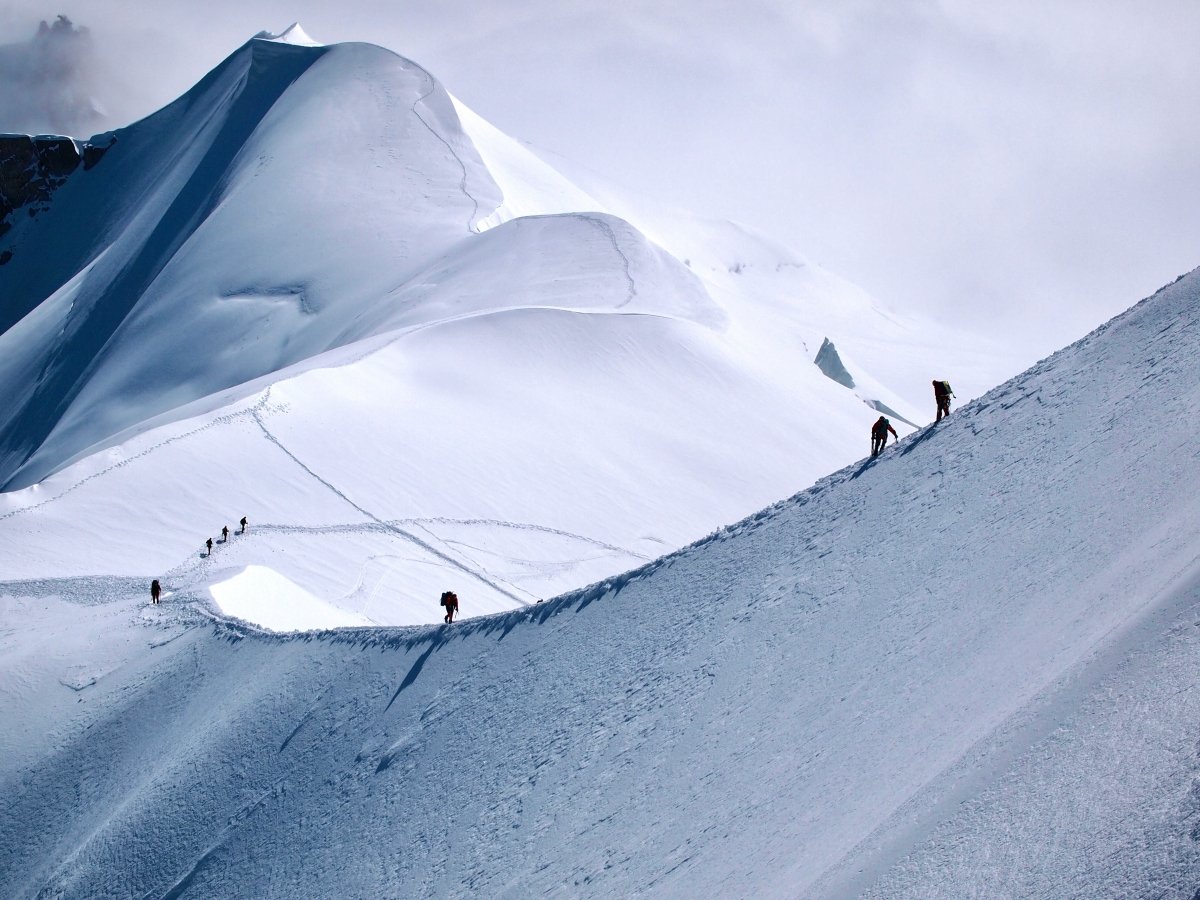
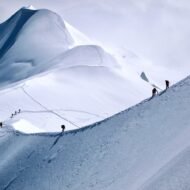
With terrain for every ability across five ski areas, Chamonix is a skier’s playground. The legendary Vallée Blanche off-piste descent (with a guide, €400-500) is a bucket-list experience. Non-skiers can ride the Aiguille du Midi cable car to 3,842 meters for vertigo-inducing views of the Alps (€71 round-trip). Ice skating, dog sledding, and winter mountaineering round out the options.
Where to Stay
- Luxury: Hameau Albert 1er (€300-500/night) offers Michelin-starred dining and spa indulgence
- Mid-range: Hotel Faucigny (€130-200/night) provides cozy alpine comfort near the center
- Budget-friendly: Chamonix Lodge (€35-90/night) has a lively hostel vibe with private rooms available
Shopping & Local Traditions
Rue du Docteur Paccard features French boutiques, mountain equipment shops, and gourmet food stores. Stock up on Savoyard cheeses, local honey, and Génépi liqueur. The village celebrates Savoyard culture with traditional festivals featuring accordion music and mountain dancing.
Food Scene
Fondue savoyarde is mandatory at La Calèche (€22-28) or Munchie (€18-22 with a fun atmosphere). For fine dining, try Restaurant Albert 1er (€80-120). Budget-conscious? Hit up the Casino supermarket for picnic supplies, or grab amazing crêpes from street vendors (€5-8).
Cultural Highlights & Events
- Musilac Mont-Blanc: Summer music festival (but book winter accommodation early)
- Musée Alpin: Chronicles Chamonix’s mountaineering legacy (€6.50)
- Ice climbing festival: January spectacle of frozen waterfalls
- Unlimited Festival: February celebration of extreme skiing with film screenings
Budget Breakdown
- Daily budget: €120-180
- Mont Blanc Unlimited ski pass: €63/day (covers all areas)
- Mountain guide for off-piste: €400-500 (split among groups)
- Save money: Self-cater breakfast and lunch, splurge on dinner
Useful Info
- Best time: December-January for snow; March for spring skiing and sunshine
- Getting there: Geneva Airport (1.5 hours by bus), direct transfers available
- Language: French, English in tourist services
- Book guided skiing/mountaineering early—spots fill fast