














TL;DR
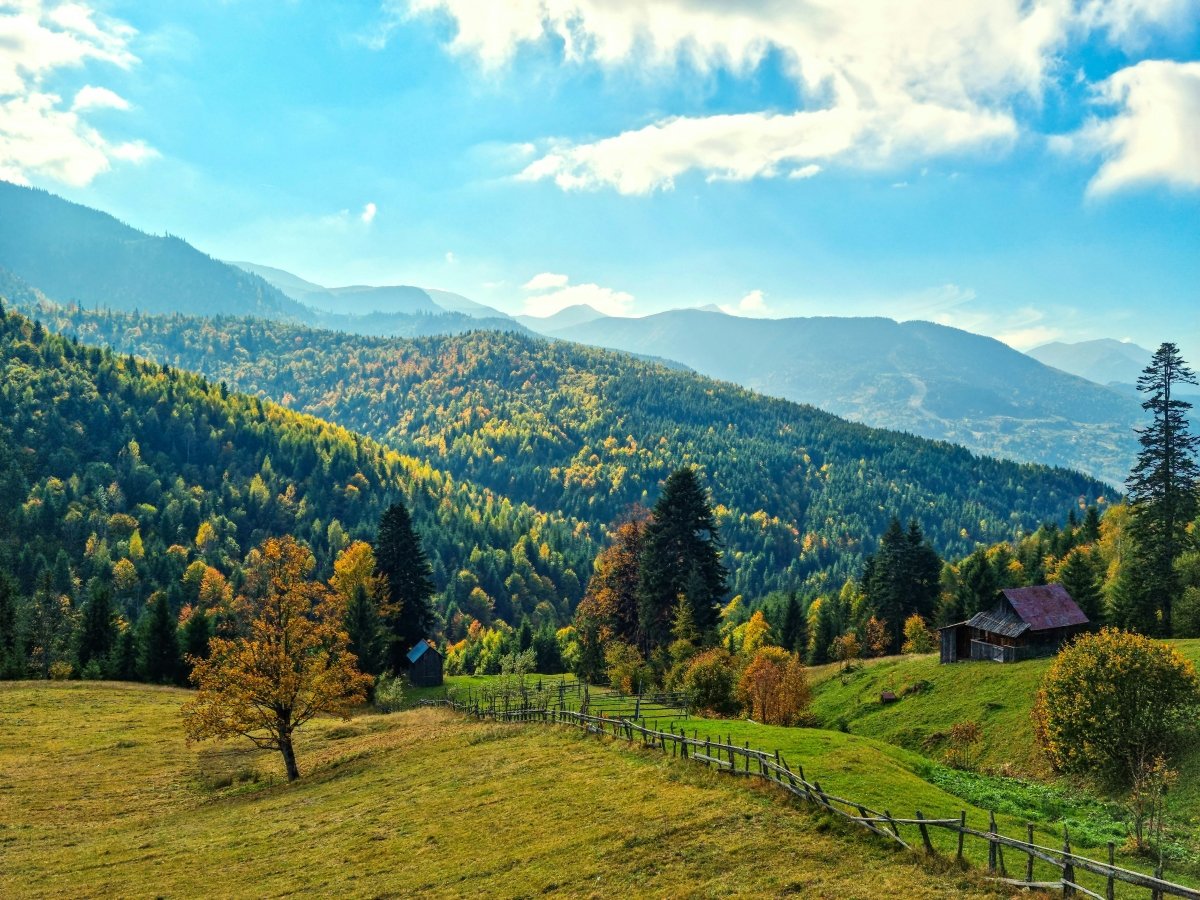
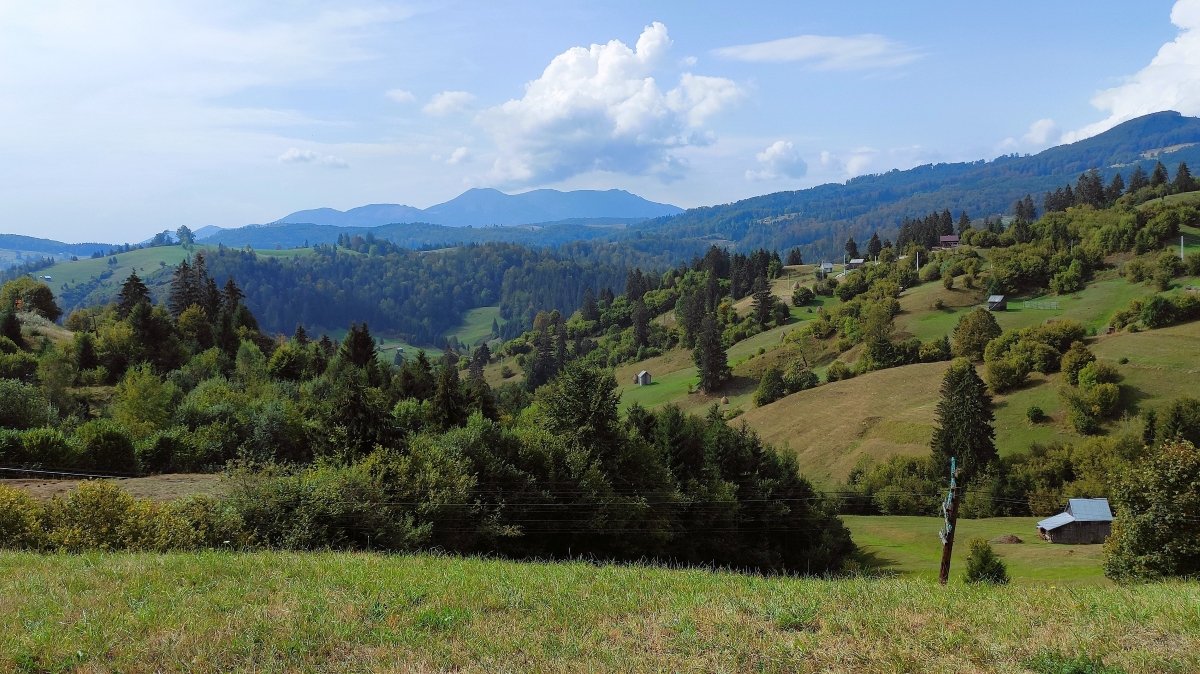
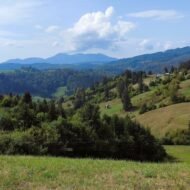
Maramureș in northern Romania is where time stands still—think wooden churches that survived centuries, locals in traditional dress doing Sunday chores, and valleys so green they’ll ruin every other landscape for you. Budget-friendly (€30-50/day), best visited May-September for hiking or December-February for winter magic. Fly into Cluj-Napoca (2.5 hours drive) or Baia Mare (closer, smaller airport).
- TL;DR
- Why Maramureș Will Ruin You for Ordinary Travel
- Weather Reality Check: Pack Smart or Suffer
- Top Attractions & Things To Do: The Crowd-Tested Hits
- Where to Sleep: From Hay Lofts to Hotels
- Shopping: Actual Crafts, Not Fridge Magnets
- Local Traditions: The Unwritten Rules
- Outdoor Adventures: Beyond the Selfie Stick
- Budget Breakdown: What Things Actually Cost
- Food: The Reason You’ll Gain Weight
- Cultural Deep Dive: More Than Pretty Photos
- Events & Festivals: When to Plan Around
- Getting There: Your Realistic Options
- Nearest Major Airport: Cluj-Napoca International (CLJ)
- Alternative: Baia Mare Airport (BAY)
- Other Entry Points:
- Useful Information: The Practical Stuff
- Sample Itineraries
- Recap: Your Maramureș Cheat Sheet
- Disclaimer
Why Maramureș Will Ruin You for Ordinary Travel
Let’s be honest: most “authentic” destinations aren’t. But Maramureș? This region didn’t get the memo about the 21st century, and that’s exactly why you need to go.
Tucked against the Ukrainian border, this corner of Romania is where horse-drawn carts still outnumber cars on village roads, where wooden gates are carved with prayers, and where your host will absolutely refuse your money for homemade plum brandy (until you insist three times—it’s the custom).
5 Facts That’ll Make You Screenshot This Article
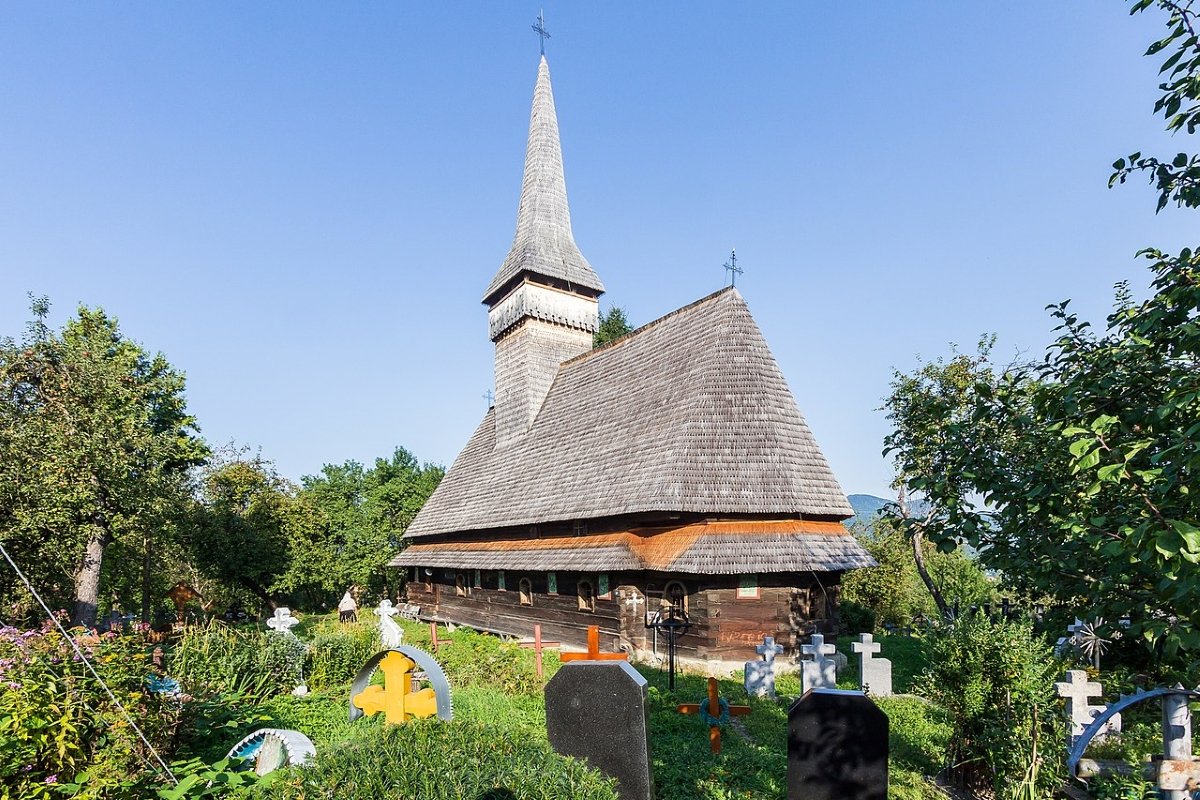
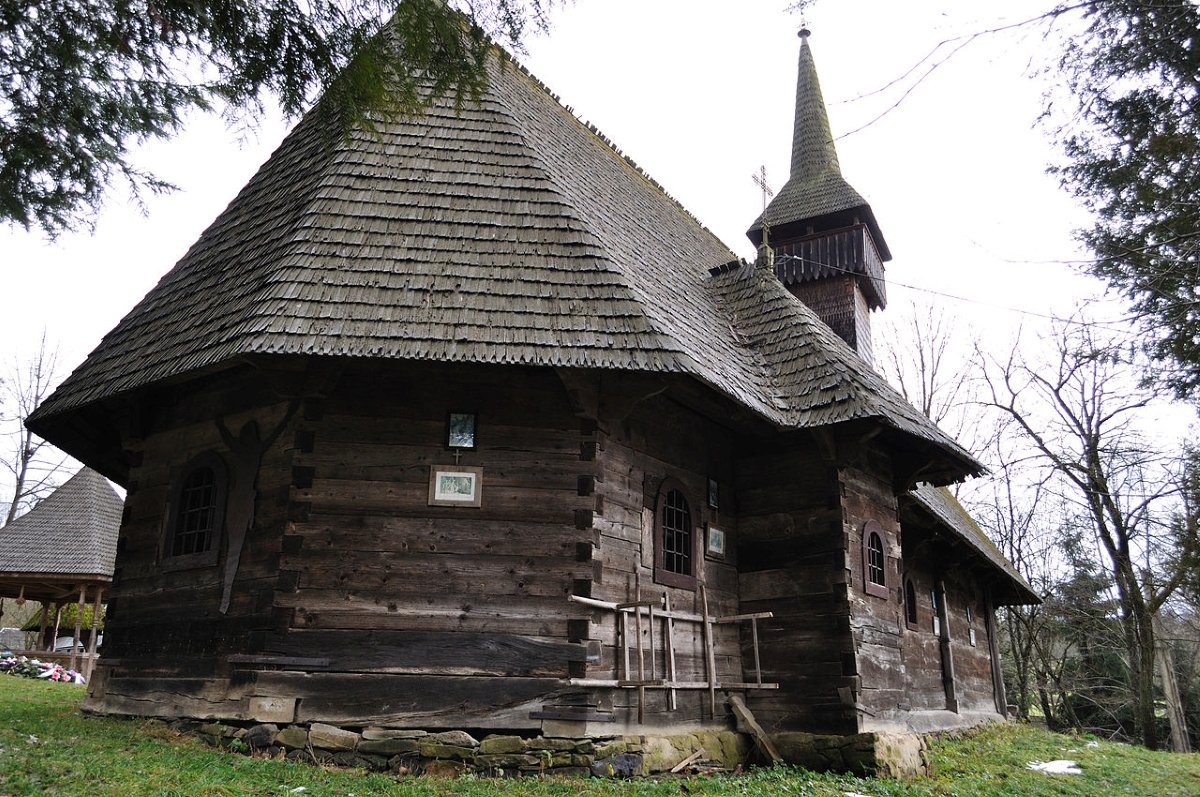
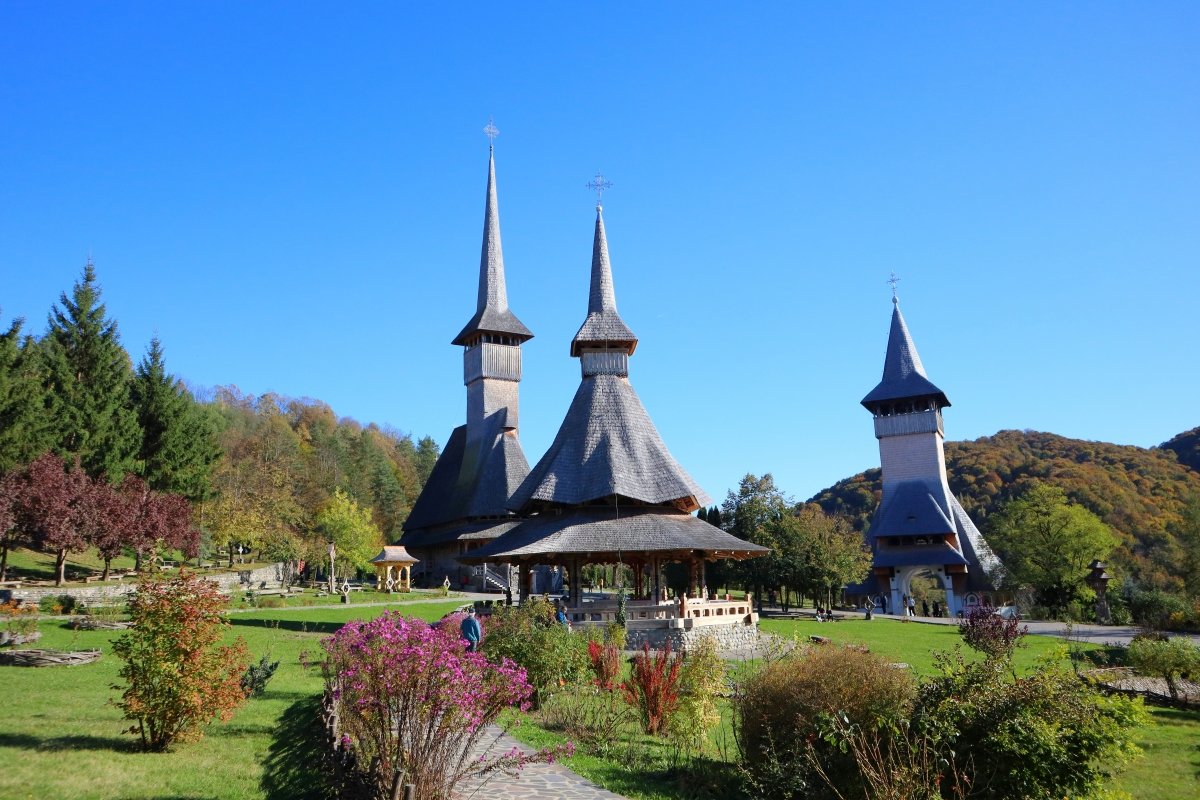
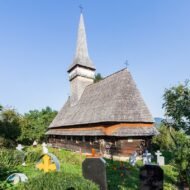
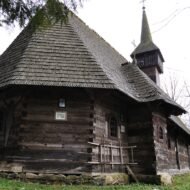
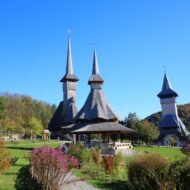
- UNESCO’s Favorite Wooden Churches: Eight of Maramureș’s wooden churches made the World Heritage list—built entirely without nails, some dating back to the 1600s
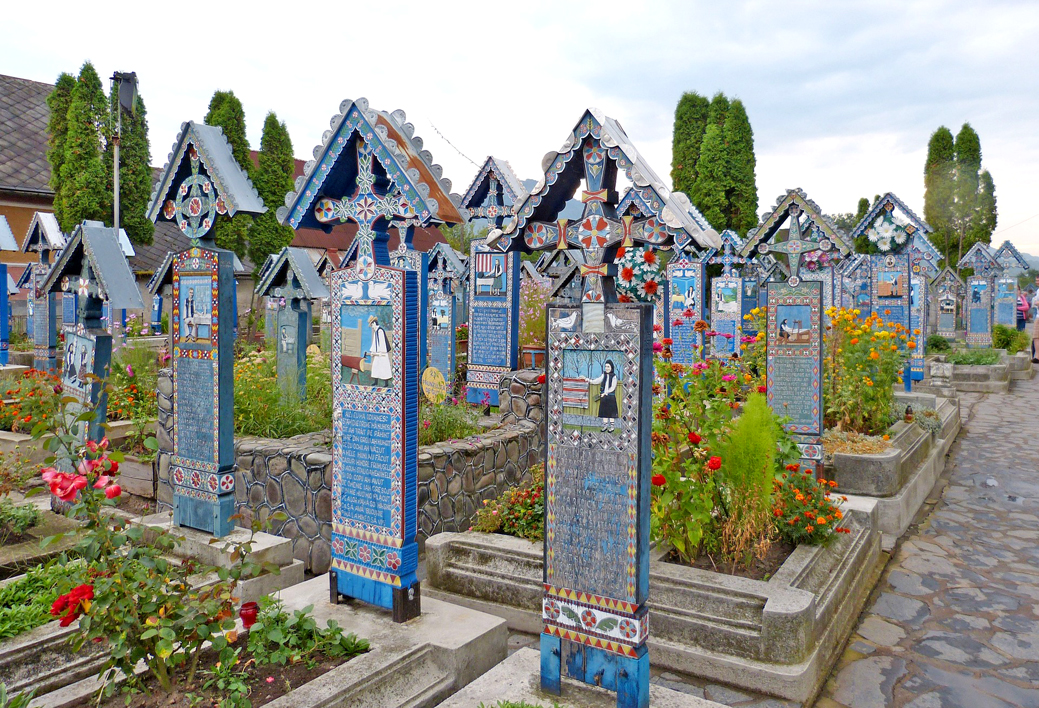
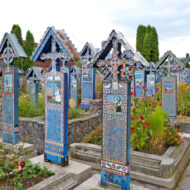
- Europe’s Merriest Cemetery: Săpânța’s Merry Cemetery features colorful tombstones with cheeky epitaphs and scenes from the deceased’s life (yes, including that guy who loved drinking too much)
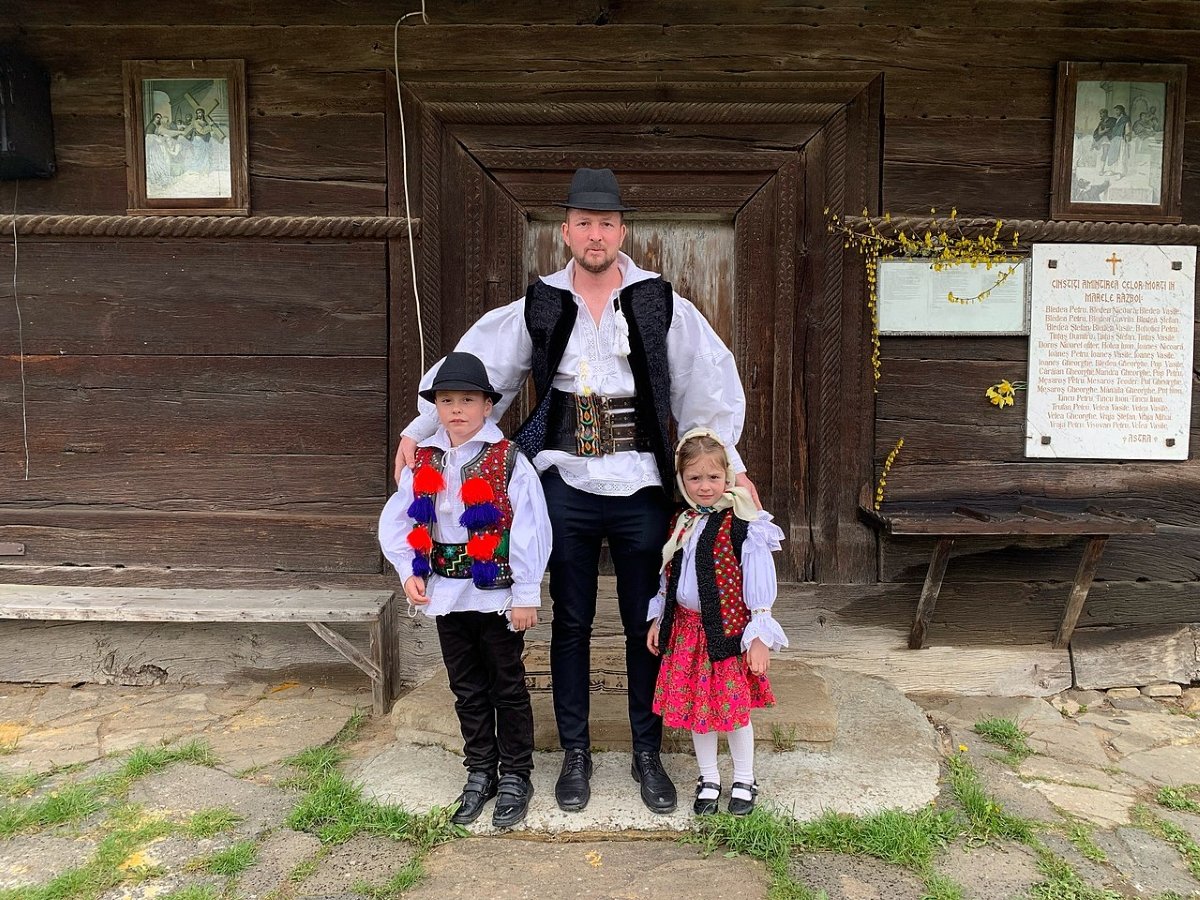
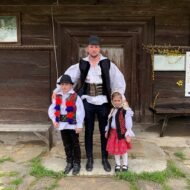
- Living Museum Status: Over 70% of locals still wear traditional dress on Sundays—not for tourists, just because
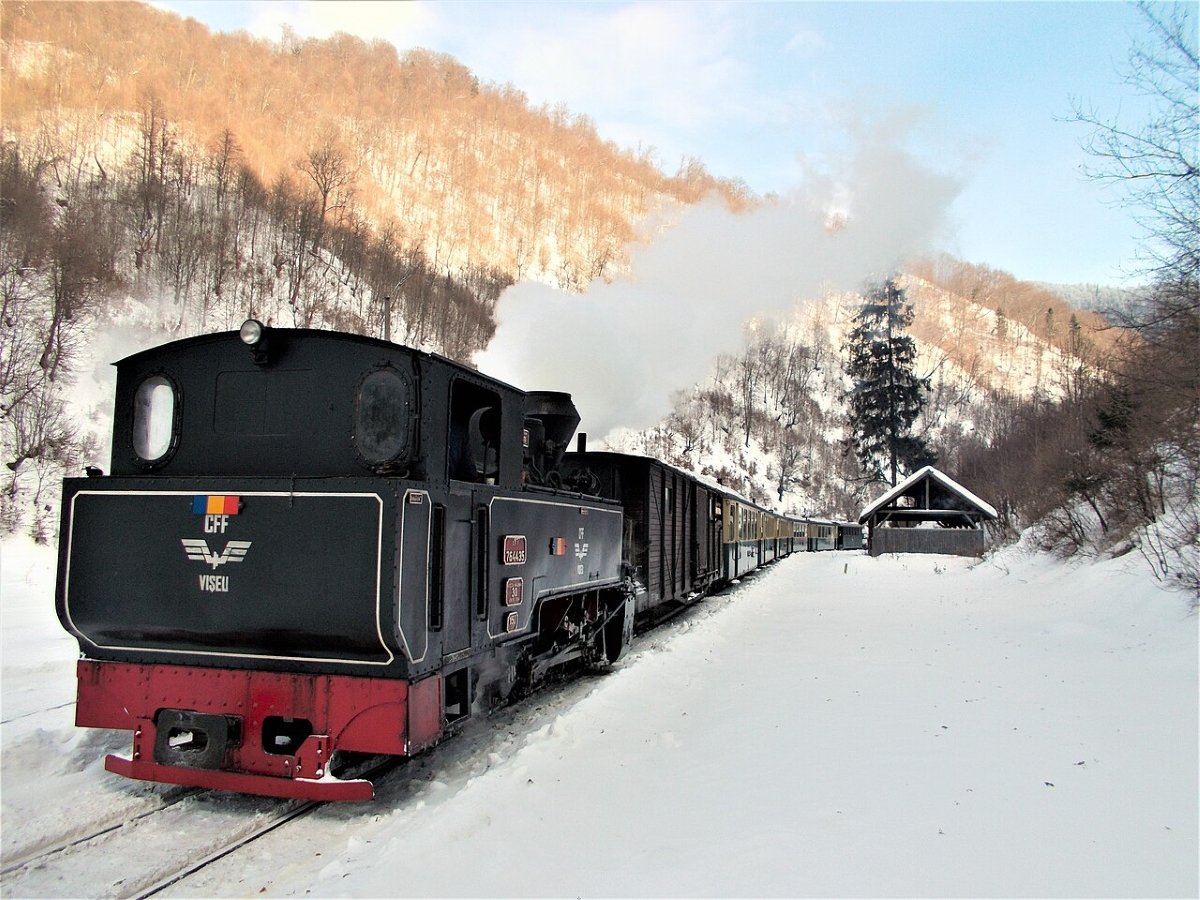
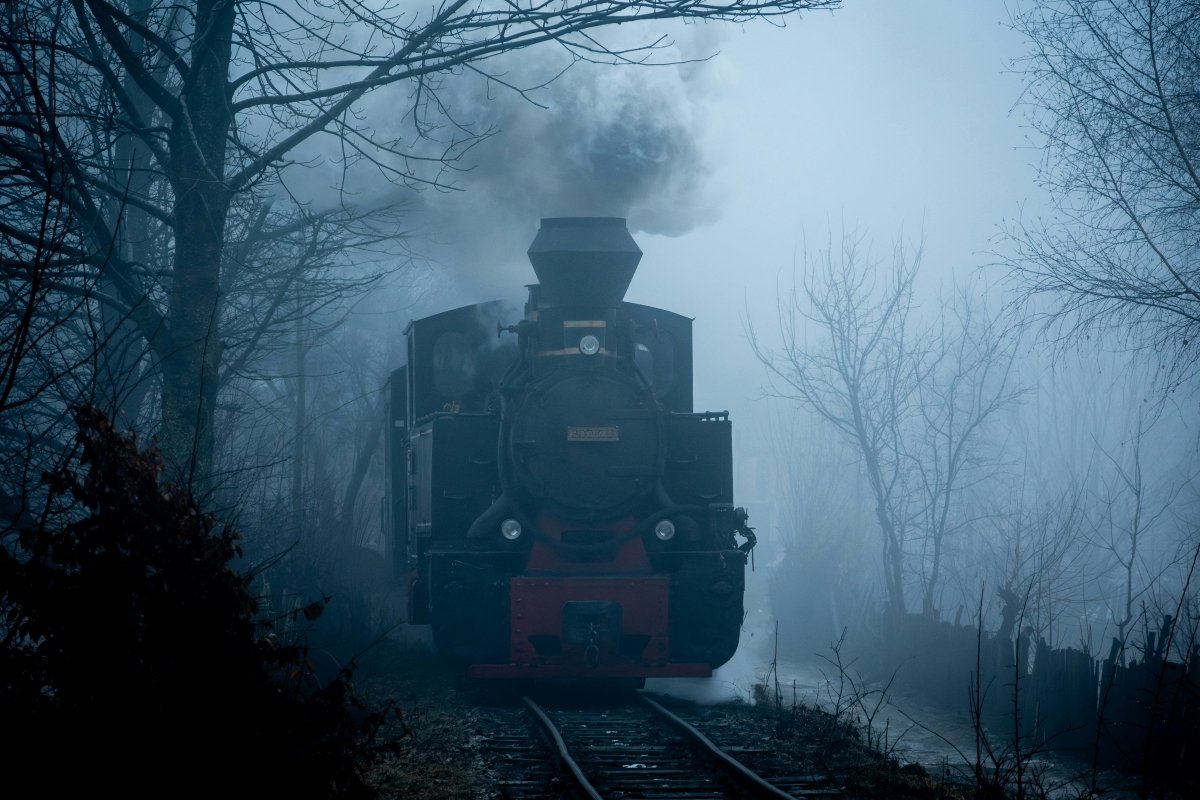
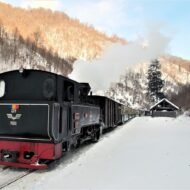
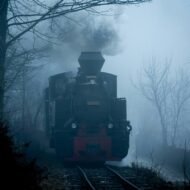
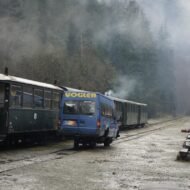
- Last Steam Train: The Mocănița runs daily through the Vaser Valley, a working forestry railway that’s basically time travel on tracks
- Gateway to Wooden Architecture Heaven: The region boasts over 300 wooden churches and 100+ traditional wooden gates—the world’s highest concentration
Weather Reality Check: Pack Smart or Suffer
Summer (June-August)
- Average temps: 18-25°C (64-77°F)
- Reality: Warm days, cool evenings, sudden mountain showers
- Pack: Layers, waterproof jacket, hiking boots
Winter (December-February)
- Average temps: -5 to 2°C (23-36°F)
- Reality: Proper snow, occasional -15°C (-5°F) cold snaps
- Pack: Serious winter gear—locals aren’t joking about the cold
Sweet Spots: May-June for wildflowers and baby lambs; September for harvest festivals and golden landscapes
Top Attractions & Things To Do: The Crowd-Tested Hits
Summer Favorites (According to Actual Travelers)
1. Merry Cemetery (Cimitirul Vesel), Săpânța The world’s most cheerful graveyard. Artist Stan Ioan Pătraș started painting these vibrant blue tombstones with satirical poems in 1935. Example epitaph: “Underneath this heavy cross / Lies my poor mother in-law / Try not to wake her up / For if she comes back home / She’ll bite my head off.”
2. Mocănița Steam Train (Vaser Valley) A 90-minute journey through pristine mountain forest. Leaves daily from Vișeu de Sus. Book the open-air cars for photos, closed cars if you value warmth over Instagram.
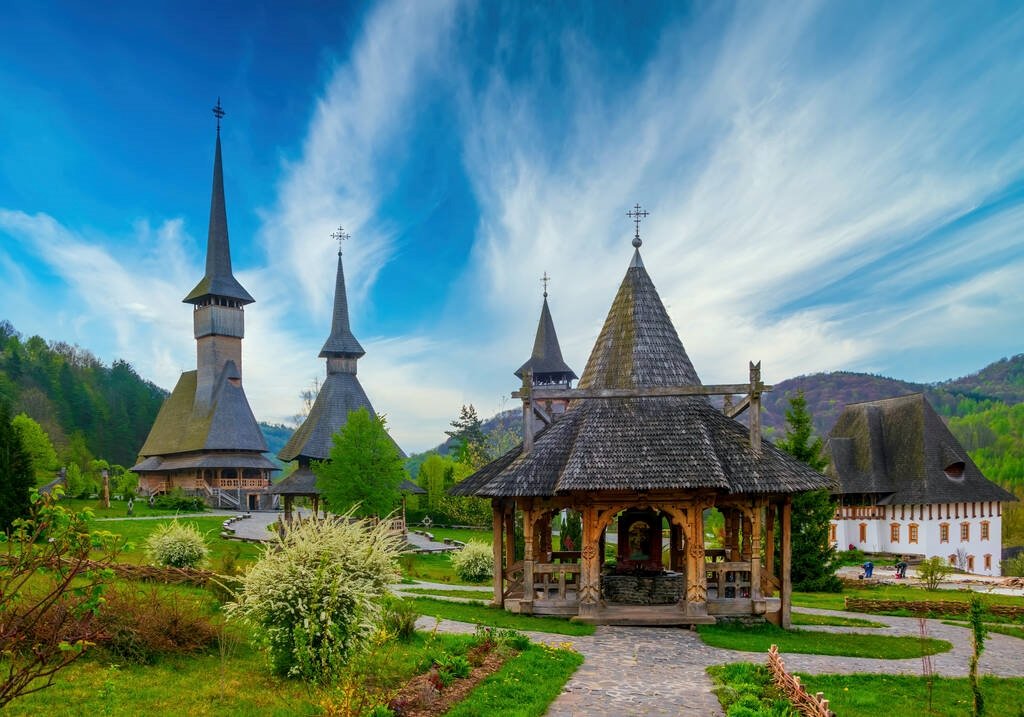
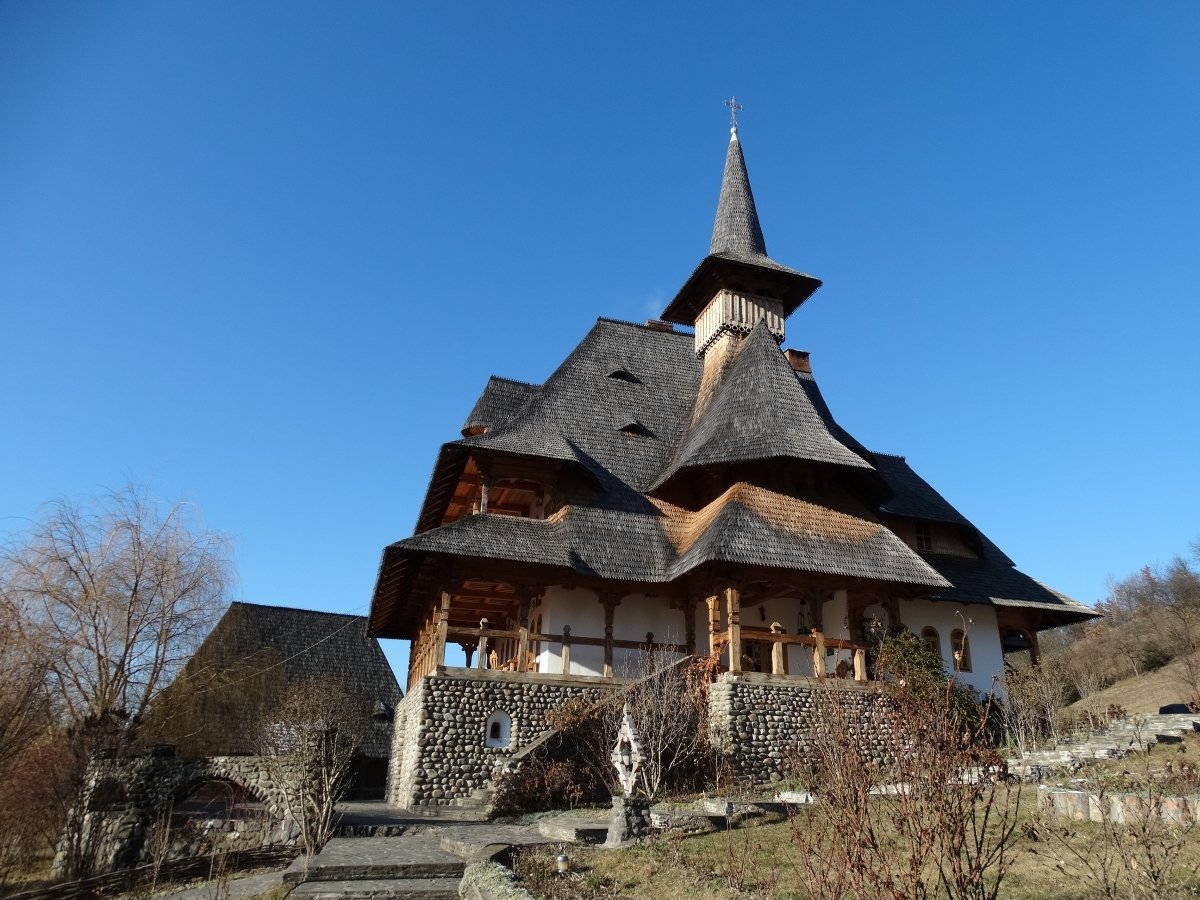
3. Bârsana Monastery Complex The tallest wooden structure in Europe (57 meters) with interior frescoes that’ll make your jaw drop. Bonus: incredibly photogenic nuns who actually live and work here.
4. Traditional Village Circuit Hit Ieud (oldest wooden church, from 1364), Breb (voted most beautiful village), and Botiza (for artisan workshops). Rent a car or hire a local guide—buses are rare and quirky.
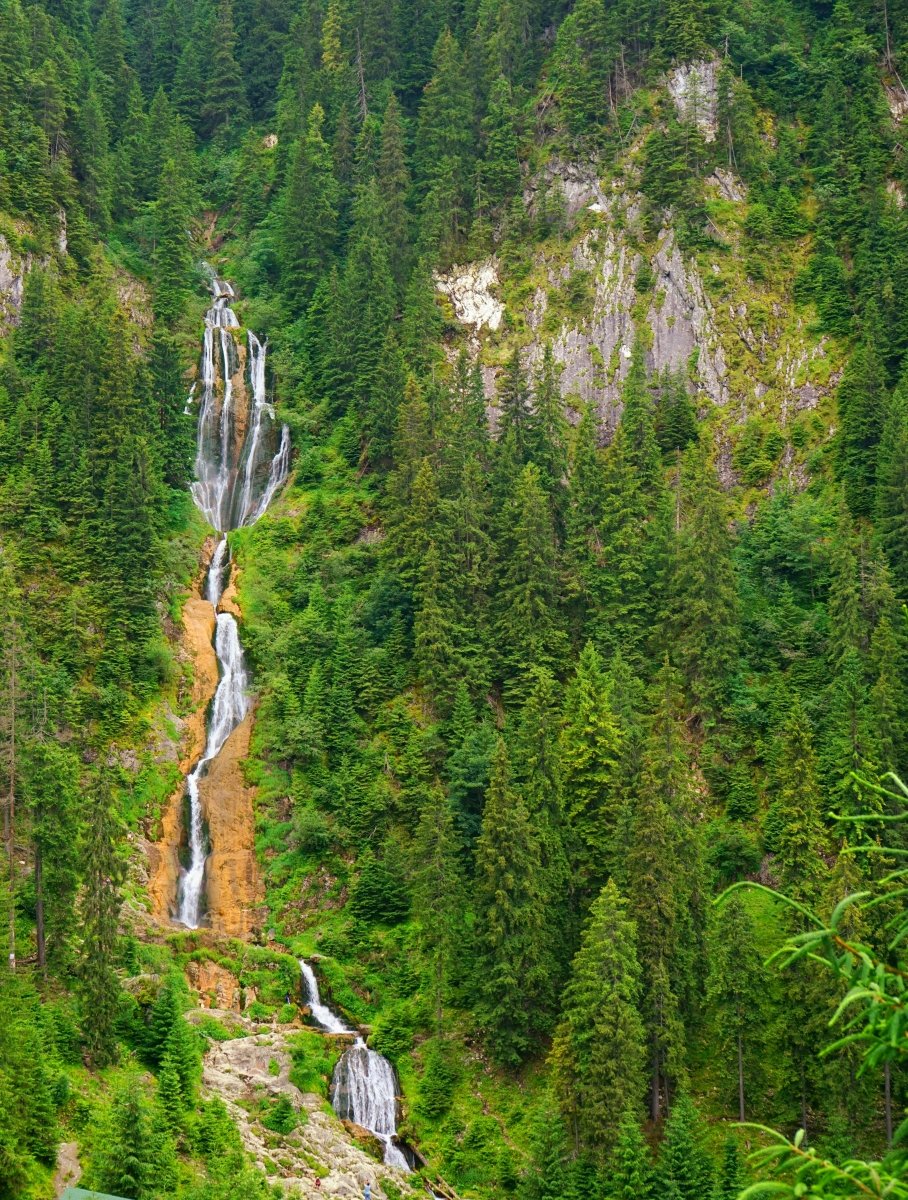
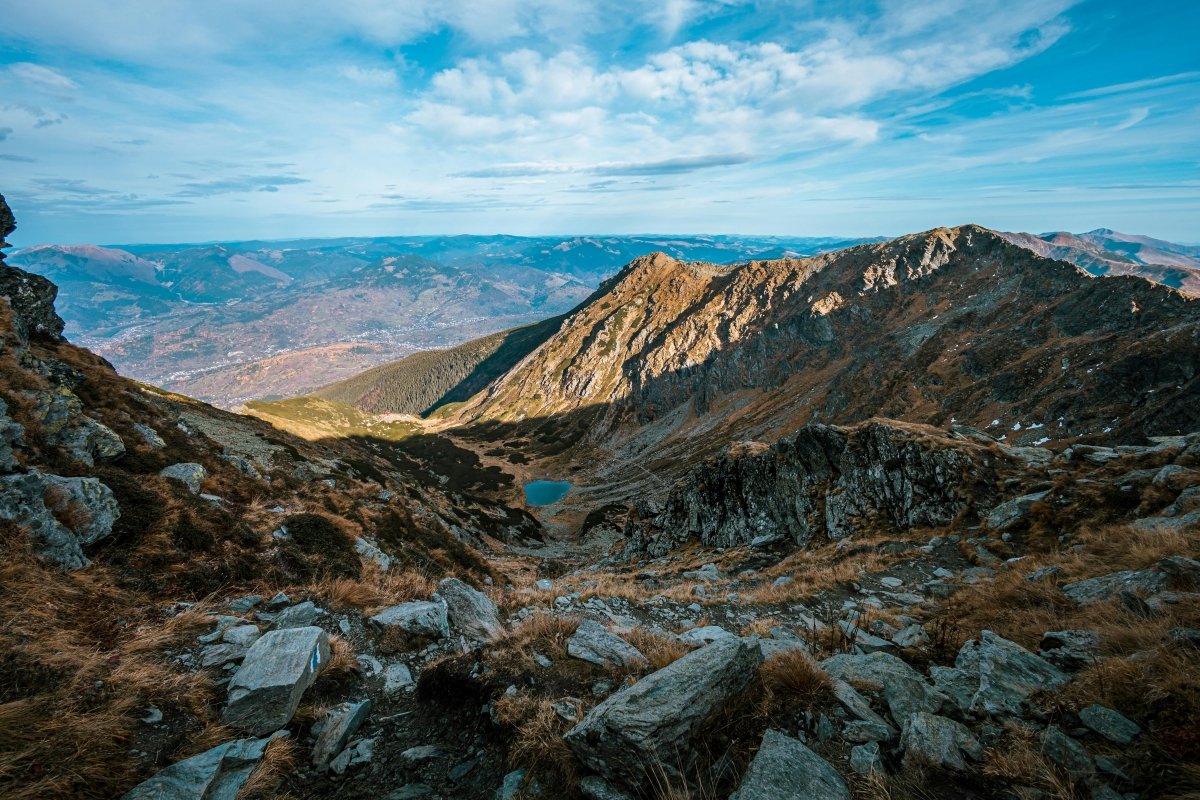
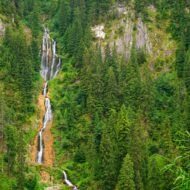
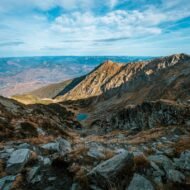
5. Hiking Rodna Mountains National Park 250km of trails, glacial lakes, and wildlife (bears, lynx, chamois). Popular routes: Lala Mare Peak (2,303m) and the Horses’ Waterfall trail.
Winter Wonders
1. Christmas Markets in Sighetu Marmației Smaller than the touristy western Europe versions, way more authentic. Try burning the pig (traditional December prep), carolers in full costume, and markets selling actual useful crafts.
2. Skiing Cavnic & Borșa Budget-friendly ski resorts (€15-25/day pass) with decent slopes and zero lift lines. Borșa has better facilities; Cavnic has better après-ski vibe.
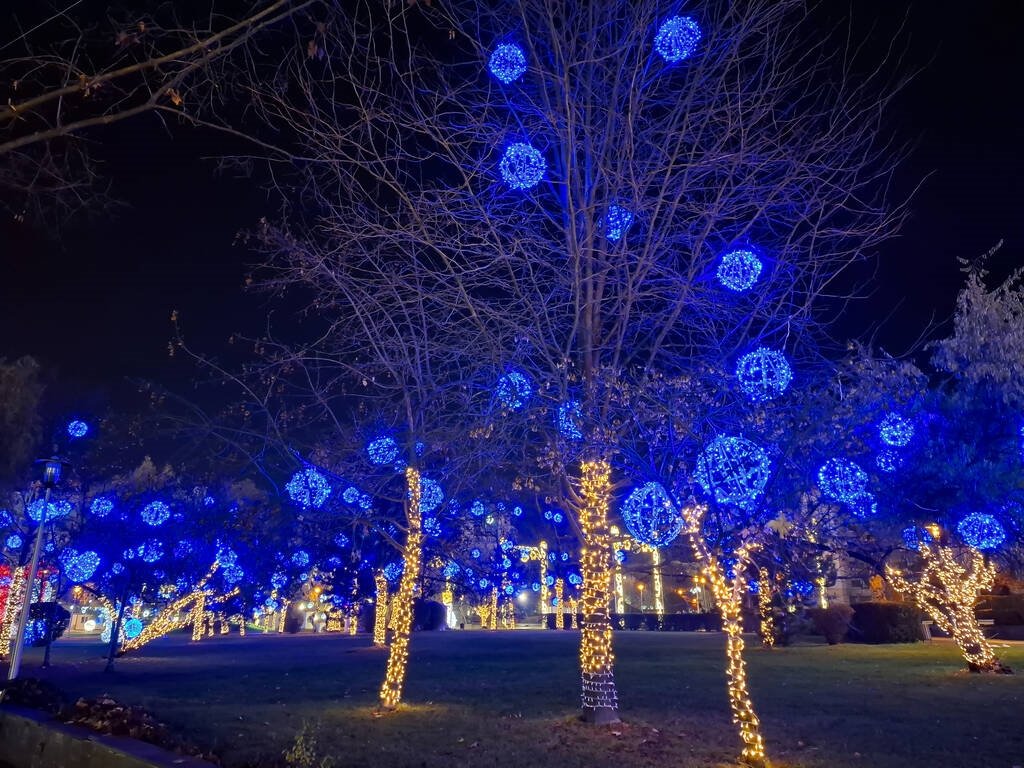
3. Winter Traditions Witness the New Year’s Bear Dance (Ursul) in villages around Vadu Izei. Locals dress in actual bearskins and perform ancient fertility rituals. Not staged, genuinely surreal.
4. Horse-Drawn Sleigh Rides Every guesthouse owner knows someone with horses. €20-40 for 1-2 hours through snowy valleys. Bring a flask of țuică (plum brandy)—you’ll need it.
Where to Sleep: From Hay Lofts to Hotels
Budget (€15-40/night)
- Traditional guesthouses (pensiuni): Stay with families, eat home-cooked meals, learn to card wool
- Try: Casa Iurca de Călinești, Pensiunea Gabriela (Breb)
- Bonus: Most include breakfast that’ll fuel you until dinner
Mid-Range (€40-80/night)
- Boutique guesthouses with modern bathrooms and traditional charm
- Hot picks: Conacul Ambient (Desești), Casa Teo (Botiza)
- Many offer full-board options (smart move—restaurants are scarce in villages)
Splurge (€80-150/night)
- Eco-resorts and restored manor houses
- Try: Hanul Vatra (near Bârsana), Mountain Lake Resort (Cavnic)
- Usually includes spa, restaurant, and organized tours
Pro Tips:
- Book direct via phone/email for better rates
- Many places don’t list online—ask locals for recommendations
- Winter rates often 20-30% lower except Christmas/New Year
Shopping: Actual Crafts, Not Fridge Magnets
Forget mass-produced souvenirs. Maramureș artisans still create functional art.
What to Buy:
- Wool textiles: Thick rugs, blankets, and the iconic black-and-white striped “carpets” from Săpânța
- Wooden items: Hand-carved gates (yes, people ship them!), spoons, crosses
- Traditional shirts (ie): Handembroidered linen blouses (€40-200)
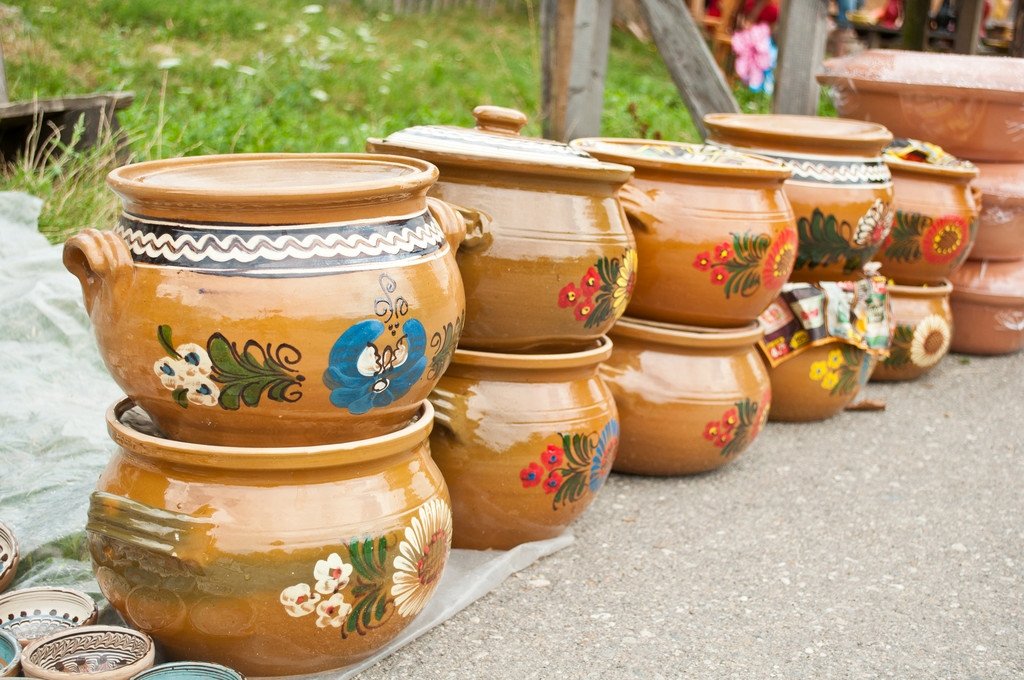
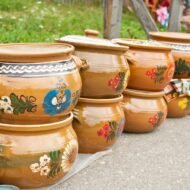
- Pottery: Practical ceramics from Vadu Izei workshops
- Țuică: Homemade plum brandy (legally questionable to fly with, incredibly delicious)
Where to Shop:
- Sunday markets in Sighetu Marmației and Târgu Lăpuș
- Direct from artisans (ask your guesthouse host)
- Muzeul Satului (Village Museum) in Sighetu Marmației has a shop with certified craftspeople
Bargaining: Expected in markets, rude in workshops. If buying direct from makers, offer a fair price and build a relationship.
Local Traditions: The Unwritten Rules
Sunday Best: Locals dress in traditional wear for church. Respectful visitors wear modest clothing (covered shoulders, longer skirts/pants).
The Three-Refusal Rule: When offered food/drink, refuse politely twice, accept the third time. It’s not rude—it’s the dance.
Gate Symbolism: Those elaborate wooden gates aren’t showing off—they tell stories. Rope motifs = unity, sun symbols = eternity, cross patterns = faith.
Work Bees (Clăci): Community members still gather to help neighbors with big projects—barn raising, harvesting, wool processing. Visitors sometimes welcomed; bring hands willing to work and expect epic feasts.
Easter Customs: Painted eggs, all-night vigils, lamb feasts. The real deal happens in small villages, not tourist centers.
Outdoor Adventures: Beyond the Selfie Stick
Hiking
- Difficulty range: Easy village walks to serious alpine scrambles
- Best bases: Borșa (for Rodna Mountains), Vișeu de Sus (for Maramureș Mountains)
- Guided vs. solo: Bears are real—consider guides for backcountry routes
Cycling
- Valleys are manageable; mountain passes are brutal
- Rent in Sighetu Marmației or Baia Mare
- Mix of paved roads and dirt tracks—bring repair kit
Horseback Riding
- Traditional horses (sturdy mountain breeds), not tourist-groomed steeds
- €15-25/hour; full-day trips available
- Best in Breb, Botiza areas
Rafting
- Tisa and Vaser rivers (June-August when water levels good)
- Grade II-III rapids—fun, not terrifying
- Book through Vișeu de Sus operators
Wildlife Watching
- Bear viewing (ethical operators only—ask about distance/disturbance policies)
- Birdwatching in Tisa floodplains
- Mushroom foraging with local guides (autumn)
Budget Breakdown: What Things Actually Cost
Daily Budget Estimates:
Shoestring (€25-35/day)
- Accommodation: €15-20 (basic guesthouse)
- Food: €8-12 (local eateries, some self-catering)
- Transport: €2-5 (buses, shared taxis)
- Activities: Free-€5 (hiking, village walks, church visits)
Comfortable (€50-80/day)
- Accommodation: €35-50 (nice guesthouse with meals)
- Food: €15-25 (restaurants, trying specialties)
- Transport: €10-20 (occasional taxi, train)
- Activities: €10-15 (museums, guided walks, Mocănița)
Cushy (€100-150/day)
- Accommodation: €60-100 (boutique hotels)
- Food: €25-35 (best restaurants, drinks)
- Transport: €20-40 (rental car, fuel)
- Activities: €20-40 (private guides, skiing, experiences)
Money-Saving Hacks:
- Full-board guesthouses = best value
- Markets cheaper than shops
- Free village walking is the best activity anyway
- Rent bikes instead of cars for valley exploration
- Visit in shoulder season (May, September) for 30% savings
Food: The Reason You’ll Gain Weight
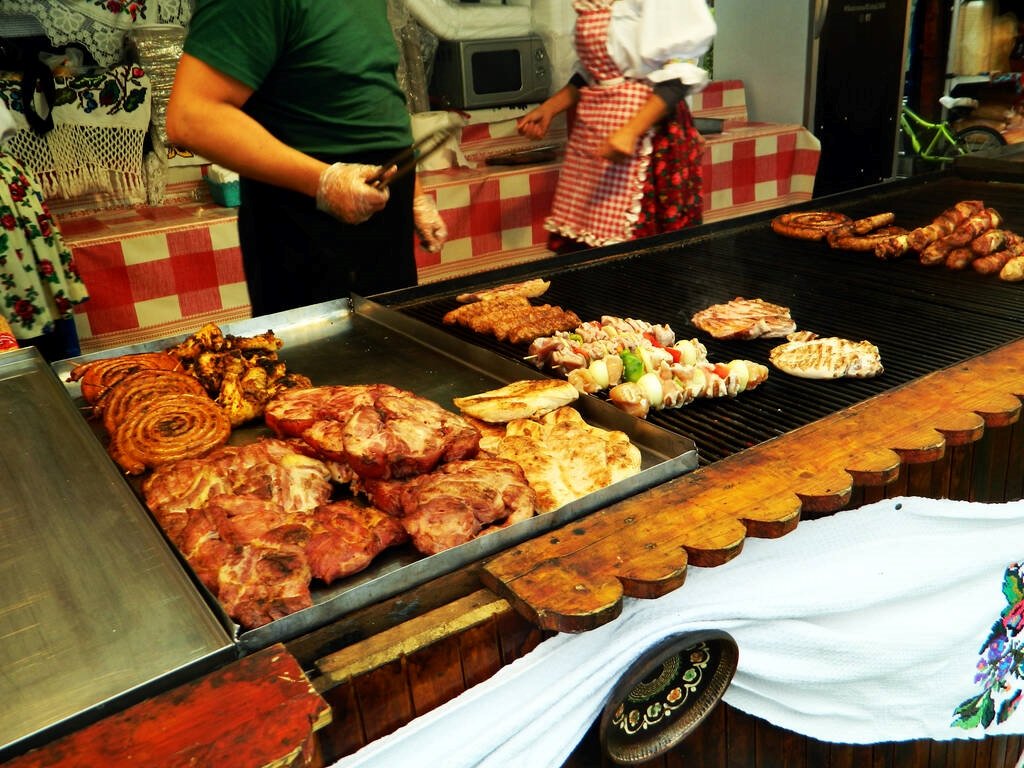
Maramureș cuisine is Romanian comfort food cranked to 11. Portions are absurd. Everything’s homemade. Prepare to loosen your belt.
Signature Dishes You Must Try
Balmoș Creamy polenta cooked with cheese and sour cream until your arteries beg for mercy. The local version uses sheep cheese from mountain pastures. Eaten with a spoon, often for breakfast (Romanians don’t mess around).
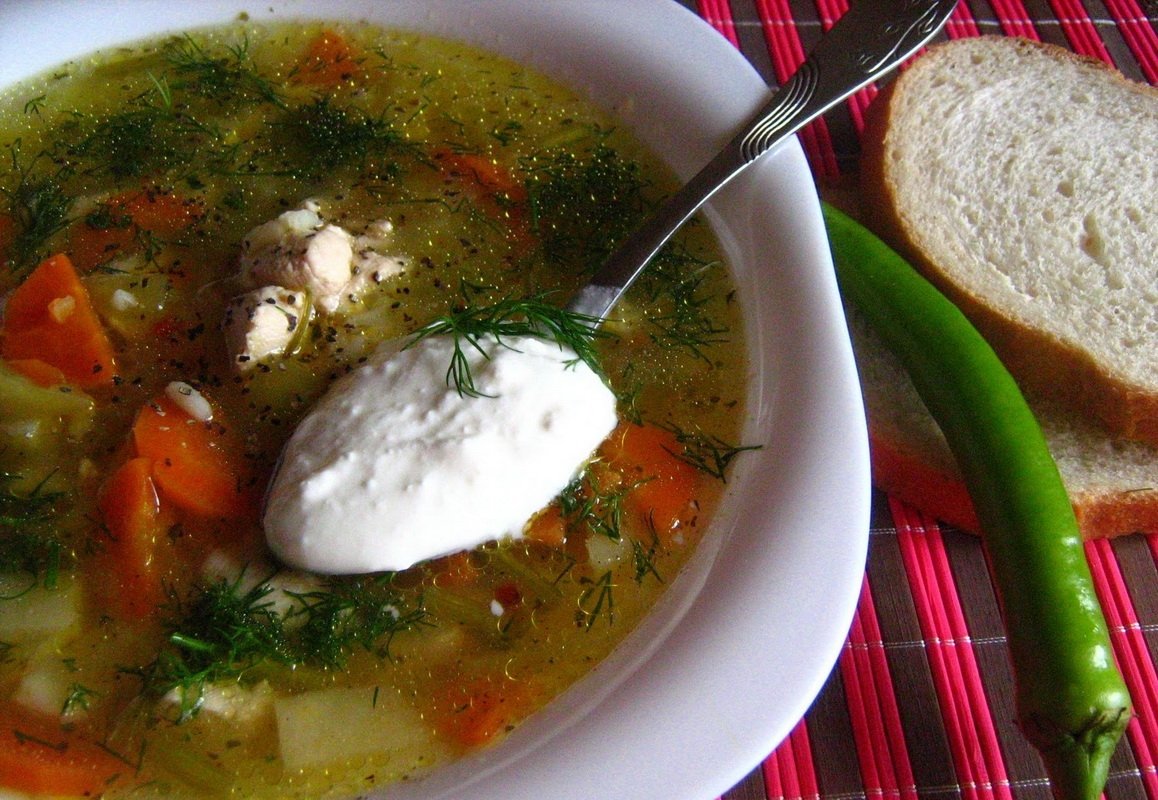
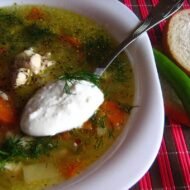
Borș de Ciorbă (Sour Soup) Every family has their recipe. Common versions: tripe soup, bean soup, or meatball soup, all with fermented wheat bran for tang. Hangover cure and winter warmer.
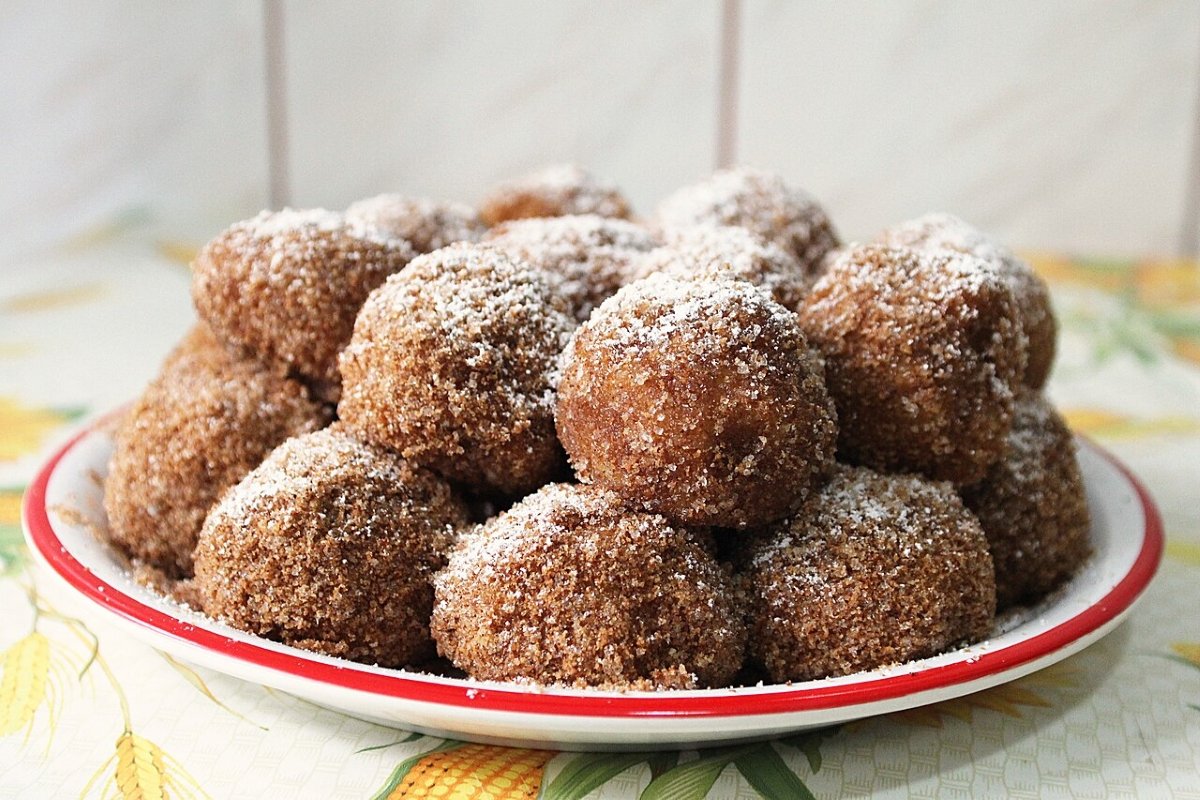
Găluște cu Prune (Plum Dumplings) Potato dough wrapped around whole plums, boiled, then rolled in breadcrumbs and sugar. Technically dessert; actually acceptable as a meal.
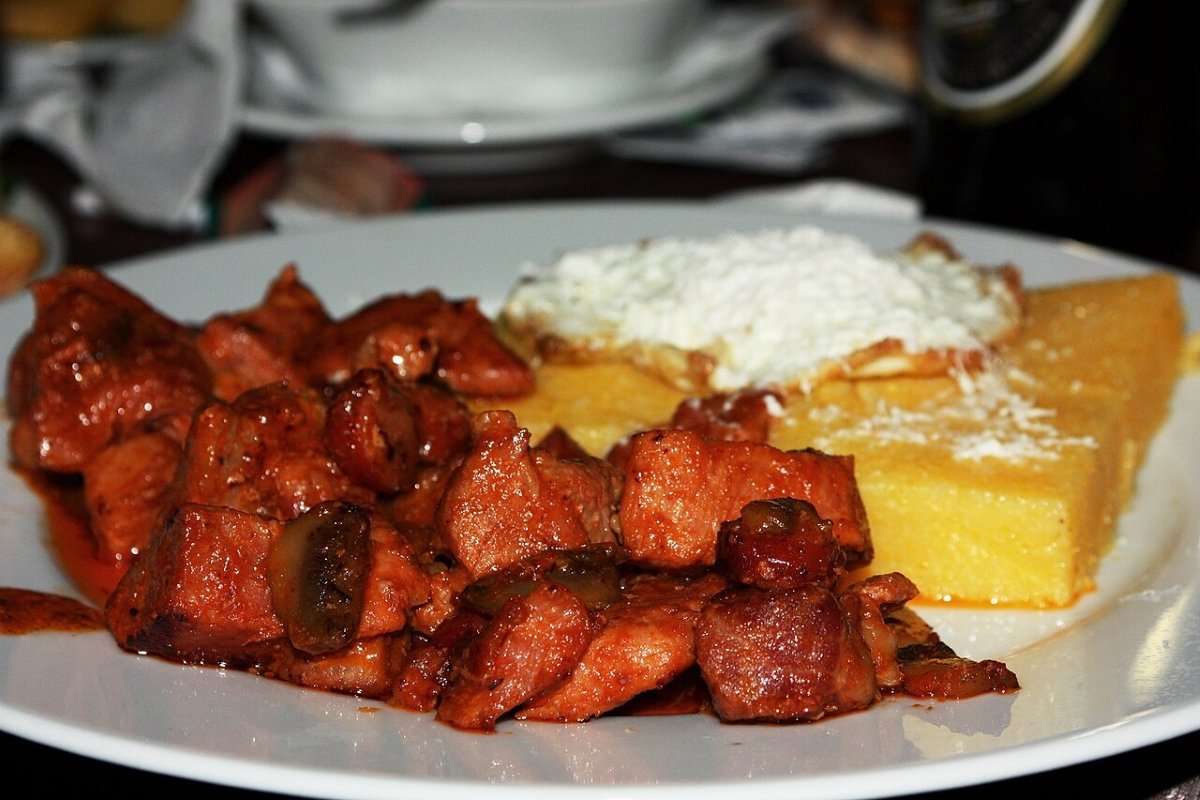
Tochitură Pork stew with polenta and fried egg on top. Order this after a 6-hour hike and feel your faith in humanity restore.
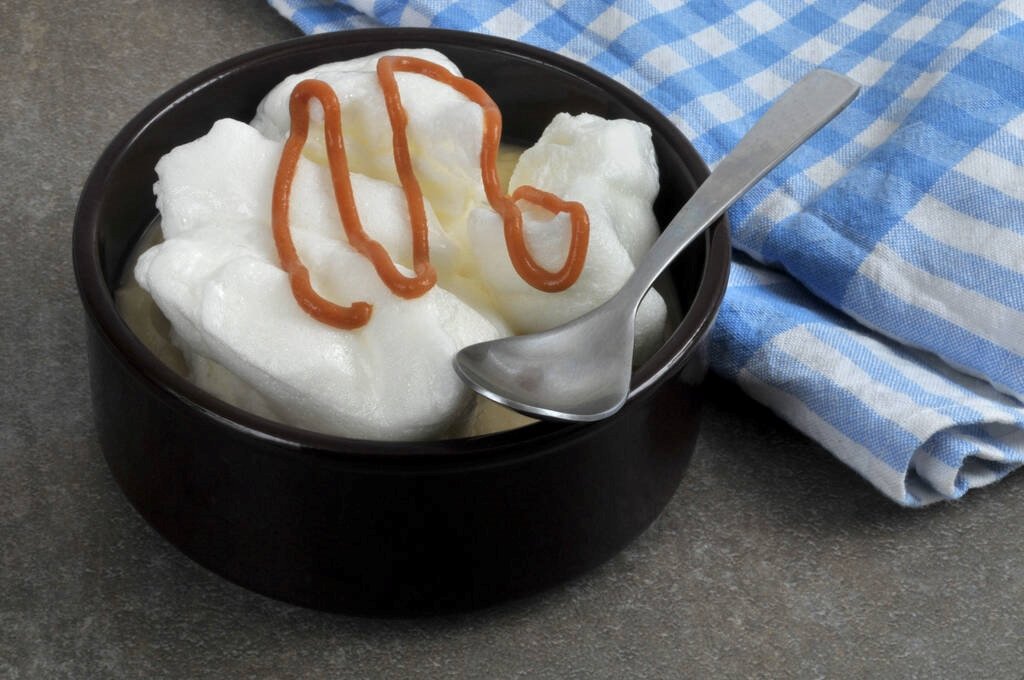
Lapte de Pasăre (Bird’s Milk) Floating island dessert—meringue “islands” in vanilla custard. Light, airy, and proof that Romanians can do delicate when they want to.
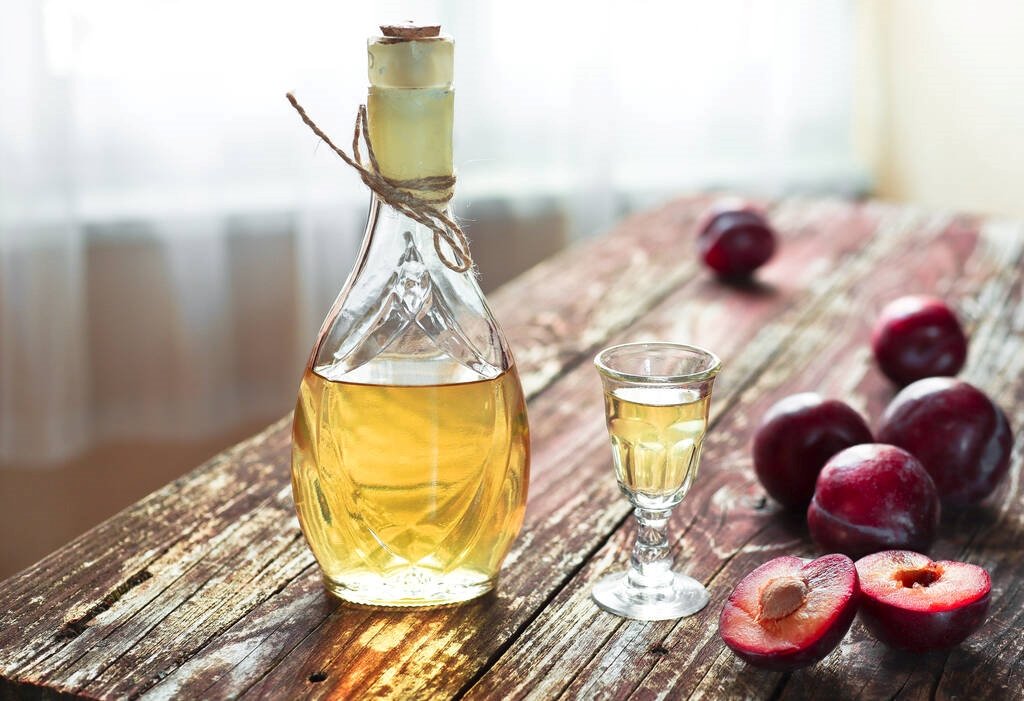
Horincă Similar to țuică but higher alcohol content (50-60%). Made from plums, pears, or apples. Definitely not a sipping drink. Definitely will make you friends with locals.
Where to Eat
Top Restaurant Picks:
- Popasul Dacilor (Vișeu de Sus): Traditional menu, huge portions
- Casa Andreea (Desești): Family-run, whatever’s cooking that day
- Restaurant Perla (Sighetu Marmației): Broader menu, good wine list
The Real Secret: The best meals happen in guesthouses. Full-board usually includes:
- Breakfast: Eggs, cheese, cured meats, homemade bread, jam
- Lunch: Soup + main + dessert
- Dinner: Similar to lunch, more courses
Your host will cook family recipes passed down generations. You can’t Yelp review this; you can only be grateful.
Cultural Deep Dive: More Than Pretty Photos
The Wood Carving Legacy Maramureș carpenters (dulgerii) are legends. Their joints fit so perfectly that churches from the 1600s still stand without a single nail. The skill passes father to son, apprenticeship to mastery. Watch them work in Desești or Săliștea de Sus—the precision is mesmerizing.
Textile Traditions Women still gather for spinning bees (șezători), especially winter evenings. The patterns in their weaving tell stories: wedding motifs, protection symbols, village identifiers. A master weaver can glance at a textile and tell you which valley it’s from.
Religious Art The wooden churches aren’t just old buildings—they’re resistance symbols. When Habsburg authorities banned stone Orthodox churches (18th century), locals built elaborate wooden ones instead. The interior paintings are biblical stories for an illiterate population, stunning in their folk art style.
The Maramureș Hat That distinctive tall, cylindrical hat (clop)? Different heights and decorations indicate marital status, age, and village. It’s a social media profile in felt.
Language Notes The local dialect preserves archaic Romanian words lost elsewhere. Older folks might not understand standard Romanian from TV. English is rare outside Sighetu Marmației—learn basic Romanian phrases or embrace the challenge.
Events & Festivals: When to Plan Around
Winter Customs (Late December-Early January) Villages across the region celebrate with bear dances, caroling troupes, and house blessings. Biggest in Cernești, Ieud, Vadu Izei. Not advertised; just happens. Ask locals for dates.
Easter Week (March-April, date varies) The full Orthodox Easter experience: midnight vigils, processions, egg painting workshops, lamb feasts. Most authentic in smaller villages like Breb or Botiza.
Whit Sunday (Rusalii, May-June) Massive celebrations with traditional dress, horse carts, folk music. The Sighetu Marmației festival draws villages from across the region.
Harvest Festivals (August-September) Celebrating hay cutting, shepherding, and crop gathering. Include traditional games, music, food contests. Check Vadu Izei and Săpânța.
Mountain Shepherds’ Festival (Various locations, late July) When sheep return from mountain pastures. Includes cheese-making demonstrations, folk music, and serious eating. Borșa hosts a large one.
Folk Music Concerts Year-round in cultural centers. Sighetu Marmației’s Maramureș Museum hosts monthly traditional music nights (€3-5 entry).
Getting There: Your Realistic Options
Nearest Major Airport: Cluj-Napoca International (CLJ)
Why Cluj:
- Most international connections
- Modern airport with car rentals
- 160km to Baia Mare, 200km to Sighetu Marmației
- 2.5-3.5 hours driving (mountain roads, factor extra time)
Cluj to Maramureș Transport:
- Rental car: €25-40/day, book ahead (essential for village exploring)
- Train: Cluj → Baia Mare (3-4 hours, €8-12), then local transport
- Private transfer: €80-120 (book through accommodation)
- Bus: Several daily (4 hours, €10-15, comfortable enough)
Alternative: Baia Mare Airport (BAY)
The Closer Option:
- Small regional airport
- Limited flights (mainly Bucharest, seasonal charters)
- 40km to Sighetu Marmației (45 minutes)
- Often cheaper total travel time if connecting through Bucharest
Other Entry Points:
Bucharest (OTP): Possible but masochistic. 6-7 hour drive or overnight train. Only if combining with other Romanian regions.
Satu Mare Airport: Tiny, irregular schedule, but 80km from Sighetu Marmației if flights align.
Crossing from Ukraine (when border is open): Solotvyno border crossing connects to Sighetu Marmației. Check current regulations.
Useful Information: The Practical Stuff
Best Time to Visit
- Prime time: May-September (weather, full access)
- Budget time: October-November, March-April (lower prices, some attractions closed)
- Winter sports: December-February (skiing, winter traditions)
- Avoid: Late October-early November (rainy, muddy, many places close)
How Long to Stay
- Minimum: 3 days (hit highlights, feel rushed)
- Sweet spot: 5-7 days (explore properly, slow down)
- Ideal: 10+ days (live the village rhythm, deep explore)
Getting Around
- Car rental: Essential for village hopping (€25-40/day)
- Trains: Limited routes, scenic but slow
- Buses: Infrequent but cheap, village connections sketchy
- Organized tours: Available from Cluj or Sighetu Marmației
- Hitchhiking: Common and safe by Romanian standards
Language
- Romanian is official; Hungarian spoken in some areas
- German useful with older generation
- English rare outside Sighetu Marmației
- Download Google Translate offline
- Learn: Bună ziua (hello), mulțumesc (thank you), cât costă? (how much?)
Money
- Currency: Romanian Leu (RON), €1 ≈ 5 RON
- ATMs in Sighetu Marmației, Baia Mare, Vișeu de Sus
- Cards accepted in hotels/restaurants; cash for guesthouses/villages
- Bring cash for rural areas
Internet & Phone
- 4G coverage in towns, spotty in villages
- Guesthouses often have WiFi
- Local SIM cards cheap (€5-10 for tourist plans)
- Orange and Vodafone have best coverage
Safety
- Very safe region, low crime
- Bears are real—follow local advice, make noise hiking
- Stray dogs in villages (mostly harmless, sometimes territorial)
- Roads can be challenging (potholes, curves, livestock)
- Winter driving requires winter tires (rental companies provide)
Health
- EU health card valid (EU citizens)
- Travel insurance recommended for everyone
- Pharmacies (farmacie) in all towns
- Hospitals in Baia Mare, Sighetu Marmației
- Tap water safe in towns, bottled in remote villages
Etiquette
- Remove shoes entering homes
- Dress modestly for churches
- Ask permission before photographing people (especially in traditional dress)
- Accept offered food/drink (after two polite refusals)
- Don’t rush—locals value conversation
Sample Itineraries
3-Day Highlights Blitz
- Day 1: Arrive Baia Mare, drive to Bârsana Monastery, overnight Desești
- Day 2: Merry Cemetery, wooden churches circuit, Sighetu Marmației, overnight Breb
- Day 3: Mocănița steam train, Vișeu de Sus, depart
7-Day Deep Dive
- Days 1-2: Settle in Breb, explore local villages on foot/bike
- Day 3: Sighetu Marmației (museums, market), Merry Cemetery
- Day 4: Vișeu de Sus (Mocănița, town exploration)
- Day 5: Hiking Rodna Mountains, overnight mountain cabin
- Day 6: Bârsana and Ieud monasteries, traditional workshops
- Day 7: Slow morning, artisan shopping, depart
Winter Week
- Days 1-3: Ski Borșa/Cavnic
- Days 4-5: Christmas markets, winter traditions, village homestay
- Days 6-7: Snowshoe hiking, sleigh rides, sauna sessions
Recap: Your Maramureș Cheat Sheet
✅ Go for: Authentic village culture, wooden churches, mountain hiking, seriously good food, freedom from tourist crowds
✅ Budget: €30-50/day comfortably, €80+ for luxury
✅ When: May-September for best weather; December-January for winter magic
✅ Stay: Traditional guesthouses with full board (best value and experience)
✅ Don’t miss: Merry Cemetery, Mocănița train, village circuit, trying balmoș
✅ Bring: Hiking boots, layers, appetite, open mind, patience for slow travel
✅ Skip: Rushing, expecting English everywhere, comparing to Western Europe
✅ Unique factor: This is as close as Europe gets to time travel—make it count
Disclaimer
This travel guide reflects conditions and prices as of January 2026. Travel information changes—roads improve (or deteriorate), hotels change ownership, political situations shift, and prices adjust with inflation. Always verify critical details (especially border crossings, winter road conditions, and accommodation availability) closer to your travel dates.
Exchange rates used: €1 = approximately 5 RON. Seasonal price variations can be significant (±30%). Some family-run guesthouses and artisan workshops don’t maintain consistent schedules—flexibility is your friend.
Bear safety is real. Follow local advice, don’t hike alone in backcountry without informing someone, make noise on trails, and never approach or feed wildlife. If you’re unfamiliar with bear country, hire a guide.
Cultural sensitivity matters. Maramureș isn’t a theme park—real people live traditional lives here. Respect privacy, ask permission for photos, dress appropriately for religious sites, and remember you’re a guest in their home.
The author visited Maramureș in August 2024 and drew from current traveler reviews, local tourism boards, and accommodation providers for 2026 updates. Your experience will vary based on season, accommodation choices, language skills, and willingness to embrace uncertainty.
Safe travels, and may your plum brandy flask never run dry.