


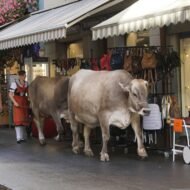
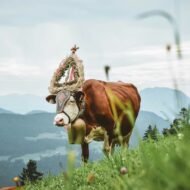
TL;DR: Almabtrieb is Europe’s most charming autumn tradition where beautifully decorated cows parade through Alpine villages after spending their summer in mountain pastures. Think flower crowns, cowbells, and one heck of a homecoming party with incredible food, music, and mountain vibes!
- What Is Almabtrieb? (And Why You’ll Fall in Love)
- When to Catch the Action
- Where to Experience the Magic
- What Makes Each Festival Unique
- Planning Your Almabtrieb Adventure
- Festival Etiquette: Do’s and Don’ts
- Making the Most of Your Visit
- The Modern Reality (But Don’t Let It Stop You)
- Why Almabtrieb Should Be on Your Bucket List
What Is Almabtrieb? (And Why You’ll Fall in Love)
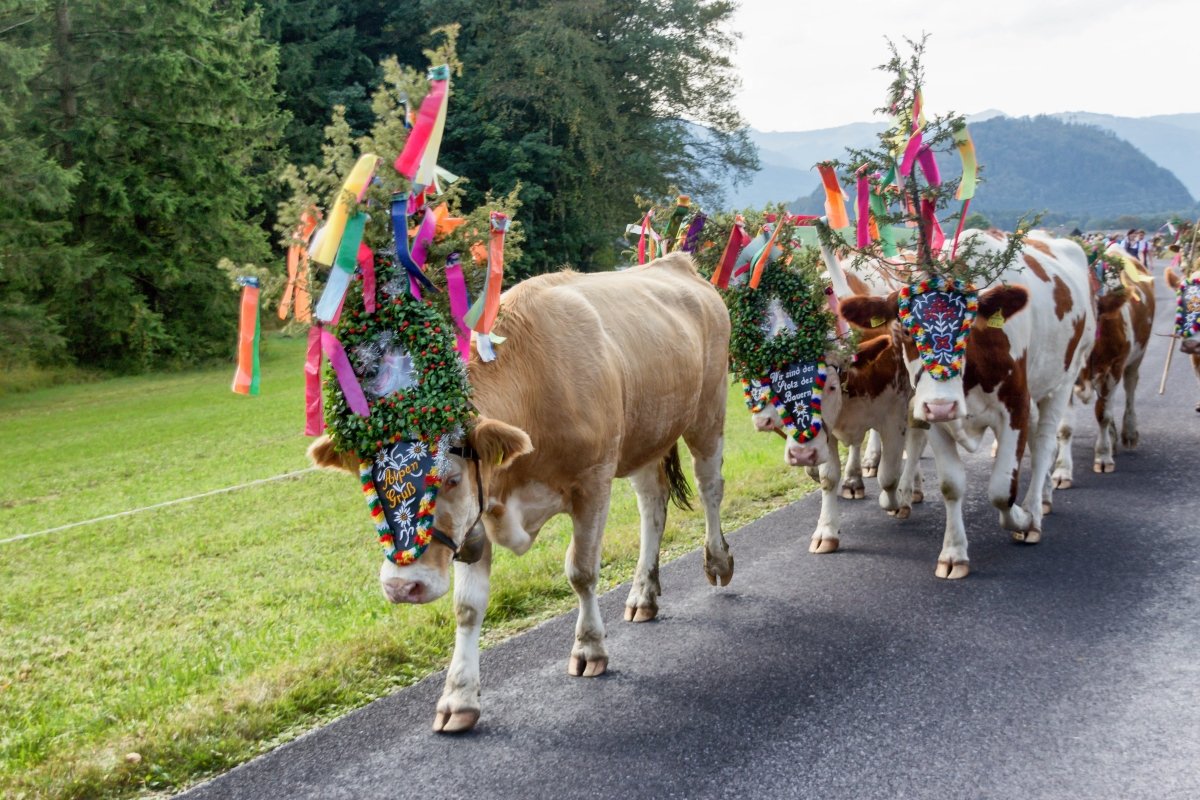
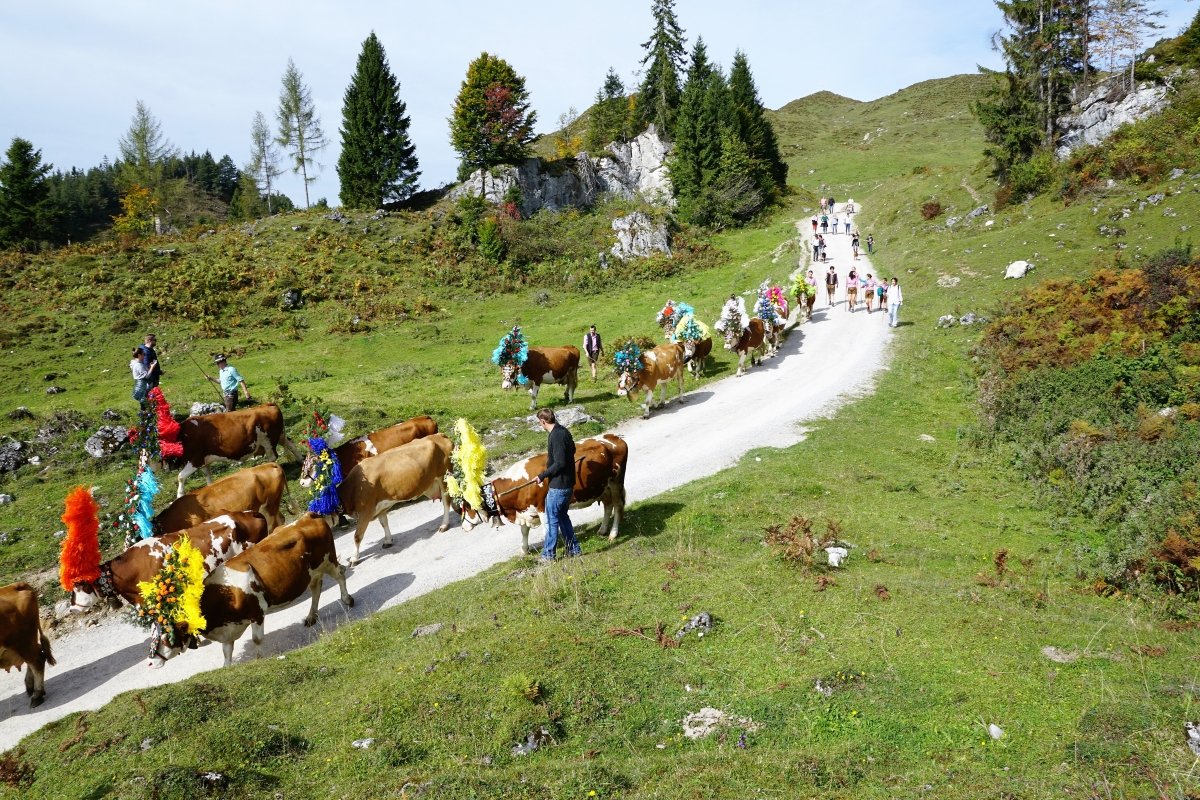
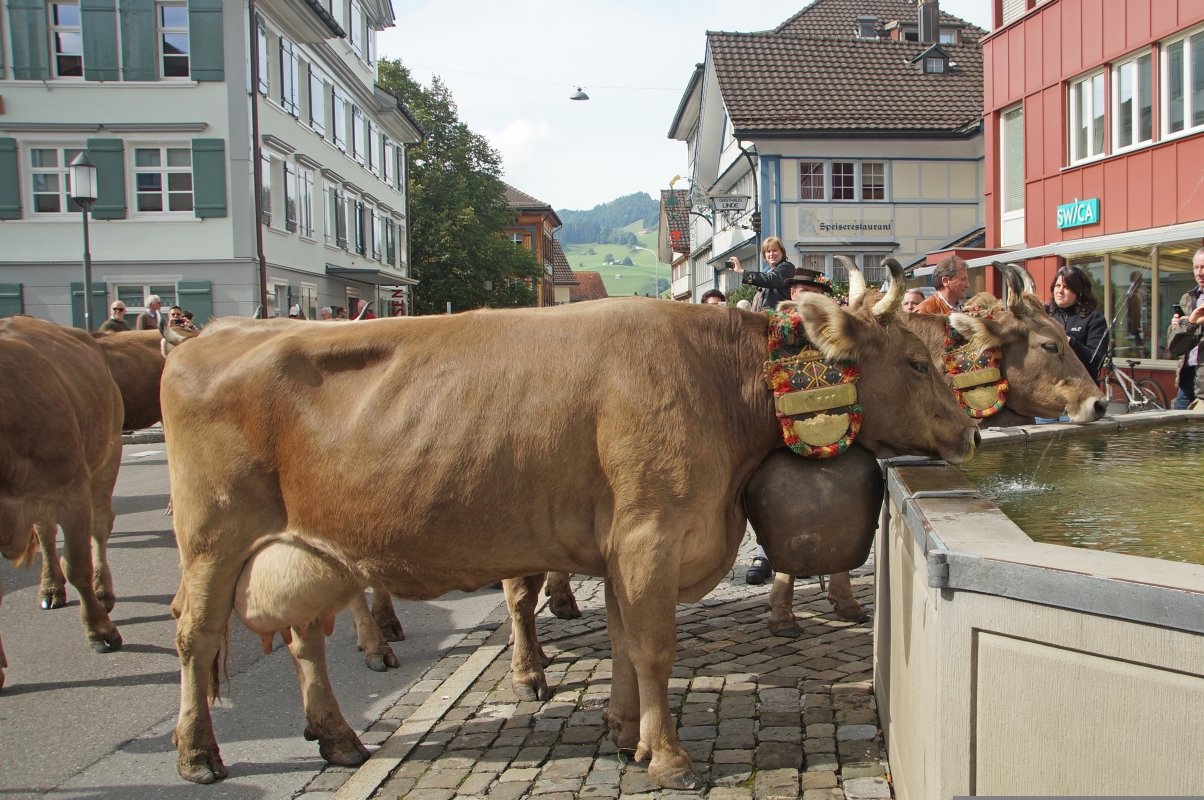
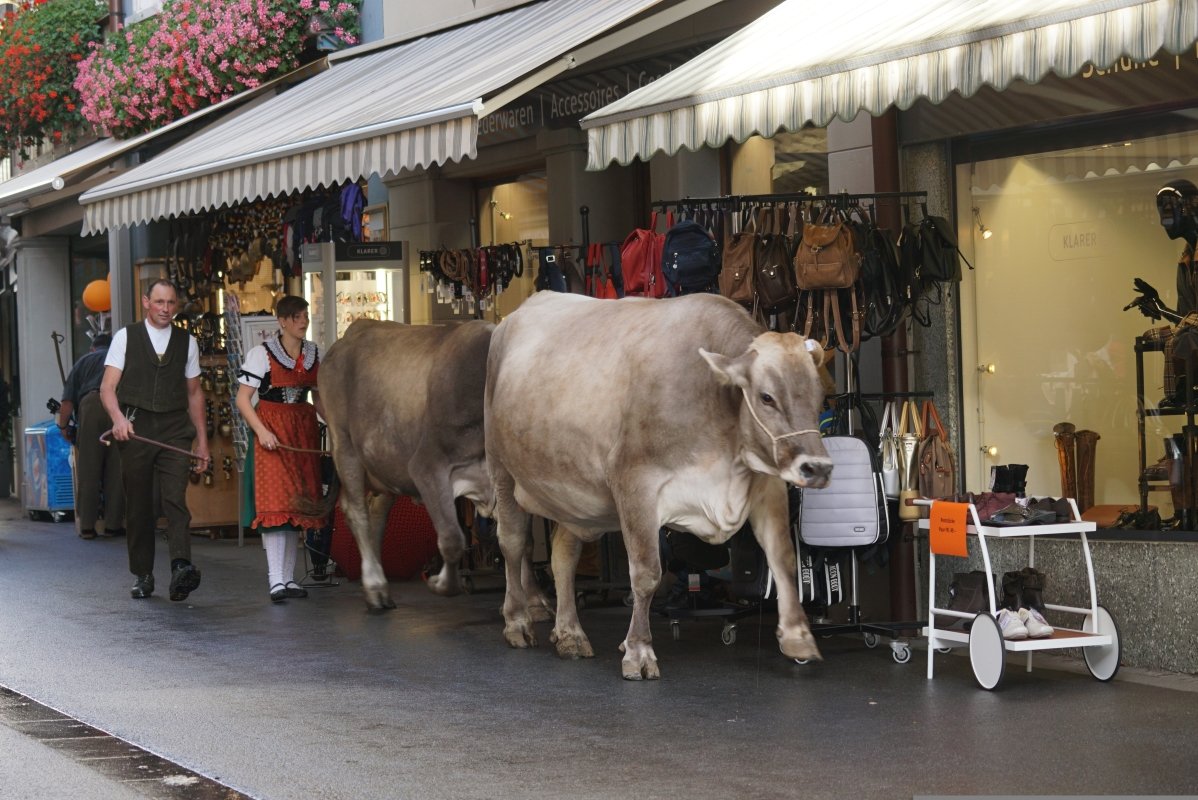
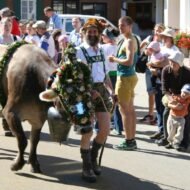
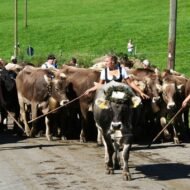
Picture this: hundreds of cows adorned with elaborate flower headdresses and jingling cowbells, meandering down from misty mountain peaks while an entire village celebrates their homecoming with folk music, craft beer, and the kind of authentic Alpine atmosphere that’ll have you questioning why you ever thought city life was cool.
The Almabtrieb in Austria heralds the mountain autumn. Once the animals have returned from their summer retreat, hikers have free rein, and honestly, it’s one of the most magical experiences you can have in Europe.
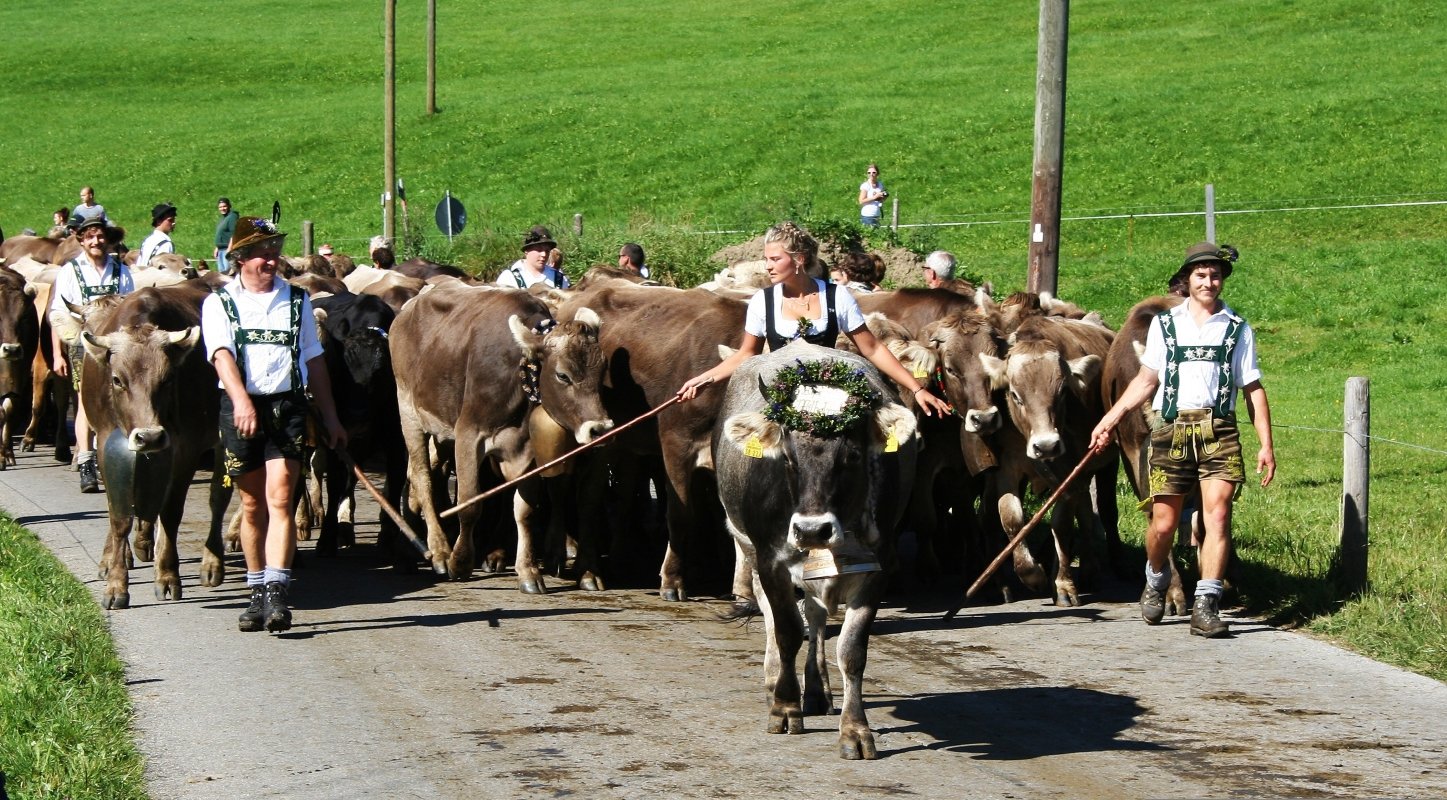
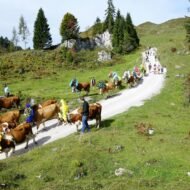
This isn’t just about cows (though they’re absolutely the stars). In the Alpine region of Europe (specifically around Austria, Switzerland, Germany, and Liechtenstein), Almabtrieb is a yearly event from September to October that celebrates the end of summer grazing season when cattle return from high alpine pastures to their winter homes in the valleys.
What’s in a Name?
Different regions have their own special names for this celebration:
- Almabtrieb in Austria and parts of Germany
- Viehscheid in Bavaria’s Allgäu region
- Alpabzug or Alpabfahrt in German-speaking Switzerland
- Désalpe in French-speaking Switzerland
- Desmontegada in South Tyrol, Italy
When to Catch the Action
Almabtriebe (Alpabzüge, Viehscheide) usually take place in September, though they can certainly happen in late August, or in early October as well. The timing depends on several factors like weather conditions, grass availability, and yes, even wolf threats in some areas (more on that later).
Pro tip: Festival dates can change last minute due to weather or other factors, so always check with local tourist offices close to your travel date!
2025 Festival Highlights
Here are some must-see celebrations happening in 2025:
Austria:
- September 20, 2025: Traditional Almabtrieb in Auffach, Wildschönau, from 10:00 a.m. to 6:00 p.m
- September 27, 2025: Zell am Ziller’s colorfully decorated cows parade through the village from 10:00 to 17:00 hrs
- September 19-20, 2025: Traditional Dachstein Almabtrieb begins Friday with “Schottenrühren” and continues Saturday with Alpine breakfast
Switzerland:
- September 6, 2025: Alpabzug in Gstaad, Berner Oberland
- September 20, 2025: Alpabfahrt and farmers market in Urnäsch
Germany:
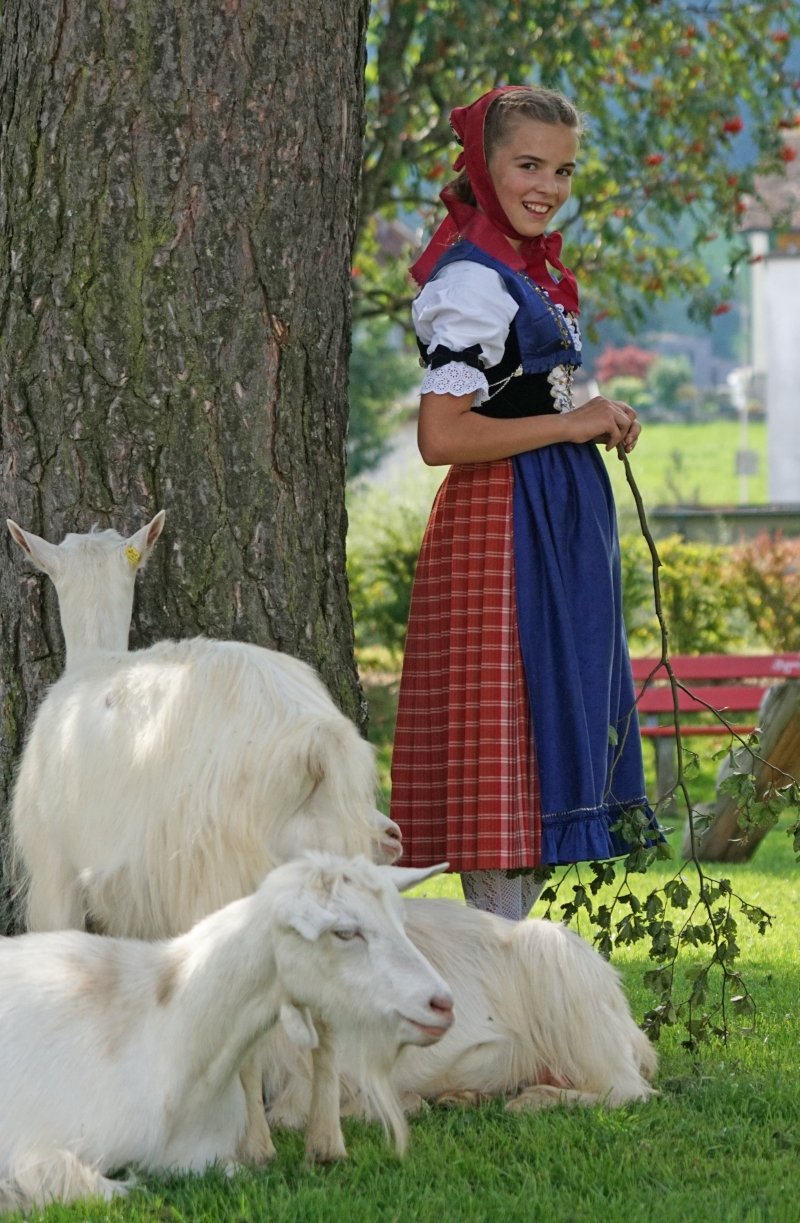
- September 6, 2025: Goat drive with awards in Mittenwald, Oberbayern
- September 9, 2025: Viehscheid with craft market in Kranzegg (Rettenberg), Allgäu
Where to Experience the Magic
Top Destinations for First-Timers
Austria’s Tyrolean Villages The heart and soul of Almabtrieb culture lies in Austria’s mountainous regions. September is traditionally the month when cows, horses and sheep are brought down from the high pastures into the valley ready for winter, and Austrian villages know how to throw a party.
Bavaria’s Allgäu Region The Viehscheid (and its close partner the Almabtrieb) are part and parcel of the same thing, and both are particularly celebrated in the alpine region of the Allgäu. This is where you’ll find some of Germany’s most spectacular celebrations.
Swiss Alpine Valleys Switzerland offers some of the most picturesque backdrops for these festivals, especially in German-speaking cantons like Appenzell and Bern.
Off-the-Beaten-Path Gems
For a more intimate experience, seek out smaller villages. Montafon Valley provides the perfect setting for small mountain villages, excellent for those looking to escape into nature, and you’ll often find multiple celebrations happening in the same valley on the same day!
What Makes Each Festival Unique
The Spectacular Decorations
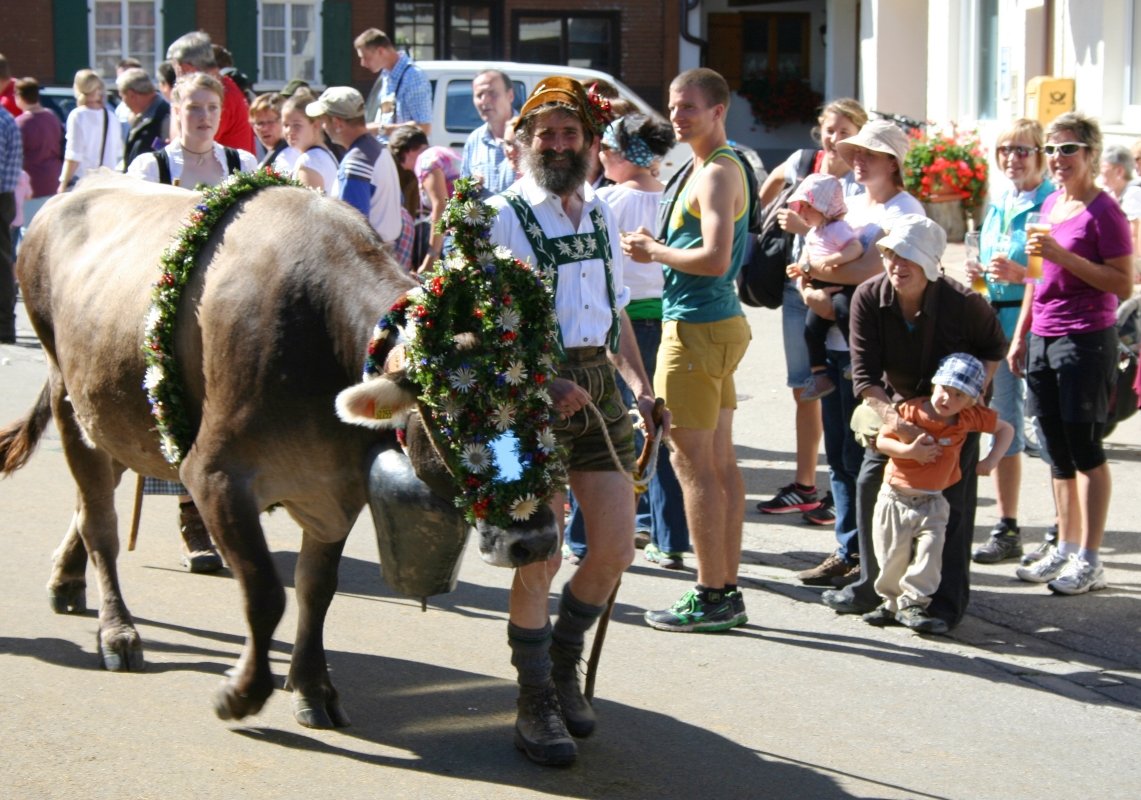
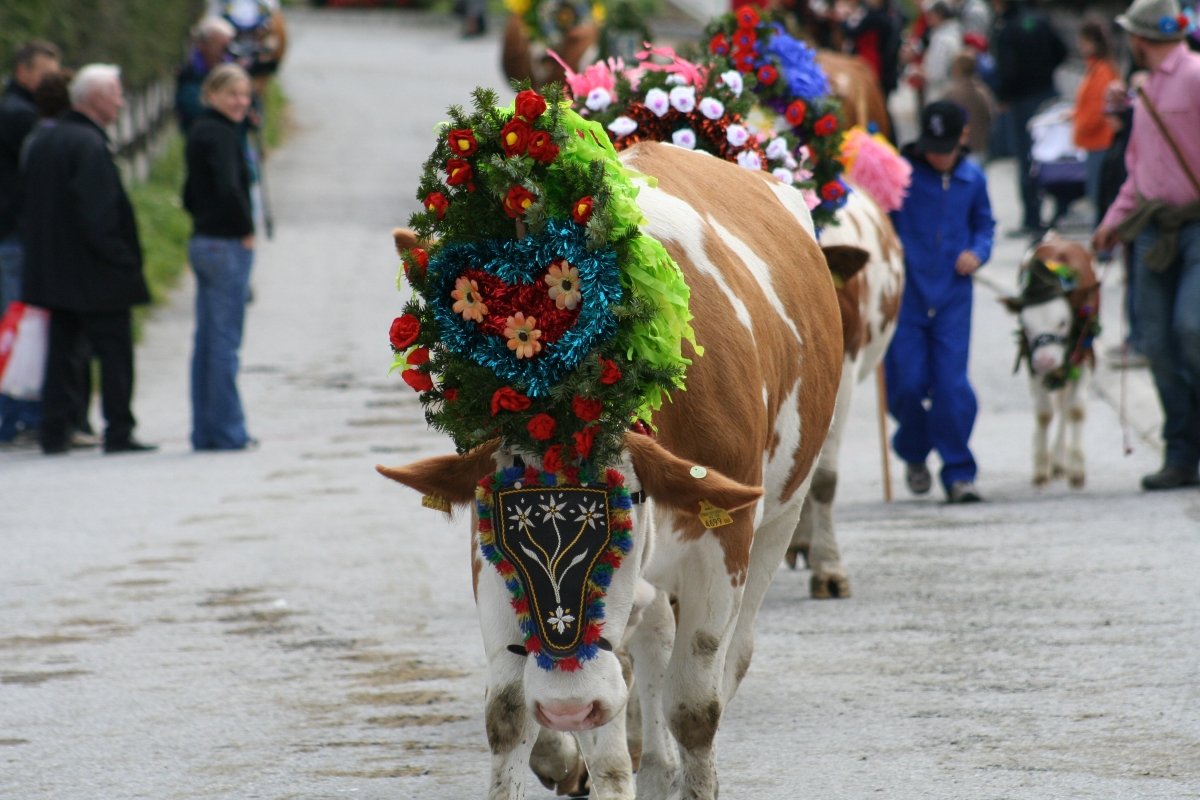
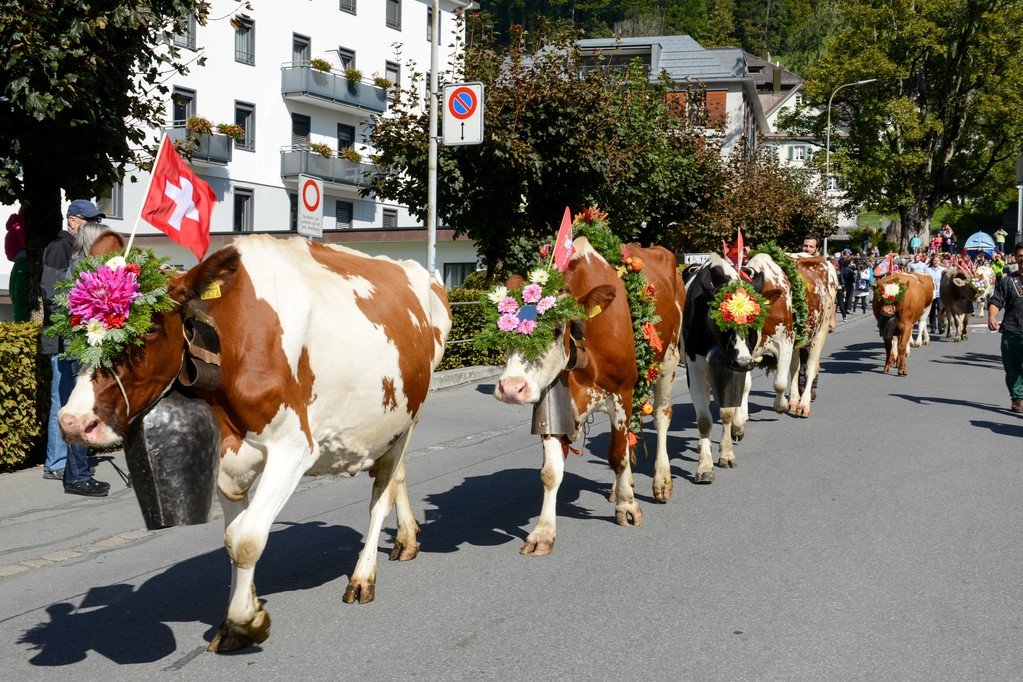
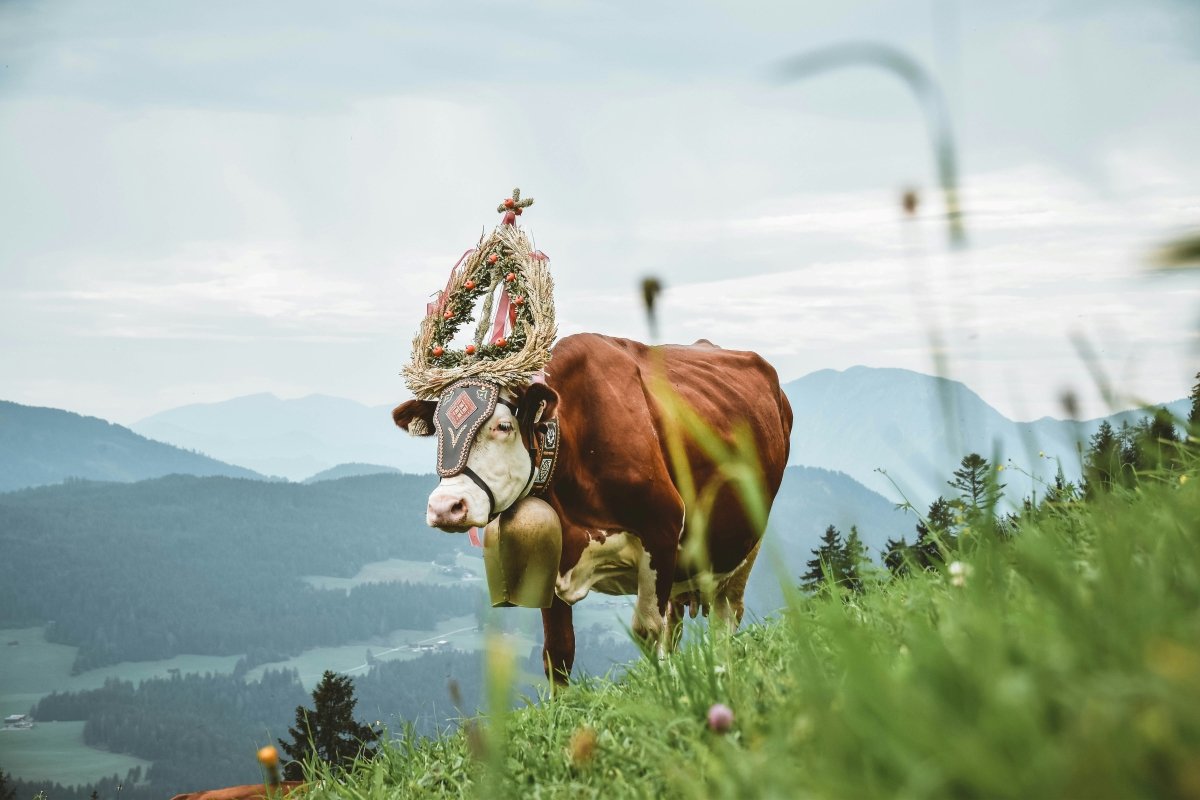
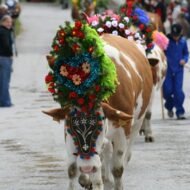
The animals are decorated with various utensils. Wreaths with colorful ribbons and bells are often found. The most splendid decoration is given to the leading cow. These aren’t just random flowers – the decorations are a symbol of gratitude for a safe summer on the mountain pastures.
The UNESCO Heritage Experience
Some festivals have serious historical cred. The cross-border annual Schnalstal Valley Almabtrieb dates back 600 years and is an Intangible UNESCO World Heritage event. In mid-September, 3500 sheep are moved from their summer pastures in Ventertal Valley, Austria, over the mountains, to their winter home in Schnalstal Valley, Italy.
The Foodie Paradise
Forget fancy restaurants – this is where you’ll taste the real Alpine cuisine. You’ll find the truly Bavarian meal; Rahmschwammerl. After all, what is better than heavy cream, bread dumplings and fresh, in-season mushrooms cooked together to perfection?
Don’t miss:
- Hirtenkäse – distinctive cheese from the participating cows
- Apfel Krapfen – like apple pie met a donut and had the most delicious baby
- Sturm (Austria) or Federweißer (Germany) – the season’s first fermented grape juice
- Fresh Melchermuas cooked over open fire with cranberries
Planning Your Almabtrieb Adventure
Getting There
Most festivals are easily accessible by train or car from major Alpine cities. Munich makes an excellent base for Bavarian celebrations, while Innsbruck is perfect for Austrian festivals.
Where to Stay
Book accommodation well in advance, especially in smaller villages. Consider staying in nearby larger towns if village accommodations are full – the short drive through Alpine scenery is part of the experience!
What to Bring
- Camera with good zoom – It’s absolutely imperative to take your photos from the roadside to avoid stressing the animals
- Warm layers – September mountain weather can be unpredictable
- Comfortable walking shoes – You’ll want to explore the craft markets and festivities
- Appetite – Seriously, come hungry
Festival Etiquette: Do’s and Don’ts
DO:
- Respect the animals and farmers by keeping a safe distance
- Support local craftspeople and food vendors
- Embrace the traditional atmosphere
- Learn a few German/local phrases – locals appreciate the effort
DON’T:
- Follow and/or join the cattle drive. This stresses out the animals and the farmers
- Get too close for photos – use zoom instead
- Expect everything to run on a precise schedule – this is rural Alpine tradition, not a train timetable
Making the Most of Your Visit
Beyond the Parade
Most Almabtriebs will have amazing local craftsman at work. You might find anything from an old lady at a spindle with her newly shaved wool from her own flock of sheep or a man using goose feather spines to elaborately decorate traditional Bavarian belts.
Extend Your Alpine Adventure
Since you’re already in some of Europe’s most stunning mountain regions, consider:
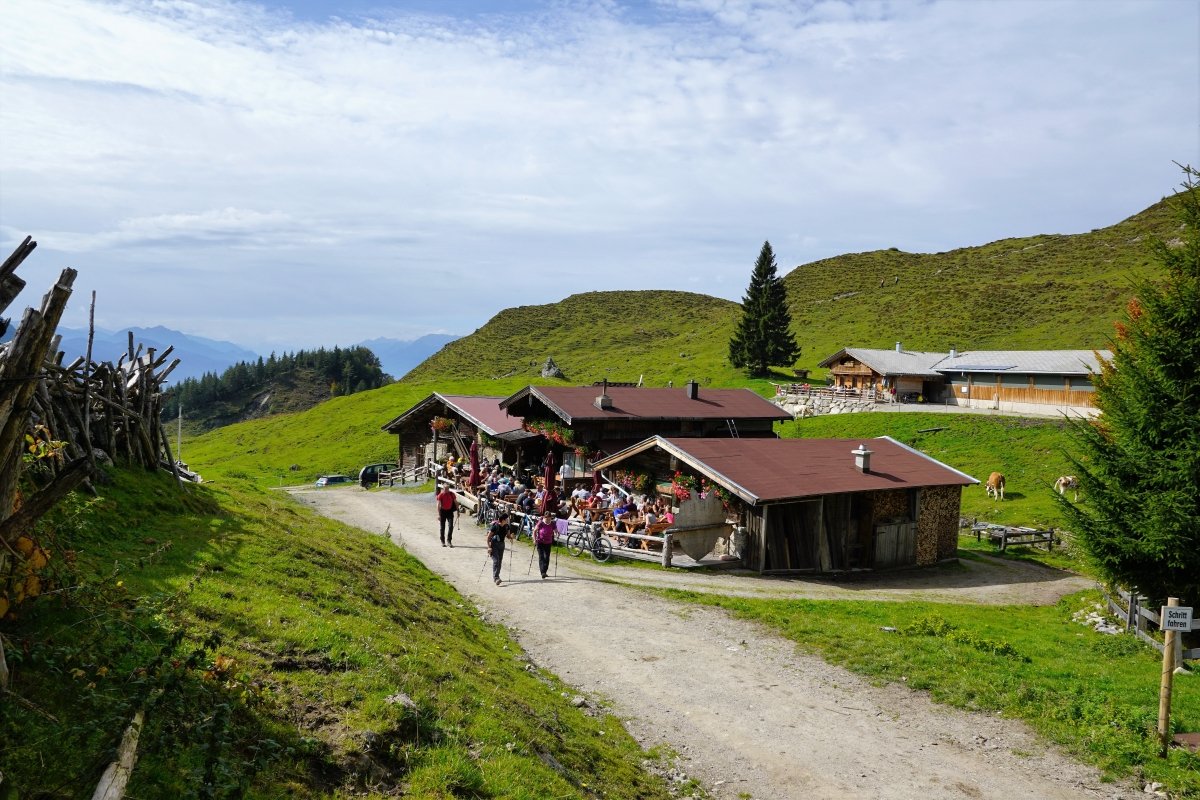
- Hiking the now-accessible high pastures
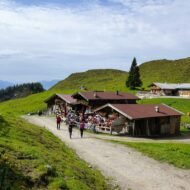
- Visiting local alpine huts and farms
- Exploring traditional cheese-making operations
- Taking scenic train rides through the Alps
The Modern Reality (But Don’t Let It Stop You)
Let’s be real – while they have become much more touristy over the years, you will still get a heavy dose of local culture as well as past-time traditions wherever you decide to go. Some villages have even stopped publicizing their dates due to overcrowding, but this just means you need to be more strategic about your planning.
The best resources for finding out when and where these cows coming home festivals occur are local tourist offices. Don’t rely solely on online sources – make those phone calls or send those emails!
Why Almabtrieb Should Be on Your Bucket List
In a world of Instagram-perfect travel experiences that often feel manufactured, Almabtrieb offers something increasingly rare: authentic cultural tradition that’s still deeply connected to the land and the people who work it. This tradition has been around for about 400 years, and witnessing it feels like stepping into a living piece of European heritage.
Plus, where else can you watch hundreds of flower-crowned cows parade through a medieval village while polka music plays and locals offer you homemade schnapps? This is the kind of uniquely European experience that’ll have you boring everyone back home with cow parade photos for years to come.
Ready to plan your Alpine adventure? Start checking those local tourism websites, practice your German cow-related vocabulary, and prepare for one of Europe’s most charming and authentic cultural celebrations. The cows are coming home – and they’re throwing one heck of a party!