




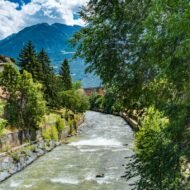


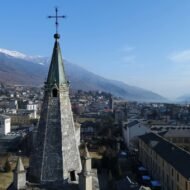


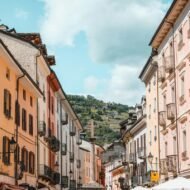
TL;DR: Aosta is a charming medieval city nestled in the heart of the Alps where Italian culture meets French influence—think cobblestone streets, ancient Roman heritage, world-class hiking, and some seriously good mountain food. Whether you’re chasing adrenaline, history, or just want to escape to crisp Alpine air, this bilingual wonderland delivers. Best visited June-September for hiking or December-January for skiing.
- Why Aosta Valley? (And Why You Should Actually Go)
- Getting There: How to Actually Reach Aosta
- When to Visit: Timing Your Alpine Adventure
- Where to Stay: Finding Your Perfect Base
- The Roman Aosta You Need to See
- Medieval Magic: Beyond the Romans
- Hiking: Why Your Legs Will Thank You
- Food & Drink: The Underrated Alpine Cuisine
- Winter Adventures: When the Mountains Get Serious
- Beyond the City: Day Trips & Regional Highlights
- Practical Info for Actual Travel
- When Things Go Wrong: Useful Contacts
- The Real Talk: What Makes Aosta Special
- Quick Planning Checklist
Why Aosta Valley? (And Why You Should Actually Go)
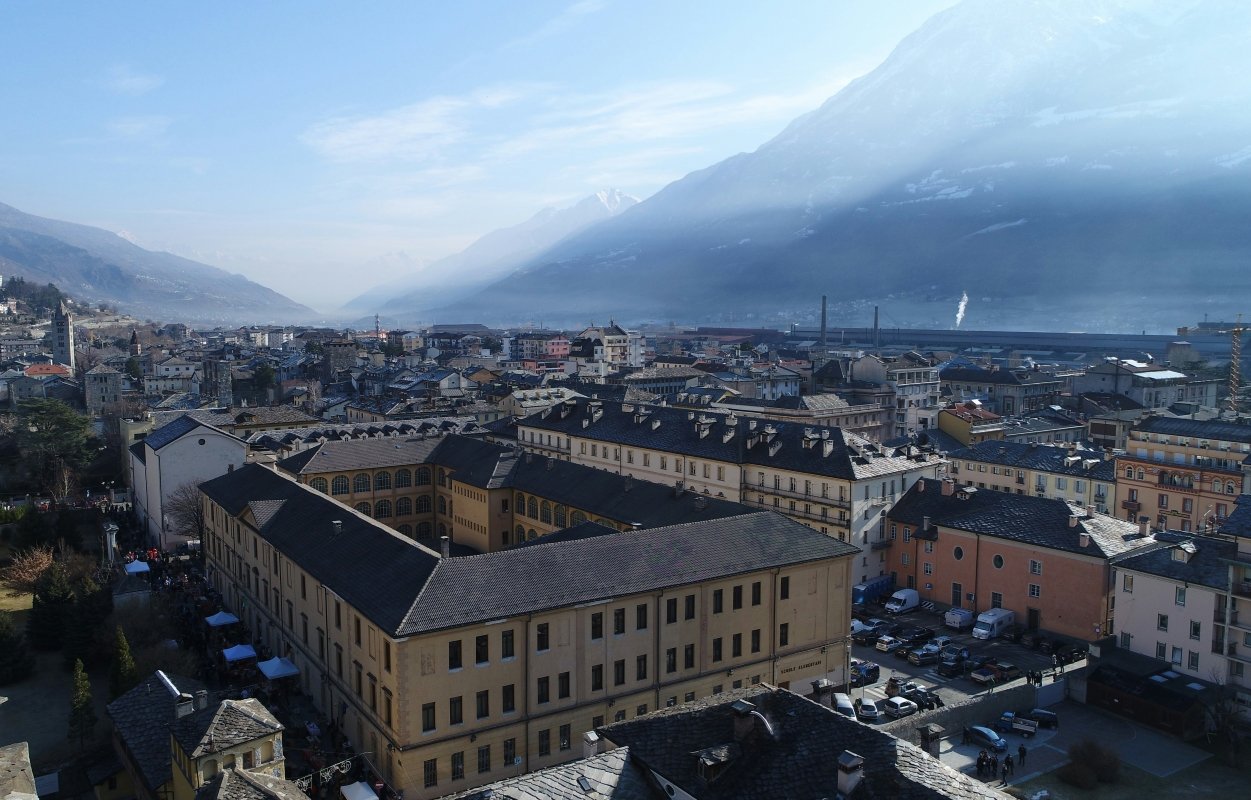
Let’s be real—when people think Italy, they picture Venice’s canals or Rome’s colosseum. But Aosta? That’s where travelers with an actual sense of adventure end up. Tucked away in the northwestern corner of Italy, the Aosta Valley (Valle d’Aosta) is Italy’s smallest and most underrated region, and it’s absolutely spectacular.
This isn’t just mountains for the sake of it. You’re looking at a place where Roman emperors once walked, where French and Italian languages coexist on street signs, and where you can genuinely disconnect from the Instagram influencer circus. The valley sits at a crossroads of cultures—centuries of history, Alpine adventure, and Italian charm all rolled into one.
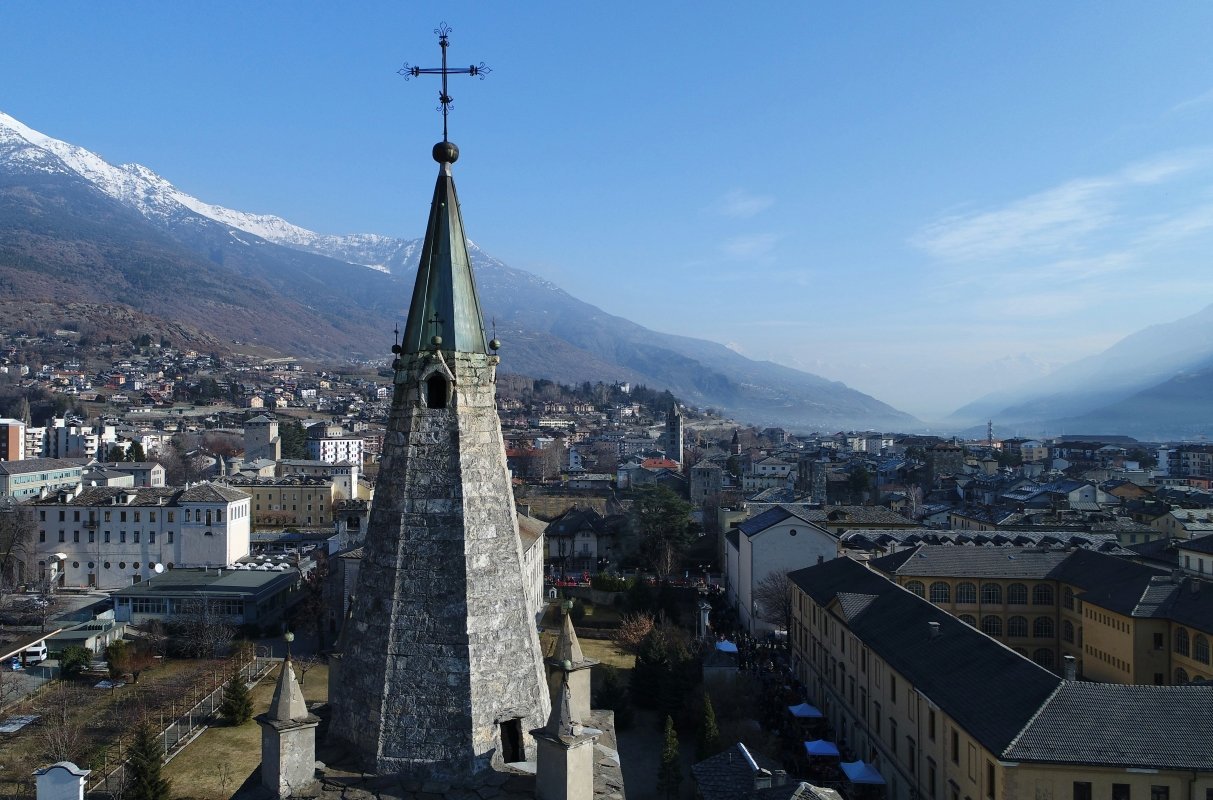
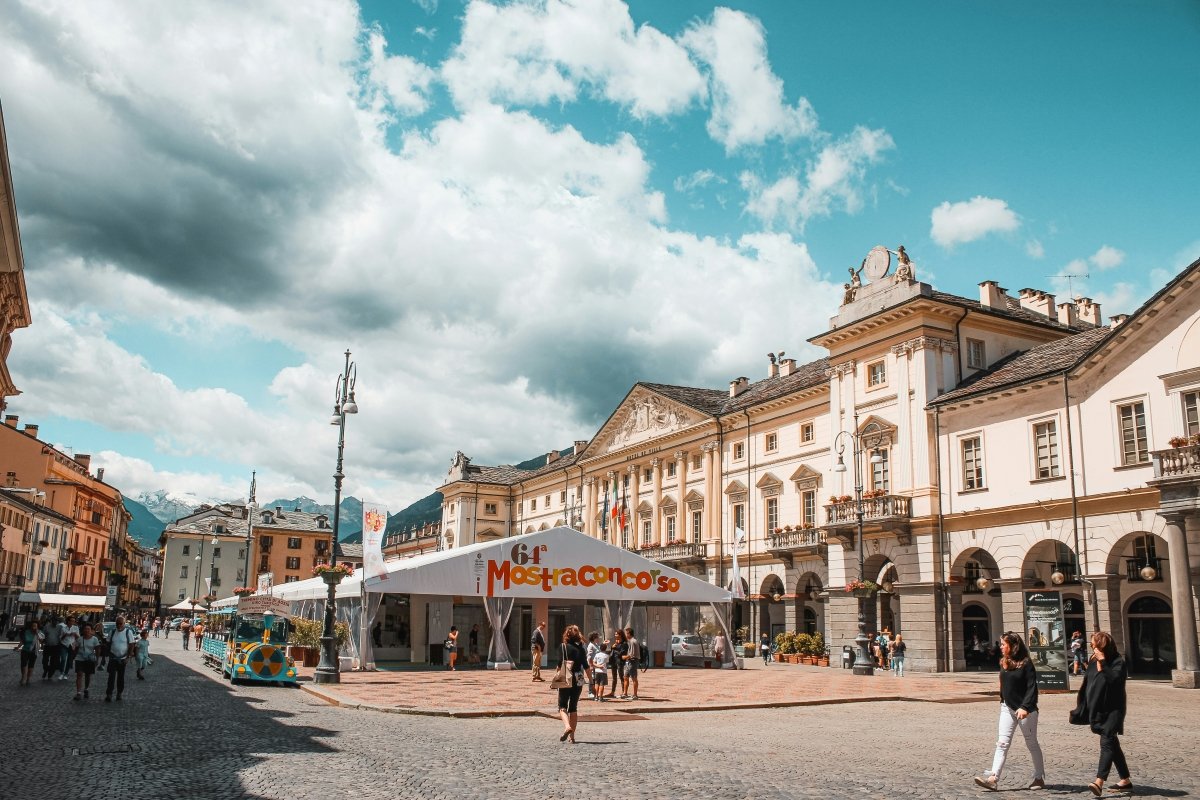
And here’s the kicker: Aosta itself, the capital city, is manageable in size but absolutely packed with character. You could spend a day getting totally lost in its medieval streets and stumble upon something amazing around every corner.
Getting There: How to Actually Reach Aosta
By Air: Most travelers fly into Milan (about 3.5-4 hours away by car or train) or Turin (2-2.5 hours). Both have major airports with solid international connections. From there, you’re looking at a scenic drive or train journey through the Italian countryside—honestly, it’s half the fun.
By Train: The train journey to Aosta is genuinely gorgeous. You can take direct trains from Milan or Turin. The Aosta train station puts you right in the heart of the action, and you’ll pass through some stunning scenery on the way. Pro tip: book tickets through Trenitalia in advance for better prices.
By Car: If you’re comfortable driving in Alpine terrain (it’s not too gnarly), renting a car gives you serious flexibility for exploring the valley. The roads are well-maintained, though winters can be tricky. Summer and early fall? Perfect driving conditions.
By Bus: Budget-conscious? FlixBus and regional carriers offer routes to Aosta from major Italian cities. It takes longer, but your wallet stays happier.
When to Visit: Timing Your Alpine Adventure
Summer (June-September): This is peak season—and for good reason. Weather is reliably gorgeous, hiking trails are snow-free, and the entire valley comes alive. June brings wildflowers that’ll make your Instagram look incredible. July-August are busiest (and priciest), but September offers that sweet spot of good weather with fewer crowds.
Winter (December-February): Think snow sports. The nearby ski resorts turn into winter playgrounds, and if you catch fresh powder, you’ll understand why people lose their minds over Alpine skiing. It’s magical, but accommodation fills up fast around Christmas and New Year’s.
Spring (April-May) & Fall (October-November): Fewer tourists, mild weather, and that golden-hour light photographers dream about. These shoulder seasons are genuinely underrated. Sure, some higher trails might still have lingering snow, but lower elevations are perfect.
Timing tip: Avoid mid-August if you hate crowds—Italians take their summer holiday seriously, and the entire country basically relocates to the coast and mountains.
Where to Stay: Finding Your Perfect Base
In the City Center (Centro Storico): Staying within the medieval old town puts you within walking distance of literally everything. Charming guesthouses and small hotels dominate this area. You’ll pay a bit more, but the convenience and character are absolutely worth it. Plus, wandering home through narrow cobblestone streets after dinner? Chef’s kiss.
Slightly Outside the Center: If you want a bit of breathing room without sacrificing walkability, neighborhoods just beyond the old walls offer better value. Still close enough to everything, but with more peaceful vibes.
Alpine Villages in the Valley: Want something different? Consider basing yourself in smaller villages like Gressoney-Saint-Jean, Courmayeur (the posh ski town), or Breuil-Cervinia. These offer mountain authenticity and easier access to specific hiking zones, though you’ll need to drive to the city.
Where to Actually Book:
- Local guesthouses and agriturismos (farm stays) offer genuine experiences and often better prices than big chains
- Booking.com and Airbnb have good selections
- Check regional tourism websites for special deals
Budget Guide (per night, rough estimates):
- Budget digs: €40-70
- Mid-range hotels: €70-130
- Comfortable splurges: €130-200+
The Roman Aosta You Need to See
Here’s something wild: underneath the medieval cobblestones you’re walking on, there’s an entire Roman city. Aosta—originally called Augusta Praetoria Salassorum—was founded in 25 BC as a military stronghold by Emperor Augustus himself. Yeah, that Augustus.
Must-See Roman Sites:
The Arco di Augusto (Augustus Arch): This 2,000-year-old triumphal arch still stands pretty much where it was built, which is genuinely mind-blowing. It’s not massive like Roman structures elsewhere, but the craftsmanship and the fact it survived two millennia? That hits different. Best photo time: late afternoon when the light turns everything golden.
The Roman Theater (Teatro Romano): Partially excavated ruins that show you exactly how Roman citizens used to chill. Concerts and events still happen here in summer, so check if anything’s on. Experiencing a performance in a 2,000-year-old amphitheater is legitimately surreal.
The Roman Museum (Museo Archeologico Regionale): This museum is honestly fantastic. It’s not pretentious or overwhelming—just really well-curated artifacts that tell the story of Roman life in the Alps. The pottery, coins, and sculptures give you proper context about who lived here and why it mattered.
The Porta Pretoria (Roman Gate): One of the few surviving entry gates to the old Roman fort. It’s embedded right in the modern city, a stark reminder of how old Aosta actually is.
Medieval Magic: Beyond the Romans
Post-Roman Aosta went through some dramatic changes (invasions, wars, the usual history stuff), but emerged as a crucial medieval trading hub. The result? A beautifully preserved medieval center that feels like you’ve stepped into a time machine—minus the plague and the general grimness.
Cathedral of Santa Maria Assunta: The cathedral is gorgeous, with a surprising amount of Gothic and Romanesque elements. The interior has some really impressive artwork, and unlike big tourist cathedrals, you can actually appreciate it without being shoulder-to-shoulder with tour groups. The bell tower offers views over the old town if you’re up for some stairs.
Collegiale dei Santi Pietro e Orso (Collegiate Church): This dual-personality church is part medieval, part Romanesque, and totally fascinating. The attached cloister is one of those peaceful spots where you can actually sit and soak in the atmosphere.
The Walls: Medieval walls still partially ring the city. Walking along them (or at least seeing them) gives you a sense of how defensive and contained medieval life was. Some sections are in better shape than others, but they’re definitely worth a wander.
Hiking: Why Your Legs Will Thank You
Real talk: you don’t go to Aosta Valley for the nightlife or shopping. You go for the mountains. And the hiking here is next level.
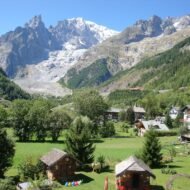
The valley is basically a hiker’s dream—trails range from casual strolls to serious mountain challenges. You’ve got views of Mont Blanc (the highest peak in the Alps), crystalline mountain lakes, wildflower meadows, and paths that feel like they were designed specifically to make you feel alive.
Easy to Moderate Hikes:
Lago di Lod Trail (around Courmayeur): About 2-3 hours. Gentle climb, incredible alpine lake, total crowd-pleaser. Perfect for when you want mountain scenery without destroying your knees.
Gressoney Valley Walks: Multiple well-marked trails of varying difficulty. The green meadows and proximity to glaciers create this surreal landscape. Go mid-June to August when snow’s cleared.
Challenging & Serious Hikes:
Mont Blanc Summit Push: You want the big one? Mont Blanc takes 2+ days and serious preparation, but summiting Western Europe’s highest peak from the Italian side is unforgettable. Use a guide unless you’re experienced with Alpine terrain.
Gran Paradiso Circuit: A multi-day trek through Gran Paradiso National Park. Italian ibex roam freely here (seriously, you’ll see them), and the granite peaks are absolutely stunning. Plan 3-4 days.
Practical Hiking Tips:
- Always start early (like 6-7 AM early)
- Download offline maps or grab paper ones from tourist offices
- Weather changes fast—bring layers even if it’s sunny
- Trail quality varies significantly; check recent reviews
- Book mountain huts ahead if you’re doing multi-day treks
- Rent trekking poles from local shops if you don’t have them
Food & Drink: The Underrated Alpine Cuisine
This is where things get genuinely exciting. Aosta Valley food reflects its geography and cultural crossroads—Alpine ingredients with Italian technique and French sophistication. You’re not getting trendy fusion here; you’re getting food that’s been refined over centuries.
Must-Try Dishes:
Fontina Cheese: This isn’t just any cheese. Fontina Valle d’Aosta is Protected Designation of Origin (PDO), meaning it’s made specifically in this valley under strict rules. It’s rich, buttery, and works in both creamy sauces and melted on bread. Try it at any restaurant worth its salt.
Carbonada: Alpine beef slow-cooked with red wine, herbs, and wild mushrooms. It’s comfort food at its finest. Most restaurants serve this in winter, but good ones have it year-round.
Tuma: A hard, aged cheese that’s been made here since medieval times. It’s sharp, nutty, and legitimately excellent. Pair it with local wine.
Pasta Reale: Thick, short handmade pasta served with local meat sauce. It’s hearty, simple, and absolutely satisfying.
Zuppa d’Orzo: Barley soup loaded with beans, herbs, and sometimes wild game. It’s rustic but refined—everything this region does well, basically.
Wild Mushrooms (Funghi): April-October, fresh mushrooms appear everywhere. Porcini, chanterelles, whatever’s in season—if you see them, order them. Sautéed simply in butter or garlic? Perfection.
Where to Eat:
Ristoranti Tradizionali: These traditional spots won’t blow your mind with presentations, but the food is genuine and delicious. Expect €15-30 mains.
Agriturismos: Stay on a working farm and eat dinner prepared by the owners. It’s an experience—sometimes kitsch, sometimes magic, always authentic. €20-40 for a meal.
Street Food: Local bakeries sell bread and savory pastries. Grab lunch and have a picnic in the mountains.
Fine Dining (If You’re Feeling Fancy): A few restaurants offer higher-end interpretations of Alpine cuisine. €40-70+ per person, but worth the splurge for a special dinner.
Drinks:
The valley produces some seriously interesting wines. Try local reds like Torrette and Donnas (Nebbiolo-based)—they’ve got character and pair beautifully with Alpine cuisine. Genepy, a local herbal liqueur, is perfect as an after-dinner digestif.
Winter Adventures: When the Mountains Get Serious
Snow transforms Aosta Valley into something else entirely. If you visit December-February, prepare yourself.
Skiing & Snowboarding: The valley has multiple ski resorts, from family-friendly runs to serious off-piste territory. Courmayeur is the most famous (and most polished), while Breuil-Cervinia offers access to the Matterhorn and cross-border skiing into Switzerland. Smaller resorts like Pila (literally above the city) offer shorter commutes and smaller crowds.
Snowshoeing: If skiing’s not your thing, snowshoeing lets you explore snow-covered landscapes at your own pace. Seriously meditative and accessible for anyone with reasonable fitness.
Cross-Country Skiing: For a quieter experience, Nordic skiing trails wind through valleys and forests. It’s less adrenaline-fueled but more peaceful than downhill.
Ice Climbing: Yep, it’s a thing here, and there are guides who can teach you.
Beyond the City: Day Trips & Regional Highlights
Pont-Saint-Martin (30 minutes): An ancient Roman bridge that’s somehow still standing and still in use. It’s quirky and historical—grab coffee here and feel like you’ve uncovered a secret.
Practical Info for Actual Travel
Language: Here’s the thing—Aosta Valley is officially bilingual (Italian and French), so signs, menus, and official documents use both. In practice, most people under 40 speak English to some degree, especially in tourism. Download a translation app just in case, but you’ll be fine with English and hand gestures.
Money: Italy uses euros. ATMs are abundant in the city. Credit cards work in most restaurants and hotels, but some smaller places and mountain huts are cash-only. Tell your bank you’re traveling.
Getting Around: The city center is compact and walkable. Regional buses connect to surrounding villages. If you’re doing multiple day trips, a rental car is game-changing. No train network outside the main Aosta station.
Safety: Aosta is genuinely safe. Standard city precautions apply (watch your stuff in crowds), but violent crime is virtually non-existent. Mountain safety is a different story—use common sense with weather and terrain.
Tourist Information: The Regional Tourism Office in the city center has maps, trail conditions, accommodation lists, and event information. Staff speaks English. Website: www.lovevda.com (English version available).
Internet: WiFi is standard in hotels and most cafes. Mobile coverage is excellent in the city and valleys, spotty higher up on mountains (which is sort of the point).
Best Resources:
- AllTrails: Detailed hiking routes with real reviews
- Komoot: Offline maps and trail navigation
- Google Translate: For menus and signs
- Wikitravel Aosta: Community-contributed local knowledge
When Things Go Wrong: Useful Contacts
- Emergency: 112 (works for police, ambulance, fire)
- Hospital: Ospedale Parini, Viale Ginevra (main hospital in the city)
- Mountain Rescue: 118 (ambulance will coordinate with mountain services)
- Non-Emergency Police: 113
The Real Talk: What Makes Aosta Special
Aosta isn’t Instagram-famous, and honestly, that’s its superpower. You’re not fighting crowds at every attraction or paying tourist-trap prices. You’re experiencing a genuinely unique part of Italy where multiple cultures coexist, where ancient history is literally under your feet, and where the mountains are close enough to feel real but far enough away that the pace of life stays slow.
It’s the kind of place where you stumble upon a 2,000-year-old Roman arch on your way to lunch, where your hotel owner gives you real hiking tips instead of directing you to a tour desk, and where conversations with locals feel genuine because there’s not enough tourism infrastructure to make everything feel scripted.
The Best Part? You can have adventure, culture, food, and history all in one place. You can hike serious mountains one day, explore medieval streets the next, and nobody expects you to take a selfie stick to either.
If that sounds like your vibe, Aosta Valley is calling. Pack good hiking boots and an open mind.
Quick Planning Checklist
- [ ] Book flights to Milan or Turin
- [ ] Reserve accommodation (especially if July-August or December-January)
- [ ] Download offline maps and trail apps
- [ ] Check weather forecasts and avalanche reports (if winter)
- [ ] Book mountain hut reservations (if doing multi-day hikes)
- [ ] Research local events and festivals for your dates
- [ ] Reserve restaurants in advance (popular places fill up)
- [ ] Rent a car or arrange transport for day trips
- [ ] Notify your bank you’re traveling
- [ ] Tell someone your itinerary
Ready to go? Aosta Valley is waiting. And honestly, it’s one of those places that stays with you long after you leave.