























TL;DR: Best European après-ski destinations , Looking for where to ski and party in Europe? We’ve got you covered. From Austria’s legendary nightlife scene to Switzerland’s champagne-soaked chalets, these five destinations deliver world-class skiing with unforgettable après-ski vibes. Budget options included because living your best ski life shouldn’t require selling a kidney.
- 1. St. Anton am Arlberg, Austria: Where Après-Ski Was Born
- Why It’s Special
- Food Scene & Signature Dishes
- Accommodation: From Budget Bunks to Boutique Bliss
- Shopping & Local Traditions
- Cultural Highlights & Events
- Budget Breakdown
- Getting There
- Insider Tips
- 2. Courchevel, France: Champagne Wishes and Caviar Dreams
- Why It’s Special
- Food Scene & Signature Dishes
- Accommodation: Luxury Central (with Budget Hacks)
- Shopping & Local Traditions
- Cultural Highlights & Events
- Budget Breakdown
- Getting There
- Insider Tips
- 3. Verbier, Switzerland: The Off-Piste Playground
- Why It’s Special
- Food Scene & Signature Dishes
- Accommodation: Swiss Quality Across All Price Points
- Shopping & Local Traditions
- Cultural Highlights & Events
- Budget Breakdown
- Getting There
- Insider Tips
- 4. Ischgl, Austria: Where the Village Becomes a Nightclub
- Why It’s Special
- Food Scene & Signature Dishes
- Accommodation: Party Base or Quiet Retreat
- Shopping & Local Traditions
- Cultural Highlights & Events
- Budget Breakdown
- Getting There
- Insider Tips
- 5. Val d’Isère, France: The Athlete’s Paradise
- Why It’s Special
- Food Scene & Signature Dishes
- Accommodation: From Catered Chalets to Designer Hotels
- Shopping & Local Traditions
- Cultural Highlights & Events
- Budget Breakdown
- Getting There
- Insider Tips
- Recap: Your Perfect Après-Ski Match
- Disclaimer
- Final Thoughts: Make It Happen
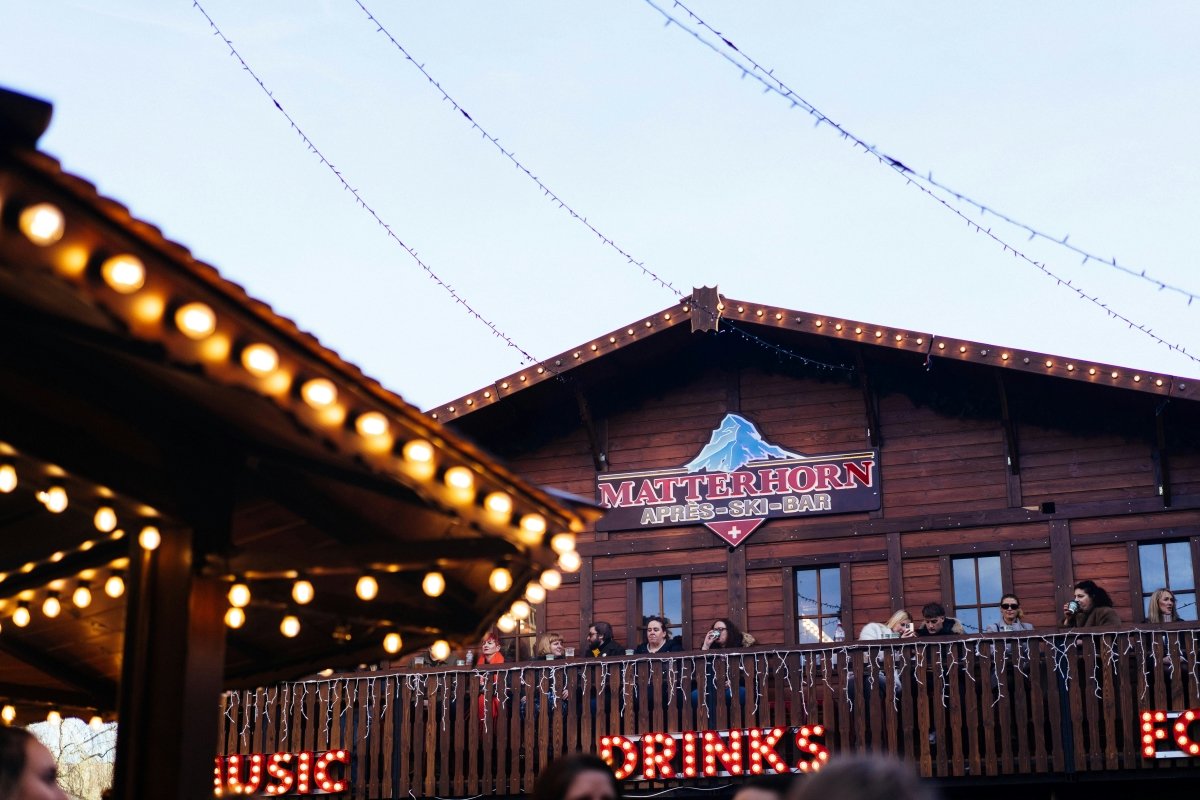
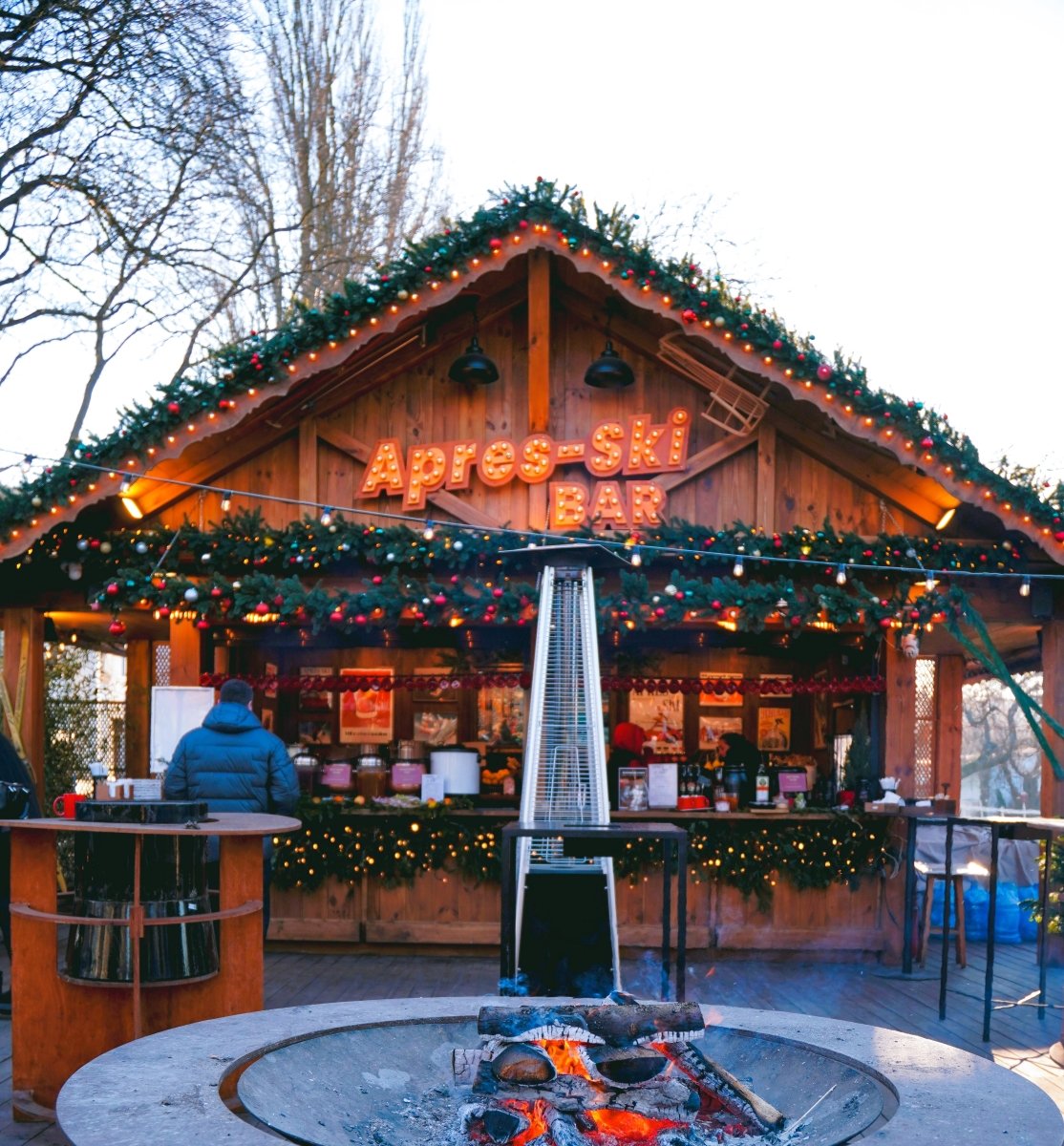
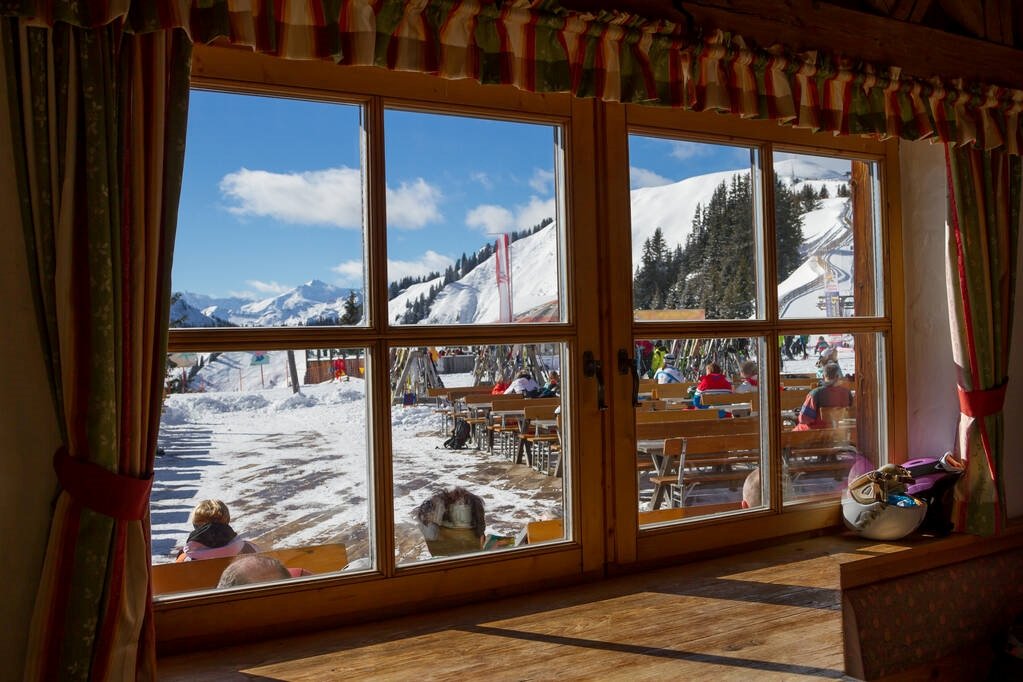
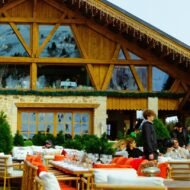
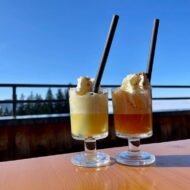
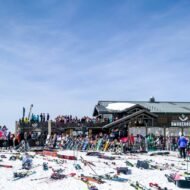
Skiing is only half the story. The other half? Après-ski—that magical window between the last chairlift and your hotel room, where ski boots stay on, champagne corks fly, and mountain bars turn into full-blown parties.
Europe does winter better than anywhere else in the world, offering world-class ski resorts, dramatic alpine scenery, and some of the best après-ski nightlife on the planet. Whether you’re after luxury lounges, table-dancing chaos, or stylish DJ sets at altitude, these five European winter destinations deliver unforgettable days on the slopes—and even better nights after.
1. St. Anton am Arlberg, Austria: Where Après-Ski Was Born
Why It’s Special
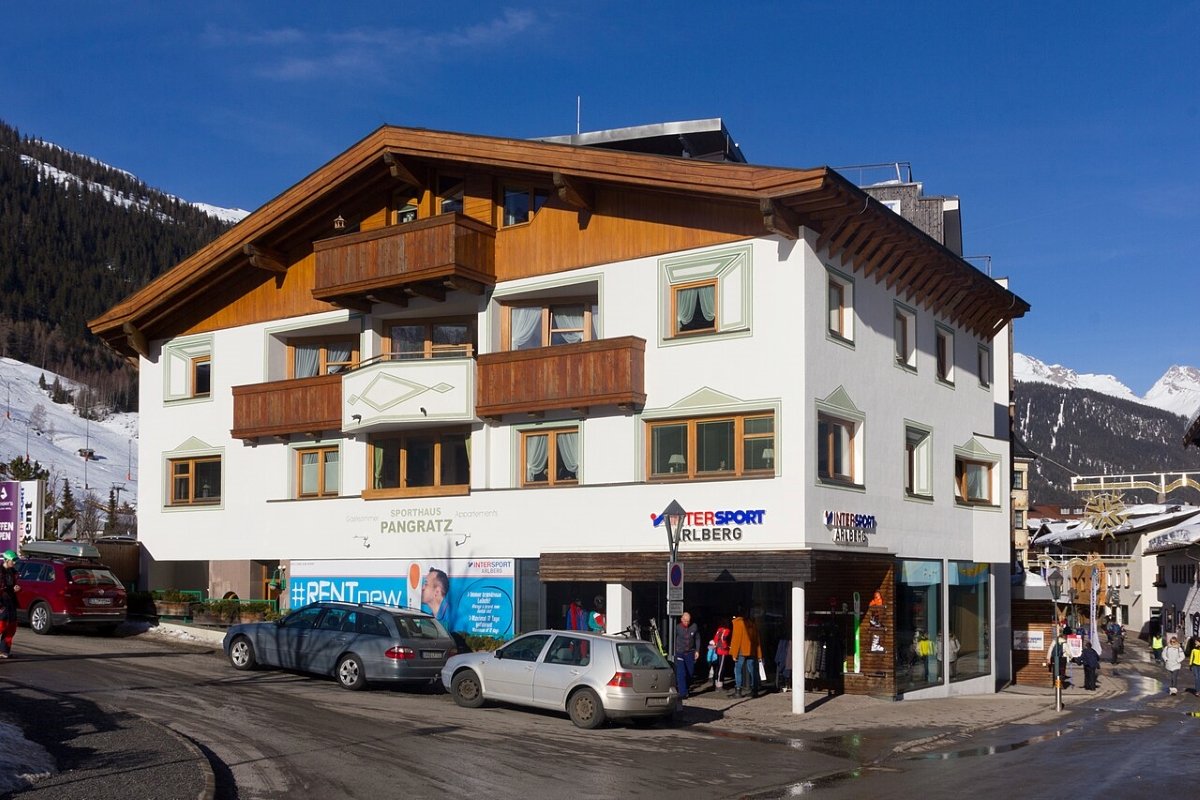
St. Anton isn’t just a party mountain—it’s the party mountain. This is literally where après-ski culture started back in the 1950s, and locals have spent the past 70+ years perfecting the art of day-drinking in ski boots. The moment you arrive, you’ll understand why skiers make pilgrimages here season after season.
Interesting Facts:
- Birthplace of modern alpine skiing technique (the Arlberg method)
- Over 300km of connected slopes with the massive Ski Arlberg area
- Mooserwirt bar alone serves 1,000+ liters of beer during peak après hours
- Average annual snowfall exceeds 8 meters—yes, really
Food Scene & Signature Dishes
Don’t leave without trying Käsespätzle (think Austrian mac and cheese with crispy onions—absolute hangover cure material) at any of the mountain huts. Wiener Schnitzel the size of your ski is basically mandatory, and Tiroler Gröstl (a fried potato, meat, and onion hash topped with a fried egg) will fuel your morning runs.
Pro tip: Hit Verwallstube for upscale traditional Austrian cuisine, or grab Kaiserschmarrn (shredded sweet pancake) at Krazy Kanguruh while the DJ’s still spinning.
Accommodation: From Budget Bunks to Boutique Bliss
Budget ($50-100/night): Pension Tannahof, Haus Jennewein—clean, central, perfect for those prioritizing lift tickets over thread count
Mid-Range ($150-300/night): Hotel Schwarzer Adler (gorgeous traditional Alpine charm), Arlmont
Luxury ($400+/night): Raffl’s St. Antoner Hof, Hotel Verwallstube—we’re talking spa facilities, gourmet restaurants, the works
Book early for Christmas/New Year’s and February half-term—these dates fill up faster than fresh tracks after a powder dump.
Shopping & Local Traditions
St. Anton’s shopping scene leans practical: top-tier ski equipment shops (Sport Aktiv, Strolz for custom boots), and cozy boutiques selling everything from traditional Loden coats to modern ski fashion. Don’t miss the weekly farmer’s market for local cheeses and Speck (smoked ham).
Local Traditions to Experience:
- Krampuslauf (early December): Demon-masked figures parade through town—equal parts terrifying and fascinating
- Funkensonntag (first Sunday of Lent): Giant bonfire celebration marking winter’s end
- Schnapps tasting is basically a sport here—try the local Zirbenschnapps (pine-infused)
Cultural Highlights & Events
The Arlberg Classic Car Rally (mid-January) brings vintage beauties to snowy Alpine passes. In April, don’t miss White Pearl Mountain Days—a festival celebrating mountain culture with concerts and events before the season wraps.
For culture vultures: The Museum St. Anton am Arlberg tells the compelling story of Alpine skiing’s evolution (free with your lift pass).
Budget Breakdown
- Budget traveler: €80-120/day (hostel, self-catering, happy hour beers, avoiding peak season)
- Mid-range: €200-350/day (decent hotel, mix of dining out and groceries, some après indulgence)
- Luxury: €500+/day (boutique hotel, fine dining, VIP club tables, ski school, spa treatments)
Six-day lift pass: Around €350 (book early online for discounts)
Getting There
Nearest Major Airport: Innsbruck Airport (INN) – 100km, roughly 1.5 hours by transfer Alternative: Zurich Airport (ZRH) – 200km, about 2.5-3 hours
Train connections from Innsbruck or Zurich to St. Anton are excellent and scenic. Many hotels offer free shuttle service from St. Anton train station.
Insider Tips
- Après officially kicks off at Mooserwirt and Krazy Kanguruh from 3 PM—get there early or you’ll be watching from outside
- Download the Ski Arlberg app for real-time lift status and snow reports
- Thursday is locals’ night out—follow where they go for authentic experiences
2. Courchevel, France: Champagne Wishes and Caviar Dreams
Why It’s Special
If St. Anton is the rowdy party animal, Courchevel is the sophisticated older sibling who shows up in a designer ski suit and somehow makes it look effortless. Part of the massive Les Trois Vallées (world’s largest ski area), Courchevel—especially Courchevel 1850—has earned its reputation as the jet-set capital of the Alps.
Interesting Facts:
- More Michelin stars than any ski resort globally (currently 6, with Le Chabichou holding 2)
- The altiport (mountain airport) at 1,850m allows the ultra-wealthy to fly in directly
- 150km of slopes in Courchevel alone; 600km across Les Trois Vallées
- Invented the concept of “ski-in/ski-out” luxury hotels
Food Scene & Signature Dishes
This is where Alpine meets haute cuisine. Try fondue Savoyarde (melted cheese heaven) or tartiflette (potatoes, reblochon cheese, lardons, and onions—basically a hug in food form) at traditional spots like La Saulire.
For special occasions, Le Chabichou or Azimut deliver world-class fine dining. Don’t skip La Fromagerie for the region’s best cheese selection, and grab fresh croissants aux amandes from any bakery for breakfast.
Signature après drink? Vin chaud (mulled wine) or a Génépi liqueur—herbal, warming, quintessentially Alpine.
Accommodation: Luxury Central (with Budget Hacks)
Budget ($80-150/night): Try Courchevel 1550 or 1650 (lower villages with free shuttle buses to 1850)—Hotel Carlina, Les Ducs de Savoie
Mid-Range ($250-500/night): Hotel Pomme de Pin, Hotel Bellecôte—superb locations without the stratospheric pricing
Luxury ($800-3,000+/night): Le K2 Palace, Cheval Blanc, Les Airelles—these aren’t just hotels; they’re experiences complete with private ski guides, Michelin-starred restaurants, and spas that’ll melt away every muscle ache
Shopping & Local Traditions
Courchevel 1850’s shopping rivals Paris. Think Hermès, Louis Vuitton, Chanel—yes, seriously. For ski-specific luxury, Phenix and Fusalp offer French ski fashion at its finest.
Local Traditions:
- Beaufort cheese production visits—this regional cheese is AOP-protected and absolutely worth the tour
- Sunday markets in La Tania (more affordable village nearby) for local products
- New Year’s Eve fireworks over the slopes are legendary
Cultural Highlights & Events
The Courchevel Enquête (murder mystery investigation game across the resort) runs each winter. Les Étoiles de Courchevel in January brings international sports stars for charity events. And the International Fireworks Festival in April is a spectacular season-closer.
Don’t miss Saint-Bon Church in the old village—a beautiful 18th-century Baroque chapel offering a glimpse into Savoyard heritage.
Budget Breakdown
- Budget traveler: €100-180/day (staying in 1550/1650, self-catering, using free shuttles)
- Mid-range: €300-500/day (comfortable hotel, restaurant meals, some splurges)
- Luxury: €1,000+/day (five-star accommodation, fine dining, heli-skiing, private guides)
Six-day lift pass (Les Trois Vallées): Around €390
Getting There
Nearest Major Airport: Geneva Airport (GVA) – 190km, approximately 2.5 hours Alternative: Lyon-Saint Exupéry (LYS) – 180km, about 2.5-3 hours
Shared transfers, private cars, and helicopter services (for those feeling fancy) are all readily available. The drive through Savoie is stunning.
Insider Tips
- Stay in 1650 or 1550 and take the free bus to save serious cash
- Book restaurants weeks in advance—Michelin-starred spots fill fast
- Hit La Folie Douce for the wildest rooftop après party in the Alps (located nearby in Méribel) MORE READ..
3. Verbier, Switzerland: The Off-Piste Playground
Why It’s Special
Verbier attracts a different breed—freeriders, cliff-jumpers, backcountry enthusiasts, and anyone who thinks groomed runs are just the warm-up. This is where extreme skiers come to test themselves, where the legendary Freeride World Tour crowns champions, and where the party scene somehow matches the adrenaline on the slopes.
Interesting Facts:
- Host to the Freeride World Tour finals
- 410km of marked runs, but the real action is in the unmarked terrain
- The Mont Fort cable car reaches 3,330m with 360-degree Alpine panoramas
- Prince William and Prince Harry have both been spotted here (the British connection is strong)
Food Scene & Signature Dishes
Swiss classics reign supreme: fondue (obviously), raclette (melted cheese scraped onto potatoes—interactive and delicious), and rösti (crispy potato pancakes) are everywhere. Try the legendary burger at Fer à Cheval (seriously, people make plans around this burger).
For fine dining, La Vache does elevated Alpine cuisine, while Le Caveau offers French-Swiss fusion. Grab birchermüesli for breakfast—this is Switzerland, after all.
And yes, Swiss chocolate is that good. Hit Chocolaterie Läderach or any local confiserie.
Accommodation: Swiss Quality Across All Price Points
Budget ($100-180/night): Bunker Verbier (hostel with surprisingly stylish vibes), Hotel Garbo
Mid-Range ($250-450/night): Hotel Cordée des Alpes, Nevai—comfortable, well-located, great value for Switzerland
Luxury ($600-2,000+/night): W Verbier, The Lodge—cutting-edge design meets Alpine luxury, complete with world-class spas and gourmet restaurants
Shopping & Local Traditions
Verbier’s shopping is more about high-performance gear than high fashion. Vieux-Verbier and Médran Sport have everything you need. For Swiss souvenirs, grab a Victorinox Swiss Army knife or artisan Swiss watches from local boutiques.
Local Traditions:
- Swiss National Day (August 1st—off-season but worth planning around if you’re in summer)
- Cow parades (Désalpe) in autumn when cows descend from high pastures—adorable and quintessentially Swiss
- Cheese-making demonstrations at mountain restaurants
Cultural Highlights & Events
Verbier Festival (late July-early August) is one of Europe’s premier classical music festivals. The Verbier Ride (March) brings freeriding’s best for massive backcountry competitions. And the Verbier Altitude cycling festival shows the resort’s summer personality.
For culture, the Musée de Bagnes in nearby Le Châble explores regional history and traditions.
Budget Breakdown
- Budget traveler: €120-200/day (hostel, supermarket meals, free hiking between ski days)
- Mid-range: €350-550/day (solid hotel, dining out, lift pass, maybe a guided backcountry session)
- Luxury: €800+/day (luxury lodging, fine dining, heli-skiing, private guides, spa treatments)
Six-day lift pass (4 Vallées): Around CHF 420 (€430)
Yes, Switzerland is pricey. But the quality is consistently excellent.
Getting There
Nearest Major Airport: Geneva Airport (GVA) – 160km, approximately 2-2.5 hours Alternative: Sion Airport (SIR) – 50km, about 1 hour (limited commercial flights)
Train to Le Châble, then gondola to Verbier is the scenic route. Transfers and rental cars both work well.
Insider Tips
- The Mont Fort Couloirs are bucket-list skiing—hire a guide if you’re not experienced
- Pub Mont Fort at 3 PM is where après begins properly
- Off-piste here is serious—avalanche gear and knowledge are non-negotiable MORE READ..
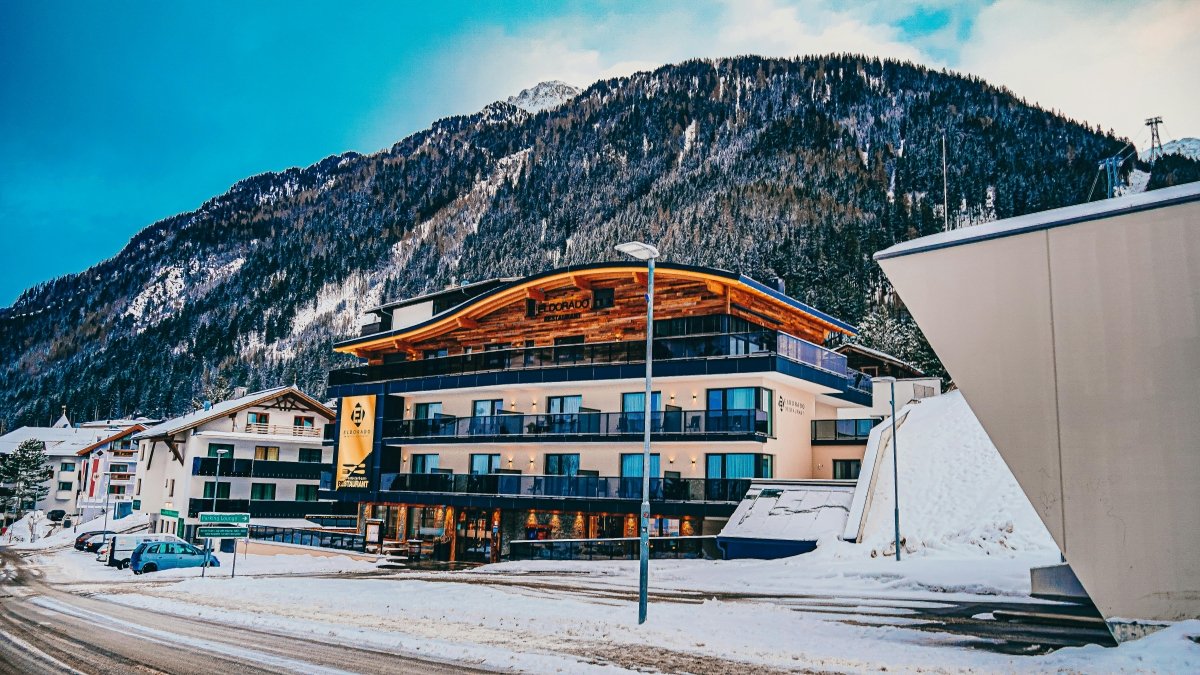
4. Ischgl, Austria: Where the Village Becomes a Nightclub
Why It’s Special
If Ibiza opened a ski resort, it would be Ischgl. This Tyrolean village has somehow convinced major artists like Elton John, Robbie Williams, and Ed Sheeran to perform concerts on a mountain stage at both season opening and closing. The result? A place where the party literally never stops, the DJ booths are on the mountains, and your ski instructor might also be your club bartender.
Interesting Facts:
- Top of the Mountain Concerts feature A-list performers (seriously, we’re talking global superstars)
- The Silvretta ski area connects Austria and Switzerland via slopes
- Over 238km of groomed runs, mostly intermediate-friendly
- The village transforms into one continuous nightclub from 4 PM onwards
Food Scene & Signature Dishes
Austrian comfort food dominates: Tiroler Gröstl, Kaiserschmarrn, and Apfelstrudel are menu staples. Hit Paznauner Stube for elevated Tyrolean cuisine or Stüva for modern Alpine fusion.
The mountain restaurants here are exceptional—try Alpenhaus at 2,300m for lunch with views, or Idalp for traditional dishes. Don’t leave without sampling Speck platter (cured meats and cheese) paired with local beer.
Kiachl (fried dough with sauerkraut or jam) is the local specialty snack you didn’t know you needed.
Accommodation: Party Base or Quiet Retreat
Budget ($70-130/night): Ischgl has fewer budget options, but Pension Elisabeth and Garni Hotel Mondin offer good value
Mid-Range ($200-400/night): Hotel Madlein, Fliana Hotel—comfortable, well-equipped, close to lifts
Luxury ($500-1,500+/night): Trofana Royal, Yscla—five-star everything with spas that feel like temples of relaxation
Book early for the Top of the Mountain concert weekends (late November opening, late April closing)—these dates are insanely popular.
Shopping & Local Traditions
Ischgl’s shopping focuses on ski gear (excellent shops like Sport Patscheider) and Austrian souvenirs. For something special, grab Swarovski crystal pieces or traditional Tyrolean hats with feathers.
Local Traditions:
- Almabtrieb (late September): Decorated cows parade down from Alpine pastures
- Kirchtag (church festival): Traditional folk music and dancing
- Schnapps distillery visits—the local Williams Birne (pear schnapps) is phenomenal
Cultural Highlights & Events
Beyond the Top of the Mountain Concerts, the Snow Volleyball Ischgl European Tour (April) brings beach volleyball vibes to the snow. The Ischgl Ironbike Festival (August) attracts mountain bikers from across Europe.
St. Nicholas Day (December 6) sees Krampus runs—half-terrifying, half-fascinating traditional demon parades.
Budget Breakdown
- Budget traveler: €90-150/day (simpler accommodation, self-catering breakfast, strategic après timing)
- Mid-range: €250-400/day (good hotel, restaurant meals, club entry, lift pass)
- Luxury: €600+/day (top hotels, VIP club tables, fine dining, ski services)
Six-day lift pass: Around €340
Getting There
Nearest Major Airport: Innsbruck Airport (INN) – 100km, approximately 1.5 hours Alternative: Zurich Airport (ZRH) – 200km, about 2.5 hours
Ischgl is well-connected via transfer services. The village is car-free, so you’ll park at designated lots (free if your hotel provides a parking pass).
Insider Tips
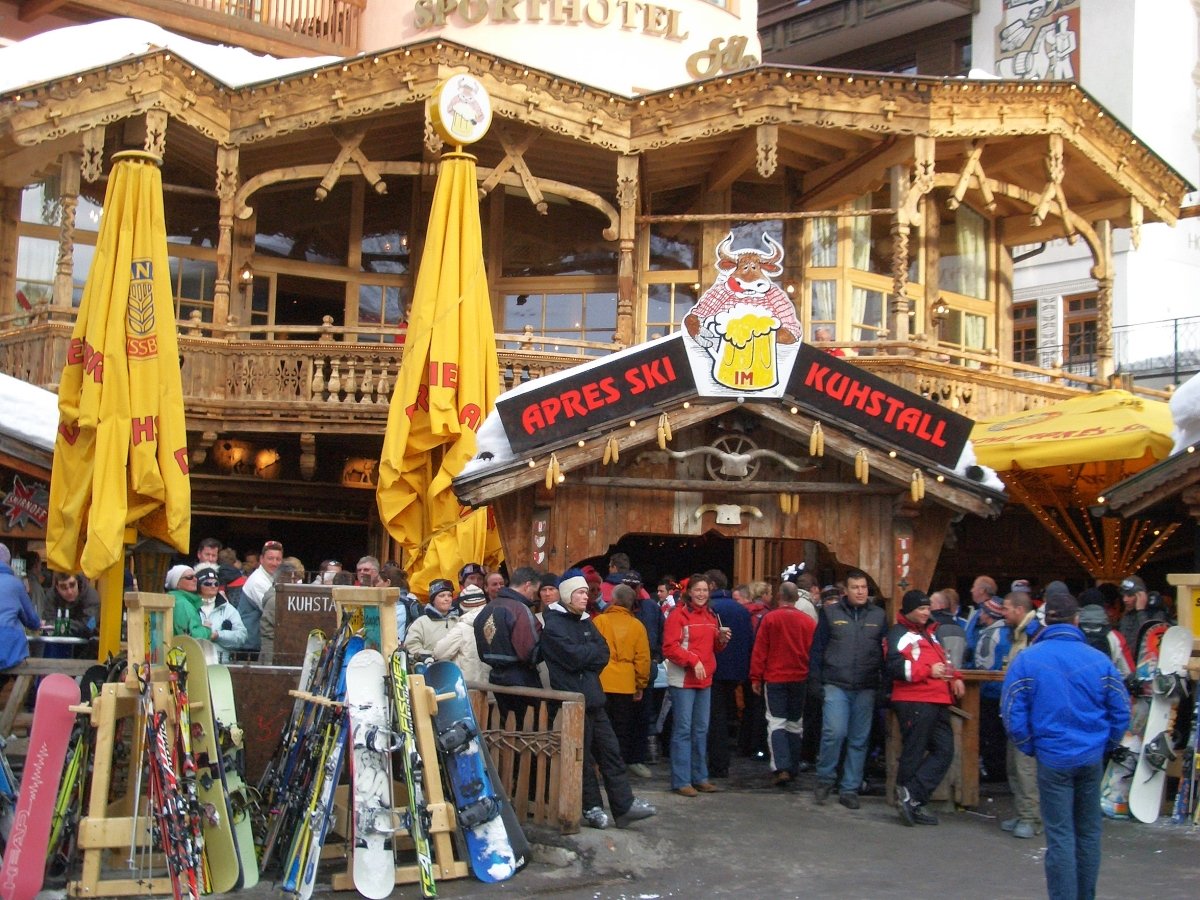
- Kuhstall and Trofana Alm are après institutions—get there by 3:30 PM
- The Smuggler’s Trail (Schmugglerrunde) is a 15km scenic route connecting Austria and Switzerland
- Wednesday nights at Pacha Ischgl are legendary (yes, the Ibiza club has an Ischgl outpost) MORE READ..
5. Val d’Isère, France: The Athlete’s Paradise
Why It’s Special
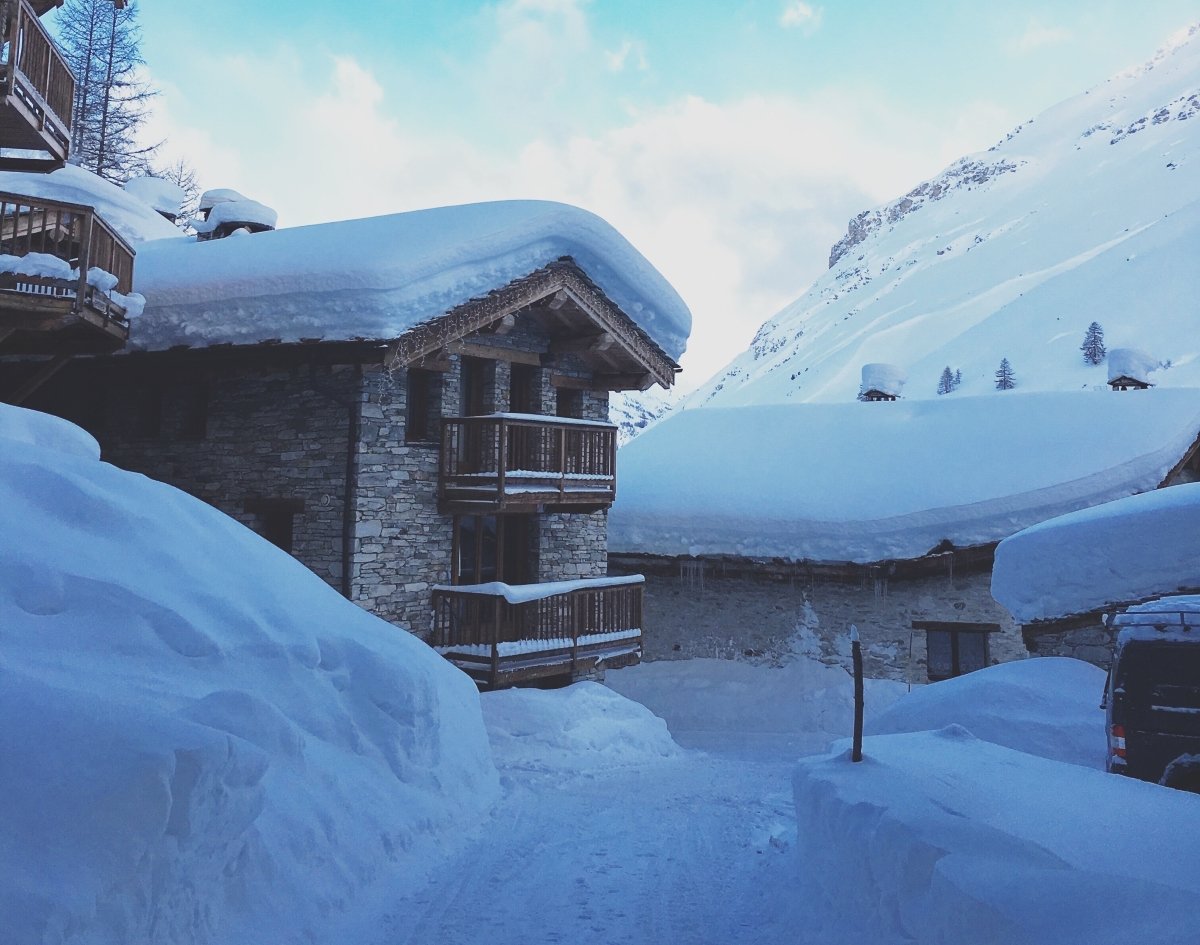
Val d’Isère is where Olympic champions train and where mere mortals come to feel like champions (even if just for a run or two). Part of the massive Espace Killy area with neighboring Tignes, this French resort offers glacier skiing, incredible snow reliability, and a village that’s managed to stay charming despite its world-class status.
Interesting Facts:
- Hosted Alpine skiing events during the 1992 Albertville Winter Olympics
- The La Face de Bellevarde downhill course is one of skiing’s most feared runs
- 300km of slopes across Val d’Isère and Tignes
- Glacier skiing means season runs from late November through early May
- Average altitude of 2,800m ensures excellent snow conditions
Food Scene & Signature Dishes
Savoyard cuisine shines here: fondue, tartiflette, raclette, and croziflette (like tartiflette but with Savoyard pasta). Try La Fruitière for traditional mountain food with modern flair, or Le Petit Danois for French-Danish fusion.
L’Atelier d’Edmond at the top of Solaise offers Michelin-level lunch (with prices to match). For authentic local vibes, La Table de l’Ours serves rustic Savoyard dishes.
Don’t skip blueberry tart for dessert—the local bilberries are incredible.
Accommodation: From Catered Chalets to Designer Hotels
Budget ($90-170/night): Try Le Crescent or Hotel Kern—simple, clean, excellent locations
Mid-Range ($250-500/night): Hotel Avancher, Hotel Altitude—comfortable French hospitality with charm
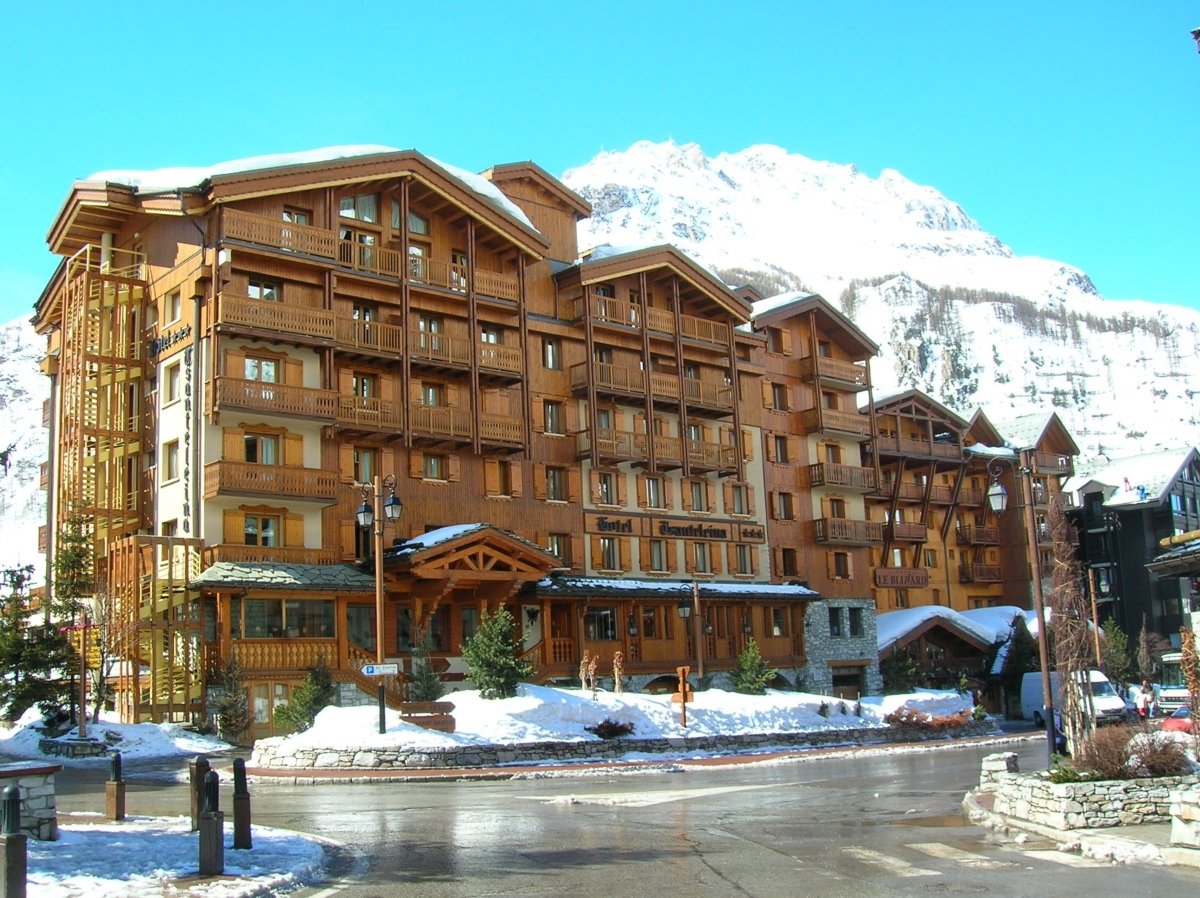
Luxury ($700-3,000+/night): Les Barmes de l’Ours (Relais & Châteaux property), Hotel Le Blizzard—refined elegance meets Alpine luxury
Catered chalets are huge here—all-inclusive options where everything’s handled, perfect for groups.
Shopping & Local Traditions
Val d’Isère shopping includes excellent ski shops (Val Sports, Precision Ski) and French ski fashion boutiques. For gourmands, stock up on Beaufort cheese, Génépi liqueur, and diots (Savoyard sausages) from local shops.
Local Traditions:
- Fête de la Saint-Nicolas (December 6): Traditional celebrations with market stalls
- Critérium de la Première Neige (early December): World Cup skiing races
- Cheese-making at mountain refuges—many offer tours
Cultural Highlights & Events
The Val d’Isère Snow Report podcast is beloved by resort regulars. World Cup races in December draw huge crowds and transform the village. The Avalanche Festival (April) is a multi-day music and sports celebration as the season winds down.
For a dose of history, visit the Church of Saint-Bernard de Menthon—this 11th-century church offers beautiful frescoes and peaceful respite from the slopes.
Budget Breakdown
- Budget traveler: €110-190/day (budget hotel or hostel, picnic lunches, supermarket dinners)
- Mid-range: €300-500/day (nice hotel or catered chalet, mix of dining, lift pass)
- Luxury: €800+/day (five-star hotels, fine dining, ski guides, equipment rental)
Six-day lift pass (Espace Killy): Around €380
Getting There
Nearest Major Airport: Geneva Airport (GVA) – 180km, approximately 2.5-3 hours Alternative: Chambéry Airport (CMF) – 130km, about 2 hours (limited routes)
Transfer services are abundant. The drive through the Tarentaise Valley is spectacular—consider renting a car if you want freedom to explore nearby resorts.
Insider Tips
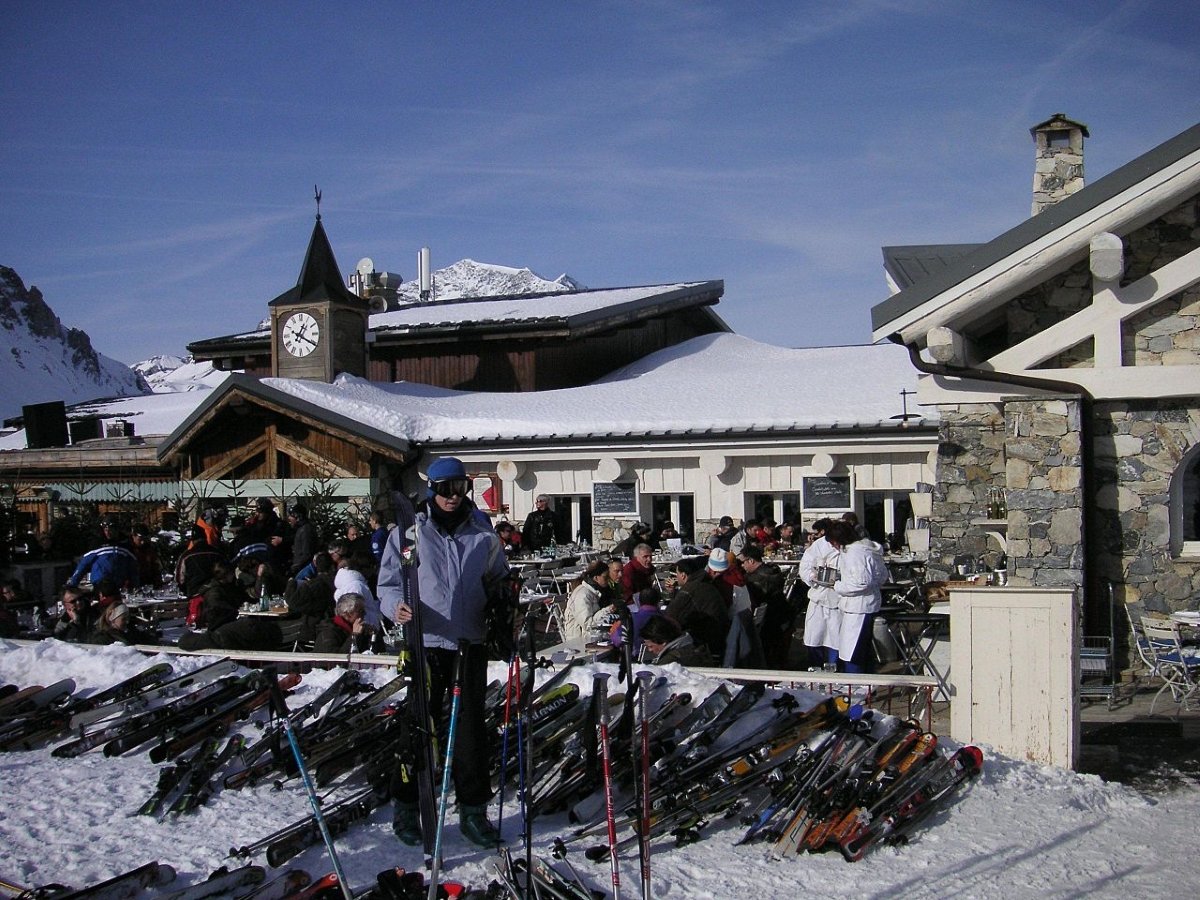
- La Folie Douce on the mountain is legendary for 2 PM champagne-spraying DJ sessions
- Book La Face de Bellevarde run early in your trip while legs are fresh—it’s challenging
- The OK Bar in the village center has been the après hub since 1954 MORE READ..
Recap: Your Perfect Après-Ski Match
Let’s break it down based on what you’re actually looking for:
Best for absolute party animals: St. Anton or Ischgl—these places don’t mess around when it comes to nightlife
Best for luxury seekers: Courchevel—Michelin stars, designer shopping, helicopter arrivals optional but encouraged
Best for serious skiers: Verbier or Val d’Isère—massive terrain, challenging runs, endless exploration
Best for mixing everything: Val d’Isère—great skiing, solid nightlife, beautiful village, reliable snow
Best value: St. Anton—you get world-class skiing and legendary après without Swiss prices
Best for groups: Ischgl or St. Anton—accommodations and nightlife cater perfectly to friend groups
All five destinations offer wheelchair-accessible facilities in village centers and adapted ski programs through local ski schools. Most major hotels provide accessible rooms—just book well in advance and communicate your needs.
Every resort welcomes LGBTQ+ travelers, families with kids, solo adventurers, and everyone in between. The mountain doesn’t discriminate, and neither should your ski vacation.
Disclaimer
Important stuff to know:
Prices mentioned are approximate and based on 2024-2025 season rates. Costs fluctuate based on booking timing, season dates (Christmas/New Year’s and February school holidays cost significantly more), and current exchange rates. Always check current pricing before booking.
Snow conditions, lift operations, and events can change due to weather, mechanical issues, or other factors beyond anyone’s control. Climate change is affecting Alpine seasons—consider trip insurance that covers weather-related cancellations.
Skiing and winter sports carry inherent risks. We strongly recommend:
- Proper travel and sports insurance
- Appropriate equipment and skill-level awareness
- Professional instruction if you’re learning or rusty
- Avalanche safety equipment and knowledge for off-piste skiing
COVID-19 or other health regulations may affect travel. Check current entry requirements for France, Austria, and Switzerland before booking.
We’re not affiliated with any hotels, resorts, or businesses mentioned—these recommendations come from genuine research and traveler feedback.
Most importantly: Drink responsibly during après-ski. The altitude, dehydration from skiing, and tomorrow’s early lift opening are all excellent reasons to pace yourself. Your knees, liver, and ski buddies will thank you.
Final Thoughts: Make It Happen
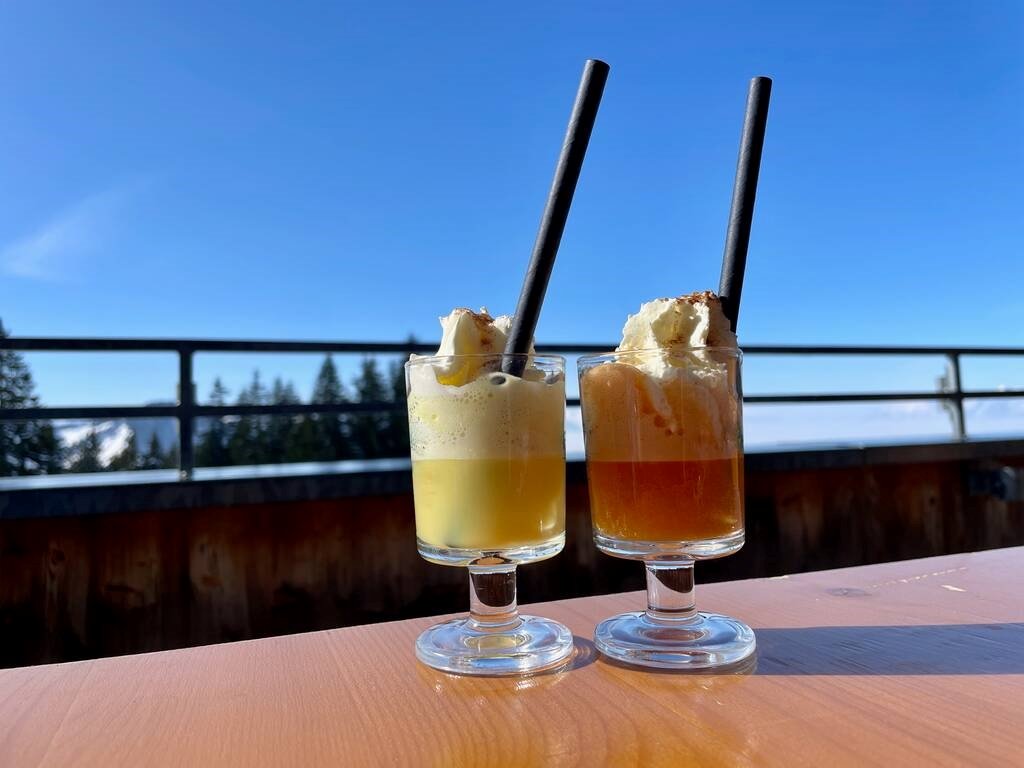
The magic of European après-ski isn’t just about the champagne sprays, the sunset DJ sets, or even the world-class slopes (though those certainly help). It’s about that specific feeling when you’re sitting on a sun-drenched terrace at 3 PM, ski boots still on, surrounded by friends old and new, with one more run left in you but zero desire to leave this perfect moment.
That’s what you’re really booking when you choose any of these five destinations.
So which one’s calling your name? The rowdy Austrian party mountains? The sophisticated French resorts? The Swiss backcountry playground?
Wherever you land, one thing’s guaranteed: The slopes are just the beginning of the adventure.
Now get booking—those lift passes won’t buy themselves, and fresh powder waits for no one.
Have questions or want to share your own après-ski stories? The mountains are waiting, and so is your best ski vacation yet.