


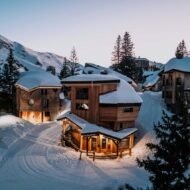
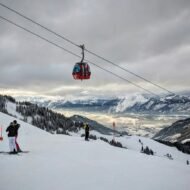
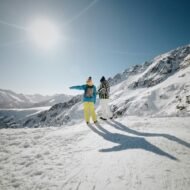
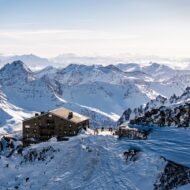
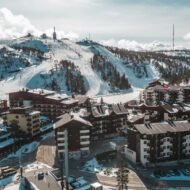
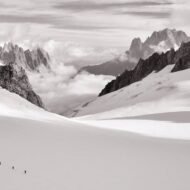
TL;DR: Best European ski resorts for beginners , Skip the intimidating black runs and discover Europe’s most welcoming ski destinations where gentle slopes, patient instructors, and après-ski vibes make learning to ski actually fun. From Austria’s sunny plateaus to Finland’s arctic wonderland, these five resorts prioritize beginners without breaking the bank.
1. Soll, Austria – The Gentle Giant of the Tyrolean Alps
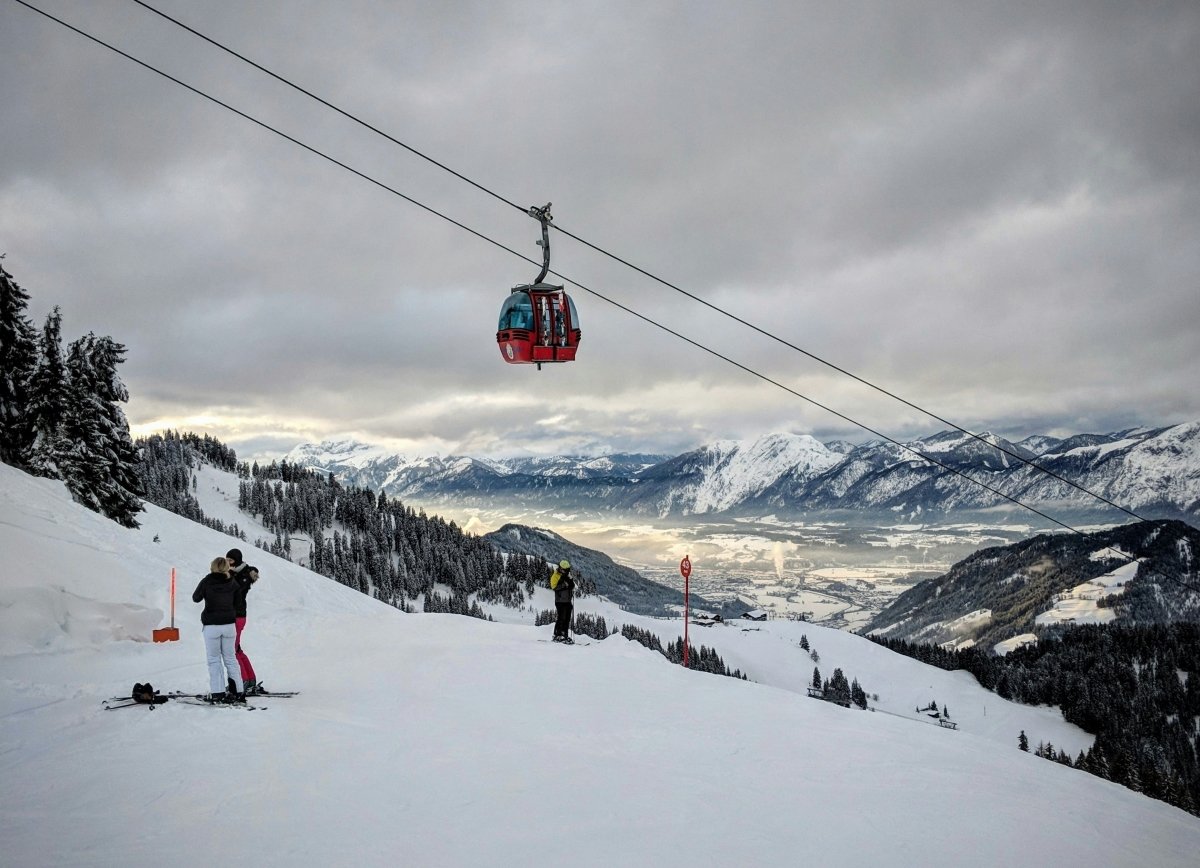
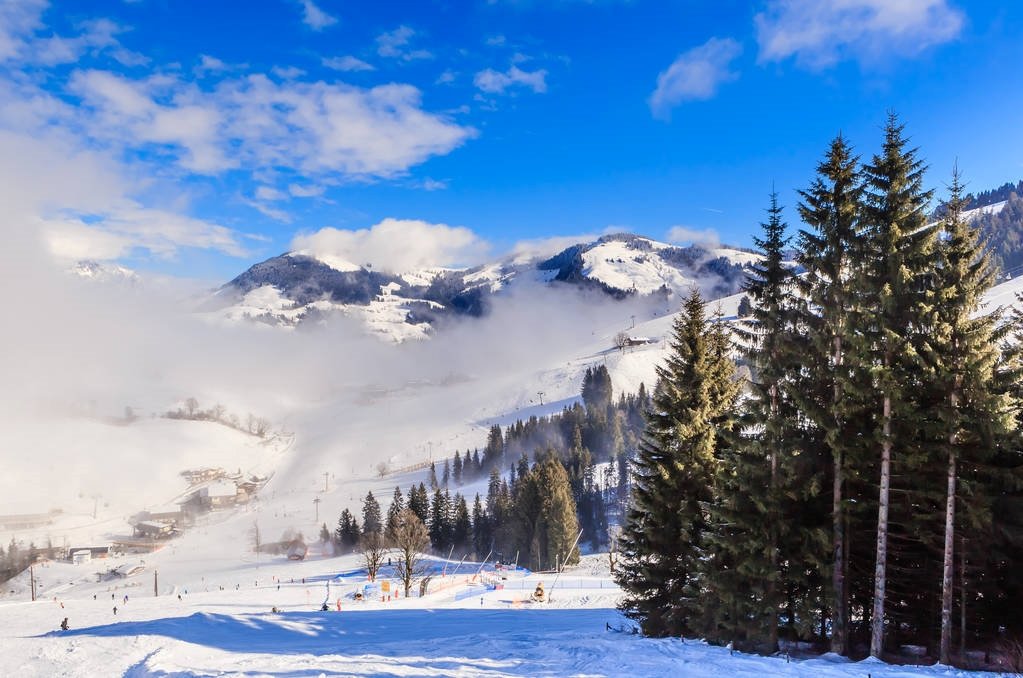
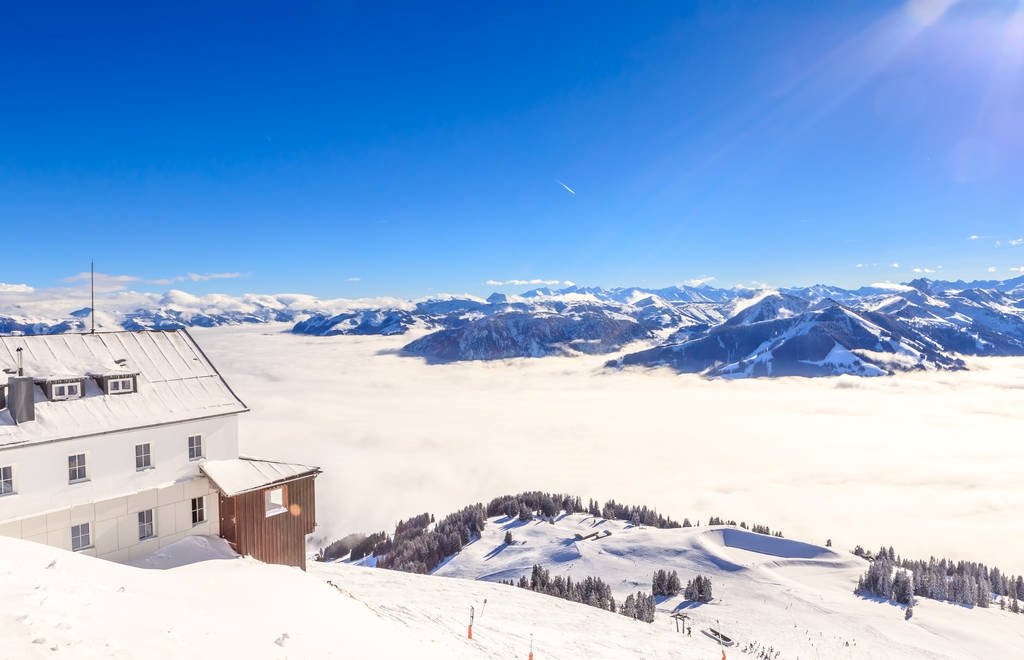
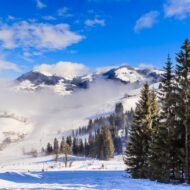
Nestled in the SkiWelt region (one of the world’s largest interconnected ski areas), Soll punches above its weight for beginners. With over 90% of runs rated easy to intermediate, you’ll spend more time enjoying mountain views than worrying about falling.
Interesting Facts:
- Part of the SkiWelt Wilder Kaiser-Brixental area with 270km of slopes
- Hosted World Cup skiing events, but maintains a charmingly unpretentious village vibe
- The legendary Hexenhexe (Witches’ Water) theme park transforms into a winter playground
Winter Weather:
Expect temperatures between -5°C to 3°C (December-March). Snow reliability is excellent from mid-December through March, with an average base of 30-70cm. Sunny days are common, making it perfect for building confidence without freezing solid.
Accommodation Options:
Budget-conscious travelers will love the variety here. Traditional guesthouses (€40-70/night) offer authentic Austrian hospitality, while self-catering apartments (€60-120/night for 4 people) help stretch your euros. Mid-range hotels run €80-150/night. Book early for Christmas and February half-term.
Shopping & Local Traditions:
Soll’s compact village center features ski rental shops, traditional Tyrolean clothing boutiques, and supermarkets for self-caterers. Don’t miss the weekly farmers’ market for local cheeses and Speck (cured ham). The Tirolean tradition of Gemütlichkeit (cozy contentment) is palpable in every interaction.
Outdoor Activities Beyond Skiing:
When your legs need a break, try tobogganing on the 7km natural track, winter hiking through snow-dusted forests, or ice skating at the outdoor rink. Horse-drawn sleigh rides through the valley are pure magic.
Budget Considerations:
- 6-day lift pass: €270-310
- Ski rental (complete package): €120-180/week
- Group lessons (6 days): €180-230
- Average meal: €12-20
- Beer: €4-5
Food & Cultural Aspects:
Kaiserschmarrn (shredded pancake), Tiroler Gröstl (hearty potato hash), and Apfelstrudel define the menu. Mountain huts like Stöcklalm serve portions that could feed a small village. The après-ski culture here is lively but family-friendly—expect Schlager music, dancing in ski boots, and shots of Jägermeister.
Events:
- January: Snowman Building Championship
- February: Nighttime toboggan races with torches
- March: Spring skiing festival with live bands
Useful Info:
- Nearest airport: Salzburg (90km) or Innsbruck (95km)
- Transfer time: 90 minutes
- English widely spoken
- Free ski bus connects villages
2. Morzine, France – Portes du Soleil’s Friendly Face
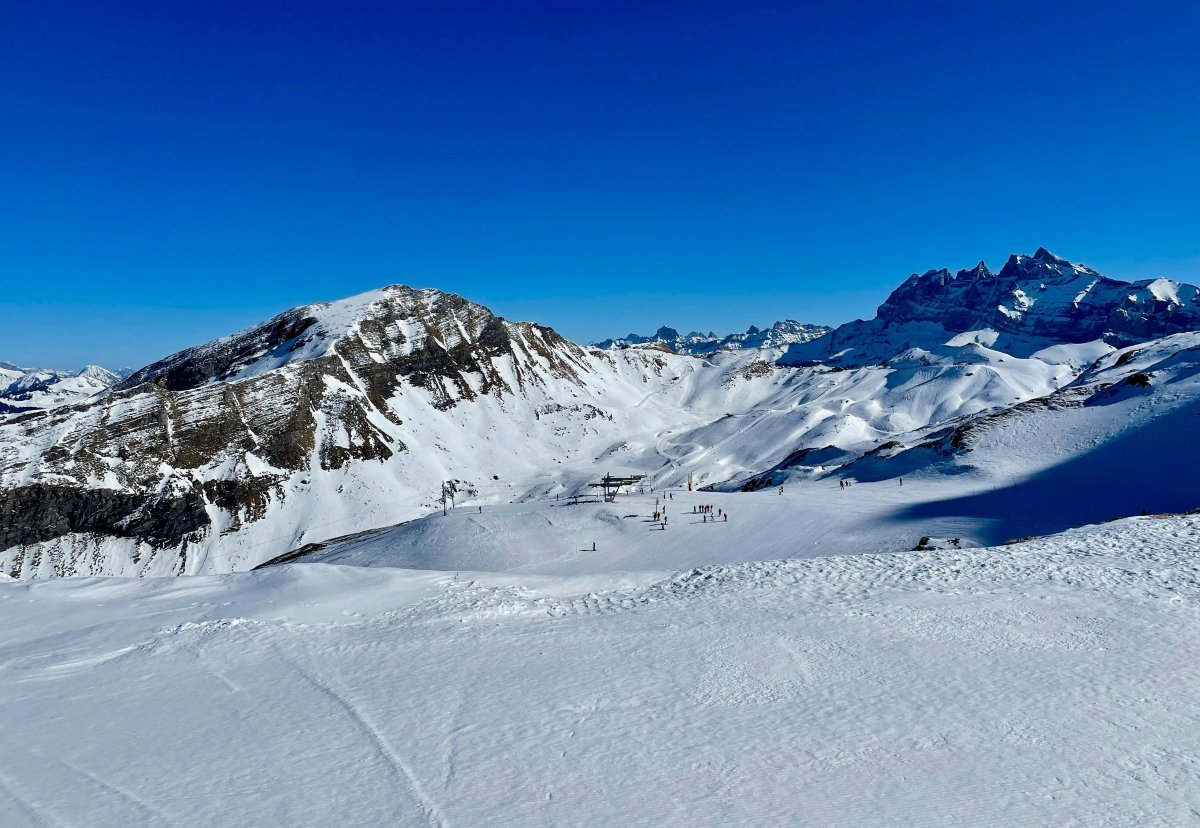
Straddling the French-Swiss border, Morzine offers gentle slopes, authentic Alpine charm, and the massive Portes du Soleil ski area (600km of pistes) for when you’re ready to explore.
Interesting Facts:
- You can ski between France and Switzerland on the same lift pass
- One of the few resorts where the village predates the skiing—it’s been around since the 11th century
- Home to the annual “Rock the Pistes” free music festival featuring international artists
Winter Weather:
Temperatures hover around -2°C to 5°C. Snowfall is generous (averaging 7.5m annually), and the altitude range (1000-2400m) ensures good conditions. Cloud cover is more common than in Austria, but that means fewer crowds on sunny days.
Accommodation Options:
Catered chalets are hugely popular here (€500-900/person/week including meals). Budget apartments start at €70/night, while charming hotels range €90-180/night. The village is compact and walkable, so location matters less than in sprawling resorts.
Shopping & Local Traditions:
Morzine retains its working-village character with a proper high street featuring boulangeries, fromageries, and butchers alongside ski shops. The Wednesday market is essential for picnic supplies. Savoyard traditions include communal meals and the art of cheese-making—tours of local dairies are available.
Outdoor Activities:
Fat biking, dog sledding, and snow shoeing through the Vallée de la Manche offer Instagram-worthy alternatives. The Sports Centre features an indoor climbing wall, swimming pool, and ice rink—all under one roof.
Budget Considerations:
- 6-day lift pass: €295-335
- Ski rental: €130-200/week
- Group lessons: €200-250/6 days
- Average meal: €15-25
- Wine: €5-7/glass
Food & Cultural Aspects:
Tartiflette (potato, bacon, and Reblochon cheese bake), fondue, and raclette dominate menus. The French take their baguettes seriously—every accommodation provides fresh bread daily. Dining is more refined than Austria but less formal than Switzerland.
Events:
- January: Harley Davidson rally on snow
- February: Rock the Pistes music festival
- March: Enduro mountain bike race (spectator-friendly)
Useful Info:
- Nearest airport: Geneva (80km)
- Transfer: 75 minutes
- Free shuttle buses throughout town
- English common in tourist areas
3. Bansko, Bulgaria – The Budget Champion
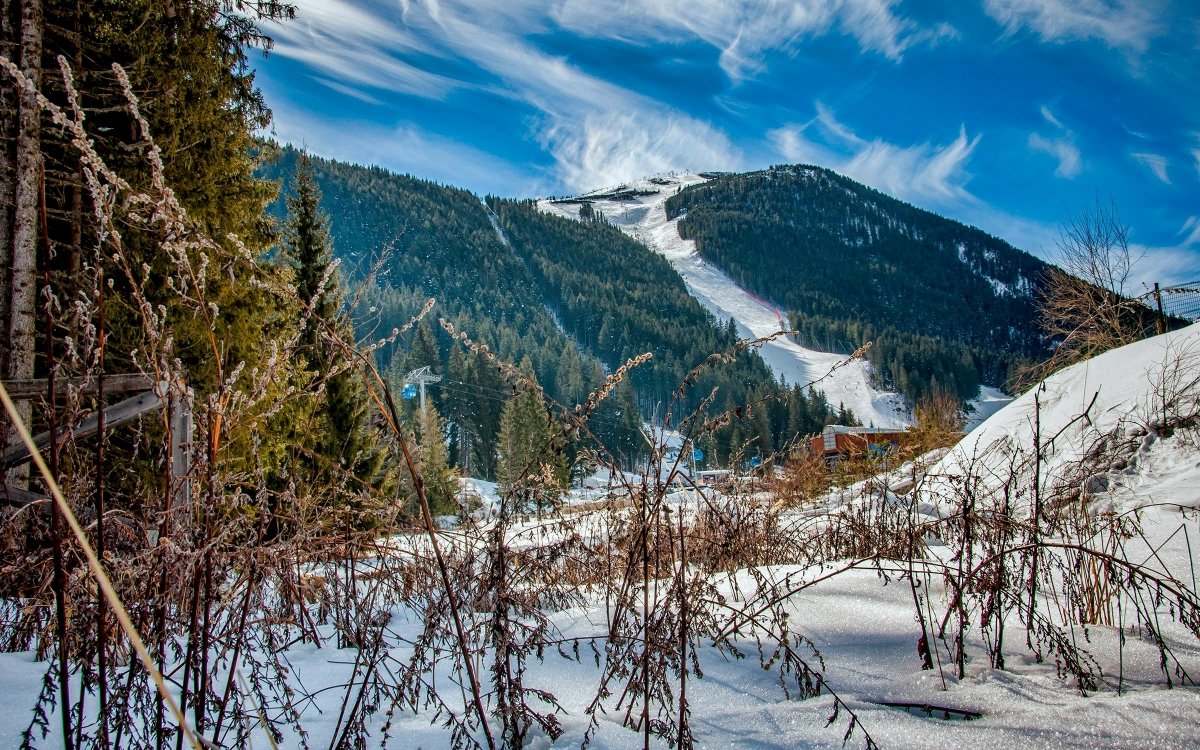
Eastern Europe’s skiing gem offers beginner-friendly slopes, UNESCO heritage, and prices that’ll make your wallet sing. Don’t let the lower profile fool you—Bansko delivers quality at a fraction of Western European costs.
Interesting Facts:
- The town’s 120+ historical monuments earned UNESCO status
- Hosts FIS World Cup races, proving the mountain’s credentials
- Bulgaria’s largest ski resort with the longest run (16km)
- Gondola from town center means no bus transfers
Winter Weather:
Colder than western resorts (-8°C to 2°C), but drier. Snow machines supplement natural snowfall, ensuring coverage from December through April. The season often extends longer than Alpine resorts due to higher base elevation (990m).
Accommodation Options:
This is where Bansko shines. Five-star hotels start at €50-80/night, including breakfast. Three-star options run €25-40/night. All-inclusive ski packages (accommodation, lift pass, lessons, rental) average €350-500/week—unbeatable value.
Shopping & Local Traditions:
The old town’s cobbled streets house traditional taverns (mehanas), craft workshops, and souvenir shops selling hand-embroidered textiles. The National Revival architecture creates a fairy-tale atmosphere. Bulgarian customs emphasize hospitality—strangers are treated like family.
Outdoor Activities:
The Pirin National Park surrounds Bansko, offering winter hiking trails through protected pine forests. The town’s natural hot springs provide the perfect muscle relaxant. Snowmobiling and night skiing add variety.
Budget Considerations:
- 6-day lift pass: €160-200
- Ski rental: €60-90/week
- Group lessons: €120-150/6 days
- Average meal: €8-15
- Beer: €1.50-2.50
Food & Cultural Aspects:
Bansko’s traditional mehanas serve shopska salad, banitsa (cheese pastry), kavarma (slow-cooked meat stew), and local wines at absurdly low prices. The 3-course meal-plus-wine budget? Under €15. Live folk music accompanies many dinners—audience participation expected.
Events:
- January: Orthodox New Year celebrations
- February: International Jazz Festival
- March: Spring skiing with outdoor concerts
Useful Info:
- Nearest airport: Sofia (160km)
- Transfer: 2.5-3 hours (budget buses available)
- English increasingly common among younger locals
- ATMs throughout town
4. Courmayeur, Italy – Dolce Vita on the Slopes
At the foot of Mont Blanc, Courmayeur blends Italian sophistication with approachable skiing. The separate beginner area means you’ll never feel intimidated by speeding experts.
Interesting Facts:
- One of Italy’s oldest ski resorts (since 1920s)
- The Skyway Monte Bianco cable car reaches 3,466m—Europe’s highest
- Shares Mont Blanc with France’s Chamonix but maintains distinct Italian character
- Famous for having more Michelin-starred restaurants per capita than most Italian cities
Winter Weather:
Milder than other Alpine resorts (-3°C to 4°C) thanks to its sheltered position. Snowfall is reliable with excellent grooming. The microclimate means comfortable skiing conditions and stunning sunny days.
Accommodation Options:
Expect Italian elegance at all price points. Budget hotels start at €70-100/night (breakfast included), while apartments run €80-150/night. Luxury options abound for those splurging. The pedestrian-only center means most lodging is within walking distance of everything.
Shopping & Local Traditions:
Via Roma’s boutiques rival Milan—think designer ski wear and artisanal goods. Delicatessens sell local fontina cheese, prosciutto, and Valle d’Aosta wines. The tradition of passeggiata (evening stroll) continues even in winter.
Outdoor Activities:
Ice climbing, cross-country skiing through the valley, and thermal spa sessions at Pré-Saint-Didier (10km away) complement downhill skiing. The Skyway journey is unmissable—have lunch at 3,466m.
Budget Considerations:
- 6-day lift pass: €310-350
- Ski rental: €140-210/week
- Group lessons: €220-280/6 days
- Average meal: €18-28
- Espresso: €1.50-2
Food & Cultural Aspects:
Polenta concia (polenta with cheese), carbonada (beef stew with wine), and pizzoccheri (buckwheat pasta) warm you after skiing. Italians take lunch seriously—expect 1.5-2 hour breaks. Aperitivo culture means pre-dinner drinks with complimentary snacks. Coffee is religion; order cappuccino after 11am at your peril.
Events:
- January: Three Kings celebration with torchlit parade
- February: Ice sculpture contest
- March: Gourmet skiing week
Useful Info:
- Nearest airport: Geneva (105km) or Turin (150km)
- Free ski bus to slopes
- Italian spoken primarily; some English in tourist areas
- Validate parking tickets at shops for discounts
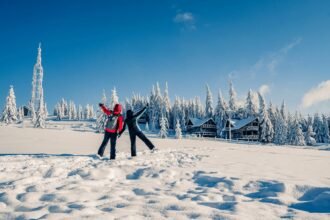
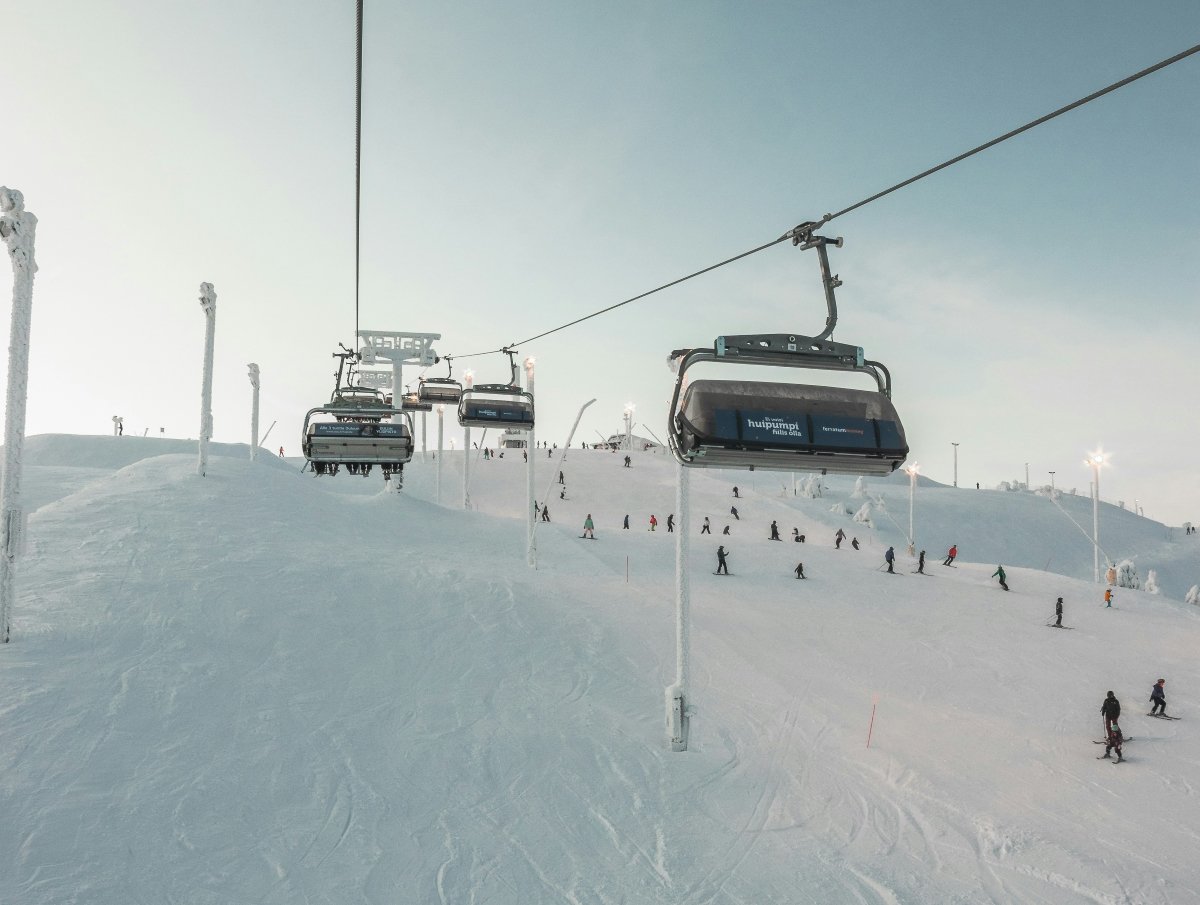
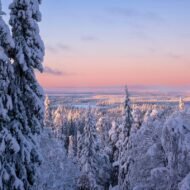
5. Ruka, Finland – Arctic Magic for Beginners
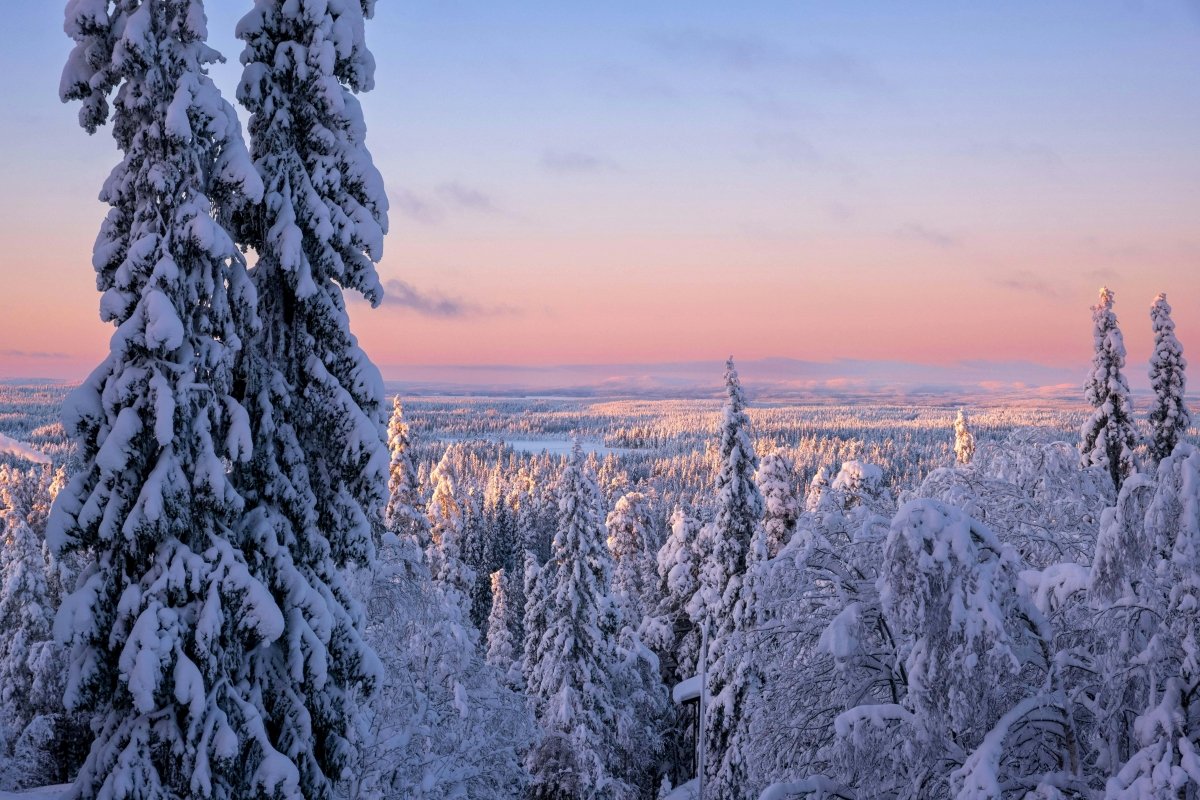
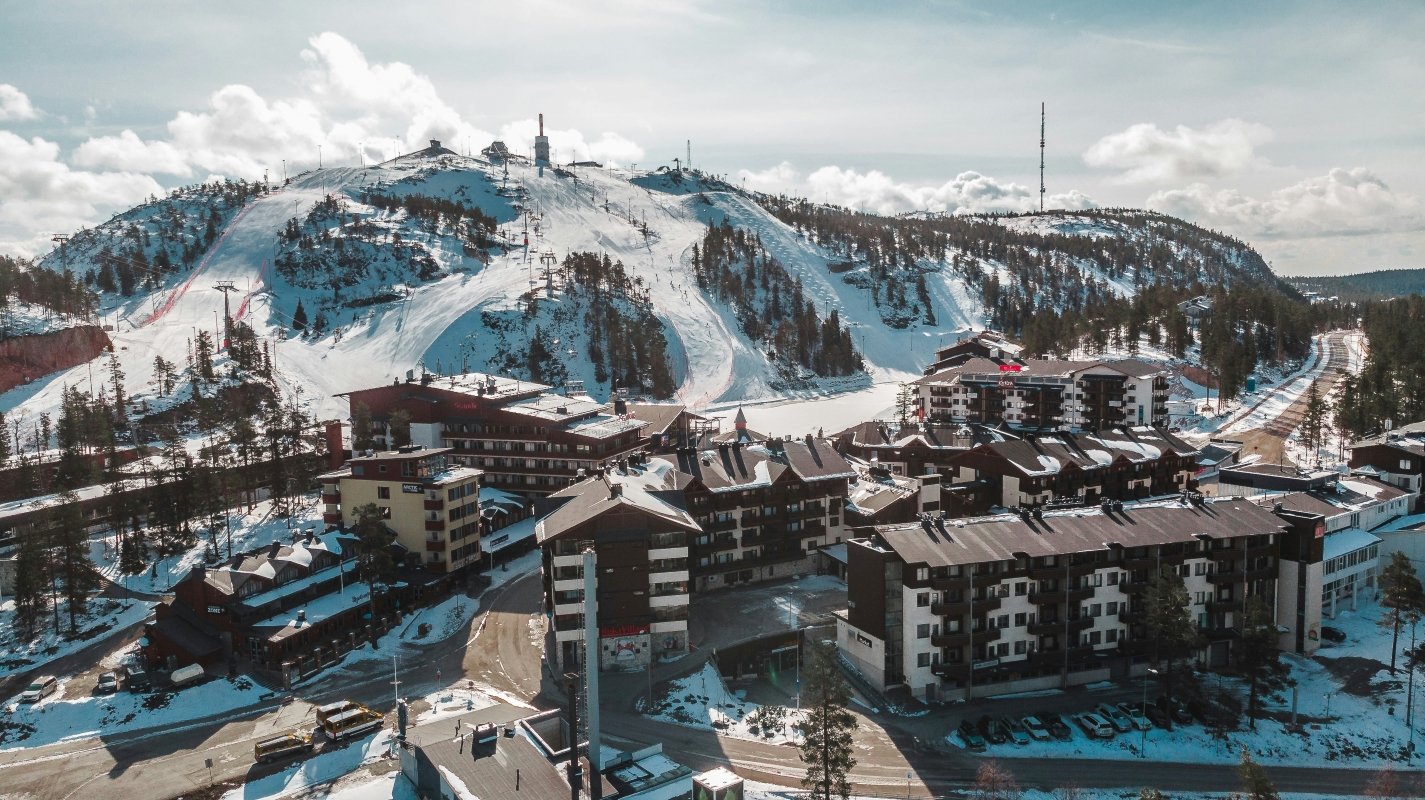
Far above the Arctic Circle, Ruka offers something completely different: gentle slopes, Northern Lights, and Finnish sauna culture. Perfect for adventurous beginners seeking a unique experience.
Interesting Facts:
- Season runs October-May—Europe’s longest
- 230 kilometers from the Arctic Circle
- Darkness is relative: “kaamos” (polar night) means twilight hours rather than total darkness
- Opening venue for many World Cup ski seasons
- Reindeer outnumber people in the region
Winter Weather:
Expect -10°C to -20°C, but dry cold feels milder than damp Alpine weather. Layer properly and you’ll be comfortable. Snow conditions are consistently excellent—the dry powder is legendary. Daylight hours are limited (December: 4-5 hours; March: 12+ hours).
Accommodation Options:
Log cabins with private saunas (€100-200/night for 4-6 people) epitomize the experience. Hotels range €80-150/night. Many accommodations ski-in/ski-out. Christmas and New Year book 12+ months ahead.
Shopping & Local Traditions:
Small resort means limited shopping, but what exists is high-quality: woolens, reindeer leather goods, and Finnish design. The sauna tradition is sacred—every accommodation includes one. Ice swimming (avanto) follows sauna sessions for the brave. Silence is valued; Finns communicate through comfortable quiet.
Outdoor Activities:
Husky sledding, reindeer safaris, snowmobiling, and Northern Lights hunting define evenings. Ice fishing, cross-country skiing through frozen forests, and visits to Santa’s village (40km away) add variety. The frozen waterfall tour is spectacular.
Budget Considerations:
- 6-day lift pass: €240-280
- Ski rental: €110-170/week
- Group lessons: €180-230/6 days
- Average meal: €15-25
- Beer: €7-9 (alcohol is expensive)
Food & Cultural Aspects:
Reindeer stew, salmon soup, Karelian pasties, and cloudberry desserts showcase local ingredients. Finns love their coffee (consume more per capita than anywhere)—join them at slope-side kiosks. Restaurants emphasize local, seasonal fare. Pre-dinner sauna is customary.
Events:
- November: Season opening World Cup races
- December: Christmas market with reindeer rides
- February: Ski Jumping World Cup
- March: Spring skiing with 18+ hours daylight
Useful Info:
- Nearest airport: Kuusamo (25km)
- Transfer: 30 minutes
- English universally spoken
- Northern Lights visible 150+ nights/season