






TL;DR: The Black Church (Biserica Neagră) is Romania’s largest Gothic church and one of Eastern Europe’s most impressive medieval landmarks. Located in Brașov’s historic center, this 14th-century marvel houses the largest collection of Anatolian carpets outside Turkey, survived a devastating 1689 fire that gave it its name, and offers stunning architecture you can explore for just a few euros. Plan 1-2 hours for your visit, book tickets online to skip lines, and don’t miss the organ concerts if you’re there during summer.
- Why Everyone’s Obsessed with This Dark Beauty
- What Makes This Place Actually Special
- The Architecture Will Blow Your Mind
- The Carpet Collection You Didn’t Know You Needed
- The Buchholz Organ
- Planning Your Visit: The Practical Stuff
- What to See Inside
- Best Times to Visit
- Accessibility & Visitor Info
- What Else to Do Nearby
- Where to Eat & Drink Nearby
- Money-Saving Tips
- Essential Tips for Your Visit
- The Bottom Line
Why Everyone’s Obsessed with This Dark Beauty
Let’s be real—when you first see the Black Church rising above Brașov’s colorful baroque buildings, it’s kind of intimidating. This massive Gothic structure dominates the skyline, and once you know its story, you’ll understand why it’s become one of Romania’s most Instagram-worthy (and historically significant) attractions.
The church got its dramatic name after the Great Fire of 1689, when Habsburg forces attacked the city and flames ravaged the building, leaving its walls blackened with soot. Before that? People just called it St. Mary’s Church. But honestly, “Black Church” sounds way more metal, and the name stuck.
What Makes This Place Actually Special
The Architecture Will Blow Your Mind
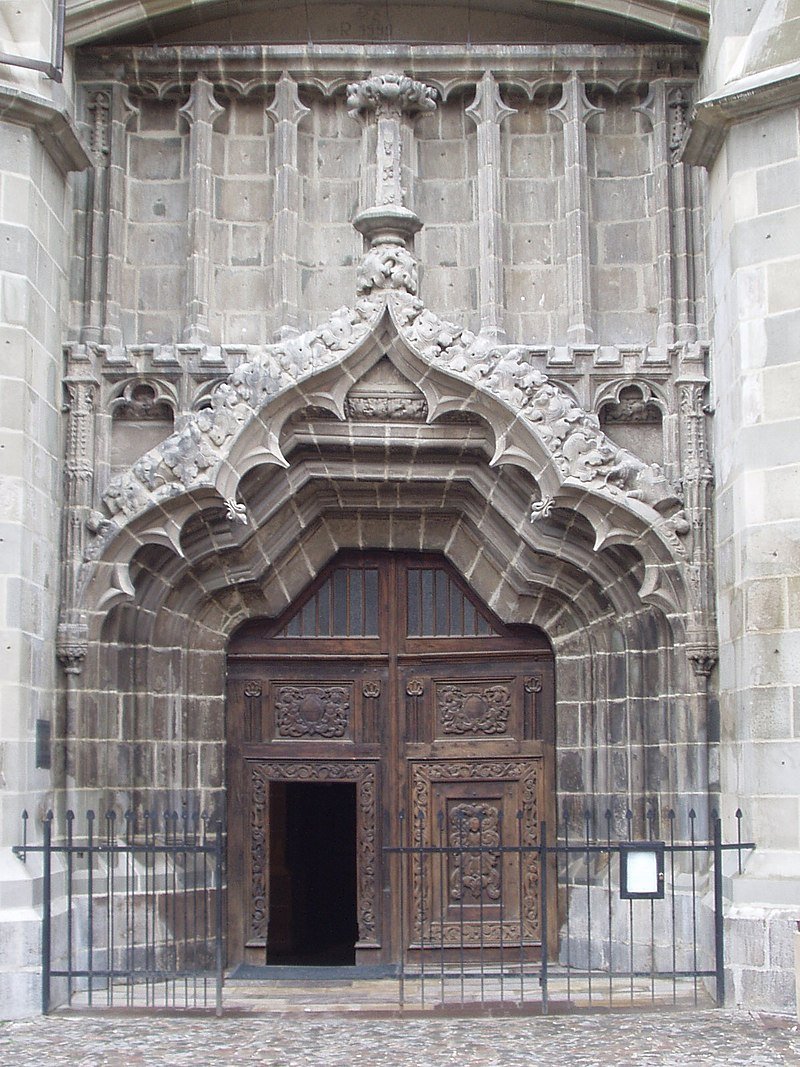
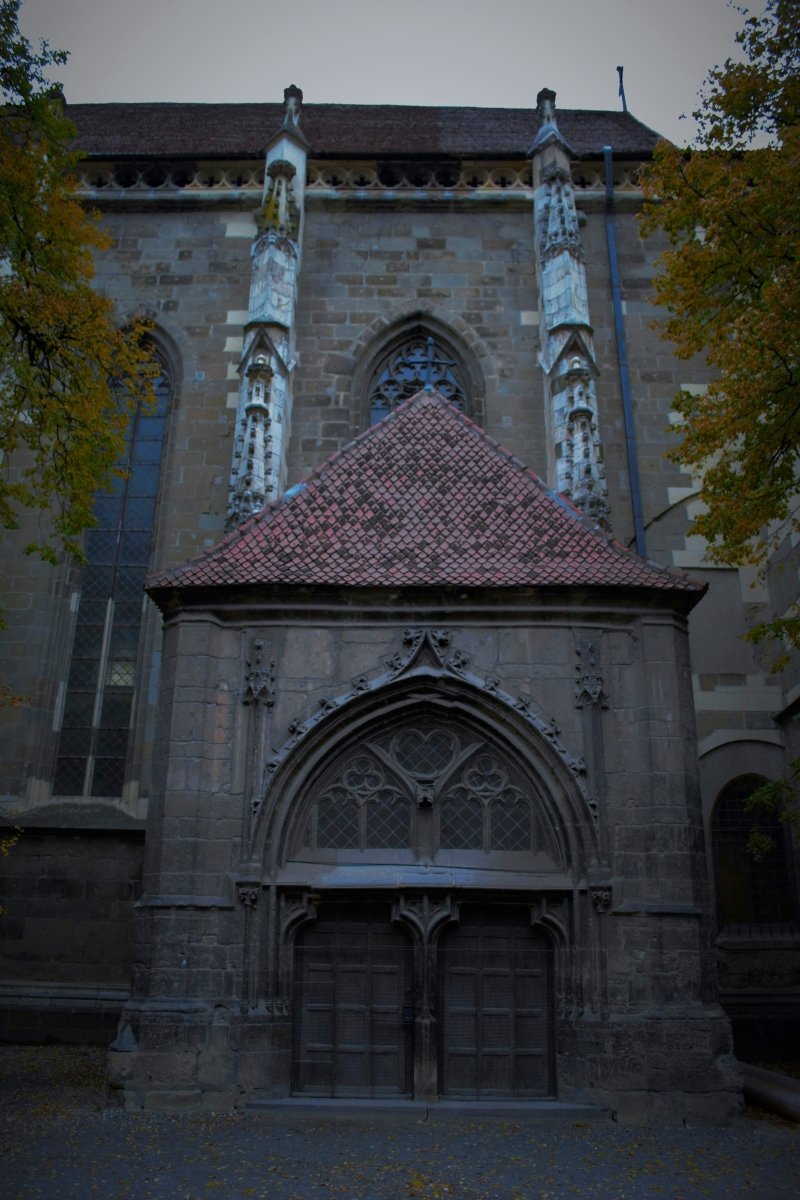
Built between 1385 and 1477, this is the largest Gothic church between Vienna and Istanbul. We’re talking serious medieval engineering here—the main tower reaches 65 meters (213 feet) into the sky, and the interior can hold around 5,000 people. The exterior features flying buttresses, pointed arches, and intricate stone carvings that somehow survived centuries of wars, fires, and earthquakes.
The Carpet Collection You Didn’t Know You Needed
Here’s something unexpected: the Black Church houses the largest collection of Anatolian carpets outside Turkey, with over 100 pieces from the 17th-19th centuries. These weren’t war trophies—Transylvanian merchants trading with the Ottoman Empire would donate carpets to churches as thanks for safe journeys. The carpets hang on walls and drape over pews, creating this wild fusion of Gothic Christian and Ottoman Islamic art that you won’t see anywhere else.
The Buchholz Organ
Music lovers, this is your moment. The church’s massive 4,000-pipe organ (built in 1839 by Berlin’s Carl August Buchholz) is still played regularly. If you visit during summer (May-September), you might catch one of the Tuesday or Thursday evening concerts—and trust me, hearing Bach echo through this Gothic cathedral is an experience you won’t forget.
Planning Your Visit: The Practical Stuff
Getting There
The Black Church sits right in Brașov’s historic center on Curtea Johannes Honterus. If you’re staying anywhere in the old town, you can walk there in under 10 minutes. The church is literally next to Council Square (Piața Sfatului), so you can’t miss it.
From Bucharest: Take a train (2.5-3 hours) or bus (under 3 hours) to Brașov, then walk or grab a quick taxi to the center.
Parking: If you’re driving, park in one of the lots near the historic center—the old town is pedestrian-friendly, which is great for exploring but not so great if you’re hauling luggage.
Opening Hours & Tickets
Opening Hours (as of 2025):
- Monday-Saturday: 10:00 AM – 5:00 PM (winter) / 10:00 AM – 7:00 PM (summer)
- Sunday: 12:00 PM – 5:00 PM
- Closed during religious services
Ticket Prices:
- Adults: 15-20 RON (approximately €3-4 or $3.50-4.50)
- Students/seniors: 10 RON
- Children under 7: Free
- Photography permits: Usually an additional 5 RON
Pro tip: You can often buy tickets online through the official website or at the entrance. Lines move pretty quickly, but if you’re visiting during peak summer months (July-August), arriving early or late afternoon helps you avoid tour groups.
How Long to Spend
Give yourself 1-2 hours to really appreciate the church. If you’re just doing a quick photo stop, 30 minutes works, but you’d be missing out on the carpet collection, the impressive interior details, and the peaceful atmosphere that makes this place special.
What to See Inside
The Main Nave
Walking through those massive wooden doors feels like stepping into another century. The vaulted ceiling soars above you, supported by thick stone columns. The walls show traces of that 1689 fire, with blackened stones reminding you of the church’s dramatic history.
The Prayer Hall of Mary
This Gothic side chapel features stunning medieval frescoes that survived the fire. Look for the intricate rib vaulting on the ceiling—it’s textbook Gothic architecture.
The Bell Tower
The church’s 6-ton bell (affectionately called “the roaring bell”) was cast in 1525 and still rings today. You can’t usually climb the tower, but the bell’s deep tones echo across the city during special occasions.
The Statues and Altars
Check out the late-Gothic altar dating back to 1476, plus numerous Renaissance and Baroque additions from later centuries. There’s also a bronze baptismal font from 1472 that’s pretty incredible when you consider craftspeople made this stuff by hand over 550 years ago.
Best Times to Visit
Avoid the Crowds: Visit on weekday mornings or later afternoons (after 4 PM). Tour groups typically hit the church between 11 AM and 2 PM.
Attend an Organ Concert: Summer concerts (May-September) happen Tuesday and Thursday evenings around 6 PM. Tickets are separate from regular admission but totally worth it—usually 30-40 RON ($6-8).
Photography Heaven: The church photographs beautifully in morning light when the sun hits the facade, or during the blue hour just after sunset when the building is lit up.
Winter Magic: Visiting during December means you’ll experience the church amid Brașov’s Christmas market, with the entire old town transformed into a winter wonderland.
Accessibility & Visitor Info
The church is wheelchair accessible through a side entrance, though some areas (like the upper galleries) aren’t accessible to everyone. Staff are generally helpful and can provide assistance—just ask at the ticket desk.
Guided tours in English, German, and Romanian are available if you want deeper historical context. These typically cost 50-100 RON depending on group size.
What Else to Do Nearby
The Black Church is perfectly positioned for a full day of exploring:
Council Square (Piața Sfatului): Literally 2 minutes away, this is Brașov’s main square, surrounded by colorful baroque buildings, cafes, and restaurants.
Rope Street (Strada Sforii): One of Europe’s narrowest streets (just 1.3 meters wide) is a 5-minute walk away—perfect for that quirky photo.
Mt. Tâmpa: Take the cable car up for panoramic views of Brașov and spot the famous Hollywood-style BRAȘOV sign on the mountainside.
Catherine’s Gate: This 16th-century gate is the last remaining original entrance to the medieval city.
Brașov Citadel: Hike up for sunset views over the entire city and surrounding Carpathian Mountains.
Where to Eat & Drink Nearby
You’re in the heart of the old town, so options are everywhere:
Sergiana: Traditional Romanian cuisine with generous portions (try the sarmale or mici). About 3 minutes from the church.
Bella Musica: Set in a 16th-century building, this spot offers refined Romanian dishes with a side of history.
Festival 39: Modern bistro with great breakfast and brunch options if you’re visiting in the morning.
Deane’s Irish Pub: When you need a break from heavy Romanian food, this place delivers decent pub grub and local craft beers.
Money-Saving Tips
- Buy a combined ticket: Some vendors offer packages that include the Black Church plus other Brașov attractions at a discount.
- Free walking tours: Join one of the free walking tours that start in Council Square—they include exterior views and history of the Black Church, then you can return later for the interior visit.
- Student discounts: If you have a valid international student card, use it—Romania offers generous student discounts on most attractions.
- Skip the tourist restaurants: Walk just 2-3 blocks away from Council Square and you’ll find restaurants with identical food at 30-40% lower prices.
Essential Tips for Your Visit
Dress Code: While not strictly enforced, modest clothing is respectful (covered shoulders, no super short shorts). You won’t be turned away, but it’s appreciated.
No Flash Photography: Flash damages the historic carpets and frescoes. Natural light photography is allowed with a permit.
Sunday Services: If you want to experience the church during worship, services happen Sunday mornings. You can attend for free, but obviously be respectful and avoid treating it like a tourist attraction during this time.
Winter Warning: The church isn’t heavily heated in winter—dress warmly if you’re visiting October through March.
Book Storage: Large bags might need to be checked, so travel light if possible.
The Bottom Line
Is the Black Church worth visiting? Absolutely. Even if medieval architecture isn’t usually your thing, there’s something powerful about standing inside a building that’s survived wars, fires, and over 600 years of history. The combination of Gothic grandeur, unexpected Ottoman carpets, and the building’s sheer scale makes this a standout attraction in Romania.
Whether you’re a history buff, architecture enthusiast, photography lover, or just someone who appreciates beautiful old buildings with great stories, the Black Church delivers. Plus, it’s perfectly positioned for exploring the rest of Brașov’s charming old town—so you’re getting way more than just one church visit.
Give yourself time to really absorb the atmosphere. Sit in one of the pews, look up at those soaring vaulted ceilings, and imagine the centuries of people who’ve gathered in this exact spot. That’s the magic of places like this—they connect you to something much bigger than your Instagram feed.
Pro tip for the road: Brașov makes an excellent base for exploring Transylvania. Bran Castle (yes, the “Dracula” one) is 30 minutes away, Peleș Castle is an hour, and the fortified churches of Transylvania are all within day-trip range. So if you’re planning your Romania itinerary, definitely give yourself 2-3 days in this area.
Safe travels, and enjoy one of Eastern Europe’s hidden gems!