


TL;DR: Book Greek ferries 2-3 months ahead for peak season through reliable sites like Ferryhopper or Direct Ferries. Compare prices, choose between high-speed and conventional ferries, and always have backup plans since schedules change with weather. Skip the stress—online booking beats scrambling at the port.
- Why You Can’t Just “Wing It” Anymore
- When to Book: Timing Is Everything
- The Best Booking Platforms (Tested by Actual Humans)
- Know Your Route: Greece Has More Than One Ferry Hub
- Step-by-Step: Actually Booking Your Tickets
- Money Talk: What You’ll Actually Pay
- The Weather Wild Card
- What About Vehicles?
- Port Day: Actually Getting On the Ferry
- Insider Tips That’ll Save Your Trip
- If Things Go Wrong
- The Bottom Line
- Disclaimer
Look, I’m going to level with you: booking ferry tickets in Greece sounds way more complicated than it actually is. But mess it up, and you’ll find yourself stuck on Mykonos when you really wanted to be sipping wine in Santorini. Been there, done that, learned the hard way.
Here’s everything you need to know to navigate the Greek ferry system without losing your mind (or your vacation days).
Why You Can’t Just “Wing It” Anymore
Gone are the days when you could rock up to Piraeus port with a backpack and hop on whatever ferry looked cool. I mean, you can still do that in shoulder season, but during July and August? You’re basically playing Russian roulette with your itinerary.
The Greek islands are having a moment (have been for like, 3,000 years, but who’s counting?), and everyone from honeymooners to digital nomads wants a piece of that Aegean action.
When to Book: Timing Is Everything
Peak season (June-September): Book 2-3 months ahead, seriously. Popular routes like Athens to Santorini or Mykonos to Paros fill up faster than you can say “ouzo.”
Shoulder season (April-May, October): You’ve got more wiggle room—2-4 weeks ahead works fine.
Winter (November-March): Many routes run on reduced schedules or not at all. Book at least a week ahead to avoid disappointment.
Pro tip: Greek Easter throws everything off. Locals travel like crazy, and ferries get packed. Mark that calendar.
The Best Booking Platforms (Tested by Actual Humans)
Ferryhopper – My personal favorite. Clean interface, no hidden fees, and they actually update cancellations in real-time. Plus, their customer service doesn’t make you want to throw your phone in the sea.
Direct Ferries – Great for comparing multiple ferry companies side-by-side. Sometimes has exclusive deals you won’t find elsewhere.
Let’s Ferry – Another solid option with decent English support and straightforward booking.
Ferry company websites (Blue Star Ferries, SeaJets, Golden Star Ferries) – Can be cheaper but interfaces are… let’s say “charmingly outdated.” Worth checking for last-minute deals though.
Skip the sketchy third-party sites that pop up in Google ads. If it looks like it was designed in 2003 and has broken English everywhere, hard pass.
Know Your Route: Greece Has More Than One Ferry Hub
Athens Routes (The Main Show)
Piraeus Port – The mega-hub connecting to most Cyclades islands, Crete, and the Dodecanese. Routes include:
- Athens to Santorini, Mykonos, Naxos, Paros
- Athens to Crete (Heraklion, Chania)
- Athens to Rhodes, Kos
Rafina Port – Smaller, closer to the airport, serving:
- Mykonos, Santorini, Tinos, Andros
- Generally less chaotic than Piraeus
Northern Greece Routes (The Hidden Gems)
Thessaloniki Area – Your gateway to the northern islands that most tourists skip. Here’s the deal:
You won’t actually sail from Thessaloniki city itself—the ferries leave from ports about 1.5-2 hours away. Think of Thessaloniki as your base, not your departure point.
Getting to Thasos:
- Ferries depart from Keramoti (2 hours from Thessaloniki) or Kavala (1.5 hours away)
- Keramoti to Thasos (Limenas): Super short crossing, about 30-40 minutes
- Kavala to Thasos (Prinos): Around 70 minutes
- Runs year-round with frequent daily departures (sometimes hourly in summer)
- Cheapest ferry route in Greece—we’re talking €3-€5 per person
- Car ferries available and actually affordable here
- Book through Thassos Ferries or just show up (seriously, these rarely fill up)
Getting to Samothrace:
- Ferries depart from Alexandroupoli (3 hours northeast of Thessaloniki)
- Alexandroupoli to Samothrace (Kamariotissa): 2-3 hours depending on ferry type
- Less frequent—usually 1-3 departures per day in summer, fewer in winter
- Costs around €10-€15 per person
- This one you should book ahead, especially in summer
- Saos Ferries operates this route
- Weather can be rough—be prepared for potential cancellations
Pro tip for northern routes: Rent a car in Thessaloniki and drive to the ports. Public transport exists but isn’t exactly reliable, and you’ll want wheels on the islands anyway.
Step-by-Step: Actually Booking Your Tickets
1. Choose Your Ferry Type
High-speed ferries (SeaJets, Golden Star) – Faster, pricier, more prone to cancellations in rough weather. Think 2-3 hours to Mykonos instead of 5.
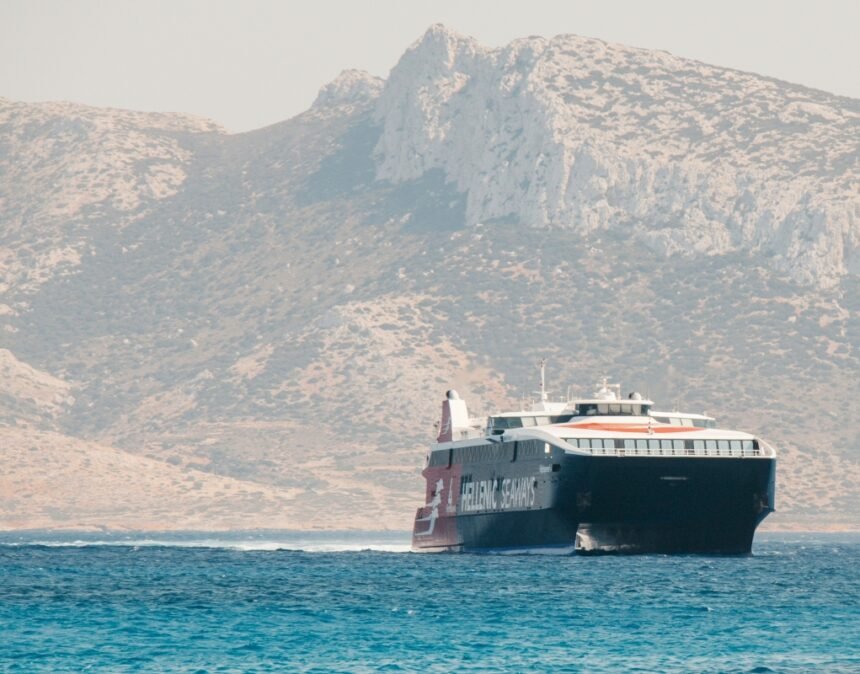
Conventional ferries (Blue Star, Hellenic Seaways) – Slower, cheaper, more stable in weather. But you’ve got time to enjoy the journey, right?
Northern route ferries – Mostly conventional, no-frills car ferries. Don’t expect luxury, but they’re reliable and get the job done.
2. Pick Your Seat Class
Economy/Airline seats – Basic but fine for short trips. Air-conditioned indoor seating.
Business class – More legroom, sometimes includes refreshments. Worth it on longer journeys.
Cabins – For overnight ferries. Worth every euro for a good night’s sleep instead of folding yourself into a chair.
Deck – Cheapest option, literally sitting outside. Romantic until the wind picks up and your hair becomes a science experiment.
Note: For Thasos and Samothrace ferries, it’s mostly just economy seating. These are short, functional crossings—no fancy cabins needed.
3. The Booking Process
Enter your route, dates, and passenger info. Super straightforward. Most sites accept international credit cards without drama.
Important: Print your ticket or save the PDF offline. Greek ferry Wi-Fi is… aspirational at best.
Money Talk: What You’ll Actually Pay
Southern/Cyclades Routes:
- Short hops (1-2 hours): €15-€40
- Medium routes (3-5 hours): €30-€70
- Long hauls (6+ hours): €50-€100+
Northern Routes:
- Keramoti/Kavala to Thasos: €3-€10 (absolute steal)
- Alexandroupoli to Samothrace: €10-€20
- Add €15-€40 for vehicles on northern routes (still cheaper than southern Greece)
High-speed ferries cost roughly 30-50% more than conventional ones. Cabins add €20-€80 depending on the route.
Hidden costs to watch for: Some booking sites add “service fees” that bump up the price. Always check the final cost before confirming.
The Weather Wild Card
Here’s what nobody tells you: ferries cancel. A lot. Especially high-speed ones when the meltemi winds kick up in summer.
The northern routes (Thasos, Samothrace) deal with different weather patterns—autumn and winter can get rough in the North Aegean. Samothrace ferries particularly have a reputation for weather cancellations.
Always build buffer days into your itinerary. If you’ve got a flight out of Athens or Thessaloniki, get back to the mainland with at least 24 hours to spare.
Check weather forecasts and ferry schedules the day before travel. Greek ferry captains don’t mess around with safety—if it’s too rough, you’re not sailing.
What About Vehicles?
Taking a car or motorcycle? You’ll need to:
- Book the vehicle separately (choose “car” or “motorcycle” during booking)
- Arrive 60-90 minutes early at the port
- Have your vehicle registration handy
- Pay significantly more (like, 3-5x a passenger ticket)
Exception: Thasos and Samothrace ferries are actually designed for vehicles, and the costs are way more reasonable. Totally worth bringing a car to explore these larger, mountainous islands.
Most travelers in the Cyclades skip the car rental and just rent new wheels on each island. Way less hassle.
Port Day: Actually Getting On the Ferry
Show up at least 45 minutes early for conventional ferries, 30 minutes for high-speed. Greek ports aren’t exactly known for clear signage in English.
Piraeus Port is massive—there are 10 gates spread across kilometers. Check which gate your ferry leaves from the night before.
Rafina Port is smaller and more manageable, about 30 minutes from Athens airport.
Northern ports (Keramoti, Kavala, Alexandroupoli) are refreshingly simple—usually just one dock, one ticket office, one departure point. You literally can’t get lost.
Have your passport ready (yes, even though it’s all EU). They check sometimes, they don’t other times. Greece gonna Greece.
Insider Tips That’ll Save Your Trip
Book morning ferries when possible – Less likely to be delayed by earlier cancellations, and you get a full day at your destination.
Screenshot everything – Booking confirmations, ferry schedules, gate numbers. Internet at Greek ports is unreliable.
Download offline maps – Google Maps works fine in Greece, but having offline maps is clutch.
Pack snacks – Ferry cafeterias are expensive and mediocre. Grab supplies before boarding. (Pro tip: The cafeteria on the Keramoti-Thasos ferry makes a decent Greek coffee though.)
Bring layers – Indoor cabins are freezing, outside decks are hot. There’s no in-between.
Don’t stress about assigned seats – Outside of peak season, nobody really cares where you sit.
For northern islands: Stop expecting the polished tourism infrastructure you’ll find in Mykonos. That’s actually the charm—fewer crowds, lower prices, more authentic Greece.
If Things Go Wrong
Ferry cancelled? Don’t panic. Head to the ferry company desk at the port—they’ll rebook you on the next available departure, usually free of charge.
Keep receipts if you need to book a hotel for an unexpected night. Some travel insurance covers ferry delays.
Most booking platforms offer customer support, but honestly, you’ll get faster results dealing directly with the ferry company at the port.
The Bottom Line
Booking ferries in Greece isn’t rocket science, but it does require a bit of planning. Book ahead for popular southern routes, choose reliable platforms, build in buffer time, and respect the weather gods.
Whether you’re hitting the Instagram-famous Cyclades or exploring the under-the-radar northern islands like Thasos and Samothrace, the Greek islands are worth every bit of ferry stress, cancelled departure, and moment spent wondering if that engine noise is supposed to sound like that.
Now stop overthinking it and book those tickets—the Aegean is calling, and it’s got a cold Mythos with your name on it.
Ready to go? Start with Ferryhopper for southern routes, check Thassos Ferries and Saos Ferries for northern connections, punch in your dream route, and get those ferry tickets locked down. Your future self (chilling on a beach in Paros or hiking the waterfalls of Samothrace) will thank you.
Disclaimer
This article provides general travel information and guidance based on common practices as of October 2025. Ferry schedules, prices, routes, and booking procedures are subject to change without notice. Always verify current information directly with ferry operators, official booking platforms, or local port authorities before making travel plans.
Weather conditions, mechanical issues, strikes, and other unforeseen circumstances can result in ferry cancellations or delays. Travelers should build flexibility into their itineraries and consider purchasing comprehensive travel insurance.
The author and publisher are not responsible for any inconvenience, loss, injury, or damages incurred as a result of following the information in this article. Travel at your own risk and make decisions based on current, verified information and your personal circumstances.
Prices mentioned are approximate and for illustrative purposes only. Actual costs may vary significantly based on season, booking time, ferry company, and other factors.




![Georg Zumstrull [CC BY-SA 2.0 de (https://creativecommons.org/licenses/by-sa/2.0/de/deed.en)]](https://www.thewanders.eu/wp-content/uploads/2019/12/ToweroftheWinds3.jpg)