


TL;DR: Canna is a car-free island paradise home to 20,000 seabirds (including puffins!), incredible wildlife, ancient history, and friendly locals. Perfect for anyone wanting to disconnect from the world and reconnect with nature.
- Why Canna Should Be Your Next Scottish Adventure
- Getting There: The Journey Is Half the Adventure
- Where to Stay: Embrace Island Life
- The Wildlife Show of a Lifetime
- What to Do: Beyond the Wildlife
- Hiking and Exploring: Car-Free Adventures
- Island Life: The Human Side
- Conservation Success Story: The Rat-Free Island
- Practical Planning Tips
- Sustainable Tourism: Protecting Paradise
- Planning Your Small Isles Adventure
- The Bottom Line
Why Canna Should Be Your Next Scottish Adventure
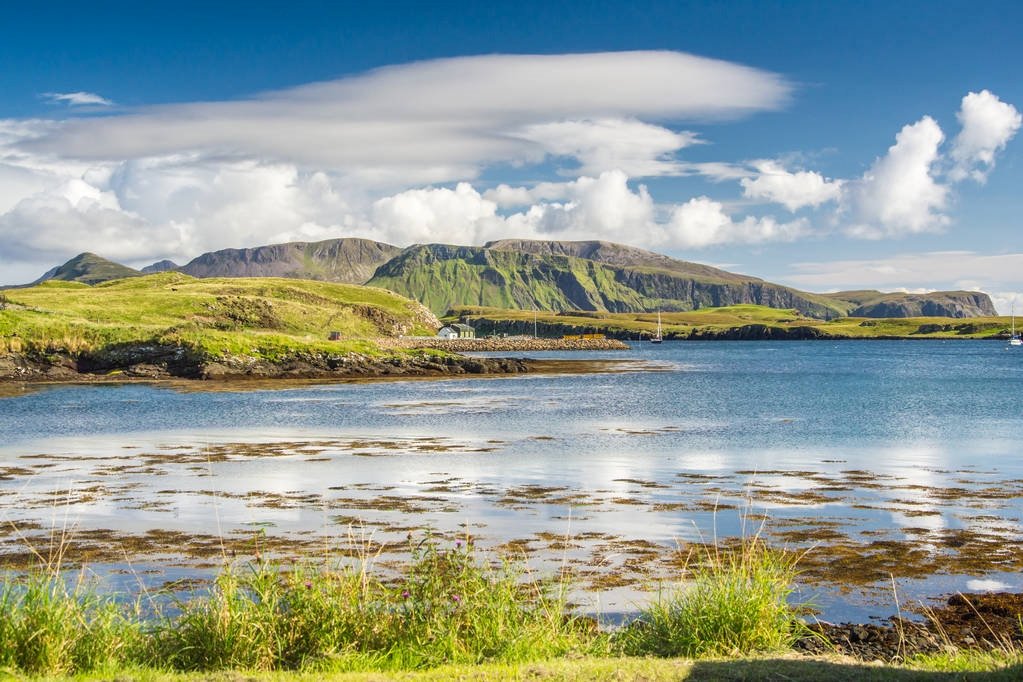
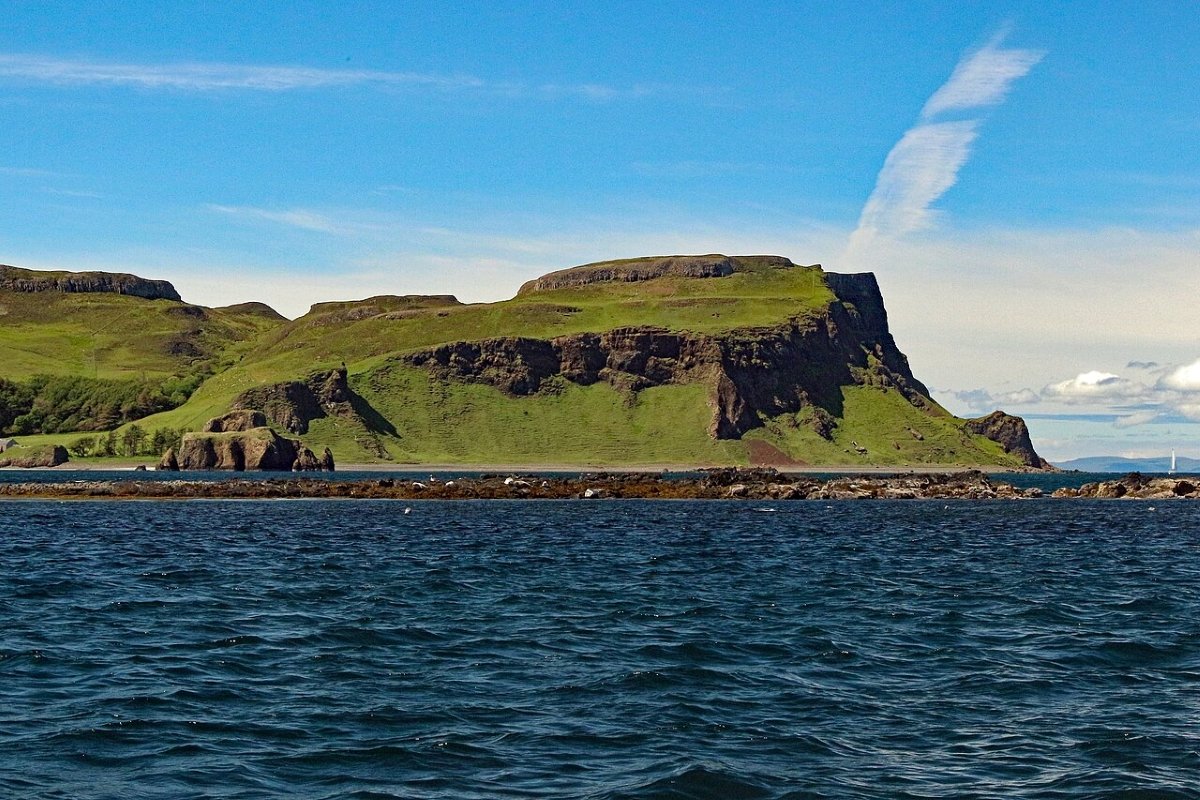
Picture this: you’re standing on dramatic sea cliffs watching thousands of puffins dive for fish while golden eagles soar overhead, and you haven’t seen a single car all day. Welcome to the Isle of Canna, the westernmost gem of Scotland’s Small Isles that most travelers have never heard of – which is exactly what makes it so special.
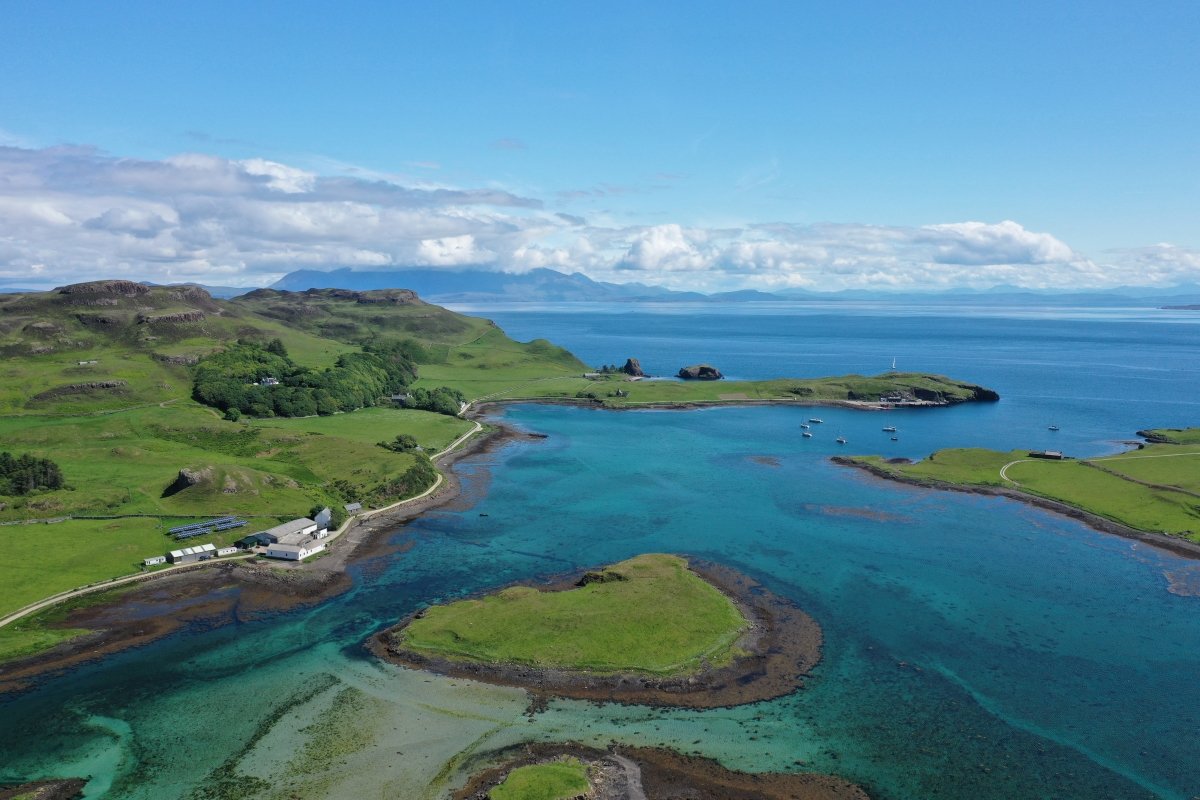
This tiny island (just 4.3 miles long and 1 mile wide) punches way above its weight when it comes to natural wonders. With a population of just 18 people who are vastly outnumbered by sheep, Canna feels like stepping into a different world entirely. And the best part? It’s completely car-free, so your biggest traffic concern will be giving way to Highland cattle on the walking paths.
Getting There: The Journey Is Half the Adventure
Coordinates: 57.06°N 6.55°W
Ferry from Mallaig
The only way to reach Canna is by ferry from Mallaig, operated by CalMac. The MV Loch Nevis makes this scenic 2.5-hour journey through some of Scotland’s most stunning coastal waters.
Summer Schedule (April – October):
- Ferries run Monday, Wednesday, Friday, Saturday, and Sunday
- Saturday sailings offer day trips with 8 hours on the island
- Wednesday trips are also possible for day visits
Winter Schedule (November – March):
- Reduced service on Tuesday and Thursday, plus Sunday on request
- No day trips possible in winter
Pro tip: The Saturday afternoon sailing can be your friend if you’re trying to avoid an overnight stay in Mallaig, but for most other days, you’ll need to stay overnight on the mainland before catching the morning ferry.
Fare: Around £12 return (as of March 2025)
Getting to Mallaig
Mallaig is your gateway, reachable by:
- Train: Scotrail from Glasgow via Fort William (the scenic West Highland Line)
- Bus: CityLink coaches from major Scottish cities
- Car: About 3.5 hours from Glasgow, 4 hours from Edinburgh
Parking in Mallaig: Use West Bay Car Park at the Mallaig & Morar Community Centre (charged) or East Bay (free but longer walk). Arrive early in summer – parking fills up fast!
Alternative: Boat Tours from Arisaig
During summer (May-September), several operators run sightseeing trips to Canna from Arisaig, though these typically offer shorter visits.
Where to Stay: Embrace Island Life
Canna Campsite
Your best bet for accommodation is the community-run Canna Campsite. They offer everything from camping pitches to unique “otter pods” (glamping pods with a Scottish twist). The campsite owners, Isebail and team, will meet you at the ferry and transport your luggage – true Highland hospitality at its finest.
What’s included:
- Luggage transport from ferry
- Hot showers and excellent facilities
- Access to the famous Puffin Trail
- Breakfast options available
Tighard House
The National Trust for Scotland occasionally offers accommodation at this guest house, though it’s often booked for educational groups.
Booking tip: Accommodation fills up quickly, especially during puffin season (April-July), so book well in advance.
The Wildlife Show of a Lifetime
Puffin Paradise (April – July)
Canna is home to over 2,000 breeding puffins, and unlike many other puffin colonies, these colorful characters are surprisingly approachable. The island’s Puffin Trail leads you to prime viewing spots where you can watch them dive for sand eels and engage in their adorable social antics.
Best viewing spots:
- Sanday sea stacks (follow the trail from the campsite)
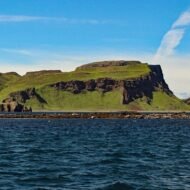
- Northern cliffs around A’Chill
- Various coastal viewpoints marked on the island’s trails
The Full Cast of Characters
Canna isn’t just about puffins – it’s home to an incredible 20,000 breeding seabirds including:
- Golden eagles soaring over the cliffs
- White-tailed sea eagles (the largest bird of prey in Britain)
- Manx shearwaters nesting in clifftop burrows
- Guillemots, razorbills, and kittiwakes crowding the sea stacks
- Fulmars gliding along the cliff faces
Marine Life Spectacular
Keep your eyes on the water for:
- Minke whales (most common May-October)
- Dolphins and porpoises playing in the waves
- Basking sharks (harmless giants that feed on plankton)
- Grey and common seals lounging on rocky outcrops
- Otters hunting in the kelp beds (early morning and evening are best)
Wildlife watching tip: Bring binoculars and be patient. Early morning and evening are prime times for wildlife activity.
What to Do: Beyond the Wildlife
Historical Treasures
Canna has been inhabited for thousands of years, and the evidence is everywhere:
A’Chill Ancient Settlement Visit the site of Canna’s earliest settlements, featuring a 7th-9th century Christian cross with intricate Celtic carvings. Information boards explain the significance of this early Christian site.
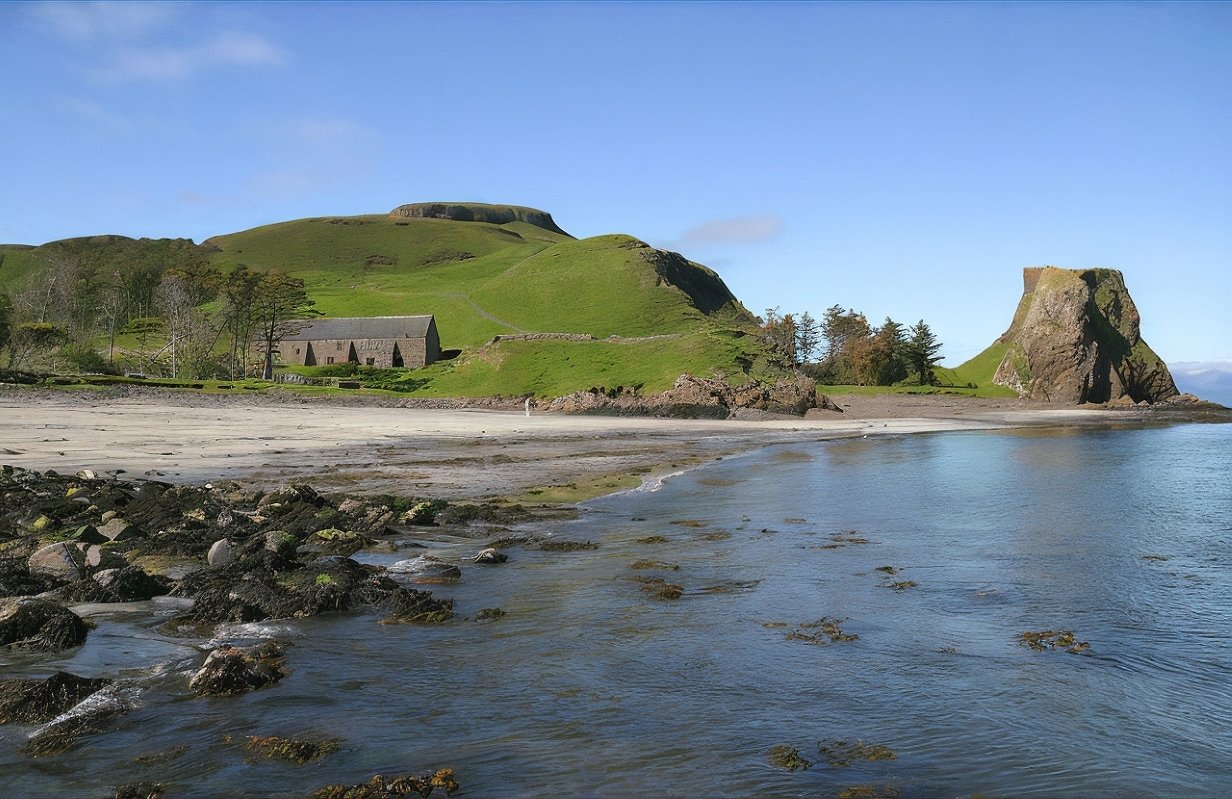
Coroghan Castle Dramatic clifftop ruins with spectacular views. Join a ranger-led walk to learn about the castle’s medieval history and strategic importance.
The Punishment Stone A fascinating piece of island justice history – ask your ranger guide for the full story!
Canna House & Gardens
Currently closed for renovations until April 2025, but when open, this fascinating house contains the archives of Gaelic scholars John Lorne Campbell and Margaret Fay Shaw. The peaceful gardens remain accessible and offer a tranquil spot for reflection.
The Famous “Rocket Church”
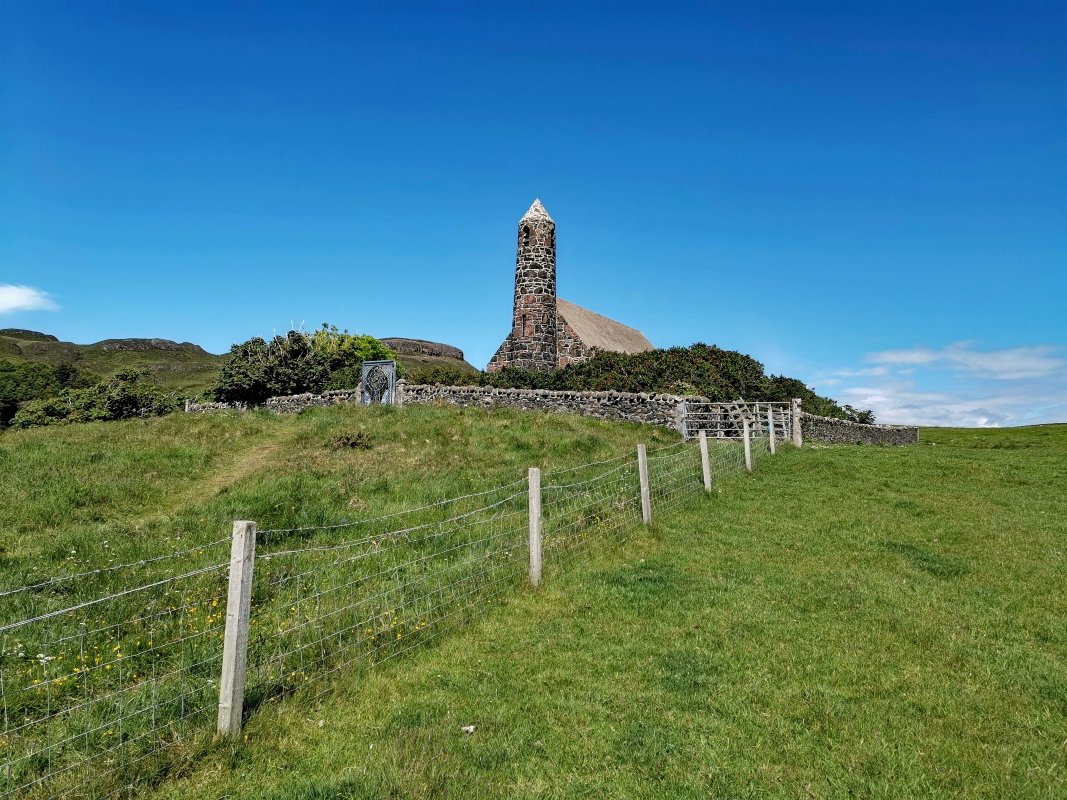
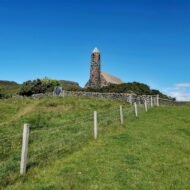
St. Columba’s Presbyterian Church, completed in 1914, is better known as the “Rocket Church” due to its unique Celtic Round Tower design. Though seldom used (most islanders are Catholic), it’s a striking architectural curiosity worth visiting.
Hiking and Exploring: Car-Free Adventures
Sanday Circuit Walk
Cross the bridge to the tidal island of Sanday and explore:
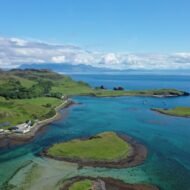
- Traigh Bhàn (“White Beach”) – a stunning sandy bay with crystal-clear water
- Sea stack viewing points for puffins and other seabirds
- Panoramic views back to Canna and across to Skye
Canna Circular Walk
A longer hike taking you:
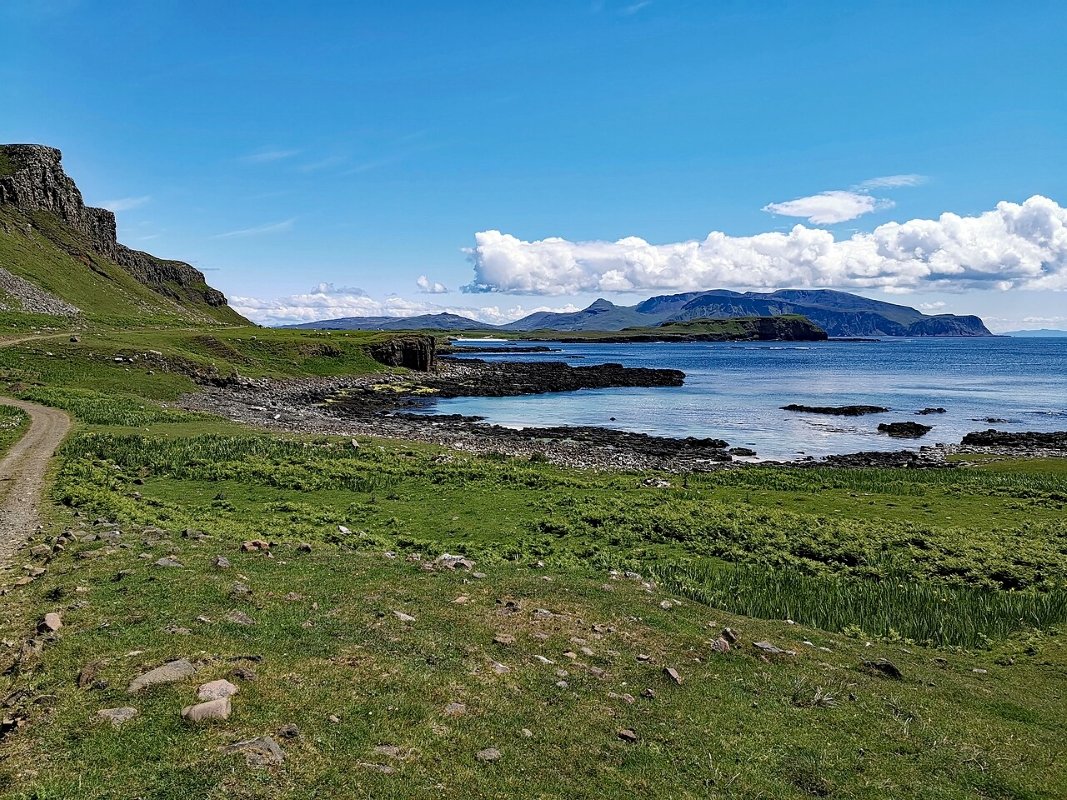
- Along dramatic coastal cliffs
- Through the island’s interior farmland
- Past ancient archaeological sites
- To viewpoints overlooking the neighboring Small Isles
Tarbert Exploration
Walk to the western end of the island where:
- The road ends at abandoned farmland
- Wild, rugged landscapes await exploration
- Fewer visitors mean more solitude with nature
Walking tip: The island has good gravel paths but bring sturdy waterproof boots. Weather can change quickly in the Hebrides!
Island Life: The Human Side
The Community Shop
This 24-hour honesty shop is a marvel of trust and community spirit. Stock up on essentials, pay via cash, card, or online, and don’t forget to sign the logbook. They even have a kettle for free tea and coffee – perfect Scottish hospitality!
What you’ll find:
- Frozen meat and fish
- Basic groceries and snacks
- National Trust leaflets and maps
- Ice cream (essential for cliff-top picnics!)
- Gifts and locally made items
Café Canna
This delightful licensed café overlooks the harbor and serves fresh Scottish cooking using mostly local ingredients. Open May-September, Wednesday-Monday, 11 AM-10 PM. Booking recommended – it’s the social hub of the island!
Post Office
Get that coveted Isle of Canna postmark! Open Monday-Friday noon-PM, Saturday 10 AM-1 PM. No ATM on the island, so bring cash.
Conservation Success Story: The Rat-Free Island
Here’s something remarkable: Canna was once overrun by 10,000 brown rats that were devastating ground-nesting birds. Through careful conservation work, the island was declared rat-free in 2008 – a huge win for species like Manx shearwaters. If you think you spot a rat, report it immediately (but don’t try to catch it yourself – it’s probably just a wood mouse!).
Practical Planning Tips
What to Pack
- Waterproof clothing (essential year-round)
- Warm layers (even summer evenings can be chilly)
- Sturdy waterproof boots for walking
- Binoculars for wildlife watching
- Camera with extra batteries (no charging points on many trails)
- Cash for the community shop and café
- Snacks and water for longer walks
Best Time to Visit
April-July: Peak puffin season, warmest weather, longest days, but also busiest August-September: Fewer crowds, still good weather, some seabirds departing October-March: Dramatic weather, excellent for solitude, limited accommodations
Photography tip: Early morning (6-8 AM) and evening (6-8 PM) offer the best light and most active wildlife.
What NOT to Expect
This isn’t a luxury resort destination. There’s:
- No shops selling designer goods
- No restaurants with Michelin stars
- No nightlife beyond stargazing
- No WiFi in many areas (which might be exactly what you need!)
Sustainable Tourism: Protecting Paradise
Canna’s small community works hard to balance conservation with tourism. Here’s how you can help:
- Stick to marked paths to protect nesting sites
- Take only photos, leave only footprints
- Support local businesses like the café and shop
- Respect wildlife – maintain distance from nesting birds
- Consider volunteering – the island often welcomes helping hands for conservation projects
Planning Your Small Isles Adventure
Many visitors combine Canna with the other Small Isles:
- Rum: Dramatic mountains and red deer
- Eigg: Famous for the singing sands and clegg (the island’s distinctive rock formation)
- Muck: The smallest and most agricultural of the four
Ferry hopping tip: Each island has a different ferry schedule, so plan carefully if you want to island-hop.
The Bottom Line
Canna isn’t for everyone – and that’s exactly what makes it special. If you’re looking for luxury amenities or constant entertainment, look elsewhere. But if you want to experience one of Scotland’s last truly wild places, where puffins outnumber people and the biggest decision of your day is which cliff path to explore, then Canna is calling your name.
This tiny island offers something increasingly rare in our connected world: the chance to truly disconnect, slow down, and remember what’s important. Whether you’re watching the sun set over the Atlantic while puffins return to their burrows, or sharing stories with locals in the community café, Canna will leave you with memories that last a lifetime.
Ready to plan your visit? Check the latest ferry schedules at calmac.co.uk, book your accommodation well in advance, and prepare for an adventure unlike anywhere else in Scotland.
Have you visited Canna or the other Small Isles? Share your experiences and tips to help other travelers discover this incredible corner of Scotland!