

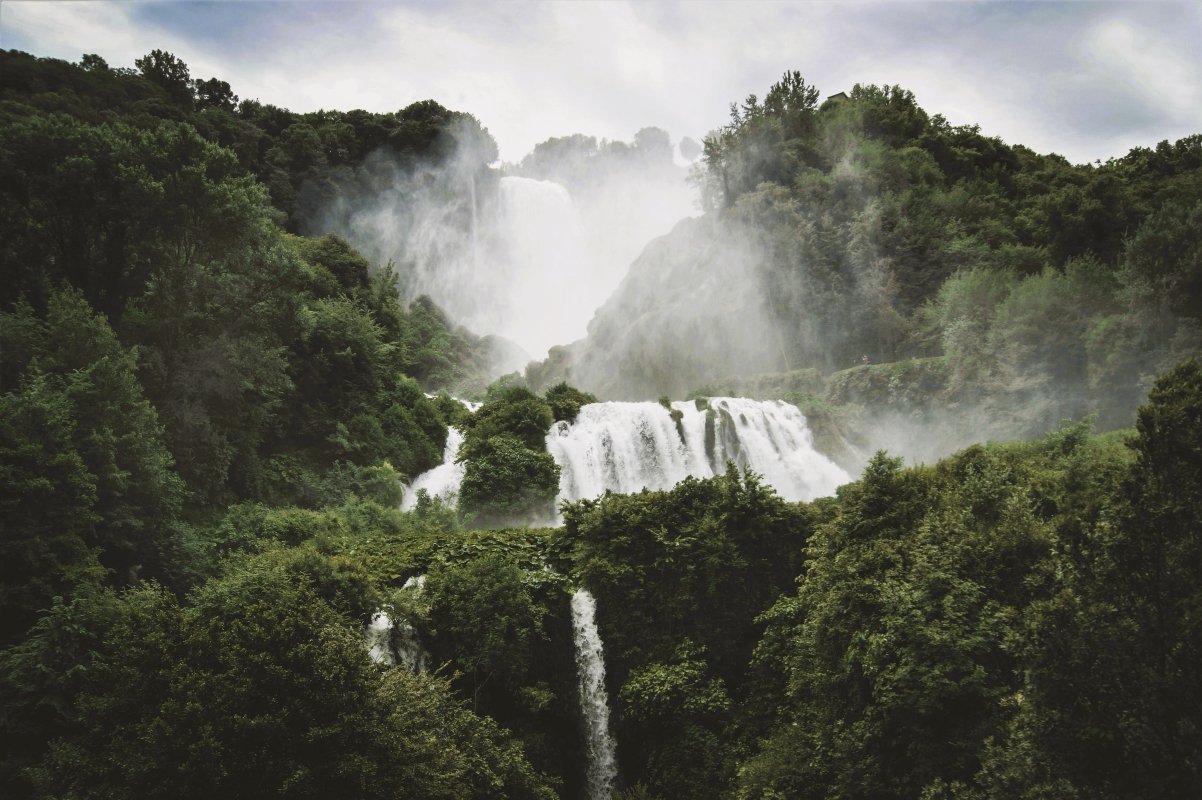
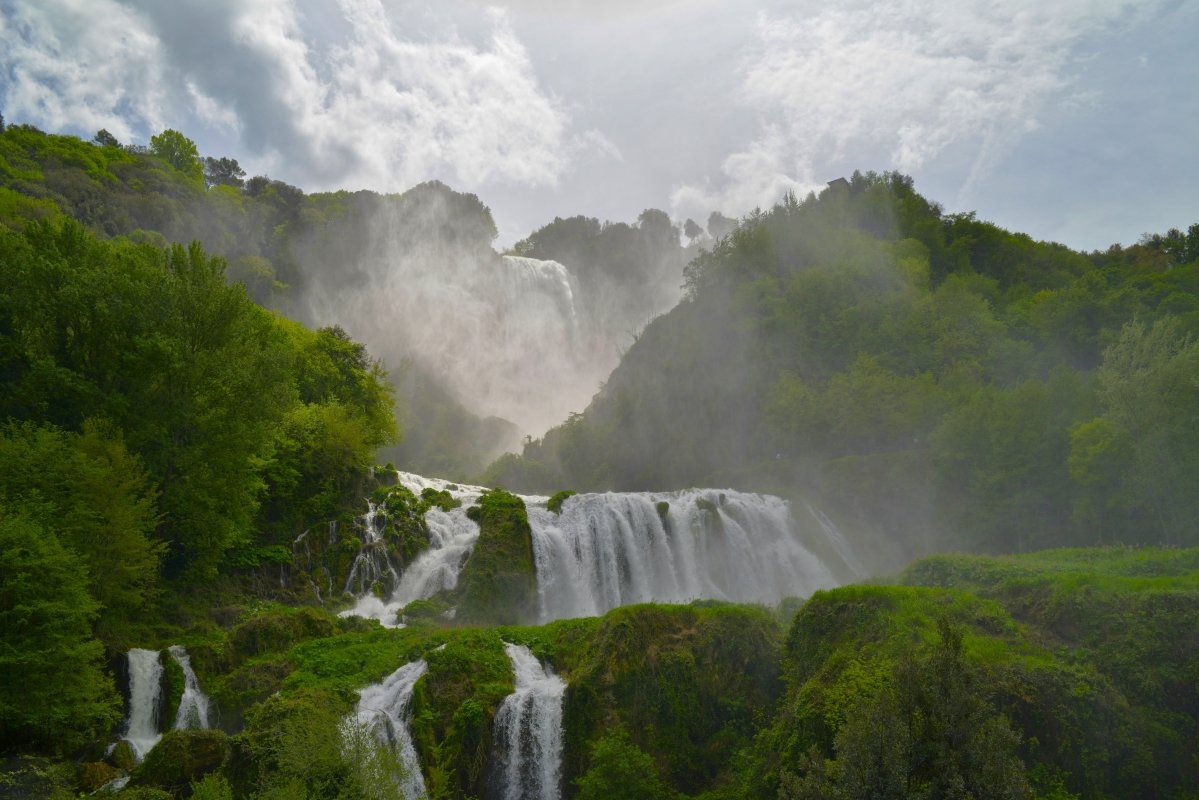
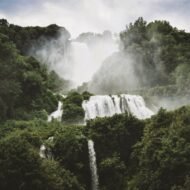
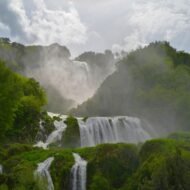
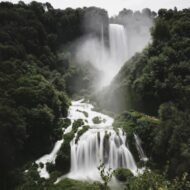
TL;DR: Cascata delle Marmore is a breathtaking three-tiered artificial waterfall in Umbria, Italy, standing 165 meters tall. It’s Europe’s highest man-made waterfall, created by ancient Romans and perfect for day trips from Rome or Florence. Best visited during release times (check schedule), offering hiking trails, viewpoints, and photo opportunities that’ll make your Instagram followers seriously jealous.
- Why This Hidden Gem Should Be Your Next Italian Adventure
- The Fascinating Story Behind the Falls
- Planning Your Visit: Everything You Need to Know
- Getting There: Your Journey to the Falls
- Two Viewpoints, Two Completely Different Experiences
- Activities and Experiences
- Practical Information
- Beyond the Falls: Exploring the Area
- Where to Eat and Stay
- Insider Tips for the Perfect Visit
- Making the Most of Your Instagram Game
- Why Cascata delle Marmore Beats the Tourist Crowds
- Final Thoughts
Why This Hidden Gem Should Be Your Next Italian Adventure
Forget the crowded tourist traps – Cascata delle Marmore is Italy’s best-kept secret that locals have been enjoying for over 2,000 years. This isn’t your typical waterfall either; it’s a masterpiece of ancient Roman engineering that still takes visitors’ breath away today.
Located in the green heart of Umbria, near the charming town of Terni, these falls prove that sometimes the most spectacular attractions are the ones you stumble upon by accident. Whether you’re a nature enthusiast, history buff, or just someone who appreciates jaw-dropping scenery, this place delivers on every level.
The Fascinating Story Behind the Falls
Here’s what makes Cascata delle Marmore absolutely unique: it was created by the Romans in 271 BC. Yes, you read that right – this stunning waterfall is older than the Colosseum! The Romans weren’t just showing off their engineering prowess; they had a practical problem to solve.
The nearby Rieti plain was constantly flooding due to stagnant waters from the Velino River. Roman consul Manius Curius Dentatus came up with a brilliant solution: redirect the river over a cliff, creating a controlled waterfall that would drain the problematic waters into the Nera River below.
What started as flood control became one of nature’s most beautiful “accidents” – except it wasn’t an accident at all. The Romans literally moved mountains (or at least rivers) to create this wonder, and we’re still reaping the benefits today.
Planning Your Visit: Everything You Need to Know
When to Visit
The falls operate on a specific schedule since they’re still used for hydroelectric power generation. This means the water flow is controlled, and you’ll want to time your visit perfectly. The falls are typically released:
- Weekdays: Usually 2-3 times per day
- Weekends: More frequent releases, often hourly during peak times
- Summer months: Extended hours with releases until evening
Pro tip: Check the official schedule before your visit – there’s nothing more disappointing than arriving to see a trickle when you’re expecting a torrent!
Best Time of Year
Spring (April-May): Perfect weather, fewer crowds, and the surrounding vegetation is lush and green. This is honestly the sweet spot for most visitors.
Summer (June-August): Peak season with the longest opening hours and most frequent water releases. Expect crowds, especially on weekends, but the extended evening hours mean you can catch the falls at golden hour.
Fall (September-October): Gorgeous autumn colors frame the falls, and the weather is still pleasant for hiking. Fewer tourists mean better photo opportunities.
Winter (November-March): Limited opening hours and fewer releases, but if you’re lucky enough to visit during a cold snap, you might see the falls partially frozen – absolutely magical!
Getting There: Your Journey to the Falls
Coordinates: 42.552448°N 12.714958°E
By Car
The most convenient option, especially if you’re exploring the Umbria region. From Rome, it’s about a 1.5-hour drive via the A1 highway. Parking is available at both the upper and lower entrances, though it fills up quickly on weekends.
By Train
Take a train to Terni station, then catch a local bus or taxi to the falls. The journey from Rome takes about 2 hours total, making it perfect for a day trip.
By Tour
Several companies offer day trips from Rome and Florence. While you’ll have less flexibility, you won’t need to worry about transportation or timing.
Two Viewpoints, Two Completely Different Experiences
Lower Viewpoint (Belvedere Inferiore)
This is where you’ll feel the raw power of the falls. The mist hits your face, the thundering water echoes off the rocks, and you’re close enough to see individual droplets catching the sunlight. It’s intense, immersive, and absolutely exhilarating.
The lower area offers several hiking trails, including the aptly named “Anello della Ninfa” (Ring of the Nymph), which takes you behind the falls through ancient caves. Bring a light jacket – it gets misty and cool near the base!
Upper Viewpoint (Belvedere Superiore)
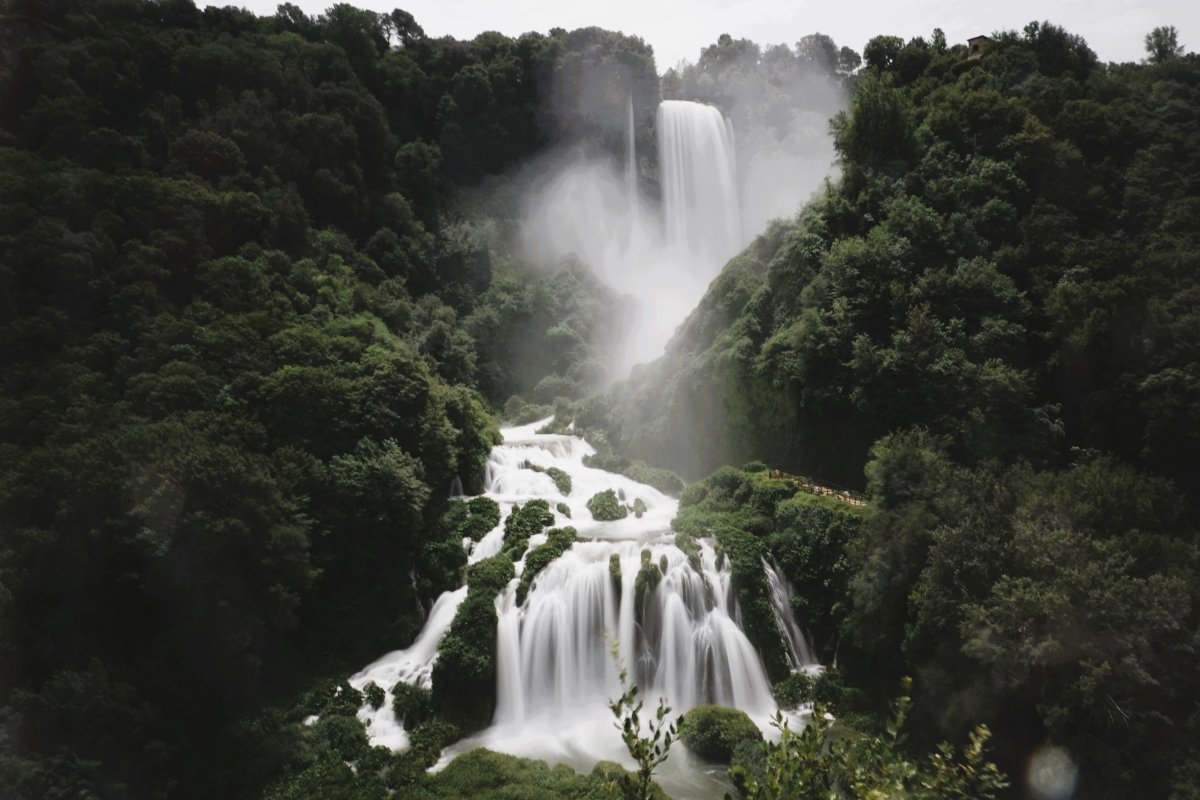
For the classic postcard shot, head to the upper viewpoint. Here you can see the falls in their full glory, all three tiers cascading down the cliff face. It’s less dramatic than the lower viewpoint but offers better photo opportunities and a broader perspective of the surrounding landscape.
The upper area also has easier walking paths, making it more accessible for families with young children or anyone with mobility concerns.
Activities and Experiences
Hiking Trails
Six different trails wind through the park, ranging from easy strolls to challenging climbs. The most popular is Trail #1, which connects the upper and lower viewpoints – perfect for experiencing both perspectives in one visit.
For adventure seekers, Trail #3 takes you to the “Balcony of Ghosts,” a viewpoint that offers spectacular views but requires a bit more stamina to reach.
Photography Tips
- Golden hour: The best light happens about an hour before sunset when the sun illuminates the mist
- Bring a polarizing filter: Essential for cutting through the spray and capturing the water’s movement
- Multiple exposures: Try both fast shutter speeds to freeze the water and slow speeds for that silky flow effect
- Don’t forget wide-angle shots: The scale of these falls is impressive and worth capturing
Guided Tours
Local guides offer fascinating insights into the falls’ history, geology, and the surrounding ecosystem. Many tours include access to restricted areas and caves that aren’t open to independent visitors.
Practical Information
Tickets and Pricing
- Adults: €10-12 (varies by season)
- Children (6-12): €5-7
- Under 6: Free
- Students and seniors: Discounted rates available
What to Bring
- Waterproof jacket or poncho: The mist is no joke, especially at the lower viewpoint
- Comfortable walking shoes: Trails can be wet and slippery
- Camera with weather protection: You’ll want photos, but protect your gear
- Snacks and water: Limited food options in the park
Accessibility
The upper viewpoint is wheelchair accessible, and there are paved paths suitable for strollers. The lower area requires more walking on uneven terrain but offers the most dramatic views.
Beyond the Falls: Exploring the Area
Terni
This underrated city offers excellent restaurants, historic sites, and is the birthplace of Saint Valentine. Yes, the patron saint of lovers was born here, making it a romantic addition to your itinerary.
Narni
A medieval hilltop town about 20 minutes away, Narni inspired C.S. Lewis’s fictional land of Narnia. The town offers stunning views, ancient Roman bridges, and excellent local cuisine.
Spoleto
Famous for its summer festival and well-preserved medieval architecture, Spoleto is worth a day trip if you’re spending more time in the region.
Where to Eat and Stay
Local Cuisine
Don’t miss trying torta al testo (a local flatbread) and stringozzi (hand-rolled pasta typical of Umbria). The area is also known for excellent olive oil and truffles.
Accommodation Options
- Luxury: Palazzo Seneca in Norcia (about 1 hour away) offers five-star accommodations in a stunning medieval setting
- Mid-range: Hotel Michelangelo in Terni provides comfortable rooms with easy access to the falls
- Budget: Several agriturismo properties in the area offer authentic farm stays at reasonable prices
Insider Tips for the Perfect Visit
- Buy tickets online: Skip the lines and guarantee entry, especially during peak season
- Visit during a release: This might seem obvious, but double-check the schedule – the falls aren’t always “on”
- Bring layers: Temperature varies significantly between the upper and lower areas
- Allow 3-4 hours: This gives you time to explore both viewpoints and enjoy the hiking trails
- Consider a sunset visit: In summer, evening releases offer magical lighting and smaller crowds
Making the Most of Your Instagram Game
Let’s be honest – this place is incredibly photogenic. Here are some shots that always perform well:
- The classic three-tier view from the upper viewpoint
- Silhouette shots against the mist from the lower area
- Detail shots of water droplets and rainbows in the spray
- Wide landscape shots showing the falls in context with the surrounding countryside
Hashtag suggestions: #CascataDelleMarmore #UmbriaNature #ItalyOffTheBeatenPath #HiddenItaly #WaterfallWednesday
Why Cascata delle Marmore Beats the Tourist Crowds
In a country packed with must-see attractions, Cascata delle Marmore offers something increasingly rare: authenticity without the chaos. You can actually enjoy the experience without fighting through crowds or feeling rushed.
The combination of natural beauty, fascinating history, and accessibility makes this a perfect addition to any Italian itinerary. Whether you’re road-tripping through Umbria or looking for a unique day trip from Rome, these falls deliver an experience that’s both memorable and Instagram-worthy.
Plus, there’s something deeply satisfying about visiting a place that most tourists never hear about. You’ll return home with stories and photos that none of your friends will recognize – and isn’t that half the fun of traveling?
Final Thoughts
Cascata delle Marmore proves that sometimes the best travel experiences are the ones you don’t expect. This remarkable waterfall combines ancient engineering, natural beauty, and modern accessibility in a way that few attractions can match.
Whether you’re drawn by the history, the photography opportunities, or simply the chance to experience something genuinely unique, these falls won’t disappoint. Just remember to check that schedule, bring your rain jacket, and prepare to be amazed by what humans could accomplish over 2,000 years ago.
Ready to experience Italy’s most impressive man-made wonder? Start planning your visit to Cascata delle Marmore – your Instagram feed (and your sense of adventure) will thank you.