













Getting Around: Transportation Tips
Tokyo’s train system runs normally on Christmas Day (unlike New Year’s), making it easy to explore. Grab a Suica or Pasmo IC card at any station for seamless travel.
Money-saving option: Consider a Tokyo Subway 72-hour ticket (¥1,500) if you’re doing intensive sightseeing. It covers Tokyo Metro and Toei Subway lines—perfect for illumination hopping.
Night owl alert: Most trains stop running around midnight. Budget for taxis (expensive) or plan your last train carefully using Google Maps or the Japan Transit Planner app.
Accessibility: Major stations have elevators and escalators. Download the accessible route feature on Google Maps for barrier-free navigation. Station staff are helpful with assistance—look for the staffed ticket gates.
Where to Stay: Neighborhood Guide
Shinjuku
Central location, incredible nightlife, proximity to major train lines. Accommodations range from budget capsule hotels (¥3,000-5,000) to luxury options. The southern Shinjuku area is quieter if you want to avoid the chaos.
Best for: First-time visitors, transportation hub access LGBTQ+ friendly: Shinjuku Ni-chome is Tokyo’s main LGBTQ+ district
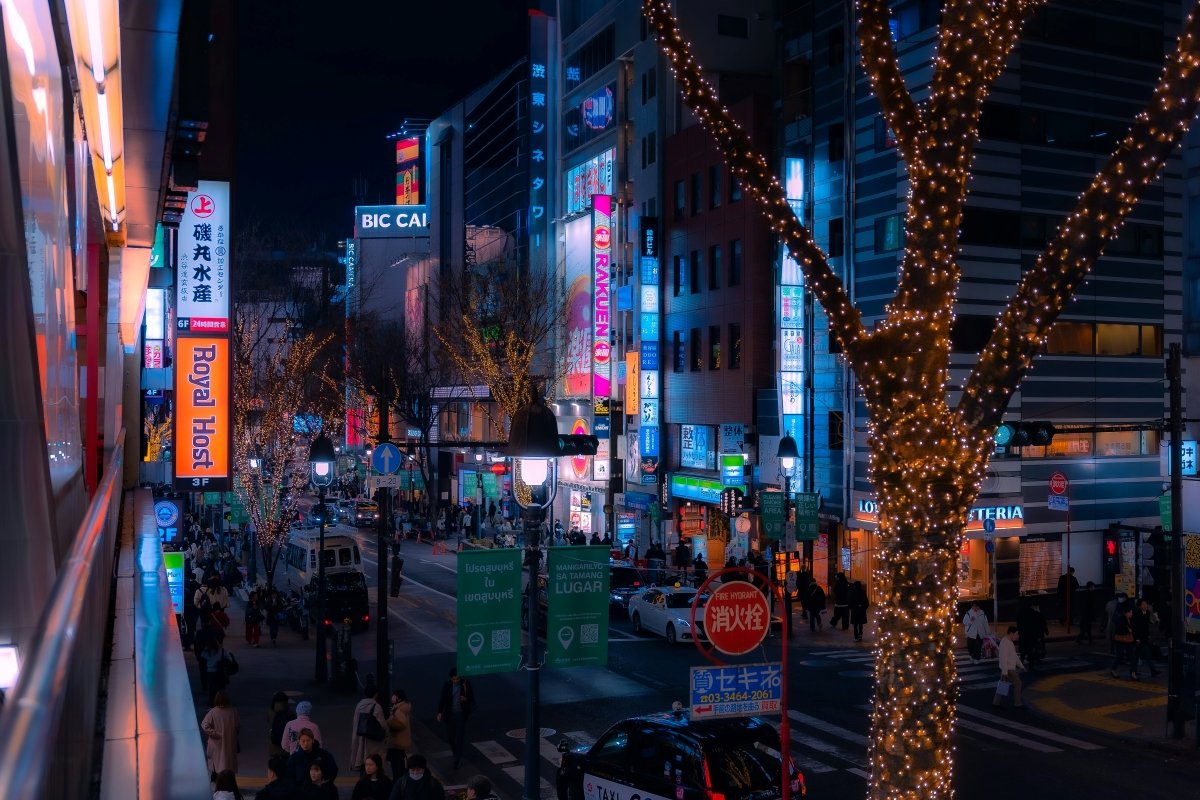
Shibuya
Young, energetic, fantastic shopping and dining. Walking distance to multiple illumination spots. Prices are mid-range with some budget options.
Best for: Younger travelers, fashion enthusiasts, nightlife seekers Accessibility: Area is improving but some side streets have limited wheelchair access
Ginza
Upscale shopping, high-end dining, beautiful architecture. More expensive but incredibly convenient, especially for luxury travelers.
Best for: Luxury travelers, couples, fine dining enthusiasts, accessible travel (wide sidewalks, modern infrastructure)
Asakusa
Traditional Tokyo vibe, proximity to Senso-ji Temple, more affordable. Slightly less convenient for Christmas illuminations but offers authentic cultural experiences.
Best for: Budget travelers, culture enthusiasts Note: Some traditional areas have limited wheelchair accessibility
Booking tip: December 20-25 books up fast. Reserve accommodations by October at the latest. Prices on Christmas Eve and Christmas night can be 30-50% higher than surrounding dates.
Inclusive accommodation options: Tokyo has increasing options for LGBTQ+ travelers, accessible rooms, and family-friendly spaces. Specify your needs when booking.
Day-by-Day Itinerary Suggestion
Day 1: Arrival & Shibuya
- Afternoon: Check in, explore Shibuya crossing
- Evening: Blue Cave illumination, dinner in Shibuya
- Night: Explore Golden Gai or Kabukicho in Shinjuku
Accessibility alternative: Skip Golden Gai (narrow alleys, stairs) for Shinjuku’s wider streets and accessible bars.
Day 2: Traditional Meets Modern
- Morning: Senso-ji Temple in Asakusa
- Afternoon: TeamLab Borderless or Planets
- Evening: Odaiba’s waterfront illuminations and shopping
- Night: Dinner at a rooftop restaurant with Tokyo Tower views
Pace yourself: This is a full day. Solo travelers or those wanting a slower pace can split across two days.
Day 3: Christmas Eve in Tokyo
- Morning: Harajuku and Meiji Shrine
- Afternoon: Omotesando illuminations and luxury shopping
- Evening: Roppongi Hills Christmas Market
- Night: Romantic dinner reservation (book months ahead) or fun group dinner with friends
For all travelers: Christmas Eve is popular for couples, but solo travelers and friend groups will find plenty of welcoming restaurants and bars.
Day 4: Christmas Day
- Morning: Tsukiji Outer Market for breakfast
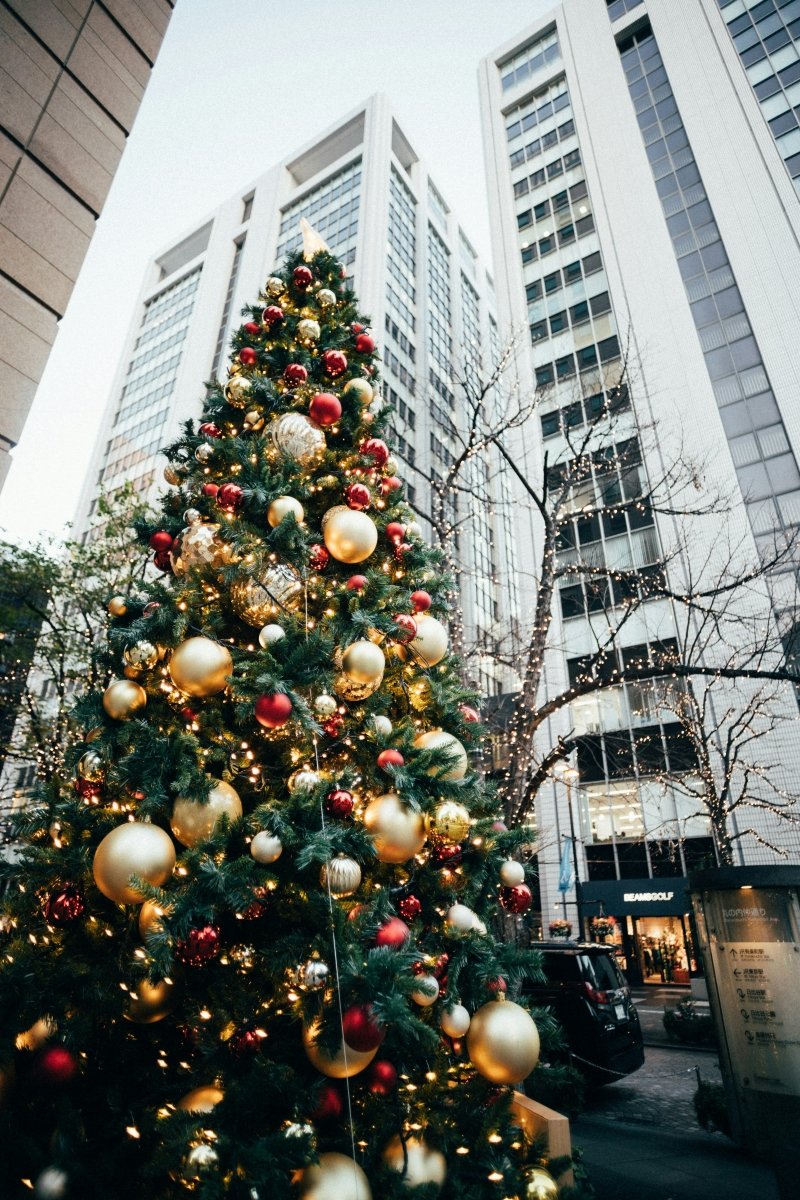
- Afternoon: Tokyo Station area, Marunouchi illuminations
- Evening: Pick up your KFC order or enjoy department store Christmas sets
- Night: Tokyo Tower or Shibuya Sky for nighttime views
Money Matters: Budgeting Your Trip
Daily budget breakdown (per person):
Budget Traveler: ¥8,000-12,000 ($55-85)
- Accommodation: ¥3,000-5,000 (hostels, capsule hotels, guesthouses)
- Food: ¥2,000-4,000 (convenience stores, casual restaurants)
- Transportation: ¥1,000-1,500
- Activities: ¥1,000-2,000
Mid-Range Traveler: ¥20,000-35,000 ($140-245)
- Accommodation: ¥10,000-18,000 (3-star hotels, boutique stays)
- Food: ¥5,000-10,000 (mix of casual and nice restaurants)
- Transportation: ¥1,500-2,000
- Activities: ¥3,000-5,000
Luxury Traveler: ¥50,000+ ($350+)
- Accommodation: ¥25,000-60,000 (4-5 star hotels)
- Food: ¥15,000-25,000 (fine dining)
- Transportation: ¥3,000-5,000 (taxis included)
- Activities: ¥7,000-15,000
Money-saving strategies:
- Eat breakfast at convenience stores (seriously excellent quality)
- Use IC cards for small discounts on trains
- Visit illuminations (most are free)
- Lunch sets at restaurants are 30-40% cheaper than dinner
- Many museums offer free or discounted days
Essential Apps for Your Trip
- Google Maps – Works perfectly in Tokyo, includes accessibility features
- Japan Transit Planner – Better than Google for complex routes
- PayPay – Digital payment app (many places now accept it)
- Google Translate – Camera translation feature is a lifesaver
- Tabelog – Japan’s restaurant review platform
- Accessible Japan – Accessibility information for travelers with disabilities
Cultural Tips to Know
Take off your shoes: Temples, some restaurants, traditional accommodations—if you see shoe racks, shoes off.
No tipping: Seriously, don’t tip. It’s considered rude. Service charges are included.
Trash cans are rare: Carry a small bag for trash. You’ll rarely find public bins except near vending machines.
Tattoos and onsen: Many public baths prohibit tattoos. Research tattoo-friendly onsen or consider private baths.
Quiet on trains: Phone calls and loud conversations are frowned upon. Use your inside voice.
LGBTQ+ travelers: While Japan doesn’t have marriage equality, Tokyo is generally welcoming. Public displays of affection are uncommon for all couples, regardless of orientation.
Prayer etiquette: Temples and shrines welcome all visitors. Follow basic etiquette (bow, don’t photograph without permission in certain areas), but there’s no religious requirement to participate.
Language: English signage is common in tourist areas. Japanese people appreciate any attempt to use basic phrases, regardless of pronunciation. Many young people speak some English.
Safety & Inclusivity Notes
Solo travelers: Tokyo is one of the safest major cities globally. Solo travel, including for women and LGBTQ+ individuals, is generally very safe. Use common sense as you would anywhere.
Accessibility: While improving, Tokyo’s accessibility varies by neighborhood. Newer areas (Ginza, Roppongi, Tokyo Station area) are more accessible than older districts. Plan routes in advance using accessibility features in Google Maps.
Dietary restrictions:
- Vegetarian/Vegan: Increasingly common, especially in trendy areas. Apps like Happy Cow help locate plant-based options.
- Halal: Growing number of halal-certified restaurants, especially in Shinjuku and Asakusa.
- Allergies: Many restaurants have picture menus or allergen information. Carrying allergy cards in Japanese is helpful.
Family travel: Tokyo is incredibly family-friendly. Many restaurants welcome children, and attractions cater to all ages. Christmas isn’t crowded with families like in Western countries, making it easier to navigate with kids.
The Bottom Line: Is Christmas in Tokyo Worth It?
Absolutely. Tokyo during Christmas offers something no other destination can match: the perfect blend of spectacular modern presentation, unique cultural traditions, and the efficiency that makes Japan such a pleasure to explore. You won’t find sleigh rides or snow-covered villages, but you’ll experience something far more interesting—a culture that took a Western holiday and made it entirely their own.
The illuminations alone justify the trip. Add in world-class food, safe streets you can explore at night, incredible shopping, welcoming atmosphere for travelers of all backgrounds, and the sheer novelty of eating KFC for Christmas dinner, and you’ve got a holiday experience that’ll make traditional celebrations look conventional by comparison.
Whether you’re traveling solo, with a partner, with friends, or with family—whether this is your first time in Japan or your tenth—Tokyo’s Christmas welcomes everyone with open arms and dazzling lights.
Book your flights, reserve your accommodation, and pre-order that KFC bucket. Tokyo’s waiting for you, and trust us—it’s going to be a Christmas you’ll never forget.
Quick Planning Checklist
- ✈️ Book flights 3-6 months ahead for best prices
- 🏨 Reserve accommodation by October (earlier for popular areas)
- 🍗 Pre-order KFC by mid-December if you want the full experience
- 🎟️ Buy attraction tickets online before arrival
- 💴 Get cash (many places still don’t take cards)
- 📱 Rent pocket WiFi or get an eSIM data plan
- 🍰 Order Christmas cake at least a week in advance
- ♿ Research accessibility if needed and book accessible rooms early
- 🥗 Download dietary restriction apps if vegetarian/vegan/halal
- 💊 Bring necessary medications (some aren’t available in Japan)
Safe travels, and Merry Christmas—Tokyo style! 🎄
Last updated: December 2025. Information subject to change. Always verify details with official sources before travel.








, romantic dining, and world-class)