






TL;DR: Cittaslow 2026: Europe’s slow cities travel guide , Cittaslow (Slow Cities) is a global movement of small towns — 221 of them across Europe alone — that have committed to a slower, more sustainable, and deeply local way of life. Think: pedestrian-friendly historic centres, farm-to-table food, zero chain stores, and an open invitation to just… breathe. If you’re planning a European trip in 2026 and want something more meaningful than the usual tourist checklist, this guide is for you.
What Exactly Is Cittaslow?
Let’s start with the basics. Cittaslow (pronounced chee-tah-slow) is an international network of towns founded in Italy back in October 1999. It grew out of the Slow Food movement — that gorgeous, rebellious Italian idea that good food, made slowly, from local ingredients, is a form of cultural resistance. Its founder, Paolo Saturnini, the former mayor of Greve in Chianti, Tuscany, decided the same philosophy should apply to how entire towns are run. And so the snail — yes, the Cittaslow logo is a snail with a little city on its back — became the unlikely symbol of a revolutionary way of living.
The idea is disarmingly simple: instead of building towns for cars, chain stores, and speed, build them for people, community, and wellbeing. Radical? In 2026, it feels more necessary than ever.
As of late 2025, Cittaslow has 308 member towns worldwide, with 221 of them scattered across Europe. Italy leads the pack with 90 members, followed by Poland with 37, Germany with 24, France with 13, and Spain with 11. That’s a lot of beautiful small-town Europe just waiting to be discovered — by you.
How Does a Town Earn the Slow City Label?
This isn’t a marketing badge. Towns don’t just slap a snail logo on their welcome sign and call it a day. To join the Cittaslow network, a town must have a population under 50,000 — which keeps things genuinely local and prevents big-city sprawl from sneaking in. It also needs to score at least 50% against a rigorous set of 50 goals and principles covering everything from environmental policy to social infrastructure.
Some of the things a Cittaslow town actively commits to include:
- Pedestrianising historic centres so traffic and noise disappear, letting everyone stroll freely
- Rejecting large chain retailers in favour of small local traders and artisan producers
- Supporting local agriculture, fishing, and food production with genuine environmental care
- Promoting technologies that reduce pollution and improve quality of urban life
- Encouraging democratic participation — where every resident, regardless of background, is invited to shape the town’s future
Once accepted, towns pay an annual membership fee and submit to periodic inspections by a team of trained assessors who check that commitments are actually being kept. It’s accountability built into the model. Refreshing.
Why Cittaslow Matters More in 2026
We’re living through a travel paradox. Tourism is booming — Europe welcomed close to 747 million international tourists in recent years — and yet more and more of us are exhausted by it. Overtourism in cities like Venice, Dubrovnik, and Barcelona has sparked genuine backlash. Residents feel displaced. Visitors feel like they’re queuing through a theme park. Nobody wins.
Cittaslow offers a different deal entirely. These towns aren’t fighting for your Instagram. They’re building resilient, place-proud micro-economies where residents actually want to live, and where visitors are welcomed as guests rather than processed as foot traffic. The movement explicitly positions itself as a counter to cultural standardisation — the creeping sameness of globalised cities that look and feel identical wherever you go.
And there’s something quietly radical about the Cittaslow philosophy that resonates deeply in 2026: almost 90% of Cittaslow policies align directly with the United Nations Sustainable Development Goals. Visiting a Slow City isn’t just a lovely holiday. It’s a vote for a different kind of world.
The Best Slow Cities to Visit in Europe Right Now
With 221 European members to choose from, picking where to go is the hardest part. Here’s a curated selection across different countries, each one offering something genuinely distinctive.
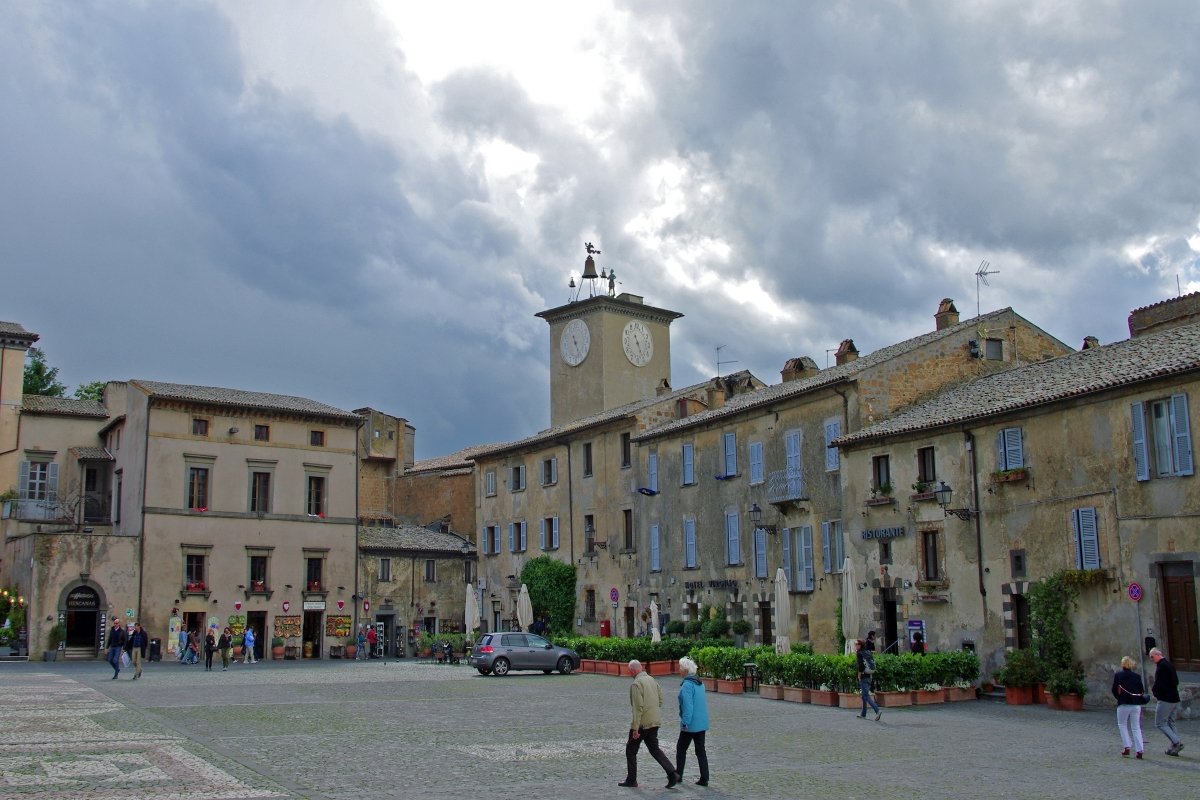
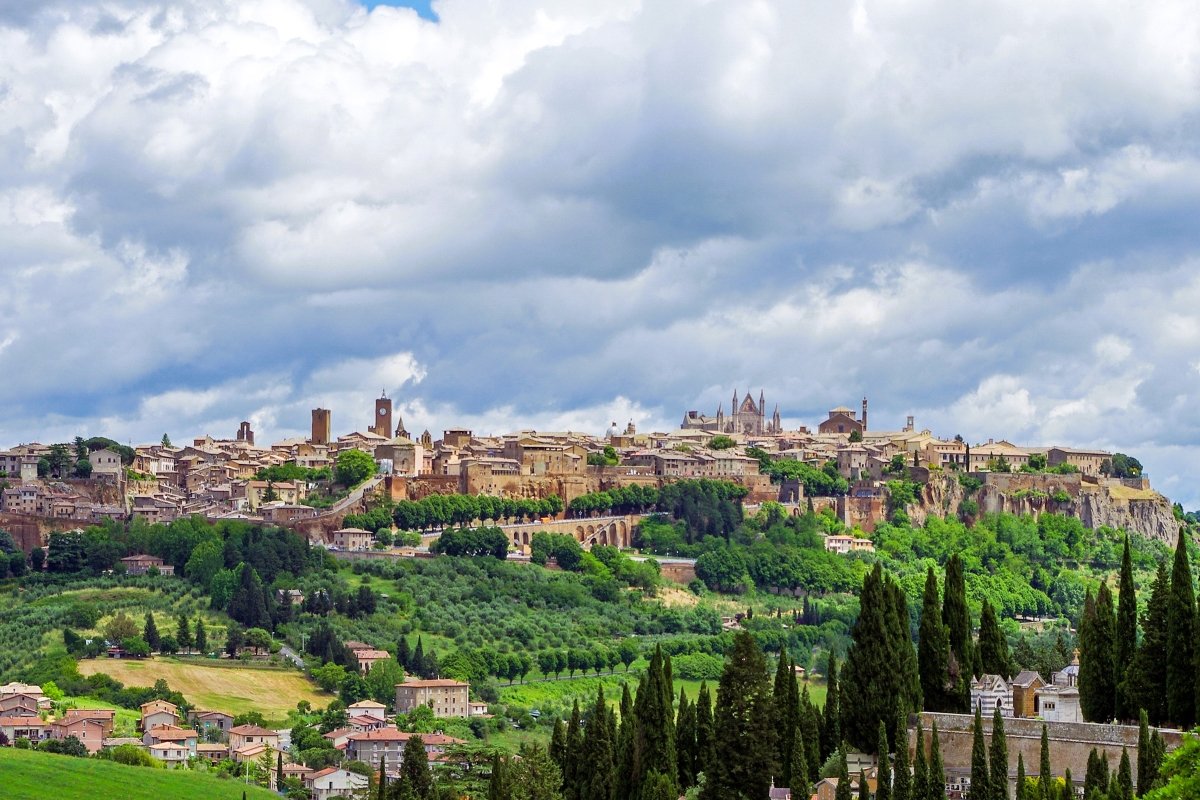
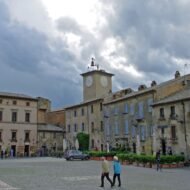
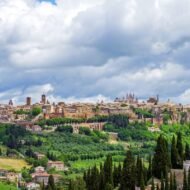
Italy: Orvieto (Umbria) Perhaps the most visually dramatic Slow City in Europe, Orvieto sits on a flat summit of volcanic rock rising above sheer cliffs in the Umbrian countryside. Its Gothic cathedral is one of Italy’s great masterpieces — bands of black and white stone glittering with gold mosaics. Below ground, a labyrinth of Etruscan tunnels and the famous spiral Well of St. Patrick make this town a layered, endlessly surprising destination. Come for the wine too: Orvieto Classico is one of central Italy’s great whites.
Italy: Greve in Chianti (Tuscany) The birthplace of Cittaslow itself. Greve sits at the heart of the Chianti Classico wine region and has the triangular Piazza Matteotti at its centre — one of the most charming market squares in Tuscany. Every September it hosts the annual Chianti Classico Wine Festival. Small wine shops (enoteche), local butchers selling legendary Chianina beef, and a complete absence of chain restaurants make this feel authentically Tuscan in a way that Florence — for all its wonders — no longer can.
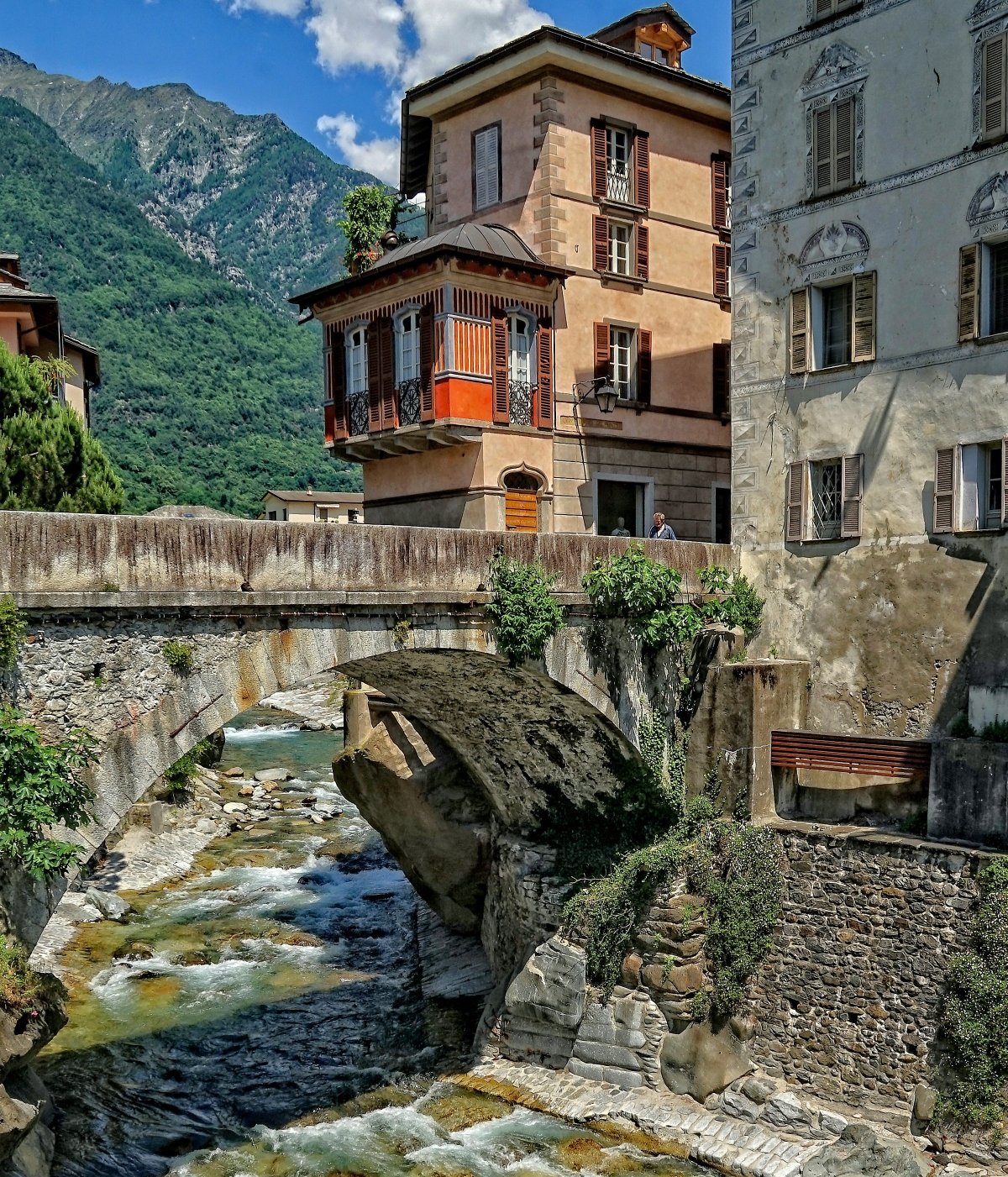
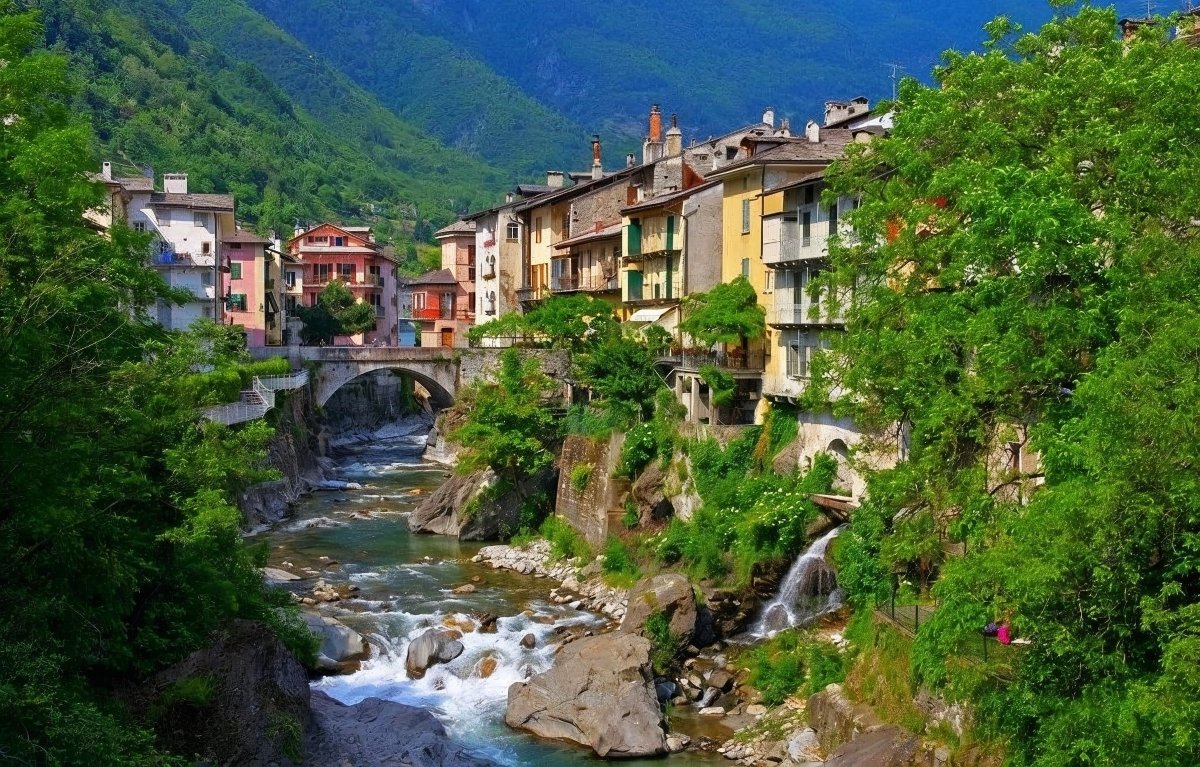
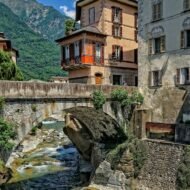
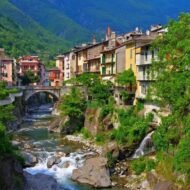
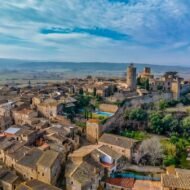
Italy: Chiavenna (Lombardy) Recently celebrated by The Guardian as a hidden gem of Lombardy, Chiavenna is described as one of the most quietly romantic towns in northern Italy. It sits just south of the Swiss border amid dramatic Alpine scenery and is a perfect alternative to the famously crowded Lake Como. Local crotti — ancient stone wine cellars carved into the rockface — are a unique experience you won’t find anywhere else.
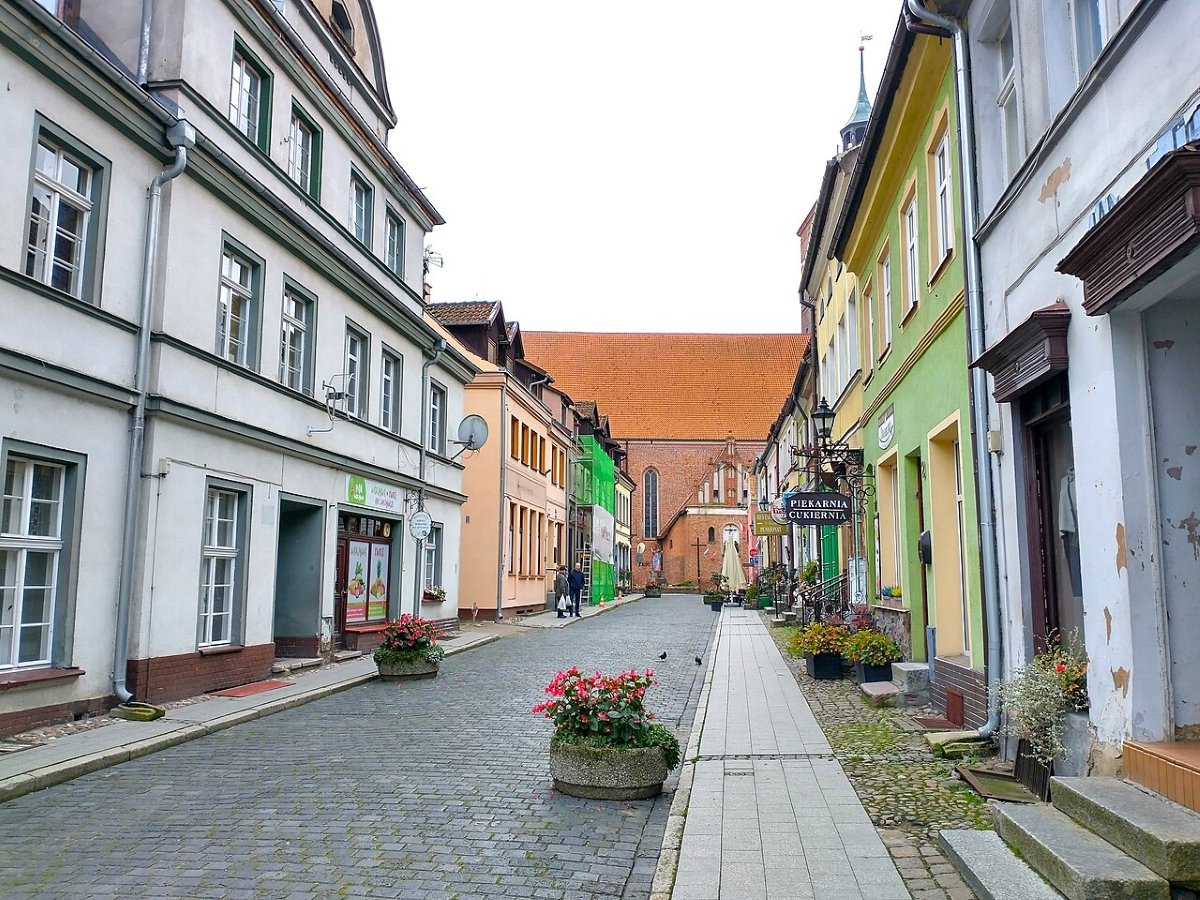
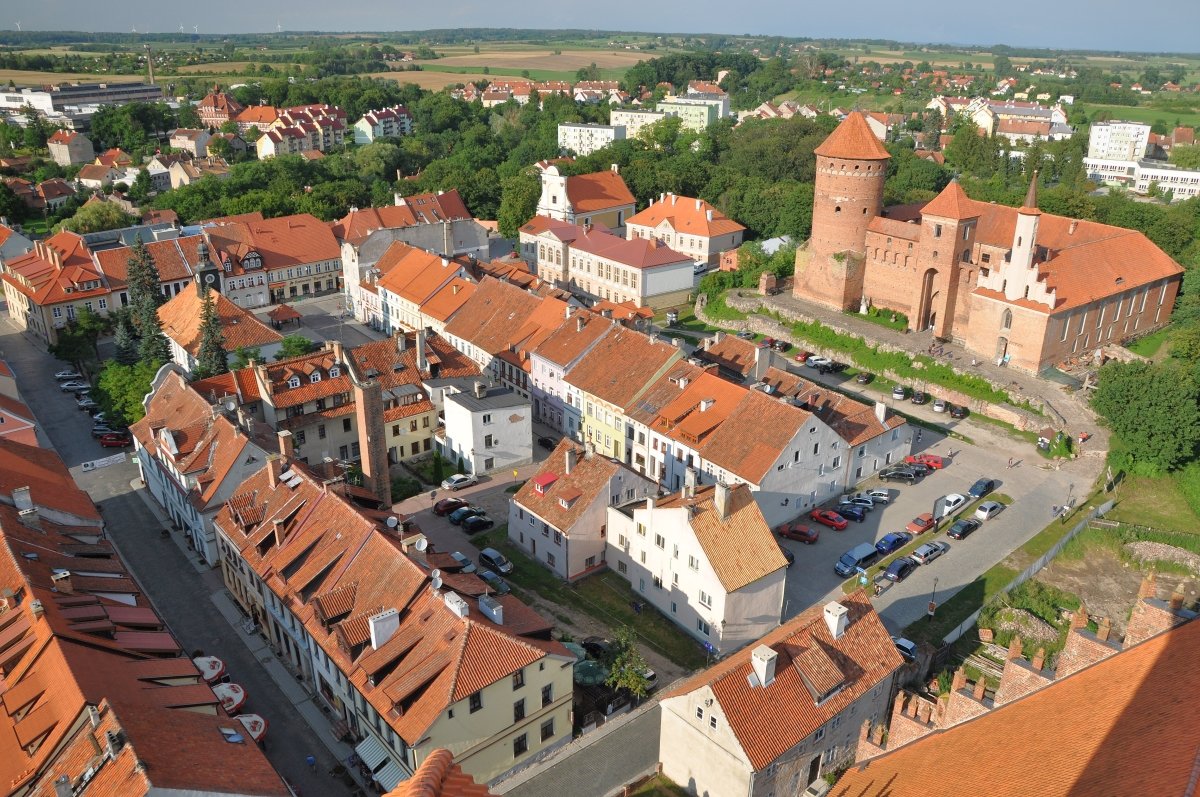
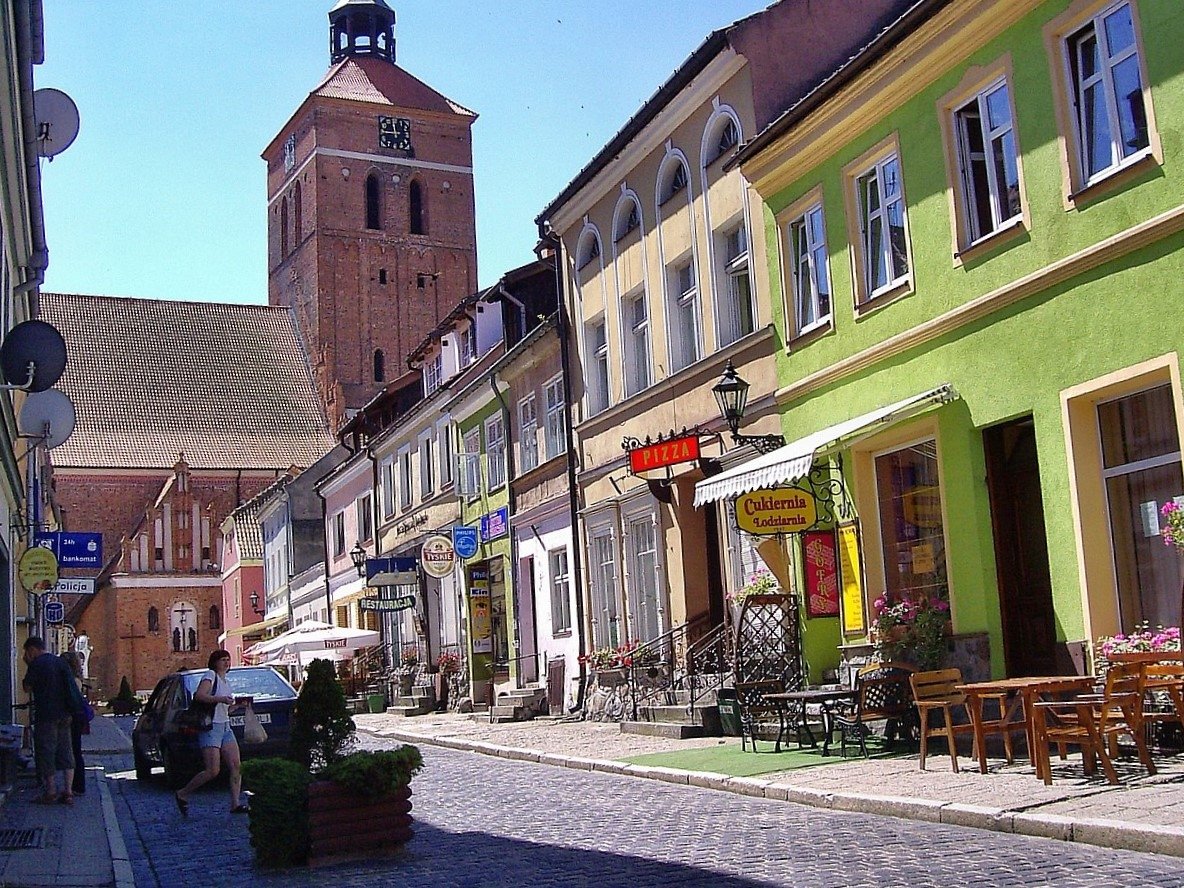
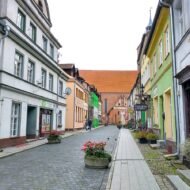
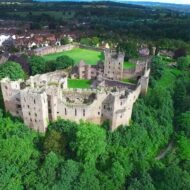
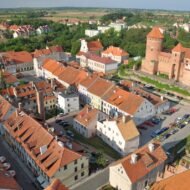
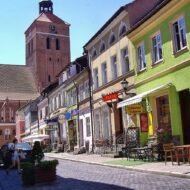
Poland: Reszel (Warmia-Masuria) Poland has 37 Cittaslow members, the most outside Italy, and Reszel is one of the most beguiling. A medieval castle town in the lake district of northeastern Poland, it hosts the annual Cittaslow Towns Festival, which originated here in 2010. Think cobbled lanes, a Gothic castle now converted into a hotel and gallery, and the vast still waters of the Warmian lake system all around. It’s Europe at its most unhurried.
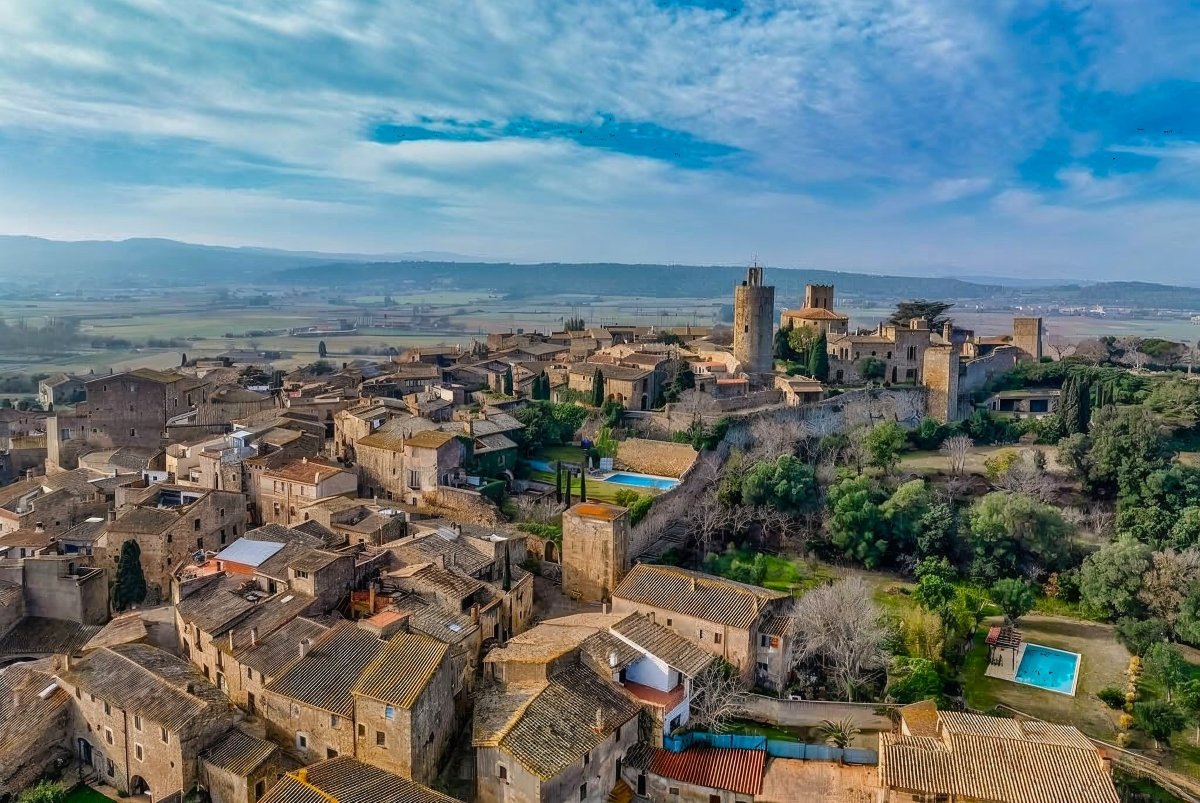
Spain: Pals (Catalonia) Pals is the official headquarters of Cittaslow Spain, a perfectly preserved medieval hilltop village on the Costa Brava coast. Wandering its circular lanes of golden stone feels like stepping into a different century. The nearby rice paddies of the Empordà marshes are farmed using traditional methods, and the local cuisine reflects this: arròs (rice dishes) cooked the slow way. The sea is minutes away, but the crowds tend to forget Pals exists.
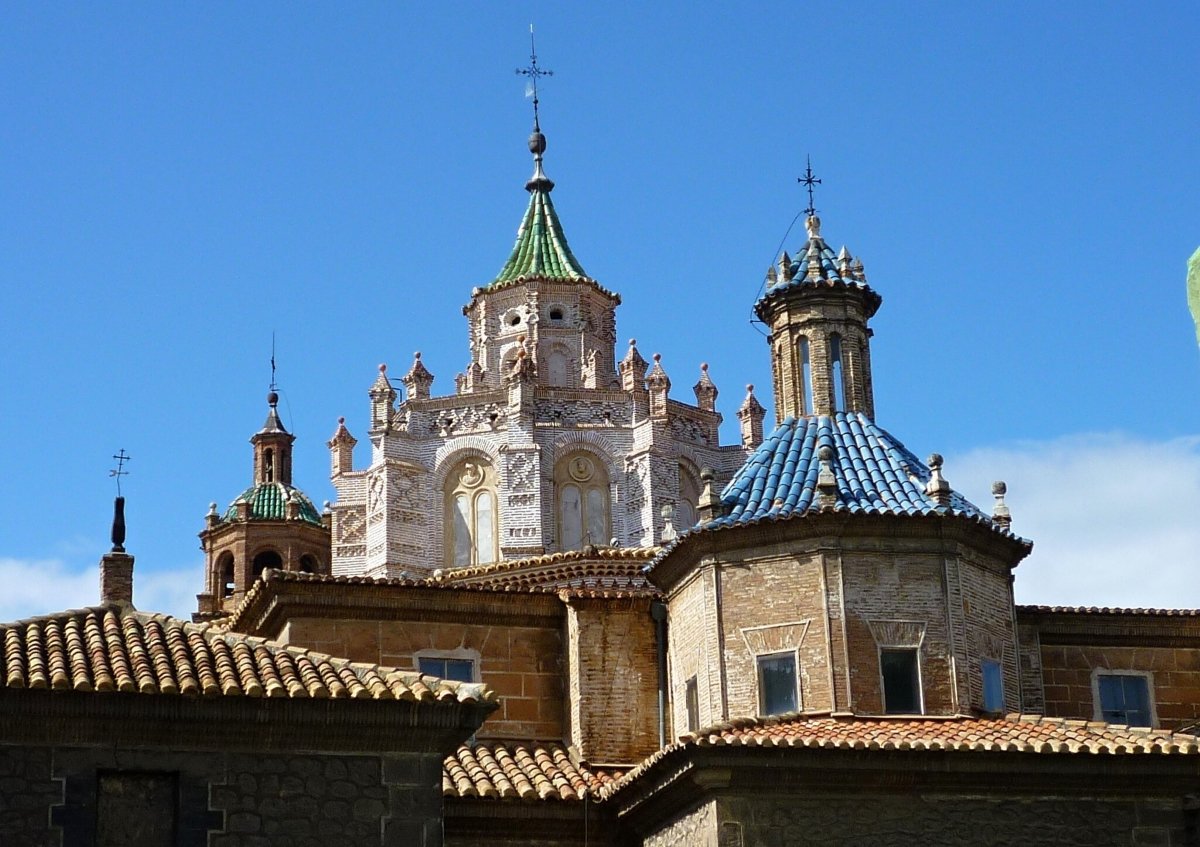
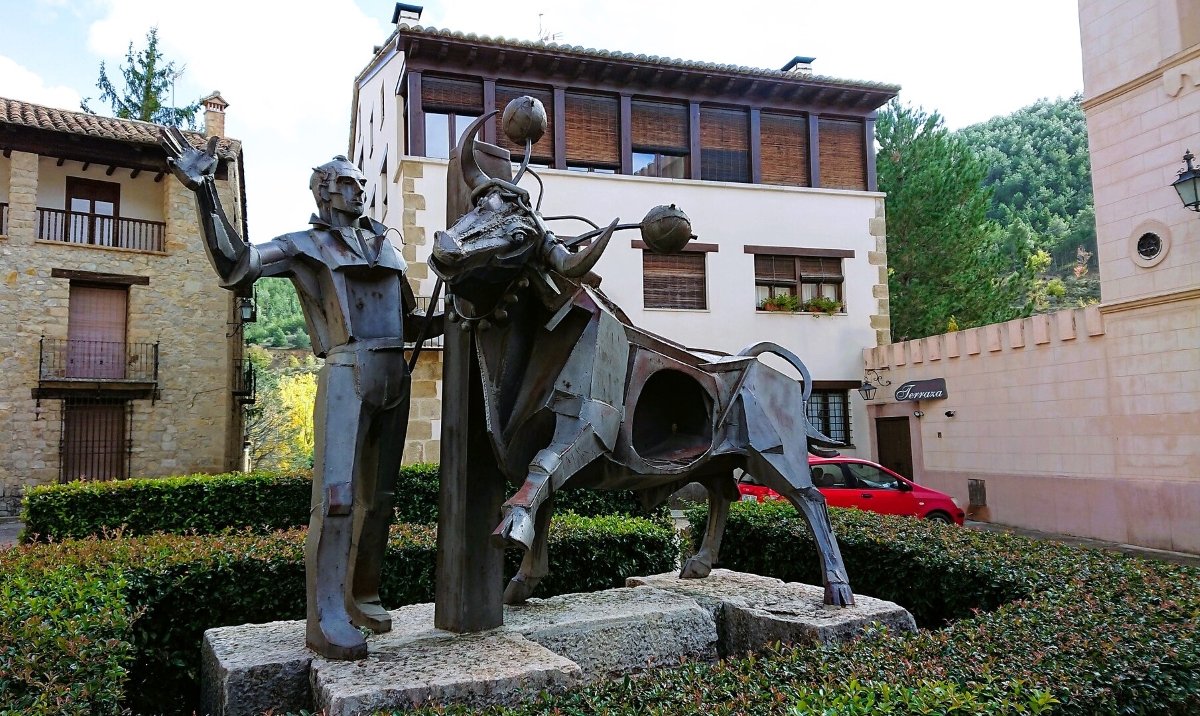
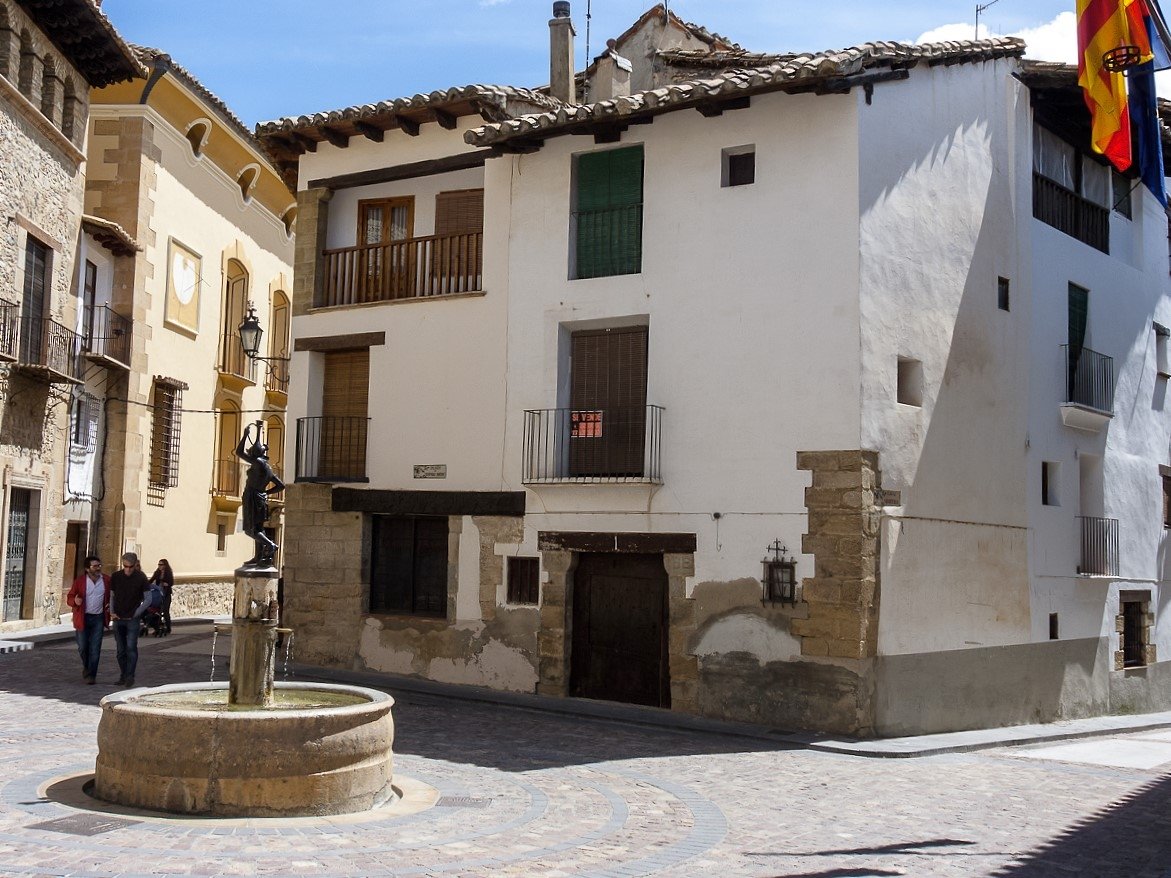
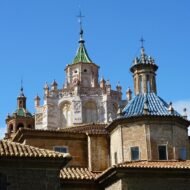
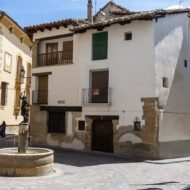
Spain: Rubielos de Mora (Aragon) Consistently voted one of Spain’s most beautiful villages, Rubielos de Mora is a compact gem in the mountains of Teruel. Its 15th-century collegiate church, Renaissance palaces, and artisan workshops give it extraordinary cultural depth for such a small place. This is a town that knows exactly what it is and makes no apologies for it.
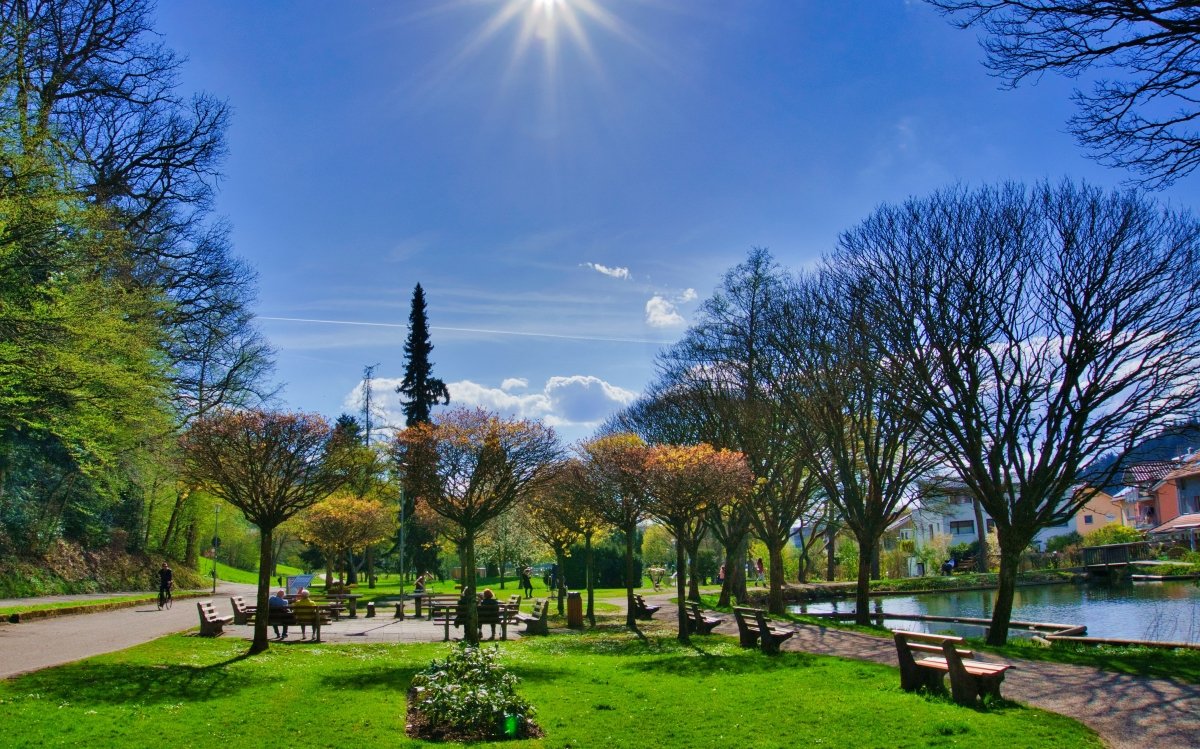
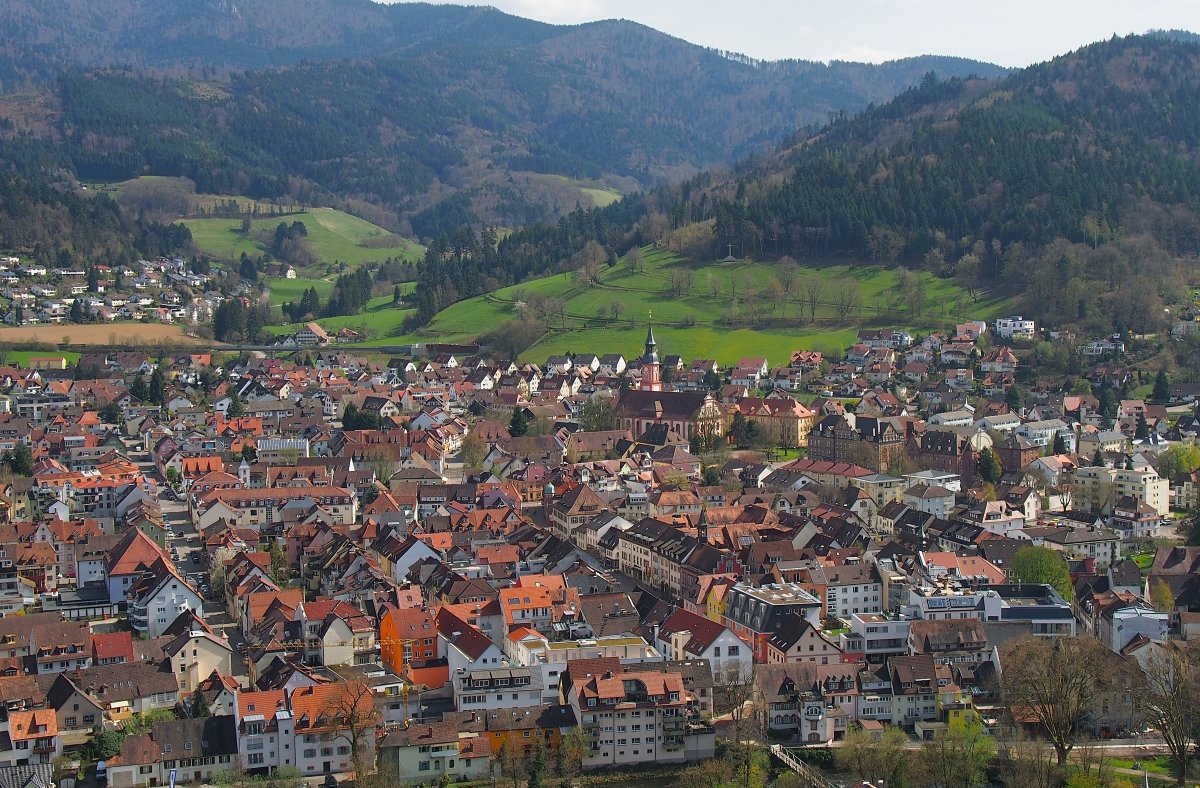
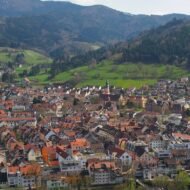
Germany: Waldkirch (Baden-Württemberg) Germany has 24 Cittaslow members, and Waldkirch — nestled in the Black Forest at the foot of the Kandel mountain — is one of the most accessible for international visitors. Famous for its organ-building tradition (an actual craft heritage), it offers forest trails, a weekly farmers’ market, and a slowness that feels genuinely earned rather than performed.
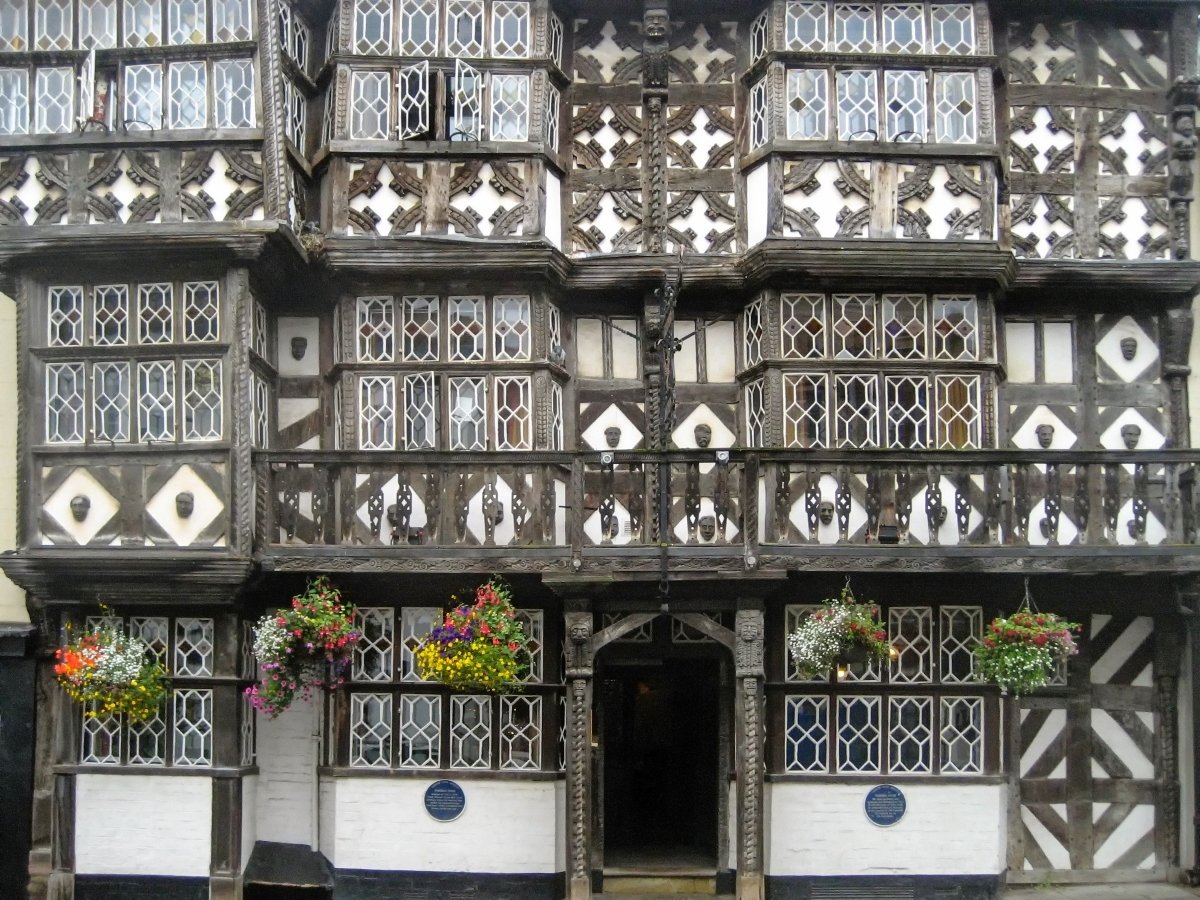
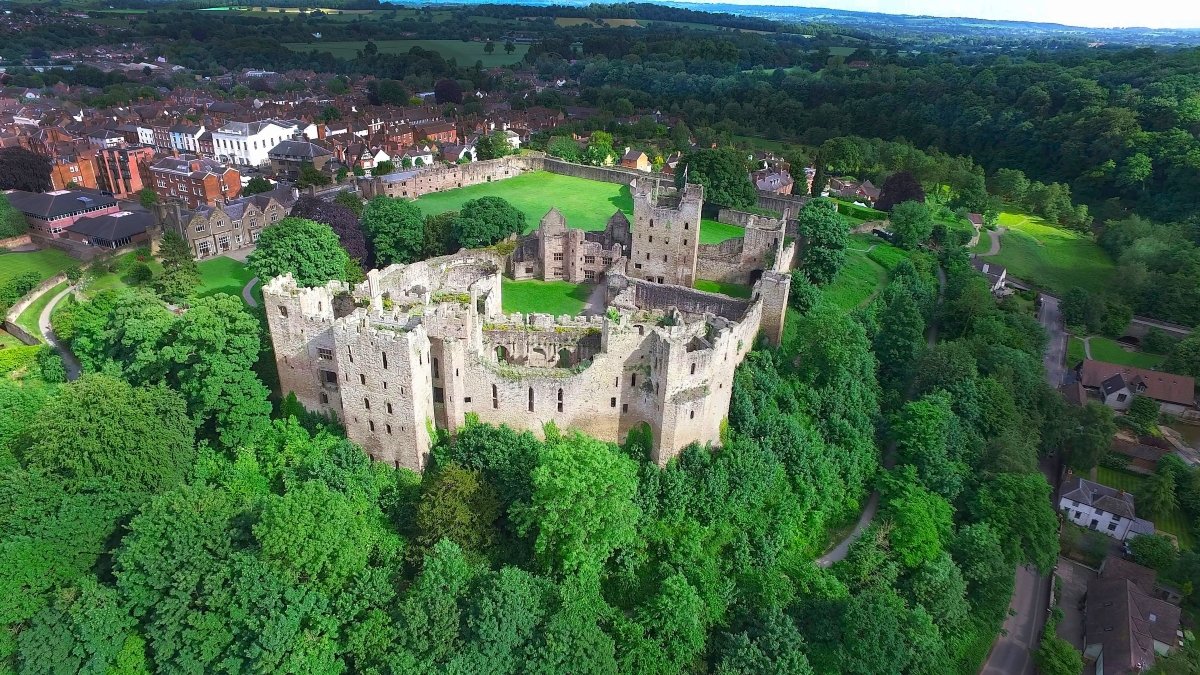
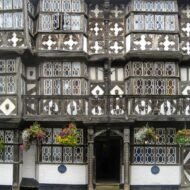
UK: Ludlow (Shropshire, England) The first English-speaking town in the world to join Cittaslow, Ludlow is a medieval market town in the Welsh Marches famed for its independent food culture. It has more good restaurants and food producers per capita than almost anywhere in Britain. The town’s castle ruins, Georgian architecture, and weekly market make it an easy sell for slow-travel converts.
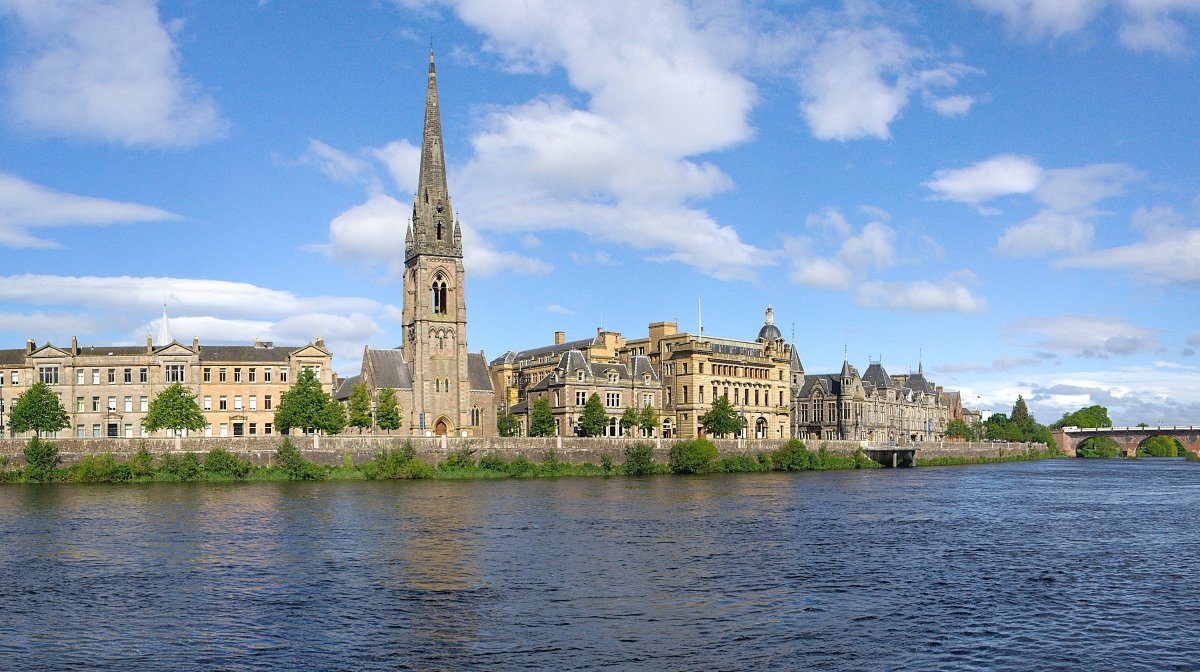
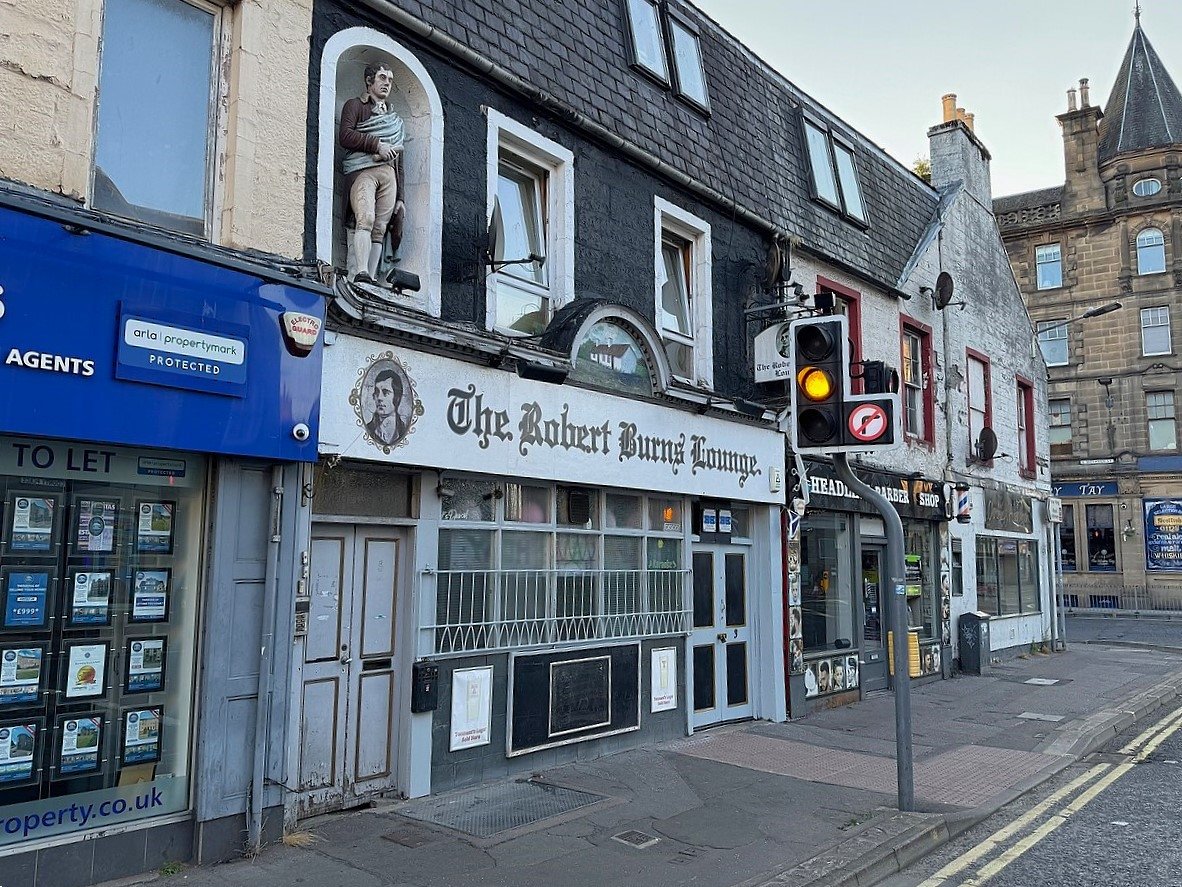
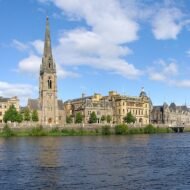
UK: Perth (Scotland) Scotland’s entry into the Cittaslow world, Perth is a city on the River Tay with a walkable historic core, excellent local food scene, and close proximity to Highland landscapes. It’s a base for exploring Perthshire — arguably Scotland’s most beautiful county — without the intensity of Edinburgh.
Practical Tips for Visiting Slow Cities
Get there by train where possible. Many Cittaslow towns in Italy, Germany, France, and Spain are well connected by rail. Taking the train is the most Cittaslow way to arrive, and it removes the stress of parking.
Stay longer than you think you need to. These places reveal themselves slowly. Two nights minimum; three or four is better. A Slow City experienced in a rush is a contradiction in terms.
Eat local and eat in. Seek out the markets, the family-run trattorias, and the farm shops. Bring a bag. Stock up on local cheese, wine, charcuterie, and olive oil. This is the point.
Walk everywhere. Historic centres in Cittaslow towns are designed for pedestrians. Leave the map in your pocket occasionally and let yourself get mildly lost. This is encouraged.
Travel in spring or autumn. Many of these towns are genuinely quiet in summer — but spring (April–June) and early autumn (September–October) offer perfect weather, local festivals, and zero queues.
Check the Cittaslow website. The official directory at cittaslow.org lists all member towns by country, with event listings and local contacts. It’s the best starting point for planning a slow-travel itinerary through Europe.
The Slow Travel Mindset: A Quick Note for Everyone
One of the most beautiful things about the Cittaslow movement is its inclusivity at the structural level. These towns are built around public space — piazzas, pedestrian streets, community markets — that belong to everyone. There are no VIP entrances, no pay-to-play tourist experiences. The crumbling medieval lane is as available to you as it is to the person who was born there. Slow travel, at its best, is democratic travel.
Whether you’re travelling solo, as a couple, as a family with kids, as a multigenerational group, or with accessibility needs (many Cittaslow towns have invested in accessibility improvements as part of their charter commitments), these places have something to offer. The pace is kinder. The welcome is warmer. The pressure — to perform, to optimise, to see everything — simply isn’t there.
Quick Recap
- Cittaslow is a global network of small towns (under 50,000 people) committed to slower, more sustainable, community-centred living
- Founded in Italy in 1999; now has 308 members worldwide, including 221 in Europe
- Italy (90), Poland (37), Germany (24), France (13), and Spain (11) have the most European members
- Towns must meet 50+ criteria covering environment, food, infrastructure, and community participation
- Top picks for 2026: Orvieto and Greve in Chianti (Italy), Pals and Rubielos de Mora (Spain), Reszel (Poland), Chiavenna (Italy), Ludlow and Perth (UK), Waldkirch (Germany)
- Best travel tips: go by train, stay longer, eat locally, walk everywhere, visit in spring or autumn
- The full member directory is at cittaslow.org
Disclaimer: This article is intended as a general travel guide based on publicly available information about the Cittaslow network as of early 2026. Town-specific details such as opening times, events, and accessibility features may change — always check directly with local tourism offices or the official Cittaslow website before you travel. The author has no commercial relationship with Cittaslow International or any of the towns mentioned.