



TL;DR: Coricancha was the Inca Empire’s most sacred temple, literally covered in gold before Spanish conquistadors showed up. Today, you can explore this incredible fusion of Inca stonework and colonial Spanish architecture in the heart of Cusco. Budget 1-2 hours, arrive early to beat crowds, and combine with nearby attractions for the perfect day.
Look, we’re going to be real with you: Coricancha is that place in Cusco that everyone says you “have to see,” and for once, the hype is actually justified. This isn’t just another old building—it’s where the Incas worshipped the sun god in rooms literally plated with gold, and where Spanish colonizers built a church right on top to prove a point. The result? One of the most mind-bending historical sites you’ll ever visit.
What Makes Coricancha So Special?
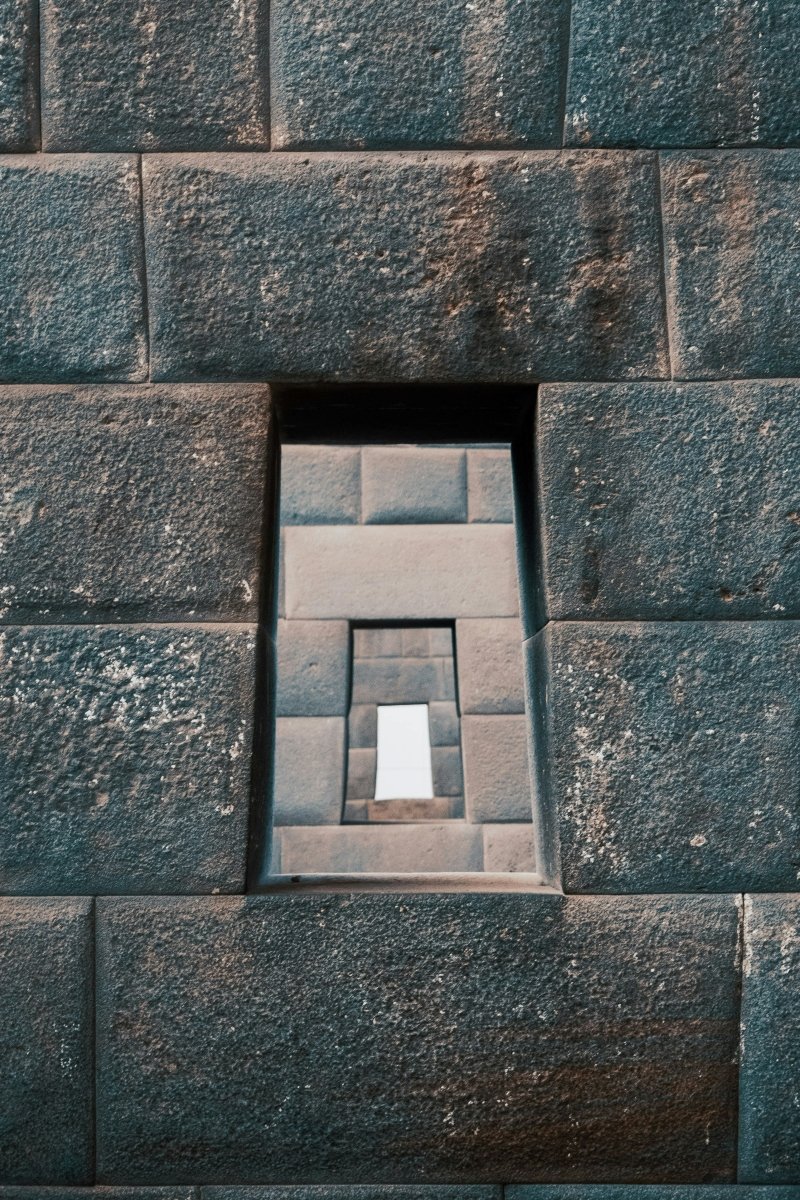
Picture this: walls covered in 700+ sheets of pure gold, a garden filled with golden corn stalks and life-sized golden llamas, and the most precise stonework you’ve ever seen (seriously, you can’t fit a credit card between these blocks). That was Coricancha in its heyday—the “Temple of the Sun” and the spiritual center of the entire Inca Empire.
The name literally means “Golden Temple” or “Golden Enclosure” in Quechua, and the Incas didn’t mess around with metaphors. When the Spanish conquistadors arrived in 1533, they found so much gold here that it took them months to melt it all down and ship it back to Spain. Heartbreaking? Absolutely. But what remains will still leave you speechless.
The Brutal Mashup: Inca Meets Spanish Colonial
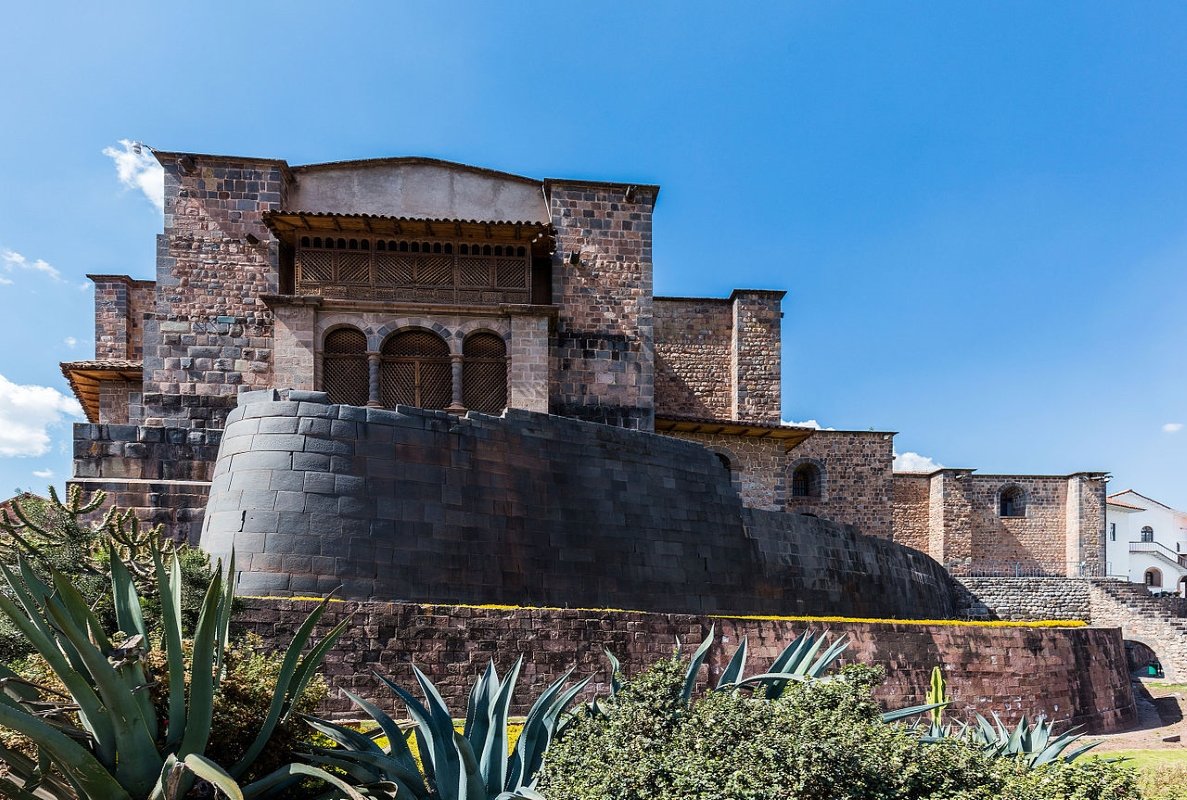
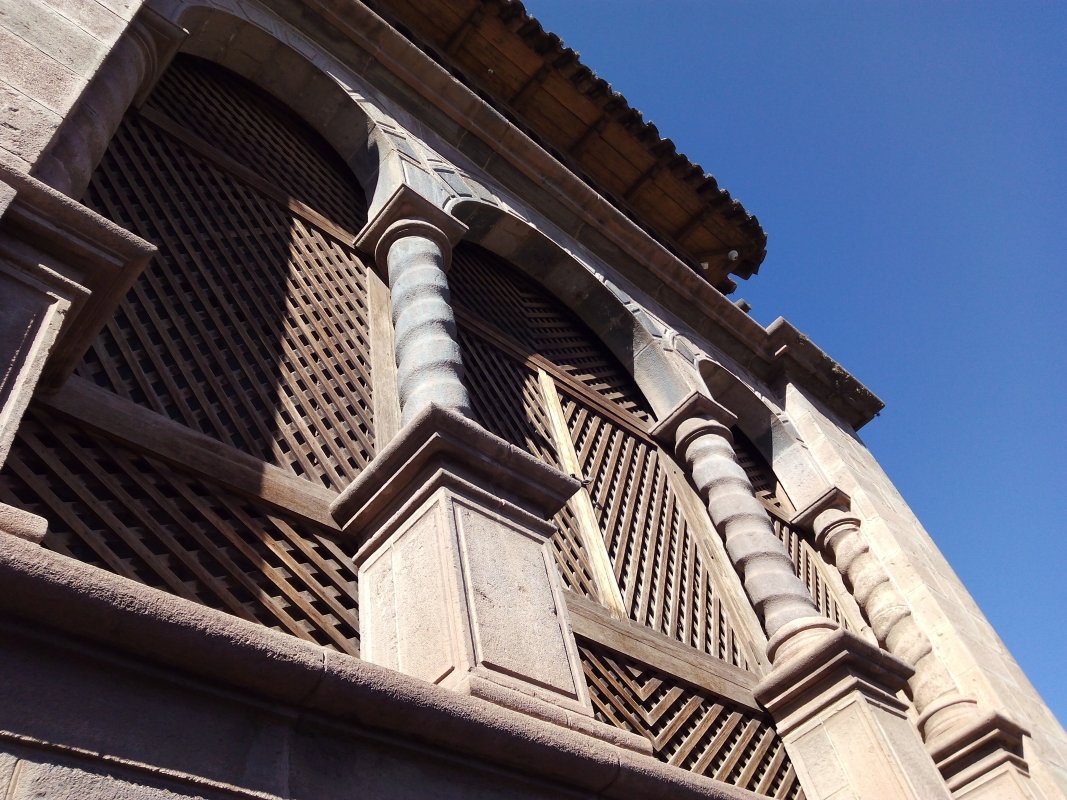
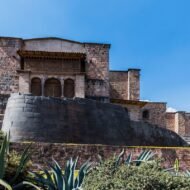
Here’s where things get architecturally wild. After looting the gold, the Spanish built the Santo Domingo Church and monastery directly on top of the Inca foundations. For centuries, you couldn’t even see the original temple. Then came the massive earthquakes of 1650 and 1950—the Spanish structures crumbled, but those Inca walls? Still standing strong, baby.
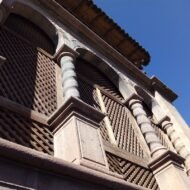
Today, you’ll walk through this surreal blend where colonial baroque meets precision Inca engineering. It’s like two civilizations arguing through architecture, and honestly, the Incas are winning on technical points.
What You’ll Actually See Inside
The Temple Chambers
The complex had six main temples dedicated to different celestial bodies and natural forces:
Temple of the Sun: The main event. This was the holiest of holies, where only the highest priests and the Sapa Inca (emperor) could enter. The walls were covered in gold panels that reflected sunlight throughout the chamber.
Temple of the Moon: Dedicated to the sun’s wife (because even celestial beings need relationship balance). This one was covered in silver—the Incas believed silver was the moon’s tears.
Temple of Stars, Thunder, Lightning, and Rainbow: Each got their own space because the Incas understood meteorology was important enough for divine status.
The Astronomical Observatory
The Incas weren’t just spiritual—they were scientific geniuses. Coricancha functioned as a sophisticated astronomical observatory. The priests tracked solstices, equinoxes, and celestial movements with impressive accuracy. During the winter solstice (June 21 in the Southern Hemisphere), sunlight still enters the temple in specific, deliberate ways that prove this wasn’t accidental.
The Famous Stonework
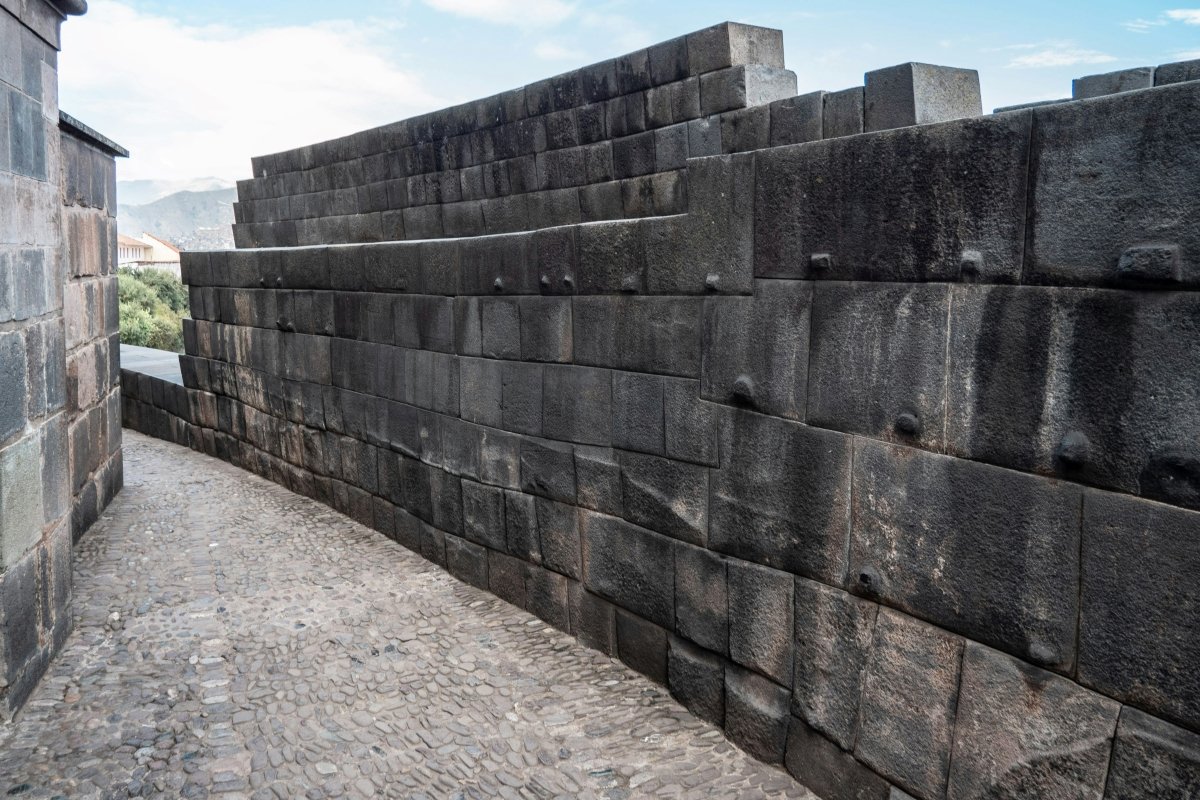
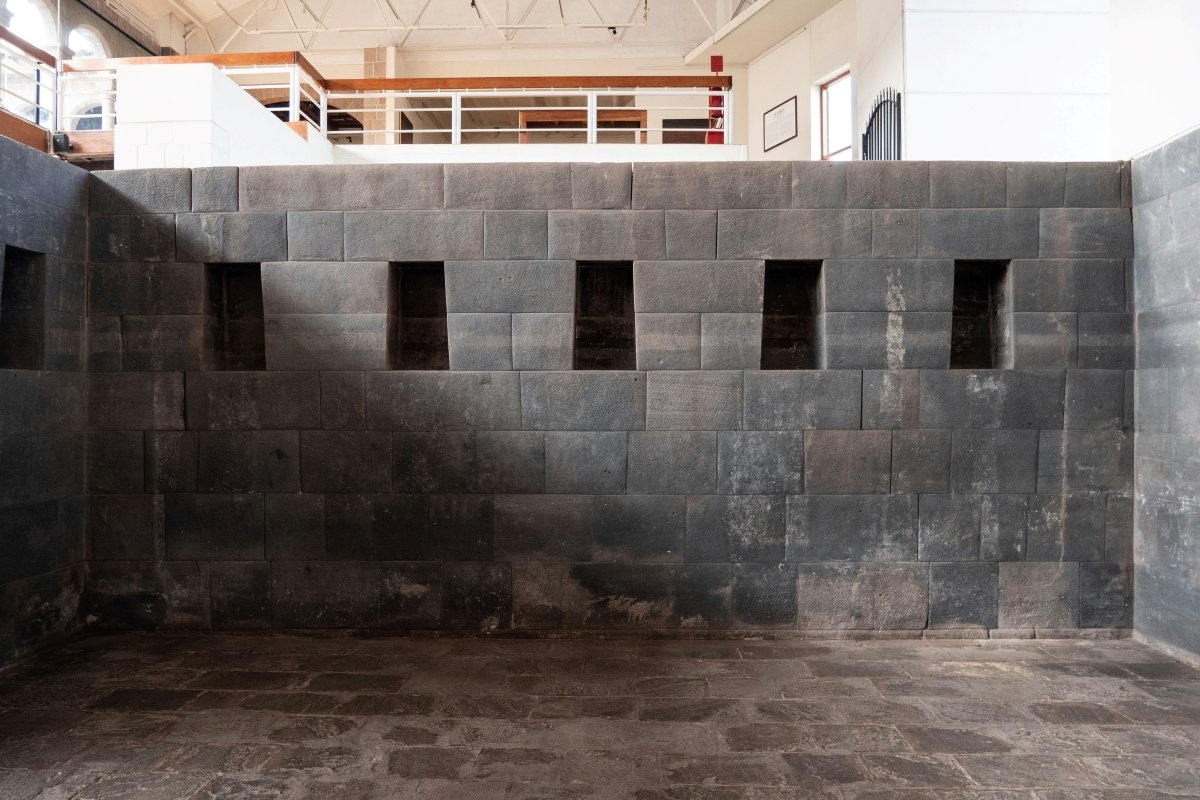
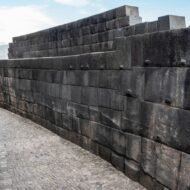
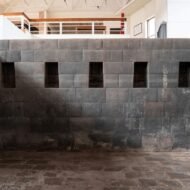
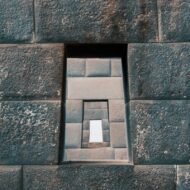
Okay, let’s talk about these walls. The Incas cut massive stones so precisely that they fit together without any mortar—and we’re talking about irregular, multi-sided blocks that look like 3D puzzle pieces designed by someone showing off. The stones are slightly inward-tilted, making the structures earthquake-resistant (hence why they’re still here after the Spanish buildings fell).
Run your hand along the seams. That’s not just impressive—that’s “archaeologists still debate how they did it” impressive.
The Courtyard and Gardens
The central courtyard was once that legendary golden garden. Today, it’s a peaceful space where you can actually breathe and process what you’re seeing. Look for the remaining Inca-era water channels—their hydraulic engineering was next-level.
Practical Info: Planning Your Visit
Getting There
Coricancha sits right in downtown Cusco at the end of Avenida El Sol—you literally can’t miss it. The address is Plazoleta Santo Domingo, about 10-15 minutes walking from Plaza de Armas.
Walking: Most visitors walk from their hotels. Cusco’s center is compact and pedestrian-friendly.
Taxi/Uber: Should cost 5-8 soles ($1.50-$2.50) from Plaza de Armas. Just say “Coricancha” or “Santo Domingo”—every driver knows it.
Bus: Local buses along Avenida El Sol stop nearby, but honestly, walking is easier.
Hours and Admission
Opening Hours: Monday-Saturday, 8:30 AM – 5:30 PM. Sunday hours are limited (2:00 PM – 5:00 PM) because, you know, it’s still a functioning church.
Admission Fee: 15 soles (about $4 USD) as of 2024. Bring cash—credit cards aren’t always accepted.
Boleto Turístico: Coricancha is NOT included in the Cusco Tourist Ticket, so you’ll need to pay separately. Some visitors find this annoying, but honestly, it’s worth every sole.
Best Time to Visit
Early morning (8:30-9:30 AM): Fewer crowds, better lighting for photos, and you’ll have space to actually appreciate the stonework.
Weekday vs. Weekend: Weekdays are noticeably quieter. Sundays can get packed with both tourists and church services.
Season matters: June-August (dry season) means more tourists but better weather. November-March brings rain but fewer crowds—bring an umbrella and enjoy having places to yourself.
How Much Time You’ll Need
Budget 1-2 hours for a thorough visit. If you’re really into architecture or history, you could easily spend longer. Speed-runners can do it in 45 minutes, but why rush something this cool?
Visitor Tips That Actually Matter
Altitude awareness: Cusco sits at 3,400 meters (11,150 feet). If you just arrived, take it slow. Coricancha has stairs and you’ll be walking around—don’t be a hero. Coca tea isn’t just tourist marketing; it genuinely helps.
Guided tours: Available at the entrance for about 20-30 soles. Worth it if you want deeper historical context. The guides speak English, Spanish, and often Quechua. If you’re on a budget, there are also excellent audio guides and information plaques throughout.
Photography: Allowed! Bring your camera/phone, but be respectful—this is still a sacred site for many people. The lighting inside can be tricky, so adjust your settings accordingly.
Dress code: No strict requirements, but remember you’re entering a site that includes a functioning church. Cover your shoulders and knees if you want to access the church areas. That said, the Inca sections are more relaxed.
Accessibility: The site has stairs and uneven surfaces. Visitors with mobility concerns should know that not all areas are wheelchair accessible, though the main courtyard and some ground-level chambers are manageable.
Bring water: Cusco’s altitude and sun can dehydrate you quickly. There are no vendors inside.
What to Combine It With
Coricancha is perfectly positioned for a packed day of exploring:
Qorikancha Site Museum: Right next door (literally attached), this small museum displays Inca artifacts found during excavations. Your Coricancha ticket usually includes access.
San Blas neighborhood: 10-15 minute uphill walk. Artisan workshops, cute cafes, and the famous 12-angled stone are here.
Plaza de Armas: 10-minute walk. The heart of Cusco with restaurants, churches, and people-watching opportunities.
San Pedro Market: 15-minute walk. Perfect for lunch and experiencing local life. Try the fresh juices and empanadas.
Pre-Columbian Art Museum (MAP): 12-minute walk. Excellent collection if Coricancha sparked your interest in Inca culture.
The History That Makes It Matter
The Inca Era (1438-1533)
Pachacuti, the emperor who transformed the Incas from a regional power to an empire, rebuilt Coricancha in the mid-1400s. This was the spiritual heart of Tawantinsuyu (the Inca Empire), and pilgrims traveled from modern-day Colombia to Chile to worship here.
The temple housed mummies of deceased emperors (yes, really), and during major festivals, these mummies were brought out, dressed in fine clothes, and “fed” ceremonial offerings. The Incas had a very different relationship with their ancestors.
The Spanish Conquest (1533-onwards)
When Francisco Pizarro’s forces captured Cusco, the gold from Coricancha became part of the ransom demanded for the Inca emperor Atahualpa. Even after paying, Atahualpa was executed anyway—colonization was brutal, and Coricancha’s transformation symbolizes this violent cultural erasure.
The Spanish awarded the site to Juan Pizarro (Francisco’s brother), who then “donated” it to the Dominican Order. Construction of Santo Domingo began in 1556, deliberately built atop Inca foundations to symbolize Christianity’s “victory” over indigenous religion.
Modern Rediscovery
The 1950 earthquake revealed extensive Inca structures that had been hidden beneath colonial additions. Restoration work carefully exposed original walls while preserving the colonial church—creating the unique architectural hybrid you see today.
Why It Resonates Today
Coricancha isn’t just a tourist attraction—it’s a powerful statement about cultural resilience. Despite centuries of attempted erasure, Inca engineering literally underpins the Spanish structures above it. For many Peruvians, especially those of indigenous heritage, Coricancha represents survival and cultural continuity.
During Inti Raymi (the Festival of the Sun, held every June 24), ceremonies still begin at Coricancha, reconnecting modern Cusco with its pre-colonial past. If you’re visiting in late June, witnessing these celebrations adds profound depth to your visit.
Common Questions
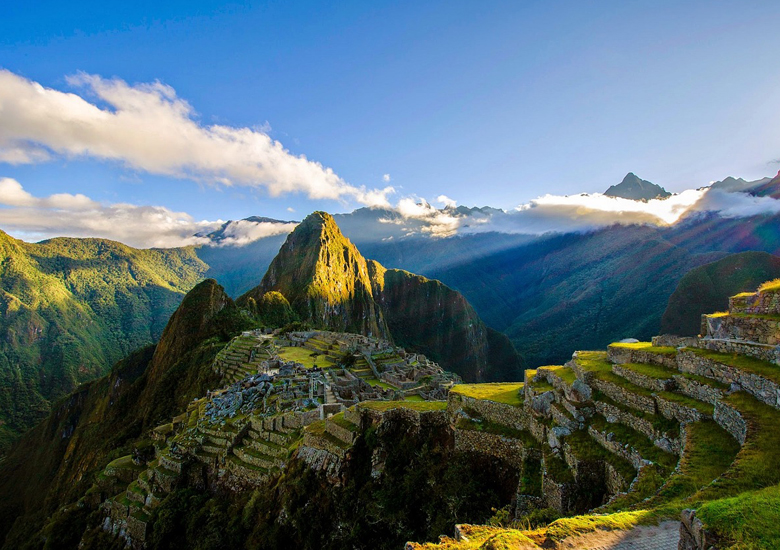
Is it worth visiting if I’m going to Machu Picchu? Absolutely. They complement each other. Coricancha shows you Inca urban architecture and religious practices, while Machu Picchu reveals their relationship with landscape and engineering on a different scale.
Can I visit the church and temple separately? The church (Santo Domingo) can be entered for free during mass times, but you won’t access the Inca sections without a ticket.
Is it safe? Very. Cusco’s tourist center is generally safe during daylight hours. Standard travel precautions apply: watch your belongings, don’t flash expensive items.
What if I only have one day in Cusco? Hit Coricancha in the morning, Plaza de Armas at midday, and San Blas in the afternoon. You’ll get a solid overview of the city.
The Bottom Line
Coricancha delivers that rare travel experience where history becomes tangible. You’re not just reading about Inca civilization—you’re running your hands along walls they built 500+ years ago, standing in spaces they considered the most sacred on Earth, and seeing firsthand how cultures collide and persist.
Is it touristy? Sure. Does that make it any less incredible? Not even close.
Set aside a morning, bring your curiosity, and prepare for one of those moments where travel becomes genuinely transformative. Just maybe skip telling your friends about the golden llamas—they’ll think you made that part up.
Pro tip for your visit: After Coricancha, grab lunch at one of the restaurants along Avenida El Sol, then walk up to San Blas through the narrow colonial streets. That afternoon stroll, still processing what you just saw, might be the best part of your Cusco experience.
Safe travels, and don’t forget to look up at those perfectly fitted stones one more time before you leave. You’ll want that image burned into your memory.