












TL;DR: Elburg is a ridiculously charming fortified fishing village in Gelderland that looks like someone hit pause in the 15th century. Expect cobblestone streets, amazing seafood, kid-friendly rampart walks, campervan-friendly vibes, and zero tourist crowds. It’s basically the Netherlands’ best-kept secret—for now.
- Why Elburg Should Be on Your Dutch Bucket List
- The Fishing Village Legacy: Where Your Dinner Comes With History
- What to Actually Do in Elburg
- Walk the Medieval Ramparts
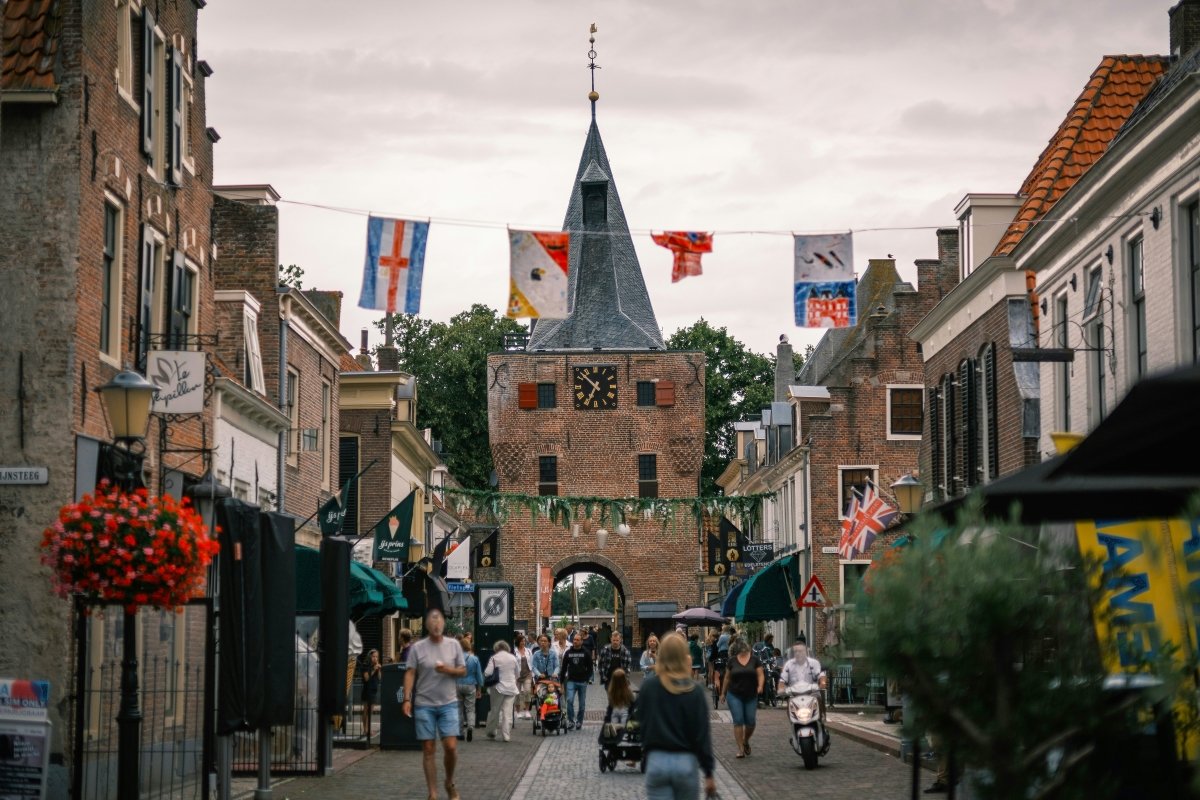
- Explore the Old Harbor & Vischpoort
- Visit the Museums (Yes, Plural)
- Bike the Trails
- Hit the Beach
- Family-Friendly Wins
- Campervan & RV Paradise
- Getting There & Getting Around
- Sustainable & Ethical Travel Tips
- Safety & Practical Context
- When to Visit
- Quick Recap: Your Elburg Cheat Sheet
- Disclaimer
Why Elburg Should Be on Your Dutch Bucket List
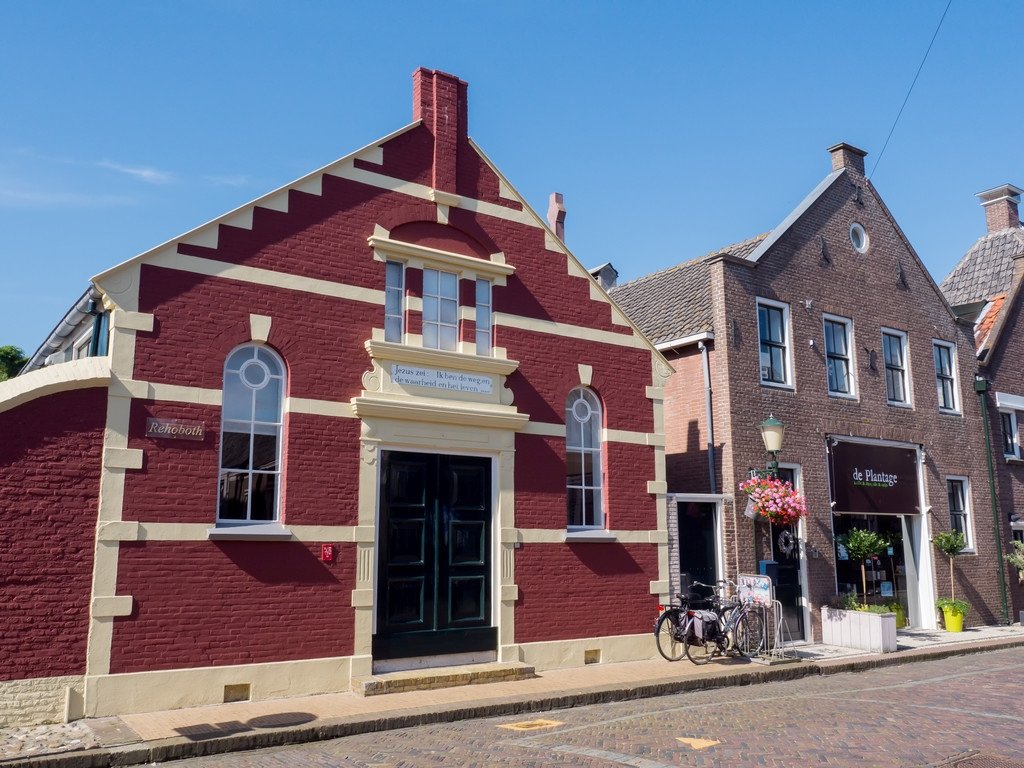
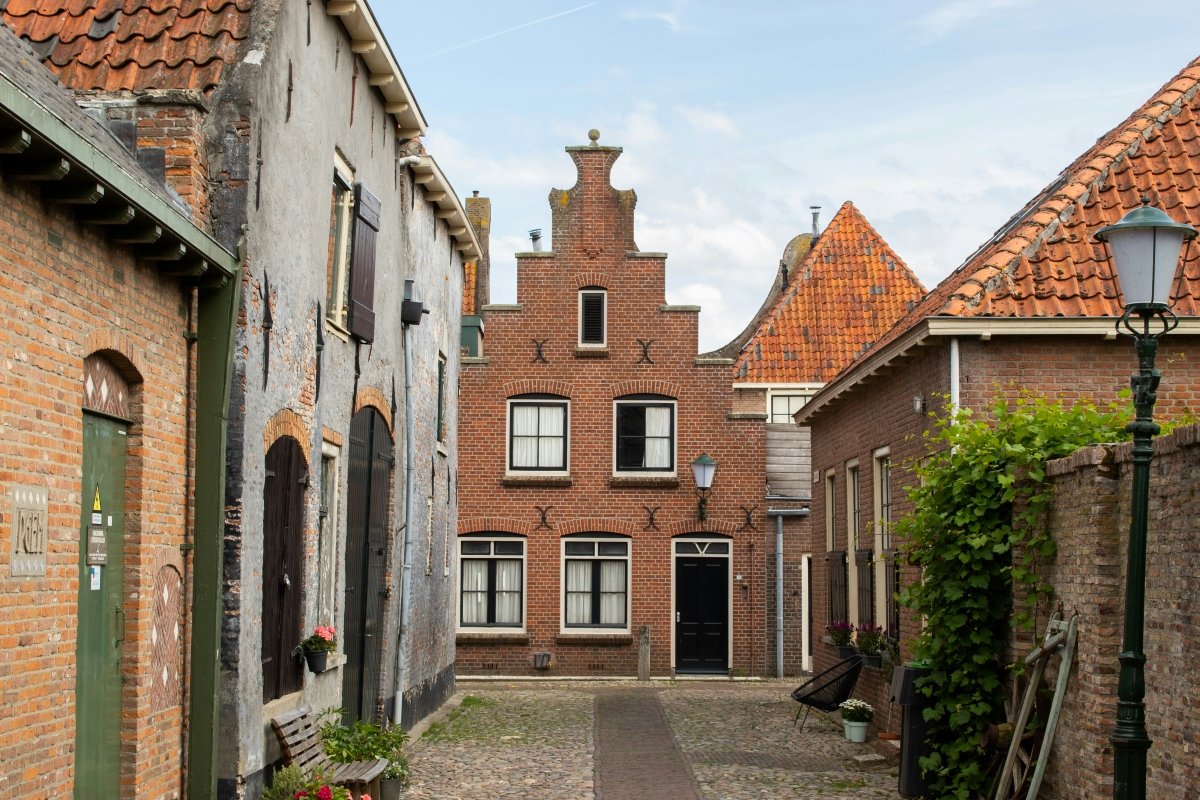
Look, we get it. Everyone flocks to Amsterdam, Rotterdam, and maybe Utrecht if they’re feeling adventuous. But here’s the thing: tucked away on the shores of the Veluwemeer lake in Gelderland province, Elburg is serving up medieval charm without the selfie-stick chaos. This isn’t just another pretty Dutch town—it’s a perfectly preserved 14th-century fishing village where the old harbor still smells faintly of smoked eel and the city walls are so intact, you can literally walk on top of them.
Founded as a fishing settlement and later fortified with those iconic star-shaped walls (the Dutch were obsessed with geometric perfection), Elburg has managed to keep its soul while welcoming visitors who actually appreciate the slower pace. Whether you’re rolling up in a campervan, dragging the kids along, or just craving some seriously good fish, this place delivers.
The Fishing Village Legacy: Where Your Dinner Comes With History
From Nets to Plates
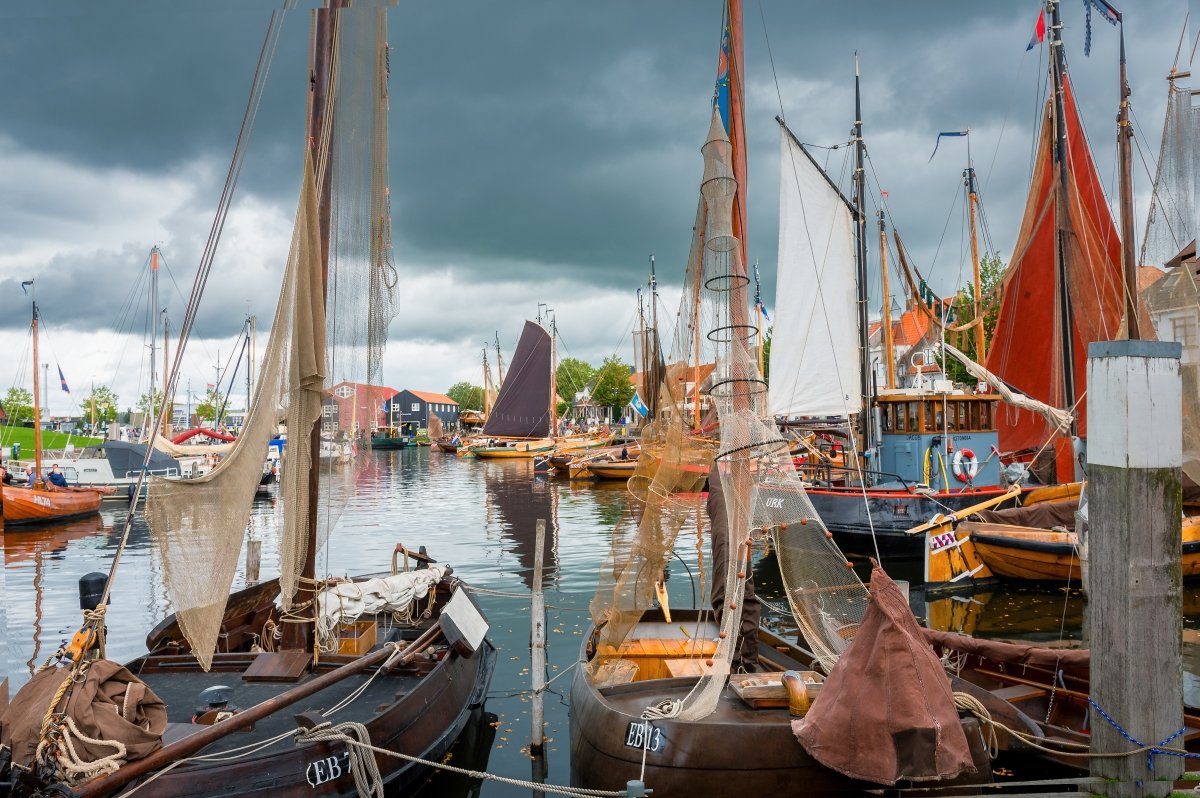
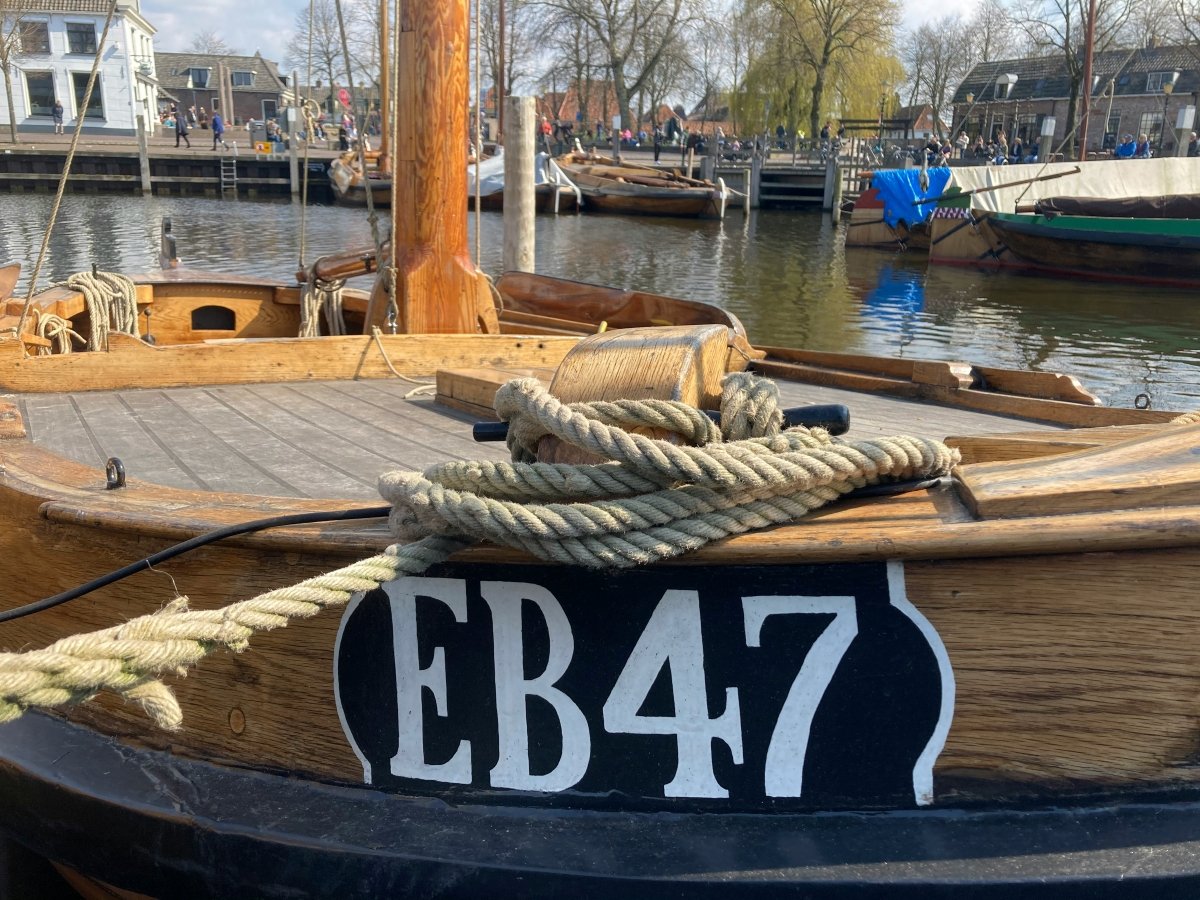
Elburg’s entire identity is wrapped up in fishing. For centuries, this was the spot on the Zuiderzee (before it became the IJsselmeer lake) where fishermen hauled in eel, herring, and perch. The old harbor—Vischpoort (Fish Gate)—isn’t just a photo op; it’s where generations of fishing families actually worked.
Signature Dishes You Can’t Skip
Smoked Eel (Gerookte Paling): This is Elburg’s claim to fame. The local smokeries still use traditional methods, and the result is buttery, flaky, and surprisingly not-fishy fish. Try it at the Thursday market or any harbor-side spot.
Elburger Boterbabbelaars: Okay, not fish—but these buttery hard candies have been made here since forever. They’re sweet, nostalgic, and make perfect gifts (or road trip snacks).
Fresh Perch & Pike: During spring and summer, the lake fish is unbeatable. Look for restaurants advertising “Veluwemeer vis” for the freshest catches.
Kibbeling: Crispy fried fish chunks served with garlic sauce—basically Dutch fish and chips but better. Grab some from a stall near the harbor and eat them while sitting on the old city walls.
Where to Eat: Check out De Bottelier (upscale fish-focused meals), ‘t Olde Gildehuis (cozy traditional Dutch), or the fish stalls at the Thursday market for budget-friendly authentic bites.
What to Actually Do in Elburg
Walk the Medieval Ramparts
The city walls form a perfect rectangle around the old town—you can walk the entire perimeter in about 30 minutes. The views over the rooftops and out to the Veluwemeer are gorgeous, and kids love pretending they’re defending the castle. Totally free, totally worth it.
Explore the Old Harbor & Vischpoort
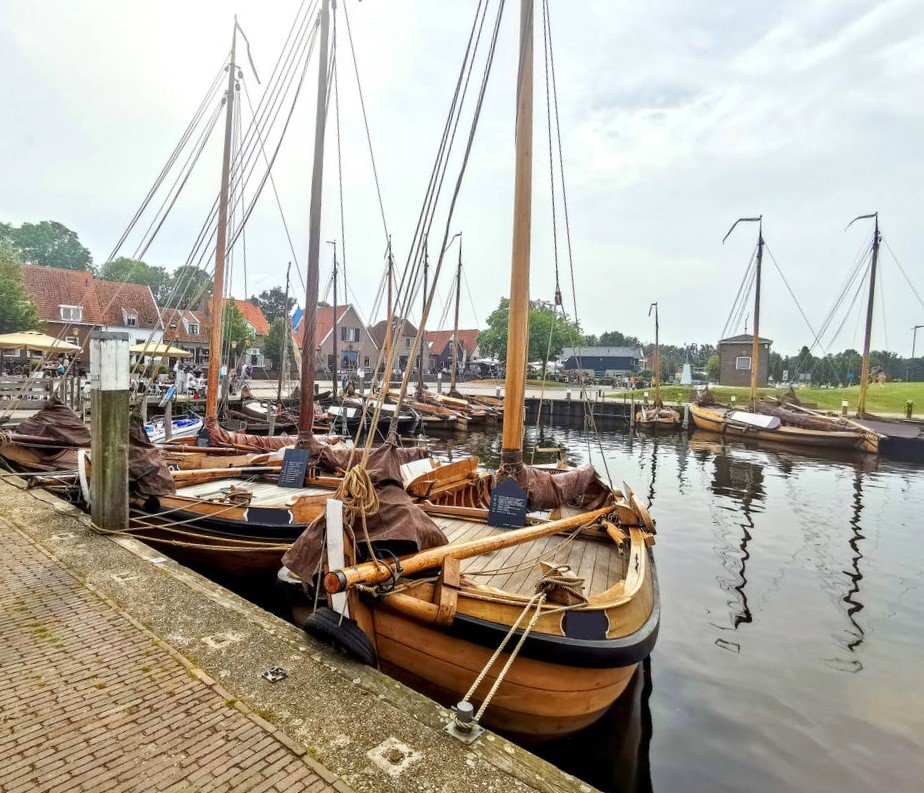
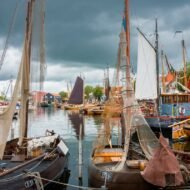
This is postcard central. The gate tower dates back to the 1400s, and the harbor still has working fishing boats bobbing around. Grab a coffee at one of the waterfront cafés and just… exist for a while.
Visit the Museums (Yes, Plural)
- Agnes van den Brandeler Museum: Local history, fishing heritage, and quirky exhibits about daily life in medieval Elburg
- Orgelmuseum: If you’re into pipe organs (or just weird niche museums), this one’s surprisingly cool
Bike the Trails
Elburg sits on several major cycling routes. The Hanzestedenroute connects historic Hanseatic League cities, while local loops around the Veluwemeer offer flat, easy rides with water views. Rent bikes right in town—most places charge €10-15/day.
Hit the Beach
Yep, there’s a beach. The Elburg Strandbad on the Veluwemeer has a swimming area, playground, and beach volleyball. It’s small-scale and family-friendly—think less Ibiza, more “let’s build sandcastles and not lose our minds.”
Family-Friendly Wins
Elburg is shockingly good for traveling with kids:
- Flevohof: A working farm/playground combo just outside town with petting zoos, tractor rides, and indoor play areas
- Rampart walks: Easy, stroller-friendly in most sections, and kids love the “we’re on a castle wall!” factor
- Boat tours: Short trips on the Veluwemeer—some operators offer pirate-themed tours for little ones
- Thursday market: Let kids pick out stroopwafels and watch the eel-smoking demonstrations
Campervan & RV Paradise
Elburg is one of those rare towns where campervans are genuinely welcome:
Official Spots:
- Camperplaats Elburg (Jachthavenweg): Designated motorhome parking with hookups, €15-20/night
- Recreatiepark De Kriekelaar: Full campsite just outside town with facilities
Wild Camping: Not officially allowed, but the parking near the marina is often used by self-contained vans overnight. Be respectful, use facilities in town, and don’t overstay.
Amenities: There’s a Jumbo supermarket on the edge of town, public restrooms near the harbor, and fresh water refills at the camperplaats.
Getting There & Getting Around
Connectivity
By Train: Elburg doesn’t have a train station (because medieval villages didn’t plan for rail), but ‘t Harde station is 6km away with regional trains from Zwolle and Amsterdam. From there, grab bus 101 (15 minutes) or a taxi (€15-20).
By Car: About 1.5 hours from Amsterdam, 1 hour from Utrecht. Parking is easy—follow signs to “Centrum” or park near the Vischpoort (paid parking €1.50/hour, free after 6pm).
By Bus: Line 101 connects to nearby towns and the train station. It’s efficient but infrequent—check 9292.nl for schedules.
By Bike: If you’re already touring the Netherlands, Elburg is on several long-distance routes. The ride from Zwolle is particularly scenic (35km).
Getting Around: The historic center is entirely walkable in 10 minutes flat. Bikes are useful for reaching the beach or surrounding nature areas.
Sustainable & Ethical Travel Tips
Elburg’s small size makes it naturally sustainable, but here’s how to be an even better visitor:
- Skip the car for exploring: Walk or bike within town—everything’s close
- Eat local fish: Support the traditional fishing economy by choosing local catches over imported seafood
- Shop at the Thursday market: Direct-from-producer goods mean less packaging and transport
- Stay longer: Slow travel reduces your carbon footprint and helps you actually experience the place
- Use refillable water bottles: The tap water is excellent, and public fountains are around
- Respect the quiet: This is a residential town—keep noise down, especially in the evenings
Safety & Practical Context
Elburg is safe. Like, “leave your bike unlocked for five minutes” safe (though we still wouldn’t recommend it). That said:
- Pickpocketing: Virtually non-existent, but use common sense at crowded markets
- Water safety: The Veluwemeer is generally calm, but supervise kids—currents can surprise you
- Cycling: Watch for cobblestones when it rains—they get slippery
- Emergency services: Call 112 for emergencies; the nearest hospital is in Harderwijk (15 minutes)
- Weather: Dutch weather is moody—pack layers and rain gear even in summer
Accessibility: The historic center has cobblestone streets that can be challenging for wheelchairs or strollers. The ramparts have some accessible sections, but not all. Newer areas (beach, camperplaats) are much easier to navigate.
When to Visit
Best times:
- April-June: Flowers blooming, pleasant temps, Thursday markets in full swing
- July-August: Beach season, warmest weather, most crowded (but still chill compared to Amsterdam)
- September-October: Autumn colors, fewer visitors, still decent weather
Skip:
- November-February: Many businesses close or reduce hours; it’s cold and wet (though if you like moody, empty medieval towns, go for it)
Event highlight: The Elburger Vistival (June) celebrates fishing heritage with demonstrations, tastings, and boat parades.
Quick Recap: Your Elburg Cheat Sheet
✅ What it is: Perfectly preserved medieval fishing village with intact city walls
✅ Best for: History nerds, foodies, families, campervan travelers, anyone avoiding tourist traps
✅ Must-eat: Smoked eel, fresh lake fish, kibbeling
✅ Must-do: Walk the ramparts, explore the old harbor, bike the Veluwemeer
✅ How long: 1-2 days is perfect; add more if you’re using it as a cycling base
✅ Budget: Mid-range friendly (€50-80/day per person including food, activities, accommodation)
✅ Vibe: Quiet, authentic, zero pretension, maximum charm
Disclaimer
This travel guide is based on current information as of early 2025. Prices, opening hours, and local regulations can change—always verify details before traveling, especially for accommodations and transportation. While Elburg is generally safe, travelers should exercise normal precautions and respect local customs. The author has not received compensation from any businesses mentioned in this guide. Travel responsibly, support local communities, and remember that unofficial camping/parking should always prioritize leave-no-trace principles and respect for local residents.
So, should you go to Elburg? If you want to see what the Netherlands looked like before stroopwafel became a tourist cliché, absolutely. If you need nightlife and shopping malls, maybe stick to Amsterdam. But if you’re after cobblestone charm, killer seafood, and the kind of place where locals still say “goedemorgen” to strangers, pack your bags. Elburg’s waiting.