














What to Pack for Winter Train Travel
Layers Are Key: Train cabins are heated, but platforms are freezing. Pack a warm coat you can easily remove and stash overhead.
Must-Haves:
- Refillable water bottle (fill at station fountains)
- Phone charger/power bank
- Snacks (nuts, dried fruit, chocolate)
- Neck pillow for longer journeys
- Camera with charged batteries (those views!)
- Small day pack for excursions
Don’t Overpack: Trains have limited luggage space. One large bag plus a day pack per person is ideal.
Food and Dining: From Budget to Bougie
Onboard Dining:
- Swiss trains: Excellent dining cars with regional specialties (fondue, rösti). Expect €15-30/meal.
- Norwegian trains: Basic cafe with sandwiches and coffee (€8-12).
- Luxury trains: Multi-course meals included.
Station Food: Major stations like Zürich HB and Oslo Central have supermarkets where you can grab fresh sandwiches, fruits, and pastries for half the onboard price.
Regional Specialties to Try:
- Switzerland: Raclette, älplermagronen (Alpine mac and cheese), Luxemburgerli macarons
- Norway: Brunost (brown cheese), kjøttkaker (meatballs), skillingsboller (cinnamon buns)
- Austria: Wiener schnitzel, sachertorte, glühwein at markets
Cultural Immersion: Beyond the Rails
Local Traditions:
Swiss Fasnacht (February-March): Carnival celebrations in Basel and Lucerne feature elaborate masks and parades. Trains get crowded, so book early.
Norwegian Sami Week (Tromsø, February): Film festival, reindeer races, and traditional joik singing. Take the Arctic train up and immerse yourself in indigenous culture.
Austrian Krampusnacht (December 5-6): Pre-Christmas festival where people dress as Krampus, the anti-Santa demon. Seriously wild and unforgettable.
Christmas Markets: Every major city has them. Nuremberg, Strasbourg, and Vienna are legendary, but smaller towns like Rothenburg ob der Tauber offer more intimate experiences.
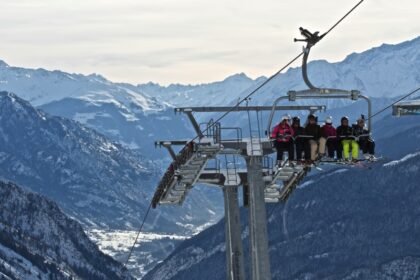
Skiing and Outdoor Adventures
Train-Accessible Ski Resorts:
Switzerland:
- Zermatt (Glacier Express): 360km of slopes, beginner to expert
- St. Moritz: Chic and expensive (€70 day pass) but world-class
- Arosa-Lenzerheide: Family-friendly with kids’ ski schools
Austria:
- Innsbruck: Six ski areas on one pass (€60/day)
- Kitzbühel: Legendary Hahnenkamm downhill course
Norway:
- Narvik: Midnight sun skiing in spring
- Trysil: Norway’s largest ski resort, less crowded
Beyond Skiing:
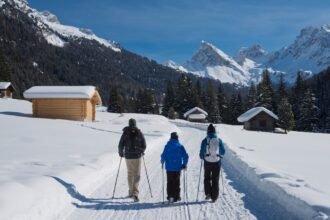
- Snowshoeing: Most resorts offer guided tours (€40-60)
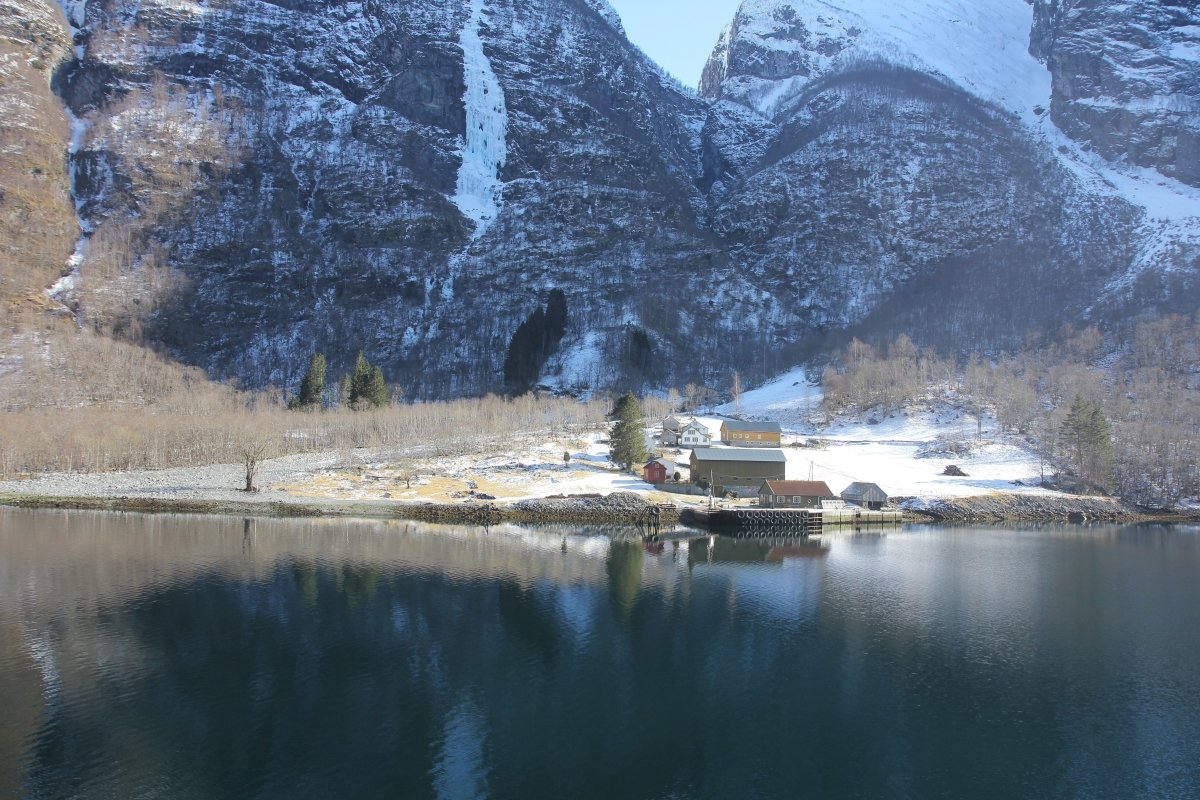
- Ice climbing: Available in Norwegian fjords (€100-150 with guide)
- Winter hiking: Well-marked trails throughout Swiss Alps
- Thermal baths: Leukerbad, Switzerland has Alpine hot springs (€25 entry)
Events Not to Miss
December:
- Christmas markets across Europe
- New Year’s fireworks over Swiss Alps (view from trains!)
January:
- Inferno Race (Mürren, Switzerland): World’s largest amateur ski race
- Ice Music Festival (Geilo, Norway): Instruments carved from ice
February:
- Carnival/Fasnacht celebrations
- White Turf (St. Moritz): Horse racing on frozen lake
March:
- Spring skiing with longer days
- Sami Easter Festival (Kautokeino, Norway)
Practical Information You Need
Rail Passes vs. Point-to-Point:
- Passes make sense if you’re taking 4+ long journeys in 7-10 days
- Switzerland Travel Pass (€250-300 for 3 days) includes most mountain trains
- Interrail (for European residents) and Eurail (non-Europeans) offer flexible options
Booking Tips:
- Book scenic trains 2-3 months ahead
- Regional trains rarely sell out but reserve seats anyway
- Night trains book up fast—grab them early
Accessibility:
- Most modern trains have wheelchair access and assistance services
- Request help 24-48 hours before travel
- Switzerland and Austria have excellent accessibility; Norway’s rural lines can be challenging
WiFi and Connectivity:
- Swiss trains: Usually reliable 4G/5G
- Norwegian trains: Spotty in remote areas
- Download offline maps and entertainment beforehand
Language:
- English widely spoken at major stations
- Train announcements usually in English, German, French, Italian
- Download Google Translate offline for rural areas
Safety:
- Trains are very safe; keep valuables close
- Platforms can be icy—wear proper boots
- Emergency numbers: 112 (EU-wide), 110/112 (Norway)
Sustainable Travel Bonus
Trains emit 80% less CO2 than flights and 70% less than cars. You’re seeing stunning landscapes while treading lightly—something to feel good about.
Final Thoughts
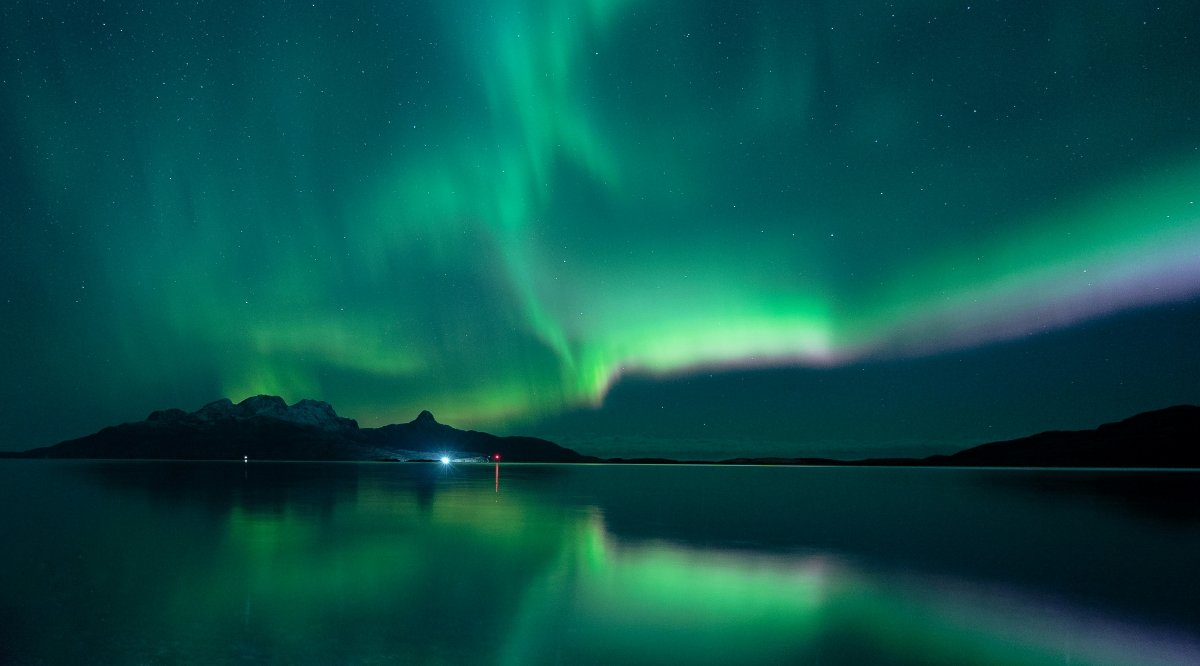
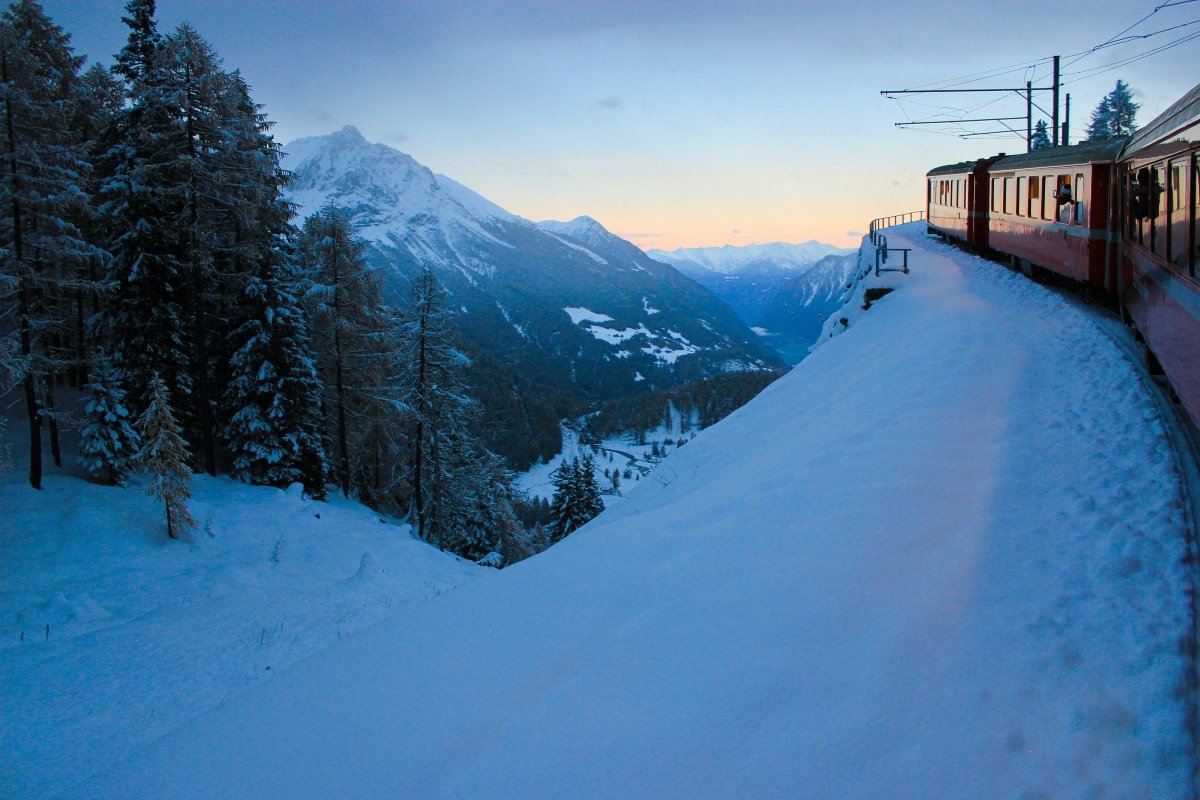
Winter train travel in Europe isn’t just about getting from A to B—it’s about the journey becoming the destination. Whether you’re watching the Matterhorn appear through morning mist, sharing hot chocolate with your kids in a cozy compartment, or crossing the Arctic Circle under dancing Northern Lights, these journeys create memories that outlast any Instagram post.
Start with one route that speaks to you. Maybe it’s the Swiss classics for mountain drama, the Norwegian routes for Arctic adventure, or the Christmas market trains for festive magic. Book ahead, pack light, embrace the slow pace, and let the rails guide you through Europe’s winter wonderland.
The mountains are waiting. Your train is boarding. All aboard?
Disclaimer
Travel Information Accuracy: This guide provides general information based on typical winter season operations and pricing. Train schedules, ticket prices, and services change frequently. Always verify current details on official railway websites (SBB.ch for Switzerland, Vy.no for Norway, ÖBB.at for Austria) before booking. Prices mentioned are approximate and in EUR/CHF as of 2025; actual costs vary by date, season, and availability.
Seasonal Variations: Winter weather conditions can affect train operations. Services may be modified or canceled due to avalanches, heavy snowfall, or extreme weather. Check real-time updates before travel and maintain flexible plans.
Health and Safety: Mountain environments pose unique challenges. Follow posted safety guidelines, especially around platforms and when participating in outdoor activities. Carry appropriate winter gear and travel insurance that covers winter sports if skiing.
Booking Responsibility: The author is not affiliated with any railway company or tour operator. This guide is for informational purposes only. Readers should independently verify all details and make bookings through official channels.
COVID-19 and Travel Restrictions: Entry requirements, health passes, and capacity restrictions may apply. Check current regulations for your nationality and destinations before booking.
Accessibility Needs: While general accessibility information is provided, travelers with specific requirements should contact railway operators directly to ensure appropriate accommodations are available.
Travel smart, stay safe, and enjoy the journey!