


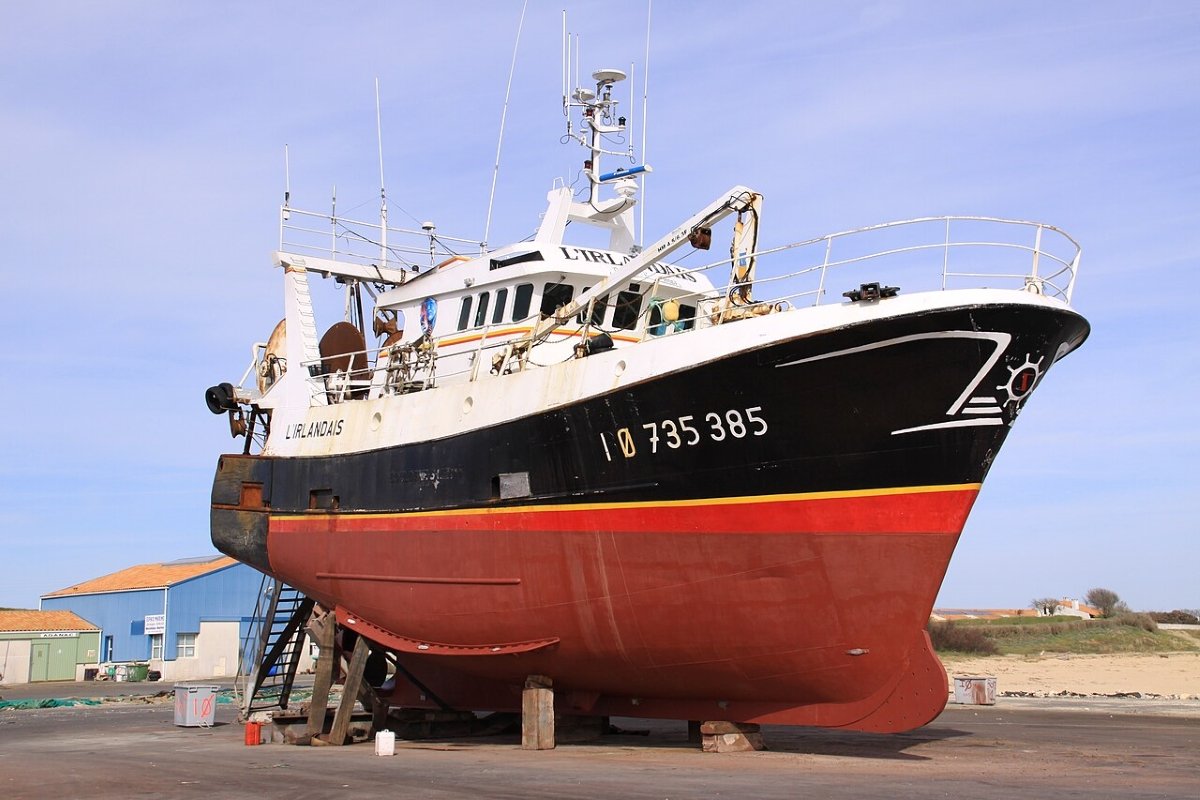
TL;DR: European fishing villages travel guide , Looking for real-deal fishing culture in Europe? Skip the mega-resorts and head to these five authentic fishing villages: Centuri (Corsica), La Cotinière (Île d’Oléron), Pothia (Kalymnos), Câmara de Lobos (Madeira), and Neuharlingersiel (Germany). Expect colorful harbors, family-run seafood restaurants, historic boats, and deep-rooted maritime traditions. This guide covers what to eat, where to stay, what to do, and how to budget smartly — all with inclusive, slow-travel vibes.
- Why Fishing Villages Are Europe’s Best-Kept Travel Secret
- 1. Centuri, Haute-Corse, Corsica, France: The End of the Road (In the Best Way)
- The Vibe
- Mind-Blowing Facts You Can Drop at Dinner Parties
- Things to Do (Beyond Eating Lobster, Though That’s Priority #1)
- Food: Prepare Your Taste Buds
- Sleeping Arrangements
- Shopping (Spoiler: It’s Mostly Edible)
- Budget Real Talk
- Cultural Deep Dive
- Useful Intel
- 2. La Cotinière, Île d’Oléron, France: Where the Shrimp Are Worth the Ferry Ride
- The Vibe
- Facts That’ll Make You Sound Educated
- Things to Do
- Food: The Atlantic’s Greatest Hits
- Sleeping Arrangements
- Shopping
- Budget Reality Check
- Cultural Texture
- Useful Info
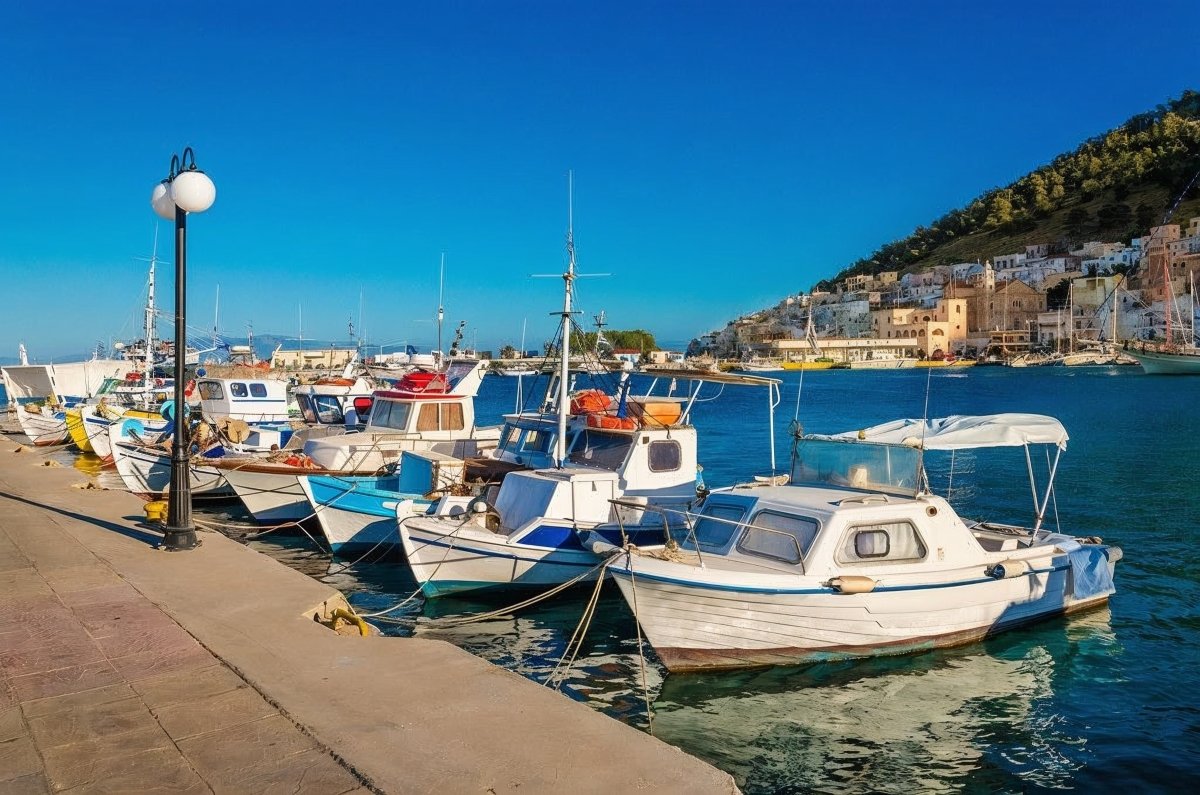
- 3. Pothia, Kalymnos Island, Greece: Where Sponge Diving Is Still a Thing
- The Vibe
- Facts to Impress People With
- Things to Do
- Food: Greek Island Realness
- Sleeping Options
- Shopping
- Budget Breakdown
- Cultural Layers
- Practical Stuff
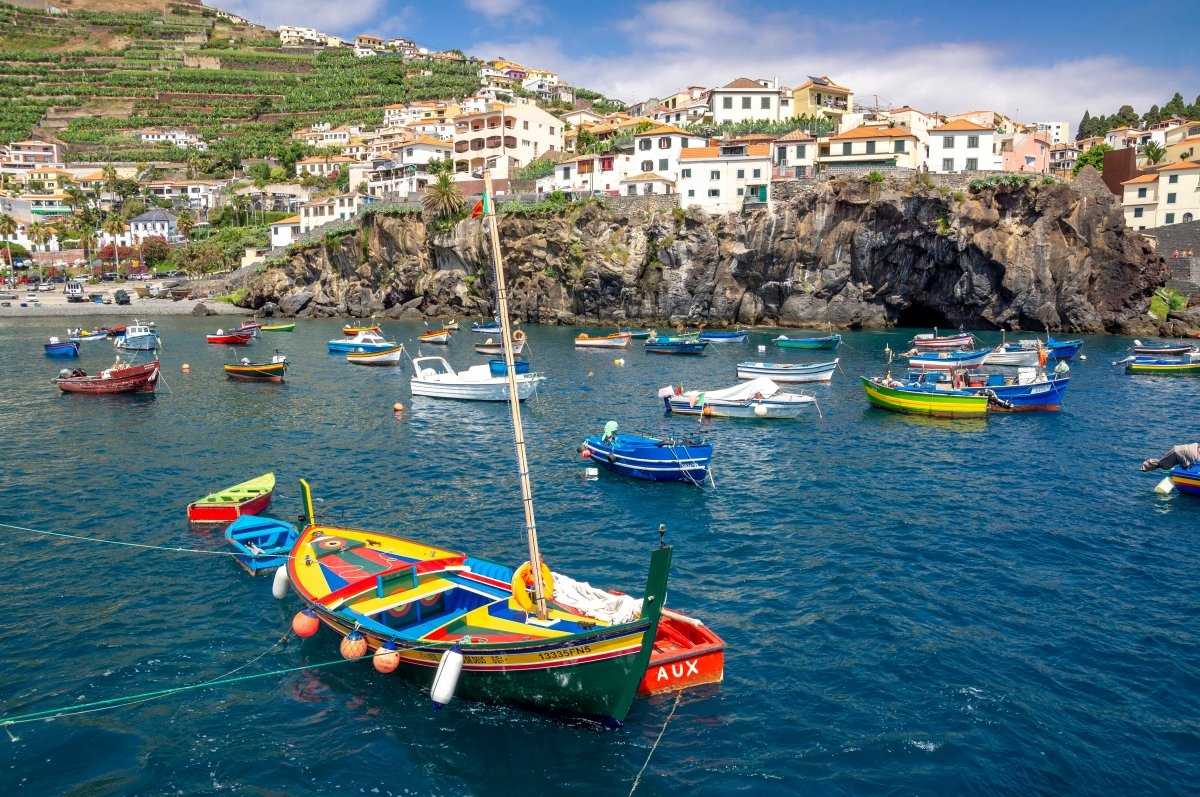
- 4. Câmara de Lobos, Madeira, Portugal: Churchill Painted Here, You Should Visit
- The Vibe
- Fascinating Facts
- Things to Do
- Food: Madeiran Specialties
- Accommodation
- Shopping
- Budget Reality
- Cultural Essence
- Useful Details
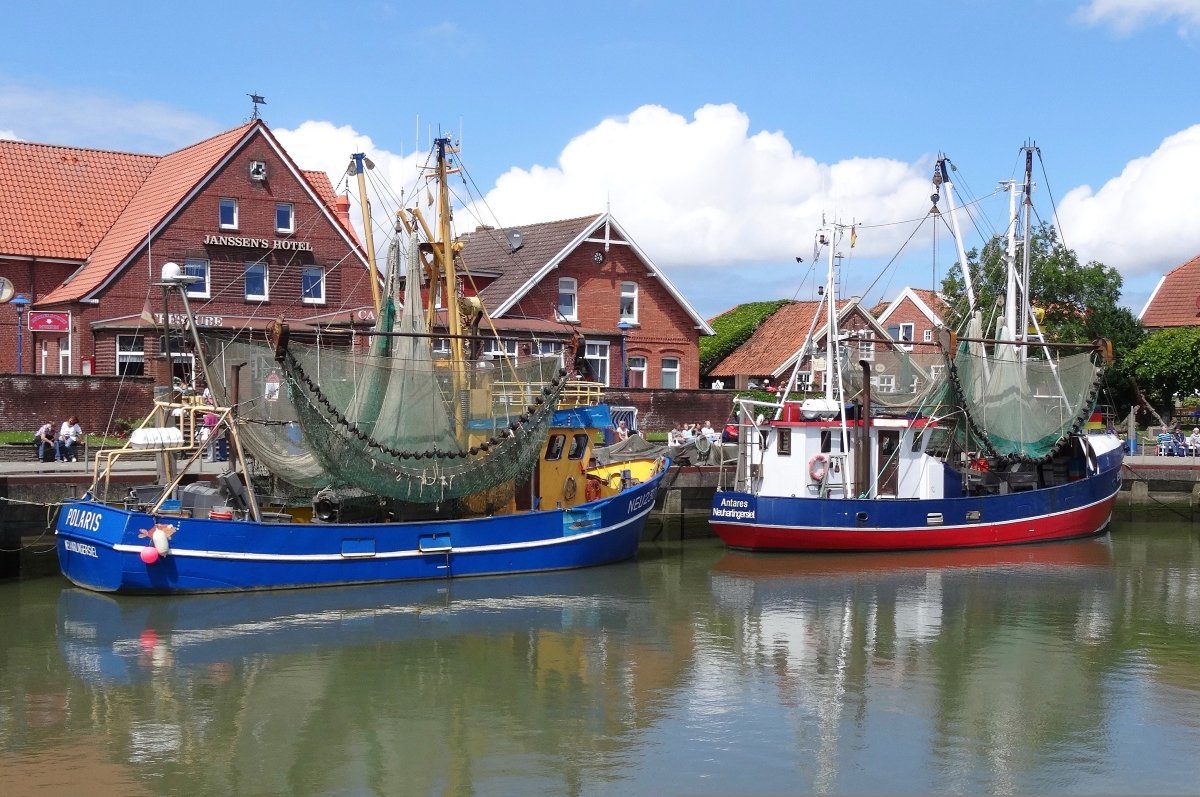
- 5. Neuharlingersiel, Lower Saxony, Germany: The North Sea’s Best-Kept Secret
- The Vibe
- Facts Worth Knowing
- Things to Do
- Food: North Sea Specialties
- Sleeping
- Shopping
- Budget Planning
- Cultural Notes
- Practical Information
- The Recap: Your Fishing Village Playbook
- Disclaimer: The Fine Print
Why Fishing Villages Are Europe’s Best-Kept Travel Secret
Forget cookie-cutter beach holidays. Europe’s authentic fishing villages offer something better: salt-in-your-hair mornings, dockside seafood lunches, and sunsets that feel like they belong in a painting.
These places aren’t curated for tourists — they’re lived in. Fishing boats still leave at dawn. Recipes are passed down generations. Markets smell like fresh lobster and sea breeze.
And here’s the insider tip: authentic coastal destinations often deliver higher travel value per euro than mainstream hotspots. Think boutique stays, local seafood feasts, and immersive cultural experiences — without the luxury-resort markup.
If you’re into sustainable travel, slow living, culinary tourism, or just craving a meaningful European escape, this guide is for you.
1. Centuri, Haute-Corse, Corsica, France: The End of the Road (In the Best Way)
The Vibe
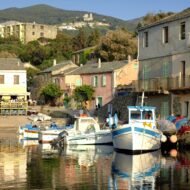
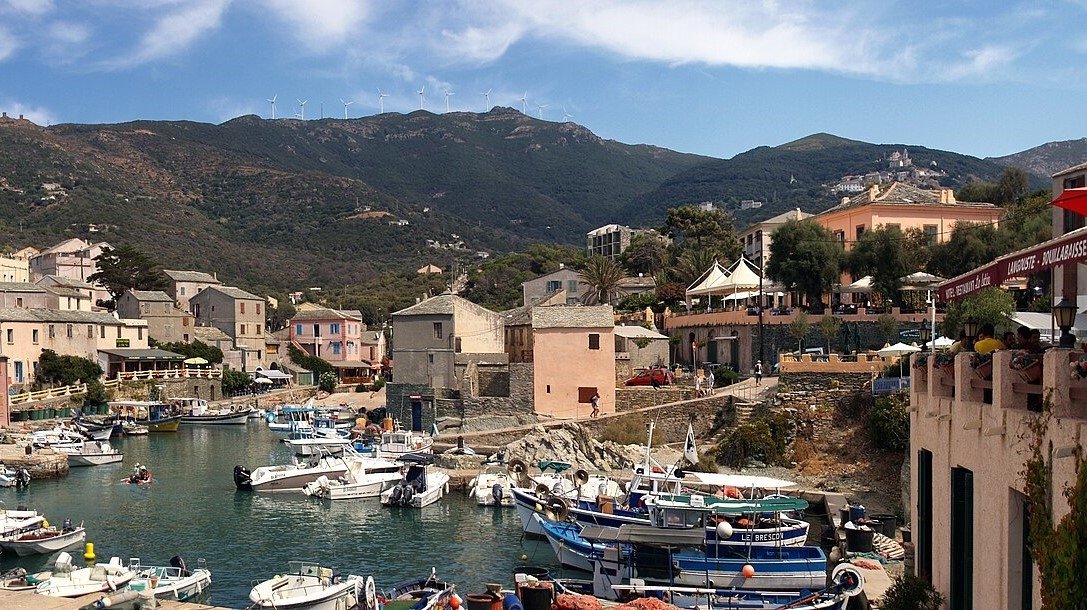
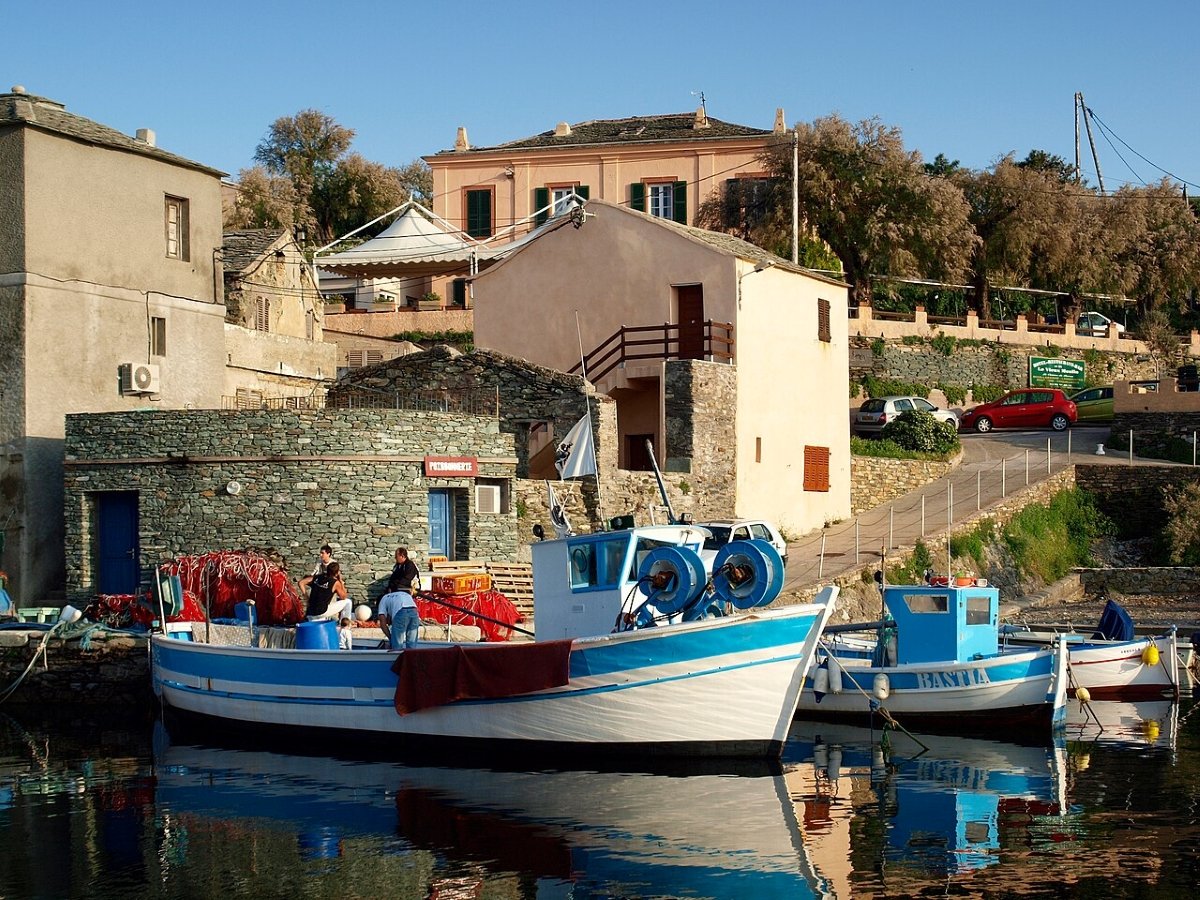
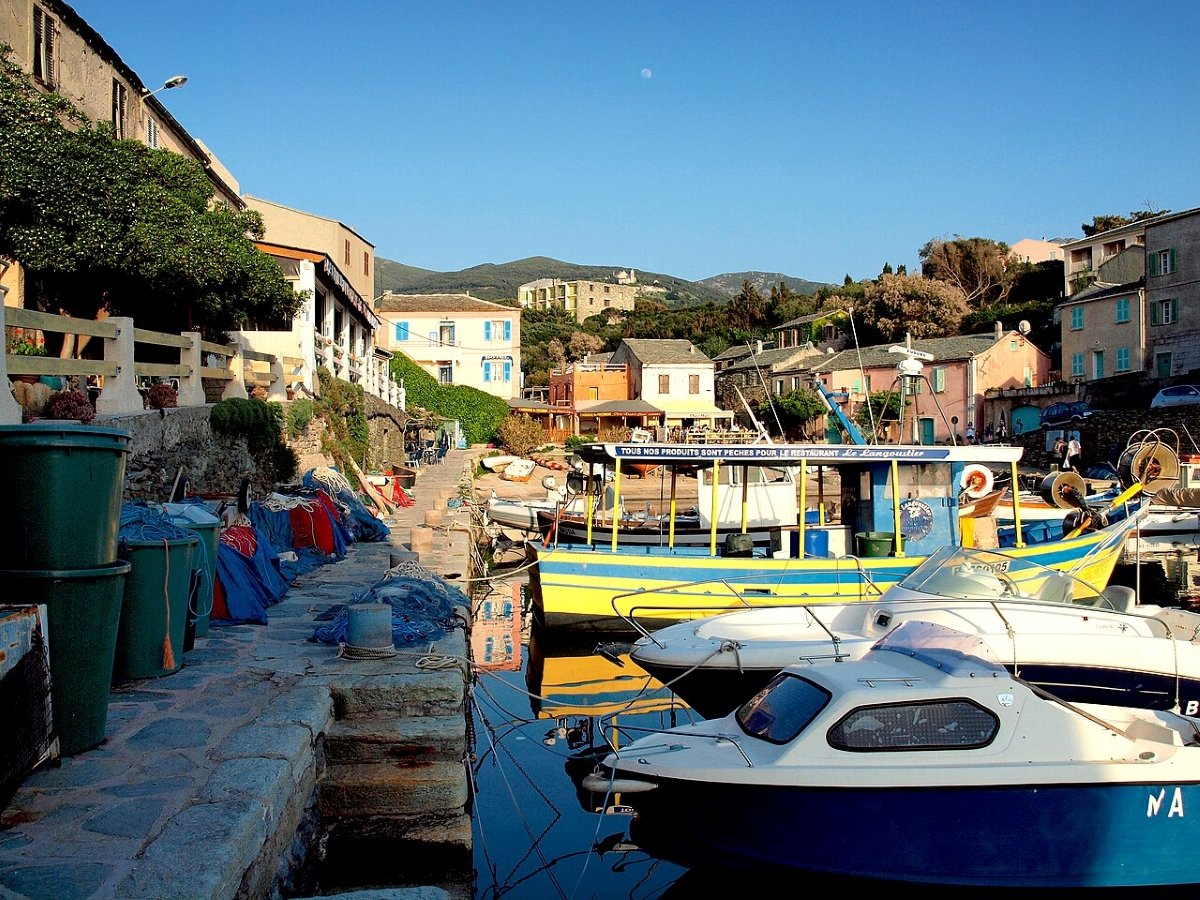
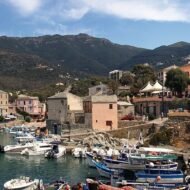
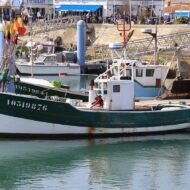
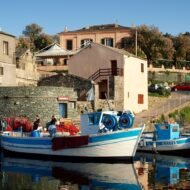
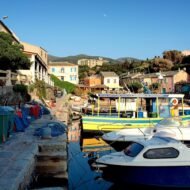
Tucked into Corsica’s Cap Corse peninsula like a secret pocket, Centuri is what happens when a fishing village refuses to sell out. We’re talking 200-ish souls, a horseshoe harbor packed with colorful boats, and exactly zero chain restaurants. This is Napoleon’s homeland doing what it does best: being stubbornly, gloriously itself.
Mind-Blowing Facts You Can Drop at Dinner Parties
- Centuri is the langouste capital of Corsica—that’s spiny lobster to us regular folk, and they haul in tons of it
- The harbor’s natural breakwater was reinforced way back in the 19th century and still works like a charm
- Local fishermen use traditional wooden traps called “nasses” that have barely changed in centuries
- The village is built from local green serpentine stone that literally glows in certain light
Things to Do (Beyond Eating Lobster, Though That’s Priority #1)
Harbor Watching: Sounds boring. Isn’t. Grab a seat at any waterfront spot around 5-6pm and watch the boats come in with the day’s catch. It’s hypnotic.
Coastal Hiking: The Sentier des Douaniers (Customs Officers’ Path) winds along cliffs with views that’ll make you understand why people write poetry about the Mediterranean.
Beach Bumming: Plage de Centuri is small but perfectly formed—pebbly, crystal-clear water, and blissfully uncrowded.
Village Wandering: Get lost in the narrow alleys. Seriously. The “getting lost” is the entire point.
Food: Prepare Your Taste Buds
Signature Dishes:
- Langouste à la Centurienne: Spiny lobster grilled or in a tomato-based sauce that’ll haunt your dreams
- Aziminu: Corsican fish soup that makes bouillabaisse look basic
- Pulenda: Chestnut flour polenta—the island’s comfort food
- Brocciu: Fresh sheep’s milk cheese that goes in everything
Where to Eat: Le Vieux Moulin and A Macciota are legendary, but honestly, every harbor-side joint is serving whatever was caught that morning.
Sleeping Arrangements
Budget: Wild camping isn’t really a thing here, but Camping L’Isulottu nearby runs €15-25/night
Mid-Range: Chambres d’hôtes (B&Bs) €70-120/night—often family-run with breakfast that’ll fuel you for days
Splurge: Small boutique hotels €150-250/night with harbor views that justify the price tag
Shopping (Spoiler: It’s Mostly Edible)
This isn’t a shopping village—it’s a fishing village. But you can score:
- Local honey (the maquis herbs make it insanely flavorful)
- Corsican wines and liqueurs
- Artisanal preserves and spreads
- Hand-knitted fishing sweaters if you’re lucky
Budget Real Talk
- Daily Spend: €80-150/person (accommodation, food, misc)
- Lobster Splurge: €40-60 for a full meal with langouste
- Cheaper Eats: €12-20 for pasta or fish dishes
- Getting There: Rental car from Bastia (essential) €30-50/day
Pro Tip: Visit in shoulder season (May-June, September-October) for better prices and fewer crowds.
Cultural Deep Dive
Corsicans aren’t French. They’re Corsican. And Centuri embodies this fierce independence. The fishing culture here is intergenerational—grandfathers teaching grandsons the same techniques, the same waters, the same respect for the sea.
Evening is sacred: families gather, fishermen swap stories, and if you’re lucky enough to be invited to share a bottle of local wine, you’ve basically won Europe.
Useful Intel
- Language: French officially, but Corsican among locals
- Cash: Bring it—not everywhere takes cards
- Best Time: May-September (but September is chef’s kiss)
- Getting Around: You need a car. The roads are twisty but spectacular
- Phone Signal: Spotty—embrace the digital detox
2. La Cotinière, Île d’Oléron, France: Where the Shrimp Are Worth the Ferry Ride
The Vibe
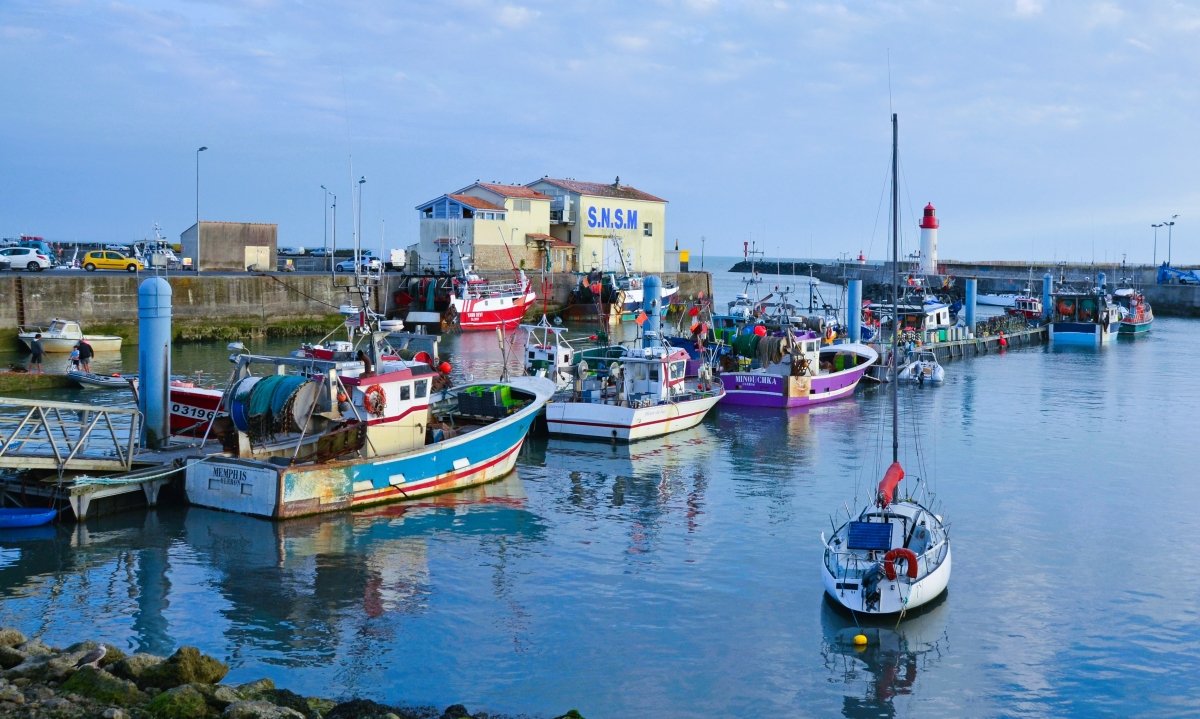
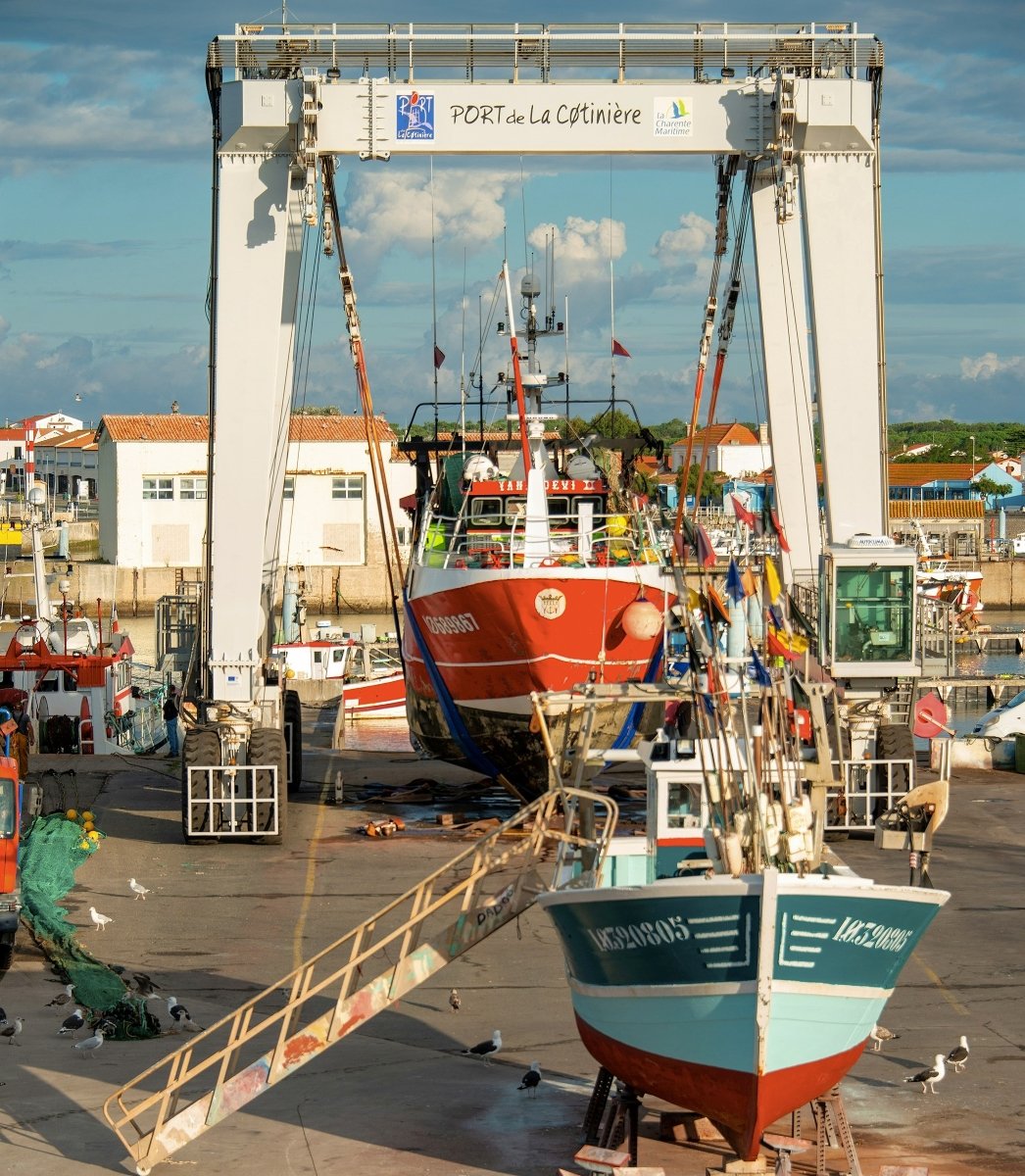
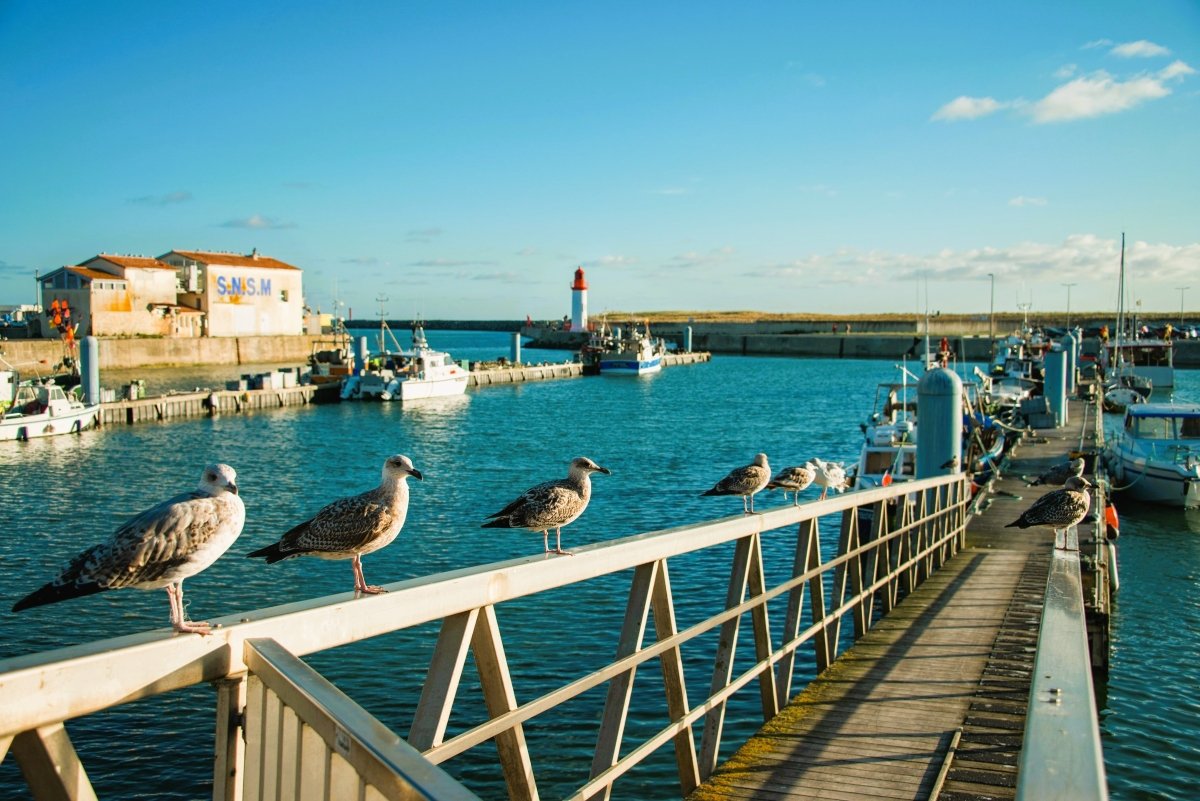
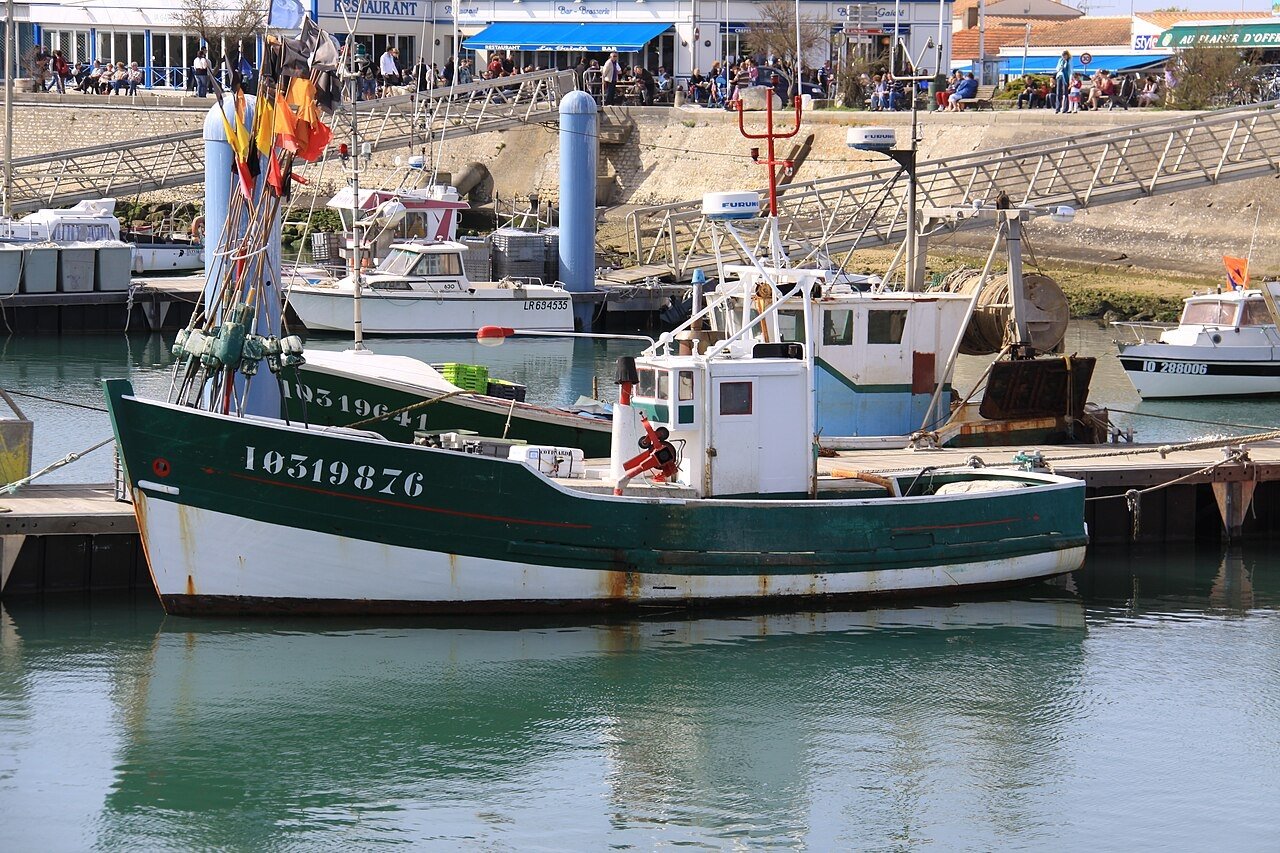
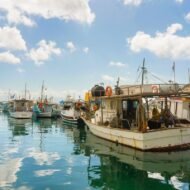
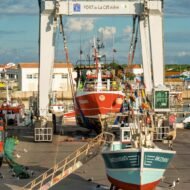
France’s second-largest island (after Corsica) hosts this working port that somehow remains refreshingly real despite being, you know, on an island everyone knows about. La Cotinière is all business in the morning, all pleasure by afternoon—the kind of place where trawlers and sailboats share the same waters without awkwardness.
Facts That’ll Make You Sound Educated
- Third-largest fishing port on France’s Atlantic coast—this is serious business
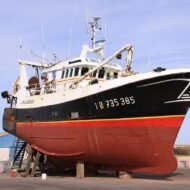
- Home to the largest shrimp fleet in France—those pink beauties you’re eating? Probably caught here
- The daily fish auction (criée) processes tons of fish and is actually open to spectators
- The port was basically rebuilt after WWII and still maintains that mid-century maritime aesthetic
Things to Do
Fish Auction Spectating: Get up early (around 6:30am) and watch the criée. It’s loud, fast, fascinating, and free. Fishmongers bid on the day’s catch like they’re at a very smelly stock exchange.
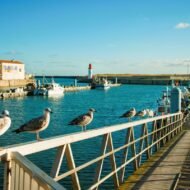
Port Walking: The harbor promenade at sunset is stupidly picturesque—fishing boats, pastel buildings, that golden Atlantic light.
Beach Life: Multiple beaches within striking distance, from family-friendly to wild and wave-battered.
Oyster Farm Tours: Île d’Oléron is oyster central. Book a tour, learn the process, eat them fresh from the water.
Cycling: The island is aggressively flat and bike-friendly. Rent wheels and explore.
Food: The Atlantic’s Greatest Hits
Signature Dishes:
- Crevettes de La Cotinière: Those famous pink shrimp—sweet, delicate, and insanely fresh
- Huîtres d’Oléron: Oysters so fresh they’re still thinking about the ocean
- Mouclade: Mussels in a creamy curry sauce that’s weirdly addictive
- Éclade de Moules: Mussels cooked on pine needles (yes, really)—it’s a whole theatrical production
Where to Eat: Le Petit Baigneur and Le Homard Bleu are local favorites. For oysters, hit the cabanes (shacks) around the island.
Sleeping Arrangements
Budget: Campgrounds €20-35/night (Île d’Oléron has dozens)
Mid-Range: Hotel-restaurants €85-140/night—many overlook the port
Splurge: Boutique hotels and vacation rentals €180-300/night
Unique Option: Rent a traditional island house for the week (€600-1200)
Shopping
- Fish Market: Buy directly from the source—super fresh, super cheap
- Artisan Salt: The island has salt marshes; the fleur de sel is incredible
- Local Textiles: Traditional striped marinière shirts (you know, those Breton stripes)
- Pottery: Local ceramics with maritime themes
Budget Reality Check
- Daily Spend: €70-130/person
- Seafood Splurge: €35-55 for a serious seafood platter
- Casual Meals: €15-22
- Bridge Toll: €16 (or ferry)—factor this in
- Bike Rental: €10-15/day
Money-Saving Hack: Self-cater with market fish and local wine. Cook at your accommodation.
Cultural Texture
Île d’Oléron has been sustaining itself from the sea for centuries—fishing, salt production, oyster farming. La Cotinière fishermen are proud of their craft and fiercely protective of their waters. The work is dangerous, the hours brutal, and the respect for the ocean absolute.
There’s a genuine sense of community here that you just don’t get in resort towns. Locals still run the show, and that matters.
Useful Info
- Language: French
- Best Time: June-September for weather; April-May or September-October for fewer crowds
- Getting There: Bridge from mainland or ferry; then drive/bike to La Cotinière
- Tourist Office: Actually helpful—grab maps and restaurant recs
- Market Day: Daily fish market is the real attraction
3. Pothia, Kalymnos Island, Greece: Where Sponge Diving Is Still a Thing
The Vibe
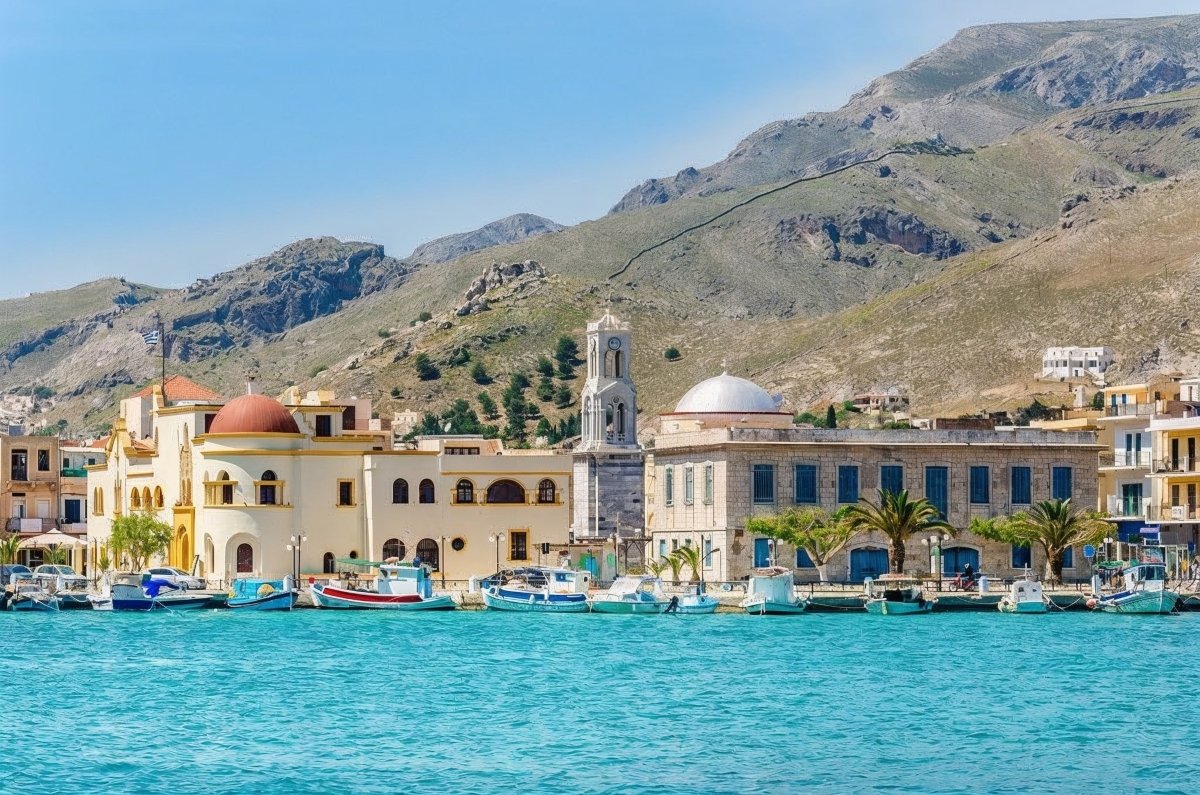
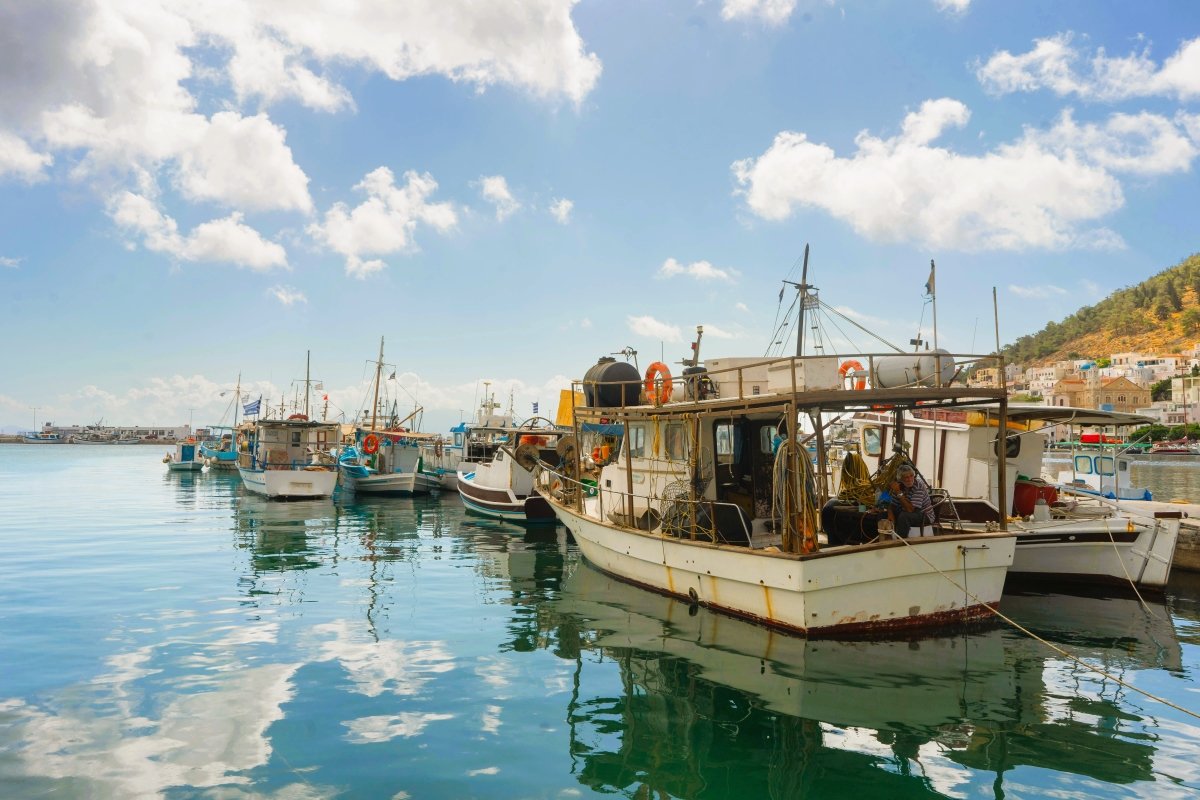
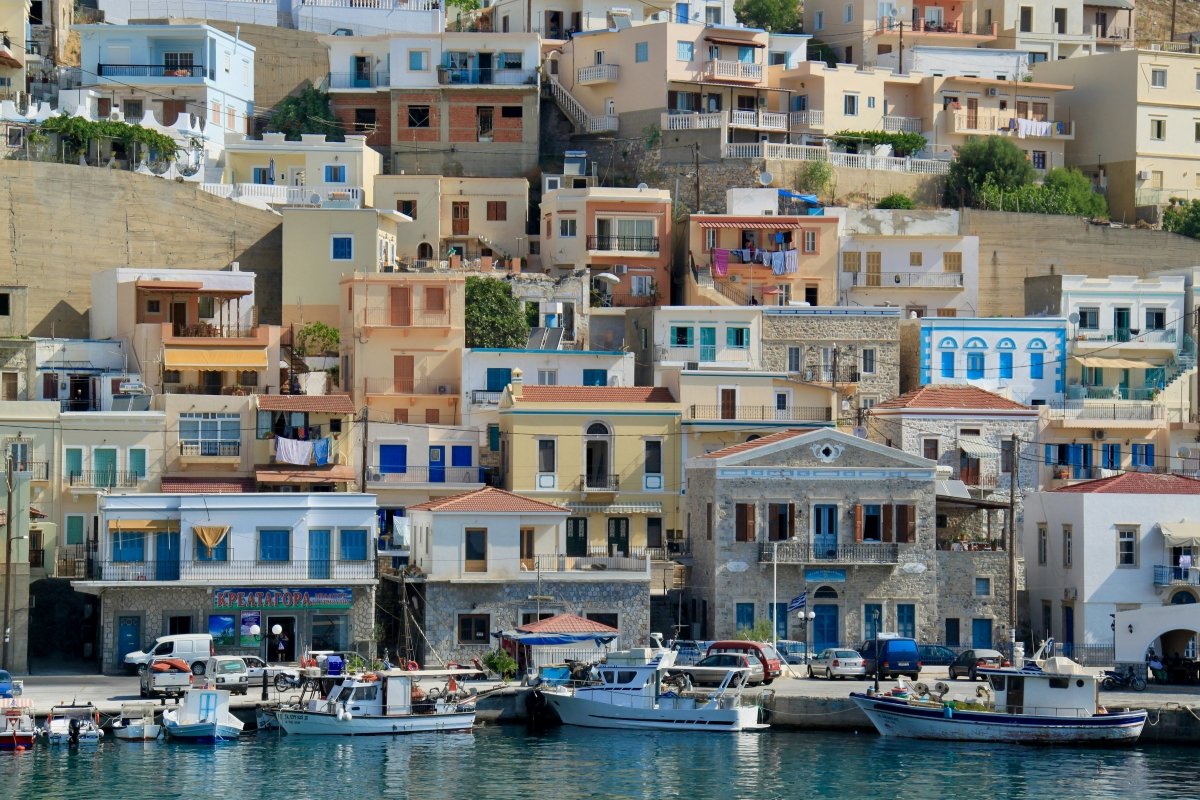
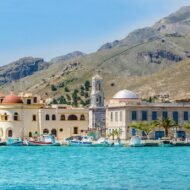
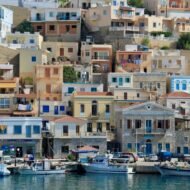
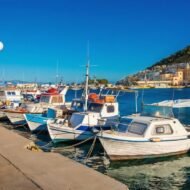
Kalymnos isn’t Santorini. It’s working-class, muscular, and honest. Pothia, the capital, wraps around a deep harbor like an amphitheater—pastel neoclassical buildings climbing the hills, fishing boats and sponges drying in the sun, and an energy that says “we’ve been doing this since ancient times, and we’re not stopping now.”
Facts to Impress People With
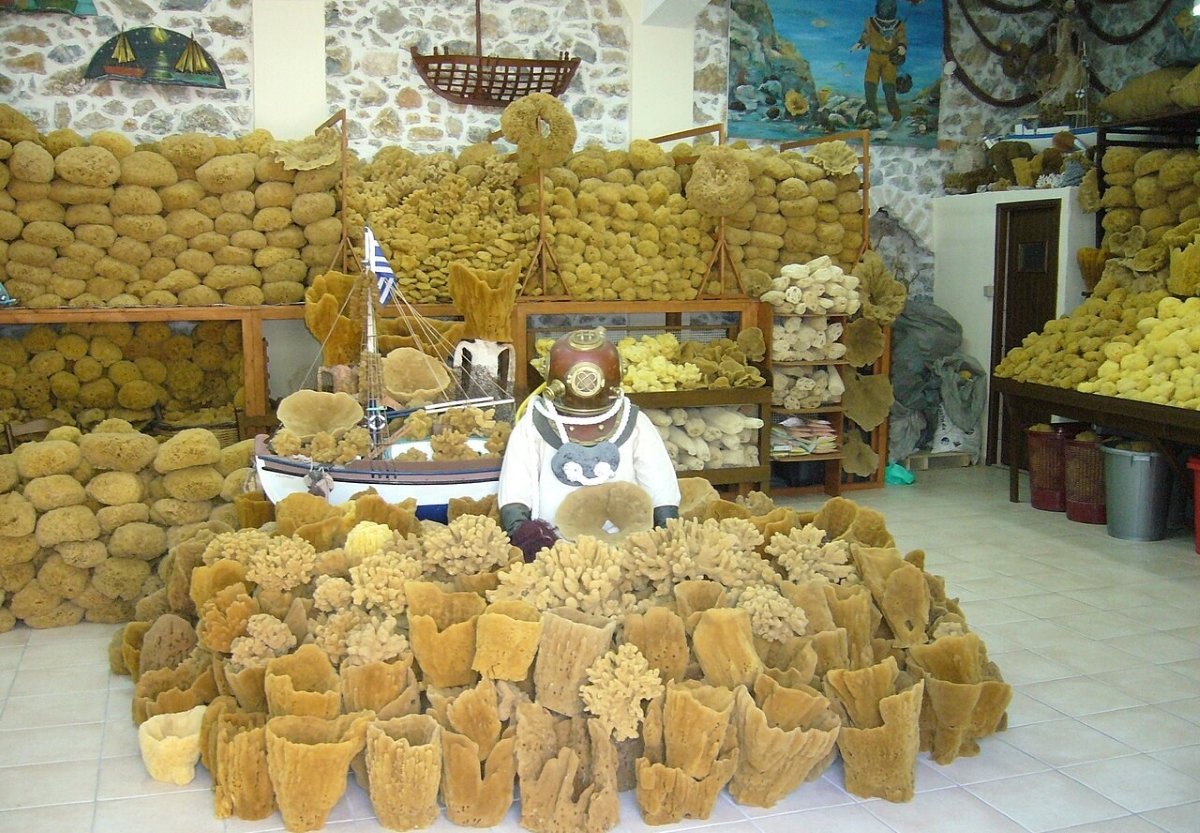
- Sponge diving capital of the Mediterranean since ancient times—this tradition goes back millennia
- Kalymnian sponge divers have historically used terrifying deep-diving techniques, leading to both wealth and tragedy (the bends was common)
- The Easter celebration here involves dynamite thrown into the harbor—no, seriously
- Rock climbing has become massive here, but fishing and sponge diving remain the cultural core
Things to Do
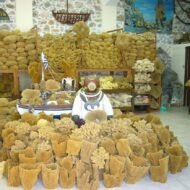
Sponge Workshop Visit: Several shops let you see how natural sponges are processed. Buy the real deal, not those synthetic imposters.
Harbor Stroll: The waterfront is where life happens—cafés, fishing boats being repaired, old men arguing about everything, cats everywhere.
Maritime Museum: Small but packed with diving equipment, old photos, and stories that’ll give you chills. Entry is cheap.
Island Hopping: Boat trips to nearby islands and secluded beaches—crystal-clear water, fewer crowds.
Rock Climbing: If you’re into it, Kalymnos is world-class. If not, watch the climbers scale impossible cliffs for free entertainment.
Evening Volta: That traditional Greek evening stroll. Do it. It’s when the town comes alive.
Food: Greek Island Realness
Signature Dishes:
- Htapodi sti Schara: Grilled octopus that’ll ruin you for the frozen stuff forever
- Kalymnian Salad: Like Greek salad but with local cheese and caper leaves
- Moustalevria: Grape must pudding—sounds weird, tastes amazing
- Fresh Fish: Whatever was caught today, simply grilled with lemon and olive oil
- Macarounes: Local handmade pasta with caramelized onions
Where to Eat: Pantelis Restaurant near the harbor is legendary. Taverna Miltos for octopus. Any family-run taverna along the waterfront, honestly.
Sleeping Options
Budget: Basic rooms €30-50/night; some working harbors have cheap accommodations
Mid-Range: Hotels and apartments €60-100/night with harbor views
Splurge: Boutique hotels €120-200/night (though Kalymnos isn’t really a luxury destination—and that’s a good thing)
Shopping
- Natural Sponges: The real reason to shop here—high quality, every size imaginable
- Honey: Kalymnian thyme honey is liquid gold
- Olive Oil: Local production, excellent quality
- Handmade Ceramics: Some artisans still work in traditional styles
- Climbing Gear: Multiple shops cater to the rock climbing crowd
Budget Breakdown
- Daily Spend: €50-90/person (Greece is still relatively affordable)
- Taverna Meal: €10-18/person
- Fresh Fish: €25-40/person for a proper seafood feast
- Ferry from Athens: €35-60 depending on speed
- Scooter Rental: €15-20/day
Budget Tip: Eat where locals eat, shop at the market, and stay in family-run places. Kalymnos rewards the frugal traveler.
Cultural Layers
Sponge diving shaped everything here. Families were made wealthy—or destroyed when divers didn’t come home. There’s a memorial to lost divers in town, and the annual Sponge Week Festival (late May) celebrates this heritage with dancing, food, and throwing dynamite into the harbor (for real).
The island has a resilient, hardworking soul. Fishing isn’t quaint—it’s livelihood. Respect that.
Practical Stuff
- Language: Greek, but many speak English
- Best Time: May-June or September-October (July-August is hot and crowded)
- Getting There: Ferry from Athens (Piraeus) or fly to Kos and ferry over
- Cash: ATMs in Pothia, but bring euros
- Siesta: Respect it. Things close 2-5pm
4. Câmara de Lobos, Madeira, Portugal: Churchill Painted Here, You Should Visit
The Vibe
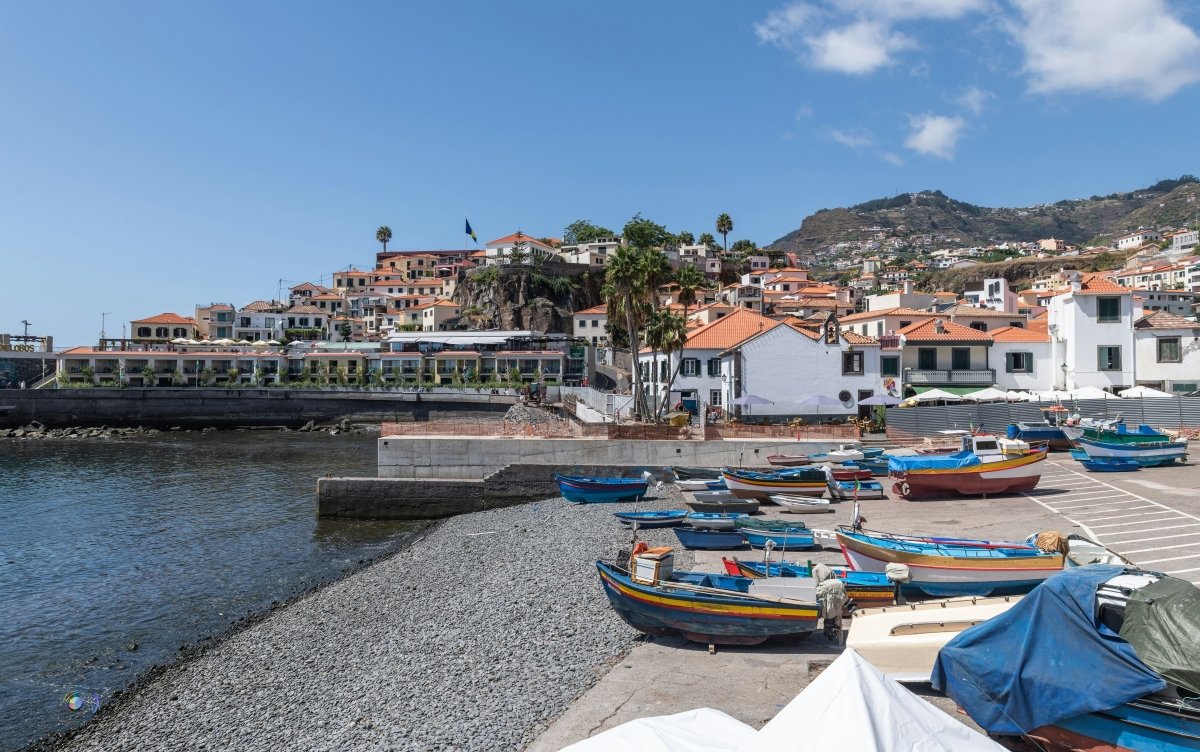
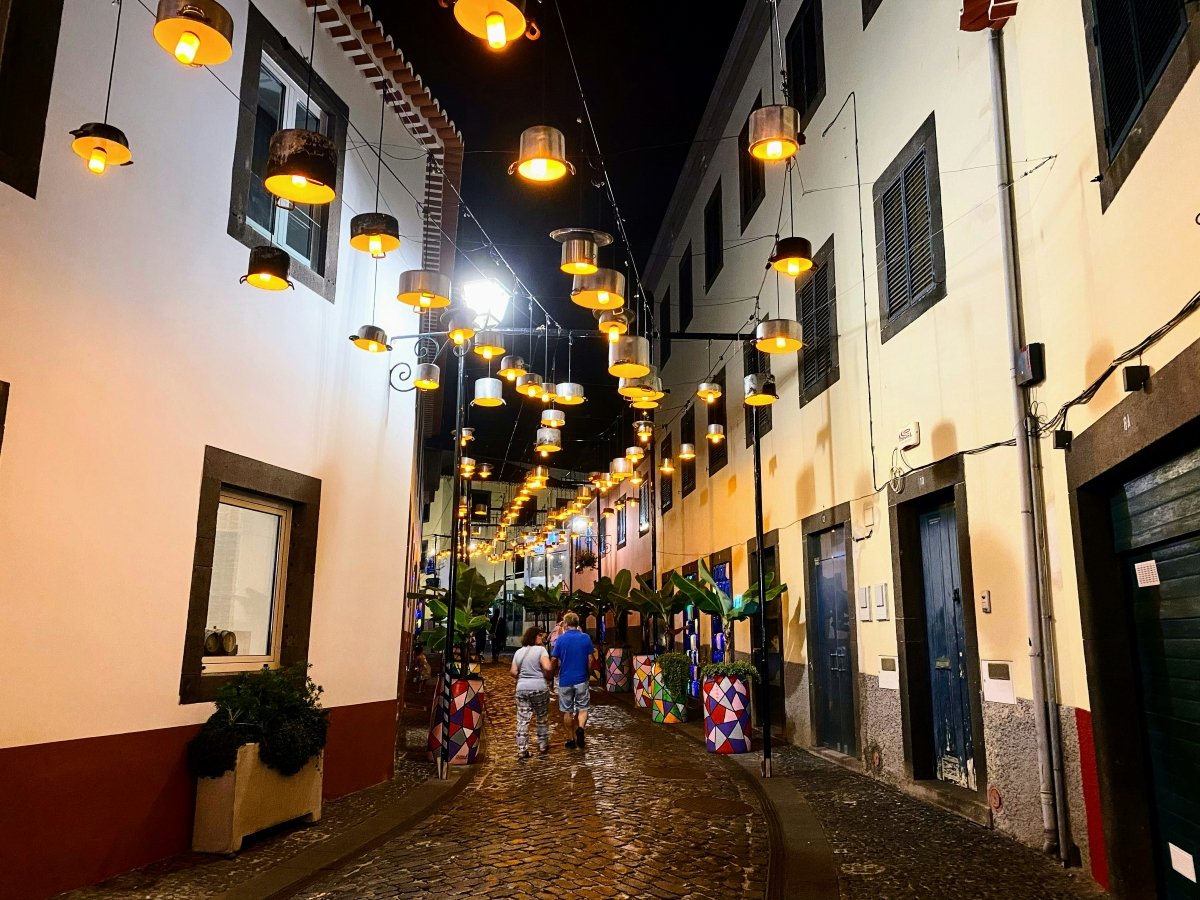
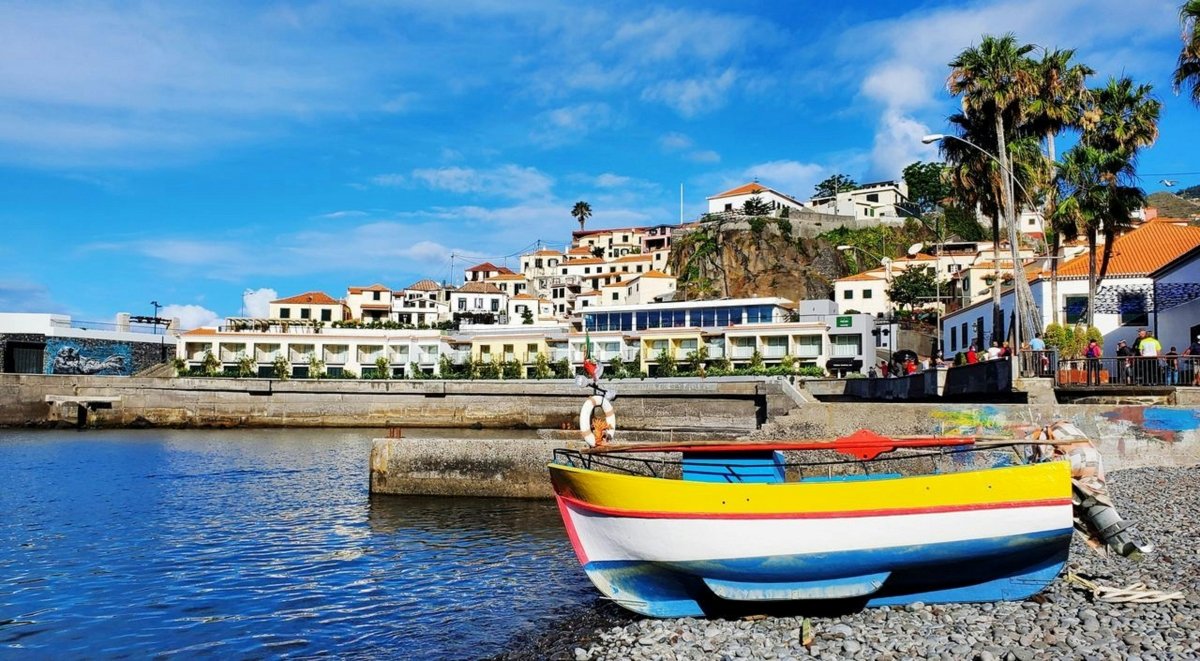
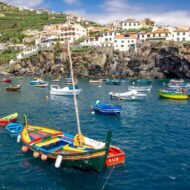
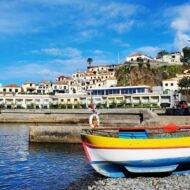
Winston Churchill came here in 1950, set up his easel, and painted the harbor. That should tell you something. Câmara de Lobos is Madeira’s photogenic fishing village—brightly painted boats called “xavelhas” lined up like crayons, dramatic cliffs behind, and a gritty authenticity that hasn’t been Disneyfied despite being a stone’s throw from Funchal.
Fascinating Facts
- The name means “Chamber of Wolves”—referring to monk seals (lobos-marinhos) that once packed the bay
- This is the birthplace of poncha, Madeira’s famous aguardente cocktail
- Local fishermen still use traditional fishing methods, especially for black scabbardfish caught in seriously deep waters (800-1200 meters down)
- The espada (scabbardfish) caught here is one of the ugliest, most delicious fish you’ll ever eat
Things to Do
Miradouro da Igreja: Viewpoint overlooking the whole village—bring your camera and your best Instagram game
Poncha Tasting: Hit the bars. Order poncha (sugar cane rum, honey, lemon). Repeat. This is the village’s liquid legacy.
Watch Fishermen Return: Early morning or late afternoon, watch the boats come in. The scabbardfish look like something from your nightmares but taste like heaven.
Cabo Girão Skywalk: Europe’s highest sea cliff (589m) with a glass platform. Not in the village itself but close and terrifying in the best way.
Levada Walks: Madeira’s famous irrigation channels double as hiking trails. Lush, verdant, stunning.
Food: Madeiran Specialties
Signature Dishes:
- Espada com Banana: Black scabbardfish with fried banana—sounds bizarre, is actually genius
- Bolo do Caco: Madeira’s flatbread with garlic butter—addictive carb delivery system
- Lapas: Grilled limpets with lemon and garlic
- Espetada: Beef skewers on laurel sticks, traditionally served hanging
- Poncha: The drink that makes everything better
Where to Eat: Vila do Peixe for fish, Riso for more upscale, any bar for poncha and petiscos (snacks).
Accommodation
Budget: Guesthouses in Câmara de Lobos €40-65/night
Mid-Range: Small hotels €70-120/night
Splurge: Stay in Funchal (10 min away) for more options €100-250/night
Smart Move: Rent an apartment with a kitchen and a view €60-100/night
Shopping
- Madeira Wine: The fortified wine that built the island’s economy
- Embroidery: Traditional hand-embroidered linens (expensive but authentic)
- Wicker Crafts: Baskets, furniture—Madeira’s wicker work is famous
- Poncha Kits: Take the ingredients home (or don’t—airport security might have questions)
Budget Reality
- Daily Spend: €65-110/person
- Meals: €10-20 for casual, €25-40 for nice dinner
- Poncha: €2-4 each (danger zone)
- Rental Car: €25-40/day (useful for exploring Madeira)
- Bus from Funchal: €3-5 (cheap and easy)
Save Money: Eat at local spots away from the waterfront, use public transport, buy wine directly from producers.
Cultural Essence
Câmara de Lobos fishing culture is all about resilience. Catching espada requires going out in small boats into deep ocean, often at night, using traditional long-line techniques. It’s dangerous work for modest pay, and the fishermen here don’t romanticize it—they just do it, like their fathers and grandfathers before them.
Poncha culture is social glue—after work, friends gather, drink, talk, argue, laugh. You’re welcome to join, especially if you buy a round.
Useful Details
- Language: Portuguese (some English in tourist areas)
- Best Time: Year-round is mild, but April-October is ideal
- Getting There: 15 minutes from Funchal by car or bus
- Safety: Very safe, but poncha is sneaky strong
- Dress Code: Casual, but bring layers—Madeira weather changes fast
5. Neuharlingersiel, Lower Saxony, Germany: The North Sea’s Best-Kept Secret
The Vibe
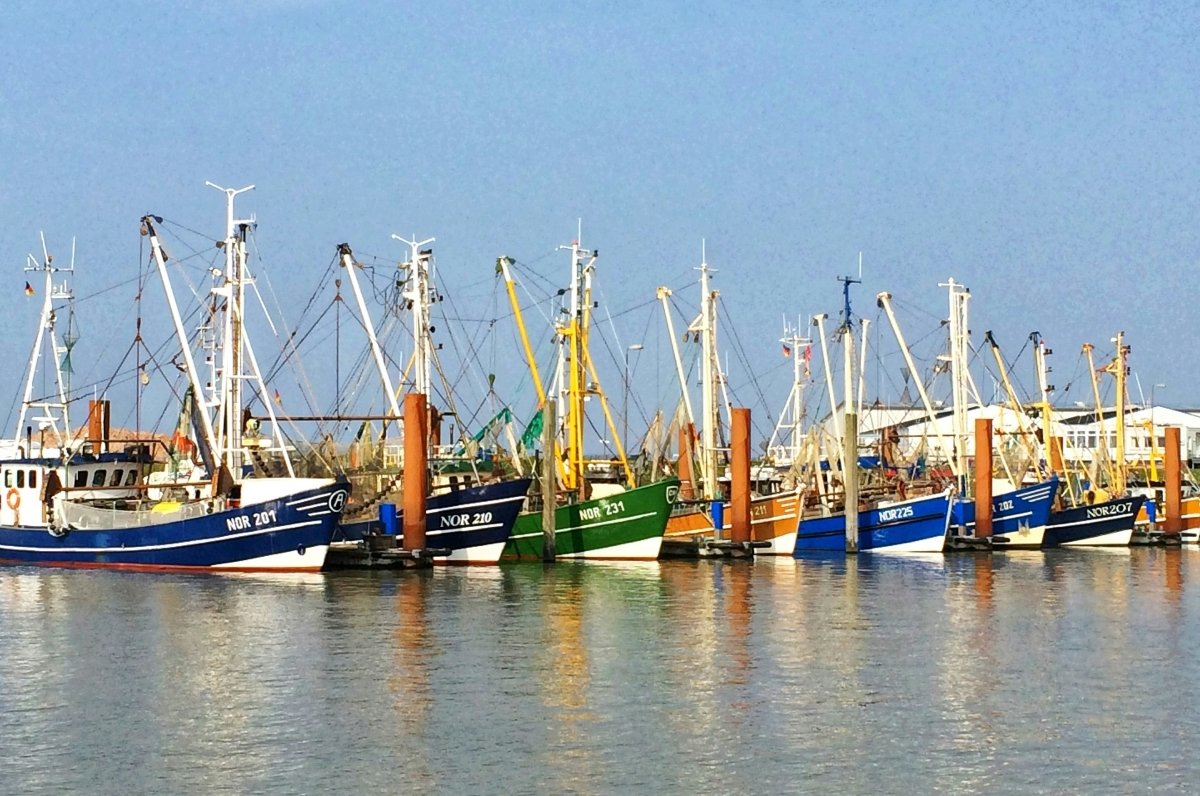
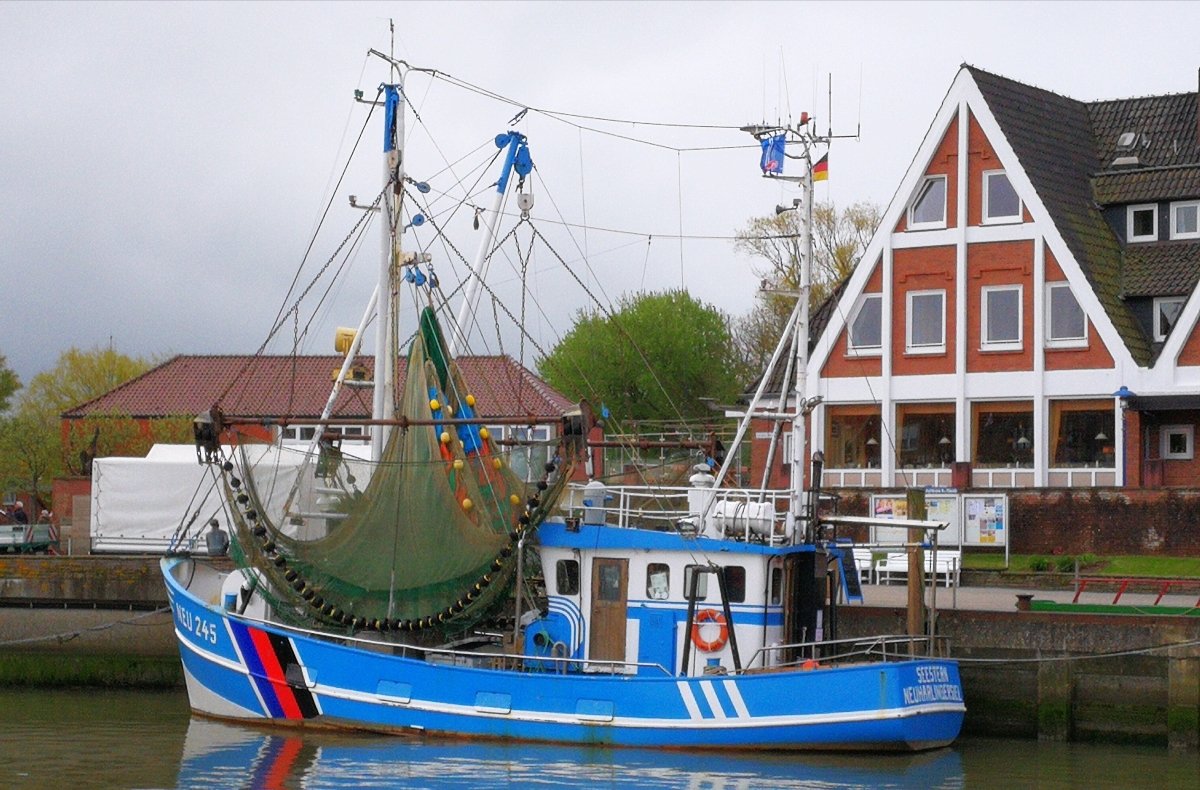
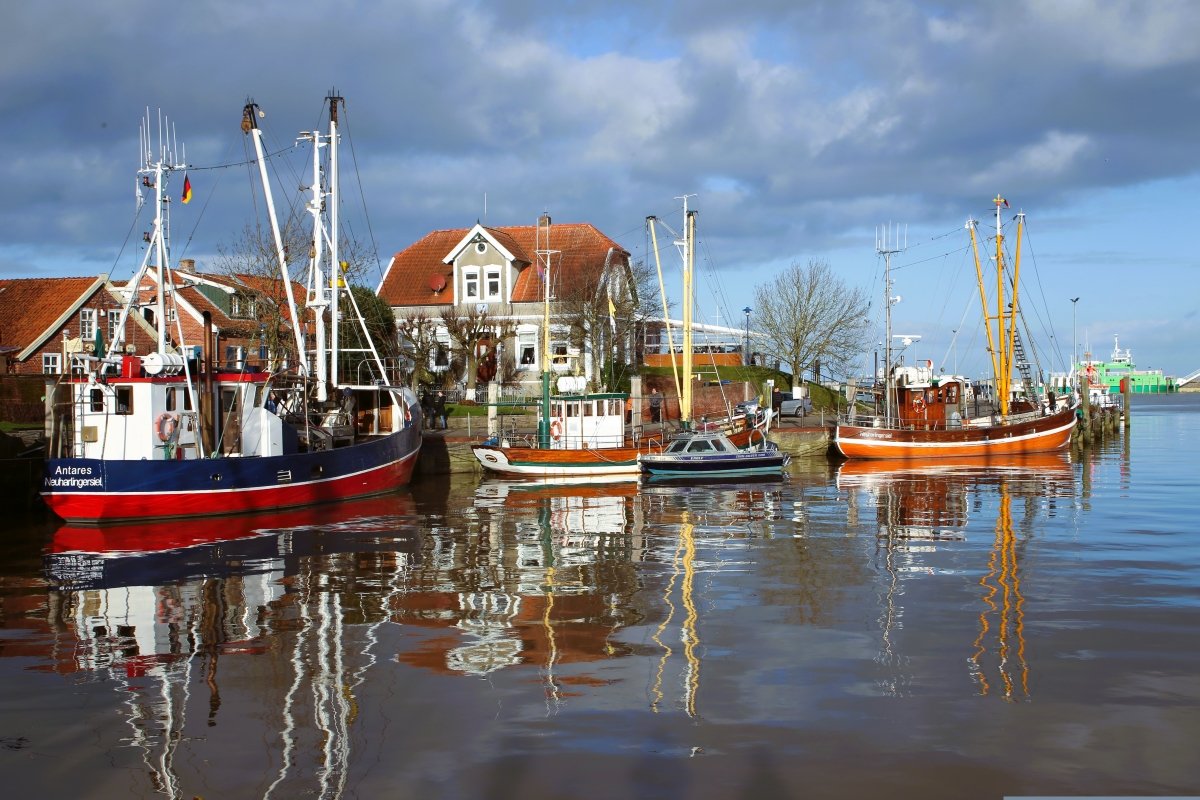
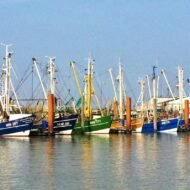
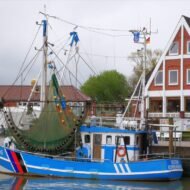
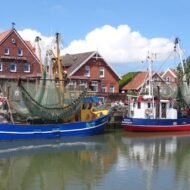
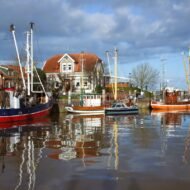
If you’ve heard of this place, you’re either German or very well-traveled. Neuharlingersiel is a tiny North Sea fishing village on Germany’s Frisian coast—half working harbor, half adorable tourist spot, fully authentic. Think tidal harbors, shrimp boats, windswept beaches, and a pace of life that makes “slow” look rushed.
Facts Worth Knowing
- The harbor drains completely at low tide—boats literally sit on the mud waiting for water to return
- Traditional crab fishing (Krabben—actually small shrimp) is still the main business
- The village was an important whaling port in the 18th century
- Connected to the East Frisian Islands by ferry—gateway to Spiekeroog and other car-free island paradoxes
Things to Do
Tidal Harbor Watching: Seriously. Watch the tide go out, boats settle onto the mud, then watch it all fill back up. It’s weirdly meditative.
Shrimp Boat Tours: Some boats offer trips—you go out, catch shrimp, cook them onboard, eat them. Peak experience.
Beach Time: Wide, flat, North Sea beaches. Bracing water, bracing wind, invigorating in that Northern European way.
Sielhof Museum: Local history, fishing heritage, whaling past—small but well done.
Island Ferry: Day trip to Spiekeroog—no cars allowed, pure nature, bicycle paradise.
Cycling: The coast is pancake-flat and crisscrossed with bike paths. Rent a bike, ride along the dikes.
Food: North Sea Specialties
Signature Dishes:
- Nordseekrabben: North Sea shrimp—tiny, sweet, labor-intensive to peel, absolutely worth it
- Krabbenbrötchen: Fresh shrimp on a roll—simple perfection
- Matjes: Young herring, often pickled or with onions
- Pannfisch: Pan-fried fish with bacon and mustard sauce
- Grünkohl mit Pinkel: Kale with a specific smoked sausage (winter specialty)
Where to Eat: Fährhaus for harbor views, Alt Neuharlingersiel for traditional cooking, the fish shops for takeaway shrimp rolls.
Sleeping
Budget: Camping €12-25/night; basic pensions €45-70/night
Mid-Range: Small hotels and guesthouses €75-120/night
Splurge: Boutique seaside hotels €140-220/night
Unique: Rent a traditional Frisian house €80-150/night
Shopping
- Fresh Shrimp: Buy directly from boats or fish shops
- Smoked Fish: Multiple smokehouses producing delicious takeaway options
- Local Crafts: Nautical decor, maritime antiques
- Frisian Tea: The region takes tea seriously—buy blends and porcelain
- Woolens: Practical, warm sweaters for the North Sea wind
Budget Planning
- Daily Spend: €70-120/person
- Meals: €8-15 casual, €20-35 for dinner
- Shrimp Boat Tour: €25-40/person
- Ferry to Islands: €20-35 round trip
- Bike Rental: €8-12/day
Save Money: Self-cater with fresh shrimp and fish from the market, camp or stay in pensions, pack picnics for island trips.
Cultural Notes
North German coastal culture is reserved, practical, and deeply connected to the sea. Fishing here means dealing with harsh weather, unpredictable tides, and economic pressures from industrial fishing operations. The communities that survive are tight-knit and resilient.
The Frisian identity is strong—distinct language (though most speak German), distinct traditions, distinct stubbornness about maintaining their way of life.
Practical Information
- Language: German (some English in tourist spots)
- Best Time: May-September (summer); shoulder seasons less crowded
- Getting There: Train to Norden, then bus; or drive
- Tides: Check tide tables—they dictate everything
- Weather: Bring windproof layers. Always.
- Currency: Euros, cards widely accepted
The Recap: Your Fishing Village Playbook
Here’s what we’ve learned cruising through Europe’s most authentic fishing villages:
🎣 Go Where the Boats Are: Real fishing villages smell like the sea, not sunscreen. If you see more trawlers than tour buses, you’re in the right place.
🦞 Eat What They Catch: Langouste in Centuri, shrimp in La Cotinière and Neuharlingersiel, sponges in Pothia (kidding—don’t eat those), and scabbardfish in Câmara de Lobos. Fresh, local, incredible.
💰 Budget Varies Wildly: Greece and Portugal offer better value; France and Germany cost more but deliver quality. Plan accordingly.
🏡 Stay Local: Family-run places, B&Bs, small hotels. Your money stays in the community, and you get better stories.
🌊 Respect the Culture: These aren’t theme parks. Fishing is hard, dangerous work. The people living these lives are real, and their traditions matter.
📅 Timing Matters: Shoulder seasons = fewer crowds, better prices, more authentic interactions. Mid-summer is beautiful but busy.
🚗 Transportation: Most require a car or commitment to slow travel. None of these are on the high-speed rail network, and that’s the point.
Disclaimer: The Fine Print
This guide is current as of 2026, but things change. Restaurants close, hotels renovate, fishing regulations shift, and entire villages occasionally decide to become yacht marinas (we’re looking at you, everywhere in the Med).
Prices are approximate and can vary based on season, exchange rates, and whether you show up during a local festival when everything costs triple.
Travel responsibly. These are working communities, not museums. Be respectful, support local businesses, don’t block harbors for Instagram shots, and for the love of all that’s holy, don’t touch the fishing equipment.
Check entry requirements for your specific nationality. Post-Brexit, some UK citizens need to count Schengen days. Ferry schedules change. Roads close. Life happens.
Natural sponges and fresh seafood might not make it through customs in your luggage. Check regulations before you try to bring home a year’s supply of octopus.
Activities involving boats, cliffs, and alcohol carry inherent risks. Use common sense. Don’t climb drunk. Don’t drink and skipper. Don’t assume you can swim in the North Sea in March.
The author is not responsible for poncha-related decisions, espada-induced nightmares, or the irresistible urge to quit your job and become a Mediterranean fisherman after reading this guide.
Now go. Get salty. Eat fish that was swimming this morning. Watch the tide come in. Talk to fishermen. Live a little.