


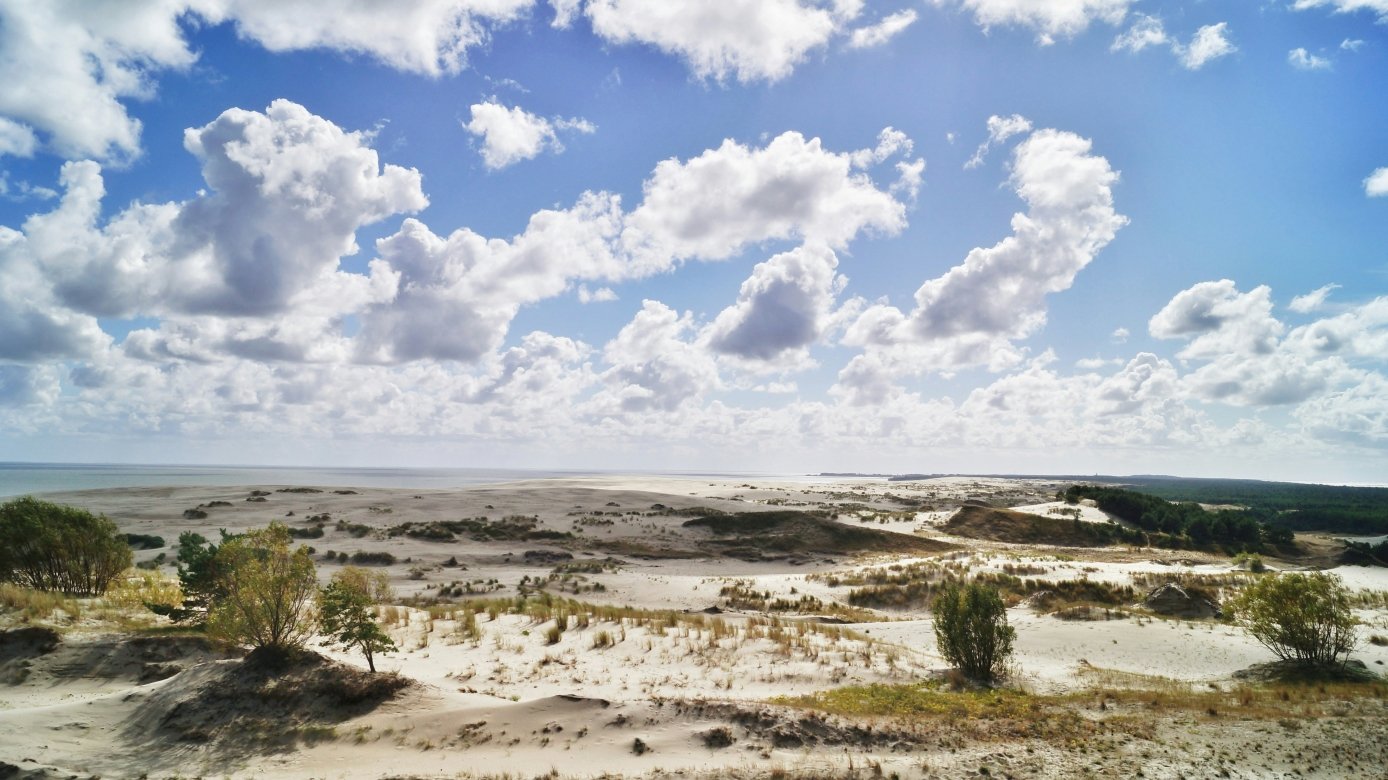
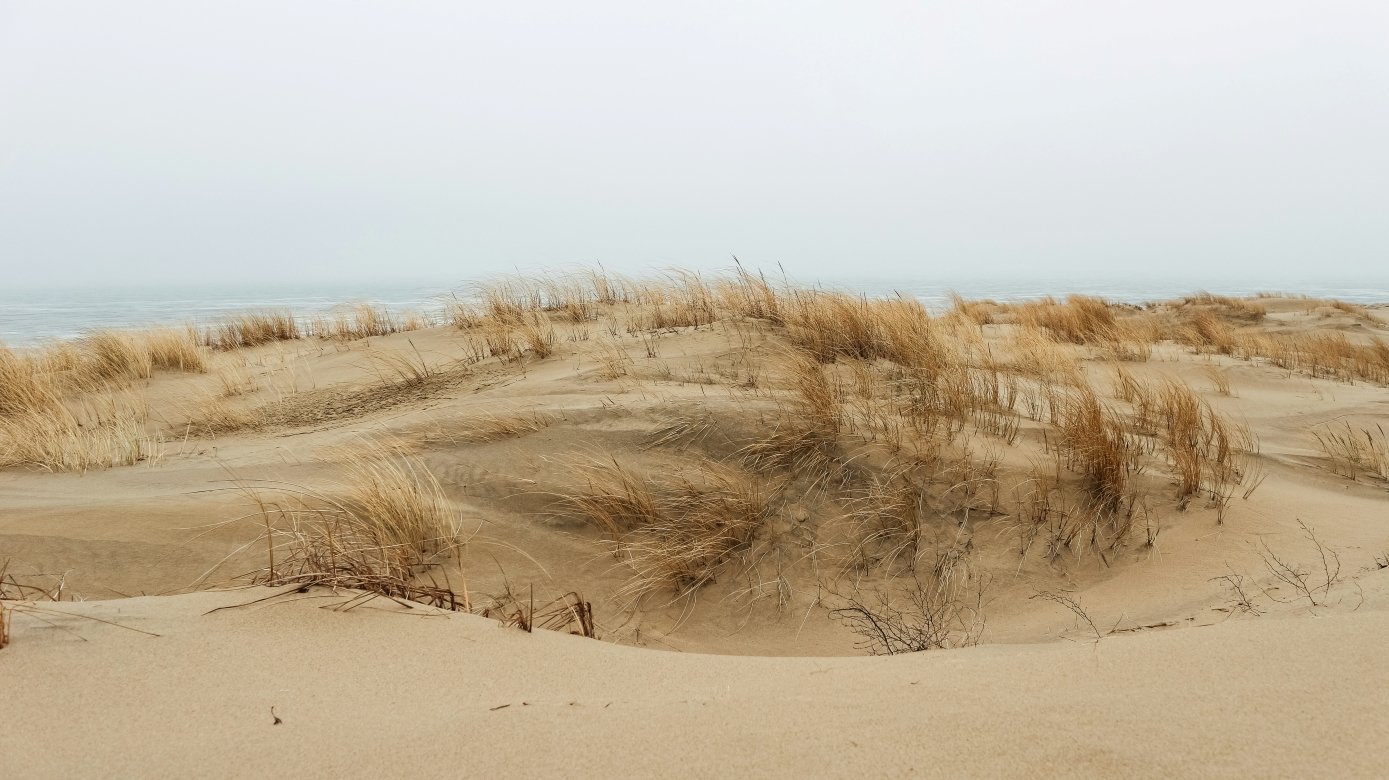

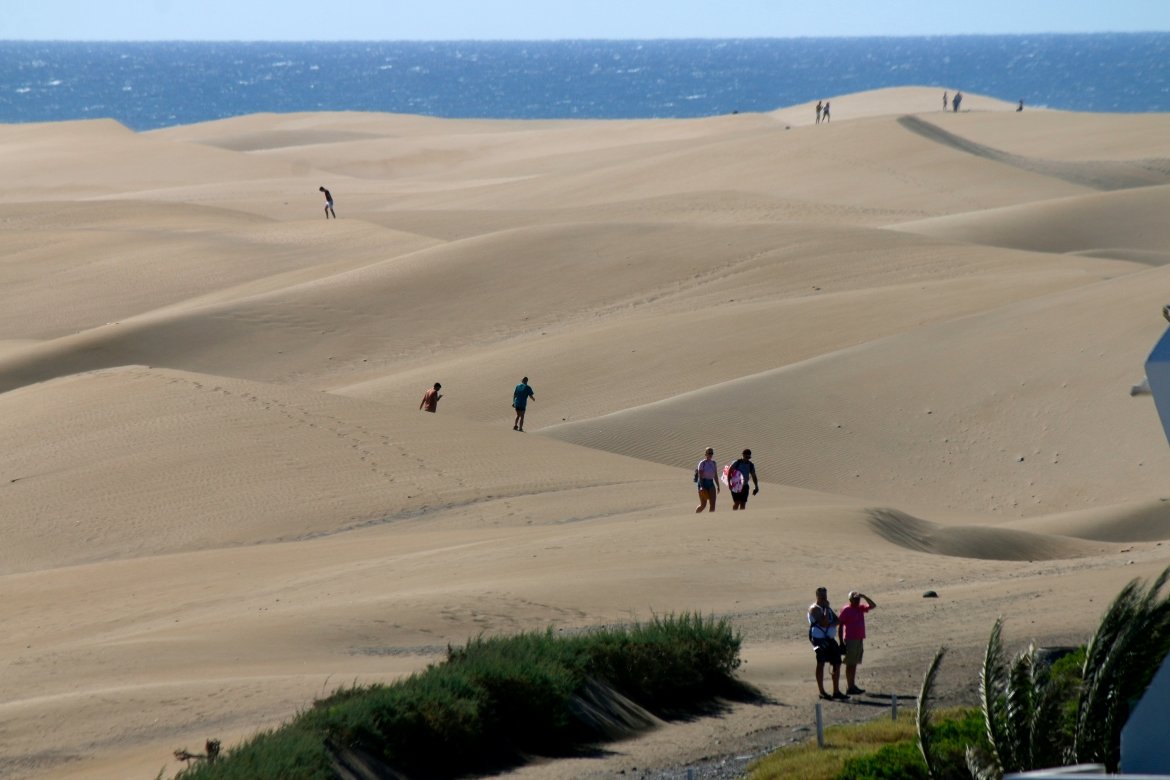

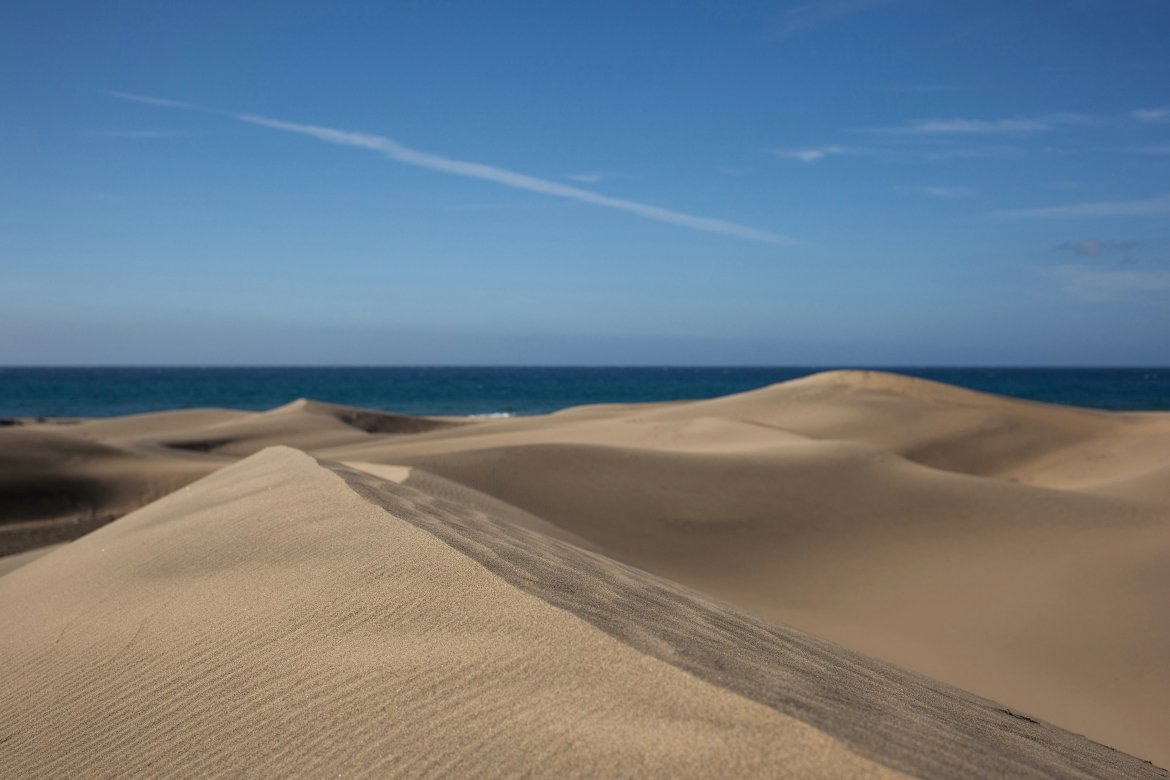
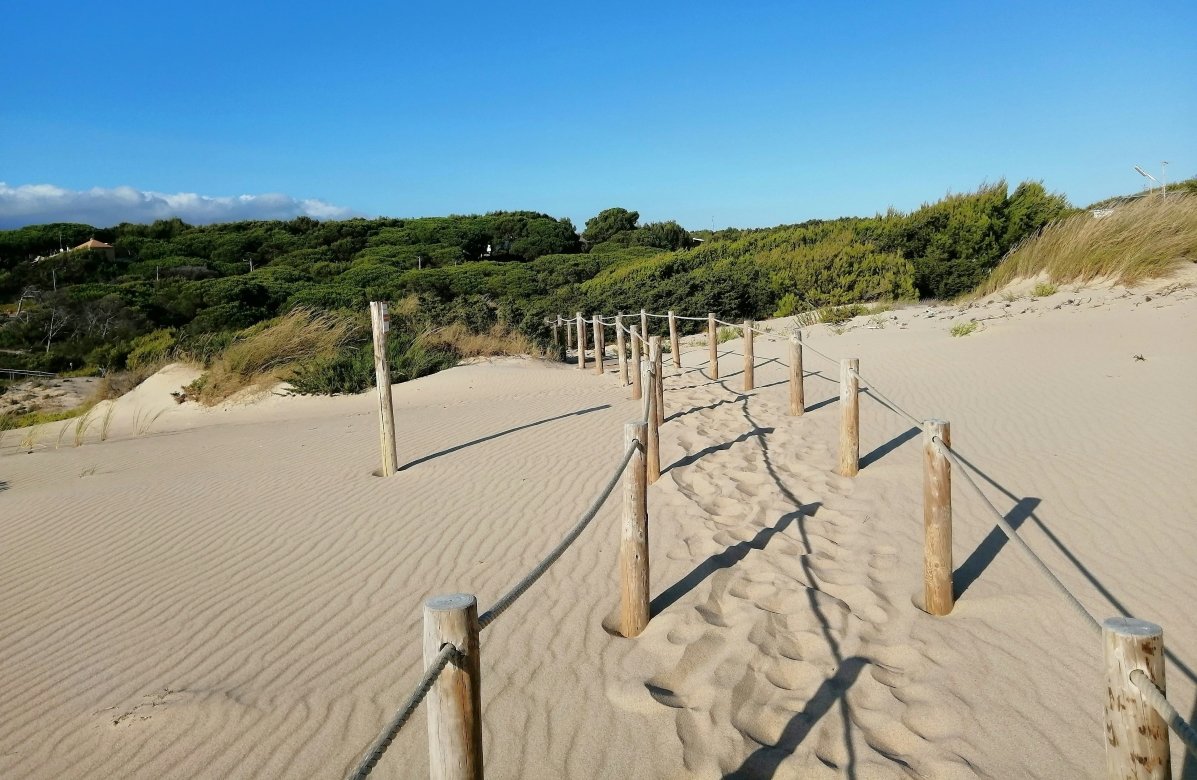
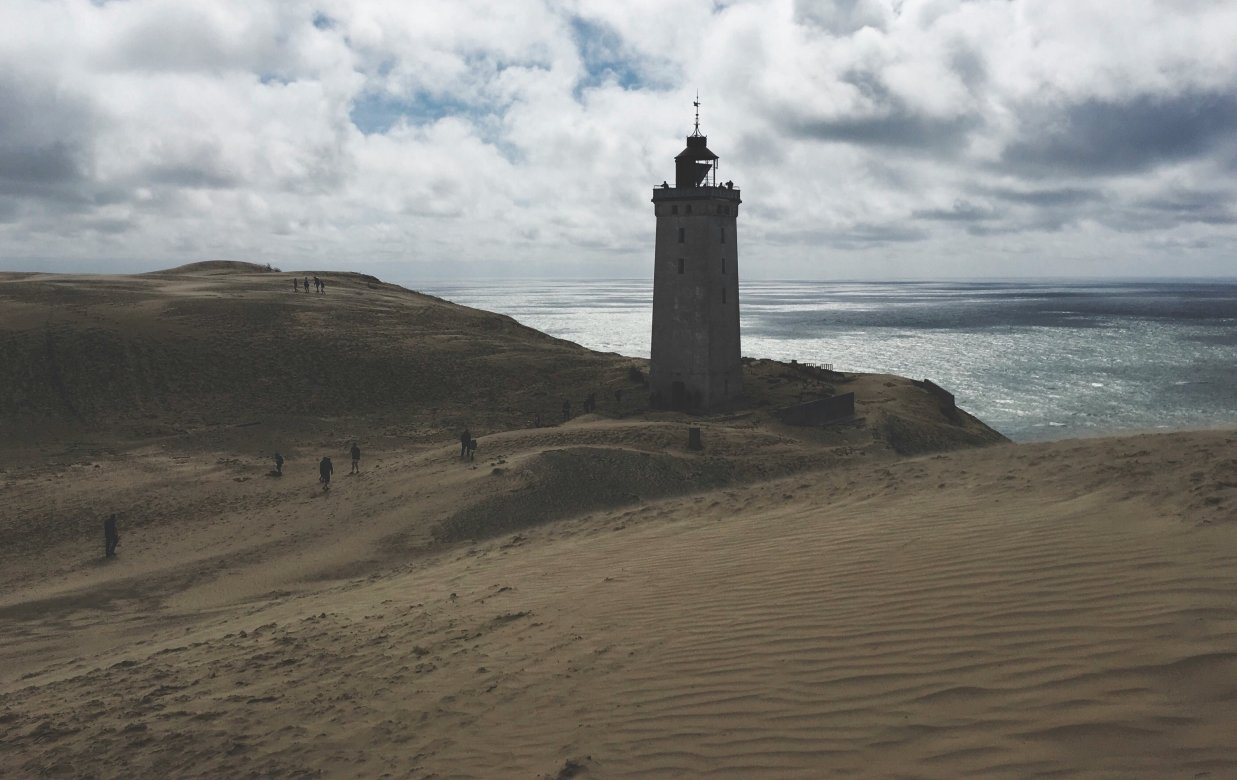






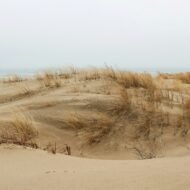


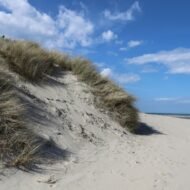







Think Europe and you probably picture medieval castles, bustling cities, or Alpine peaks – but massive sand dunes? That’s where most travelers get it wrong. Europe’s hiding some seriously spectacular dunes that’ll make you question whether you’ve somehow teleported to the Sahara. From France’s towering Dune du Pilat to Lithuania’s mystical Curonian Spit, these sandy wonders offer everything from adrenaline-pumping adventures to peaceful sunset walks.
- History: When Nature Meets Human Stories
- Where Can European Dunes Be Found?
- Mind-Blowing Fun Facts
- Compelling Reasons to Visit European Dunes
- Most Popular European Dunes
- Other Notable Dune Destinations
- Amenities and Tourist Infrastructure
- Accommodation and Budget Planning
- Events Not to Miss
- Cycling Adventures
- Hiking Trail Highlights
- Travel Tips and Practical Information
- Final Thoughts
What makes European dunes special isn’t just their unexpected presence – it’s how they blend seamlessly with coastal forests, historic towns, and modern beach culture. You can literally go from medieval architecture to moonlike landscapes in minutes. Plus, unlike their desert cousins, these dunes come with proper infrastructure, great food, and that distinctly European charm that makes every trip memorable.
History: When Nature Meets Human Stories
Europe’s dunes aren’t just pretty landscapes – they’re living history books written in sand. Most formed during the last Ice Age when retreating glaciers left behind massive amounts of sediment that winds sculpted over thousands of years. The Curonian Spit, stretching between Lithuania and Russia, began forming around 5,000 years ago, while France’s Dune du Pilat has been growing taller for centuries.
Human interaction with these dunes tells fascinating stories of survival and adaptation. Medieval communities learned to live alongside shifting sands that could bury entire villages overnight. The Dutch became masters at taming their coastal dunes, turning them into protective barriers against the North Sea. Lithuanian fishermen navigated the Curonian Spit’s treacherous sands for generations, developing unique cultural traditions that UNESCO now protects.
During WWII, many European dunes served as strategic military positions, with bunkers and fortifications still visible today. The post-war period brought tourism and conservation efforts, transforming these natural monuments from obstacles into treasured destinations that balance preservation with visitor access.
Where Can European Dunes Be Found?
Atlantic Coast: France leads with the massive Dune du Pilat near Bordeaux, while Spain’s Doñana National Park protects vast dune systems along the Andalusian coast.
North Sea Region: The Netherlands boasts extensive dune networks from Texel to Zeeland, Germany protects the Wadden Sea dunes, and Denmark’s western coast features pristine sandy landscapes.
Baltic Coast: Lithuania’s Curonian Spit offers the most dramatic dunes, Poland’s Słowiński National Park protects moving dunes, and Latvia’s coastal areas hide smaller but equally beautiful formations.
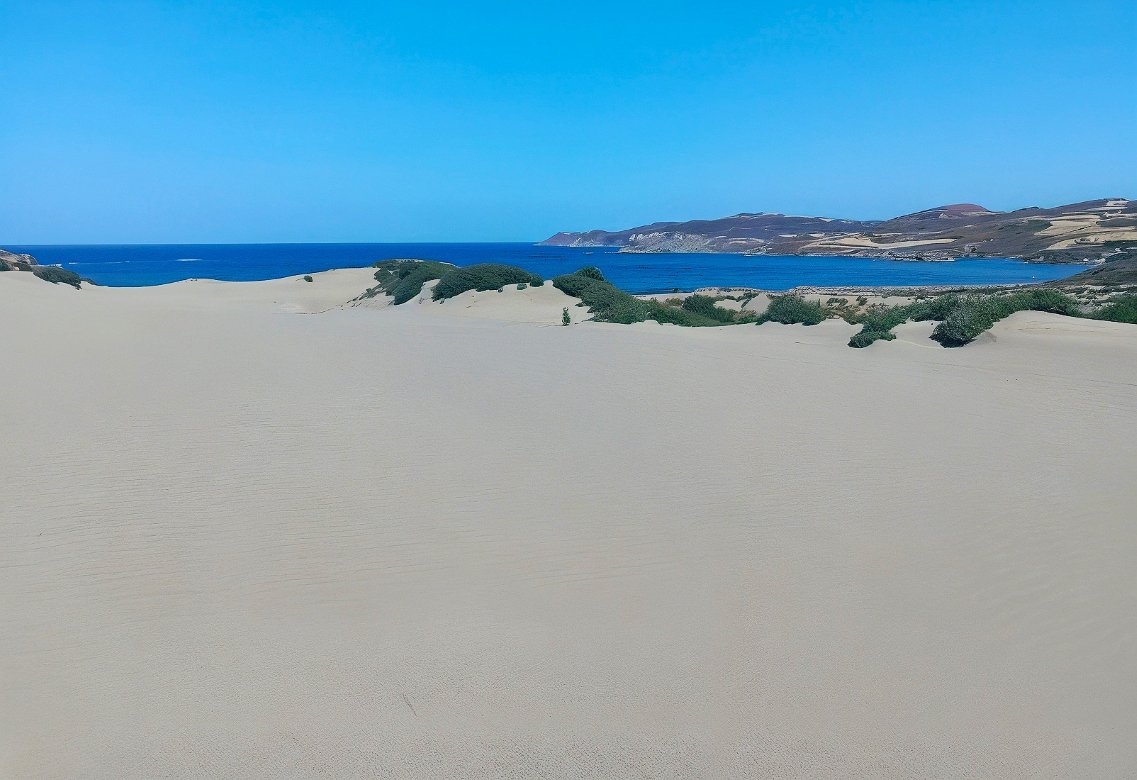
Mediterranean: Italy’s Sardinia conceals surprising inland dunes, while Portugal’s Alentejo coast features lesser-known but spectacular sandy areas.The Lemnos Desert , sometimes called the Lemnos Dunes, is a desert located in Katalakkos, on the island of Lemnos, Greece.
Mind-Blowing Fun Facts
The Dune du Pilat grows about 4.5 meters eastward every year – that’s like adding a small house’s width annually! At 110 meters high, it’s Europe’s tallest sand dune and offers panoramic views stretching to the Pyrenees on clear days.
Lithuania’s Curonian Spit moves so much that entire forests get buried and then re-emerge decades later, creating an eerie “dead dune” landscape that looks straight out of a sci-fi movie. Local legends say witches created these shifting sands to protect the coastline.
The Netherlands has been battling and befriending its dunes for over 800 years, developing innovative techniques that coastal engineers worldwide now study. Some Dutch dunes are artificially maintained with sand pumping systems that move millions of cubic meters annually.
Poland’s Słowiński National Park features “singing dunes” that emit mysterious humming sounds when the sand moves – scientists still debate exactly why this happens.
Compelling Reasons to Visit European Dunes
Unique Instagram Content: Where else can you capture Sahara-like shots with European coastlines in the background? These dunes offer photography opportunities that’ll make your followers question your location tags.
Adventure Sports Playground: Sand surfing, paragliding, and dune buggy rides provide adrenaline rushes you won’t find in typical European destinations. The soft landings make these activities accessible for beginners too.
Peaceful Escape: Despite being tourist destinations, dunes offer surprising solitude. Early morning or late evening visits reveal tranquil landscapes where you can hear only wind and waves.
Educational Value: These environments showcase unique ecosystems where specialized plants and animals thrive in harsh conditions, offering insights into adaptation and environmental conservation.
Year-Round Accessibility: Unlike mountain destinations, dunes remain accessible in most weather conditions and offer different experiences across seasons.
Most Popular European Dunes
- Dune du Pilat, France – The undisputed king of European dunes
- Curonian Spit, Lithuania/Russia – UNESCO World Heritage mystical landscape
- Texel Dunes, Netherlands – Perfect family-friendly destination
- Råbjerg Mile, Denmark – Europe’s largest migrating coastal dune
- Słowiński National Park, Poland – The “Polish Sahara” experience
- Doñana National Park, Spain – Wildlife-rich dune ecosystem
- Kootwijkerzand, Netherlands – Inland desert landscape
Other Notable Dune Destinations
- Pachies Ammoudies of Lemnos:The Lemnos Desert , sometimes called the Lemnos Dunes, is a desert located in Katalakkos, on the island of Lemnos, Greece.
- Sardinia’s Piscinas Dunes, Italy: Hidden Mediterranean gems surrounded by old mining landscapes.
- Studland Bay, England: Part of the Jurassic Coast World Heritage Site, Studland features a diverse dune system with heathland, woodland, and a beautiful sandy beach.
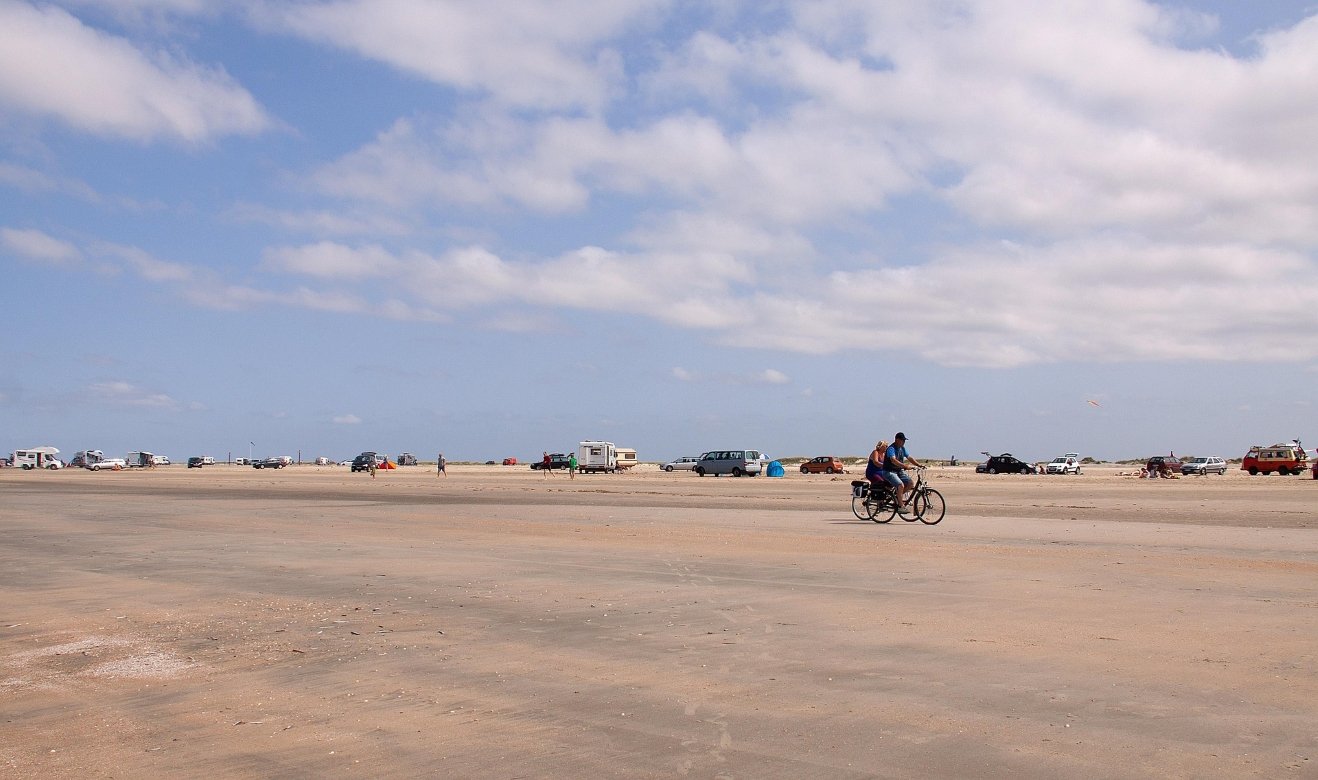
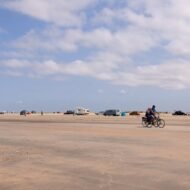
- Rømø, Denmark: Another Danish gem, Rømø has incredibly wide beaches backed by extensive dune systems, ideal for beach activities and nature exploration.
- Dunes of Schoorl, Netherlands: Near the North Sea coast, these dunes are among the widest and highest in the Netherlands, offering extensive cycling and hiking opportunities.
- Coastal Dunes of Portugal (e.g., Guincho Beach): Portugal’s Atlantic coast is sculpted by numerous dune systems, often integrated with pine forests, providing stunning scenery and excellent conditions for wind sports.
Amenities and Tourist Infrastructure
Most major European dune destinations offer excellent facilities. Dune du Pilat features parking (€6-8), restaurants, and equipment rentals. The Curonian Spit provides visitor centers, guided tours, and traditional guesthouses.
Dutch dune areas excel in infrastructure with bike rental stations, marked trails, and beach pavilions serving local specialties. Danish and German dune parks offer camping facilities, visitor centers with educational exhibits, and well-maintained access paths.
Smaller destinations might have limited facilities, so plan accordingly. Many require entrance fees ranging from €3-15 per person, with parking costs varying from free to €10 daily.
Accommodation and Budget Planning
Budget Range (€30-60/night): Hostels, camping, and basic guesthouses near dune areas. Expect simple accommodations with shared facilities.
Mid-Range (€60-120/night): Comfortable hotels, vacation rentals, and boutique guesthouses. Many offer dune view rooms and bicycle rentals.
Luxury (€120-300+/night): High-end resorts, spa hotels, and exclusive vacation homes with premium locations and services.
Camping: Most dune areas offer camping from €15-25/night per pitch. Dutch campsites are particularly well-equipped with modern facilities.
Vacation Rentals: Beach houses and apartments range €50-200/night depending on location and season, offering kitchen facilities and more space for families.
Events Not to Miss
Dune du Pilat Summer Festival (July): Music performances against stunning sunset backdrops.
Curonian Spit Amber Festival (August): Celebrating Baltic amber with crafts, music, and local traditions.
Texel Balloon Festival (June): Hot air balloons create magical scenes above dune landscapes.
Słowiński Desert Festival (September): Cultural events celebrating the “Polish Sahara” with local cuisine and folk performances.
Danish Dune Walking Week (May): Guided tours exploring Jutland’s coastal dune systems with expert naturalists.
Cycling Adventures
European dunes offer fantastic cycling experiences with well-marked routes suitable for all levels. The Netherlands leads with extensive bike path networks connecting dune areas to charming coastal towns. Rent e-bikes for effortless dune exploration – they handle sandy terrain better than traditional bikes.
France’s Landes region features 600km of cycle paths through pine forests and dunes, while Denmark’s North Sea Cycle Route passes spectacular dune landscapes. Lithuania’s Curonian Spit offers unique cycling through forests, dunes, and fishing villages.
Most areas provide bike rentals (€10-20/day) with route maps and safety equipment included.
Hiking Trail Highlights
Dune du Pilat Summit Trail: Challenging but rewarding climb offering breathtaking Atlantic views and forest panoramas.
Curonian Spit Nature Trail: 14km route through diverse ecosystems from Baltic beaches to ancient forests.
Hollandse Duinen Long Distance Path: Multi-day hiking connecting Dutch coastal dunes with opportunities for wildlife spotting.
Thy National Park Trails: Wild hiking through Denmark’s untamed dune landscapes with excellent birdwatching opportunities.
Słowiński Coastal Path: Combines dune hiking with traditional fishing village visits and Baltic Sea vistas.
Most trails are well-marked with difficulty levels clearly indicated. Bring sun protection and plenty of water – dune hiking can be surprisingly demanding.
Travel Tips and Practical Information
Best Timing: Late spring through early autumn offers ideal weather, though winter dune visits provide unique atmospheric experiences with fewer crowds.
What to Bring: Sun protection is crucial – sand reflects sunlight intensely. Comfortable walking shoes with good grip, plenty of water, and wind-resistant clothing are essentials.
Photography Tips: Golden hour shots (sunrise/sunset) create magical lighting effects. Bring lens protection against sand and wind.
Safety Considerations: Stay on marked paths to protect fragile ecosystems. Check weather conditions – strong winds can make dune climbing dangerous.
Transportation: Most major dune areas are accessible by public transport, though rental cars provide more flexibility for exploring multiple locations.
Language: English is widely spoken in tourist areas, but learning basic local phrases enhances interactions with locals.
Final Thoughts
Europe’s dunes represent some of the continent’s most underrated natural wonders, offering experiences that blend adventure, relaxation, and cultural discovery in ways you won’t find anywhere else. Whether you’re seeking Instagram-worthy photography, family-friendly outdoor activities, or peaceful nature escapes, these sandy landscapes deliver beyond expectations.
The beauty of European dune travel lies in its accessibility and variety – you can experience Sahara-like landscapes while enjoying European amenities, cuisine, and cultural richness. From France’s towering coastal giants to Lithuania’s mystical shifting sands, each destination offers unique stories and experiences that’ll leave you planning return visits.
Don’t let another European adventure pass without discovering these sandy secrets – your travel bucket list will thank you for adding these extraordinary landscapes that prove Europe’s natural diversity extends far beyond its famous mountains and cities.