




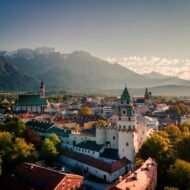
TL;DR: Hall in Tirol is a stunning medieval town just 10 minutes from Innsbruck, featuring Austria’s largest preserved old town, a historic salt mine, alpine adventures, and authentic Tyrolean culture—without the tourist crowds. Perfect for history buffs, families, and anyone seeking an authentic Austrian experience.
- Why Hall in Tirol Should Be on Your Radar
- Getting There and Getting Around
- Must-See Attractions
- The Altstadt (Old Town)
- Hall Mint Museum (Münze Hall)
- Hall Salt Mine (Salzwelten Hall)
- Burg Hasegg
- Absam and the Basilica
- Outdoor Adventures
- Where to Eat
- Where to Stay
- Seasonal Highlights
- Christmas Market (Late November-December)
- Summer (June-August)
- Spring & Fall (April-May, September-October)
- Practical Tips
- Day Trip Itinerary
- Beyond Hall: Nearby Attractions
- Why You’ll Love Hall in Tirol
Look, I’m going to be honest with you: Hall in Tirol is the kind of place that makes you wonder why everyone’s cramming into Innsbruck when this absolute treasure is sitting right next door. Just a quick 10-minute train ride east of Innsbruck, this medieval town is serving up everything you’d want from an Austrian getaway—minus the selfie sticks and overpriced tourist traps.
Why Hall in Tirol Should Be on Your Radar
Here’s the thing about Hall: it’s got the largest preserved old town in western Austria, and somehow it’s managed to fly under the radar. While travelers are spending small fortunes in Salzburg and Vienna, you can wander through cobblestone streets that look like they’re straight out of a fairy tale, grab an authentic Wiener Schnitzel that won’t cost you a kidney, and actually talk to locals who aren’t exhausted by tourism.
The town got its wealth (and its name) from salt—”Hall” comes from the Celtic word for salt. For centuries, this was where the money was literally mined, and you can still visit those historic salt mines today.
Getting There and Getting Around
By Train: The S-Bahn from Innsbruck takes about 10 minutes and runs frequently. Your ticket costs around €4-5, and honestly, it’s one of the easiest day trips you’ll ever plan.
By Car: If you’re driving, it’s just 10km east of Innsbruck on the A12 motorway. Parking is available at several lots around the old town (expect to pay €1-2 per hour).
Getting Around: Your feet are your best friend here. The old town is completely pedestrianized, which means you can actually enjoy the architecture without dodging traffic. Everything worth seeing is within a 15-minute walk.
Must-See Attractions
The Altstadt (Old Town)
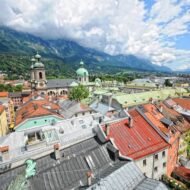
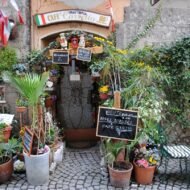
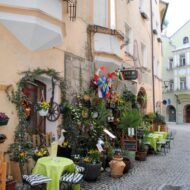
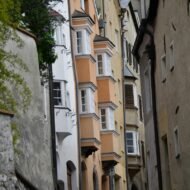
The medieval old town is the main event, and it doesn’t disappoint. Narrow lanes, arcaded courtyards, and buildings painted in those perfect pastel colors you see on Instagram—except here, you might actually be the only one taking photos.
Top spots in the Altstadt:
- Oberer Stadtplatz: The upper town square with its beautiful Gothic and Renaissance buildings
- Unterer Stadtplatz: The lower square, home to cafés and the famous Münzerturm (Mint Tower)
- Stadtpfarrkirche St. Nikolaus: This Gothic church has stunning stained glass and a baroque interior that’ll make you forget about your schedule
Hall Mint Museum (Münze Hall)
From 1477 to 1665, Hall was home to the first mint to produce large silver coins. The Mint Museum tells this story with actual coin-striking demonstrations that are way more interesting than they sound. You’ll see how the famous “Thaler” coins were made—yes, the ones that gave us the word “dollar.”
Practical info:
- Adults: around €10
- Open Tuesday-Sunday
- Guided tours available in English (worth it!)
Hall Salt Mine (Salzwelten Hall)
This isn’t your average museum visit. You’ll put on mining gear, slide down wooden slides (seriously), and explore the same tunnels miners worked in for 400 years. The underground salt lake is genuinely impressive, and the whole experience feels like an adventure rather than a history lesson.
What to know:
- Tours last about 90 minutes
- Temperature inside is around 10°C (50°F)—bring a jacket
- Book ahead during summer and holidays
- Around €23 for adults, with family packages available
- Not suitable for those with mobility issues (lots of stairs)
Burg Hasegg
This castle from 1306 houses the Mint Museum and offers fantastic views from its tower. The 35-meter-high Münzerturm is the town’s landmark, and climbing it gives you panoramic views of the Inn Valley and surrounding Alps.
Absam and the Basilica
Just a short walk or bus ride away, the pilgrimage church of Absam features a miraculous image that’s been drawing pilgrims since 1797. Even if you’re not religious, the baroque interior is stunning.
Outdoor Adventures
Hiking
The surrounding mountains offer trails for every fitness level. Popular options include:
- Bettelwurf: Challenging summit hike with incredible 360-degree views
- Glungezer: Take the cable car up and hike the high alpine trails
- Inn River Trail: Easy, flat path perfect for families or casual walkers
Winter Sports
Come winter, Hall transforms into a gateway to excellent skiing. The Glungezer ski area offers quieter slopes than the famous Innsbruck resorts, with lift tickets running about €40-50 per day.
Where to Eat
Traditional Tyrolean Cuisine
Goldener Engl is where locals go for traditional food. Their Tiroler Gröstl (a hearty pan-fried potato dish with meat) is comfort food at its finest. Expect to pay €12-20 for mains.
Stadtbräu Hall serves up excellent beer brewed on-site since 1466. Yes, you read that right—they’ve been perfecting their craft for over 500 years. The beer garden is perfect for summer evenings.
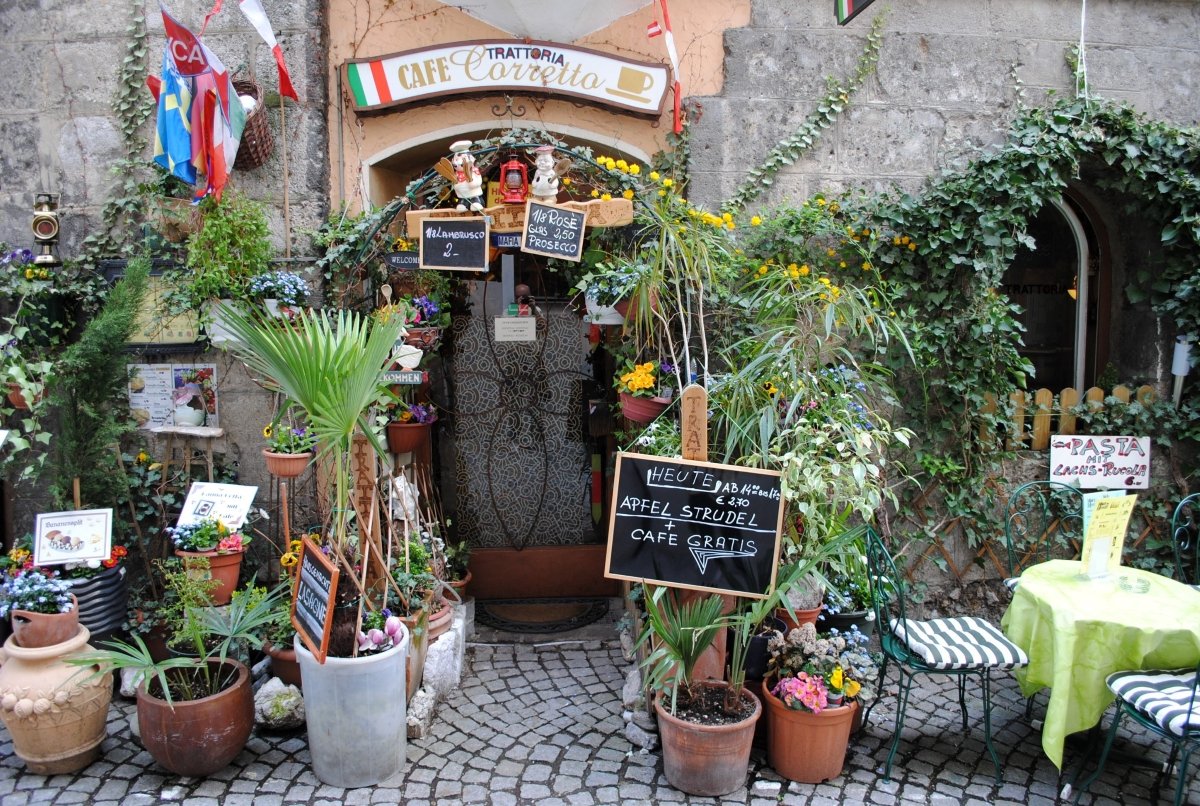
Café Central is ideal for afternoon coffee and cake. Their apple strudel is the real deal, served warm with vanilla sauce.
Budget-Friendly Options
SPAR supermarket near the train station has a hot food counter where you can grab lunch for under €5. There’s also a Billa with picnic supplies if you’re planning a mountain lunch.
Where to Stay
Parkhotel Hall offers comfortable rooms with mountain views, starting around €100-150 per night. The breakfast spread is generous, and it’s a 5-minute walk to the old town.
Gasthof Badl is a traditional guesthouse where you’ll get authentic Austrian hospitality and hearty breakfasts. Rooms start around €70-90 per night.
Budget option: Consider staying in Innsbruck and using Hall as a day trip—you’ll find more hostel and budget hotel options there.
Seasonal Highlights
Christmas Market (Late November-December)
Hall’s Advent Market is magical without being overwhelming. The old town squares fill with wooden stalls selling handmade crafts, local food, and Glühwein (mulled wine). It’s got all the charm of bigger markets but you can actually move around.
Summer (June-August)
Long days mean you can explore the mountains until 9 PM. The outdoor cafés are buzzing, and you’ll find various cultural events and concerts in the town squares.
Spring & Fall (April-May, September-October)
These shoulder seasons offer the best value. Fewer visitors, pleasant weather for hiking, and all attractions are open. Hotel prices drop by 20-30% compared to summer peak.
Practical Tips
How long to stay: Hall works perfectly as a day trip from Innsbruck, but spending 1-2 nights lets you experience the town after day-trippers leave. The atmosphere changes completely in the evening.
Money: Most places accept cards, but keep some cash for smaller cafés and the market stalls. ATMs are readily available around the main squares.
Language: German is the local language, but you’ll find English speakers in tourist areas, restaurants, and hotels. Learning a few German phrases (Grüß Gott for hello, Danke for thanks) goes a long way.
Best time to visit: May-September for hiking and outdoor activities, December for Christmas market magic, January-March for skiing.
Accessibility: The old town’s cobblestones can be challenging for wheelchair users or those with mobility aids. The salt mine tour involves many stairs and isn’t accessible. However, the main squares and most restaurants are manageable.
Day Trip Itinerary
If you’re only here for a day, here’s how to maximize your time:
Morning (9 AM-12 PM): Start with the Salt Mine tour (book the 9:30 AM slot). This takes about 90 minutes and is genuinely fascinating.
Lunch (12-1 PM): Grab a traditional lunch at Goldener Engl or pick up something quick at a bakery.
Afternoon (1-4 PM): Explore the old town at your own pace. Visit the Mint Museum, climb the Münzerturm, and wander the squares. Stop for coffee and cake around 3 PM.
Evening (4-6 PM): If time allows, take a walk along the Inn River or head back to Innsbruck for dinner.
Beyond Hall: Nearby Attractions
Swarovski Crystal Worlds in Wattens is just 15 minutes away—a surreal art installation and museum that’s worth the visit even if sparkly crystals aren’t your thing.
Achensee Lake is Austria’s largest alpine lake, about 30 minutes by car, perfect for swimming and water sports in summer.
Why You’ll Love Hall in Tirol
Here’s what makes Hall special: it’s authentic. This isn’t a town that’s been Disney-fied for tourists. Real people live here, real businesses operate here, and you’ll experience Austria as it actually is—not as a theme park version of itself.
You’ll pay less, encounter fewer crowds, and have experiences that feel genuine rather than manufactured. The medieval architecture is just as impressive as anything in Salzburg, the mountains are just as majestic as anywhere in the Alps, and the schnitzel? Just as delicious as the expensive version in Vienna.
Whether you’re a history enthusiast fascinated by medieval salt mining, an outdoor adventurer ready to tackle alpine peaks, a family looking for kid-friendly activities, or someone who just wants to sip coffee in a beautiful square without fighting through tour groups—Hall delivers.
So skip the overcrowded tourist traps and give Hall in Tirol a chance. Your wallet will thank you, your Instagram followers will be jealous, and you’ll have stories about an Austrian town that most travelers have never heard of. Sometimes the best travel experiences are the ones hiding in plain sight, just 10 minutes down the track.
Pro tip: Visit on a weekday if possible. Even this relatively quiet town sees more visitors on weekends, especially during summer and the Christmas market season.