




TL;DR: Kalenberg is a tiny village in the heart of De Weerribben-Wieden National Park, offering authentic Dutch countryside vibes, incredible birdwatching, peaceful boat tours through pristine wetlands, and charming local dining – perfect for escaping the crowds of Amsterdam while staying connected to nature.
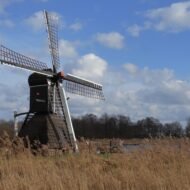
Forget everything you think you know about the Netherlands. Yes, there are windmills and tulips, but tucked away in the province of Overijssel lies something far more magical: Kalenberg, a microscopic village that serves as your perfect base for exploring De Weerribben-Wieden National Park, Europe’s largest freshwater wetland area.
If you’re tired of fighting crowds in Amsterdam or looking for an authentic slice of Dutch life that most tourists never discover, Kalenberg might just become your new favorite European secret.
What Makes Kalenberg Special
This isn’t your typical Dutch destination. Kalenberg feels like stepping back in time – we’re talking about a village so small it barely registers on most maps, surrounded by an otherworldly landscape of floating islands, mysterious waterways, and more bird species than you can shake a telephoto lens at.
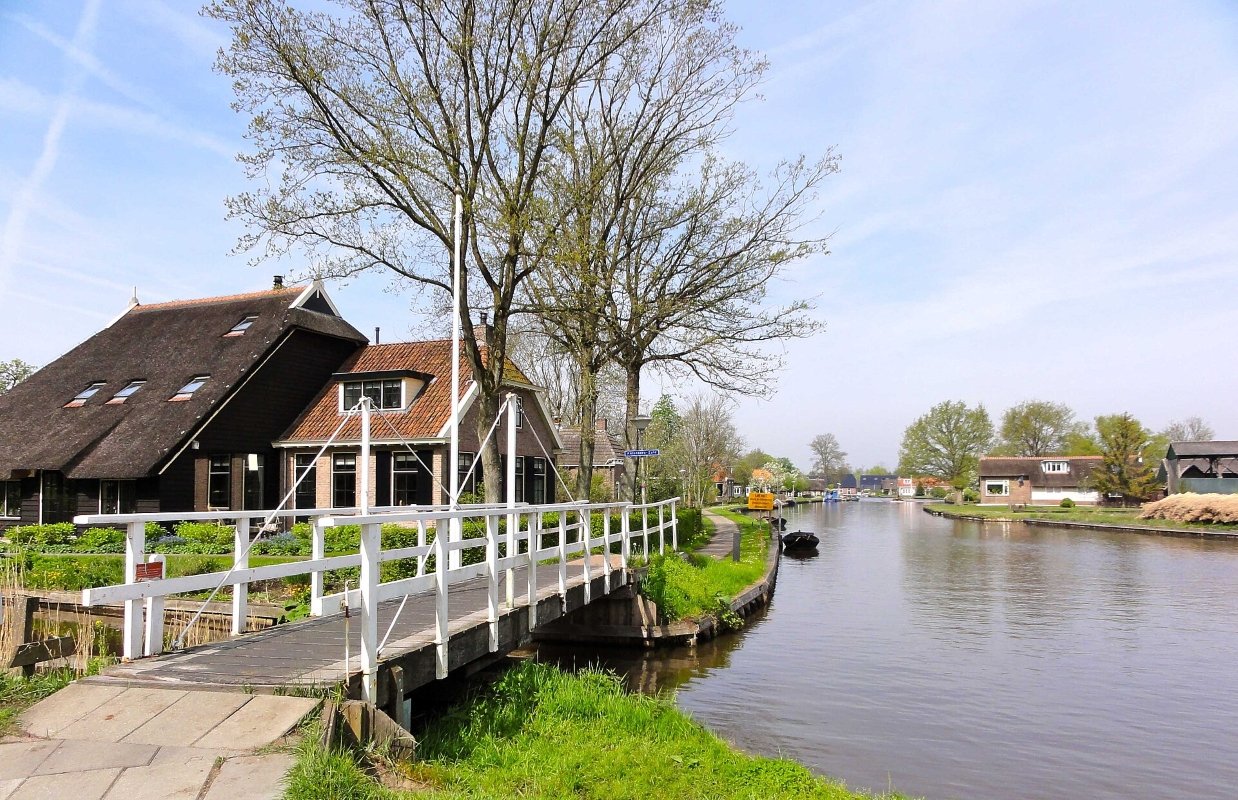
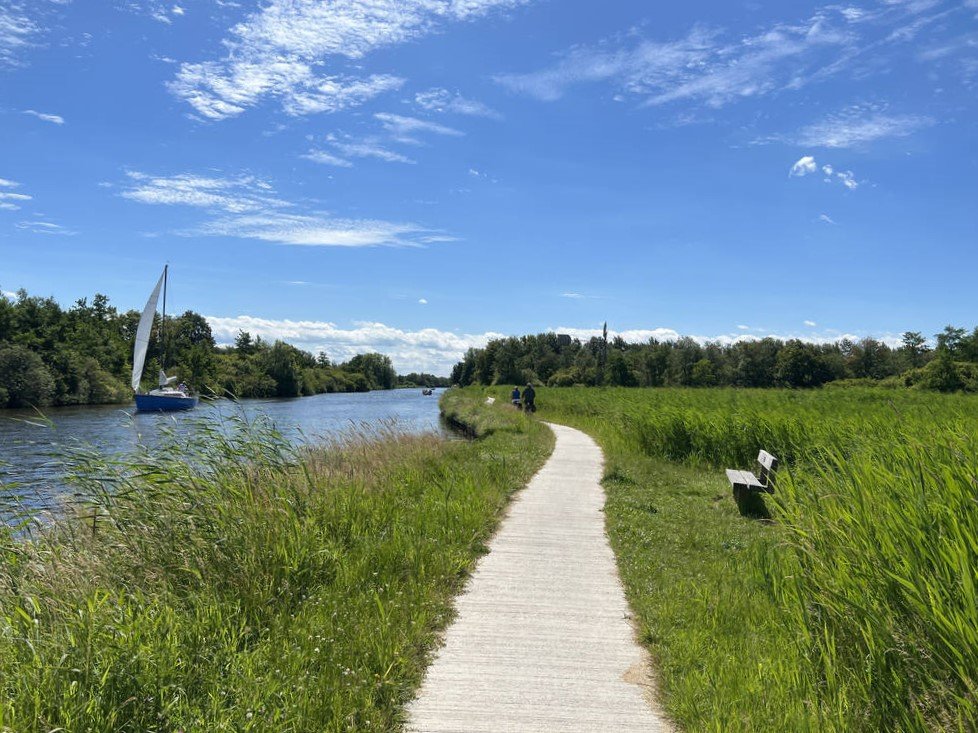
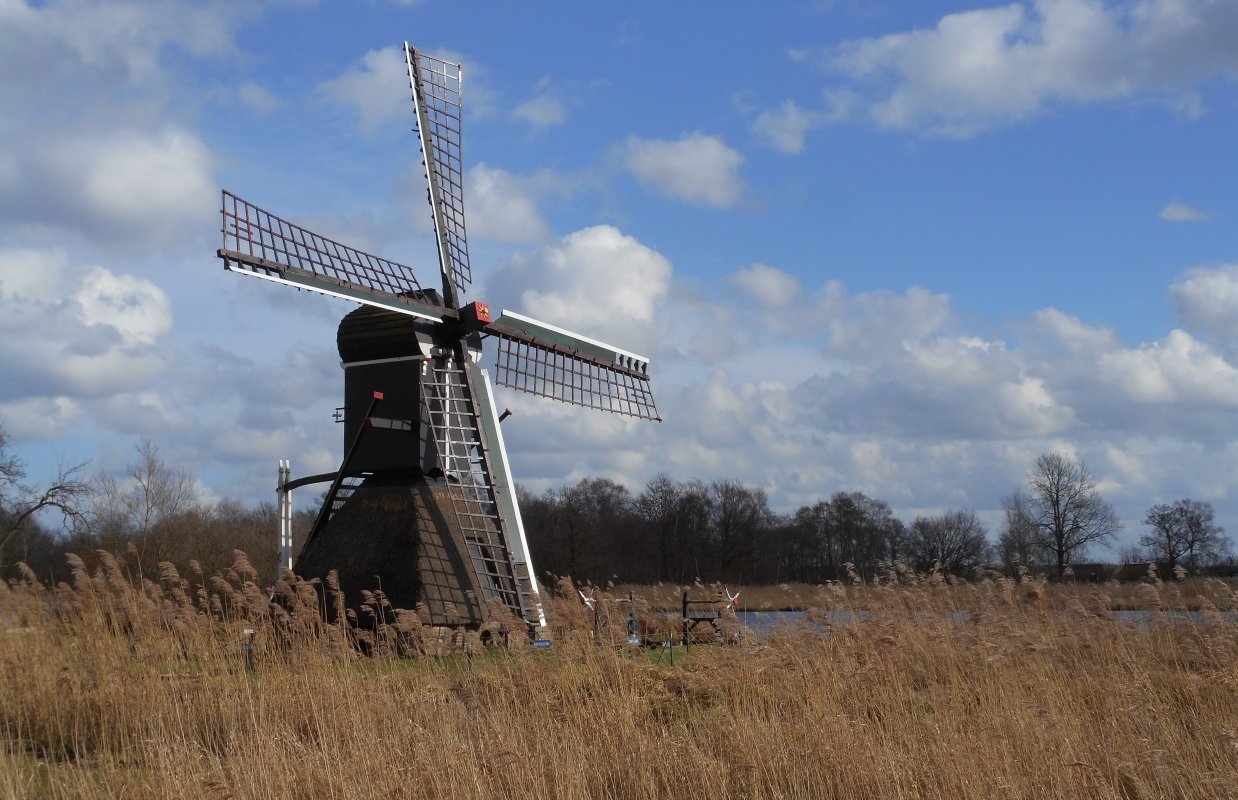
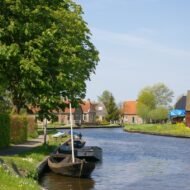
The real star here is De Weerribben-Wieden National Park, and Kalenberg sits right in its heart. Picture this: endless stretches of reed beds, mirror-like lakes reflecting dramatic Dutch skies, and waterways so pristine they look like nature’s own highway system. It’s the kind of place where your biggest decision is whether to explore by boat, bike, or on foot.
Getting There (It’s Easier Than You Think)
Coordinates: 52.8084°N 5.9173°E
By Car: From Amsterdam, it’s about a 90-minute drive northeast via the A6 and A32. GPS coordinates for Kalenberg: approximately 52.7°N, 6.0°E. Parking is generally free and available near the village center and park entrances.
By Train + Bus: Take the train to Steenwijk station (about 2 hours from Amsterdam), then hop on regional bus line 70 or 71 to Kalenberg. The journey gives you a great preview of the changing landscape as you leave urban Holland behind.
By Bike: For the truly adventurous, cycling from nearby cities like Zwolle (about 25km) offers an incredible way to experience the gradual transition from civilization to wilderness.
Best Time to Visit
Spring (April-May): Migration season brings incredible birdwatching opportunities. Temperatures are mild (15-20°C), and you’ll catch the landscape waking up from winter.
Summer (June-August): Peak season for boat tours and outdoor activities. Expect temperatures around 20-25°C, longer days, and the fullest experience of park activities. Book accommodation well ahead.
Early Fall (September-October): Many locals swear this is the secret best time. Fewer crowds, stunning autumn colors reflecting in the water, and comfortable temperatures for hiking and cycling.
Winter: While many boat services pause, the park transforms into a serene wonderland. Perfect for photography enthusiasts and anyone seeking ultimate tranquility.
What to Do in and Around Kalenberg
Boat Tours and Water Activities
The waterways are Kalenberg’s main attraction, and honestly, you haven’t experienced the area until you’ve explored it from water level. Several operators run guided boat tours through the wetlands – these typically last 2-3 hours and cost around €15-25 per person. The guides know where to spot everything from rare birds to the famous Weerribben floating islands.
For more independence, rent a whisper boat (electric boat) or canoe. The peaceful, engine-free exploration lets you get incredibly close to wildlife without disturbing them. Rental prices start around €30-40 per day for a small boat.
Birdwatching Paradise
De Weerribben-Wieden hosts over 100 bird species throughout the year. Spring migration (April-May) is absolutely spectacular – we’re talking about everything from elegant marsh harriers to tiny reed warblers. The park has several dedicated bird hides, and early morning excursions often reward patient watchers with sightings of the elusive bittern or spectacular spoonbills.
Cycling and Walking Trails
The park features well-marked cycling routes ranging from easy 10km loops perfect for families to challenging 40km adventures for serious cyclists. The Weerribben Route and Wieden Route are particularly popular, taking you through diverse landscapes from wetlands to small forests.
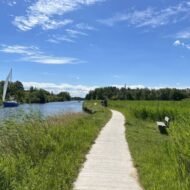
Walking enthusiasts should try the Kalenberg Nature Trail, a moderate 8km route that showcases the area’s diverse ecosystems. The trail includes several viewpoints and bird-watching spots.
Cultural Experiences
Visit the Museum Weerribben in nearby Ossenzijl to understand the region’s unique history of peat extraction and traditional reed cutting. The museum offers insights into how locals have lived alongside these wetlands for centuries.
Don’t miss the traditional farmhouses scattered throughout the area – many still operate as working farms and offer insight into rural Dutch life that’s largely disappeared elsewhere in the country.
Where to Stay
Hotel Restaurant De Jonge (Kalenberg): The village’s main accommodation option offers comfortable rooms with traditional Dutch charm. Rooms start around €80-100 per night, and their restaurant serves excellent local cuisine.
Camping De Weerribben (nearby Paasloo): For outdoor enthusiasts, this campground offers both tent sites and rental cabins. Great for families and budget travelers, with prices starting around €25 per night.
B&B Het Rietland (Ossenzijl): A charming bed and breakfast in a nearby village, offering personalized service and hearty Dutch breakfasts. Expect to pay €60-80 per night.
Holiday Homes: Several vacation rental options exist throughout the area, particularly good for longer stays or groups. Many come with boat access or private gardens.
Local Food Scene
The dining scene is small but mighty. Restaurant De Weerribben in Kalenberg itself offers fresh, locally-sourced meals with many ingredients coming from the surrounding area. Their fish dishes are particularly excellent, often featuring locally-caught pike and perch.
For a unique experience, try one of the “pannenkoekenhuizen” (pancake houses) scattered throughout the region. These traditional Dutch establishments serve enormous savory and sweet pancakes – perfect after a day of outdoor activities.
Local markets in nearby Steenwijk (Wednesday and Saturday) offer regional specialties, including smoked fish, local cheeses, and seasonal produce.
Practical Information
Language: Dutch is the primary language, but English is widely understood, especially in tourist-oriented businesses.
Currency: Euro (EUR). Most places accept cards, but carrying some cash is recommended for small local businesses.
Weather: The Netherlands’ maritime climate means weather can change quickly. Pack layers and waterproof clothing regardless of season.
Internet/Mobile: Good coverage throughout the area, though some remote parts of the park may have spotty signal.
Accessibility: Many boat tour operators offer accessible options, and several park trails are suitable for wheelchairs or mobility aids. Contact operators directly to discuss specific needs.
Nearby Attractions
Steenwijk: Charming market town with historic buildings, shops, and restaurants. Great for stocking up on supplies or enjoying a more urban dining experience.
Blokzijl: Historic fortified town about 15 minutes away, featuring beautiful architecture and several excellent restaurants.
Vollenhove: Medieval town with impressive historic buildings and a lovely harbor area.
Urk: Former island fishing village (about 45 minutes drive) known for its traditional culture and excellent seafood.
Insider Tips
The best wildlife viewing happens in the early morning hours, so set that alarm clock. Many boat operators offer special early morning tours that provide incredible opportunities for photography and wildlife spotting.
If you’re visiting in summer, pack serious insect repellent – the wetlands can get buggy, especially at dawn and dusk.
Consider staying multiple nights rather than day-tripping. The area’s magic really reveals itself when you slow down and experience the rhythm of wetland life.
Local weather can create dramatic photographic opportunities – don’t pack away your camera when clouds roll in.
Getting the Most from Your Visit
Kalenberg and De Weerribben-Wieden offer something increasingly rare in our connected world: genuine peace and natural beauty that hasn’t been polished for mass tourism. This isn’t a place for packed itineraries or rushing between attractions. Instead, it rewards visitors who come ready to slow down, observe, and connect with a landscape that has remained largely unchanged for centuries.
Whether you’re an avid birdwatcher, photography enthusiast, or simply someone seeking a authentic taste of rural Netherlands away from the tourist crowds, Kalenberg provides an experience that will stick with you long after you’ve returned home. It’s the kind of place that reminds you why you fell in love with travel in the first place.
Come for the birds, stay for the serenity, and leave with memories of one of Europe’s most underrated natural treasures.