


TL;DR: Kevelaer is a small but mighty pilgrimage town in North Rhine-Westphalia with jaw-dropping baroque architecture, a lively cultural scene, killer family attractions, easy access to Rhine river cruises, and a spiritual atmosphere that draws over a million visitors a year. Whether you’re a faith traveler, a history nerd, a foodie, or a parent chasing kid-friendly fun, Kevelaer delivers — quietly, beautifully, and without the tourist-trap chaos.
- Know Before You Go
- So… What Even Is Kevelaer?
- The Big One: The Basilica & Shrine Complex
- Spring Events: The Best Time to Witness Something Special
- River Sights, Waterways & the Niers
- Available Cruises: Getting on the Water
- Family-Friendly Fun: Kids Are Absolutely Welcome Here
- Cultural Aspects: More Than Just a Pilgrimage Town
- Getting Around & Nearby Day Trips
- Where to Eat & Drink
- Quick Recap
- Disclaimer
Know Before You Go
| Category | Details |
|---|---|
| Location | District of Kleve, North Rhine-Westphalia, Germany |
| Nearest Airport | Weeze Airport (NRN) — approx. 7 km away; Düsseldorf Airport (DUS) — approx. 70 km |
| Train Access | Niers-Express RE 10 from Kleve via Krefeld to Düsseldorf; every 30 min on weekdays |
| Language | German (English widely understood at tourist sites) |
| Currency | Euro (€) |
| Best Time to Visit | April–October (spring pilgrimages start early May) |
| Pilgrimage Season | May through October; peak around Pentecost weekend |
| Annual Feast Day | September 8th (Our Lady of Kevelaer) |
| Family Friendly | Absolutely — Irrland park, playgrounds, cycling routes, outdoor pool |
| Accessibility | Town center is flat and walkable; Lower Rhine terrain is excellent for cyclists and wheelchair users |
| Tourism Contact | tourismus@kevelaer.de / Phone: 02832 122-991 |
| Nearby Countries | Netherlands border within easy driving distance |
So… What Even Is Kevelaer?
Let’s be real — most people outside Germany and the Netherlands haven’t heard of Kevelaer. And that’s honestly their loss. Tucked into the flat, green landscape of the Lower Rhine region, this charming market town punches way above its weight class. It’s one of the most visited Catholic pilgrimage sites in all of northwestern Europe, yet it somehow manages to stay relaxed, authentic, and genuinely welcoming to everyone — religious or not, local or international, young or old.
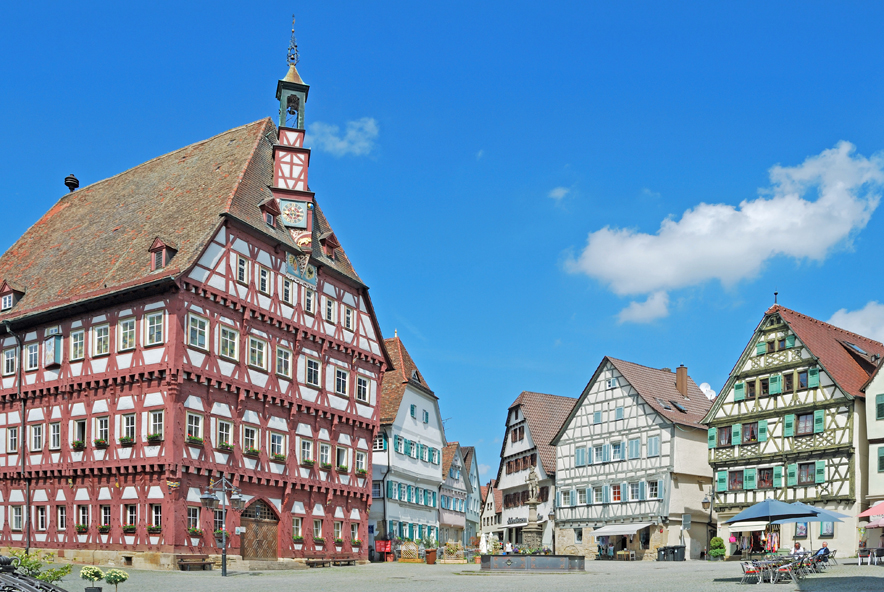
Geographically, Kevelaer sits in the Lower Rhine region, surrounded by picturesque meadows, fields, and rivers, with the gentle Niers River weaving through the landscape. The town itself has cobblestoned streets, half-timbered houses, and an easy pace of life that makes you wonder why you ever bother with big cities.
And here’s the thing — wars, insecurity, and anxiety are driving increasing numbers of people toward pilgrimages, and Kevelaer’s Marian shrine offers a rare opportunity to simply stop, regardless of how religious you are. In short, this is a place that genuinely gives people — all people — a moment to breathe.
The Big One: The Basilica & Shrine Complex
If you visit Kevelaer and skip the shrine complex, you’ve basically gone to Paris and skipped the Eiffel Tower. This is the heart of the town, spiritually and physically.
It all started in 1642. Hendrick Busman constructed a simple wayside shrine, completed and consecrated in June 1642, and the pilgrimage began almost immediately after reports of a miraculous healing in September of that same year. Word spread fast, and the crowds kept coming.
The place of pilgrimage has existed since 1 June 1642, when the priest of Kevelaer placed an image of the Blessed Mother Mary of Luxembourg in a shrine — since then, Mary has been revered here as the “Comforter of the Afflicted.”
Today, the shrine complex has three main elements that you really should take time with:
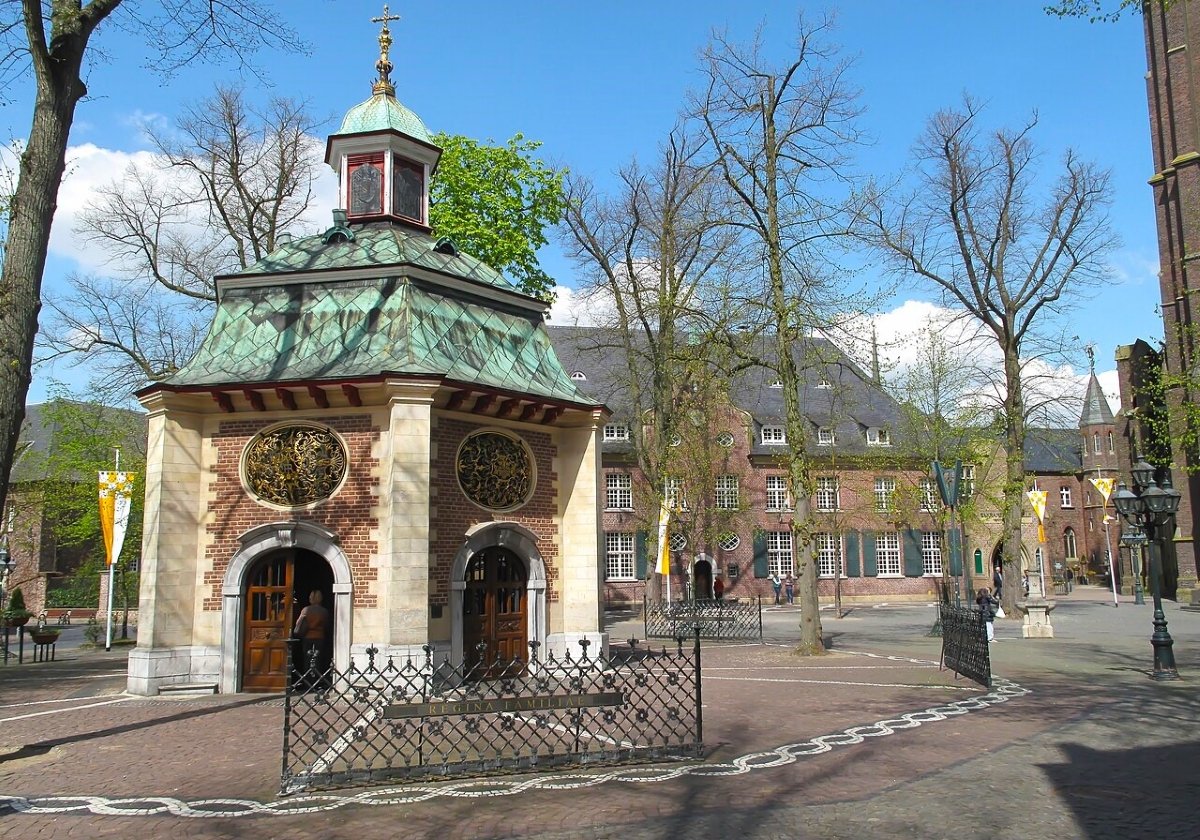
The Gnadenkapelle (Chapel of Mercy) is the original holy heart of it all. The hexagonal structure features three entrance doors on its southern side and a semicircular opening on the northern side, allowing pilgrims to view the sacred image without entering, facilitating continuous veneration even amid large crowds.
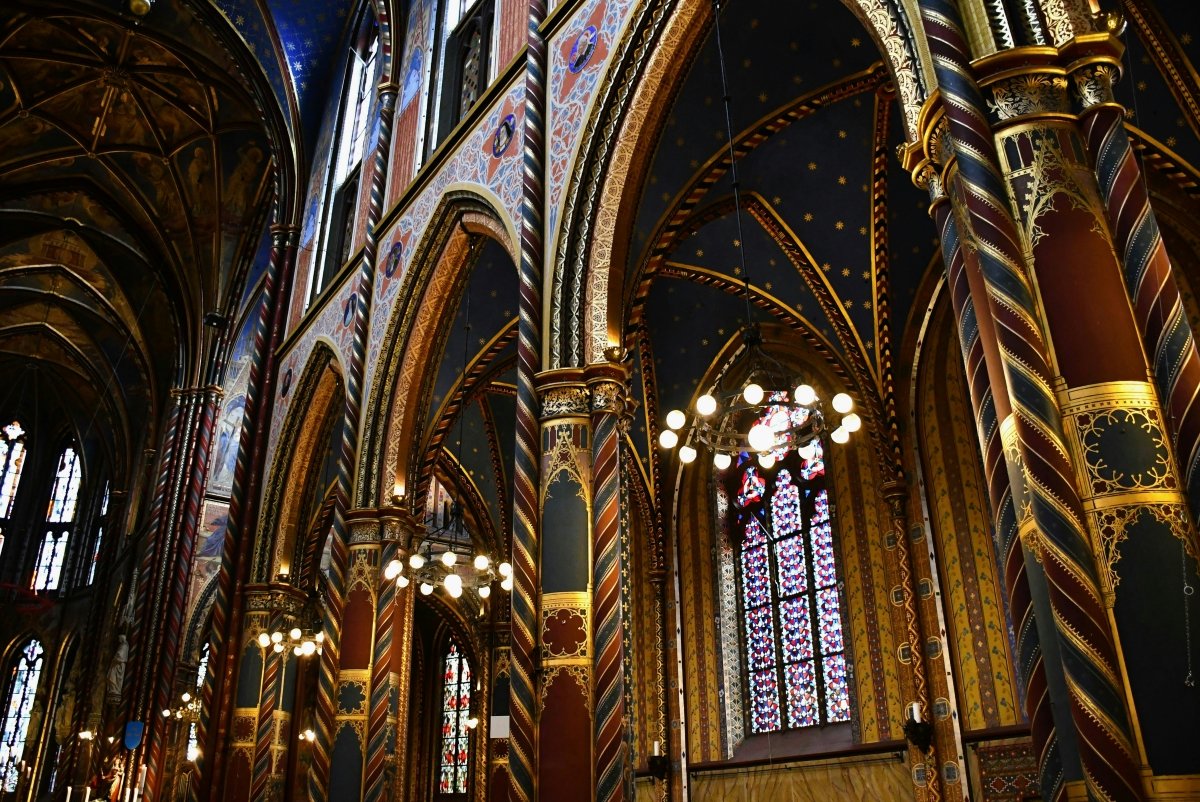
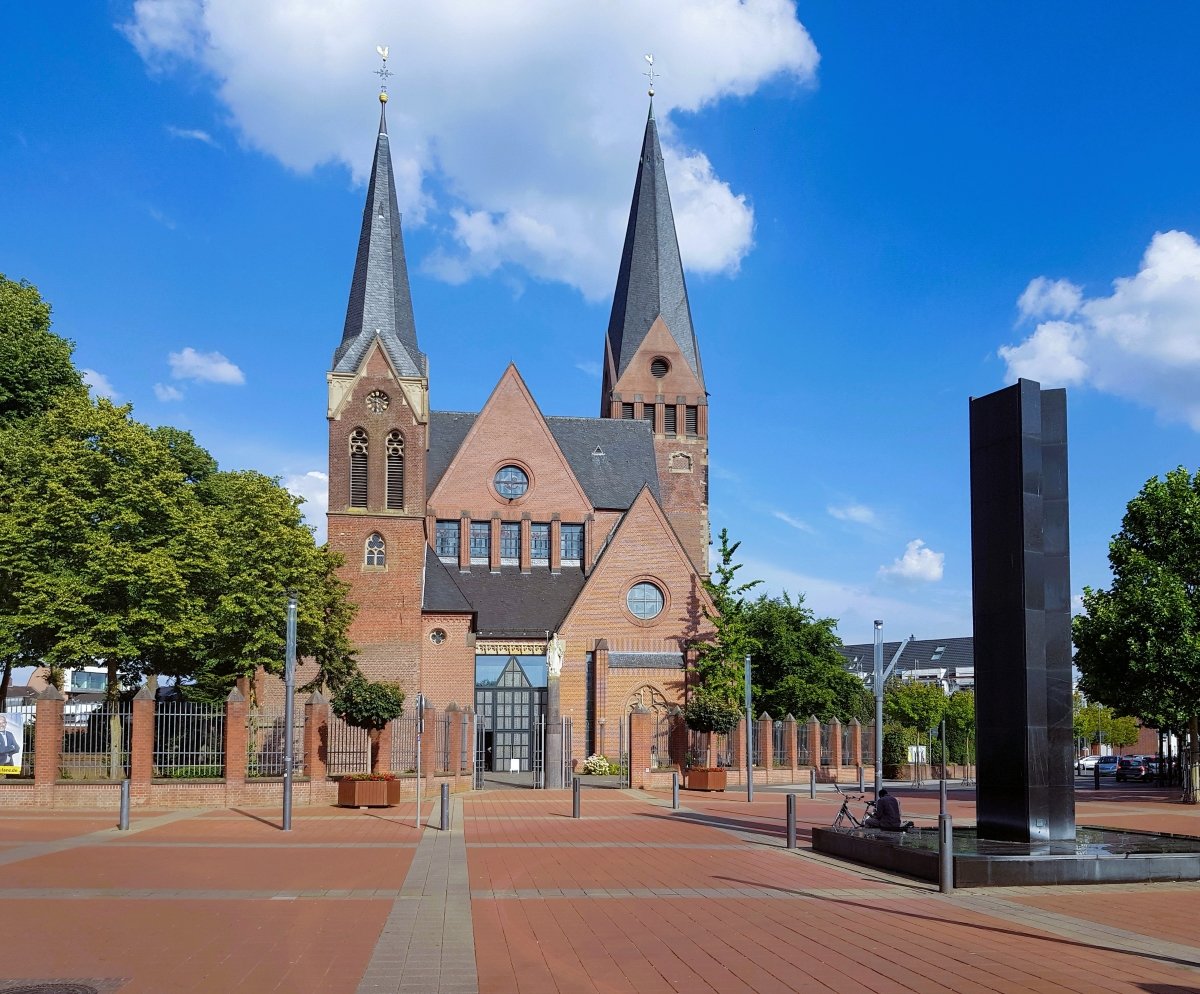
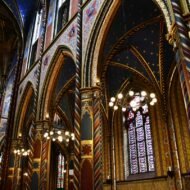
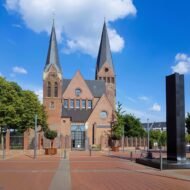
The Basilica of St. Mary is a visual feast. The neo-Gothic church was built between 1858 and 1864, and the iconic 90-metre tower wasn’t completed until 1883–1884. The church was elevated to papal basilica status in 1923. Its interior features vibrant murals by Friedrich Stummel and his workshop, and the church houses a significant organ built in 1907 by Romanus Seifert, which is among the largest in Europe. Honestly, even if you’re not religious, standing inside this building is a genuinely moving experience.
The Kerzenkapelle (Candle Chapel) is where the emotional weight of centuries of faith really hits you. Construction of the first dedicated pilgrimage church — later known as the Chapel of the Candles — commenced in 1643 and was completed by 1645. The flickering candles left by pilgrims from across the globe create an atmosphere that’s hard to describe but impossible to forget.
Pope John Paul II visited the basilica on 2 May 1987, which tells you everything you need to know about how significant this site is on the world stage.
Every year, around one million people visit this place of pilgrimage, coming particularly from Germany, the Netherlands, Belgium, and Luxembourg.
Spring Events: The Best Time to Witness Something Special
Spring is when Kevelaer truly comes alive, and if you can time your trip around Pentecost weekend (late May or early June), you’re in for something extraordinary.
The Pentecost Pilgrimage is a highlight of the entire calendar. The highlight of the pilgrimage season is the ceremonial walk from Kerken-Eyll to Kevelaer on Saturday, with the event concluding with a festive High Mass in the basilica. International pilgrimage groups — representing over 20 nations — descend on this small town, creating an atmosphere that’s both spiritually charged and genuinely festive.
The annual Feast Day of Our Lady of Kevelaer on September 8th is another not-to-miss event if your visit stretches into late summer or early autumn.
Beyond the religious calendar, Kevelaer Marketing runs a packed event calendar from spring through summer, including open-air concerts, cultural exhibitions, craft markets, and evening events at the Concert and Stage House. Check the official calendar at kevelaer-marketing.de before you book to layer your trip with extra experiences.
Spring cycling along the Niers River and through surrounding villages like Winnekendonk and Kervenheim is also spectacular when the fields are blooming — and the Lower Rhine is as flat as a table, so it’s genuinely accessible for everyone.
River Sights, Waterways & the Niers
Kevelaer isn’t on the Rhine itself, but the Niers River flows through its territory and defines the local landscape. The municipality is closely associated with the Niers River, a right tributary of the Meuse that flows through its territory, influencing local hydrology through seasonal flooding and supporting adjacent floodplains and moorlands rich in diverse flora and fauna.
Hiking and canoeing on the Niers are popular pastimes, and the Niers walking trail (Nierswanderweg) is a beloved local route that takes you through meadows, past playgrounds, and alongside the river with views that are genuinely gorgeous in spring and summer.
The Solegarten St. Jakob is one of Kevelaer’s most underrated gems. The Solegarten is a place of meditation, where loungers and benches around a graduation tower give visitors the sensation of being by the sea — the “Kevelaer thermal brine” from the Jakobsquelle spring and irrigation over blackthorn creates salty air similar to a sea breeze, right there on the Lower Rhine. It’s a genuinely unique wellness experience in the middle of landlocked Germany.
Available Cruises: Getting on the Water
Kevelaer itself is inland, but the Rhine River — one of Europe’s most iconic waterways — is within easy reach, and it would be a genuine shame to be this close and not get out on the water.
For day trips and shorter cruises from the wider Lower Rhine region:
The KD (Köln-Düsseldorfer) line is the go-to operator for Rhine river day cruises, with departures from Cologne, Koblenz, and other nearby cities. The spring Rhine cruising season awakens in March and unfolds through December, with April and May emerging as particularly ideal — the air is crisp and invigorating, and the landscape blooms while you avoid the larger summer crowds.
For multi-day Rhine river cruises that make sense as a companion to a Kevelaer visit, several luxury operators run routes through the Lower Rhine and into the Netherlands:
Viking River Cruises, Avalon Waterways, Uniworld, and AmaWaterways all operate Rhine itineraries that connect Amsterdam with destinations further south. From the Netherlands to Germany and France to Switzerland, Rhine cruises reveal historic castles, grand cathedrals, medieval towns, and the stunning UNESCO World Heritage-listed Middle Rhine Valley.
If you’re thinking about combining a Kevelaer pilgrimage or cultural visit with a Rhine cruise, the most sensible approach is to fly into or out of Düsseldorf, spend a few days in Kevelaer, and then join or finish a cruise in the broader Lower Rhine corridor near Kleve, Xanten, or Cologne. Tour platforms like GetYourGuide, TourRadar, and Viator all offer bookable day excursions and full river cruise packages.
Nearby river access point: Xanten, just about 30 km from Kevelaer, sits right on the Rhine and offers boat excursions and water sports in summer — a great half-day addition to your Kevelaer itinerary.
Family-Friendly Fun: Kids Are Absolutely Welcome Here
This is not just a pilgrimage destination for adults. Kevelaer goes out of its way to be genuinely family-friendly, and it shows.
Irrland is the headline act for families. Irrland is like a palm-fringed green oasis where activities range from climbing and pedal go-karting to animal encounters, with wet and wild water slides, floats, a water and light play arena, Roman-themed architecture, and on rainy days — play and activity barns, a climbing zone, and the largest winter garden in the region. It’s a proper all-day adventure for kids, and parents will have a blast too.
The 50-metre outdoor pool (open in summer) has slides and diving platforms. The complex with sunbathing areas is a short drive from the town center and features a kiosk for pool essentials.
The Spielplatzroute Kevelaer-Süd is a family walking route connecting seven playgrounds across southern Kevelaer through nature, with blooming trees and open green spaces along the way — a lovely spring or summer afternoon option.
The Kevelaer Skatepark is a hit with older kids and teens. The park welcomes skateboarders, waveboarders, inline skaters, and BMX fans, was designed in collaboration with local young people, is built in the shape of a K for Kevelaer, and features hand-polished, custom-made surfaces.
For younger children, the Dierenpark Zie-zoo across the Dutch border (very short drive) is a great animal encounter option with rare species and a welcoming atmosphere.
The AquaFit indoor swimming pool handles rainy days with ease, and cycling routes designed specifically for families run through the Niers Valley and surrounding villages.
Cultural Aspects: More Than Just a Pilgrimage Town
Kevelaer has a genuinely rich cultural identity that often gets overshadowed by its religious reputation — and that’s a bit unfair.
The Niederrheinisches Museum für Volkskunde und Kulturgeschichte (Lower Rhine Museum of Folk Culture) is a fascinating dive into the everyday life and traditions of the Lower Rhine region. It’s the kind of museum where you lose track of time.
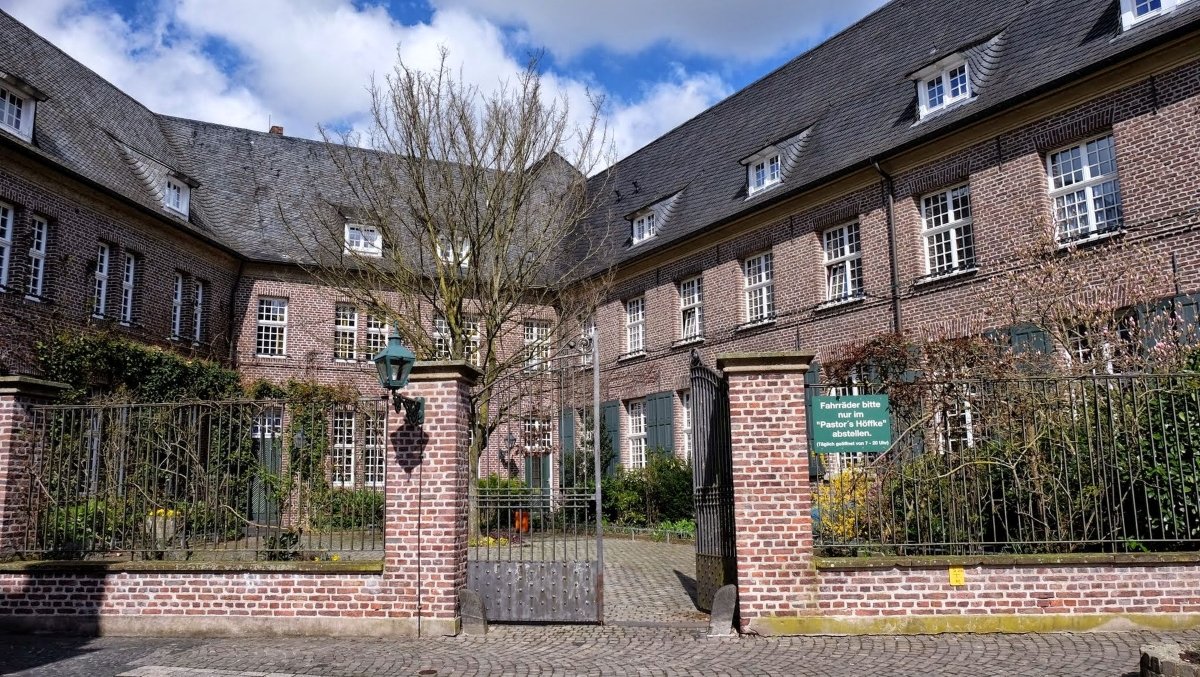
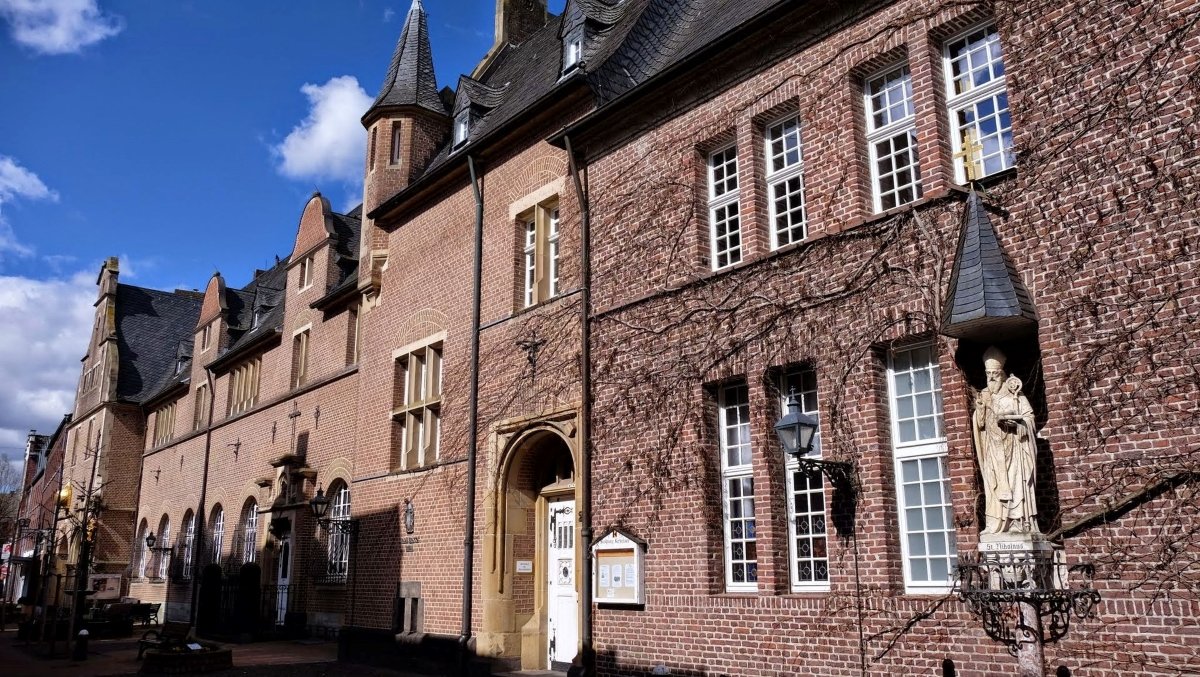
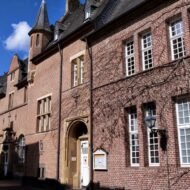
The Kevelaer Museum sits in the Priesterhaus, the oldest stone building in town, built in the mid-17th century. The Priesterhaus is the centre for pilgrimage management and the rectory for the parish of St Mary, built shortly after the establishment of the place of pilgrimage by the order of Oratorian monks as a residential and guest house.
The Concert and Stage House (Konzert- und Bühnenhaus) is an active cultural venue hosting classical music, concerts, and theatrical performances throughout the year.
The Kävelse Lüj Brauhaus is a craft brewery and restaurant where locals genuinely gather. The cosy, rustic, centrally located brauhaus has a story rooted in craft beer passion — its founder Thomas Molderings started with a home brew kit and now produces various strong and full-strength beer varieties, alongside seasonally dependent homemade liqueurs, with dishes like vegetarian beer soup, beer pasta, and a “beeramisu” dessert. It’s the real deal.
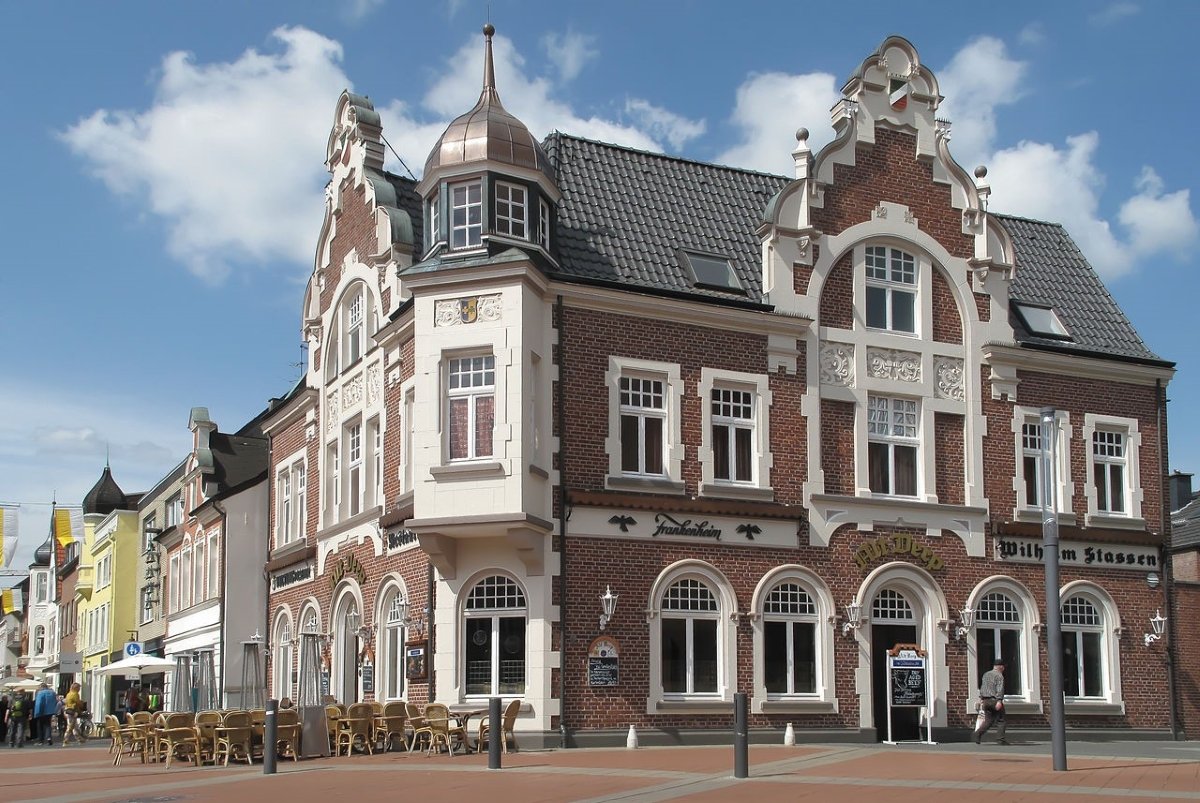
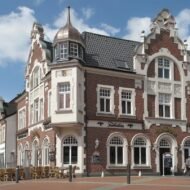
The town’s cobbled Hauptstrasse (Main Street) is lined with independent shops, galleries, and artisan businesses that reflect a genuinely local character. The weekly market is a great spot to pick up regional produce, seasonal fruit and veg, and local specialities.
Nearby, a trip to Schloss Moyland in Kalkar offers access to an impressive museum of modern art — one of the finest in the wider region and absolutely worth the short detour.
Kevelaer’s cultural identity is also deeply international. Lying on the border between the Netherlands and Germany, Kevelaer has been from the beginning an international place of pilgrimage, with lively inter-communication between different peoples for more than 350 years. You feel that cross-cultural openness in the town’s restaurants, its visitor base, and its everyday life.
Getting Around & Nearby Day Trips
The town center is compact and extremely walkable. Cycling is genuinely the best way to explore the surrounding area — the Lower Rhine plain is flat, the cycle paths are excellent, and routes connect Kevelaer to Geldern, Sonsbeck, Kervenheim, and Winnekendonk through beautiful countryside.
Best nearby day trips:
- Xanten — Historic Roman city with Germany’s largest open-air archaeological museum (about 30 km)
- Kleve — Baroque gardens, the Museum Kurhaus, and Castle Schwanenburg (about 20 km)
- Goch and Geldern — Charming market towns with great local character
- Venlo (Netherlands) — Cross-border shopping and culture just over the Dutch border
- Cologne — Major city with the iconic cathedral, about 90 minutes by train
Where to Eat & Drink
Beyond the Brauhaus, Kevelaer has a solid dining scene for its size. The Antica Osteria is beloved for authentic Italian cooking from a wood-fired oven. With Mediterranean passion for “la dolce vita,” it serves Italian classics including buffalo mozzarella, pasta, fish and meat dishes, and pizzas from a wood-fired oven, with outdoor seating for more than 100 diners.
Local bratwurst, schnitzel, and fresh produce from the weekly market round out the food options, alongside several cosy cafés perfect for a slow morning coffee.
Quick Recap
Kevelaer is one of those places that keeps surprising you. It’s a genuine pilgrimage destination with centuries of history, a beautiful shrine complex that impresses whether you’re spiritual or not, a lively spring events calendar anchored by the Pentecost pilgrimage, excellent family facilities (Irrland alone is worth the trip), easy access to Rhine river cruises, and a cultural warmth shaped by 380+ years of international visitors. It’s flat, accessible, cycling-friendly, and very easy to reach by train or via Weeze Airport.
Whether you’re traveling solo, as a couple, with your family, or as part of a group — Kevelaer welcomes everyone. That’s been true since 1642, and it’s very much still true today.
Disclaimer
This travel article is intended for informational purposes only. Event dates, opening hours, transport schedules, and prices are subject to change. Always verify current information directly with official tourism bodies, transport providers, and attractions before booking or traveling. River cruise availability and itineraries depend on operators and seasons — contact providers directly for up-to-date schedules and pricing. The author and publisher accept no liability for any inaccuracies or changes that may occur after the publication of this guide. Travel responsibly, respect local customs, and always check any entry or visa requirements relevant to your nationality before visiting Germany.