


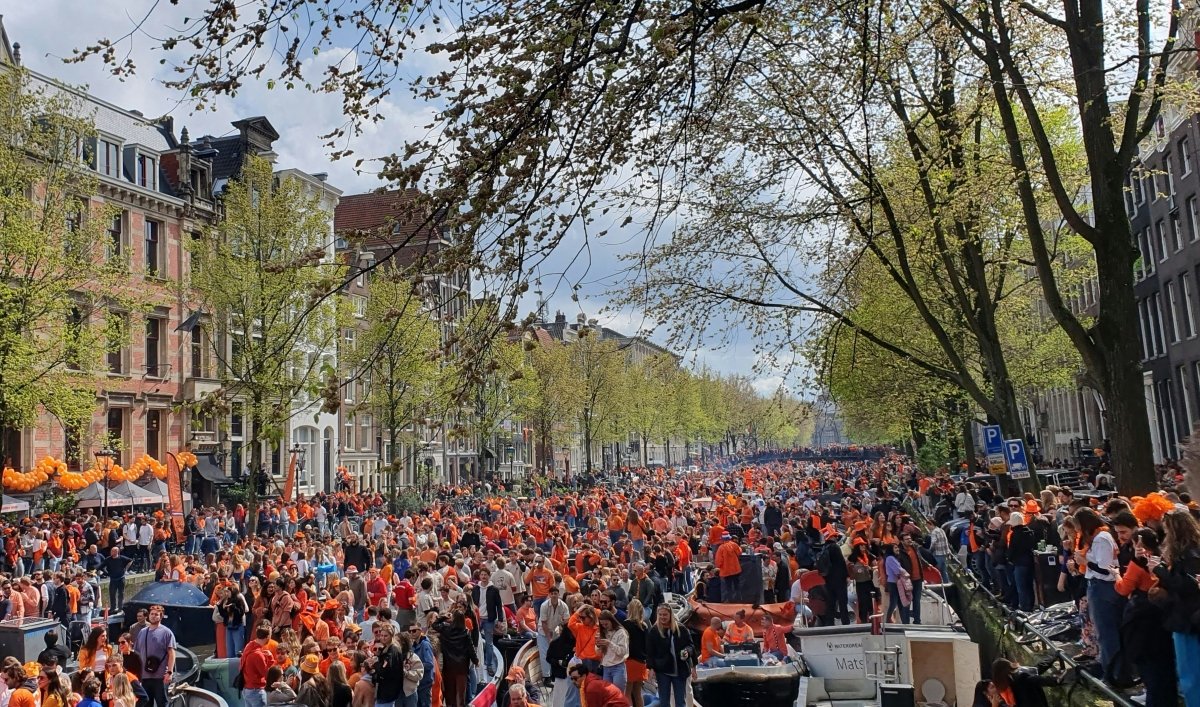
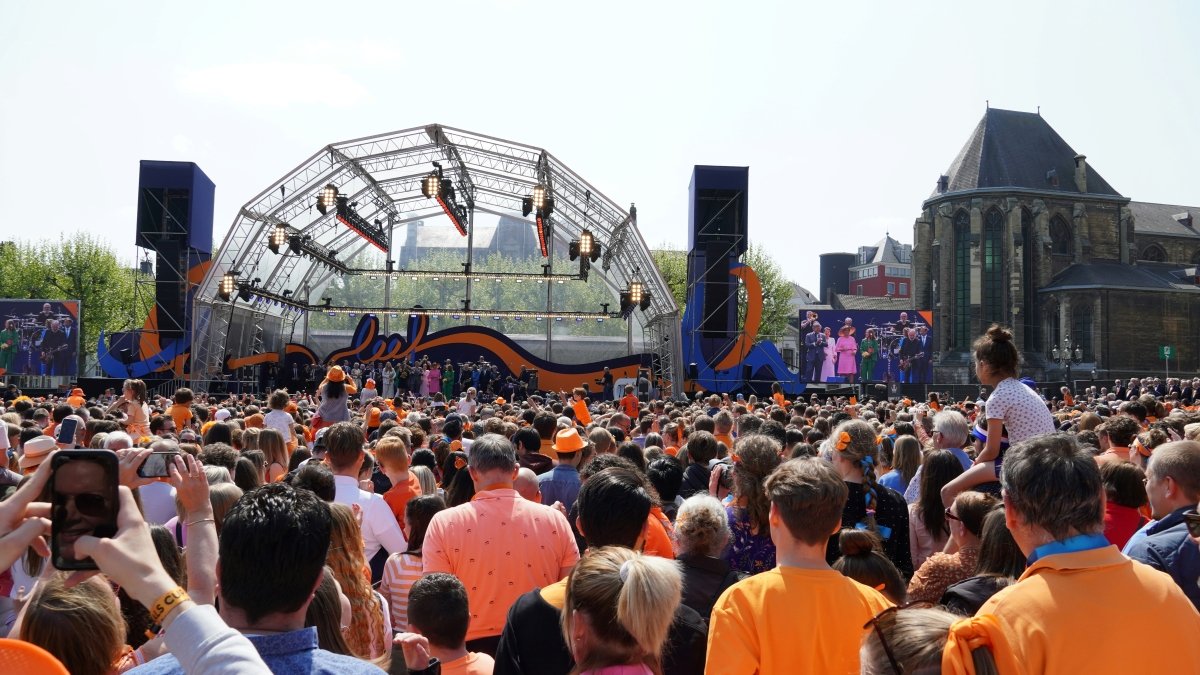
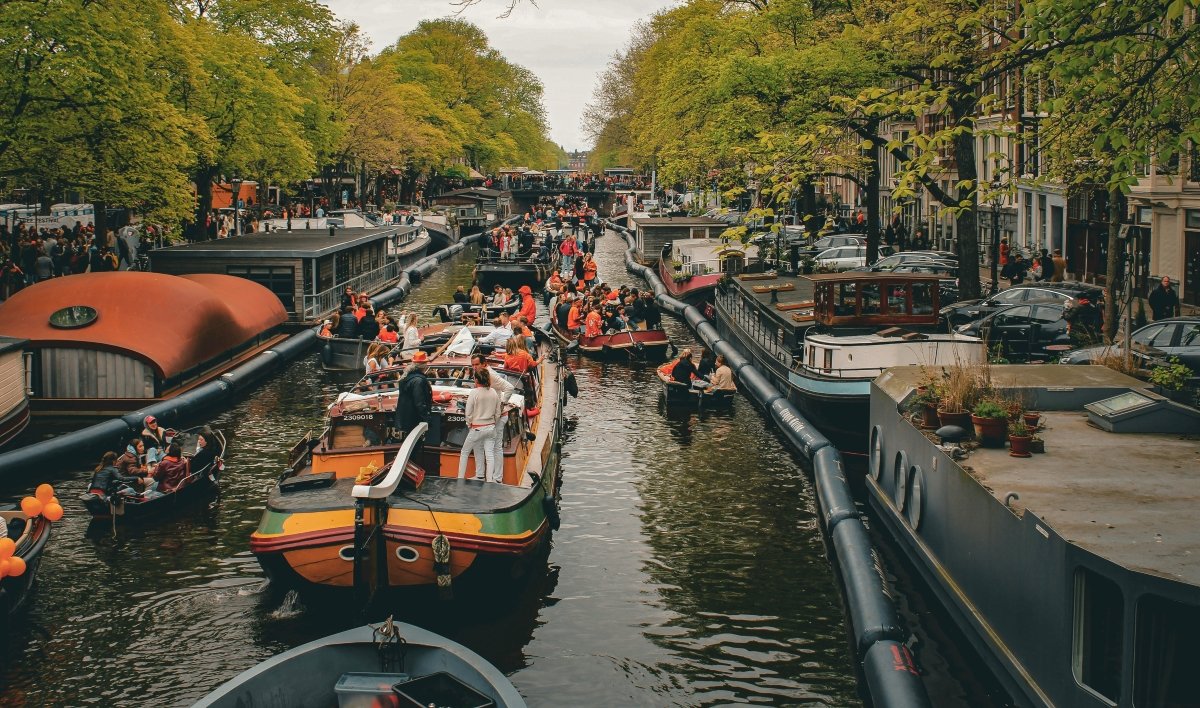
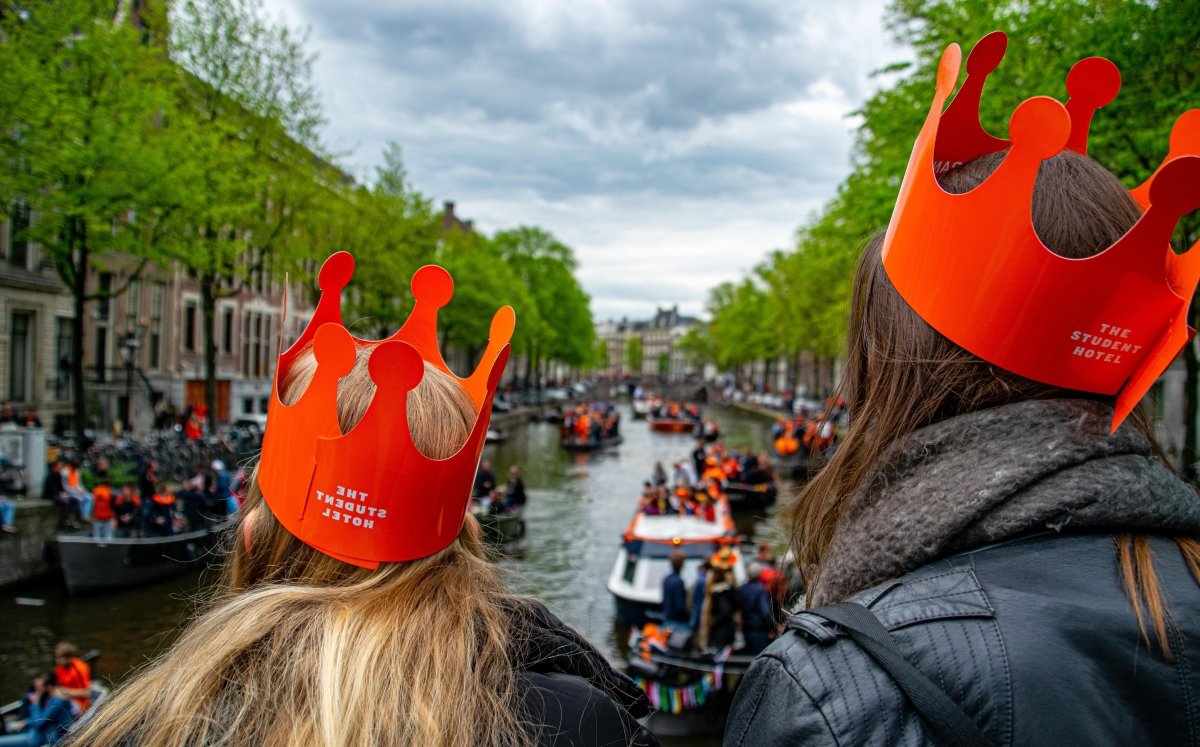
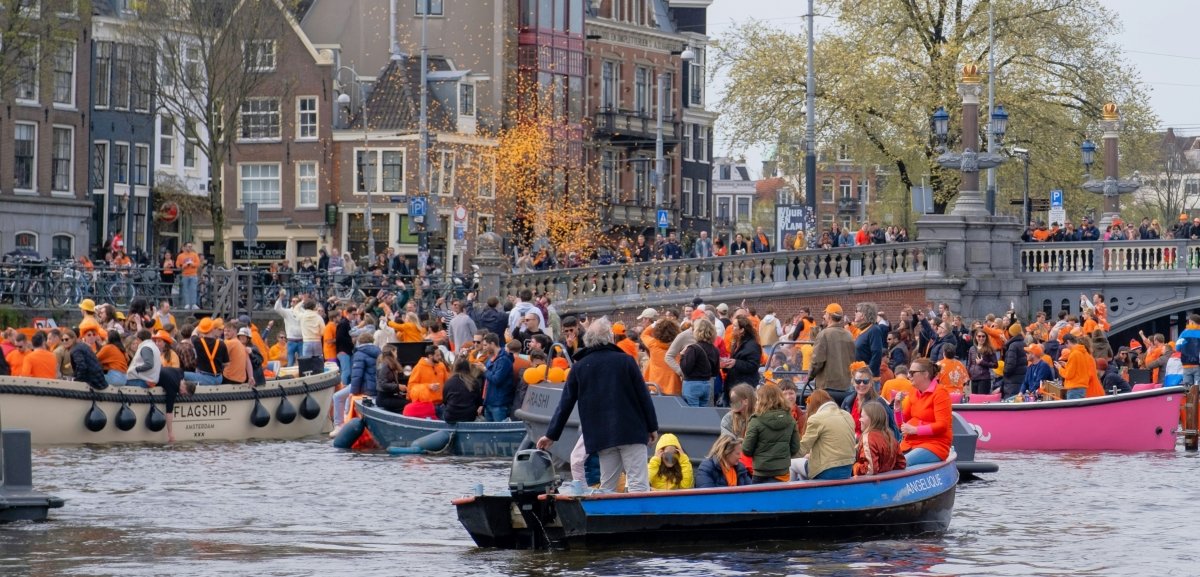
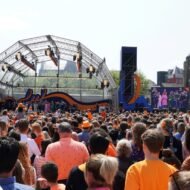
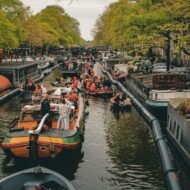
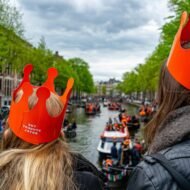
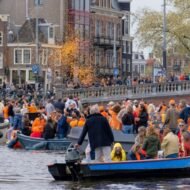
Koningsdag/Kingsday , If you’ve never experienced Koningsdag—the Netherlands’ national celebration of the King’s birthday—you’re genuinely missing out on one of Europe’s most chaotic, colorful, and utterly infectious parties. We’re talking 7+ million people flooding the streets dressed entirely in orange, trading goods at flea markets that appear out of nowhere, and a vibe so electric you can actually feel the excitement buzzing through your phone screen.
- Know Before You Go
- What Makes Koningsdag Actually Unique?
- The Orange Thing (It’s Deeper Than Fashion)
- The Flea Markets That Came From Nowhere
- Industrial Heritage Meets Modern Celebration
- You Can Actually Feel the Egalitarianism
- How to Actually Experience Koningsdag (Strategically)
- Option 1: The Chaotic Amsterdam Experience
- Option 2: The Smaller City Charm Play
- Option 3: The Dutch Villages & Industrial Tourism Combo
- The Flea Market Game: How to Actually Win
- Food, Drinks & Sustenance
- Logistics That Actually Matter
- The Industrial Heritage Deep Dive
- Why the Netherlands Had Industrial Powerhouses
- Where This Heritage Persists
- The Sustainability Connection
- Quick Pro Tips That’ll Genuinely Enhance Your Experience
- The Recap: Why You Should Actually Go
- Disclaimer
TL;DR: On April 27th (or April 26th if the 27th falls on Sunday), all of the Netherlands erupts in orange-colored jubilation. Wear orange, grab some snacks, hit up the flea markets and street parties, soak in centuries of Dutch pride mixed with industrial-era innovation, and don’t plan on sleeping much. It’s basically the world’s biggest, most wholesome rager with a strong tradition of upcycling and environmental consciousness baked right in.
Know Before You Go
| Detail | The Breakdown |
|---|---|
| When | April 27th (or April 26th if 27th is a Sunday) |
| Time | Basically all day—sunrise to well past sunset, honestly |
| What to Wear | Orange. Everything orange. Shirts, pants, hats, shoes, accessories—go full creamsicle |
| Dress Code Vibes | Creative, quirky, and extra. Expect feather boas, face paint, crowns, and full costumes |
| Main Cities to Hit | Amsterdam, Utrecht, The Hague, Haarlem, Leiden (smaller = often less crowded, more intimate) |
| Crowds | Expect millions. Seriously. Peak times are late morning through early evening |
| Best Time to Arrive | Early morning (6-7am) for prime flea market spots; evening for less shoulder-to-shoulder chaos |
| Food & Drink | Bring your own snacks, or buy street food (poffertjes, stroopwafels, beer). Orange drinks everywhere. |
| Transportation | Trains packed. Plan early, stay late, or use bikes. Walking often beats transit. |
| Budget | Can be free (markets, street parties) to € 50-100+ if you’re hitting bars and buying merchandise |
| Accessibility | Wheelchair access varies wildly by location; smaller towns generally easier than Amsterdam |
| Language | Dutch, but everyone speaks English. People are friendly and used to international visitors. |
What Makes Koningsdag Actually Unique?
Here’s the thing: Koningsdag isn’t just a party (though it absolutely is a party). It’s a window into Dutch culture, values, and centuries of creative adaptation.
The Orange Thing (It’s Deeper Than Fashion)
The color orange represents the Dutch royal house—House of Orange-Nassau—which has ruled the Netherlands for over 400 years. On Koningsdag, every single person becomes part of this living tapestry of national identity. Kids, grandparents, professionals, rebels, everyone’s draped in orange. It’s simultaneously deeply traditional and anarchically fun. Contradictions? The Dutch thrive on them.
The Flea Markets That Came From Nowhere
One of Koningsdag’s most beloved traditions is the spontaneous flea markets (vrijmarkten) that pop up across the country. Anyone can sell anything (legally, mostly). This creates an absolutely feral energy—neighbors haggling with neighbors, kids hawking their old video games, someone selling hand-painted birdhouses next to vintage leather jackets.
This throwback practice reflects something crucial about Dutch culture: sustainability and resourcefulness. We’ll come back to this.
Industrial Heritage Meets Modern Celebration
Here’s where it gets interesting. The Netherlands has an extraordinary metal forging and industrial heritage that many visitors don’t know about.
Why This Matters for Koningsdag:
The Dutch golden age (17th century) was powered by innovation in metalworking, shipbuilding, and industrial manufacturing. Amsterdam’s canals? Designed partly to transport heavy goods. The Zaanse Schans (just outside Amsterdam)—a museum village preserving 18th and 19th-century mills and trades—sits right in the region where metalworking powered Dutch commerce for centuries.
On Koningsdag, you’ll actually see this heritage reflected in the celebration:
- The creativity and DIY ethos of flea market vendors echoes the independent craftspeople who built Dutch prosperity
- The emphasis on reusing and upcycling (selling old stuff) ties directly to a culture that doesn’t waste—something rooted in resource constraints on a densely populated island
- The spirit of togetherness comes from centuries of communities managing shared water systems and communal spaces
Visit places like Solingen (just across the German border—technically not the Netherlands but part of the extended Rhineland industrial tradition) or Edam to see where this metalworking heritage lives. Many of these towns have their own Koningsdag celebrations too, and you’ll feel the weight of history mixed with modern joy.
You Can Actually Feel the Egalitarianism
There’s something genuinely democratic about Koningsdag. A CEO in an orange wig stands next to a student, a nurse, a retiree. Class distinctions blur. Hierarchies flatten. This reflects something deeply rooted in Dutch values—a cultural preference for flat organizational structures and collaborative decision-making that supposedly comes from centuries of managing dikes and water boards together.
It’s earnestly idealistic in a way many international visitors find startling.
How to Actually Experience Koningsdag (Strategically)
Option 1: The Chaotic Amsterdam Experience
Best for: People who want the “full cultural immersion” and don’t mind feeling like a sardine in a very enthusiastic can.
Amsterdam’s Vondelpark and the canals become a human river. The party is relentless, the energy is infectious, and you’ll definitely make friends and/or lose them in the crowd.
Pro tip: Skip the absolute peak hours (12pm-5pm). Hit the markets early (before 9am), take a 3-hour break at a café, then dive back in around 7pm when families head home and the young folks really start their evening.
Budget: €0-50 (depends if you’re buying stuff)
Option 2: The Smaller City Charm Play
Best for: People who want the festival energy without losing their hearing or personal space.
Top picks:
- Utrecht: Fantastic vibe, beautiful venues, less suffocating than Amsterdam
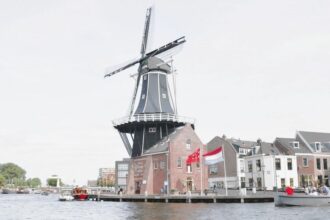
- Haarlem: Picture-perfect Dutch town, genuine local crowds, excellent beer
- Leiden: Student-friendly, quirky energy, incredible history mixed with modern fun
- Delft: Charming, less touristy, blue pottery history is chef’s kiss
Smaller cities often have better-organized street parties, more local character, and you can actually move around.
Budget: €20-60
Option 3: The Dutch Villages & Industrial Tourism Combo
Best for: Culture nerds and Instagram enthusiasts who want something different.
Head to smaller towns with actual Koningsdag traditions but where you can also explore Dutch industrial heritage:
- Edam (famous for cheese! Plus charming canals and local celebrations)
- Volendam (fishing village vibes, traditional celebrations)
- Zaanse Schans (literally a preserved 18th-century industrial village—mills, metalworking workshops, traditional craftspeople demonstrating historic techniques)
Combine morning Koningsdag market exploring with afternoon industrial heritage tourism. You’ll get the party atmosphere with actual substance.
Budget: €30-75 (includes some attractions)
The Flea Market Game: How to Actually Win
Koningsdag flea markets operate by first-come, first-served. If you want the good stuff, you need to be there early. Like, really early.
The Pre-Dawn Strategy
5:30-6:30 AM: Arrive with your bike, a large bag, and zero shame. The people who are already there at 6am? They’re serious. The best vintage items, the rare records, the actual treasures—they move in the first hour.
What to Look For:
- Vintage Dutch design (Eames, Arne Jacobsen knockoffs, geometric 70s furniture)
- Delftware (blue and white pottery)
- Vintage industrial tools and metalwork (connects to that heritage angle!)
- Old maps and nautical instruments
- Stroopwafels and other snacks (yes, you can buy these too)
The Haggling Culture
Dutch people are ruthlessly efficient at negotiation. It’s not personal—it’s sport. If something’s priced at €5, offering €3 is completely normal. You’ll either get a counter-offer or a friendly “nee, bedankt” (no, thanks).
Pro move: Buy multiple items. “I’ll take these three things for €10” often works better than haggling over one item.
Respectful Vibe Check
The flea market community is welcoming to international visitors, but remember:
- Many sellers are locals just trying to declutter their homes
- Kids selling their old toys are especially beloved—be kind
- Negotiate kindly, smile, enjoy the social interaction
- Many people accept card payments now, but bring cash just in case
Food, Drinks & Sustenance
You will get hungry. Here’s what to expect and how to navigate it.
Iconic Koningsdag Food
Poffertjes (mini fried pancakes dusted with powdered sugar)
- €3-5 for a small bag
- Perfectly portable, dangerously addictive
Stroopwafels (caramel waffle sandwich)
- €2-4
- Classic Dutch snack, pairs weirdly well with beer
Oliebollen (fried dough balls, sometimes with fruit)
- €2-3
- Messier than poffertjes, equally delicious
Fresh Herring (or other fish)
- €5-8
- Authentic, but requires commitment and confidence
Orange-Themed Everything
- Bright orange drinks, orange popcorn, orange candy
- Peak aesthetic, questionable nutritional value
Beer (obviously)
- €2-5 per drink
- Mainstream Dutch brands everywhere
- Craft beer available in bars
The Real Talk 💬
Street food lines get long. If you actually want to eat, buy food before 11am or after 2pm when everyone’s doing flea markets. Or pack your own snacks (highly recommended—most Dutch people do).
Logistics That Actually Matter
Getting There & Around
By Train:
- Dutch railways run frequent trains to all major cities
- Reserve early—trains fill up fast on Koningsdag
- Consider staying outside the city and arriving early morning or evening
- Book return tickets in advance if possible
By Bike:
- The most Dutch way to experience it
- Rent a bike the day before (€12-20/day)
- Bike parking is chaotic but functional
By Car:
- Genuinely not recommended—traffic is nightmarish
- Parking costs more than your entire Koningsdag snack budget
- Take transit or bike
Where to Stay
In the City:
- Hotels are pricey and booked far in advance
- Airbnb/vacation rentals available but expect premium prices
- Consider staying 20-30 minutes outside the main city via transit
In Smaller Towns:
- Much more affordable
- Less crowded but still festive
- Train access to bigger cities usually available
Pro Move:
- Stay outside Amsterdam, take transit in for the party, return when tired
- Hit smaller towns that have their own excellent Koningsdag celebrations
Crowds & Safety
Realistic Expectations:
- Amsterdam: 2+ million people in the city center
- Popular cities: Hundreds of thousands
- Smaller towns: Still busy but manageable
Safety Reality:
- Netherlands is generally very safe
- Koningsdag crowds are enthusiastic but not aggressive
- Standard urban awareness applies (watch your stuff, be aware of surroundings)
- Police presence is visible and friendly
- Stick with friends in very crowded areas
Accessibility
Wheelchair Users:
- Smaller towns generally more accessible than Amsterdam’s crowded canal areas
- Many venues have accessible bathrooms
- Check ahead with specific locations
- The flea market ground varies (can be uneven, muddy)
Neurodivergent/Sensory Sensitivity:
- The sensory experience is intense (crowds, noise, stimulation)
- Consider quieter times (early morning, late evening) or smaller towns
- Earplugs/sunglasses can help manage stimulus
- Many parks offer quieter viewing areas
Family-Friendly:
- Kids absolutely love it
- Early morning flea markets are calmer
- Smaller towns better for families avoiding peak chaos
- Bring snacks, entertainment, patience
The Industrial Heritage Deep Dive
Here’s what most tourism articles miss: Koningsdag exists because the Netherlands became wealthy and innovative—and a huge part of that was metalworking and industrial genius.
Why the Netherlands Had Industrial Powerhouses
Geography + Necessity = Innovation
The Netherlands is water. Dikes, canals, and water management required constant innovation—including sophisticated metalworking for locks, sluices, and tools. This culture of “we need this to survive, so we’ll invent it” created an incredibly innovative society.
By the 17th century, Dutch metalworking was globally renowned. Amsterdam was a center of industrial production, not just trade.
Where This Heritage Persists
Zaanse Schans (Zaandam, just north of Amsterdam)
- Open-air museum with restored 17th-18th century mills
- Watch traditional craftspeople demonstrate metalworking, tinsmithing, and other trades
- Real metalworkers showing real techniques
- €16 entry, worth it
- Combine with Koningsdag festivities in nearby towns
The Amsterdam Industrial Museum (Though renovations have affected hours—check ahead)
- Housed in a former shipyard
- Documents the maritime and industrial heritage
Delft (Famous for pottery, but also significant metalwork tradition)
- Beautiful town, worth visiting anyway
- Contains remnants of industrial heritage sites
Edam (Tiny, charming, and historically significant for trade)
- Not specifically industrial, but represents the wealth that industrial output created
The Sustainability Connection
This is actually profound: The flea markets of Koningsdag directly reflect centuries of Dutch resource consciousness.
In a small, densely populated country without massive natural resource extraction, the Dutch developed a deep cultural value around:
- Not wasting anything
- Reusing and repurposing
- Sharing resources efficiently
- Collaborative problem-solving
This isn’t just nostalgia or environmental virtue signaling—it’s embedded in Dutch DNA from generations of necessity. The flea markets aren’t just fun; they’re a living tradition of this value system.
Quick Pro Tips That’ll Genuinely Enhance Your Experience
✅ Wear actually good shoes. You’ll walk 10-15km. Comfortable shoes aren’t negotiable.
✅ Bring a backpack, not a big bag. You’ll find stuff you want to buy and need hands free.
✅ Download offline maps. Internet gets congested; a downloaded map means no stress navigating.
✅ Cash matters. Some vendors don’t take cards. €30-50 in cash is smart.
✅ Hydrate aggressively. You’re outside all day in spring weather while moving constantly. Drink water.
✅ Plan your “meeting point” if you’re with friends. Separations happen in crowds; designate a specific place to regroup.
✅ Layer your clothing. April weather is unpredictable—bring a light jacket you can tie around your waist.
✅ Go to a smaller city if it’s your first time. Genuinely. The Amsterdam crush is overwhelming; get the real experience somewhere with more breathable crowds.
✅ Leave early morning, return mid-afternoon, go out again evening. This paces the experience better than staying in crowds all day.
✅ Talk to locals. Dutch people are friendly and genuinely proud of this celebration. You’ll get great recommendations and authentic insights.
The Recap: Why You Should Actually Go
Koningsdag isn’t just another European festival. It’s:
- A cultural explosion of national identity and shared joy
- A practical sustainability event disguised as a party (those flea markets matter)
- A centuries-old tradition rooted in Dutch industrial innovation, resource consciousness, and creative adaptation
- Genuinely democratic—where hierarchy dissolves and everyone celebrates together
- Chaotic, colorful, and absolutely contagious in its energy
- More fun in smaller cities than Amsterdam, if you value experience over “I was in the biggest crowd”
You’ll see millions of people wearing orange. You’ll negotiate with locals over vintage items. You’ll eat food that seems unreasonably good. You’ll understand why the Dutch, despite being a tiny country, have such outsized cultural impact globally.
And honestly? You’ll probably come back.
Disclaimer
- We’re not responsible for lost items, separated friends, or the amount of orange clothing you’ll feel compelled to buy
- Crowd sizes, accessibility, and specific events vary by location and year—check local tourism websites for current information
- This guide reflects typical Koningsdag experiences but individual experiences will vary
- Drug laws are liberal in some contexts but still have boundaries—be aware of local regulations
- Check health requirements, insurance, and local COVID-19 protocols before traveling
- Some smaller towns have quieter celebrations; not all locations have the “full party” experience
- Weather in April can be unpredictable—pack accordingly
- Accessibility varies significantly; reach out to specific venues for detailed information
- Always check current dates, local regulations, and travel advisories before planning
Have a genuinely excellent Koningsdag. Wear orange with confidence. Haggle fearlessly. Enjoy every moment.
Last updated: March 2026. Check official Dutch tourism websites (NBTC Holland Tourism) and local city tourism boards for the most current information.