

Off-Road & Overland Routes: The Ultimate Road Trip Adventure
The Pamir Highway Extension
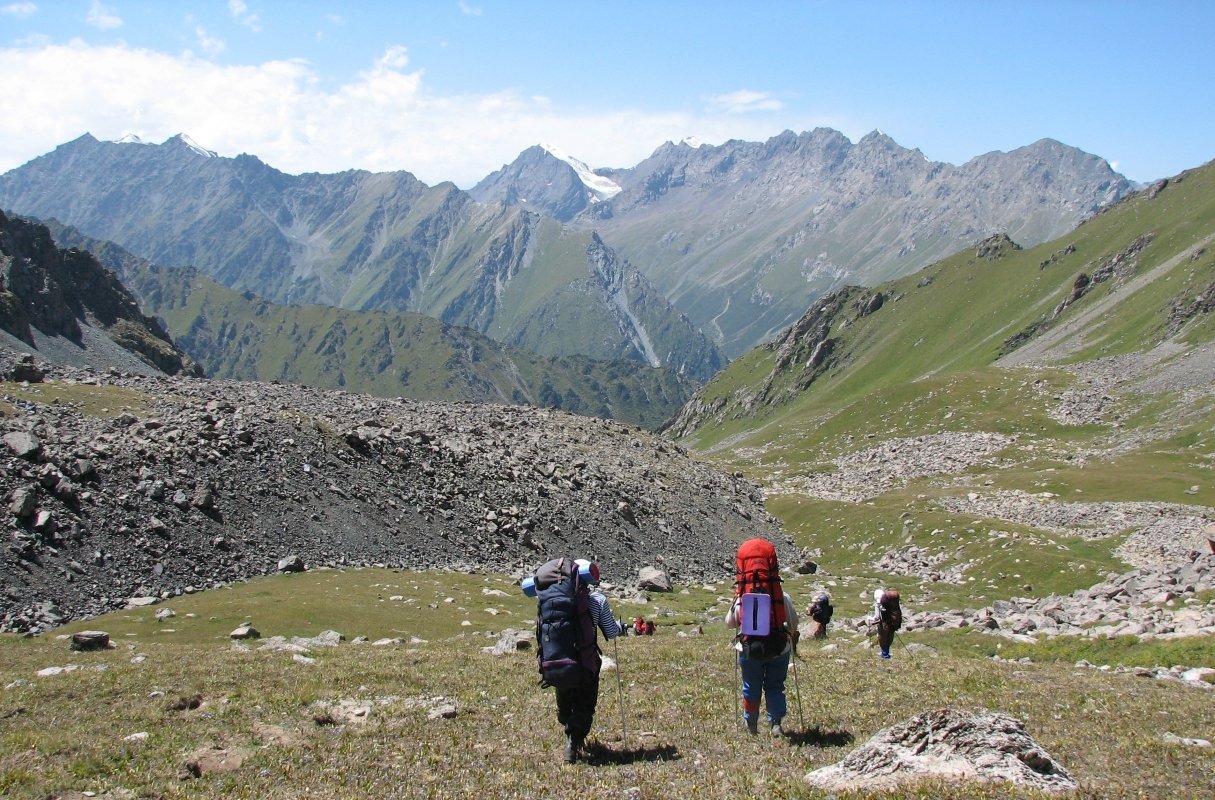
While the famous Pamir Highway is technically in Tajikistan, several incredible overland routes in Kyrgyzstan connect to this legendary road. The route from Osh through the Alai Valley to the Tajik border is an adventure in itself, crossing high passes with views of Peak Lenin and the Pamir Mountains.
- Off-Road & Overland Routes: The Ultimate Road Trip Adventure
- The Pamir Highway Extension
- Song-Kol Lake Overland Circuit
- Inylchek Glacier Access Road
- Suusamyr Valley Crossing
- Campervan & Overland Vehicle Information
- Vehicle Requirements
- Campervan Rental and Import Options
- Essential Equipment for Overland Travel
- Best Overland Routes by Season
- Border Crossings and Documentation
- Fuel and Supplies
- Camping and Parking Regulations
- Yurt Stay in Kyrgyzstan: Sleep Like a Nomad
- Planning Your Off-the-Grid Kyrgyzstan Adventures
- Best Time to Visit
- Getting There and Around
- What to Pack for Success
- Permits and Paperwork
- Cultural Considerations
- Budget Breakdown
- Health and Safety
- Beyond the Mountains: What Else Awaits
- Making It Happen: Practical Trip Planning
- Sample 10-Day Itinerary
- Sample 14-Day Overland Adventure
- Choosing Tour Operators vs. Independent Travel
- Sustainable Tourism
- Final Thoughts
Song-Kol Lake Overland Circuit
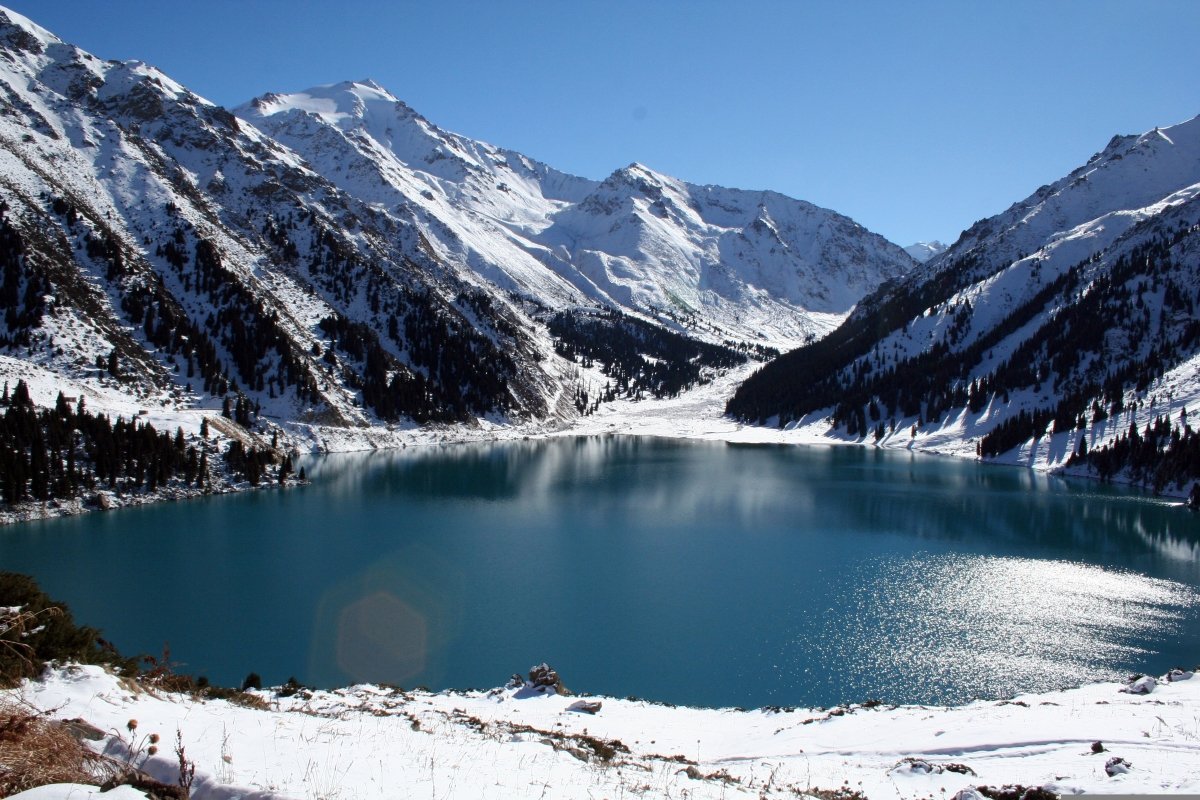
This 4WD route circles one of Kyrgyzstan’s most beautiful alpine lakes. The road is rough and challenging – expect river crossings, steep mountain passes, and sections where the “road” is more like a suggestion. But the payoff is incredible: camping spots beside the lake with zero light pollution and 360-degree mountain views.
Inylchek Glacier Access Road
For serious off-road enthusiasts, the route to Inylchek Glacier (one of the largest glaciers outside the polar regions) is the ultimate challenge. This track requires serious 4WD capability and local knowledge, but it leads to some of the most spectacular glacier viewpoints in Central Asia.
Suusamyr Valley Crossing
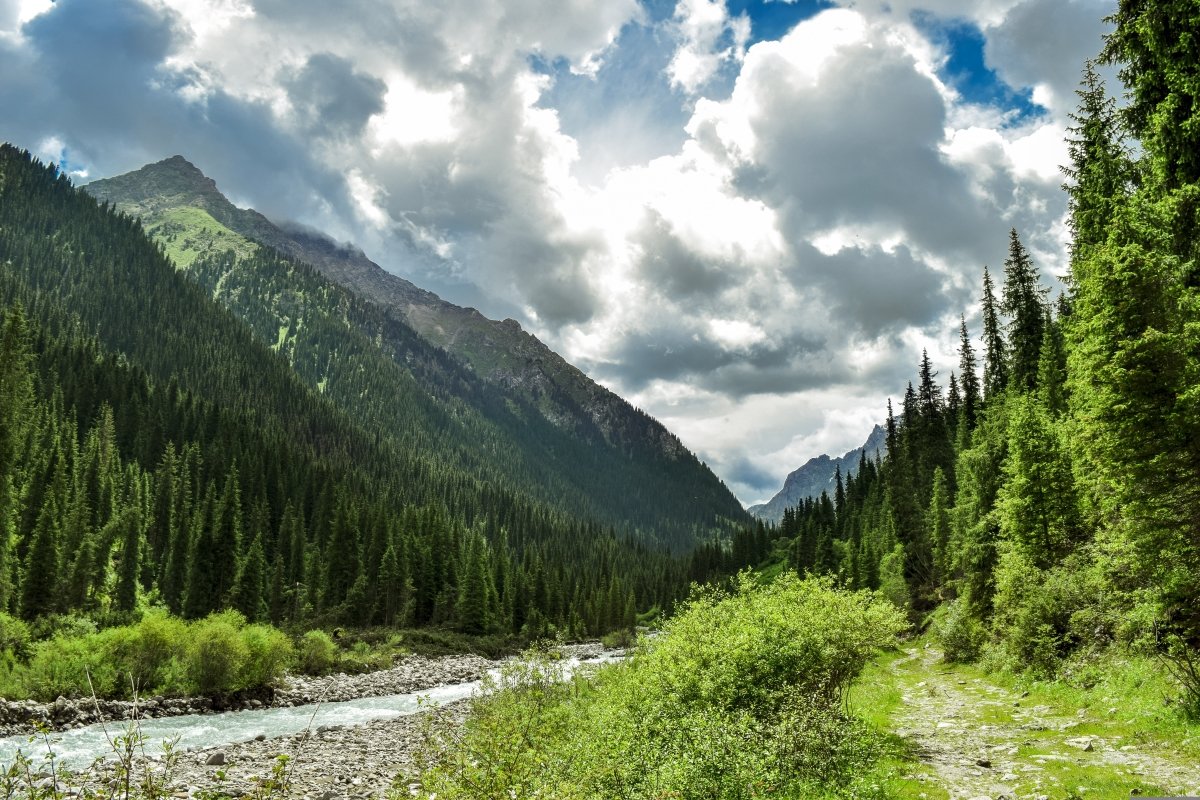
This high-altitude valley crossing connects Bishkek to the Fergana Valley via back roads that few tourists ever see. The route passes through traditional villages, crosses several mountain passes above 3,000 meters, and offers incredible wildlife viewing opportunities.
Campervan & Overland Vehicle Information
Vehicle Requirements
Forget your standard RV – Kyrgyzstan’s mountain roads demand serious capability. A high-clearance 4WD vehicle is essential for most interesting routes. Popular choices include Toyota Land Cruisers, UAZ Patriots (the Russian workhorse), and converted military trucks. Ground clearance of at least 200mm is crucial, and recovery gear (winch, sand ladders, tow straps) isn’t optional – it’s survival equipment.
Campervan Rental and Import Options
Several Bishkek-based companies now offer 4WD campervan rentals specifically designed for Kyrgyzstan’s challenging terrain. Expect to pay $80-120 per day for a properly equipped vehicle. For longer stays, some overlanders import their own vehicles through the Dostuk border crossing from China or via Kazakhstan.
Essential Equipment for Overland Travel
- Navigation: GPS with offline maps is crucial – cell service is spotty in remote areas
- Water: Carry at least 40 liters plus purification tablets or filters
- Fuel: Extra fuel containers are essential – gas stations can be 200+ km apart
- Food: Stock up in cities; remote areas have limited supplies
- Camping gear: Temperatures can drop below freezing even in summer at altitude
- Emergency kit: Satellite communicator, first aid supplies, basic mechanical tools
Best Overland Routes by Season
Summer (July-August):
- Song-Kol Lake Circuit: Accessible to most 4WD vehicles
- Tash Rabat to Chatyr-Kol: High-altitude lake hopping
- Arslanbob to Sary-Chelek: Forest and lake combination
Spring/Fall (May-June, September):
- Issyk-Kul circumnavigation: Lower altitude, more reliable weather
- Chuy Valley exploration: Rolling hills and traditional villages
- Fergana Valley routes: Warmer climate, cultural sites
Border Crossings and Documentation
For overland travelers, the main border crossings are with Kazakhstan (Korday), China (Irkeshtam and Torugart), and Tajikistan (several small crossings). Each requires specific paperwork for vehicles. The Carnet de Passages system isn’t required but can simplify customs procedures. Always carry vehicle registration, insurance documents, and multiple copies of your passport.
Fuel and Supplies
Fuel quality varies significantly – stick to major brand stations when possible. Diesel is more widely available than high-octane gasoline. Stock up on supplies in Bishkek, Osh, or Karakol – remote areas have limited options and what’s available can be expensive.
Camping and Parking Regulations
Wild camping is generally tolerated and even encouraged, but respect local customs and private property. Many yurt camps welcome overland travelers and offer hot meals, showers, and local knowledge in exchange for a small fee. In national parks and protected areas, stick to designated camping areas where they exist.
Yurt Stay in Kyrgyzstan: Sleep Like a Nomad
Staying in a yurt isn’t just accommodation – it’s a cultural immersion that’ll give you genuine insight into nomadic life. These portable homes, called “boz ui” in Kyrgyz, have sheltered Central Asian nomads for over 1,000 years.
What to Expect During Your Yurt Experience
Your yurt will typically feature handwoven carpets covering the floor, colorful textiles hanging from the walls, and a central fire pit that serves as both heating and cooking space. The circular design isn’t just aesthetic – it’s incredibly practical, designed to withstand strong winds and provide maximum space efficiency.
Most yurt stays in Kyrgyzstan include meals prepared by your host family. Get ready for hearty dishes like plov (rice pilaf with meat and vegetables), manti (steamed dumplings), and of course, kumys – that fermented mare’s milk we mentioned earlier. Don’t worry if you’re not adventurous with food; there are always plenty of delicious vegetarian options too.
Best Yurt Stay Locations
Song-Kol Lake: Wake up to horses grazing outside your yurt and spend your days exploring on horseback or simply soaking in the serene atmosphere.
Tash Rabat: This 15th-century stone caravanserai offers yurt stays with incredible historical context. You’re literally sleeping where Silk Road merchants once rested.
Sary-Chelek Biosphere Reserve: Combine your yurt experience with pristine nature reserve exploration, including walnut forests and crystal-clear mountain lakes.MORE READ..
Planning Your Off-the-Grid Kyrgyzstan Adventures
Best Time to Visit
June through September offers the warmest weather and clearest trails. July and August are peak season, with wildflowers in full bloom and all high-altitude areas accessible. If you prefer fewer crowds and don’t mind cooler temperatures, June and September offer excellent conditions with more solitude.
Getting There and Around
Bishkek, the capital, is your entry point. From there, hiring a local driver or joining a tour group is your best bet for reaching remote areas. Public transport exists but can be unpredictable and time-consuming. Many travelers find that hiring a 4WD vehicle with a local driver opens up possibilities that would be impossible otherwise.
What to Pack for Success
Mountain weather changes quickly, so layering is essential. Even in summer, temperatures can drop significantly at altitude. Pack a good sleeping bag rated for cold temperatures, waterproof gear, and sturdy hiking boots. Don’t forget sunscreen – the UV exposure at altitude is intense.
Permits and Paperwork
Most areas don’t require special permits, but some border regions do. Check current requirements before you go, especially if you’re planning to trek near the Chinese or Tajik borders.
Cultural Considerations
Kyrgyz culture values hospitality and respect. Learn a few basic Kyrgyz or Russian phrases – locals really appreciate the effort. When staying with families, offering small gifts from your home country is a lovely gesture. Photography is generally welcome, but always ask permission before photographing people.
Budget Breakdown
Kyrgyzstan is incredibly affordable. Budget travelers can get by on $20-30 per day, while those seeking more comfort can live like royalty on $50-70 daily. Yurt stays typically cost $15-25 per person per night, including meals. Guided treks range from $30-60 per day, depending on group size and services included.
Overland/Campervan Costs:
- 4WD campervan rental: $80-120 per day
- Fuel: $0.70-0.90 per liter (diesel slightly cheaper)
- Camping/parking: Free (wild camping) to $10 per night (organized campgrounds)
- Border crossing fees: $5-20 depending on crossing point
- Vehicle insurance: $30-50 for short-term coverage
Health and Safety
The biggest health concern is altitude sickness. Take time to acclimatize, especially if coming from sea level. Drink plenty of water, avoid alcohol for the first few days, and listen to your body. Emergency evacuation insurance is highly recommended for remote trekking areas.
Beyond the Mountains: What Else Awaits
Issyk-Kul Lake
The world’s second-largest alpine lake never freezes, despite its 1,607-meter elevation. It’s perfect for combining mountain adventures with beach relaxation. The southern shore offers hot springs and quiet beaches, while the northern shore has more developed resort areas.
Bishkek City Life
Kyrgyzstan’s capital blends Soviet architecture with modern Central Asian culture. The Osh Bazaar is a feast for the senses, while the city’s parks and museums provide insight into the country’s complex history. It’s also where you’ll find the best restaurants serving both traditional Kyrgyz cuisine and international options.
Fergana Valley
The southern part of Kyrgyzstan offers a different landscape entirely – fertile valleys, ancient cities like Osh, and the stunning Arslanbob walnut forests. It’s perfect for those wanting to combine mountain adventures with cultural exploration.
Making It Happen: Practical Trip Planning
Sample 10-Day Itinerary
- Days 1-2: Arrive in Bishkek, explore the city, prepare for trekking
- Days 3-6: Song-Kol Lake circuit with yurt stays
- Days 7-9: Jyrgalan Valley exploration and community tourism
- Day 10: Return to Bishkek, departure
Sample 14-Day Overland Adventure
- Days 1-2: Bishkek arrival, vehicle rental/preparation, city exploration
- Days 3-5: Issyk-Kul Lake circumnavigation with camping and hot springs
- Days 6-8: Song-Kol Lake overland route with yurt stays and horseback riding
- Days 9-11: Tash Rabat and Chatyr-Kol Lake expedition
- Days 12-13: Arslanbob walnut forests and Sary-Chelek exploration
- Day 14: Return to Bishkek via Suusamyr Valley
Choosing Tour Operators vs. Independent Travel
Both options work well in Kyrgyzstan. Tour operators handle logistics and provide cultural context you might miss traveling independently. Independent travel offers more flexibility and can be more budget-friendly, but requires more planning and language skills.
Sustainable Tourism
Choose operators and accommodations that work directly with local communities. Community-based tourism initiatives ensure your money directly benefits the families and villages you visit. Avoid operators that don’t employ local guides or use locally-owned accommodations.
Final Thoughts
Kyrgyzstan’s Tien Shan Mountains offer something increasingly rare in our connected world – the chance to truly disconnect and experience adventure in its purest form. Whether you’re seeking challenging Tien Shan trekking, authentic cultural experiences through yurt stays in Kyrgyzstan, or simply want to explore one of the world’s last great off-the-grid destinations, this remarkable country delivers beyond expectations.
The memories you’ll make here – sharing meals with nomadic families, sleeping under star-filled skies, and hiking through landscapes that seem almost too beautiful to be real – will stay with you long after you return home. In a world where authentic travel experiences are becoming harder to find, Kyrgyzstan’s Tien Shan Mountains remain refreshingly genuine.
So pack your sense of adventure, bring an open mind, and prepare for a journey that’ll remind you why you fell in love with travel in the first place. The Heavenly Mountains are calling – will you answer?
Disclaimer: Travel conditions, regulations, and safety situations can change rapidly. Always check current government travel advisories, local conditions, and entry requirements before planning your trip. Consider purchasing comprehensive travel insurance that covers adventure activities and emergency evacuation. The information in this guide is based on general conditions and experiences but should not replace professional travel advice or current official guidance from relevant authorities.