


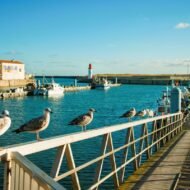
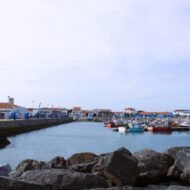
TL;DR: La Cotinière is a working fishing village on Île d’Oléron — France’s second-largest island — where the boats still go out before sunrise, the fish auction is louder than a stock exchange, and the oysters are eaten standing up on the quay. It’s not Instagram-perfect. It’s better than that. Here’s everything you need to know before you go.
- The One French Village That Doesn’t Know It’s Trendy (And Long May That Last)
- Where on Earth Is It, Exactly?
- Know Before You Go
- A Brief and Salty History
- The Fish Auction: The Most Exciting Thing You’ll See All Week
- What to Eat (And Where to Stand to Eat It)
- The Port in Every Season — Morning, Afternoon, Evening
- Beyond the Port: What Else Is Around
- The Craft Workshops: Souvenirs That Actually Mean Something
- Fête de la Saint-Pierre: The Night the Whole Village Celebrates
- Where to Stay
- Getting Around the Island Without Losing Your Mind
- Practical Accessibility Note
- 5 Things First-Timers Always Wish They’d Known
- The Honest Recap
The One French Village That Doesn’t Know It’s Trendy (And Long May That Last)
Let’s be honest. A lot of “authentic French fishing villages” stopped being authentic about fifteen years ago. The nets got replaced by souvenir nets. The fishermen got replaced by people dressed like fishermen. The catch of the day got replaced by frozen imported sea bass with a French menu price tag.
La Cotinière hasn’t done any of that.
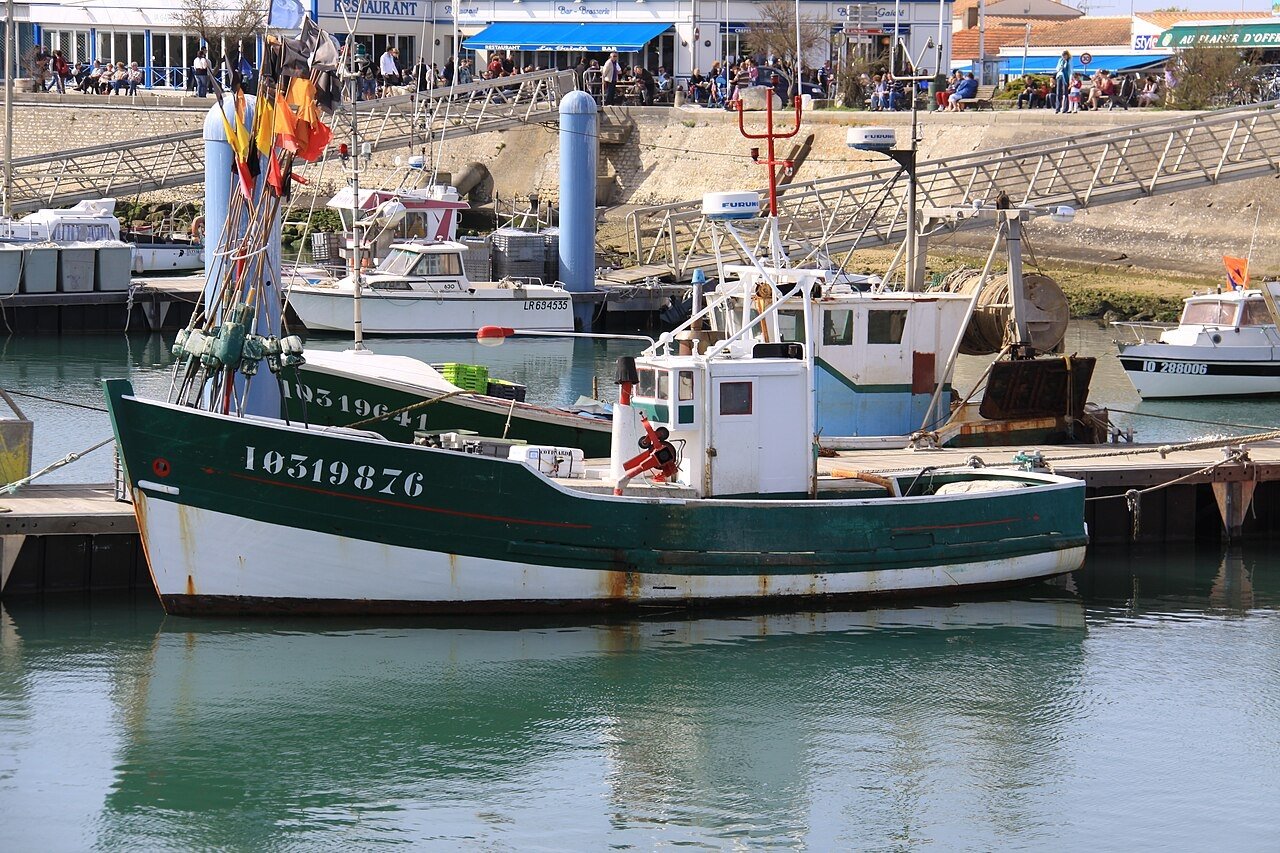
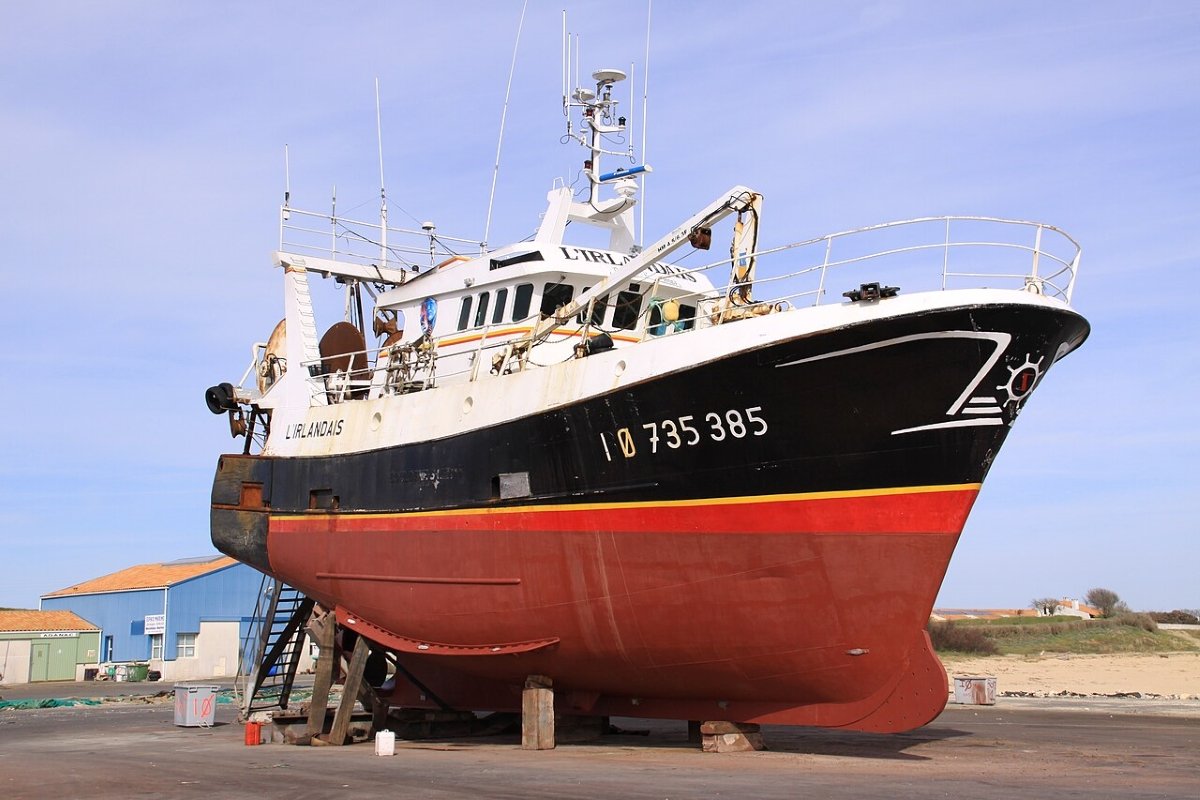
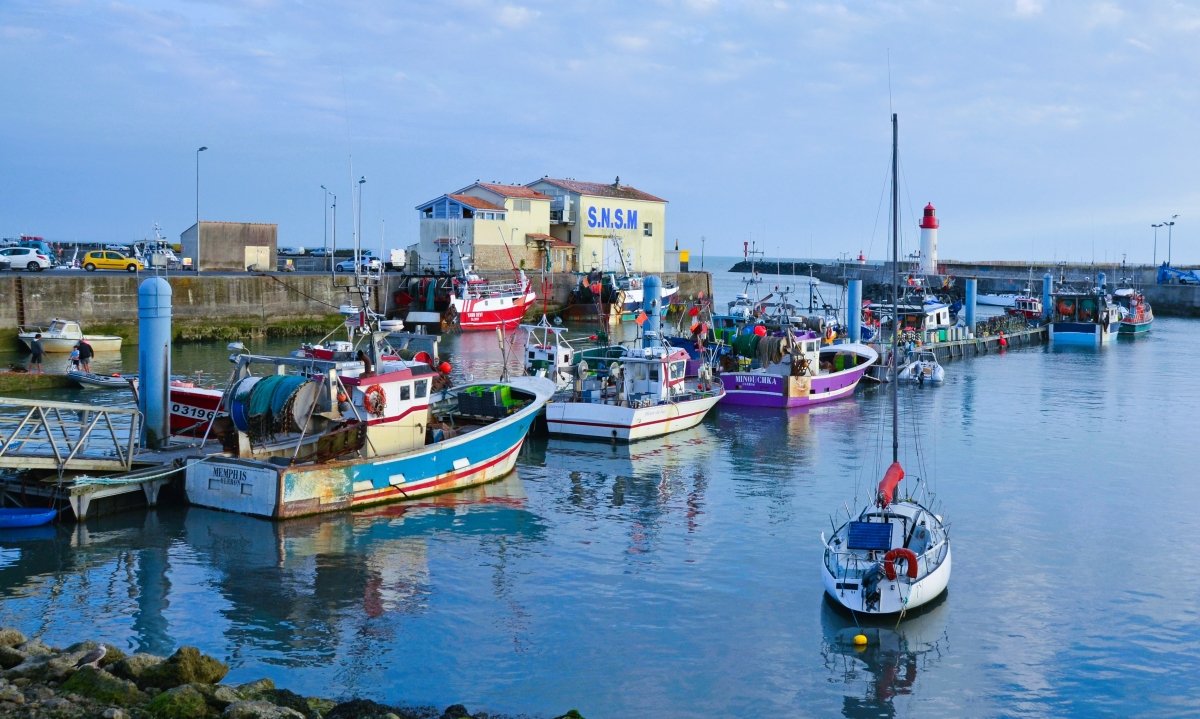
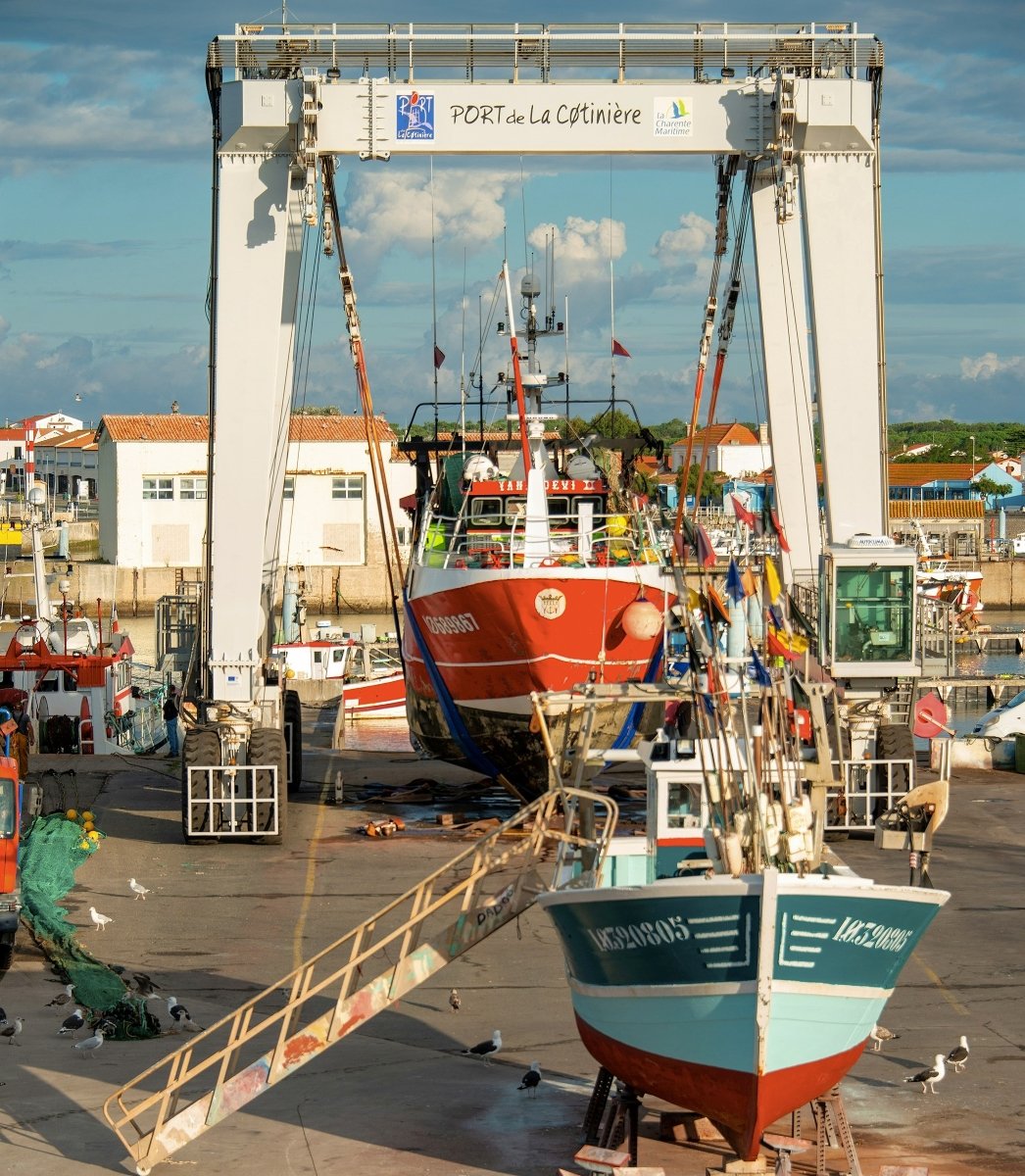
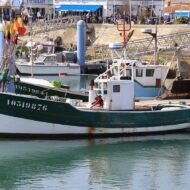
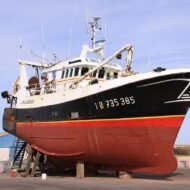
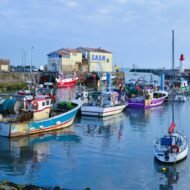
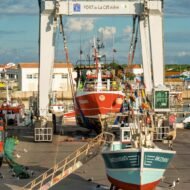
Nestled in a bay on the west coast of Île d’Oléron and sheltered from prevailing winds, this small traditional fishing port holds the title of the first port of Charente-Maritime and seventh nationally in France. That’s not a tourism slogan — that’s an active, daily, salt-in-the-air reality. With a fleet of 80 vessels, the port is the number one artisanal fishing port in Charente-Maritime. Trawlers share the water with pleasure boats without anyone making a fuss about it, and that says everything about the vibe here.
This village is all business in the morning and all pleasure by afternoon. Come for one, stay for both.
Where on Earth Is It, Exactly?
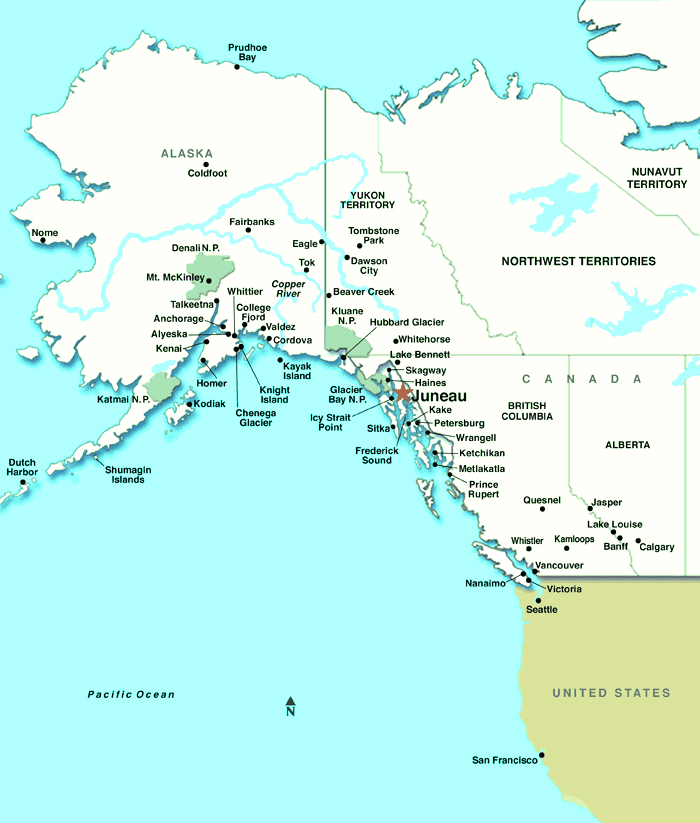
Île d’Oléron is located off France’s Atlantic coast, to the west of Rochefort in Charente-Maritime, and is the second largest French island after Corsica. La Cotinière sits on the western, ocean-facing side of the island, administratively part of Saint-Pierre-d’Oléron commune.
Since 1966, the island has been connected to the French mainland by the Oléron Bridge — the third longest bridge in France, and importantly, toll-free. So no excuses. Getting there by car from Paris takes roughly five hours (via the A10), from Bordeaux about two, and from La Rochelle under an hour. Once you’re on the island, La Cotinière is a short drive west from the main town of Saint-Pierre-d’Oléron.
Nearest airports: La Rochelle–Île de Ré (about 50km) and Bordeaux–Mérignac (about 180km). Neither has direct international routes from most places, so the most practical entry point for overseas visitors is Paris CDG or Bordeaux, then a rental car or train to Rochefort/La Rochelle.
Know Before You Go
| DETAIL | WHAT YOU NEED TO KNOW |
|---|---|
| Location | West coast of Île d’Oléron, Charente-Maritime, France |
| Getting there | Via toll-free Oléron Bridge from mainland; nearest airports La Rochelle (~50km) or Bordeaux (~180km) |
| Best time to visit | May–June or September for balance of good weather and manageable crowds; July–August is peak and very busy |
| Language | French; some English spoken in tourist areas but don’t rely on it |
| Currency | Euro (€) |
| Fish auction (criée) | Daily around 3:30pm; guided tours available in summer via Saint-Pierre tourist office |
| Victorine Market | Daily in season (April–November), from 3:30pm; off-season Tues–Sun from 4:30pm |
| Morning market | Daily in season from 8am; Monday–Saturday off-season |
| Night market | July–August, nightly from 5:30pm to 11:30pm |
| Getting around | Bike strongly recommended; free island shuttle bus in summer; parking is paid and limited at the port |
| Accessibility | Village is mostly flat and walkable; some cobbled areas near the port |
| Parking tip | Paid from €2/hour near the seafront; free parking available slightly further from the port |
| Family-friendly | Yes — shallow beaches nearby, funfair in summer, easy cycling |
| LGBTQ+ friendliness | Generally relaxed and welcoming; France has strong national anti-discrimination protections |
| Budget level | Mid-range; fresh seafood direct from boats is genuinely affordable |
A Brief and Salty History
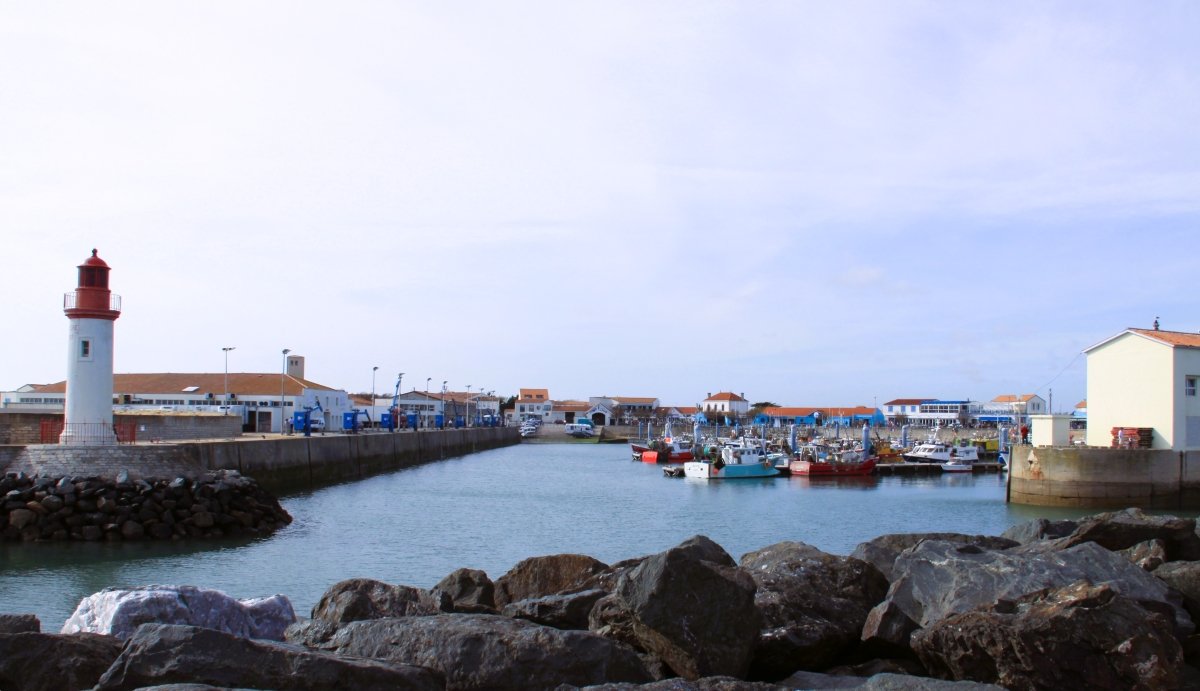
At the beginning of the 19th century, La Cotinière was just a natural cove on the ocean which only housed a few small boats, with a dike constructed in 1843 and a quay added in 1867 — unfortunately destroyed by a storm in 1870 and rebuilt two decades later, along with the lighthouse still visible today with its distinctive red and white rings.
In the 1860s, sardine fishing became a real success in the Gulf of Gascogne. The port opened up to seasonal fishing offering sardines, shrimps, and lobsters, and in 1908 a sardine cannery was established opposite the thriving port. The famous local sardines were even nicknamed “Cotinardes.” In 1973 a new basin was created because the original port had simply outgrown itself — which tells you everything about how seriously this place takes fishing.
Today the port provides 50% of France’s national production of céteau (a flat fish) and specialises in noble species: sole, sea bass, monkfish, shrimps, and langoustines.
The village architecture tells the same story. The traditional island houses are modest one-storey buildings with a fish pole fixed on the façade to dry the fish and an external staircase leading to the attic for storage. Many of these still stand. They’re not boutique hotels. They’re homes.
The Fish Auction: The Most Exciting Thing You’ll See All Week
Get up early — around 6:30am — and watch the criée. It’s loud, fast, fascinating, and free. Fishmongers bid on the day’s catch like they’re at a very smelly stock exchange. There’s also an afternoon session around 3:30pm that’s more accessible for non-morning people. More than a hundred species have been recorded at the auction in a single year — an impressive variety including lobster, langoustine, sole, and sea bass.
Guided tours of the fish auction are organized once a month for small groups, bookable through the Saint-Pierre tourist office. These are absolutely worth booking in advance if you want to understand what you’re actually watching — the guide puts the whole operation in context, from fishing techniques to the bidding system to who ends up buying what.
What to Eat (And Where to Stand to Eat It)
This is the part you came here for, let’s be real.
Each afternoon from 3:30pm, the Victorine market offers the freshest catch straight from the boats, including turbot, scampi, sea bass, and more. This is where you buy langoustines still flicking their tails and oysters so fresh they practically introduce themselves. Prices here are notably lower than in most coastal towns because there’s no middleman — just a trawler and a market stall.
On the benches facing the port, you can also taste the traditional Merluchon Fish & Chips, served on the go with homemade fries and coveted by gulls. It’s messy, it’s perfect, it costs almost nothing, and it is frankly the most honest meal in Atlantic France.
For sit-down dining, excellent options include L’Amiral, La Sardinerie, L’Assiette du Capitaine, and Le Local. La Sardinerie, right across from the harbour, is the go-to for fresh-caught local fish prepared simply and well.
Don’t leave without trying Marennes-Oléron oysters, renowned for their specific maturation process in the oyster beds, as well as unique local dishes such as éclade de moules (mussels cooked over pine needles) and jonchée d’Aunis, a fresh local cheese. The oysters here taste different to anywhere else in France because of the particular mineral properties of the Marennes basin. Regulars will tell you they can identify an Oléron oyster blind. They’re probably not wrong.
The Port in Every Season — Morning, Afternoon, Evening
One of the things that makes La Cotinière special is that it actually changes character throughout the day, and those changes are genuine rather than choreographed.
In the morning, fishermen can still be seen untangling their nets while the daily morning market brings local producers selling everything from oysters and vegetables to artisanal cheese. It’s a working port doing working things, and you’re welcome to watch.
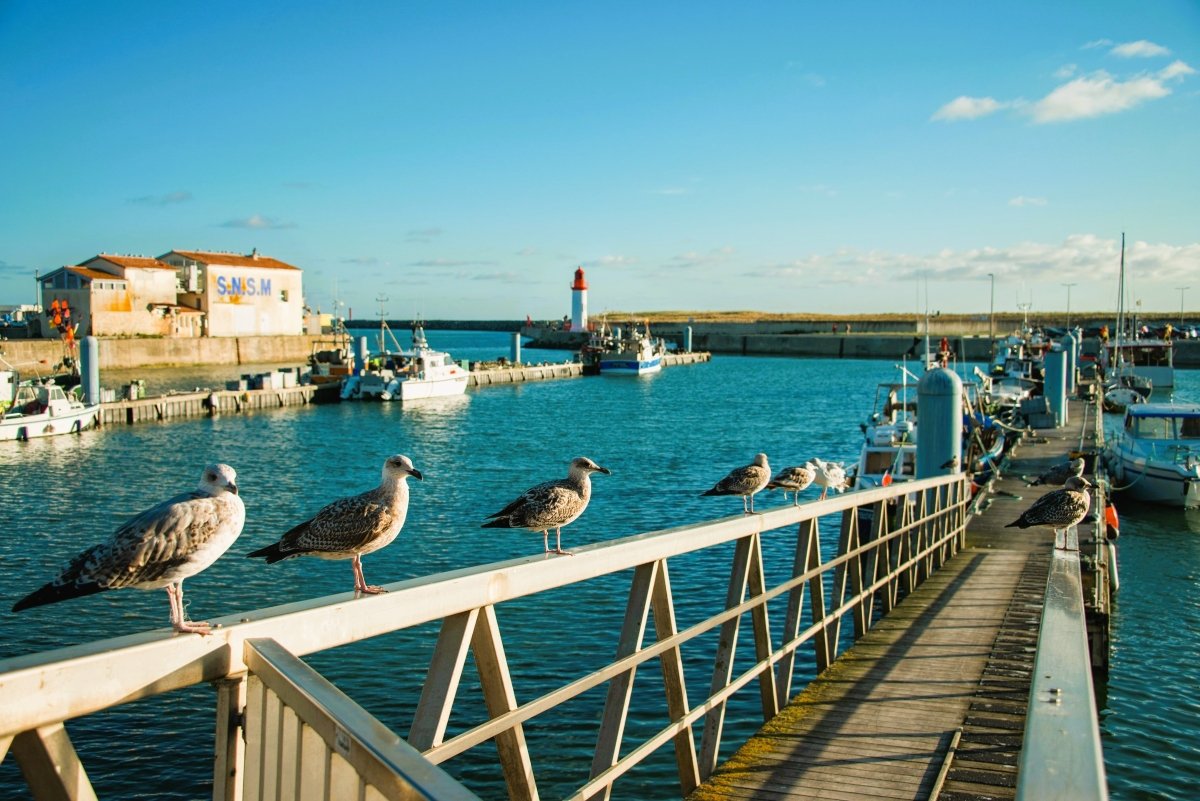
By mid-afternoon, the pace shifts. The Victorine market opens, the restaurants fill up, and the quayside becomes a social hub. The many cafés and restaurants lining the harbour offer gourmet breaks with sea views, and seagulls add their own unsolicited opinions on every meal.
In the evenings during July and August, the port is particularly lively with a funfair, shops open until 11pm, and bars and restaurants that are often musical. The night market runs from 5:30pm to 11:30pm with nearly 40 stalls showcasing local craftspeople, artists, and designers, with concerts and entertainment throughout.
Beyond the Port: What Else Is Around
La Cotinière is a great base for exploring the wider island, and the whole thing is small enough that you can cover a lot in a few days.
By bike (the best way to do anything here): From La Cotinière, a cycle track leads north to the Chassiron Lighthouse, passing through the small villages of Domino and Chaucre. The same route leads south to beautiful beaches, including Vert Bois — one of the most stunning on the island.
Beaches: The beach at Matha, just 2km south of the port, is quieter and well-suited for families, with small waves and a serene atmosphere. Less crowded than the main tourist beaches, it’s where locals actually go.
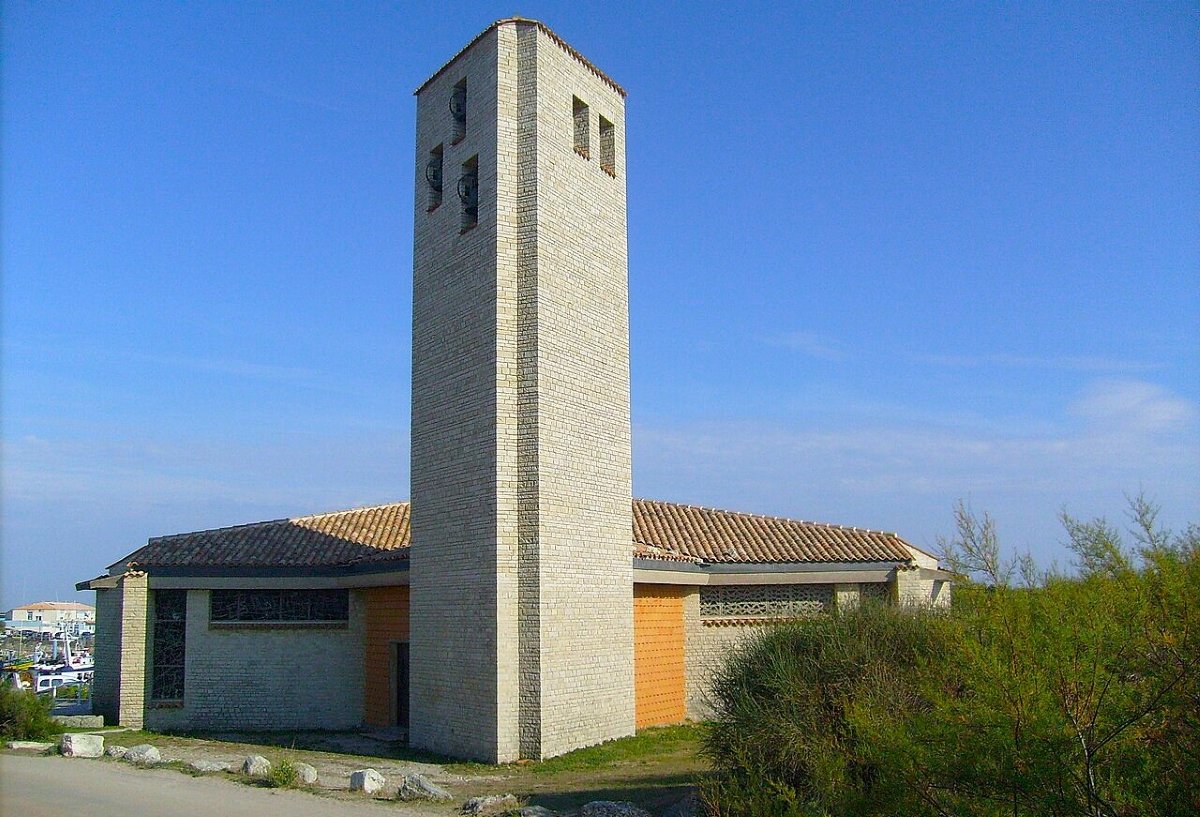
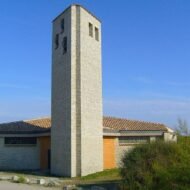
The Notre-Dame-des-Flots Chapel: Built in 1966, this contemporary chapel features sublime stained-glass windows painted by master-painter Henri Martin-Granel and an impressive exposed framework. It watches over the port like a modest guardian and is worth fifteen quiet minutes of your time.
Boat trips: The port is the starting point for boat trips around Île d’Oléron, with routes to Île d’Aix via Pointe de Chassiron, Fort Boyard, and Baie de Gatseau, with up to five round trips per day from April to the end of September. Fort Boyard is one of those things that looks improbable and turns out to be exactly as dramatic as advertised.
The Saint-Pierre-d’Oléron Museum: This museum immerses visitors in local traditions, showcasing traditional costumes, oyster-farming collections, and fishing practices from prehistory to the 19th century. Give it an hour and you’ll understand the whole island better.
The Craft Workshops: Souvenirs That Actually Mean Something
In La Cotinière, local crafts are remarkably rich in creativity. Workshops specialising in painting, sculpture, woodworking, metalworking, textile design, ceramics, jewellery, and traditional cutlery are housed in brightly coloured former oyster huts. This is where you find souvenirs with a genuine story behind them — made here, by people who live here, from materials that mean something to this coast.
In high season a night market with food trucks runs weekly, while the morning market brings market gardeners, oyster farmers, cheese makers, and butchers together every day. If you’re self-catering, this is genuinely one of the best food-shopping experiences on the French Atlantic coast.
Fête de la Saint-Pierre: The Night the Whole Village Celebrates
Held every year in late June and early July, the Fête de la Saint-Pierre celebrates the patron saint of fishermen with religious processions, concerts, balls, and fireworks. This is not a tourist event that happens to involve locals. It’s a local event that tourists are welcome to witness. The distinction matters enormously. If your visit coincides, don’t miss it.
Where to Stay
La Cotinière doesn’t have a grand hotel scene, and that’s part of its appeal. Options range from small hotels and gîtes (self-catering rental homes) to campsites — and Île d’Oléron is genuinely one of the best islands in France for camping, with sites ranging from basic pitches in pine forests to well-equipped holiday villages.
The Hôtel Île de Lumière in La Cotinière is ideally situated, with ocean access and just minutes on foot from the lively fishing port. The décor leans coastal, with soft and restful tones, and the central location on the west coast makes it easy to explore both the north and south of the island.
For a more independent stay, renting a gîte in or around Saint-Pierre-d’Oléron puts you within easy cycling distance of La Cotinière while giving you a proper sense of island life rather than a resort experience.
Booking well in advance is strongly advised for July and August — the island gets very busy and accommodation fills up months ahead.
Getting Around the Island Without Losing Your Mind
The island has many kilometres of good cycle paths that meander along the coast and are a great way to explore. There’s also a free beach shuttle bus that ferries visitors all over the island in summer.
If you do drive, parking tariffs start at €2 per hour at the seafront and there’s a five-hour limit at the beach — with enthusiastic traffic wardens during summer who will issue fines without hesitation. The honest advice: rent a bike from one of the shops near the port, use the free shuttle for longer distances, and leave the car parked somewhere sensible on the edge of the village.
Bike rental shops in La Cotinière are plentiful, affordable, and the staff genuinely know which routes are worth your time.
Practical Accessibility Note
La Cotinière is mostly flat and walkable, which makes it reasonably accessible for those with limited mobility. The port promenade and main market areas are smooth. Some of the older village streets near the church have uneven surfaces. The beaches vary — Matha beach is relatively accessible at low tide, while the ocean-facing beach near the church is more rugged. If mobility is a concern, arriving by car and parking near the port (in the paid lot) gives the most straightforward access to the main attractions.
5 Things First-Timers Always Wish They’d Known
- The fish auction at 3:30pm is more interesting than the one at 6:30am for most visitors — same energy, slightly less brutal hour.
- Bring a small cooler bag if you’re buying from the Victorine market. Fresh langoustines do not survive an afternoon in a hot car boot.
- La Cotinière’s main beach isn’t the best for swimming. Head to Matha beach (2km south) or Vert Bois (a few km further) for proper swimming.
- The night market stalls sell work by actual local artists, not mass-produced coastal kitsch. Budget a little extra for something genuinely made here.
- June and September offer noticeably more peace in which to enjoy the village compared to the high-summer crowds of July and August.
The Honest Recap
La Cotinière is rare. It’s a working fishing village that hasn’t been hollowed out and refilled with boutique shops and overpriced rosé. The work is dangerous, the hours are brutal, and the respect for the ocean is absolute — there’s a genuine sense of community here that you don’t find in resort towns. Locals still run the show.
You can come here for the seafood, for the cycling, for the beaches, for the boat trips to Fort Boyard. All of those are excellent reasons. But the best reason is simpler: it’s one of the last places on the French Atlantic coast where you can sit on a bench watching trawlers unload their catch, eat fish and chips out of paper with the gulls eyeing you up, and feel like you’ve stumbled into France as it actually is — rather than France as it’s been packaged and sold.
Come before everyone else figures this out.
DISCLAIMER: Travel information in this article — including opening hours, market schedules, transport options, and seasonal events — is accurate to the best of our knowledge at time of writing but is subject to change. Always verify current details with the Office de Tourisme de l’Île d’Oléron-Marennes before your visit. Prices, ferry schedules, and guided tour availability vary by season and year. The author and publisher accept no liability for any inconvenience arising from changes to the information provided. Accessibility details are provided in good faith but conditions on the ground may vary; we recommend contacting local tourism offices directly if you have specific accessibility requirements.
Enjoyed this guide? Share it with someone who thinks France is just Paris. They need this more than you do.