


Mezőkövesd is a charming Hungarian town famous for UNESCO-protected Matyó embroidery, healing thermal baths, and authentic cultural experiences. Perfect for wellness seekers, culture lovers, and anyone wanting to escape tourist crowds while discovering real Hungarian heritage.
- Why Mezőkövesd Should Be on Your Radar
- The Matyó Magic: Living UNESCO Heritage
- Soak Your Troubles Away: Zsóry Thermal Baths
- Where to Stay: Comfort Meets Wellness
- Food Scene: Comfort Food with a Side of Culture
- Getting There and Around
- Hidden Gems and Day Trips
- When to Visit: Timing is Everything
- Money Matters: What to Expect
- Essential Tips for First-Time Visitors
- The Bottom Line: Why Mezőkövesd Matters
Ready to discover one of Hungary’s best-kept secrets? Tucked away in northern Hungary’s Borsod-Abaúj-Zemplén county, Mezőkövesd is where centuries-old traditions meet modern wellness culture. This isn’t your typical tourist trap – it’s an authentic slice of Hungarian life that’ll leave you feeling rejuvenated, culturally enriched, and probably planning your next visit before you even leave.
Why Mezőkövesd Should Be on Your Radar
Let’s be real – everyone hits Budapest, but Mezőkövesd? That’s where locals go to unwind and connect with Hungary’s soul. This town of about 16,000 residents punches way above its weight when it comes to cultural significance and natural healing powers.
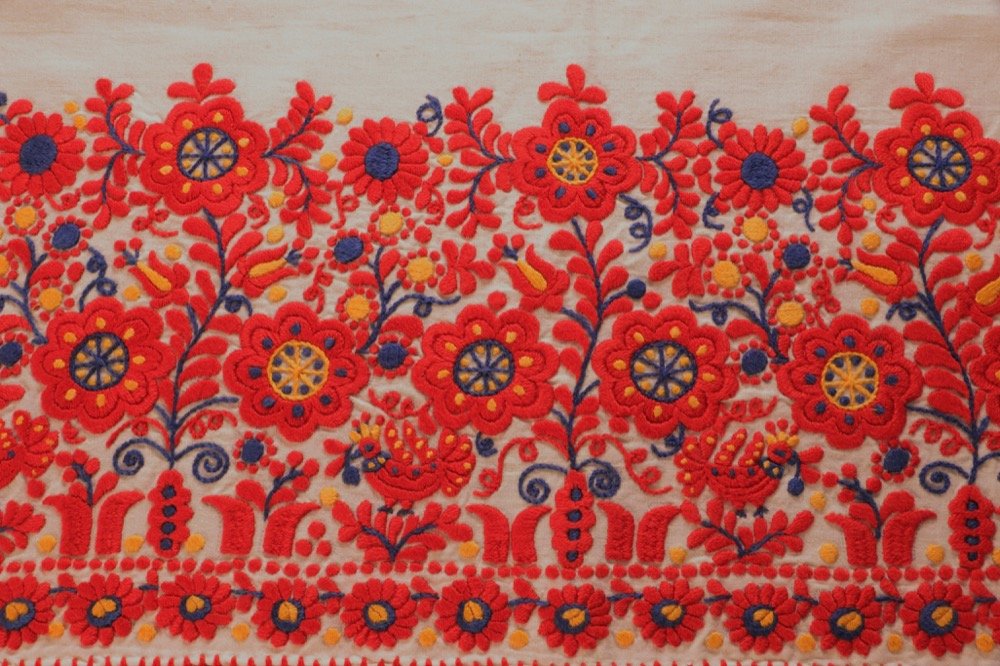
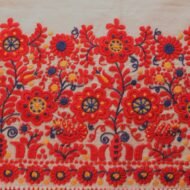
The folk art of the Roman Catholic Matyó community in and around the town of Mezőkövesd in north-eastern Hungary is characterized by floral motifs that are found in flat-stitch embroidery and ornamented objects, and in 2012 Matyó embroidery, practiced as a communal activity, was made a UNESCO Intangible Cultural World Heritage.
The Matyó Magic: Living UNESCO Heritage
What Makes Matyó Culture Special
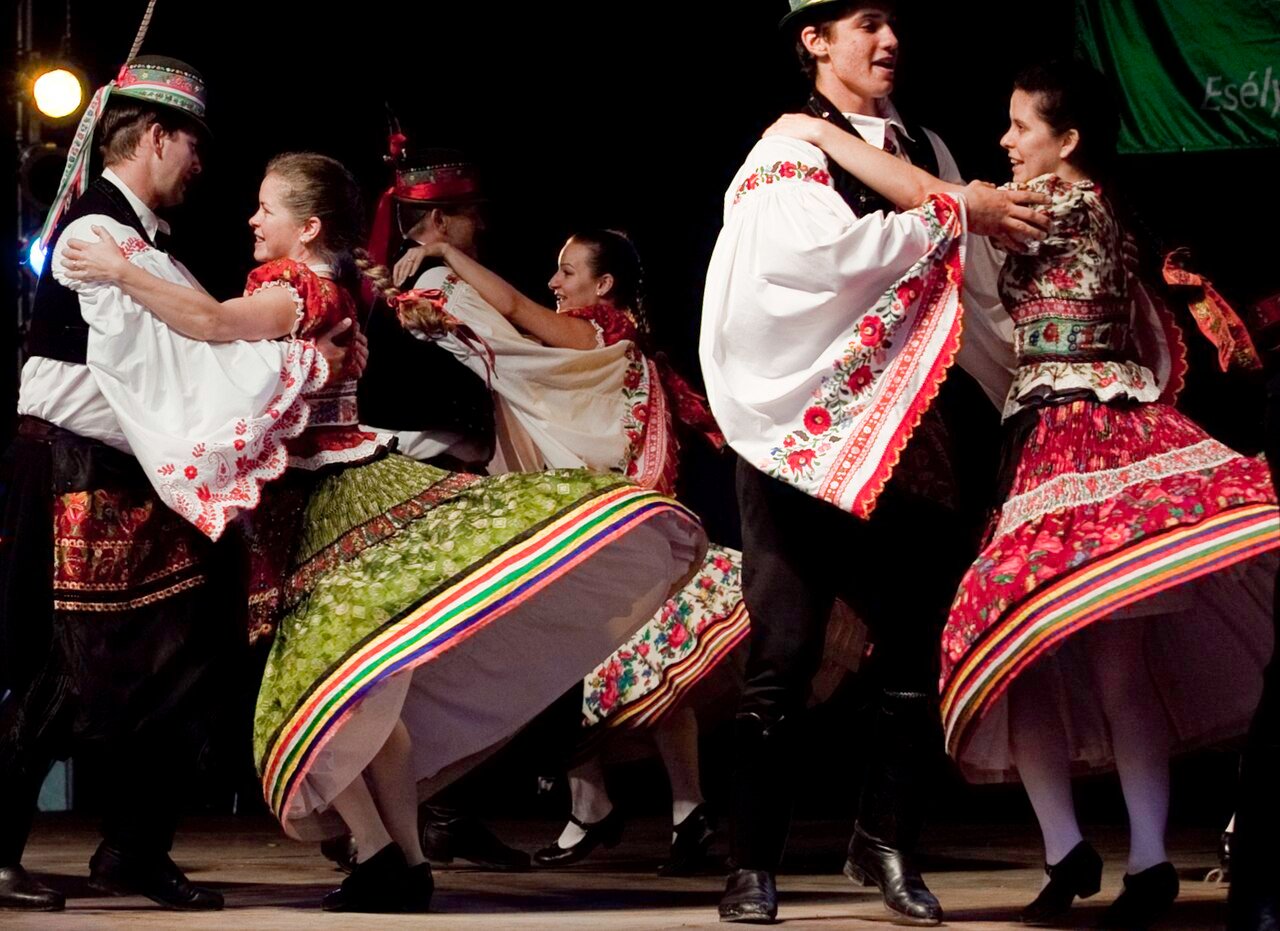
Picture this: vibrant floral patterns that tell stories of love, loss, and community spirit, all stitched by hand using techniques passed down through generations. The folk art of Matyó living in and around the town of Mezőkövesd has a history of more than 200 years, and “Let the stomach growl but the costume shine,” describes the attitude of Matyó people toward life.
The traditional embroidery isn’t just decoration – it’s storytelling through thread. The embroidered motifs typically depict flowers, the most characteristic of which is the peony rose, also known as the matyó rose, and each color has its own significance! Black generally represents the color of the earth, symbolizing the harvest from which life springs. Red expresses joy, while yellow symbolizes summer and the creative power of the Sun.
Where to Experience Matyó Culture
Matyó Museum: Your first stop should definitely be this gem housed in the former Crown Hotel. In the town centre you can get acquainted with Matyó people’s lives in the more than five decade-old Matyó Museum. The museum is open daily from 9:00 to 17:00 (April to October) and 10:00 to 16:00 (November to March).
Hadas District: In the winding streets of Hadas district 150-200- year-old thatched roofed houses can be found hosting various creative workshops now. This is where you can actually watch artisans at work and maybe even try your hand at embroidery.
Workshops and Learning Opportunities: Community members established the Matyó Folk Art Association in 1991 to transmit the skills of embroidery and organize numerous cultural events and performances. In its Borsóka Embroidery Circle, anyone can learn the art, techniques and motifs of embroidery from experienced masters.
Soak Your Troubles Away: Zsóry Thermal Baths
The Healing Waters
Now here’s where things get seriously relaxing. The sulphur content of the water at 60°C of the 80 years old thermal spa is one of the highest in Hungary and in 1968, the water was recognized as medicinal water.
This water is suitable for the treatment of rheumatic diseases, joint inflammation and degeneration, certain gynaecological conditions, as well as orthopaedic post-operative treatment. It also improves metabolism function.
What to Expect at the Baths
The Zsóry complex features 22 pools spread across indoor and outdoor areas. Open from 8.30am to 5.30 pm, the facility includes:
- Outdoor thermal pools with temperatures ranging from 36-40°C
- Adventure elements including slides, waterfalls, and a wave pool
- Children’s pools (perfect for families)
- Wellness areas with saunas and treatment rooms
Real talk: Some recent reviews mention the facility could use updates, but the mineral-rich waters and relaxing atmosphere still make it worthwhile. Plus, pools are cleaned and filled daily.
Practical Info
- Location: About 3-4 km from the city center
- Temperature: Main pools range from 22°C to 40°C
- Best time: Morning visits tend to be less crowded
- What to bring: Your own towels and water shoes are recommended
Where to Stay: Comfort Meets Wellness
Zsóry Liget Hotel & Spa Superior
The crown jewel of local accommodations, located in Mezőkövesd, 14 miles from Eger Basilica, Zsóry Liget Hotel & Spa Superior provides accommodations with a terrace, private parking, a restaurant. Each room includes a mini-bar, TV, and free WiFi and couples in particular like the location – they rated it 8.8 for a two-person trip.
Balneo Hotel Zsori Thermal & Wellness
Right next to the thermal baths, this 4-star option offers furnished, air-conditioned rooms with balcony and 134 rooms. The rooms are looking towards South-East or South-West. Distances: Budapest 127 km, Eger 25 km, Lake Tisza 25 km, Bükk National Park 20 km, Hortobágy 71 km.
Budget-Friendly Options
For backpackers, expect to pay around €12-€20 per night for a bed in a hostel dorm, and Airbnb rentals start from $20/night.
Food Scene: Comfort Food with a Side of Culture
Local Specialties
Hungarian comfort food at its finest! You’ll find hearty goulash, schnitzel, and local specialties that reflect the region’s agricultural heritage. For food, budget about €10-€15 per day. You can grab a cheap lunch at local eateries for about €4-€6, and a decent dinner will set you back about €6-€10.
Hotel Dining
Many visitors rave about the traditional Hungarian cuisine served at hotel restaurants, with vegetarian, gluten-free, and dairy-free options available at higher-end establishments.
Getting There and Around
From Budapest
- By car: Drive from Budapest along M3 to Gyöngyös, then turn onto M24 to Mezőkövesd, approximately 1.5 hours
- By train: Take a direct train from Keleti train station in Budapest to Mezőkövesd, which takes about 2 hours
- By bus: The bus ride from Budapest Népliget train station to Mezőkövesd takes about 2.5 hours
Getting Around Town
Public transport is pretty affordable. A single ticket is around €1, and you can get a day pass for about €3. Many attractions are walkable from the center, and walking gives you a better feel for this charming town anyway.
Hidden Gems and Day Trips
Local Workshops
When walking around you can learn the secrets of various trades, like furniture painting, honey-cake making, embroidery, weaving, pottery. Don’t miss the memorial house of Bori Kisjankó, the most famous Matyó pattern designer.
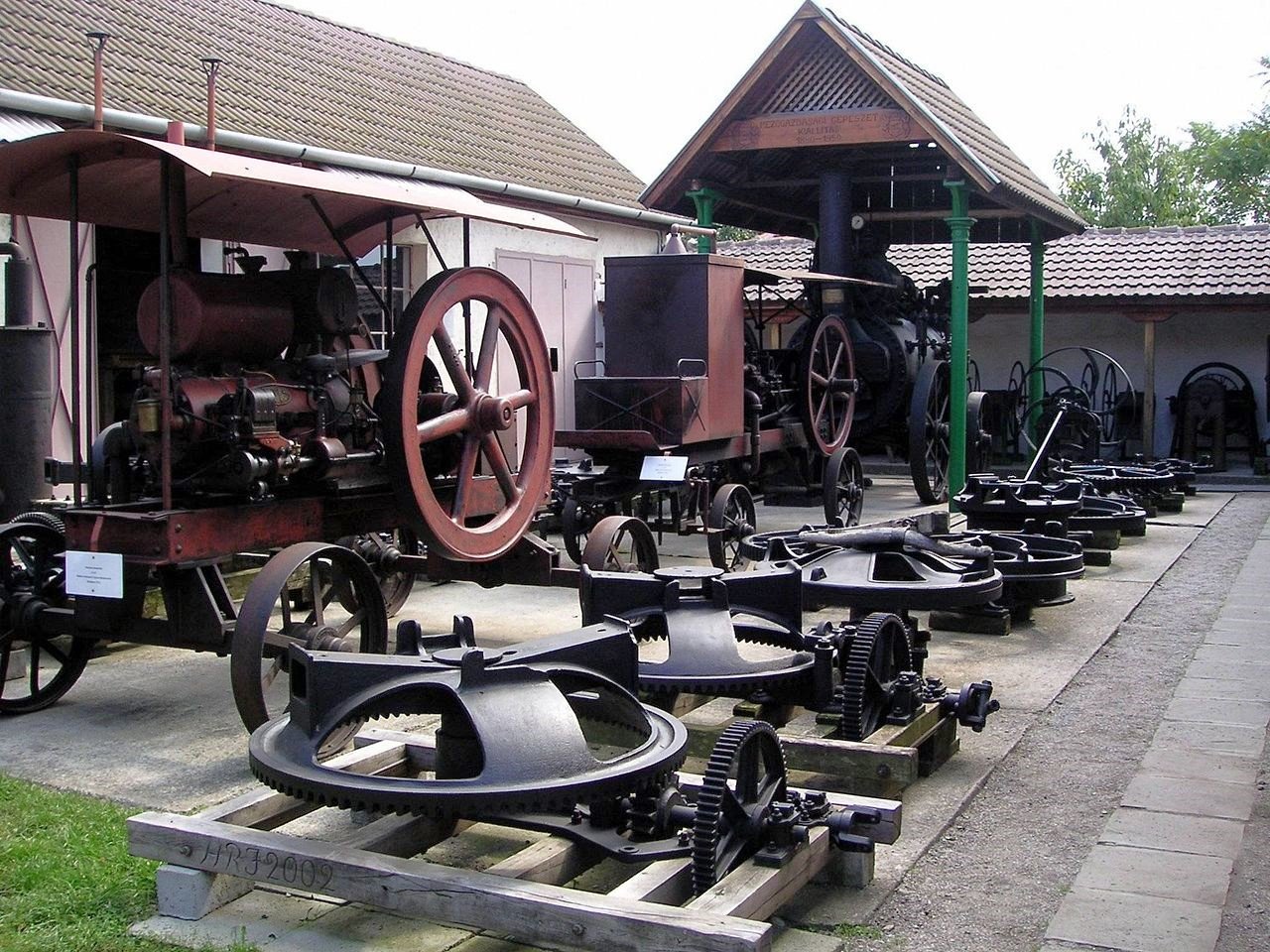
Agricultural Machine Museum
Not far from it there is Agricultural Machine Museum acknowledged all over Europe where the old machines can be seen working. Perfect for anyone interested in rural Hungarian life and agricultural history.
Nearby Attractions
- Eger: Only 25 km away, famous for its castle and wine cellars
- Bükk National Park: 20 km away for hiking enthusiasts
- Lake Tisza: 25 km away for water activities and bird watching
When to Visit: Timing is Everything
Best Overall Time
Best time to go: May – June, September – October. The weather’s perfect, crowds are manageable, and you’ll catch the town at its most beautiful.
Budget Considerations
If you’re a more budget-conscious traveler, then you may want to consider traveling to Mezőkövesd between September and November, when hotel prices are generally the lowest.
Cultural Events
Spring and summer bring folk festivals and cultural events where you can see traditional Matyó costumes in action and maybe even join in the dancing!
Money Matters: What to Expect
Daily Budget Breakdown
- Accommodation: €12-20 (hostels) to €100-150 (4-star hotels)
- Meals: €10-15 per day for budget eating
- Thermal baths: around €10-€15
- Museum entries: around €2-€5
What’s Worth Splurging On
The thermal baths and a nice hotel stay are definitely worth the extra cost. You’re here for wellness and culture, so invest in experiences that deliver both.
Essential Tips for First-Time Visitors
Language
Just be ready for a more low-key experience and brush up on your Hungarian, as English isn’t widely spoken. Download a translation app and learn a few basic phrases – locals appreciate the effort!
Cultural Sensitivity
Respect the traditional crafts and ask before photographing artisans at work. Many are happy to chat about their craft if you show genuine interest.
What to Pack
- Comfortable walking shoes
- Swimwear and flip-flops for the thermal baths
- Light layers (weather can be unpredictable)
- A small towel (though most accommodations provide them)
- Cash (some smaller establishments prefer it)
The Bottom Line: Why Mezőkövesd Matters
In a world of Instagram-perfect travel destinations, Mezőkövesd offers something increasingly rare: authenticity. This isn’t about checking boxes or collecting photos – it’s about slowing down, connecting with living history, and maybe learning something about yourself while soaking in mineral-rich waters that have been healing people for decades.
The vibe is laid-back, making it a nice pit stop if you’re looking to escape the hustle of bigger cities. Whether you’re drawn by the promise of therapeutic waters, fascinated by UNESCO-protected folk art, or just need a break from the tourist trail, Mezőkövesd delivers an experience that’s both restorative and culturally enriching.
The town might be small, but its impact on visitors is anything but. Come for the baths, stay for the culture, and leave with a deeper appreciation for the threads that weave communities together – literally and figuratively.
Ready to plan your trip? Start with the thermal baths, dive into the Matyó Museum, and give yourself at least 2-3 days to truly appreciate this special corner of Hungary. Trust us, once you experience the warmth of both the healing waters and the local community, you’ll understand why this hidden gem deserves a spot on every thoughtful traveler’s itinerary.