


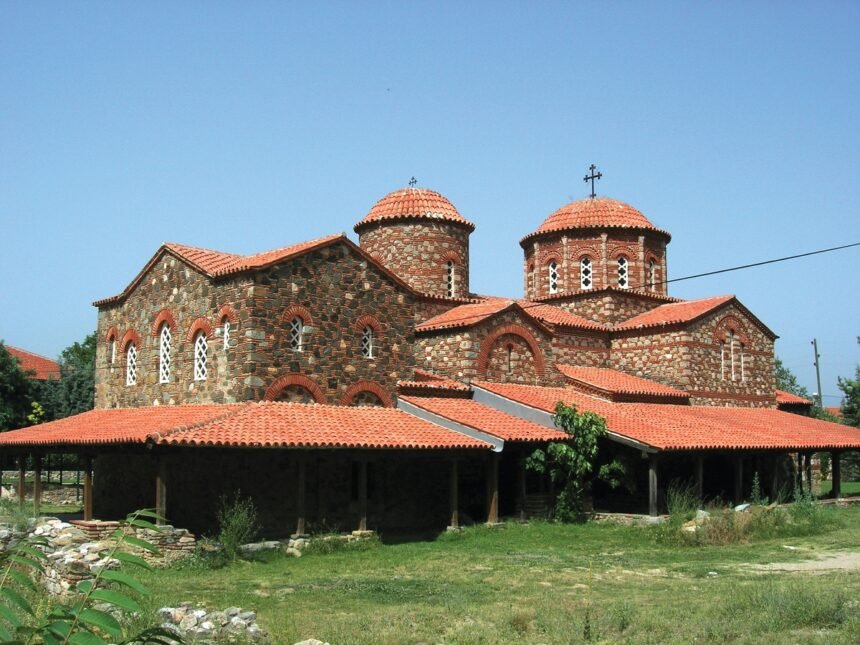
TL;DR: Vodoca Monastery is a stunning 11th-century Byzantine monastery nestled in the hills near Strumica, North Macedonia. It features incredible medieval frescoes, peaceful mountain views, and a spiritual atmosphere that’ll make you forget about the outside world. Best visited April-October, it’s free to enter, easily accessible by car, and makes a perfect day trip from Strumica (20 minutes) or even Skopje (2.5 hours).
- Why Vodoca Monastery Should Be on Your Balkan Bucket List
- What Makes Vodoca Monastery Special?
- Getting There: Your Practical Guide
- When to Visit: Timing Is Everything
- What to Expect: The Full Experience
- Combining Vodoca with Other Attractions
- Practical Tips for Visitors
- Where to Stay and Eat
- Money Matters
- The Bottom Line: Is Vodoca Worth It?
- Final Travel Tips
Why Vodoca Monastery Should Be on Your Balkan Bucket List
Let’s be real—North Macedonia doesn’t usually top most travelers’ lists, and that’s exactly why you should go. While everyone’s elbowing each other at Santorini or Dubrovnik, you could be exploring one of the Balkans’ most underrated treasures: Vodoca Monastery.
Perched on a forested hillside overlooking the Strumica valley, this 11th-century monastery complex is where Byzantine history meets jaw-dropping natural beauty. Whether you’re a history buff, architecture enthusiast, spiritual seeker, or just someone who appreciates places where time seems to stand still, Vodoca delivers.
What Makes Vodoca Monastery Special?
The History (The Cliff Notes Version)
Vodoca Monastery was founded in the 11th century during the Byzantine Empire’s golden age in the region. The name “Vodoca” comes from the Slavic word for “little water,” referring to the natural springs that flow through the site—because apparently, medieval monks knew prime real estate when they saw it.
The monastery complex includes the Church of St. Leontius, which houses some seriously impressive frescoes from different periods. While the original structure dates back nearly a millennium, various renovations and additions over the centuries have created a fascinating architectural layering effect.
The Frescoes That’ll Make Your Instagram Followers Jealous
The interior frescoes are the real showstoppers here. Dating from the 14th to 16th centuries, these medieval artworks depict biblical scenes, saints, and religious symbolism with vivid colors that have survived remarkably well. The artistic style reflects the transition between Byzantine and post-Byzantine periods—basically, you’re looking at a masterclass in medieval art history.
Pro tip: Photography is usually allowed, but flash photography might be restricted to protect the frescoes. Always ask the monastery caretaker first, and be respectful of anyone who’s there for worship or prayer.
Getting There: Your Practical Guide
From Strumica (20 minutes)
Vodoca is located about 15 kilometers northwest of Strumica. If you’re driving:
- Head northwest on the main road toward Valandovo
- Look for signs pointing to Vodoca Monastery
- The final stretch is a well-maintained road that winds up the hillside
- There’s parking available near the monastery entrance
No car? No problem. Taxis from Strumica are affordable (expect to pay around 500-800 MKD / $9-15 USD for a round trip with waiting time). Negotiate the price beforehand and arrange for your driver to wait while you explore.
From Skopje (2.5 hours)
Take the main highway southeast toward Strumica (approximately 140 km). The drive itself is scenic, passing through North Macedonia’s diverse landscapes. Consider making this part of a multi-day road trip exploring the southeastern region.
Accessibility Considerations
The monastery involves some uphill walking and uneven terrain. While the main church is accessible to most visitors, travelers with significant mobility challenges should be aware that some areas may be difficult to navigate. The paths can be uneven, and there are steps in certain sections.
When to Visit: Timing Is Everything
Best Seasons
Spring (April-May): Absolutely gorgeous. Wildflowers bloom, temperatures are mild (15-22°C / 59-72°F), and the surrounding forests are lush and green. This is peak perfection.
Fall (September-October): Another sweet spot. The summer crowds (all five of them) have gone, leaves turn golden, and the weather remains pleasant for exploring.
Summer (June-August): It gets hot (30°C+ / 86°F+), but the elevation provides some relief. Go early morning or late afternoon to avoid the midday heat.
Winter (November-March): The monastery remains open, but it can be quite cold and occasionally snowy. If you’re into moody, atmospheric photography, this could be your jam—just dress warmly and check road conditions.
Best Time of Day
Morning (8am-11am) offers the best light for photography and a peaceful atmosphere before any tour groups arrive. Late afternoon (4pm-6pm) provides beautiful golden hour lighting and cooler temperatures in summer.
What to Expect: The Full Experience
The Monastery Complex
The complex includes:
- The main church (Church of St. Leontius): Where the famous frescoes live
- Monastery cells: Some still occupied by monks or caretakers
- Courtyard areas: Perfect for quiet contemplation
- Natural springs: The “water” that gives the monastery its name
- Viewpoints: Offering panoramic views of the Strumica valley
Dress Code and Etiquette
This is an active religious site, so respectful attire is expected:
- Shoulders and knees should be covered (both men and women)
- Visitors should remove hats upon entering the church
- Speak quietly and turn phones to silent
- Some areas may be off-limits—respect any closed doors or restricted signs
Entry and Costs
Good news: Entry to Vodoca Monastery is FREE. However, donations are appreciated and help with maintenance and preservation. You might also purchase religious items, candles, or icons at a small shop if one’s operating.
Combining Vodoca with Other Attractions
Make It a Day Trip
Strumica Town: Explore the charming town center, visit Carevi Kuli fortress ruins, and grab lunch at a traditional restaurant. Try the local specialty: mantii (Macedonian-style dumplings).
Smolare Waterfall: North Macedonia’s highest waterfall (39.5 meters) is about 30 minutes from Vodoca. It’s spectacular in spring when water flow is strongest.
Bansko Village: Known for natural thermal springs and traditional architecture, this nearby village offers authentic rural Macedonian culture.
Multi-Day Itinerary Ideas
Vodoca fits perfectly into a southeastern North Macedonia tour:
- Day 1: Skopje exploration
- Day 2: Drive to Strumica via Stobi archaeological site
- Day 3: Vodoca Monastery + Smolare Waterfall + Strumica town
- Day 4: Continue to Lake Dojran or head back via different route
Practical Tips for Visitors
What to Bring
- Comfortable walking shoes: The terrain is uneven
- Water and snacks: No facilities at the monastery
- Sun protection: Hat, sunscreen, sunglasses (especially summer)
- Modest clothing: Or bring a scarf/wrap to cover up
- Camera: But remember to be respectful about when and where you shoot
Local Context
North Macedonia is predominantly Orthodox Christian, and monasteries hold significant cultural and spiritual importance. Even if you’re not religious, approaching the site with respect and curiosity will enhance your experience and ensure you’re welcomed warmly.
The caretaker or monks might not speak English, but a smile and respectful demeanor are universal languages. Learning a few Macedonian phrases (“Zdravo” for hello, “Blagodaram” for thank you) goes a long way.
Where to Stay and Eat
Accommodation in Strumica
- Hotel Sirius: Modern, comfortable, good value
- Hotel Babilon: Another solid mid-range option
- Private apartments: Check Booking.com or Airbnb for budget-friendly options
Dining Recommendations
Strumica’s restaurant scene focuses on traditional Macedonian cuisine:
- Restaurant Palas: Local favorite for grilled meats
- Pizza Toscana: When you need a break from traditional food
- Local bakeries: Grab burek (savory pastry) for breakfast
Money Matters
North Macedonia uses the Macedonian Denar (MKD). As of 2025, roughly 60 MKD = 1 USD or 55 MKD = 1 EUR (rates fluctuate). ATMs are available in Strumica, but bring cash for small purchases and donations. Most places don’t accept credit cards in smaller towns.
The Bottom Line: Is Vodoca Worth It?
Absolutely, yes—especially if you appreciate off-the-beaten-path destinations where you can actually hear yourself think. Vodoca Monastery offers a rare combination of historical significance, artistic beauty, natural serenity, and accessibility that’s increasingly hard to find in our over-touristed world.
You won’t find cruise ship crowds, selfie sticks, or overpriced gift shops here. What you will find is authentic Byzantine heritage, stunning medieval art, peaceful mountain atmosphere, and a genuine sense of stepping back in time.
Whether you spend 30 minutes or two hours here, Vodoca provides a contemplative counterpoint to the hustle of modern travel. In a region rich with Orthodox monasteries, this one manages to feel both significant and intimate—no small feat.
Final Travel Tips
- Check opening hours: Generally open daily during daylight hours, but this can vary seasonally
- Combine experiences: Don’t make this your only stop—the region has much to offer
- Support preservation: Consider making a donation or purchasing something from the monastery
- Be flexible: This is the Balkans—things don’t always run on strict schedules, and that’s part of the charm
- Travel insurance: Always a good idea when exploring less-touristed areas
North Macedonia is gradually gaining recognition as a hidden gem in the Balkans, and places like Vodoca Monastery show exactly why. Visit now before the secret’s completely out.
Ready to explore? Vodoca Monastery is waiting—and unlike that overcrowded beach resort you were considering, it actually has room for you.
Have you visited Vodoca Monastery or other hidden gems in North Macedonia? The comment section is open for your travel tips, questions, and monastery recommendations!