


TL;DR: Muros is a stunning fishing village on Galicia’s Costa da Morte where medieval streets meet pristine beaches, fresh seafood flows freely, and Celtic culture thrives. Perfect for travelers seeking authentic Spain away from tourist crowds.
Tucked away on Galicia’s dramatic Costa da Morte (Coast of Death), Muros feels like stepping into a postcard that somehow escaped the tourist hordes. This charming fishing village of around 10,000 residents offers something increasingly rare: authentic Spanish coastal life where locals still outnumber visitors, and the rhythm of daily life revolves around the sea.
Why Muros Should Be Your Next Spanish Adventure
Unlike Spain’s packed Mediterranean beaches, Muros gives you breathing room. The village sits perfectly positioned on the Ría de Muros e Noia, one of Galicia’s spectacular rías (fjord-like inlets), offering protected waters ideal for swimming alongside wild Atlantic coastline perfect for dramatic sunset walks.
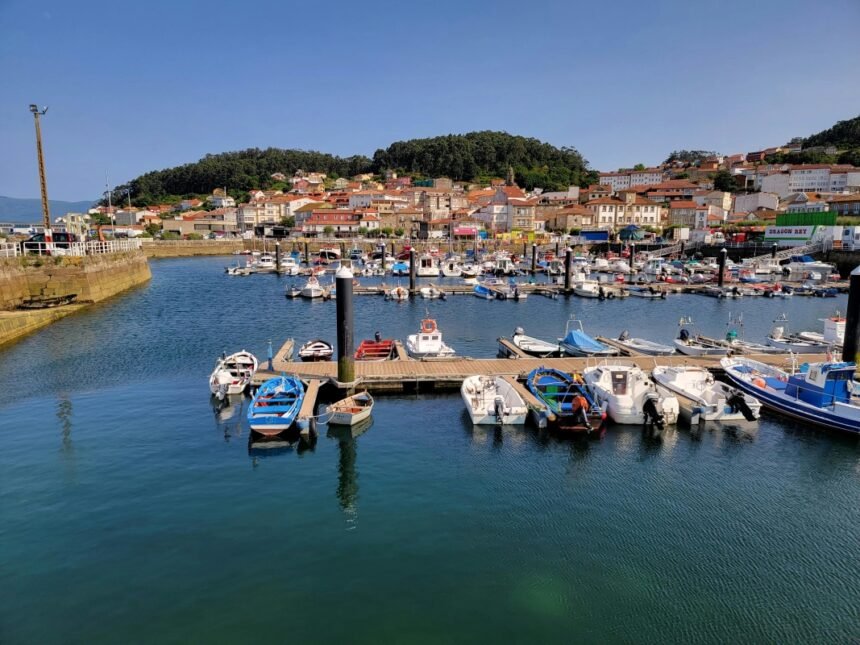
The medieval old town cascades down hillsides to meet a working harbor where colorful fishing boats bob alongside pleasure craft. Stone houses with traditional Galician galleries (glazed balconies) line cobblestone streets that have barely changed in centuries. Yet modern amenities and excellent restaurants ensure comfort alongside authenticity.
Getting There and Around
By Car: The most flexible option. Muros sits about 90 minutes southwest of Santiago de Compostela via the AP-9 and AC-550. Parking is generally available, though summer weekends can get busy.
By Bus: ALSA operates regular services from Santiago de Compostela (about 2 hours) and A Coruña (1.5 hours). Local buses connect to nearby towns like Noia and Carnota.
Getting Around: The historic center is entirely walkable. For beaches and surrounding areas, having a car opens up significantly more options, though local buses serve major destinations during summer months.
Where to Stay: From Boutique to Budget
Hotel Ría de Muros offers waterfront luxury with stunning ría views. Modern amenities meet traditional Galician architecture, and their restaurant serves exceptional local seafood.
Casa Rural options throughout the area provide authentic experiences in converted stone houses. Many feature original architectural details and offer insight into traditional Galician life.
Budget travelers will find several pensiones and hostales in the old town, typically family-run establishments where English might be limited but hospitality runs deep.
Camping enthusiasts can choose from several sites near beaches like Louro, offering direct beach access and often the most affordable accommodation option.
Beach Hopping: Your Sandy Paradise Guide
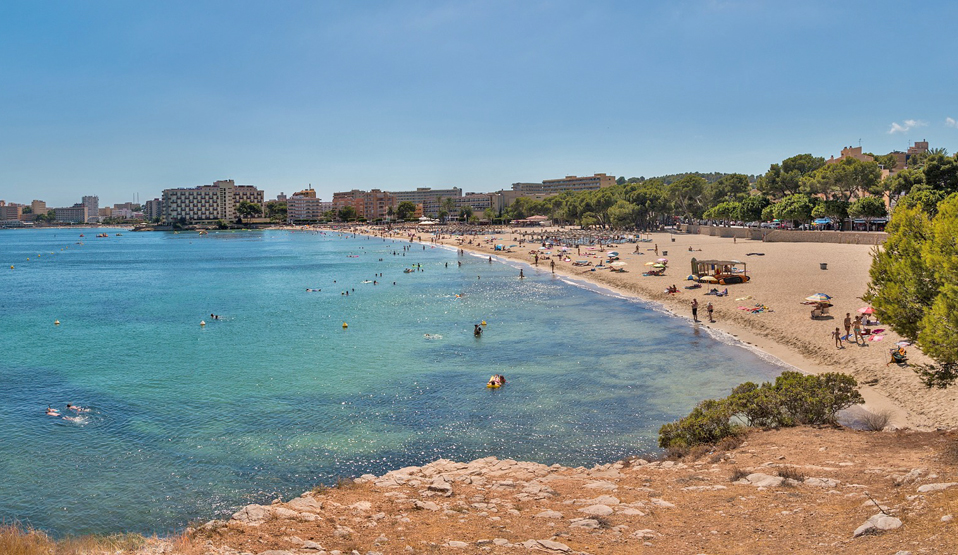
Praia de Louro stretches for nearly 3 kilometers of golden sand backed by dunes and pine forests. Popular with families, it offers calm waters, beach bars, and summer lifeguards. The southern end tends to be quieter.
Praia de San Francisco provides a more intimate setting just minutes from Muros center. This smaller beach offers excellent swimming conditions and several waterfront restaurants.
Praia de Carnota (20 minutes by car) boasts one of Europe’s longest beaches at 7 kilometers. The dramatic backdrop includes Mount Pindo and traditional hórreos (raised granaries). Less crowded even in peak season.
Hidden gems dot the coastline. Ask locals about smaller calas (coves) accessible by short hikes – many remain virtually undiscovered by tourism.
Feast Like a Local: Galician Gastronomy
Galician cuisine centers around exceptional seafood, and Muros delivers restaurant experiences from casual marisquerías to upscale establishments.
Must-try dishes include pulpo a la gallega (Galician-style octopus), empanada gallega (savory pie typically filled with tuna or cod), and caldeirada (hearty fish stew). Don’t miss percebes (gooseneck barnacles) – they look intimidating but taste incredible.
Local specialties often feature shellfish from the ría including mejillones (mussels), vieiras (scallops), and zamburiñas (small scallops). Pair everything with crisp Albariño wine produced in nearby valleys.
Market days (typically Wednesday and Saturday) transform the old town. Local vendors sell everything from just-caught fish to artisanal cheeses and traditional sweets.
Budget tip: Many bars offer generous tapas with drinks, and lunch menus (menú del día) typically cost 12-18 euros for multiple courses including wine.
Cultural Immersion: Beyond the Beach
Medieval Architecture defines Muros’ character. The Gothic Church of San Pedro dominates the skyline, while narrow streets reveal Romanesque details and traditional Galician galleries on nearly every block.
Maritime Heritage comes alive at the harbor where traditional fishing methods continue alongside modern techniques. Morning fish auctions (when boats return) offer authentic glimpses of working village life.
Celtic Connections run deep in Galician culture. Look for Celtic symbols in stonework, listen for traditional gaita (bagpipe) music, and explore the region’s unique blend of Spanish and Celtic traditions.
Local Festivals throughout the year celebrate everything from seafood to patron saints. The Festa do Marisco (Seafood Festival) in summer draws visitors regionwide for multiple days of music, dancing, and incredible food.
Day Trips and Excursions
- Fisterra (Finisterre) sits 45 minutes away at what Romans considered “the end of the world.” Dramatic cliffs, a historic lighthouse, and spiritual significance for Camino de Santiago pilgrims make this essential.
- Santiago de Compostela beckons history enthusiasts. The UNESCO World Heritage cathedral and old town warrant full-day exploration, easily accessible for day trips.
- Mount Pindo offers hiking opportunities with panoramic coastal views. Local legends call it the “Galician Olympus,” and clear days provide vistas across multiple rías.
- Carnota and its hórreo showcase traditional architecture. This 18th-century granary stretches over 34 meters, representing one of Galicia’s finest examples of rural heritage.
Practical Travel Tips
Best Time to Visit: May through September offers warmest weather and longest days. July-August bring crowds but guarantee sunny beach weather. April and October provide mild temperatures with fewer visitors.
Language: Spanish is universal, but many locals speak Galego (Galician) as their first language. Basic Spanish phrases go far, though hospitality transcends language barriers.
Money: Euros only. ATMs are available, though smaller establishments often prefer cash. Card acceptance has improved significantly but isn’t universal.
Weather: Maritime climate means changeable conditions. Pack layers regardless of season, and always bring rain protection. Sea breezes keep summer temperatures comfortable.
Cultural Considerations: Galicians take pride in their distinct culture. Showing interest in local traditions, trying regional specialties, and respecting the working nature of the village enhances experiences for everyone.
Making Memories in Muros
Muros rewards travelers seeking authentic experiences over Instagram moments. Spend mornings exploring medieval streets, afternoons on golden beaches, and evenings savoring incredible seafood while watching sunset paint the ría in brilliant colors. Chat with fishermen about their catch, learn basic Galician phrases from shop owners, and discover that some of travel’s best rewards come from places that remain refreshingly themselves.
Whether you’re planning a weekend escape from Santiago, a base for exploring Galicia’s coast, or simply seeking that increasingly rare combination of natural beauty and authentic culture, Muros delivers experiences that linger long after departure. In a world of over-touristed destinations, this Galician gem reminds us why slow travel and genuine places matter most.