



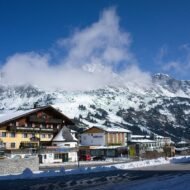
TL;DR: Obertauern is a high-altitude Austrian ski resort (1,630-2,313m) in Salzburg province, famous for guaranteed snow, the circular Tauernrunde ski circuit, après-ski culture, and being equally accessible from Salzburg, Innsbruck, and Munich. Perfect for intermediates, families, and anyone who wants reliable winter sports without the Ischgl price tag.
- Why Obertauern Actually Delivers
- Getting There Without the Headache
- The Skiing: Why the Tauernrunde is Actually Brilliant
- Beyond the Slopes
- Where to Eat: From Schnitzel to Strudel
- Après-Ski: Legendary but Not Insane
- Where to Stay: From Budget to Comfort
- Practical Details You Actually Need
- Who Should Come Here (And Who Shouldn’t)
- Final Thoughts
So you’re thinking about Obertauern? Smart choice. While everyone else is Instagramming from St. Anton or queuing for cable cars in Kitzbühel, you could be carving fresh tracks in one of Austria’s most reliable snow destinations. Let me tell you why this place deserves a spot on your alpine bucket list.
Why Obertauern Actually Delivers
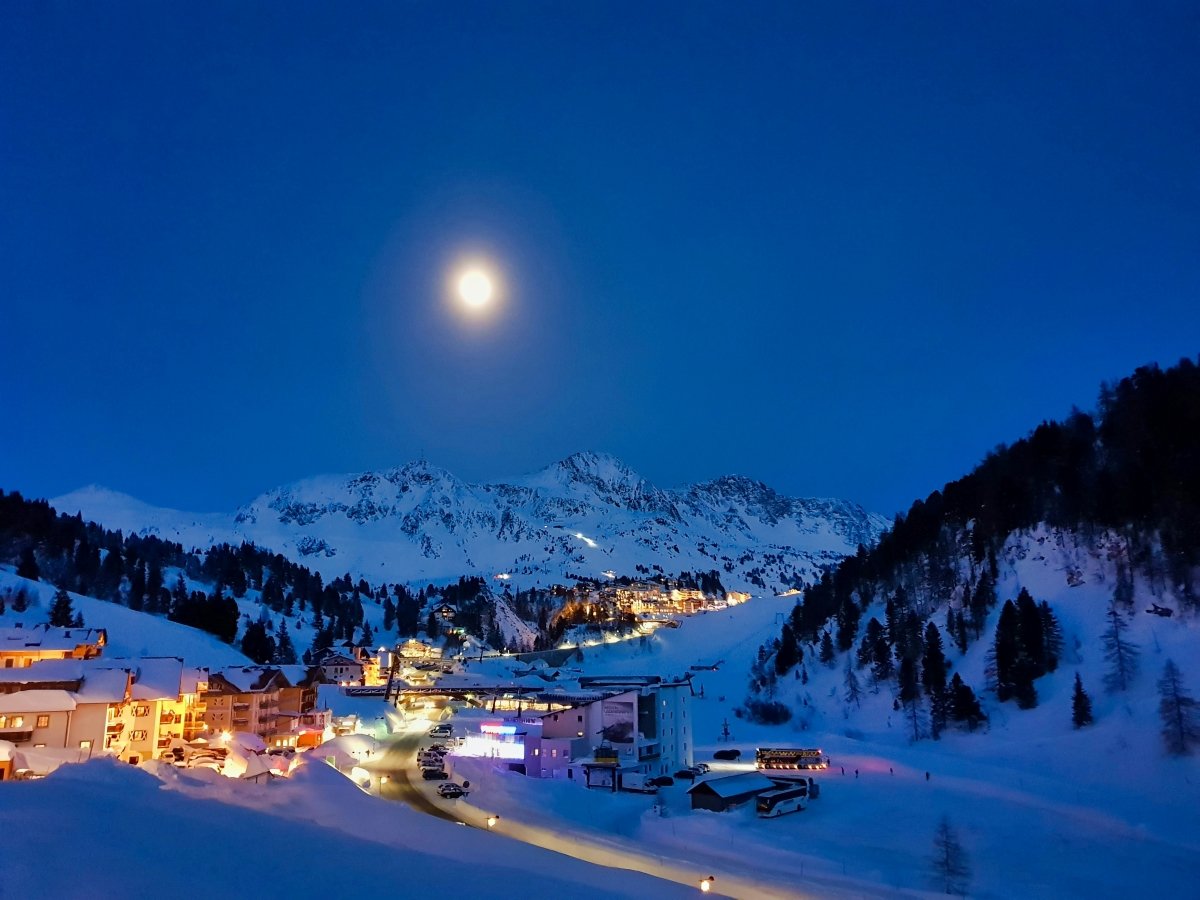
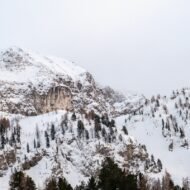
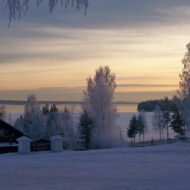
Here’s the thing about Obertauern: it sits at 1,630 meters above sea level, making it one of Austria’s highest resort villages. What does that mean for you? Snow. Lots of it. Consistently. From late November through early May, when lower resorts are looking patchy, Obertauern is still going strong with an average of 5-6 meters of snowfall per season.
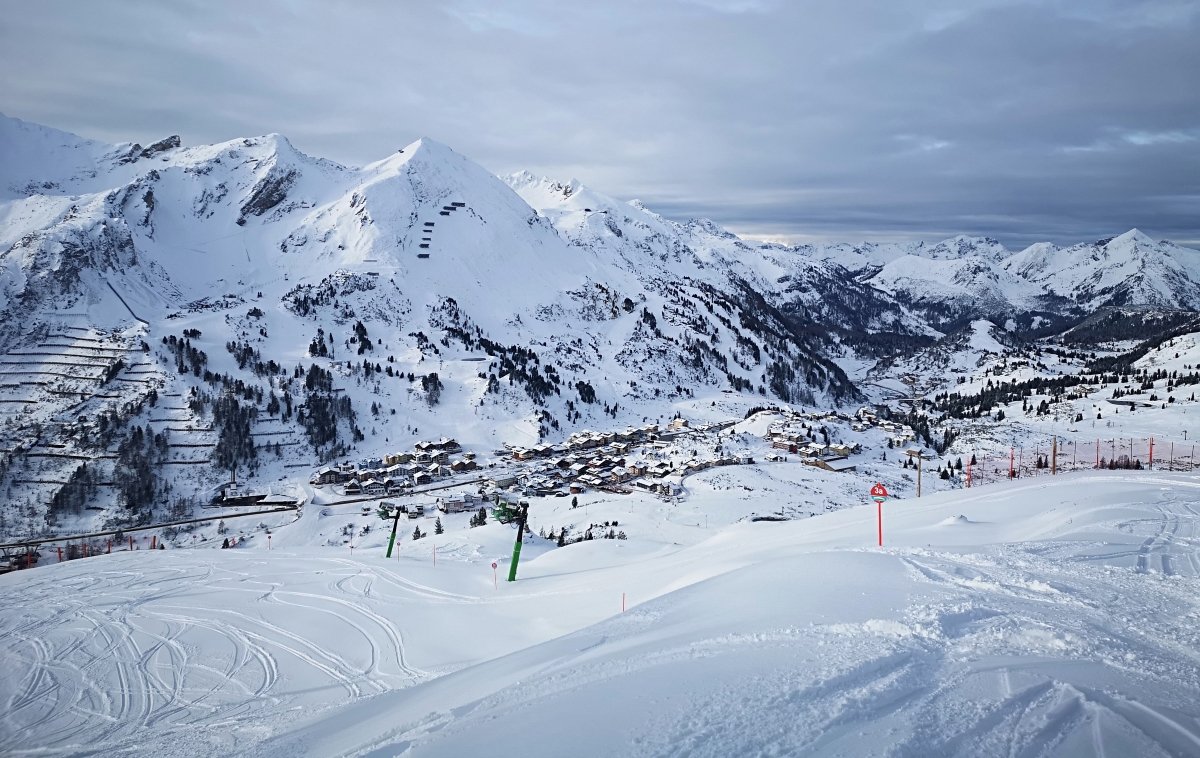
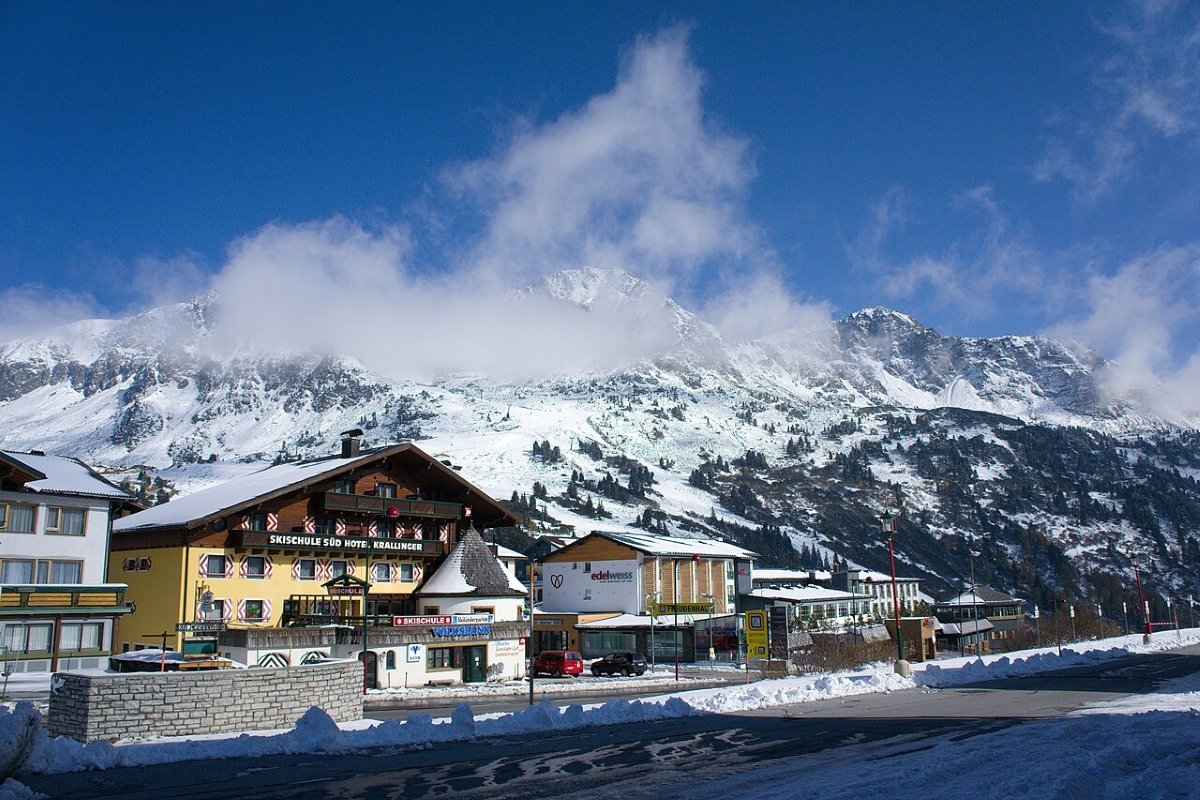
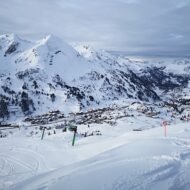
The village basically straddles a mountain pass between the Radstädter Tauern and Schladminger Tauern ranges in Austria’s Salzburg province. It’s compact, purpose-built for skiing, and refreshingly unpretentious. You won’t find designer boutiques or Michelin-starred restaurants here—just solid Austrian hospitality, excellent skiing, and people who actually came to ski rather than pose.
Getting There Without the Headache
From Major Airports:
- Salzburg Airport: 90km (about 90 minutes by car or shuttle)
- Munich Airport: 220km (roughly 2.5-3 hours)
- Innsbruck Airport: 200km (around 2.5 hours)
The resort operates shuttle services from these airports, typically costing €40-60 per person one-way. If you’re driving, the journey takes you through some genuinely stunning alpine scenery via the Tauern Pass (which, yes, can be dramatic in heavy snow—winter tires are mandatory).
Pro tip: Book your transfer in advance during peak season. The resort gets busy over Christmas, New Year’s, and February half-term, and last-minute shuttles can be pricey or fully booked.
The Skiing: Why the Tauernrunde is Actually Brilliant
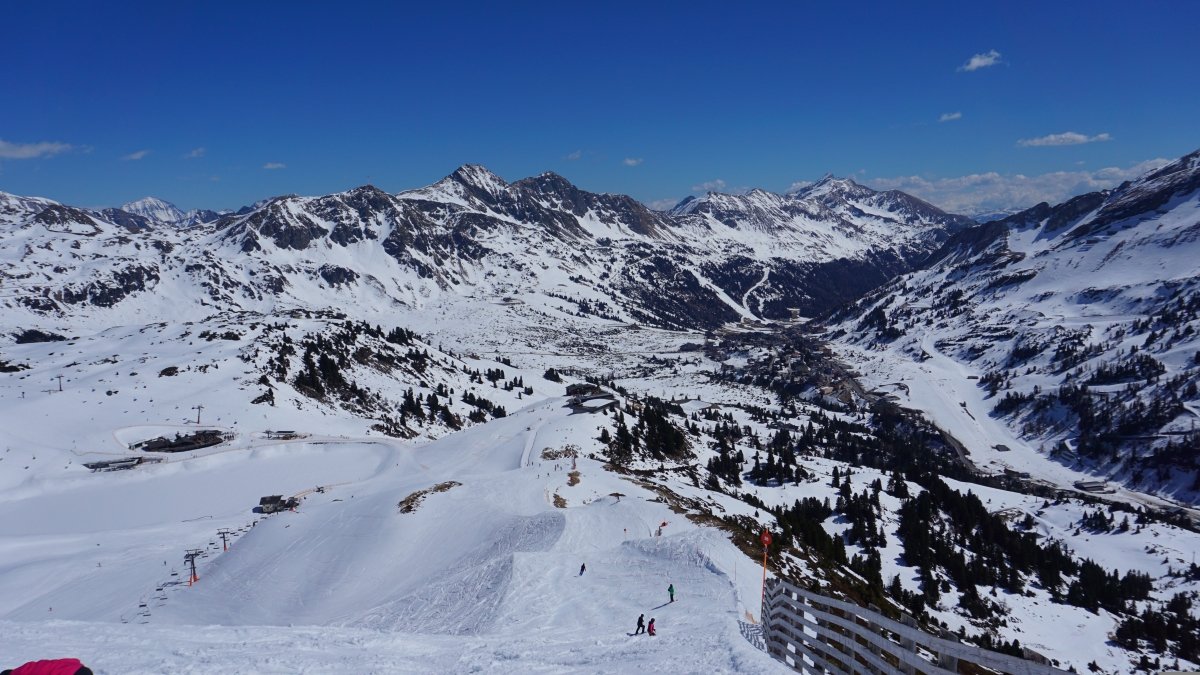
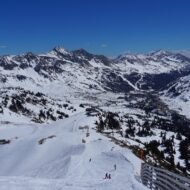
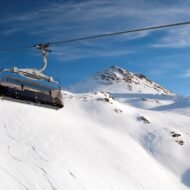
Obertauern offers 100km of pistes served by 26 lifts, but here’s what makes it special: the Tauernrunde. This 26km circular ski route lets you ski a complete loop around the village without taking the same run twice. You can go clockwise or counterclockwise, stopping at mountain huts for schnapps, goulash, or just the view.
The breakdown:
- Blue runs: 29km (perfect for building confidence)
- Red runs: 53km (where you’ll spend most of your time)
- Black runs: 18km (including the challenging Gamsleiten II)
The terrain is genuinely suited for intermediate skiers and boarders. If you can comfortably handle red runs, you’ll have the entire mountain to play with. Advanced skiers might find it a bit tame, but there’s excellent off-piste terrain if you hire a guide—the powder stashes between the marked runs can be exceptional after a storm.
For snowboarders, the resort is entirely board-friendly with minimal flat sections and two terrain parks. The Snowpark Obertauern features kickers, rails, and boxes for everyone from beginners to park rats.
Beyond the Slopes
Not skiing every single day? You’ve got options.
Winter hiking is huge here, with 40km of cleared trails that take you through silent forests and to viewpoints where you’ll understand why people get emotional about mountains. The Seekarspitze summit (2,350m) is accessible to fit hikers and offers 360-degree views that’ll fill your phone’s memory.
Cross-country skiing enthusiasts have access to 26km of groomed tracks ranging from gentle valley trails to more challenging routes. The high altitude means consistent conditions.
The Römerweg (Roman Trail) is a unique winter hiking route following ancient paths used by Roman soldiers crossing the Alps. It’s a moderate 4-hour round trip with historical markers explaining the route’s significance.
For families, there’s tobogganing (the 6km Plattenkar toboggan run is properly fast), ice skating, and enough snow activities to tire out even the most energetic kids.
Where to Eat: From Schnitzel to Strudel
Mountain dining in Obertauern is refreshingly unpretentious. You’re here for hearty Austrian food, cold beer, and maybe some Jägermeister if you’re feeling brave.
On the mountain:
- Gamsleitenalm: Traditional hut food done right, with a sun terrace that’s perfect for an afternoon beer
- Hochalmlifte: Great for a mid-morning coffee break with proper views
- Edelweisshütte: Known for their goulash soup, which is basically liquid warmth in a bowl
In the village: Most hotels have excellent restaurants open to non-guests. Traditional Salzburger cuisine means lots of dumplings (Knödel), schnitzel the size of your head, and rich stews. Vegetarian and plant-based options are increasingly available, though you might need to ask—Austrian mountain cuisine hasn’t traditionally been heavy on vegetables that aren’t potatoes.
For budget-conscious travelers, many accommodations offer half-board packages that are genuinely good value. A traditional Austrian breakfast spread typically includes fresh bread, cold cuts, cheeses, yogurt, muesli, and eggs cooked to order—enough fuel for a full day on the mountain.
Après-Ski: Legendary but Not Insane
Obertauern has a reputation, particularly among Austrian and German visitors. The resort claims to have “invented” après-ski back in the 1950s and 1960s when it became the playground for Munich’s music and entertainment scene. The Beatles even shot parts of “Help!” here in 1965.
Modern après starts around 3pm when the lifts close. Lurzer’s is the most famous spot—expect live bands, beer flowing freely, and dancing on benches. It’s enthusiastic but rarely feels aggressive or unwelcoming. Kringsalm and Schirmbar Neben der Gondel are also popular, each with their own vibe.
If high-energy après isn’t your scene, plenty of quieter bars and lounges offer a more civilized beer or glühwein. The beauty of Obertauern’s compact layout is you can easily escape anywhere that’s not your style.
Where to Stay: From Budget to Comfort
The village is small and everything is walkable, so location matters less than amenities and budget. Most accommodations are ski-in/ski-out or within 5 minutes’ walk of the lifts.
Budget-friendly: Pensions and guesthouses start around €60-80 per person per night with breakfast. Look for family-run places slightly away from the main action for the best deals.
Mid-range: Three and four-star hotels (€100-180 per person with half-board) offer excellent value with wellness facilities, pools, and saunas—essential after a long day skiing.
Splurge-worthy: Five-star properties like Hotel Marietta or Hotel Kohlmayr offer spa facilities, gourmet dining, and that extra level of comfort when you’re traveling with young children or older family members.
Many hotels offer ski-and-stay packages that bundle accommodation, lift passes, and sometimes ski rental—worth comparing against booking separately.
Practical Details You Actually Need
Lift pass prices (2024/25 season, approximate):
- 6-day adult pass: €315-340 depending on season
- Youth discounts available (usually 10-15% off)
- Kids under 10 often ski free with paying adult
- Beginner areas have cheaper passes
Ski rental: Budget €25-35 per day for decent equipment, less for multi-day rentals. Book online in advance for 10-20% discounts.
Ski school: Group lessons run €45-60 for a half-day session. Private instruction starts around €70 per hour. The resort has multiple ski schools with English-speaking instructors.
Best time to visit: January through March offers the most reliable snow, though December and April can be excellent if you’re flexible. Avoid the absolute peak weeks (Christmas/New Year, mid-February) if you’re on a budget or dislike crowds.
Who Should Come Here (And Who Shouldn’t)
Obertauern is perfect if you:
- Want guaranteed snow and high-altitude skiing
- Are an intermediate skier/boarder looking for variety
- Appreciate traditional Austrian mountain culture
- Want a more compact, walkable resort
- Are traveling with mixed-ability groups or families
- Enjoy lively but not chaotic après-ski
Maybe look elsewhere if you:
- Need extensive challenging terrain (head to St. Anton or Arlberg instead)
- Want a sophisticated luxury resort experience (try Lech or Kitzbühel)
- Prefer large interconnected ski areas with 300+ km of pistes
- Are strictly non-skiers with no interest in winter activities
Final Thoughts
Obertauern won’t blow your mind with architectural beauty or make you feel like you’ve stepped into a James Bond film. What it will do is deliver exactly what it promises: reliable snow, excellent intermediate skiing, genuine Austrian hospitality, and that perfect alpine experience without the pretension or eye-watering price tags of more famous resorts.
It’s the resort equivalent of a reliable friend—maybe not the flashiest option, but one that consistently shows up and delivers a great time. Whether you’re planning your first ski trip or your fiftieth, Obertauern has earned its reputation as one of Austria’s most dependable winter destinations.
Pack your warmest layers, book those shuttles in advance, and get ready for some seriously good skiing. The Tauernrunde is waiting.
Have you been to Obertauern? Any tips or favorite spots to share? The mountains are calling—it’s time to answer.



 in Salzburg province, famous for guaranteed snow, the Tauernrunde ski circuit)