
















TL;DR: Off-the-beaten-path Ski Vacations In Europe , Skip the overpriced Alps and discover Europe’s best-kept skiing secrets—from North Macedonia’s powdery peaks to Greece’s surprise ski scene. These under-the-radar resorts offer authentic experiences, half the price, and zero lift queues.
- 1. Popova Šapka — North Macedonia’s Hidden Gem
- At a Glance
- Interesting Facts
- Weather & What to Expect in Winter
- Attractions & Things to Do (According to Visitors)
- Accommodation Options
- Shopping & Local Traditions
- Outdoor Activities Beyond Skiing
- Budget Considerations
- Food & Signature Dishes
- Cultural Aspects
- Events
- Nearest Major Airport
- Useful Info
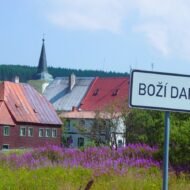
- 2. Ski Resort Boží Dar — Czech Republic’s Ore Mountain Secret
- At a Glance
- Interesting Facts
- Weather & What to Expect in Winter
- Attractions & Things to Do (According to Visitors)
- Accommodation Options
- Shopping & Local Traditions
- Outdoor Activities Beyond Skiing
- Budget Considerations
- Food & Signature Dishes
- Cultural Aspects
- Events
- Nearest Major Airport
- Useful Info
- 3. Pisoderi-Vigla — Greece’s Surprising Ski Secret
- At a Glance
- Interesting Facts
- Weather & What to Expect in Winter
- Attractions & Things to Do (According to Visitors)
- Accommodation Options
- Shopping & Local Traditions
- Outdoor Activities Beyond Skiing
- Budget Considerations
- Food & Signature Dishes
- Cultural Aspects
- Events
- Nearest Major Airport
- Useful Info
- 4. Rathvel — Swiss Prealps’ Affordable Alternative
- At a Glance
- Interesting Facts
- Weather & What to Expect in Winter
- Attractions & Things to Do (According to Visitors)
- Accommodation Options
- Shopping & Local Traditions
- Outdoor Activities Beyond Skiing
- Budget Considerations
- Food & Signature Dishes
- Cultural Aspects
- Events
- Nearest Major Airport
- Useful Info
- 5. Chastreix-Sancy — Auvergne’s Volcanic Winter Wonderland
- At a Glance
- Interesting Facts
- Weather & What to Expect in Winter
- Attractions & Things to Do (According to Visitors)
- Accommodation Options
- Shopping & Local Traditions
- Outdoor Activities Beyond Skiing
- Budget Considerations
- Food & Signature Dishes
- Cultural Aspects
- Events
- Nearest Major Airport
- Useful Info
- Recap: Your Off-the-Beaten-Path European Ski Adventure Awaits
- Disclaimer
Tired of elbow-to-elbow lift lines and $20 beers? You’re not alone. While everyone’s fighting for space in Chamonix and St. Anton, savvy travelers are discovering a completely different side of European winter sports—one where you can actually afford to ski for a week, where locals outnumber tourists, and where “après-ski” means genuine cultural immersion, not overpriced tourist traps.
Let’s explore five off-the-beaten-path ski destinations that deliver authentic mountain experiences without the Instagram crowds or eye-watering price tags.
1. Popova Šapka — North Macedonia’s Hidden Gem
At a Glance
Elevation: 1,780m base | Trails: 20km across 8 runs | Vibe: Retro Balkan charm meets serious powder
Interesting Facts
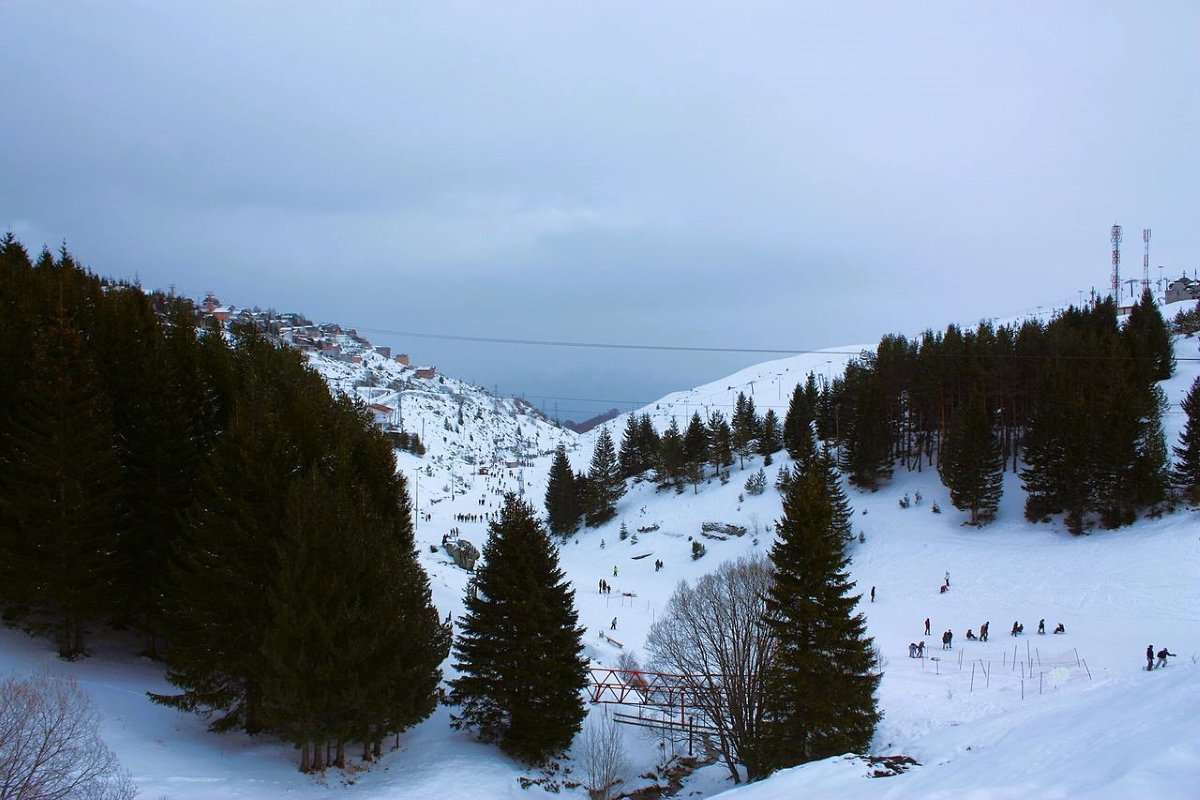
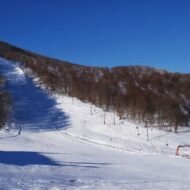
This isn’t your typical ski resort—it’s a time capsule. Built in the 1970s as Yugoslavia’s answer to the Alps, Popova Šapka (which translates to “Priest’s Hat” after the mountain’s distinctive shape) has retained its wonderfully unpretentious character. You’ll share chairlifts with North Macedonian families who’ve been skiing here for generations, and the on-mountain restaurants still serve homemade food at prices that’ll make you double-check the exchange rate.
Weather & What to Expect in Winter
Average January Temperature: -5°C to -8°C (23°F to 18°F)
Expect reliable snow from December through March, with January and February offering the deepest powder. The Šar Mountains create their own microclimate, trapping storms and delivering consistent snowfall. Pack layers—mornings can be brutally cold, but sunny afternoons warm up nicely. The altitude keeps snow quality excellent even during warmer spells.
Attractions & Things to Do (According to Visitors)
- Skiing/Snowboarding: Mostly intermediate runs with a few challenging blacks on the north face
- Snowshoeing: Pristine trails through old-growth forests
- Night skiing: Limited but atmospheric sessions on Fridays and Saturdays
- Day trip to Tetovo: 30 minutes down the mountain for the stunning Painted Mosque and authentic North Macedonian cuisine
- Traditional tavern-hopping: Sample rakija (fruit brandy) at family-run guesthouses
Accommodation Options
Budget travelers rejoice—this is your place. Family-run guesthouses start around €20-30/night with breakfast included. The main hotel, Hotel Slavija, offers basic but comfortable rooms from €40-60/night. For something more upscale (relatively speaking), look for recently renovated apartments in the village (€60-80/night). Book directly with properties via phone for best rates—many don’t list online.
Shopping & Local Traditions
Shopping here means the weekly market in Tetovo, where you’ll find hand-knitted woolens, copper coffee pots, and locally produced ajvar (pepper spread). The region is famous for its embroidery—look for traditionally decorated pillowcases and tablecloths. Saturday mornings, locals gather at the mountain’s central square for burek (savory pastries) and coffee—join them.
Outdoor Activities Beyond Skiing
The Šar Mountains National Park surrounding the resort offers exceptional winter hiking. Local guides lead snowshoe expeditions to abandoned shepherd huts and frozen waterfalls. Ice fishing on nearby mountain lakes is popular with locals who’ll happily share their catch and stories. Cross-country skiing trails wind through forests of Macedonian pine—equipment rental costs about €5/day.
Budget Considerations
Daily Budget (per person):
- Budget: €40-60 (hostel/guesthouse, self-catering, local transport)
- Mid-range: €70-100 (hotel, restaurant meals, ski pass)
- Comfortable: €120-150 (nice accommodation, guides, lift tickets)
Lift Pass: €20-25/day (compared to €60+ in the Alps) Equipment Rental: €15-20/day for quality gear Meals: Restaurant dinner with drinks €10-15, mountain lunch €5-8
Food & Signature Dishes
You haven’t lived until you’ve tried tavče gravče (baked beans with sausage) after a morning on the slopes. Other must-tries include shopska salad, grilled meats (raznici), and the local specialty—sheep’s cheese pie called pastrmalija. For breakfast, locals swear by kačamak (cornmeal porridge with cheese). The mountain restaurants serve hearty portions—one meal often feeds two. Don’t skip the Turkish coffee with baklava for afternoon breaks.
Cultural Aspects
This region’s cultural tapestry reflects centuries of Ottoman, Byzantine, and Slavic influences. You’ll hear Albanian, North Macedonian, and Turkish spoken on the slopes. Respect local customs—dress modestly when visiting nearby mosques or churches, and always accept offered coffee (refusing is considered rude). The hospitality is genuine and overwhelming—locals take pride in showing visitors their mountains.
Events
- January 19: Orthodox Epiphany—locals perform traditional blessing of waters ceremony
- February: Carnival celebrations with masked processions in Tetovo
- March: Spring skiing festival with traditional music and dancing
Nearest Major Airport
Skopje International Airport (SKP) — 85km, approximately 1.5 hours by car
Regular buses run from Skopje to Tetovo (€3, 1 hour), then taxi to resort (€15-20). Rental cars start at €20/day—worth it for flexibility. Some guesthouses offer airport pickup for €40-50. In winter, ensure your transport has winter tires or chains.
Useful Info
- Many locals speak limited English—download Google Translate
- ATMs available in Tetovo but scarce on mountain—bring cash
- Macedonian Denar (MKD) is the currency, though Euros widely accepted (poor rates)
- SIM cards with data cost €5-10 for week—coverage is good
- Ski school available but book ahead—instructors fill up weekends
2. Ski Resort Boží Dar — Czech Republic’s Ore Mountain Secret
At a Glance
Elevation: 1,028m base | Trails: 10km downhill + 60km cross-country | Vibe: Charming village meets family-friendly slopes
Interesting Facts
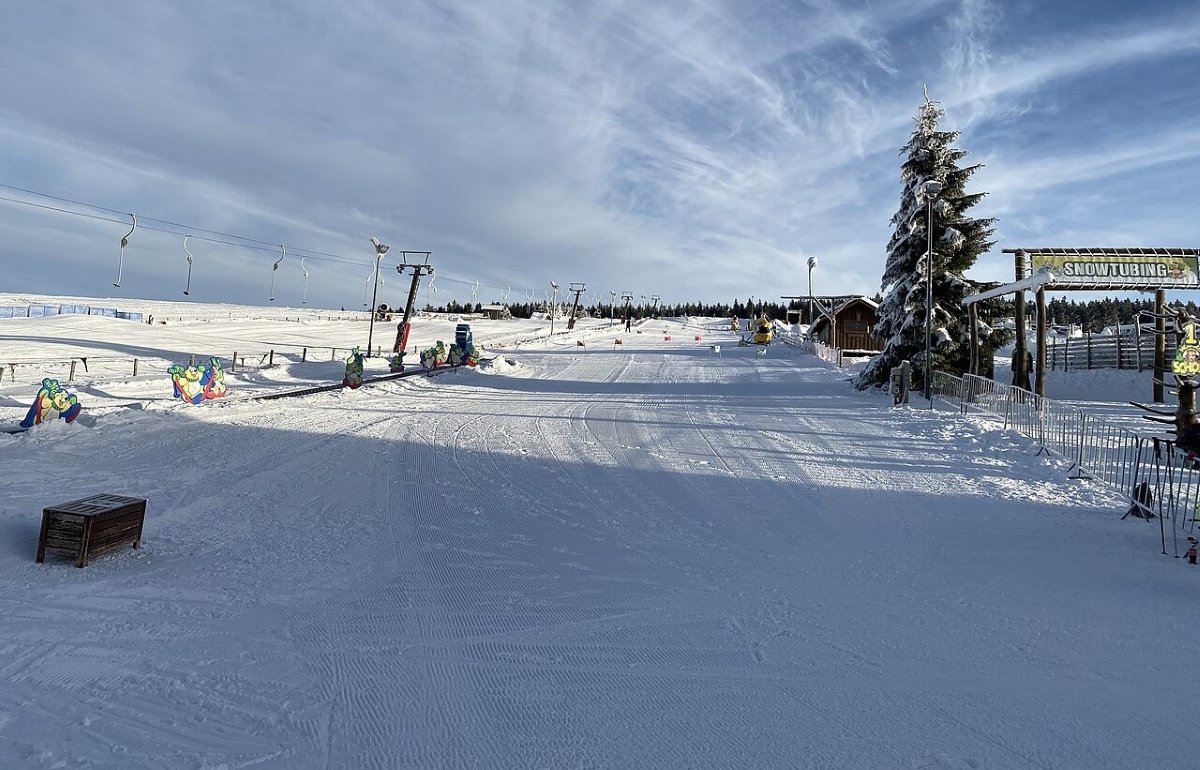
Boží Dar holds the title of Czech Republic’s highest town at 1,028 meters above sea level. This former mining settlement—its name means “God’s Gift”—transformed from extracting silver to extracting smiles from skiers. It’s the country’s premier cross-country skiing destination, hosting international competitions. The landscape is hauntingly beautiful: treeless moorlands that resemble Scottish highlands more than typical Czech scenery. Local legend says the town got its name when miners discovered rich silver veins and proclaimed them a divine gift.
Weather & What to Expect in Winter
Average January Temperature: -6°C to -3°C (21°F to 27°F)
The Ore Mountains (Krušné hory) guarantee reliable snow coverage from December through March. January brings the coldest temperatures but also the most dependable powder. The exposed plateau means wind can be biting—proper face protection essential. On clear days, visibility extends to Germany’s side of the mountains. Fog rolls in unpredictably, creating ethereal landscapes but challenging skiing conditions. Snow quality tends toward dry and powdery due to altitude and continental climate.
Attractions & Things to Do (According to Visitors)
- Cross-country skiing: The main draw—60km of immaculately groomed tracks through highland moors
- Downhill skiing: Modest but well-maintained slopes perfect for families and beginners
- Snowmobiling: Guided tours across the plateau to German border
- Visit Jáchymov: Historic spa town 15km away, home to Europe’s oldest radon spa
- Exploring WWII bunkers: Remains of pre-war Czechoslovak fortifications dot the landscape
- Peat bog nature trails: Unique ecosystem visible on snowshoes
Accommodation Options
Boží Dar offers excellent value in cozy pensions and small hotels. Expect €30-50/night for clean, family-run pensions with breakfast. Hotel Zelený Dům and Hotel Böhmhof offer mid-range comfort (€60-90/night) with saunas and restaurants. Apartment rentals start around €50-70/night, ideal for groups. Many accommodations include ski storage and drying rooms—essential for multi-day trips. Book months ahead for Christmas and New Year periods.
Shopping & Local Traditions
The town’s small center has artisan shops selling hand-blown Bohemian glass, wooden toys, and herbal products from mountain plants. The Saturday market (weather permitting) features local honey, smoked meats, and traditional gingerbread. Boží Dar’s Christmas ornament workshop crafts hand-painted decorations year-round. Don’t miss the shops selling Becherovka herbal liqueur and Karlovy Vary wafers—you’re in spa region territory.
Outdoor Activities Beyond Skiing
Winter hiking trails are marked and maintained—the 5km loop to Blatenský příkop offers stunning moorland views. Fat biking has exploded in popularity—rentals available from €15/day. Ice skating on frozen ponds when conditions allow. The nearby Keilberg/Klínovec (Czech Republic’s highest peak) offers additional skiing and an observation tower reached by cable car. Photography enthusiasts treasure the dramatic winter landscapes, especially during sunrise fog.
Budget Considerations
Daily Budget (per person):
- Budget: €35-55 (pension, self-catering, local transport)
- Mid-range: €65-90 (hotel, restaurants, activities)
- Comfortable: €100-130 (nicer hotel, guided experiences, lift tickets)
Lift Pass: €20-28/day for downhill; €5-8/day for cross-country trail access Equipment Rental: €12-18/day for downhill, €10-15/day for cross-country Meals: Pub dinner €8-12, mountain hut lunch €6-9
Food & Signature Dishes
Czech mountain cuisine is hearty and comforting. Start with kulajda—creamy mushroom soup with dill and poached egg, perfect after morning skiing. Svíčková (beef sirloin with cream sauce) is the national treasure, while vepřo-knedlo-zelo (pork, dumplings, sauerkraut) fuels afternoon sessions. Mountain huts serve traditional bramboráky (potato pancakes) with garlic and sour cream. Don’t skip smažený sýr (fried cheese)—sounds weird, tastes amazing. Wash everything down with excellent Czech beer, absurdly cheap even on the mountain (€2-3 for half-liter).
Cultural Aspects
This region’s German heritage runs deep—many villages were ethnically German until post-WWII expulsions. Architecture reflects this history with traditional timber houses. Locals are reserved initially but warm considerably once conversation starts (beer helps). The Czech relationship with mountains is democratic and non-pretentious—expect families, seniors, and everyone in between sharing the slopes. Mushroom foraging is a cultural obsession; locals know every species and share tips freely.
Events
- January: New Year’s ski marathon—mass cross-country event
- February: Traditional Shrovetide celebrations with costumes and processions
- March: Spring skiing festival with outdoor concerts
- Year-round: Weekend concerts at local church featuring baroque organ
Nearest Major Airport
Václav Havel Airport Prague (PRG) — 140km, approximately 2 hours by car
Direct bus service from Prague to Karlovy Vary (€8-12, 2.5 hours), then local bus to Boží Dar (€3, 45 minutes). Rental cars from Prague airport start at €25/day—recommended for exploring the region. Some accommodations arrange transfers for €60-80. Train connections via Karlovy Vary possible but time-consuming. In winter, roads are well-maintained with salt and plowing.
Useful Info
- Czech crowns (CZK) required—credit cards widely accepted but cash preferred in small establishments
- Basic German useful—many older locals speak it alongside Czech
- Free WiFi common in accommodations and restaurants
- Spa towns nearby offer thermal treatments—great rest day activity
- Mobile coverage excellent; local SIM cards cost €10-15 with data
- Parking generally free or very cheap (€2-3/day)
Click here to read: Boží Dar ,in the Karlovy Vary Region of the Czech Republic
3. Pisoderi-Vigla — Greece’s Surprising Ski Secret
At a Glance
Elevation: 1,650m base | Trails: 7 runs across 20km | Vibe: Where Mediterranean culture meets alpine adventure
Interesting Facts
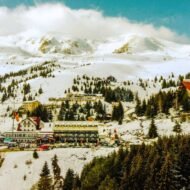
Yes, Greece has skiing—excellent skiing, actually. Pisoderi-Vigla sits on Mount Voras (also called Kaimaktsalan, meaning “cream castle” in Turkish for its snow-capped appearance), which straddles the Greek-North Macedonian border. This mountain witnessed fierce WWI battles; rusted relics occasionally emerge from melting snow. The resort’s remoteness preserved traditional Florina culture—nearby villages practice customs unchanged for centuries. You can literally ski in the morning and drive to beaches within three hours, though you’d be crazy to leave this magical place.
Weather & What to Expect in Winter
Average January Temperature: -5°C to -2°C (23°F to 28°F)
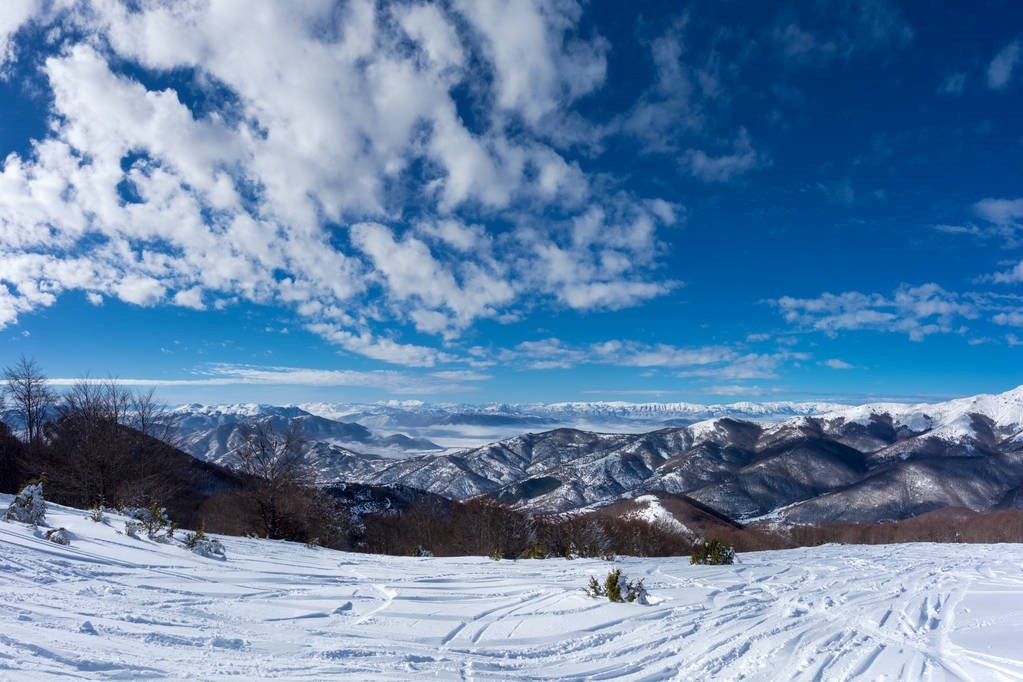
Mount Voras creates its own weather patterns, trapping moisture from the Aegean and converting it to generous snowfall. January through March offers prime conditions with reliable powder and mostly sunny days. Mornings start cold and crisp; afternoons warm to comfortable skiing temperatures. The southern exposure means afternoon sun can soften snow considerably—hit harder runs in the morning. Visibility is usually excellent due to the open terrain. Wind can be fierce on the summit—the mountain’s name isn’t accidental.
Attractions & Things to Do (According to Visitors)
- Skiing/Snowboarding: Diverse terrain from gentle blues to challenging blacks with stunning Balkan views
- Snowshoeing to WWI sites: Guided treks to historic battlefields and trenches
- Village exploration: Visit nearby Florina, Agios Germanos, and Nymfaio—preserved stone villages
- Brown bear territory: Europe’s southernmost bear population inhabits these mountains (winter is safe viewing season)
- Chapel of Profitis Ilias: Hike to the summit church for panoramic views across three countries
- Thermal springs: Natural hot springs in nearby Pozar—magical contrast after cold skiing
Accommodation Options
Accommodation clusters in nearby villages rather than slope-side. Nymfaio (20 minutes away) offers stunning stone guesthouses (€50-80/night) with fireplaces and traditional architecture. Agios Germanos has simpler but authentic rooms (€35-60/night). Budget travelers find basic hotels in Florina (€30-45/night, 45 minutes to slopes). The luxury option is La Moara boutique hotel in Nymfaio (€120-180/night) with spa and gourmet restaurant. Many guesthouses include massive Greek breakfasts—fuel for the day.
Shopping & Local Traditions
Florina is famous for red peppers—buy smoked varieties, pepper paste, and florina pepper preserves. Local shops sell woolen products from mountain sheep, hand-woven textiles, and forest honey. The region produces excellent wine—look for Xinomavro grape varietals from Amyndeon vineyards. Traditional copper crafts and religious icons available in village workshops. Every household makes its own tsipouro (grape spirit)—locals love sharing homemade batches.
Outdoor Activities Beyond Skiing
The Prespa Lakes (40 minutes away) offer extraordinary winter birdwatching—Dalmatian pelicans and rare raptors visible against snowy backdrops. Winter hiking through beech forests to abandoned shepherd settlements reveals a Greece tourists never see. Mountaineering to the summit (2,524m) requires proper equipment but rewards with views to Mount Olympus on clear days. Cross-country skiing possible on maintained tracks. Local guides offer wildlife tracking expeditions.
Budget Considerations
Daily Budget (per person):
- Budget: €45-65 (basic accommodation, taverna meals, public transport)
- Mid-range: €80-110 (guesthouse, restaurant dining, ski pass, rental car)
- Comfortable: €130-180 (boutique hotel, activities, guides)
Lift Pass: €22-28/day (incredibly cheap for European standards) Equipment Rental: €20-25/day for quality gear Meals: Taverna dinner with wine €12-18, mountain refuge lunch €8-12
Food & Signature Dishes
Greek mountain cuisine is a revelation. Start with fasolada (bean soup) or revithia (chickpea soup)—simple but soul-warming. Florina peppers stuffed with rice and herbs are regional pride. Kavourmas (preserved pork in fat) sounds alarming but tastes incredible. Try lake fish from Prespa—grilled carp or fried fish roe. Mountain greens (horta) appear in every meal. For swarms, galaktoboureko (custard pie) or local spoon sweets. Greek coffee and tsipouro punctuate every conversation. Portions are enormous—come hungry.
Cultural Aspects
This region’s multicultural heritage—Greek and Vlach, —creates unique traditions. Locals speak the Vlach dialect alongside Greek. Orthodox traditions run deep , don’t be surprised by roadside shrines or spontaneous blessings. Greek hospitality (philoxenia) is legendary—expect overwhelming generosity, sometimes awkwardly so. Meal times are sacred and lengthy. Family ties are everything , many weekend visitors are diaspora Greeks returning to ancestral villages. Respect church dress codes and photography restrictions.
Events
- January 6: Epiphany celebrations with blessing of waters in Florina
- January 7-8: Traditional Orthodox Christmas (Julian calendar) in some villages
- February: Carnival season with parades and traditional costumes
- Clean Monday: Pre-Lenten celebration with kite flying and outdoor feasts (late Feb/early March)
Nearest Major Airport
Thessaloniki International Airport (SKG) — 160km, approximately 2 hours 15 minutes by car
No direct public transport to resort—rental car essential (€30-40/day from airport). Bus service runs to Florina (€18, 2.5 hours), then taxi to resort (€25-30). Some guesthouses arrange airport transfers (€80-100). Roads are good but winter driving skills necessary—chains sometimes required. Alternatively, fly to Skopje, North Macedonia (130km) for potentially cheaper flights.
Useful Info
- English less common than tourist areas—learn basic Greek phrases
- Euros only—credit cards accepted at larger establishments
- ATMs in Florina but not at resort—bring adequate cash
- Cell coverage good in valleys, spotty on mountain
- Greek SIM cards cheap (€10-15 with data)
- Resort facilities basic but functional—don’t expect spa resort amenities
- Sunday shops mostly closed—stock up Saturday
- Driving: Greeks drive assertively, especially in mountains
4. Rathvel — Swiss Prealps’ Affordable Alternative
At a Glance
Elevation: 1,020m base | Trails: Small but perfectly formed local hill | Vibe: Authentic Swiss village, zero tourist infrastructure (that’s the point)
Interesting Facts
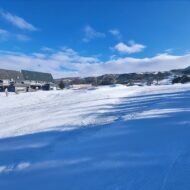
Rathvel isn’t a resort—it’s a secret locals barely mention. This working farming village in Fribourg canton operates a tiny community ski lift that’s been family-run since 1975. There’s no website, no marketing, no ski school—just a rope tow, a T-bar, and some of the friendliest locals in Switzerland who can’t believe foreigners found their hill. The surrounding Prealps offer world-class ski touring and snowshoeing. This is Switzerland as it existed before Instagram, where farmers still ski in the morning before tending cattle, where the “après-ski” is hot chocolate at someone’s farmhouse kitchen.
Weather & What to Expect in Winter
Average January Temperature: -2°C to 3°C (28°F to 37°F)
Prealpine weather is variable and requires flexibility. January and February offer best snow reliability, though the lower altitude (compared to high Alps) means occasional rain at base. When it snows, however, it dumps—the Prealps catch storms coming from the west. Temperatures are milder than high Alps, making for comfortable skiing. Fog can settle in valleys but the village elevation usually stays above it. Check conditions by calling the lift (yes, actually calling—there’s no webcam).
Attractions & Things to Do (According to Visitors)
- Ski touring: The real draw—endless backcountry access from the village
- Snowshoeing: Marked trails through forests and alpine meadows
- Village skiing: The tiny lift serves a perfect learning hill and locals practicing
- Cheese dairy visits: Watch Gruyère cheese being made in traditional dairies
- Jaun Valley exploration: Pristine valley with waterfall frozen in winter
- Traditional farms: Some families welcome visitors to see mountain farming life
Accommodation Options
Rathvel has no hotels—that’s part of its charm. Rent an apartment or chalet through local agencies (€80-150/night depending on size and season). These are working farm buildings converted to holiday rentals, often with wood stoves, mountain views, and complete kitchens. Nearby Jaun (10 minutes) has small hotels and pensions (€70-120/night). Alternatively, stay in Fribourg city (45 minutes) for more options and day-trip to the mountains. Book through local tourism office—many properties don’t advertise online.
Shopping & Local Traditions
This is cheese country—buy directly from farms producing Gruyère, Vacherin Fribourgeois, and other alpine cheeses. Local honey, preserved meats, and artisan bread available from producers. A tiny shop in the village sells essentials but serious provisioning requires trips to Jaun or Fribourg. The weekly market in Fribourg offers regional specialties. Traditional wood carving and cowbell crafts found in artisan workshops. Locals maintain old customs—expect to hear alphorns at festivals and see traditional costumes.
Outdoor Activities Beyond Skiing
This is a ski touring paradise. Routes from the village access Gastlosen peaks—dramatic limestone towers offering technical climbing and touring. The Jaun Pass road (closed in winter) becomes a popular ski touring route. Winter hiking trails are marked and maintained through forests to alpine restaurants. Cross-country skiing possible in the valley. Experienced mountaineers tackle the Wandflue or Bäderhorn. Ice climbing on frozen waterfalls attracts enthusiasts. Local guides essential for backcountry safety.
Budget Considerations
Daily Budget (per person):
- Budget: €60-90 (apartment with cooking, minimal activities, self-sufficient)
- Mid-range: €100-140 (apartment, some restaurant meals, touring guides)
- Comfortable: €150-200 (nice chalet, restaurants, activities, guides)
Note: This is Switzerland—even “budget” is pricey. Save money by cooking, packing lunches, using the community lift (€10-15/day vs €60-80 at major resorts)
Equipment Rental: Limited locally—rent in Fribourg or bring own (€30-40/day) Meals: Restaurant dinner €25-40, mountain hut lunch €18-25
Food & Signature Dishes
Fribourg cuisine is hearty alpine fare. Fondue moitié-moitié (half Gruyère, half Vacherin) is the local version—creamier than elsewhere. Cuchaule (saffron bread) traditionally eaten with benichon (harvest festival foods like mustard, dried pears, and meringues). Bredele (spiced cookies) and meringues chantilly are café staples. Mountain restaurants serve rösti, älplermagronen (alpine macaroni with cheese and potatoes), and cured meats. Cheese literally permeates everything. Kirsch (cherry brandy) aids digestion—or so locals claim.
Cultural Aspects
This region straddles French-German language divide—Fribourg is bilingual, though French dominates. Locals speak Bolze, a distinctive Franco-Provençal dialect nearly incomprehensible to other French speakers. Traditional Catholic culture remains strong; church bells mark daily rhythms. Mountain farming shaped the culture—self-sufficiency, mutual aid, and deep connection to land define local values. Visitors who respect traditions and learn basic phrases receive warm welcomes. Swiss reserve melts with genuine interest in local life.
Events
- Mid-January: Vogel Gryff festival in Basel (accessible day trip)—medieval celebration
- Late January/Early February: Benichon d’hiver—winter harvest feast in villages
- February: Carnival celebrations with traditional masks and processions
- March: Cross-country skiing competitions in Jaun Valley
Nearest Major Airport
Geneva Airport (GVA) or Bern Airport (BRN) — Both approximately 100-120km, 1.5-2 hours by car
Zurich Airport (ZRH) is alternative at 150km. Switzerland’s excellent train system connects to Fribourg (€30-50, 2-3 hours from Geneva), then bus to Jaun (€8-12, 45 minutes), then taxi or local transport. Rental cars cost €50-80/day—expensive but worthwhile for access. Swiss Travel Pass offers unlimited train/bus travel and is cost-effective for week-long stays (€280-320). Roads are impeccably maintained; winter tires mandatory November-March.
Useful Info
- Swiss Francs (CHF) required—bring cash, though cards widely accepted
- Everything is expensive—budget accordingly
- Multilingual region—French, German, and some English
- Cell coverage excellent everywhere
- Respect private property—farmers live and work here
- Call ahead before visiting—this isn’t a commercial resort
- Swiss precision extends to everything: buses run exactly on schedule
- Quiet hours (10 PM-7 AM) strictly observed—no loud activities
5. Chastreix-Sancy — Auvergne’s Volcanic Winter Wonderland
At a Glance
Elevation: 1,350m base | Trails: 32km across 26 runs + connection to Super-Besse | Vibe: Volcanic landscape meets family-friendly skiing
Interesting Facts
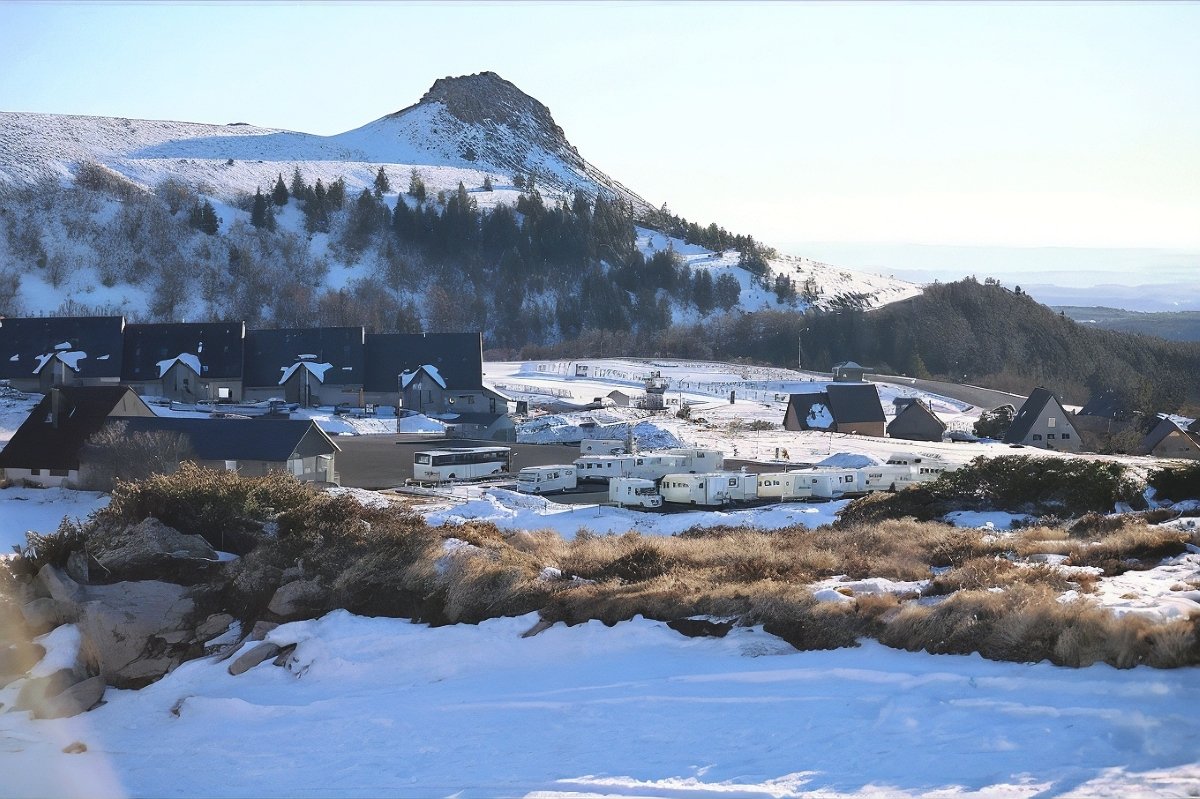
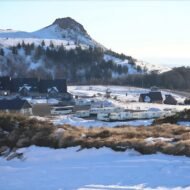
Chastreix-Sancy occupies the slopes of Puy de Sancy, an extinct volcano and the highest peak in central France (1,886m). This isn’t your typical alpine resort—you’re skiing on volcanic rock covered in snow, surrounded by dormant craters and lava flows. The Massif Central’s volcanic chain created this otherworldly landscape 3 million years ago. The resort remains family-owned and operated, resisting corporate ski conglomerates. Locals still farm and make Saint-Nectaire cheese using traditional methods unchanged for centuries. The landscape inspired countless French artists and writers seeking refuge from Parisian life.
Weather & What to Expect in Winter
Average January Temperature: -4°C to 2°C (25°F to 36°F)
Auvergne weather is notoriously fickle—”four seasons in one day” is the local mantra. The volcanic peaks create microclimates; conditions can vary dramatically between valleys and summits. January and February offer most reliable snow, though the 1,350m base elevation occasionally sees rain. When storms hit, they’re intense—the exposed plateau catches full force of Atlantic weather systems. Fog is common but usually burns off by mid-morning. The payoff? When weather clears, visibility extends across the entire Massif Central. Wind can be brutal on the summit—dress accordingly.
Attractions & Things to Do (According to Visitors)
- Skiing/Snowboarding: Varied terrain suitable for all levels, with spectacular volcanic scenery
- Summit hike: Cable car + 864 steps to Puy de Sancy peak—360° views across central France
- Thermal spa visits: Natural hot springs in La Bourboule and Mont-Dore villages
- Cheese dairy tours: Visit Saint-Nectaire and Bleu d’Auvergne producers
- Snowshoeing volcanic landscape: Guided tours to frozen crater lakes
- Dog sledding: Husky expeditions through the massif
- Ice skating: Natural ice rinks in Mont-Dore
- Volcano museum: Vulcania park (open limited winter hours)—interactive exhibits about volcanology
Accommodation Options
The village of Chastreix offers limited but charming accommodation—small hotels and gîtes (€45-75/night). Nearby Mont-Dore (10km) provides more options: belle époque spa hotels (€60-120/night), modern apartments (€70-100/night), and budget hotels (€40-60/night). La Bourboule (15km) has similar range with better thermal spa facilities. Many visitors rent chalets in surrounding villages (€500-900/week for groups). Accommodations include breakfast; half-board often available and good value. Book months ahead for February school holidays when French families descend.
Shopping & Local Traditions
Auvergne is artisan paradise. Buy Saint-Nectaire cheese directly from farms—nothing beats cave-aged varieties. Local specialty shops sell Cantal, Bleu d’Auvergne, and Salers cheeses. Look for regional liqueurs: Verveine du Velay (verbena) and Gentiane (gentian root). Laguiole knives—handcrafted with bee emblems—make excellent souvenirs. Traditional wooden sabots (clogs) still crafted in workshops. Markets in Mont-Dore and La Bourboule sell preserved mushrooms, lentils from Le Puy, and charcuterie. The region’s isolated location preserved folk crafts—expect quality and authenticity.
Outdoor Activities Beyond Skiing
Winter hiking trails lead through volcanic landscapes to frozen waterfalls and crater lakes. The GR4 and GR30 long-distance trails are accessible in winter with proper equipment. Snowshoeing expeditions explore Val de Courre nature reserve—untouched wilderness. Ice climbing on frozen waterfalls near Mont-Dore attracts serious climbers. Cross-country skiing on 250km of trails across the massif. Fat biking has gained popularity—rental available. Thermal baths provide perfect rest days—soak in naturally heated pools while snow falls outside.
Budget Considerations
Daily Budget (per person):
- Budget: €50-75 (gîte/basic hotel, self-catering with market shopping, some activities)
- Mid-range: €90-130 (comfortable hotel, mix of restaurants and self-catering, ski pass, activities)
- Comfortable: €140-200 (nice hotel with spa, restaurants, guides, full activities)
Lift Pass: €32-42/day (significantly cheaper than Alps) Equipment Rental: €20-30/day for quality gear Meals: Restaurant dinner with wine €20-30, mountain refuge lunch €12-18
Food & Signature Dishes
Auvergnat cuisine is rustic and magnificent. Aligot (mashed potatoes with melted cheese stretched tableside) is pure comfort food. Truffade (sliced potatoes with fresh Tomme cheese) fuels long ski days. Potée auvergnate (cabbage and pork stew) simmers in mountain refuges. The five local AOC cheeses deserve individual attention—taste them all. Pounti (savory cake with prunes and herbs) is lunch staple. Puy lentils with sausage showcases regional terroir. For dessert, Pompe aux pommes (apple cake) or clafoutis. Regional wines from Saint-Pourçain pair surprisingly well. Every meal ends with digestif—try verveine or gentiane.
Cultural Aspects
Auvergne maintains fierce regional identity despite centuries of Parisian influence. The Auvergnat language (Occitan variant) survives in older generations and place names. Traditions like transhumance (seasonal cattle movement) continue, though modernized. The volcanic landscape shaped hardy, self-reliant culture—locals are reserved but genuinely welcoming once trust develops. This was historically poor region; resourcefulness and thrift remain valued. Belle époque spa culture left architectural legacy in Mont-Dore and La Bourboule—faded grandeur has melancholy charm.
Events
- January: Transhumance celebrations with traditional costumes
- February: Carnival in Mont-Dore with parades and music
- February/March: Festival de la Soupe—villages compete with soup recipes
- March: Spring skiing festival with outdoor concerts and tastings
- Year-round: Thermal spa wellness festivals in Mont-Dore
Nearest Major Airport
Clermont-Ferrand Auvergne Airport (CFE) — 65km, approximately 1 hour by car
Limited international flights but well-connected to Paris. Alternatively, Lyon Airport (LYS) at 200km offers more flight options (2.5-3 hours drive). Direct bus from Clermont-Ferrand to Mont-Dore (€15, 1.5 hours), then local transport or taxi to resort. Rental cars from Clermont-Ferrand airport start at €35-45/day—recommended for exploring the region’s villages and cheese farms. Some hotels arrange transfers (€40-60 from Clermont-Ferrand). Train service to La Bourboule from major French cities.
Useful Info
- Euros required—credit cards accepted but smaller establishments prefer cash
- French essential—English less common than tourist areas
- Free WiFi in accommodations but can be slow
- Cell coverage generally good in valleys, spotty on peaks
- French SIM cards available (€15-20 with data)
- Thermal spa etiquette: swimwear required, shower before entering pools
- Parking generally free or minimal cost
- Roads well-maintained but mountain driving skills necessary
- Many businesses close for lunch (12:30-2:30 PM)
- Michelin’s headquarters in Clermont-Ferrand—tire museum worth visiting
Recap: Your Off-the-Beaten-Path European Ski Adventure Awaits
These five destinations prove that memorable ski vacations don’t require mega-resorts or mega-budgets. From Macedonia’s time-capsule slopes to Greece’s surprising alpine terrain, from Czech moorlands to Swiss villages that forgot tourism exists, and France’s volcanic wonderland—each offers authentic experiences impossible to find in crowded mainstream resorts.
Quick Comparison:
- Best Value: Popova Šapka, North Macedonia (€40-60/day all-in)
- Best for Cross-Country Enthusiasts: Boží Dar, Czech Republic
- Most Unique Landscape: Chastreix-Sancy, France (volcanic skiing!)
- Best Cultural Immersion: Pisoderi-Vigla, Greece
- Most Authentic Alpine Experience: Rathvel, Switzerland
Money-Saving Tips Across All Destinations:
- Book accommodations directly by phone for better rates
- Cook some meals—local markets offer incredible ingredients
- Visit mid-week to avoid weekend crowds and higher prices
- Rent equipment in nearby cities rather than on-mountain
- Use local buses instead of taxis where possible
- Ask locals for recommendations—they know the deals
Final Thoughts:
The best ski vacation isn’t measured in vertical meters or lift capacity—it’s measured in genuine moments. Sharing homemade rakija with a Macedonian grandmother. Watching Czech grandparents glide gracefully across snowy moorlands. Discovering that Greeks make incredible skiers. Learning Swiss farmers still work their land between powder days. Soaking in French thermal springs after skiing on a volcano.
These places exist because mass tourism hasn’t discovered them yet. Visit respectfully, spend money with local businesses, learn a few words in the local language, and help keep these communities thriving. The slopes might be smaller, the amenities simpler, but the memories? Those will be bigger than anything you’d find fighting lift lines in Courchevel.
Pack your sense of adventure along with your ski gear. Europe’s best-kept winter secrets are waiting.
Disclaimer
Important Information for Travelers:
All information provided in this guide is accurate as of January 2026 but is subject to change. Weather patterns, lift operations, accommodation prices, and local conditions vary seasonally and yearly. Always verify current conditions, prices, and accessibility before booking travel.
Please Note:
- Lift pass prices, accommodation costs, and meal prices are estimates and fluctuate based on season, currency exchange rates, and local economic conditions
- Weather information reflects historical averages; actual conditions during your visit may differ significantly
- Some facilities may be closed due to weather, maintenance, or local circumstances
- Road conditions in mountain areas can be hazardous; winter driving experience and proper equipment (winter tires/chains) are essential
- Ski touring and backcountry activities require proper equipment, training, and local knowledge; hiring certified guides strongly recommended
- Travel insurance including winter sports coverage is highly recommended for all destinations
- Altitude sickness can affect visitors at higher elevations; allow time for acclimatization
- Some activities mentioned may have age, fitness, or skill requirements
Safety Reminders:
- Check avalanche forecasts before backcountry activities
- Respect all posted warning signs and closed areas
- Inform someone of your plans when engaging in outdoor activities
- Carry appropriate safety equipment and know how to use it
- Follow local regulations, customs, and environmental guidelines
COVID-19 and Health Considerations: Travel restrictions, health protocols, and entry requirements may change. Check official government sources for current requirements before traveling. Ensure you have appropriate health insurance coverage for your destination.
The author and publisher are not responsible for any loss, injury, or inconvenience sustained by travelers using this guide. Readers are encouraged to verify all information through official channels and use this guide as a starting point for their own research and planning.
Support Local Communities: These destinations thrive when tourism benefits local residents. Please:
- Spend money with locally-owned businesses
- Respect local customs, traditions, and private property
- Minimize environmental impact
- Learn and use basic phrases in the local language
- Be patient with differences in pace and service standards
Travel responsibly, stay safe, and enjoy discovering Europe’s hidden winter treasures!