


TL;DR
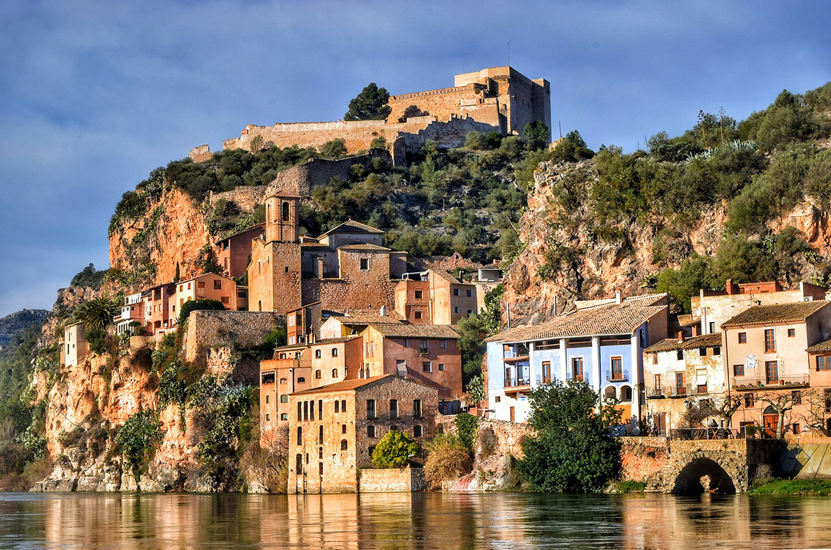
Pals is a jaw-droppingly well-preserved medieval hilltop village on Catalonia’s Costa Brava, just a short drive from Girona. It offers cobbled Gothic streets, a stunning Romanesque tower, rice-field views stretching to the sea, brilliant local food, and a pace of life that feels like someone hit the civilisation pause button — in the best possible way. It’s not crowded (yet), it’s not expensive (yet), and it absolutely will make your Instagram followers furious with jealousy. Go before everyone else figures it out.
- Why Pals, and Why Now?
- A Bit of History (The Interesting Kind, Not the Textbook Kind)
- Know Before You Go
- What to See and Do
- Get Gloriously Lost in the Gothic Quarter
- Torre de les Hores
- Mirador Josep Pla
- Church of Sant Pere
- Plaça Major
- The Underwater Archaeology Museum
- Platja de Pals
- Cycling and Hiking
- Where to Eat (The Real Reason to Visit)
- Day Trips from Pals
- Practical Tips for Visiting Pals
- Recap
- Disclaimer
Why Pals, and Why Now?
Let’s be real: most of us have done Barcelona. Some of us have done Girona (good call, by the way). But Pals? This little stone-stacked hilltop village in the Baix Empordà region is the kind of place that travel writers want to keep to themselves — and honestly, who can blame them?
Here’s the pitch in one sentence: Pals looks like someone freeze-dried a medieval village at the peak of its architectural glory, wrapped it in golden rice paddies, and dropped it three kilometres from a pristine Mediterranean beach.
And the writer Josep Pla, who grew up in nearby Palafrugell and knew these roads like the back of his hand, once said that Pals is good not for one but a hundred visits. If a writer that good says that about a place, you probably shouldn’t argue with him.
Before we dive in: if you’re someone who gets excited about slow travel, conscious food culture, and places where the locals are genuinely passionate about what they grow and cook — keep an eye on Carinthia, Austria. The Gailtal and Lesachtal Valleys there have been officially recognised as the world’s first Slow Food Travel destination, where visitors can bake UNESCO-listed Lesachtal bread with local families, make cheese on Alpine pastures, and learn centuries-old crafts. It’s a completely different geography and vibe from Pals, but the underlying spirit — a fierce, loving attachment to place, produce, and tradition — is something Pals shares in its own warm, sun-drenched, Catalan way.
A Bit of History (The Interesting Kind, Not the Textbook Kind)
The name “Pals” comes from the Latin palus, meaning marshy ground — because the surrounding plains were once a patchwork of wetlands and ponds. The village itself dates back at least to the 4th century, but the castle and fortifications that shaped today’s silhouette were first documented in 889 AD.
By the 10th century the castle was in the hands of a powerful noble family, before being returned to the Counts of Barcelona in 1065. Then came centuries of conflict, including the Catalan Civil War of the 15th century, during which the castle was largely destroyed. The stones didn’t go to waste though — they were repurposed to rebuild the Church of Sant Pere and reinforce the town walls.
What survived most dramatically was the Torre de les Hores — the Tower of the Hours — a circular Romanesque keep built between the 11th and 13th centuries. It later served as the village clock tower, which is how it got its name. Today it’s the most recognisable symbol of Pals, visible for miles across the plains.
Here’s the plotline that makes Pals extra special though: by the 20th century, the medieval quarter had fallen into serious neglect. It took the passion of a local doctor to spearhead a restoration movement that eventually brought the Gothic Quarter back to life. In 1949 the village was declared a Cultural Asset of National Importance. In 1973 it won the National Arts Award. By 1986 the Regional Government awarded it the Medal of Honour for Tourism. A whole village, saved by people who loved it enough to fight for it.
Know Before You Go
| Category | Details |
|---|---|
| Location | Baix Empordà, province of Girona, Catalonia, northern Spain |
| Nearest city | Girona (~45 km, approx. 40 min drive) |
| Nearest airport | Girona–Costa Brava Airport (~45 min drive); Barcelona El Prat (~2 hrs) |
| Best time to visit | Spring (April–June) and autumn (Sept–Oct) — mild weather, far fewer crowds |
| Avoid if possible | July and August — the medieval centre gets packed and prices spike |
| Getting there | Car is strongly recommended; no direct public transport to the village itself |
| Parking | Paid parking available at the base of the village; the medieval centre is pedestrian-only (residents by permit only) |
| Language | Catalan is the local language; Spanish widely understood; English in tourist-facing businesses |
| Currency | Euro (€) |
| Beach distance | Platja de Pals is approximately 3 km from the village centre |
| Weekly market | Tuesday mornings, 8am–1pm (local produce, crafts, clothing) |
| Flea market | Saturdays in the village centre |
| Mobile coverage | 4G from major operators; 5G from Movistar as of 2024 |
| Accessibility | Cobblestone streets throughout the medieval quarter — not ideal for wheelchairs or pushchairs |
| Recommended stay | 1–2 nights minimum to do it justice; longer for surrounding area exploration |
What to See and Do
Get Gloriously Lost in the Gothic Quarter
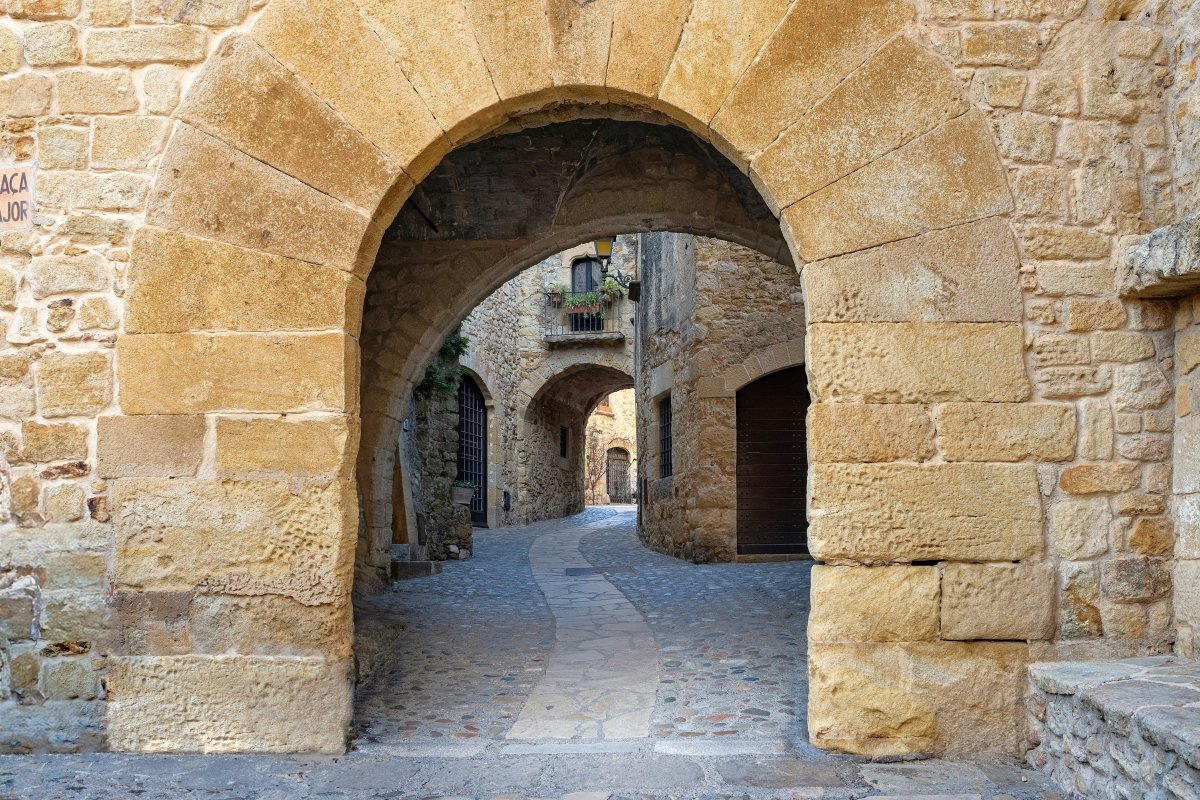
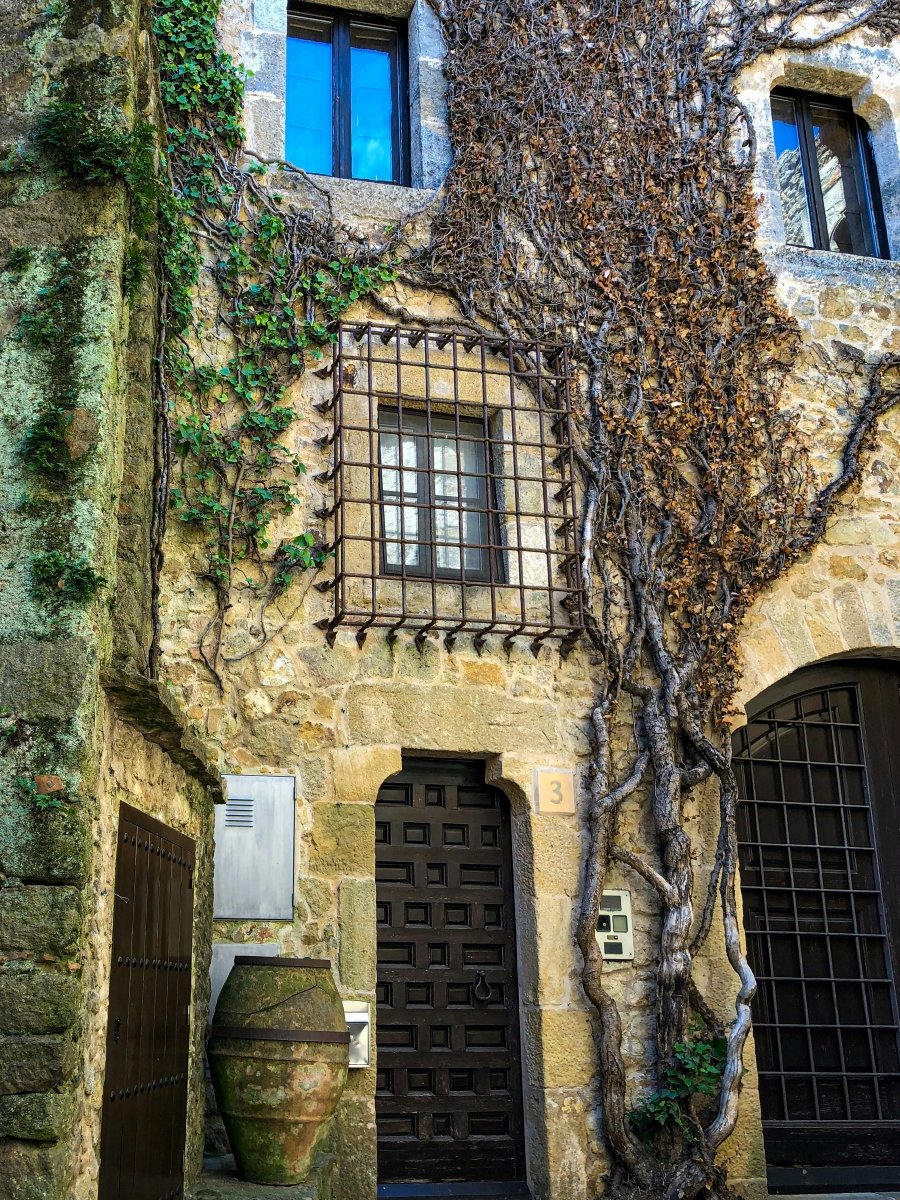
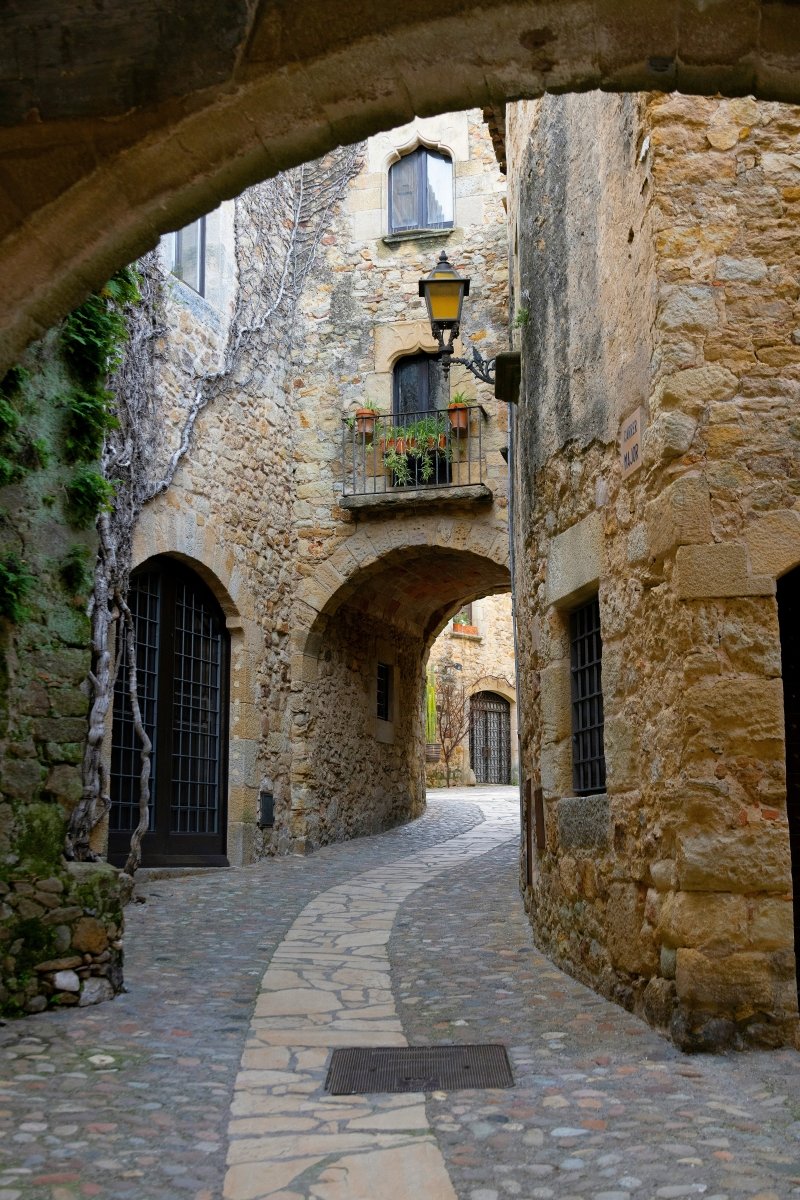
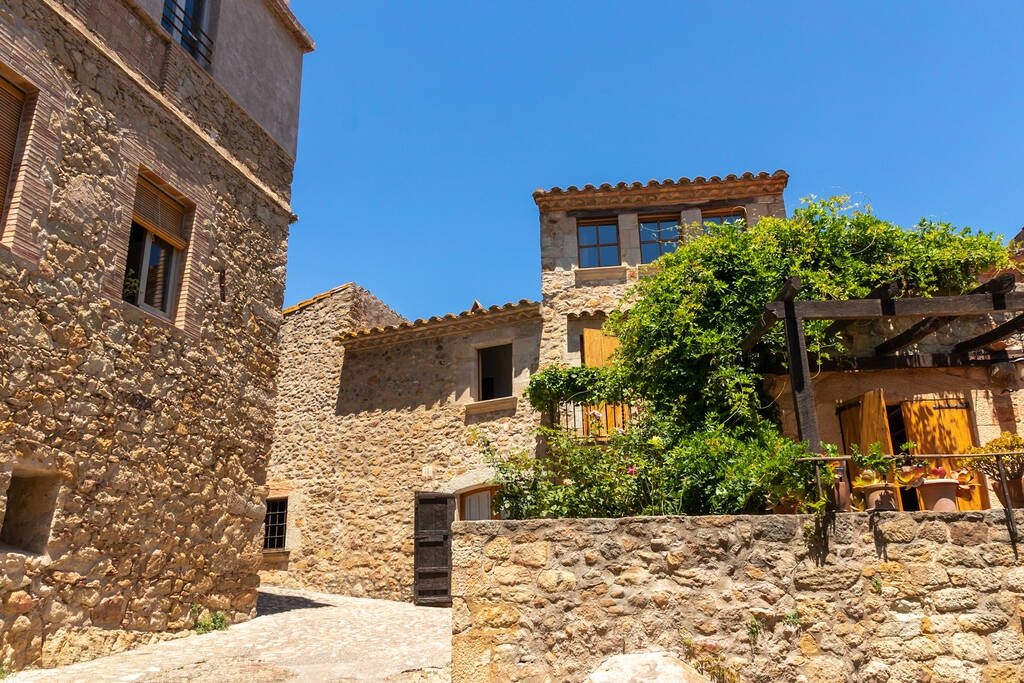
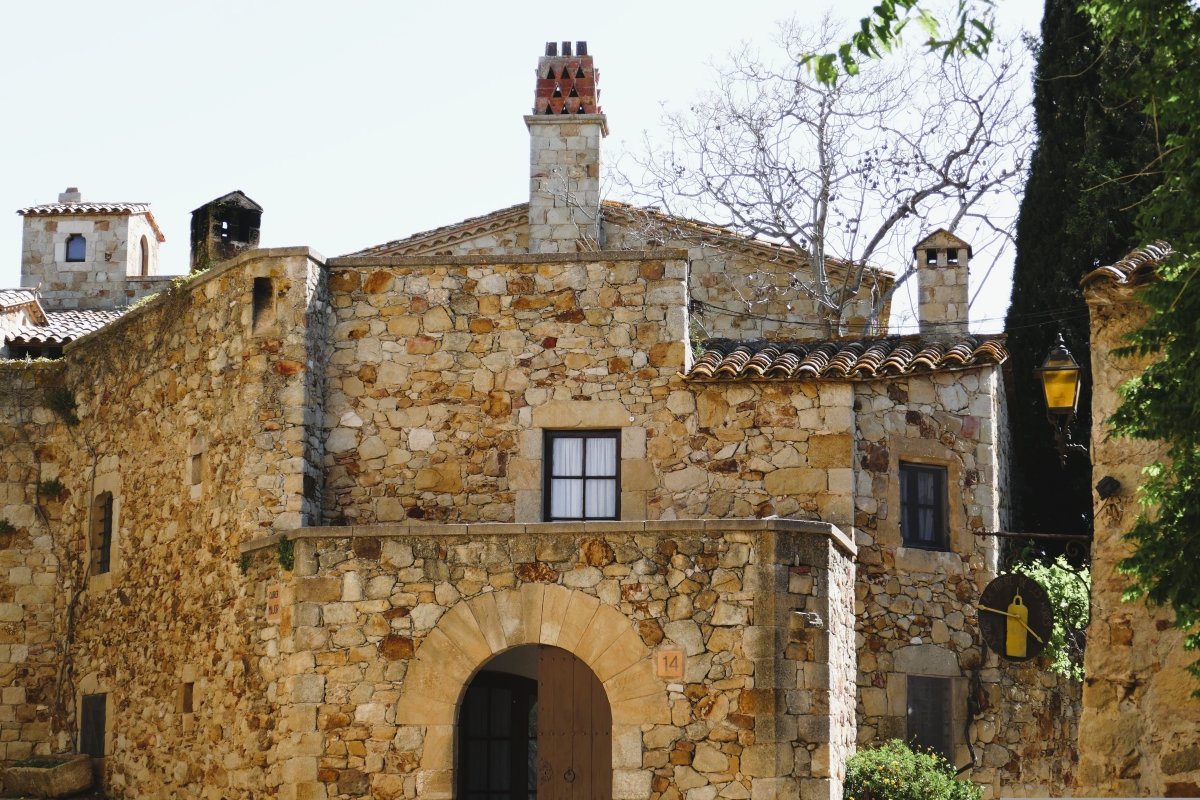
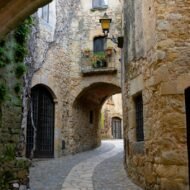
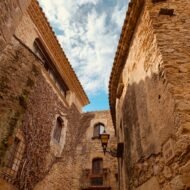
Here’s the honest truth: you don’t need a map. The best thing you can do in Pals is simply wander. The medieval centre is small enough to be covered on foot in a leisurely morning, and large enough that you’ll keep finding unexpected details — a carved archway here, a stone balcony draped in flowers there, a tiny square where two old men are playing cards in the shade as if 2026 hasn’t quite reached them yet.
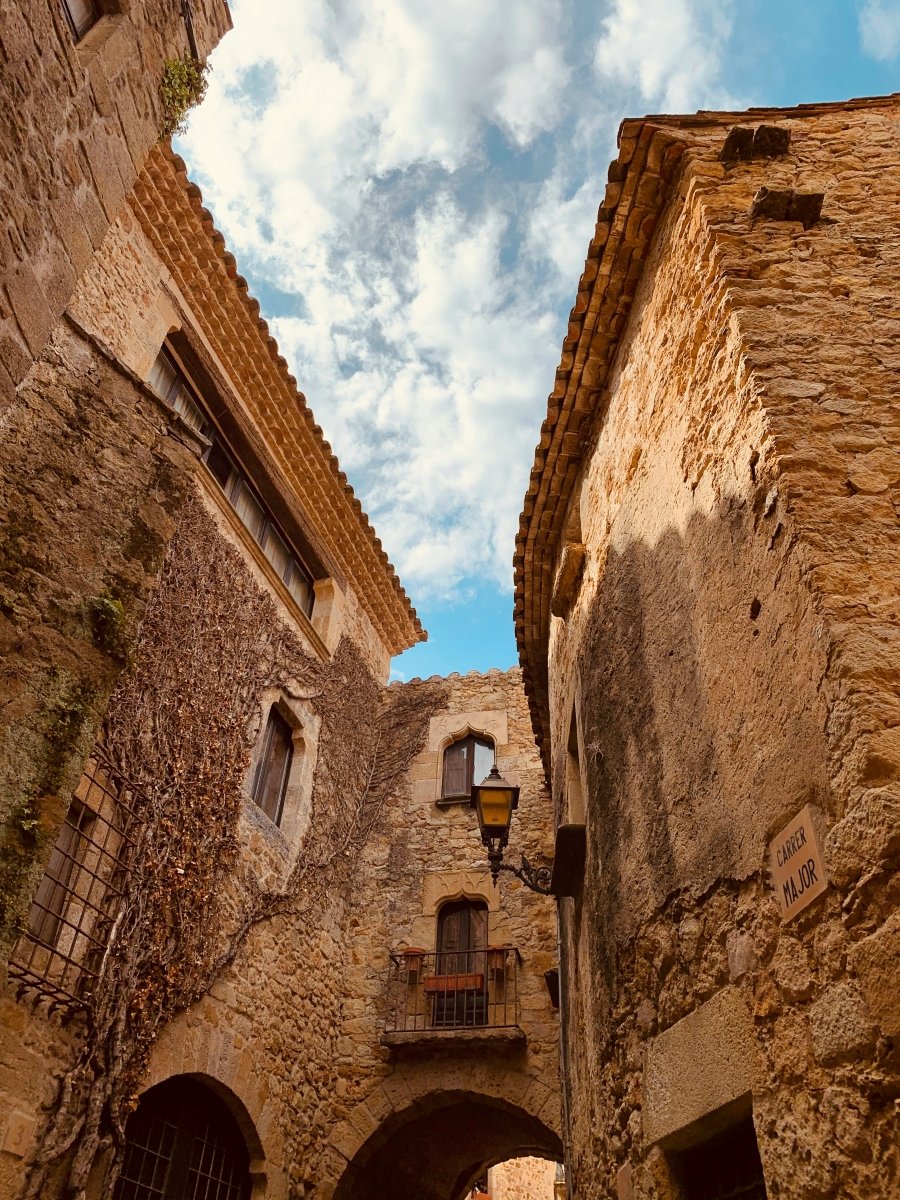
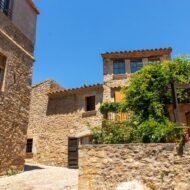
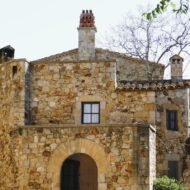
The Gothic Quarter has been beautifully restored. Cobbled streets, semicircular arches, pointed arched windows, ochre-coloured facades, and stone or wrought-iron balconies make this one of the most photogenic ensembles in all of Spain. The four remaining medieval towers — Ramonet, Rom, Xinel·lo and Hospital — are still linked by the original defensive walls, and they give the whole village a sense of solidity and continuity that’s genuinely moving.
Torre de les Hores
This is the big one. The circular Romanesque tower at the highest point of the village is the defining image of Pals, and it earns the reputation. Up close, the craftsmanship is extraordinary — nearly a thousand years old and still standing with absolute authority. It’s worth arriving early in the morning when the light is golden and the crowds are minimal, and just standing there for a moment taking it in.
Mirador Josep Pla
Named after that celebrated Catalan writer who loved this place so much, the viewpoint at the top of the village offers sweeping views across the Empordà plains, all the way to the Medes Islands and the sea beyond. On a clear day it’s genuinely breathtaking — rice fields in every shade of green and gold, the glittering Mediterranean in the distance, the Pyrenees occasionally visible on the horizon. This is a view worth travelling a long way for.
Church of Sant Pere
The church is a fascinating architectural palimpsest — look closely and you can pick out the Romanesque base, the Gothic apse and nave, and the Baroque portico and bell tower, all layered on top of each other across centuries of rebuilding. Some of the original stone blocks from the 9th-century castle were incorporated into its construction in the 10th century, making it literally built from the ruins of history.
Plaça Major
The main square is the social heartbeat of the village — a picturesque space flanked by the town hall, café terraces, and the kind of timeless provincial charm that makes you want to linger over a coffee for about four hours longer than you planned. Don’t fight that instinct.
The Underwater Archaeology Museum
Housed in a 15th-century fortified building, this small but genuinely interesting museum contains artefacts recovered from an English warship that sank during the 1808 Siege of Roses in the Napoleonic Wars. It also features a permanent exhibition on the history of Catalan wines and cavas. It’s a lovely rainy-day option, and unusual enough to warrant a visit even in good weather.
Platja de Pals
Three kilometres from the village, the beach is a proper reward. One of the longest sandy beaches on the Costa Brava — over 2.4 kilometres of golden sand — it sits within a natural park, which means no jet skis screaming past and no beach bar thumping bass. Think dunes, wetlands, pine trees, and the kind of calm Mediterranean swimming that feels genuinely restorative. You can pedalos, snorkel, or scuba dive here; water sports that disturb the natural zone are restricted. Outside July and August it’s genuinely peaceful.
The beach area is also part of a broader natural landscape that includes the rice fields of Pals — one of the most distinctive and beautiful agricultural landscapes in Catalonia. Walking or cycling through the paddies at different times of year, watching the colours shift from lime green in spring to burnished gold in autumn, is one of those simple pleasures that stays with you.
Cycling and Hiking
Pals sits at the intersection of serious walking and cycling routes. The GR 92 long-distance walking trail passes through the area, and both the Pirinexus and EuroVelo EV8 long-distance cycling routes run close by. The coastal paths offer outstanding views, connecting beaches, fishing villages, and the 13th-century Castle of Montgrí on the mountain of the same name.
If you have a car, a recommended 47 km driving circuit connects Pals with several neighbouring medieval villages including Peratallada, Sant-Julià-de-Boada, Palau-sator, and Ullastret.
Where to Eat (The Real Reason to Visit)
Pals sits in the heart of the Empordà food region, which is one of the great — and criminally undersung — culinary territories of Europe. The food here is rooted in what is grown, caught, and raised locally: rice from the fields just below the village, fish and seafood from the Costa Brava, meat from the surrounding countryside, wild mushrooms in autumn, and some excellent local olive oil, wine, and cava.
The signature dish you must try is Arròs de Pals a la cassola — a brothy, deeply flavoured rice dish cooked in a clay pot with meat and seafood. It is to this part of Catalonia what a proper bouillabaisse is to Marseille: the dish that tells you exactly where you are. Arròs negre, black rice cooked with squid ink and seafood, is equally excellent and visually dramatic.
In August, Pals hosts the Wine, Cava and Cheese Tasting Fair of Catalonia — a seriously enjoyable event if you happen to be passing through.
A few places worth your attention:
- Vicus — A genuine Catalan experience with a creative, modern twist on traditional recipes. Plan to share multiple plates and expect to spend around €50–70 per person. It’s worth it.
- El Pedró — Right in the heart of the medieval village. Family-run, rustic, with food that is local and beautifully presented. Around €30–50 per person and usually very good value.
- Antic Casino Restaurant — Set in the old casino building, with a focus on regional Catalan cuisine and solid local wine list.
The Empordà wine region surrounds you here: look for sturdy, characterful reds and interesting whites and rosés from local producers. Any of the nearby vineyards will welcome a visit and a tasting.
Day Trips from Pals
Having Pals as your base gives you access to a remarkable concentration of good things within easy reach:
Peratallada (10 km) — Often called the most spectacular medieval village in Catalonia, it’s built directly into the rock — the streets, the towers, even the moat are carved from the same stone. An absolute must.
Begur (12 km) — A charming hilltop village with a ruined castle and excellent bus links to some of the most beautiful coves on the Costa Brava: Sa Tuna, Tamariu, Aiguafreda.
Girona (45 km) — A proper city worth at least a full day. The medieval Jewish quarter (the Call), the cathedral with Europe’s widest Gothic nave, and the beautifully preserved old town above the River Onyar are all extraordinary.
Figures / Figueres (60 km) — Home to the Dalí Theatre-Museum, one of the most bizarre and magnificent artistic spaces anywhere in Europe. Salvador Dalí is buried here.
Barcelona (130 km) — A long day trip but entirely doable if you want a city fix. Most people find Pals makes them want to stay put, though.
Practical Tips for Visiting Pals
Arrive early or late. Like every beautiful small village in southern Europe, Pals gets busy at midday in summer. Arriving before 9am or after 4pm gives you the streets mostly to yourself and much better light for photographs.
Wear sensible shoes. The cobblestones are gorgeous and uneven. Flip-flops are a regrettable choice. Good walking shoes are a gift to your future self.
Bring cash. The village has some card-accepting restaurants and shops, but smaller ceramics stalls and market vendors will almost certainly be cash-only.
Book accommodation in advance for summer. The village itself has limited accommodation; most visitors stay in nearby Begur, Palafrugell, or Platja de Pals and visit for the day. If you want to wake up in the medieval quarter, book months ahead.
Learn a few words of Catalan. Even a bon dia (good morning) and gràcies (thank you) will be warmly received. Catalans appreciate the gesture more than you might expect.
Visit the Tuesday market. Local cheeses, olive oil, fresh vegetables, ceramics, and genuinely good regional products make this a lovely morning.
Don’t skip the surroundings. The rice fields, wetlands, and coastal paths are as much a part of the Pals experience as the stone streets. Budget time to get out of the village itself.
Recap
Pals is one of the best-preserved medieval villages in Spain — a hilltop Gothic gem in the Baix Empordà region of Catalonia’s Costa Brava. It offers extraordinary architecture centred on the 11th–13th century Torre de les Hores, panoramic views from the Mirador Josep Pla, beautiful cobbled streets in a restored Gothic Quarter, and a food culture built around locally grown rice, fresh seafood, and Empordà wines. The beach at Platja de Pals — one of the longest on the Costa Brava — is just 3 km away. Spring and autumn are the best times to visit; summer works but gets crowded. A car is essential. Nearby villages including Peratallada, Begur, and Girona make this an ideal base for a few days of genuine, unhurried exploration.
Disclaimer
This article is intended as a general travel guide for informational purposes. Prices, opening hours, transport links, and availability of services are subject to change. Always check directly with accommodation, restaurants, and local tourism offices before your visit, especially outside peak season when some businesses may have reduced hours or close entirely. The author and publisher accept no liability for any inconvenience, loss, or injury arising from use of this guide. Travel insurance covering medical expenses, cancellation, and personal liability is strongly recommended for all international travel. Visitors should be aware of current entry requirements and travel advisories for Spain issued by their home country’s foreign affairs department.
Written with love for places that have earned the right to be loved.