



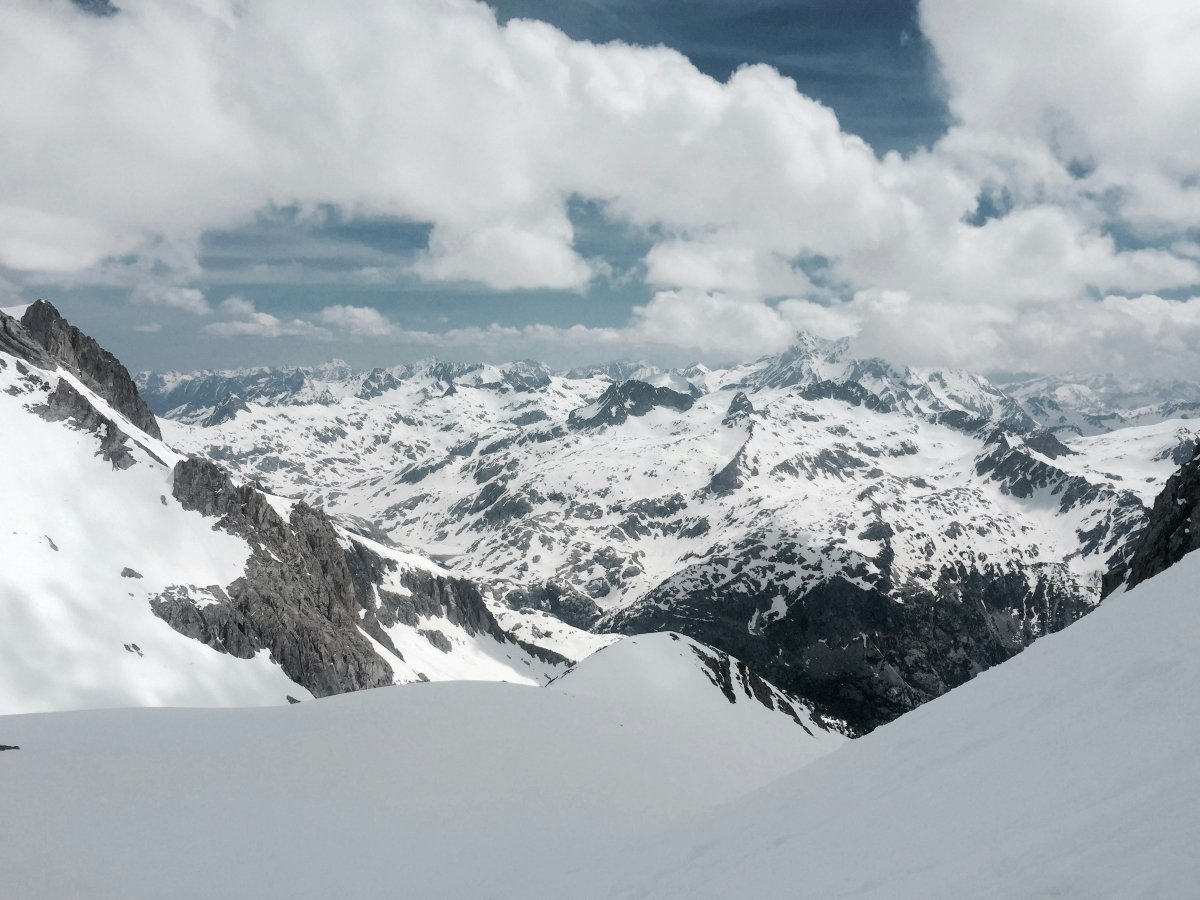


TL;DR: Panticosa-Los Lagos is a stunning high-altitude ski resort in Spain’s Pyrenees with 40km of varied slopes (1,200-2,200m), authentic mountain charm, natural hot springs nearby, and way fewer crowds than Andorra or the French Alps. Perfect for intermediate skiers, families, and anyone craving genuine Spanish mountain culture without the tourist circus.
- Getting There (It’s Easier Than You Think)
- The Mountain: What You’re Actually Here For
- Snow Conditions: The Real Talk
- Beyond Skiing: Why This Place Has Staying Power
- Where to Sleep
- Food: Where Spain Shines
- What It Costs
- The Vibe: What Makes It Special
- Who Should Come Here
- Practical Tips Worth Knowing
- Day Trips and Nearby Attractions
- When to Visit
- The Bottom Line
So you’re thinking about ditching the overpriced, overcrowded mega-resorts for something more… real? Smart move. Let me introduce you to Panticosa-Los Lagos, a ski resort that most international visitors have never heard of—and honestly, that’s part of its magic.
Tucked into the upper Tena Valley in Huesca province, this place sits pretty in the western Pyrenees, where Spain does its best impression of the Alps but with better food, warmer people, and prices that won’t make you weep into your ski gloves.
Getting There (It’s Easier Than You Think)
Flying into Barcelona or Madrid? You’re looking at about a 4-hour drive to reach this mountain paradise. But here’s the insider tip: Zaragoza Airport is your friend—just 2.5 hours away and way less chaotic than Barcelona’s El Prat.
If you’re coming from France, Toulouse is roughly 3 hours north. The drive through the Pyrenees is absolutely spectacular, though winter driving means you’ll want snow chains in your trunk and your wits about you.
The nearest town is Panticosa itself (about 15 minutes downhill), which makes a great base if you want more accommodation options or prefer separating your après-ski from your actual slopes.
The Mountain: What You’re Actually Here For
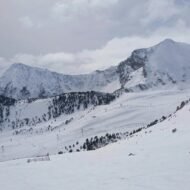
Let’s talk numbers. Panticosa-Los Lagos serves up 40 kilometers of slopes spread across altitudes from 1,200 to 2,200 meters. Not massive by French or Austrian standards, but here’s the thing—quality beats quantity when you’re not spending half your day in lift queues.
Terrain Breakdown
The resort caters brilliantly to intermediates and confident beginners. You’ve got 16 slopes total: 4 greens, 9 blues, and 3 reds. Notice what’s missing? Blacks. This isn’t Chamonix, and the resort doesn’t pretend to be. If you’re an advanced skier hunting for extreme terrain, you might find it limiting—though the off-piste opportunities around the resort bowl can be excellent with proper guidance and conditions.
Families and first-timers, this is your spot. The green and blue runs are genuinely fun (not just boring highways), and the layout means you can progress naturally without terrifying yourself or your kids.
Lift System
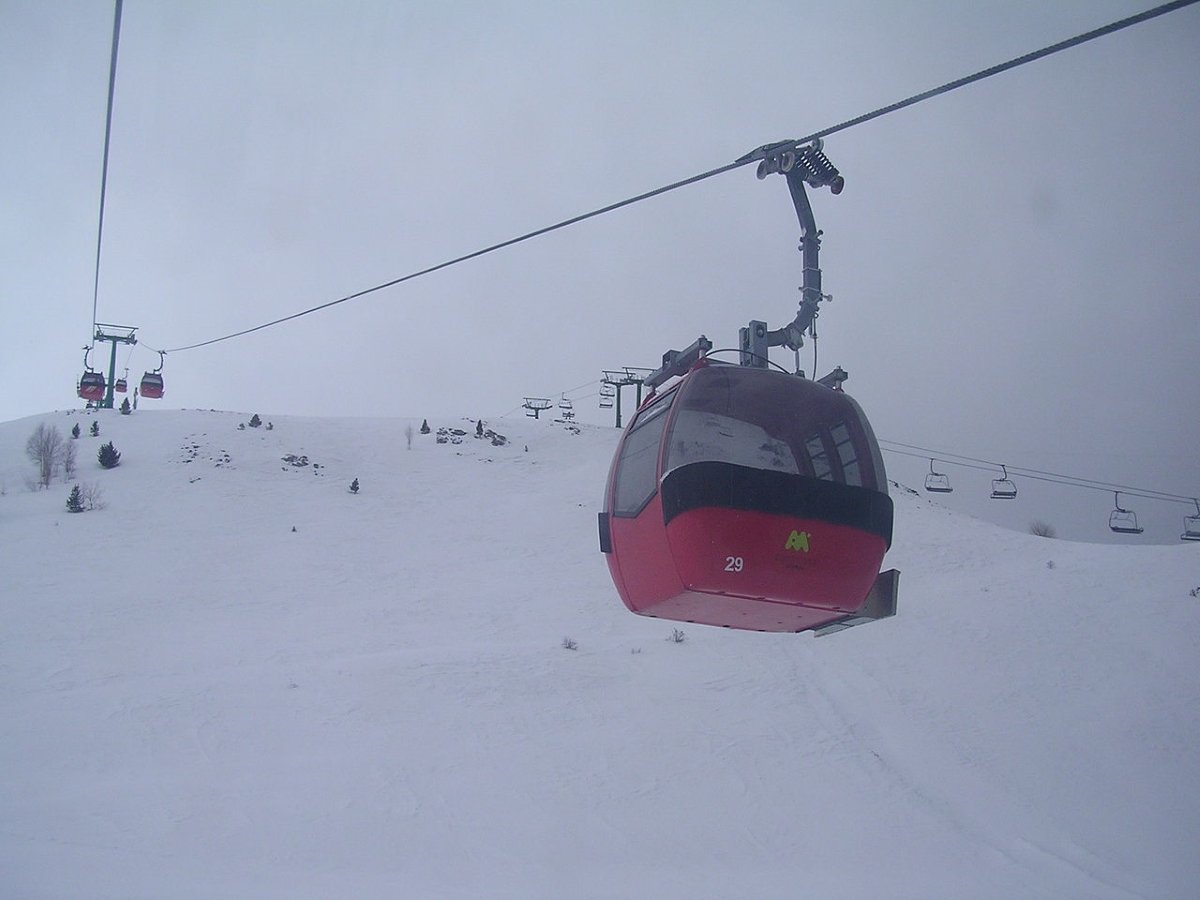
Nine lifts keep things moving, including modern chairlifts and a couple of drag lifts. The infrastructure has seen solid investment over recent years, meaning you’re not riding sketchy Soviet-era relics. Weekend waits can happen during Spanish holiday periods, but we’re talking 10-15 minutes max, not the 45-minute nightmares of more famous resorts.
Snow Conditions: The Real Talk
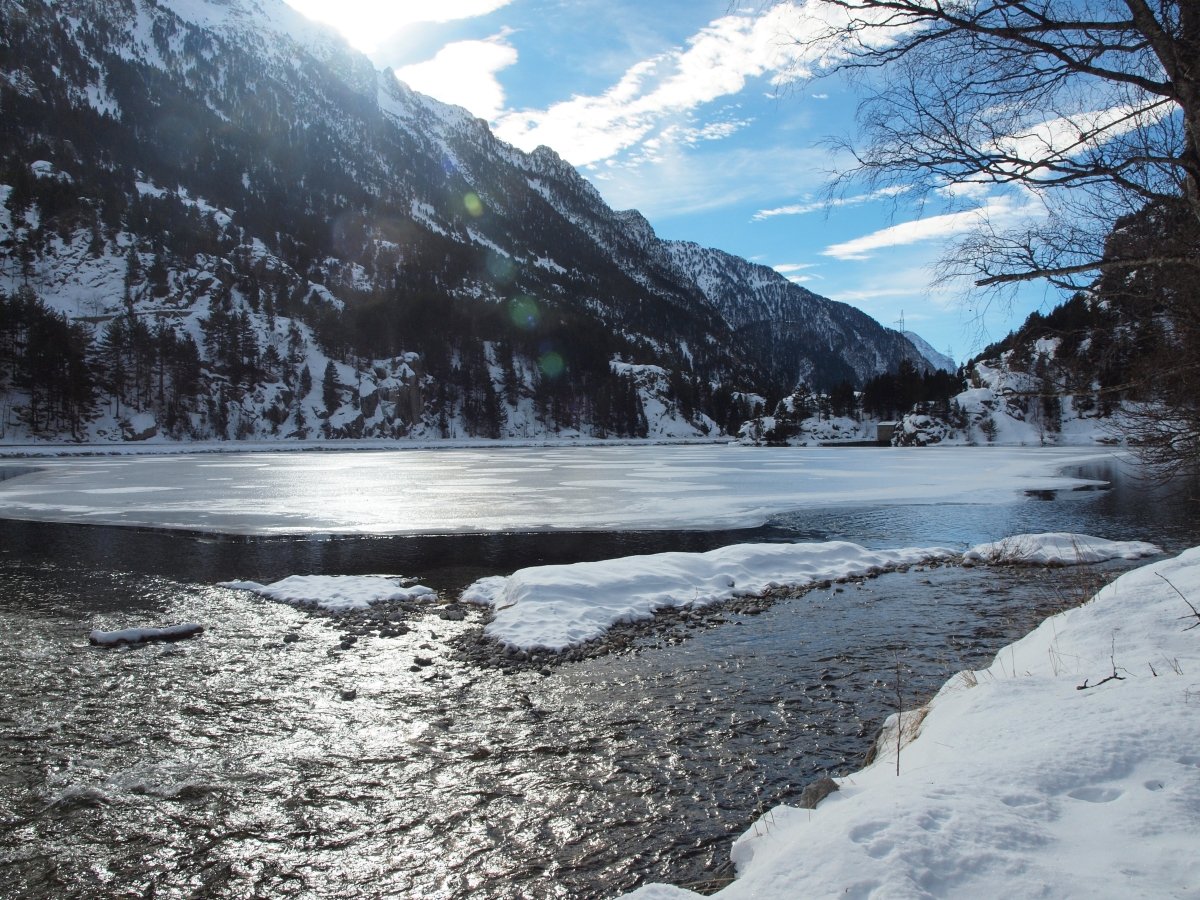
Here’s where you need to manage expectations. At 1,200-2,200m, Panticosa sits lower than many major Alpine resorts. The season typically runs December through March/early April, with the best conditions usually hitting in January and February.
The resort has invested in snow-making equipment across key runs, which helps maintain base layers when Mother Nature gets stingy. That said, this is the Pyrenees—weather can be temperamental. Check snow reports before booking, especially if you’re planning an early or late-season trip.
Climate change hasn’t spared the Pyrenees, so banking on perfect powder from November to May would be optimistic at best.
Beyond Skiing: Why This Place Has Staying Power
The Balneario (Thermal Spa)
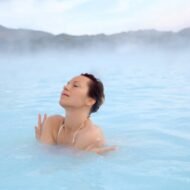
Here’s where Panticosa really separates itself from cookie-cutter ski stations. Just down in Panticosa village, you’ll find the Balneario de Panticosa—a legitimate thermal spa complex with natural hot springs that have been attracting visitors since Roman times.
Picture this: you’ve just spent the day carving up the slopes, your legs are jelly, and now you’re soaking in naturally heated mineral waters while staring at snow-capped peaks. This is the stuff ski trip dreams are made of.
The Belle Époque building housing the main spa is gorgeous, and treatments range from simple thermal baths to full massage packages. Even if you’re not usually a “spa person,” trust me on this one.
Summer Activities
The valley doesn’t shut down when the snow melts. Come summer, you’re looking at:
- Hiking trails galore, from gentle valley walks to serious high-altitude treks
- Mountain biking on converted ski trails and dedicated routes
- Via ferratas for those who like their views with a side of adrenaline
- Climbing on natural rock faces
- Access to the stunning Ordesa y Monte Perdido National Park
The lift system operates in summer too, hauling hikers and bikers up the mountain without the leg-burning ascent.
Where to Sleep
Accommodation at Panticosa-Los Lagos ranges from slope-side hotels to apartment rentals in the village below.
At the resort: You’re paying for ski-in/ski-out convenience, which means higher prices but zero commute. Hotel options tend toward practical rather than luxurious—think functional mountain lodges, not five-star palaces.
In Panticosa village: More variety and better value. You’ll find everything from cozy pensiones to self-catering apartments. The 15-minute drive to the slopes is minimal, and you get more authentic Spanish mountain village vibes.
Booking tip: Spanish school holidays (especially February’s “semana blanca”) fill the place up. Book months ahead for these periods or avoid them entirely if you hate crowds.
Food: Where Spain Shines
Forget sad cafeteria sandwiches. Even mountain restaurants here serve proper food. We’re talking hearty Aragonese cuisine: migas (fried breadcrumbs with meat), ternasco (roast lamb), and mountain stews that’ll fuel you through the afternoon.
Down in Panticosa village, restaurants get even better. This is Spain—even in the mountains, food matters. Expect local cheeses, cured meats, and that magical combination of quality ingredients prepared simply.
Budget tip: Grab bocadillos (Spanish sandwiches) from village bakeries before heading up. They’re massive, delicious, and cost a fraction of mountain restaurant prices.
What It Costs
Let’s talk money. One of Panticosa’s biggest selling points is value. Compared to French mega-resorts or even Andorra’s bigger stations, you’re looking at:
- Lift passes: Roughly €40-50 per day for adults (rates vary by season)
- Equipment rental: Standard skis/boots around €25-35 per day
- Ski school: Group lessons approximately €30-40 per session
- Food: Mountain lunch €12-20, village restaurants €15-30 per person
These are ballpark figures and fluctuate with season and current rates, but the takeaway is clear: your euro stretches further here than at more famous destinations.
The Vibe: What Makes It Special
Panticosa-Los Lagos has something increasingly rare in European skiing: authenticity. This is a Spanish resort serving primarily Spanish visitors, which means:
- Locals actually live here year-round (it’s not a soulless purpose-built station)
- Spanish is the primary language (though English gets you by in tourist-facing businesses)
- Schedules run on Spanish time (long lunches, late dinners—embrace it)
- The atmosphere feels genuinely welcoming rather than transactional
You won’t find international resort glitz or designer boutiques. What you will find is a proper mountain community where skiing happens to be the winter economy, not some manufactured alpine Disneyland.
Who Should Come Here
Perfect for:
- Intermediate skiers wanting quality runs without massive crowds
- Families with kids learning to ski or snowboard
- Couples seeking a romantic mountain escape (hot springs + mountains = win)
- Anyone who values authentic experiences over Instagram-perfect resort scenes
- Budget-conscious skiers who still want good conditions
Maybe skip if:
- You’re an expert skier craving black diamonds and extreme terrain
- You need guaranteed snow from November to May
- You prefer large, bustling resort towns with massive nightlife
- You don’t speak any Spanish and find that frustrating
Practical Tips Worth Knowing
Language: Spanish dominates. Learn basic phrases or download a translation app. Most ski instructors and rental shops have some English, but don’t expect everyone to.
Driving: Winter tires are mandatory in the Pyrenees during ski season. Seriously—Spanish traffic police check, and you’ll get fined without them. Carry chains too.
Connectivity: Mobile coverage is generally good, but some mountain spots get patchy. Download offline maps.
Medical: There’s a medical post at the resort for skiing injuries. Panticosa village has a health center. Serious emergencies go to Huesca hospital (about an hour away).
Accessibility: The resort has made efforts toward accessibility with adapted equipment rentals and some accessible facilities, though the mountain terrain itself presents natural limitations.
Day Trips and Nearby Attractions
The Tena Valley offers plenty beyond Panticosa:
- Formigal-Panticosa (yes, confusing—they’re connected but separate areas): Larger ski area if you want more terrain variety
- Ordesa National Park: One of Spain’s most dramatic natural spaces (summer access)
- Jaca: Historic town with a gorgeous Romanesque cathedral, about 45 minutes away
- French border villages: Cross into France for wine, cheese, and a different cultural flavor
When to Visit
Peak season (Christmas/New Year, February half-term): Best snow, most crowds, highest prices. Book way ahead.
January (excluding holiday weeks): Sweet spot for good conditions, manageable crowds, decent prices.
March: Spring skiing can be lovely—warmer days, softer snow, but less reliable conditions as the season winds down.
Summer (July-August): If you’re a hiker or mountain biker, this is your window. The landscape transforms completely.
The Bottom Line
Panticosa-Los Lagos isn’t trying to compete with Courchevel or St. Moritz, and that’s exactly why it works. This is a resort for people who want to actually ski rather than be seen skiing, who value a good meal and thermal soak as much as vertical meters, and who appreciate that sometimes the best experiences happen in places your friends haven’t posted about yet.
Is it perfect? No resort is. The altitude limitations mean snow can be hit-or-miss outside peak season, and expert skiers might exhaust the terrain in a few days. But for everyone else—the vast majority of us who aren’t competing in the Olympics—Panticosa offers something increasingly precious: a genuine mountain experience that won’t bankrupt you or stress you out.
The Pyrenees have lived in the shadow of the Alps for too long. Places like Panticosa prove that sometimes the best adventures happen off the beaten path, where the locals still outnumber the tourists and you can soak your tired muscles in volcanic hot springs while planning tomorrow’s runs.
Pack your ski gear, brush up on your Spanish, and get ready to discover what skiing in Spain actually feels like. Just maybe keep it to yourself—some secrets are worth protecting.
Quick Reference:
- Altitude: 1,200-2,200m
- Slopes: 40km (4 green, 9 blue, 3 red)
- Lifts: 9
- Season: December-March/early April
- Nearest airports: Zaragoza (2.5h), Barcelona (4h), Toulouse (3h)
- Best for: Intermediates, families, authentic mountain culture
Now get out there and make some turns. The Pyrenees are waiting.





, authentic charm)