


TL;DR – Hit the Highlights
Looking for a slice of authentic Spanish coastline without the Ibiza crowds? Puerto de Vega is your answer. This charming fishing village in Navia, Asturias delivers stunning cliffs, fresh seafood, hidden beaches, and the kind of slow-travel vibes that make you forget your Instagram password. Whether you’re a hikerboho foodie, adventure seeker, or just someone who wants to breathe in actual sea air, Puerto de Vega punches way above its weight. Best visited late spring through early fall, though shoulder seasons bring their own moody magic.
- TL;DR – Hit the Highlights
- Why Puerto de Vega Should Be On Your Radar
- Know Before You Go
- The Main Attractions (Because You Didn’t Come for the Gift Shop)
- Playa de Puerto de Vega – The Classic Beach
- Playa de Vega – The Secret Sibling
- Coastal Path (Senda del Litoral) – Hiking Heaven
- Navia Town – 5 Minutes Away, Totally Different Vibe
- Local Fishing Culture – The Real Attraction
- Food, Glorious Food (The Real Reason You’re Here)
- Activities Beyond the Beach
- Where to Stay
- Getting Around
- Money Matters & Practical Stuff
- The Weather Reality Check
- Day Trips & Broader Exploration
- Sustainability & Responsible Tourism
- Potential Challenges (The Honest Bits)
- The Recap
- Disclaimer
- Final Thought
Why Puerto de Vega Should Be On Your Radar
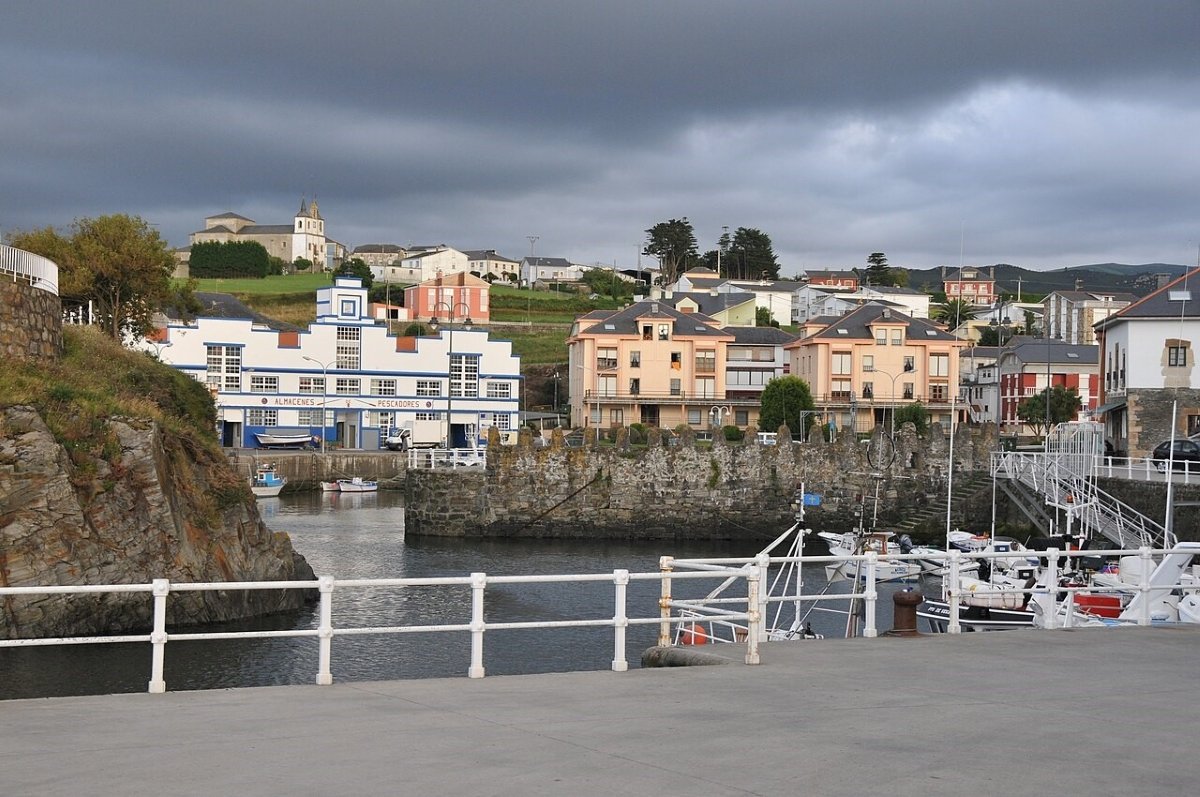
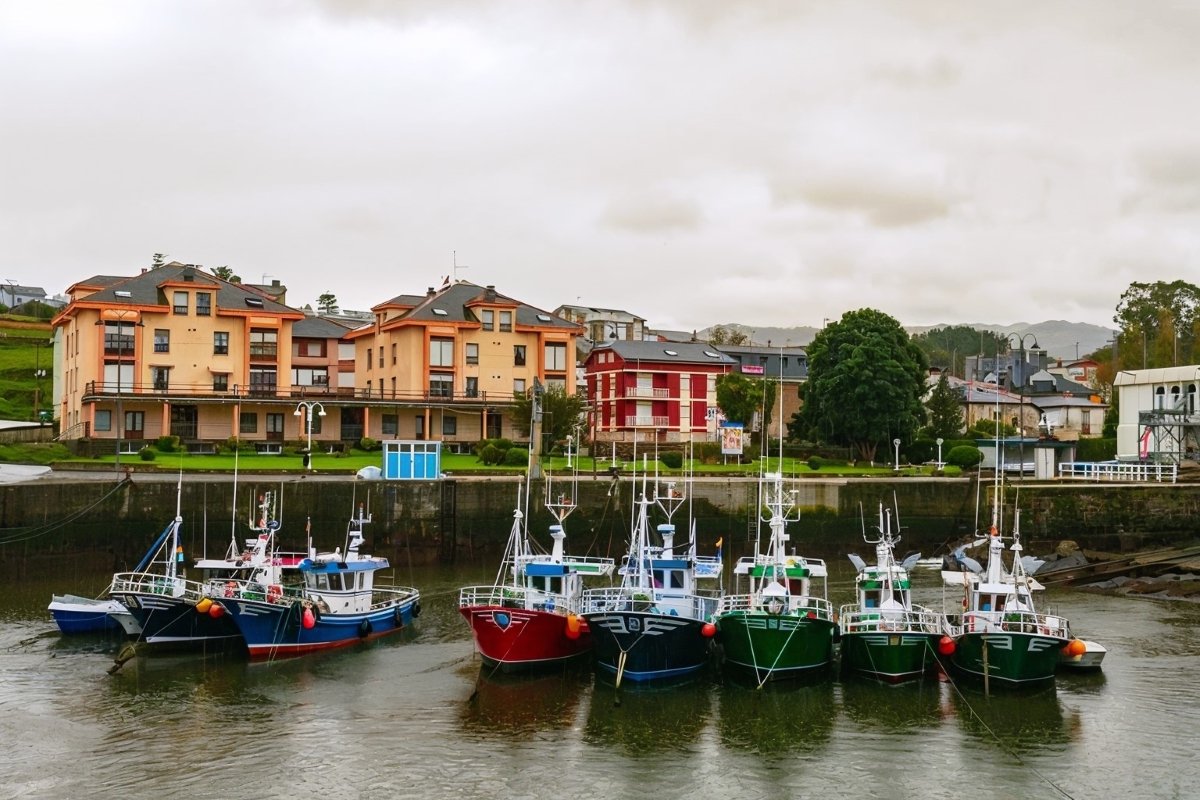
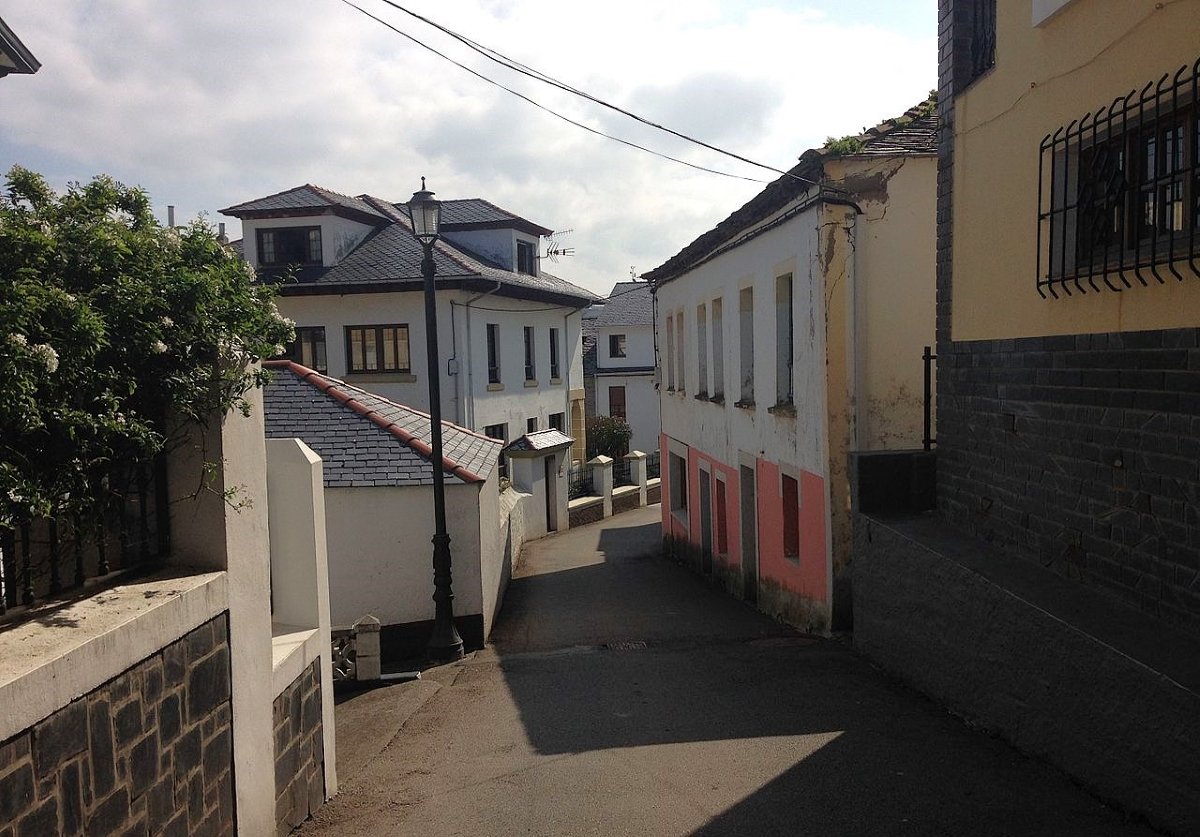
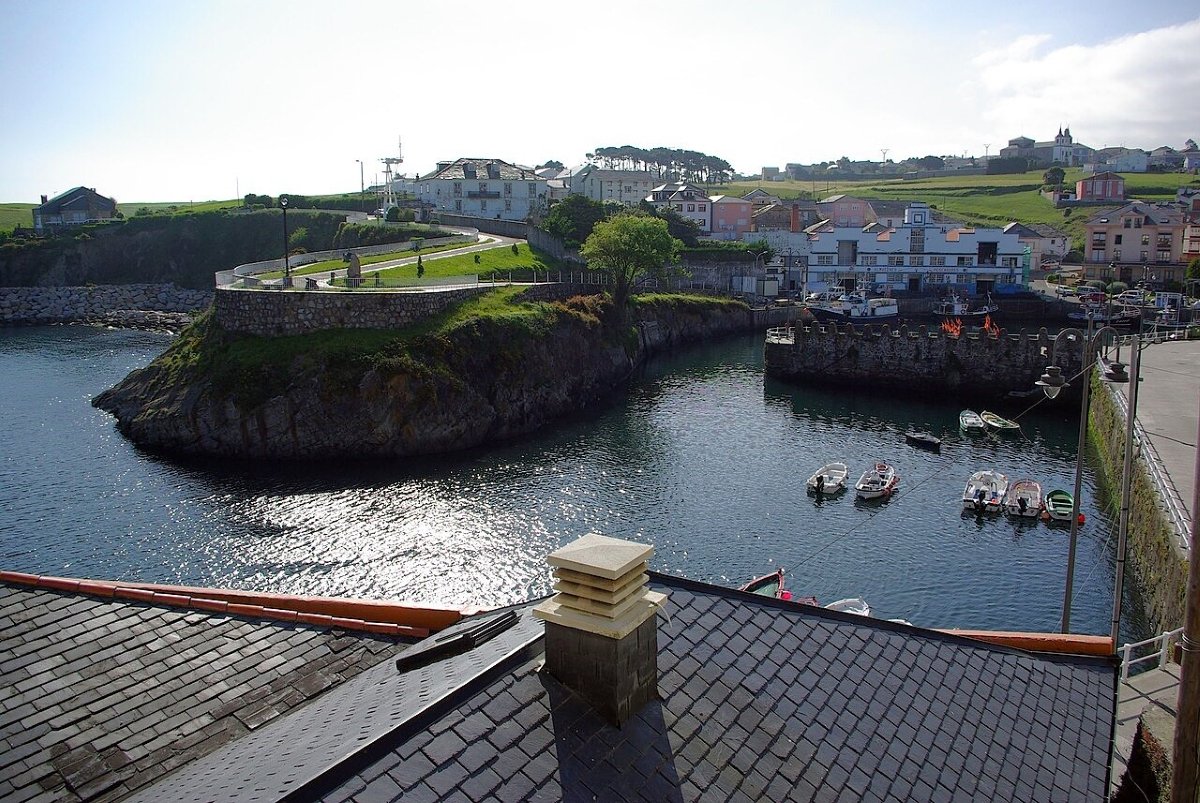
Tucked into the northern coast of Spain, Puerto de Vega isn’t your typical tourist trap. It’s a working fishing village where locals still haul in the day’s catch, where the seafood isn’t “rustic-inspired” but genuinely rustic, and where you can walk an entire beach without stepping over a single vacation rental advertisement.
The real draw? Dramatic coastal cliffs that rival anything you’ll find in Galicia or Portugal, a network of accessible hiking trails that don’t require mountaineering credentials, and the kind of local warmth that makes you want to extend your stay by at least a week.
Plus, it’s just under 90 minutes from Oviedo and under two hours from Bilbao, so it’s perfectly positioned for a long weekend escape or as part of a broader Asturian adventure.
Know Before You Go
| Factor | The Details | Pro Tip |
|---|---|---|
| Best Time to Visit | May–September (warm, dry, village alive); April & October (fewer tourists, moody weather) | Book accommodations in July–August early; February–March gets proper rainy and quiet |
| Getting There | Via Navia (5 km, 10 min drive); nearest major city is Oviedo (90 min); Bilbao airport (2 hr) | Rent a car—public transport is limited once you arrive |
| Language | Spanish & some Asturian; English spoken in tourist-friendly spots but not guaranteed | Learn “gracias,” “por favor,” and “una caña, por favor” (a local beer); locals appreciate effort |
| Currency & Costs | EUR; meal €8–15, mid-range hotel €60–90/night, activities mostly free–€15 | Small village = fewer ATMs; bring cash for local bars and beach vendors |
| Beach Conditions | Atlantic waters (cold year-round), strong currents possible, lifeguards in summer | Swim May–September; even then, a 5mm wetsuit keeps you comfortable |
| Accessibility | Coastal paths mostly accessible; some trails have steep sections; village center navigable | Limited wheelchair-accessible bathrooms; call ahead to accommodations |
| Crowds | Virtually empty January–April; busy mid-July to mid-August; sweet spot = May–June or September | Peak crowds = still fewer than a London pub at happy hour |
| What to Pack | Waterproof jacket, layers, sturdy walking shoes, sunscreen, swimsuit, camera | Atlantic coast weather changes hourly; expect sun, wind, and rain in one morning |
The Main Attractions (Because You Didn’t Come for the Gift Shop)
Playa de Puerto de Vega – The Classic Beach
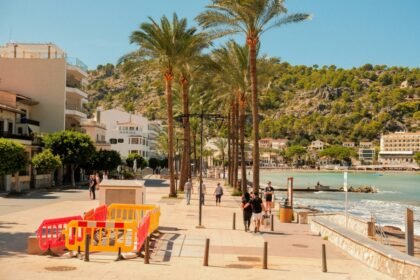
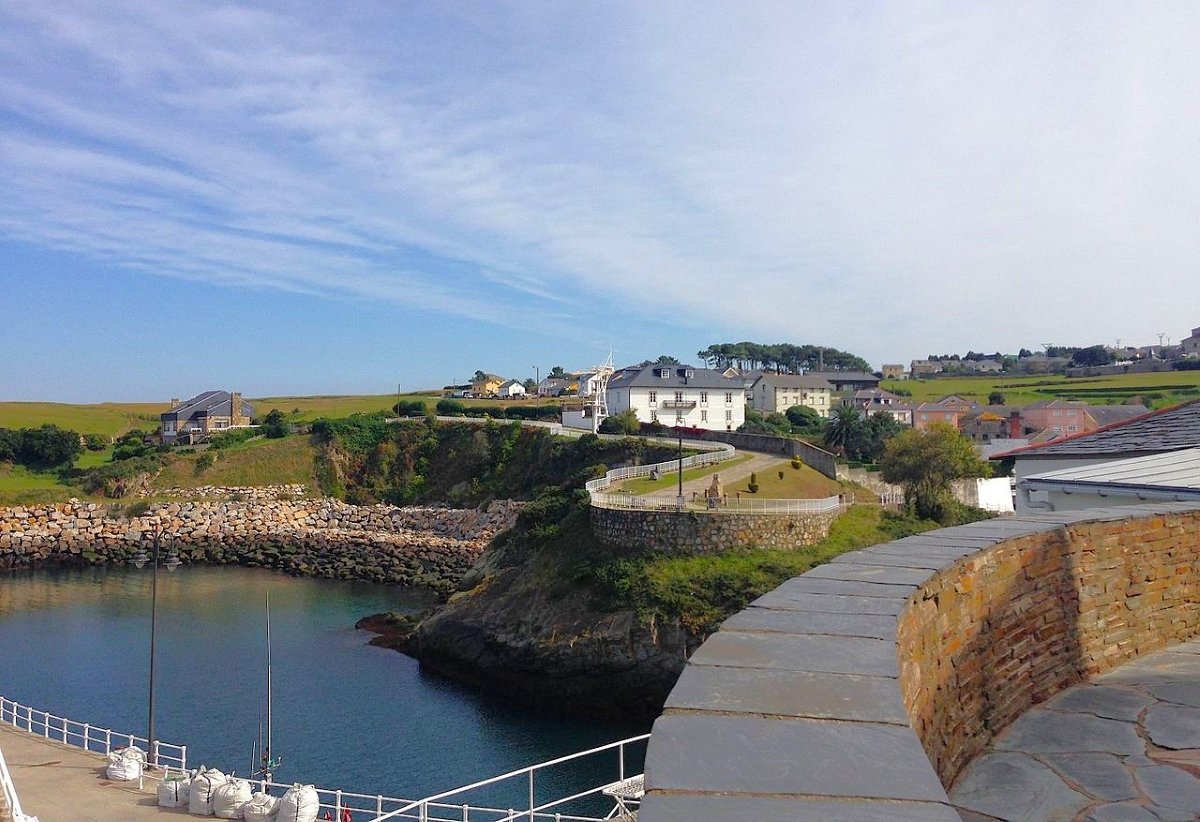
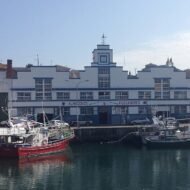
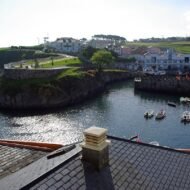
This crescent of sand is where the village’s soul lives. Framed by limestone cliffs on both sides, it’s intimate without feeling claustrophobic. The beach has a working fishing fleet, which sounds charmingly chaotic and absolutely is. Early morning visits reward you with fishermen bringing in their catch—great for photography, better for understanding the village’s rhythms.
The water’s frigid (55–64°F depending on season), but that doesn’t stop locals and hardy visitors. If you’re not a polar plunge enthusiast, the beach is perfect for long walks, skipping rocks, and people-watching from the promenade cafés.
Visitor vibe: Family-friendly, low-key, authentically Spanish.
Playa de Vega – The Secret Sibling
A 15-minute walk west along the coastal path gets you to this quieter beach. Sandier, less developed, more “discovering your own beach” energy. Locals tend to congregate here during summer. It’s the kind of place where time doesn’t exist, and that’s exactly the point.
Visitor vibe: Peaceful, intimate, perfect for those who hate crowds.
Coastal Path (Senda del Litoral) – Hiking Heaven
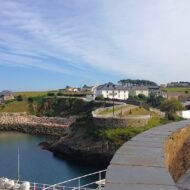
Asturias’ coastal trail system is phenomenal, and Puerto de Vega sits smack in the middle of it. The Navia Coastal Path stretches for kilometers in both directions, offering:
- Moderate 2-hour loops with breathtaking cliff views
- Panoramic viewpoints where you half-expect a Game of Thrones dragon to emerge
- Access to hidden coves and smaller beaches inaccessible by road
- Wildlife spotting (seabirds, occasionally dolphins from shore)
The path is well-marked, mostly coastal, and doesn’t require technical climbing skills. Wear proper shoes, bring water, and go early to avoid afternoon crowds (not that there are many).
Pro move: Start from Puerto de Vega and walk east toward Navia for the best viewpoint concentration. Return via the same route or arrange a pickup at a further village.
Navia Town – 5 Minutes Away, Totally Different Vibe
The actual municipality of Navia sits 5 km inland. It’s got markets, more restaurants, supermarkets, and actual infrastructure. Not touristy, just functional. Visit for supplies, a proper sit-down meal, or if your accommodation is here (it might be—more options than Puerto de Vega itself).
Visitor vibe: Working Spanish town, no frills, authentic.
Local Fishing Culture – The Real Attraction
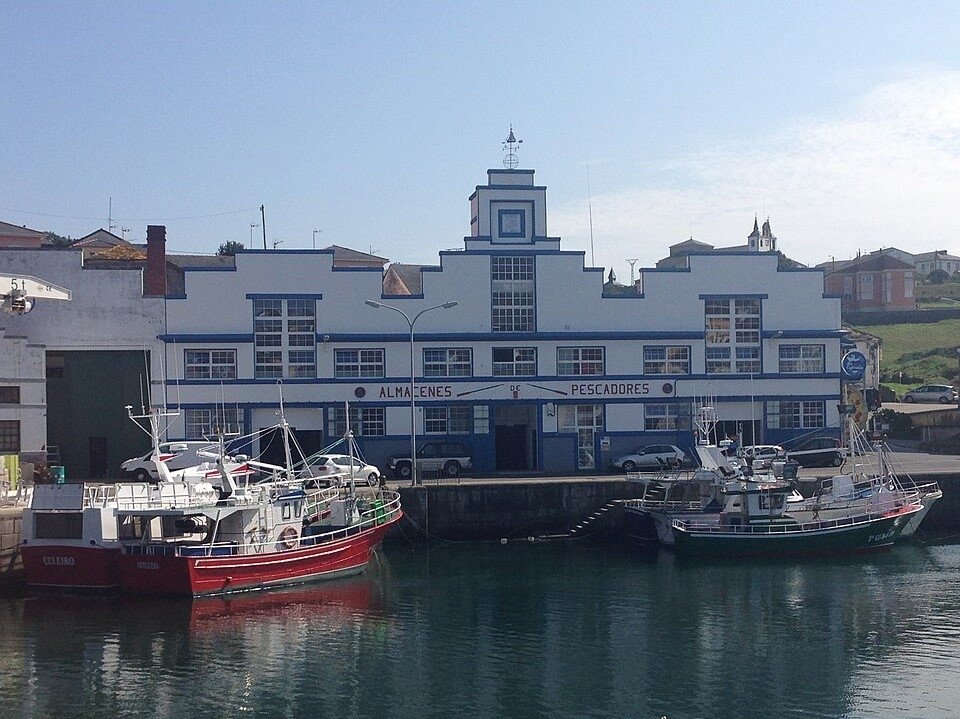
Skip the tourist trap museums. The actual attraction is watching boats come in, chatting with fishermen (if they’re not annoyed at you), and eating whatever they caught today at a harborfront restaurant. This is living history, not curated culture.
Visit the fish market (if there is one open to public) or simply grab a seat at a bar and observe. You’ll understand the village’s heartbeat in two minutes.
Food, Glorious Food (The Real Reason You’re Here)
Puerto de Vega’s seafood isn’t Instagram aesthetics—it’s survival-level delicious. Expect:
What to Eat
- Percebes (goose barnacles): Expensive, weird-looking, absolutely worth it if you find them. Boiled simply, they taste like the ocean made love to butter.
- Local white fish (merluza, bacalao): Grilled, fried, or in stews. You cannot mess this up in Asturias.
- Empanada: Galician-style pastry that’s secretly Portuguese but tastes Spanish—don’t overthink it, just eat it.
- Fabada Asturiana: A bean stew that’ll stick to your ribs for three days. Perfect after a long hike.
- Cider (sidra): Local, slightly fizzy, deceptively strong. Asturians pour it from overhead for aeration. Try it.
Where to Eat (No Tourist Trap Promises)
Look for small harborfront restaurants run by locals. They won’t have English menus. They’ll serve what they caught that morning. Average cost: €10–18 for a main course. These places don’t need TripAdvisor validation—they’ve been feeding the same fishermen for decades.
Pro tip: Ask locals where they eat. That’s your restaurant.
Activities Beyond the Beach
Kayaking & Water Sports
Several outfitters in the Navia region offer kayaking along the coast. paddling under these cliffs is surreal—prepare for your phone to overheat from too many photos.
Cost: €35–50 per person for a guided tour.
Photography
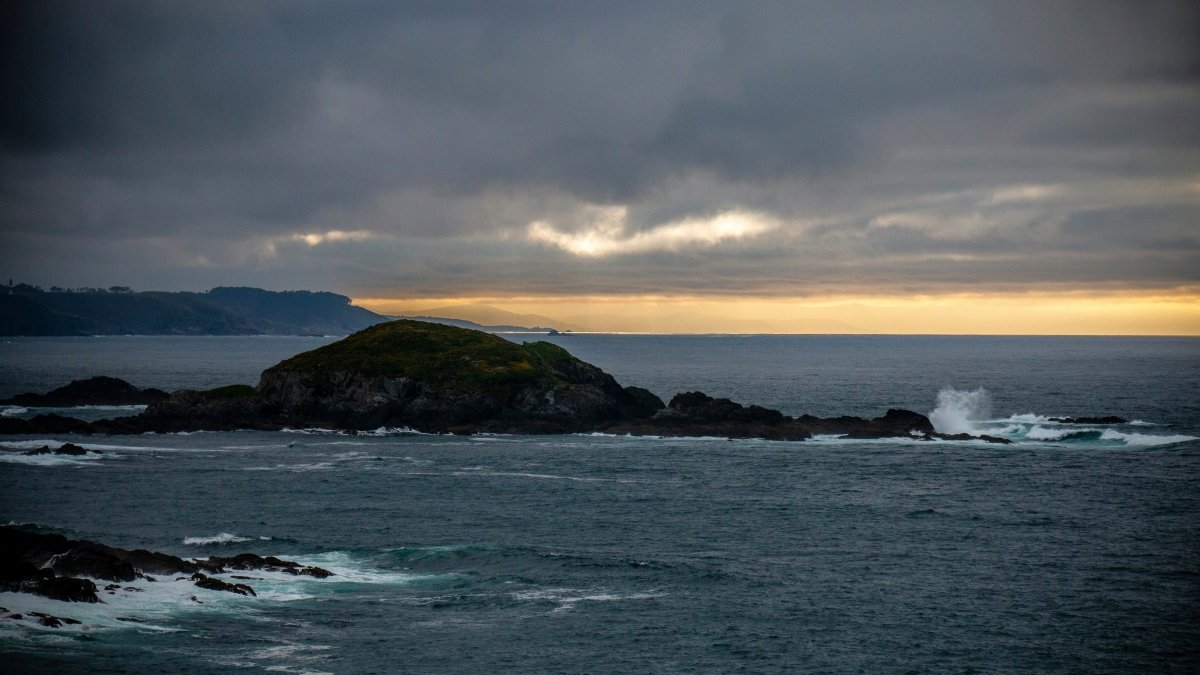
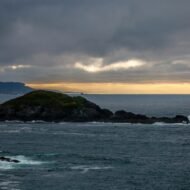
If you’re into it, this place is chef’s kiss. Golden hour light on limestone cliffs, fishing boats silhouetted against sunsets, storm clouds rolling in—it’s all here. No filter needed (but your Instagram won’t complain).
Foraging & Nature Walks
Local guides occasionally organize foraging walks or nature tours. Ask at your accommodation. Cost varies, but expect €25–40 per person.
Simply Existing (The Best Activity)
There’s something therapeutic about doing absolutely nothing in a place this beautiful. Sit at a café, order a coffee or beer, watch the fishing boats, breathe in salt air, and let your nervous system finally relax. This is the real cure.
Where to Stay
In Puerto de Vega Itself
Small guesthouses and apartments run by locals. You’ll likely book through Airbnb or similar. Quality varies, but prices are reasonable (€50–100/night for a decent room).
What to look for: Harbor views, proximity to the beach, local ownership (they give better tips).
In Navia (5 km Away)
More options, slightly better infrastructure. Still charming, just with more amenities. €50–80/night.
The Splurge Option
A few upmarket rural hotels dot the broader Navia region. €100–150/night for comfort with character.
Inclusive note: Call ahead regarding accessibility needs. Small villages aren’t always equipped, but locals are usually creative problem-solvers and genuinely want to help.
Getting Around
By Car (Recommended)
Renting a car gives you freedom to explore the broader Asturian coast. Gas is reasonable by European standards. Roads are good.
Rental cost: €30–50/day for a basic car.
By Public Transport
Bus services connect Navia to larger towns. Frequency is decent but not frequent enough for real flexibility. Doable if you’re patient; limiting if you’re not.
On Foot
The village is entirely walkable. Hiking trails extend for kilometers. Good shoes = good life.
Money Matters & Practical Stuff
- ATMs: In Navia; bring cash for Puerto de Vega’s smaller establishments
- Restaurants & Bars: Accept card; small vendors prefer cash
- Tipping: Not mandatory; 5–10% for good service is appreciated
- Wifi: Accommodations have it; restaurants hit-or-miss
- Phone Coverage: Good 4G in the area
- Pharmacies: In Navia; ask your accommodation for nearest one
The Weather Reality Check
Asturias is called the “Green Spain” for a reason—it rains. A lot. Especially October–March.
Summer (June–August): 18–22°C (64–72°F), mostly dry, occasional Atlantic storms.
Spring/Fall (April–May, September): 12–16°C (54–61°F), moody, beautiful, unpredictable.
Winter (November–March): 8–12°C (46–54°F), rainy 60% of the time, still beautiful if you embrace it.
Pack layers and a waterproof jacket year-round. Seriously. You’ll thank yourself.
Day Trips & Broader Exploration
If you’re staying a few days, branch out:
- Cudillero (30 min): Postcard-perfect fishing village with multicolored houses stacked like a toddler’s blocks.
- Oviedo (90 min): Real city with culture, museums, and excellent restaurants.
- Picos de Europa (2 hrs): UNESCO-listed mountain park with serious hiking.
- Gijón (90 min): Beach city vibe with excellent food scene.
Sustainability & Responsible Tourism
This is a working fishing village, not a theme park. Travel mindfully:
- Buy from local businesses; skip chain restaurants
- Support fishermen by eating what they catch
- Take your trash with you on hikes
- Don’t photograph people without asking
- Learn basic Spanish greetings; it’s respectful
- Respect fishing operations—don’t block boats or interrupt work
- Swim only in designated areas during season
Potential Challenges (The Honest Bits)
Language Barrier
English isn’t widely spoken. Bring a translation app; embrace the awkward conversations.
Limited Nightlife
If you’re expecting clubs and late-night bars, this isn’t it. This is early dinners and early bedtimes—which honestly, is the appeal.
Accommodation Scarcity
Only so many beds. Book ahead, especially July–August.
Weather Unpredictability
You might book a week and get four rainy days. That’s Asturias. Embrace it.
Accessibility Gaps
Not all paths are wheelchair accessible. Call ahead. Locals are helpful, infrastructure less so.
The Recap
Puerto de Vega delivers what modern travel craves but rarely finds: authenticity, beauty, excellent food, and the gift of genuine disconnection. It’s not glamorous. It’s not instilled with luxury. It’s real—working fishing boats, crashing waves, local dialects, and the kind of simple contentment that comes from good seafood, good company, and no Wi-Fi notifications.
You’re not paying for Instagram moments (though they exist). You’re paying for actual experience. The kind that sticks with you long after you’ve unpacked.
Go in May or September for the sweet spot: weather’s good, prices are reasonable, and you won’t fight crowds for that perfect cliff photo.
Disclaimer
This guide reflects the state of Puerto de Vega as of 2026. Restaurants, accommodations, and services change. Always confirm hours, availability, and accessibility before traveling. Weather in coastal northern Spain is unpredictable—pack accordingly and check forecasts before hiking. This guide is informational; always follow local regulations, respect private property, and prioritize safety on coastal trails. Prices are approximate and subject to change. The author assumes no responsibility for your dining choices or soaked socks.
Final Thought
Travel isn’t always about doing more. Sometimes it’s about doing less—less rushing, less planning, less performance. Puerto de Vega is that place. It’s where you remember why you fell in love with travel in the first place.
Your next favorite memory? It might smell like salt, sound like fishing boats, and taste like percebes. Go find out.