




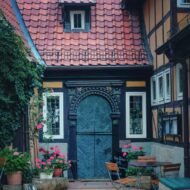

TL;DR: Quedlinburg is a UNESCO World Heritage fairy-tale town with over 2,000 half-timbered houses, spectacular castle views, and enough medieval charm to make Disney jealous. Perfect for history buffs, Instagram enthusiasts, and anyone who’s ever dreamed of walking through a living postcard.
- Why Quedlinburg Should Be on Your Bucket List
- Getting There: Your Journey to the Middle Ages
- Where to Stay: From Castle Dreams to Budget-Friendly Gems
- Luxury: Romantik Hotel am Brühl
- Mid-Range: Best Western Hotel Schlossmühle
- Budget-Friendly: Alte Druckerei
- Unique Experience: Schlosshotel zum Markgrafen
- Must-See Attractions: Where History Comes Alive
- Quedlinburg Old Town (Altstadt)
- Collegiate Church of St. Servatius
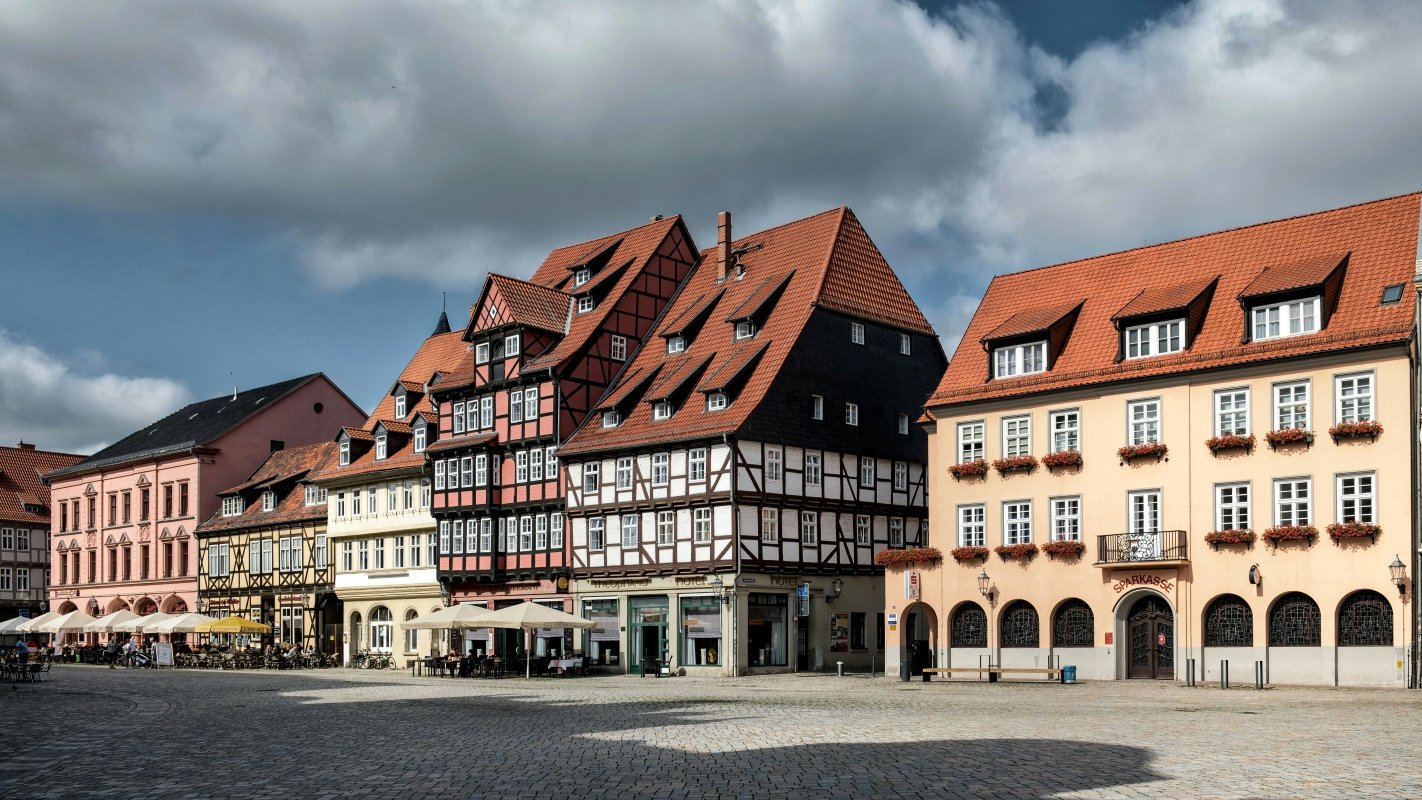
- Market Square (Marktplatz)
- Münzenberg Hill
- Castle Hill (Schlossberg)
- Church of St. Wipert
- Food & Drink: Fueling Your Medieval Adventure
- Activities: Beyond Just Wandering (Though Wandering is Great)
- Practical Tips: Making the Most of Your Visit
- Day Itineraries: Making Every Hour Count
- Beyond Quedlinburg: Day Trip Options
- Accessibility and Inclusivity
- Final Thoughts: Why Quedlinburg Will Steal Your Heart
Welcome to Quedlinburg – where every cobblestone tells a story and every corner looks like it was designed by someone with a serious case of medieval nostalgia. This isn’t just another German town; it’s a 1,000-year-old time capsule that somehow managed to survive wars, communism, and the temptation to modernize into bland shopping centers.
Why Quedlinburg Should Be on Your Bucket List
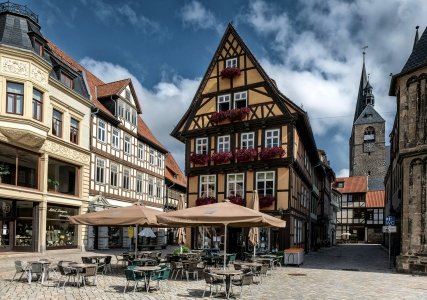
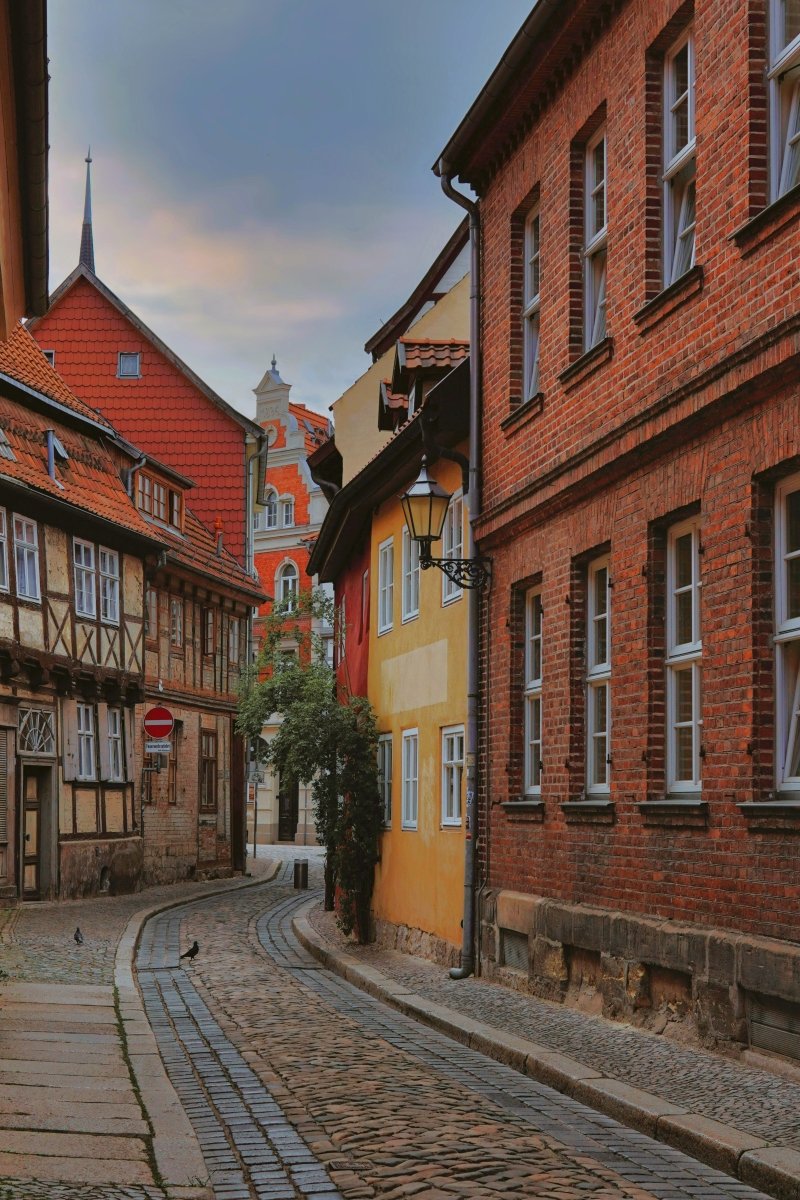
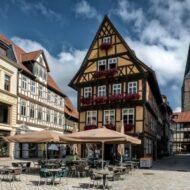
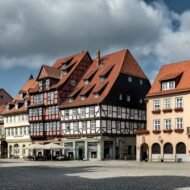
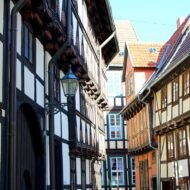
Picture this: You’re wandering through narrow cobblestone streets lined with colorful half-timbered houses that lean toward each other like old friends sharing secrets. Above you, a magnificent Romanesque church crowns a hill, while around you, locals go about their daily business in buildings that predate your entire country. That’s Quedlinburg in a nutshell – a place where the past and present dance together in perfect harmony.
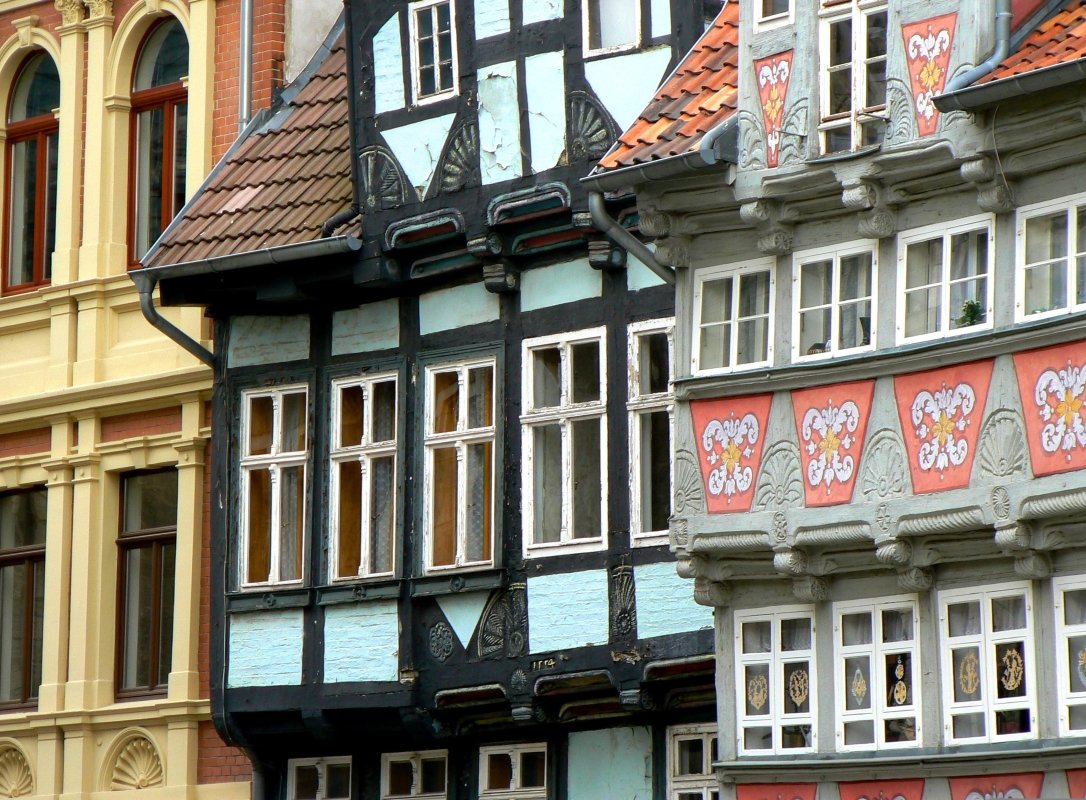
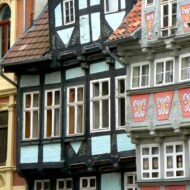
This UNESCO World Heritage site boasts more than 2,069 half-timbered buildings from eight different centuries, making it one of Europe’s most complete medieval townscapes. But here’s the kicker: it’s not a museum. Real people live here, work here, and have been keeping this place alive for over a millennium.
Getting There: Your Journey to the Middle Ages
By Train
Forget the stress of driving – trains are your best friend here. From Berlin, it’s roughly 3.5 hours with one transfer in Magdeburg. The journey itself is scenic, and you’ll arrive feeling relaxed rather than road-raged. Just remember, Quedlinburg’s main train station sits about a kilometer outside the city center, so pack light or embrace the short walk as your first taste of German efficiency.
By Car
If you’re committed to four wheels, take the A36 motorway – it’s your main highway lifeline. The B6 leads directly into town, and here’s some good news that’ll make budget travelers weep with joy: parking is incredibly affordable! Many streets offer free parking, and paid lots cost around €2 per day. Yes, you read that right – €2 per day in Germany!
Best Time to Visit
Summer brings sunny skies and perfect walking weather, but it also brings crowds. Winter offers the magical Christmas markets (first three weekends of Advent) when over twenty courtyards open their doors for festive shopping. Spring and fall hit that sweet spot of pleasant weather and fewer tourists – ideal for those Instagram shots without strangers’ elbows in your photos.
Where to Stay: From Castle Dreams to Budget-Friendly Gems
Luxury: Romantik Hotel am Brühl
For those who want to live their best medieval life, this historic hotel delivers romance in spades. Perfect for couples or anyone who doesn’t mind explaining why they’re checking into a romantic hotel solo (it happens to the best of us).
Mid-Range: Best Western Hotel Schlossmühle
Solid, reliable, and well-located – everything you need without breaking the bank. Great breakfast and friendly staff who actually seem happy to see you.
Budget-Friendly: Alte Druckerei
A charming guesthouse that proves you don’t need to spend a fortune to sleep somewhere with character.
Unique Experience: Schlosshotel zum Markgrafen
Sleep in an actual castle. Because when in a medieval town, why not go full medieval?
Must-See Attractions: Where History Comes Alive
Quedlinburg Old Town (Altstadt)
This is the main event – a living, breathing medieval masterpiece. The narrow streets wind like ancient rivers, and every building has personality. Take your time here; this isn’t a place to rush through with a camera and a schedule.
Collegiate Church of St. Servatius
Perched dramatically on Castle Hill, this Romanesque architectural masterpiece houses one of Germany’s most important cathedral treasures. The church dates back to 1070-1129 and contains precious medieval artifacts, including the famous Servatius Reliquary from the 10th century and the Heinrich Comb made of ivory.
Market Square (Marktplatz)
The heart of town, featuring the stunning Renaissance Town Hall with its ivy-covered facade (especially beautiful in summer) and the 2.75-meter-tall Roland statue – a sandstone knight symbolizing the town’s historic rights.
Münzenberg Hill
Climb this hill for the postcard-perfect view of Quedlinburg. It’s the shot you see on every brochure, especially gorgeous at sunset. The hill itself is like a mini-village with 65 mostly two-story half-timbered houses.
Castle Hill (Schlossberg)
Home to the Renaissance castle and offering panoramic views over the town and surrounding Harz Mountains. There’s also a small herb garden on the premises – perfect for a peaceful moment away from the crowds.
Church of St. Wipert
Don’t miss this 10th-century gem with its remarkably preserved crypt. It’s surprisingly large but refreshingly simple, offering a stark contrast to the ornate collegiate church.
Food & Drink: Fueling Your Medieval Adventure
Must-Try Local Spots
Lüdde Brauhaus: This brewery dating back to 1807 is famous for its brown beer and hearty German fare. The portions are enormous, the atmosphere is cozy, and the beer garden is perfect for summer evenings. Pro tip: Try their Flammkuchen (German flatbread pizza) – it’s huge and delicious.
Schiller’s: Named after the famous German writer, this taverna-style restaurant offers diverse dishes in a scenic medieval courtyard with high-rounded ceilings. Great for both traditional German food and international options.
Historic Courtyard Restaurants: Many restaurants are tucked into beautiful medieval courtyards. Don’t be afraid to venture through narrow passages – some of the best dining experiences hide behind unassuming doorways.
Local Specialties
- Regional brown beer (Quedlinburger Bier)
- Flammkuchen (German flatbread)
- Traditional German sausages and schnitzel
- Local seasonal dishes featuring Harz Mountain ingredients
Budget-Friendly Options
The town offers plenty of casual eateries and cafes perfect for a quick lunch between sightseeing. Look for places offering daily specials – they’re usually excellent value and authentically local.
Activities: Beyond Just Wandering (Though Wandering is Great)
Walking Tours
Join a guided city walk to uncover hidden stories and architectural details you might miss on your own. Local guides know the best photo spots and can share tales that bring the medieval streets to life.
Harz Narrow Gauge Railway
Take a unique ride on the historic steam train that leads to Brocken, the highest peak in the Harz Mountains. It’s one of Germany’s most scenic train routes and reaches the highest train station in the country.
Cycling Adventures
Rent a bike and explore the rolling countryside around Quedlinburg. Routes vary from easy to moderate, perfect for discovering hidden villages and local viewpoints rarely seen by tourists.
Christmas Markets (December)
If you’re visiting during the first three weekends of Advent, you’re in for a treat. Over twenty of Quedlinburg’s most beautiful courtyards open their doors, creating an enchanting Christmas shopping experience.
Art and Culture
- Lyonel Feininger Gallery: Houses the most extensive collection of prints by the famous German-American artist
- Klopstock House: Birthplace of poet Friedrich Gottlieb Klopstock, now a museum
- North Harz Theatre: For evening entertainment
- Quedlinburg Music Summer: Annual music festival
Practical Tips: Making the Most of Your Visit
Getting Around
Quedlinburg is perfectly walkable – in fact, walking is the only way to truly experience it. The old town is compact, and everything is within easy walking distance. Just wear comfortable shoes; those cobblestones are charming but not always foot-friendly.
Money Matters
Many restaurants accept cards, but some have minimum amounts (often €30). It’s wise to carry some cash for smaller purchases and tips.
Language
While German is the local language, many people in the tourism industry speak English. Don’t be afraid to try a few German phrases – locals appreciate the effort, and you might make some friends.
Photography Tips
- Golden hour (sunrise/sunset) on Münzenberg Hill for the classic Quedlinburg shot
- Early morning in the old town for fewer crowds
- The view from Castle Hill offers panoramic perspectives
- Courtyards and narrow alleys provide intimate architectural details
What to Pack
- Comfortable walking shoes (essential for cobblestones)
- Camera or smartphone with plenty of storage
- Light jacket (even in summer, evenings can be cool)
- Portable phone charger for all that photography
Day Itineraries: Making Every Hour Count
One Day in Quedlinburg
Morning: Start at Market Square, visit the Town Hall and Roland statue, then wander through the old town streets Midday: Climb Castle Hill to visit the Collegiate Church and enjoy the views Afternoon: Explore Münzenberg Hill for the best panoramic photos Evening: Dinner at a traditional restaurant with outdoor seating
Two Days in Quedlinburg
Day 1: Follow the one-day itinerary Day 2: Visit the Feininger Gallery and Klopstock House, take the steam train to Brocken, explore the surrounding countryside by bike
Beyond Quedlinburg: Day Trip Options
Wernigerode (30km west)
Another stunning half-timbered town with a fairy-tale castle
Goslar (45km southwest)
A UNESCO World Heritage site with impressive medieval architecture
Halberstadt (14km north)
Historic town with beautiful cathedral and rich cultural heritage
Gernrode
Small spa town in the Harz Mountains, famous for its 10th-century St. Cyriakus church
Accessibility and Inclusivity
Quedlinburg welcomes travelers of all backgrounds and abilities, though the medieval streets and cobblestones can present challenges for those with mobility issues. Many main attractions are accessible, and the local tourist office can provide specific accessibility information. The town’s restaurants and hotels are increasingly inclusive, offering vegetarian and vegan options alongside traditional German fare.
Final Thoughts: Why Quedlinburg Will Steal Your Heart
Quedlinburg isn’t just a destination; it’s a feeling. It’s the sensation of stepping back in time without losing modern comforts. It’s discovering that fairy tales can be real, that history doesn’t have to be boring, and that sometimes the most extraordinary experiences come in the smallest packages.
Whether you’re a history enthusiast fascinated by medieval architecture, a photographer hunting for that perfect shot, or simply someone who appreciates beauty and authenticity, Quedlinburg delivers. It’s a place where every street corner reveals something new, where locals still wave from their ancient windows, and where you’ll find yourself walking slower just to make the magic last a little longer.
So pack your bags, charge your camera, and prepare to fall in love with one of Germany’s best-kept secrets. Quedlinburg is waiting to show you that sometimes, the most incredible journeys happen not by traveling far, but by traveling deep into the heart of history itself.
Have you visited Quedlinburg? Share your experiences and tips in the comments below! And don’t forget to follow us for more hidden gems across Germany and Europe.