


TL;DR: Costa Vicentina Natural Park offers dramatic cliffs, pristine beaches, incredible hiking, and authentic Portuguese coastal culture. Best visited April-October, with highlights including Cabo de São Vicente, surfing at Sagres, and the coastal trail. Budget €50-150/day depending on your style.
- What Makes Costa Vicentina So Special?
- When to Visit: Timing Your Costa Vicentina Adventure
- Must-See Highlights and Hidden Gems
- Cabo de São Vicente: Europe’s “End of the World”
- Sagres: Surfer’s Paradise and Historical Hub
- Odeceixe: The Perfect River-Meets-Ocean Spot
- Praia da Cordoama: The Local’s Secret
- Adventures and Activities
- Where to Stay: From Budget to Luxury
- Foodie Adventures: What and Where to Eat
- Getting Around: Transportation Made Easy
- Budget Planning: Making Your Money Go Further
- Practical Information and Tips
- Day Trip Itineraries
- Sustainable Travel Tips
- Planning Your Perfect Costa Vicentina Adventure
Ready to discover one of Europe’s last unspoiled coastlines? Parque Natural do Sudoeste Alentejano e Costa Vicentina (thankfully, everyone just calls it Costa Vicentina!) stretches along Portugal’s wild southwest coast, serving up 75 kilometers of jaw-dropping scenery that’ll have your Instagram followers seriously questioning their life choices.
What Makes Costa Vicentina So Special?
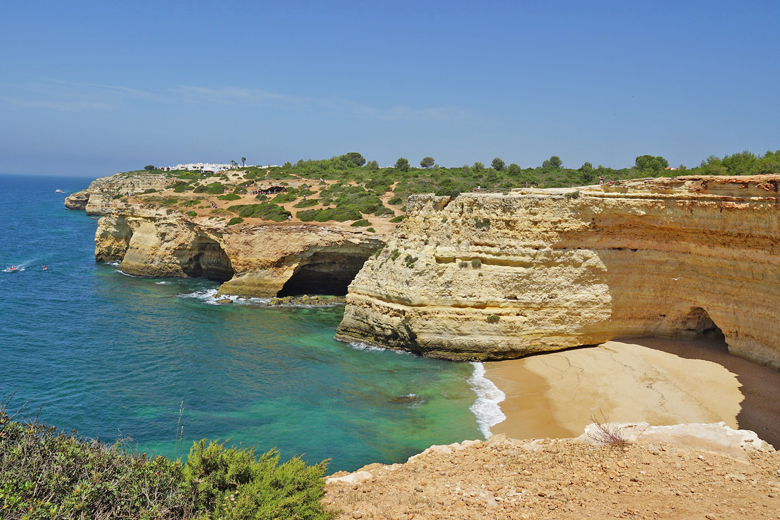
Picture this: towering cliffs that plunge dramatically into the Atlantic, hidden coves accessible only by foot, traditional fishing villages where time seems to have stopped, and some of Europe’s most consistent surf breaks. This isn’t your typical overdeveloped Mediterranean coastline – Costa Vicentina remains refreshingly authentic and wonderfully wild.
The park spans from Burgau in the south to Odeceixe in the north, protecting not just the stunning coastline but also the unique ecosystems that thrive in this wind-swept environment. You’ll find rare plants that exist nowhere else, migrating birds following ancient flyways, and landscapes that feel more like the edge of the world than a European vacation spot.
When to Visit: Timing Your Costa Vicentina Adventure
Best Overall Time: April to June & September to October
- Perfect weather without summer crowds
- Wildflowers bloom spectacularly in spring
- Water’s still warm enough for swimming in early fall
- Accommodation prices more reasonable
Summer (July-August):
- Warmest weather and longest days
- Peak crowds and highest prices
- Strong afternoon winds (great for surfing, not always great for beach lounging)
- Book everything well in advance
Winter (November-March):
- Dramatic storm watching opportunities
- Lowest prices and complete solitude
- Some restaurants and accommodations close
- Perfect for serious hikers who don’t mind weather
Pro tip: Shoulder seasons offer the best value and experience for most travelers – you’ll have better access to locals, more authentic interactions, and those perfect “empty beach at sunset” moments.
Must-See Highlights and Hidden Gems
Cabo de São Vicente: Europe’s “End of the World”
This windswept cape was considered the end of the known world by ancient civilizations, and standing here at sunset, you’ll understand why. The lighthouse, built in 1851, guards what’s technically the southwestern-most point of continental Europe. The surrounding cliffs rise 60 meters above crashing waves – it’s genuinely breathtaking and surprisingly spiritual.
Insider tip: Skip the crowded sunset viewing at the main parking area. Walk 10 minutes east along the cliff path for equally stunning views with a fraction of the people.
Sagres: Surfer’s Paradise and Historical Hub
This laid-back town perfectly balances historical significance with modern surf culture. Visit the fort (Fortaleza de Sagres) where Prince Henry the Navigator supposedly planned his maritime expeditions, then head to Praia do Martinhal or Praia da Mareta for some of Europe’s most consistent waves.
Even non-surfers will love the vibe here – think beachside cafés serving fresh seafood, surf shops doubling as art galleries, and that effortless Portuguese coastal charm that’s impossible to fake.
Odeceixe: The Perfect River-Meets-Ocean Spot
Where the Seixe River meets the Atlantic, you’ll find one of the park’s most photogenic beaches. The river creates a natural lagoon that’s perfect for families with young children – warm, shallow water protected from Atlantic swells. Meanwhile, the ocean side offers proper waves and endless stretches of sand.
The village itself is tiny but charming, with traditional whitewashed houses and a few excellent local restaurants that haven’t discovered they could charge tourist prices yet.
Praia da Cordoama: The Local’s Secret
Ask any Portuguese person about their favorite Costa Vicentina beach, and Cordoama often comes up. It’s relatively hard to access (15-minute walk from parking), which keeps crowds manageable even in summer. The beach faces directly west, making it perfect for sunset sessions, and the surrounding cliffs create a natural amphitheater effect.
Adventures and Activities
Hiking the Rota Vicentina
This network of trails is what puts Costa Vicentina on serious hikers’ maps. The main coastal route (Trilho dos Pescadores) follows the clifftops for the entire length of the park, offering constant ocean views and access to remote beaches.
Top Trail Sections:
- Cabo de São Vicente to Sagres (7km): Easy coastal walk with stunning lighthouse views
- Sagres to Ingrina (5km): Moderate hike with several beach access points
- Zambujeira do Mar to Odeceixe (12km): More challenging section through diverse landscapes
Essential hiking gear: Good hiking boots (coastal rocks can be slippery), plenty of water (limited refill opportunities), sun protection, and a way to navigate (GPS or offline maps).
Surfing for Every Level
Costa Vicentina offers something for everyone, from complete beginners to big-wave chargers.
Beginner-Friendly Breaks:
- Praia da Mareta (Sagres): Protected bay with consistent small waves
- Praia de Odeceixe: River mouth break with forgiving waves
- Arrifana: Longer rides and surf schools
Intermediate/Advanced:
- Praia do Amado: Powerful beach break with multiple peaks
- Cordoama: Consistent and less crowded
- Praia da Bordeira: When it’s working, it’s world-class
Surf schools and rental shops: You’ll find several in Sagres, Carrapateira, and Aljezur. Expect to pay €25-40 for a lesson, €15-25 for board rental.
Wildlife Watching
The park’s diverse ecosystems support an incredible variety of wildlife. Spring migration (March-May) brings thousands of birds through the area, including rare species like the Egyptian vulture and Bonelli’s eagle.
Marine life is equally impressive – dolphins are commonly spotted from the cliffs, and if you’re incredibly lucky, you might see whales during migration periods.
Best wildlife spots:
- Sagres Point: Excellent for bird watching, especially during migration
- Praia do Castelejo: Often good for dolphin spotting
- Inland areas around Aljezur: Traditional farming landscapes with unique flora
Where to Stay: From Budget to Luxury
Budget Options (€20-50/night)
Hostels and Pousadas da Juventude: Sagres and Lagos have decent hostel options with dorm beds around €15-25/night.
Camping: Several official campgrounds offer sites for €8-15/night. Try Parque de Campismo de Sagres or Camping Serrão in Vila do Bispo.
Local Guesthouses: Family-run quintas (farm stays) offer authentic experiences starting around €35/night.
Mid-Range (€50-120/night)
Pousadas and Rural Hotels: Charming properties that balance comfort with character. Pousada de Sagres offers excellent value with spectacular views.
Vacation Rentals: Apartments in Sagres, Aljezur, or smaller villages provide independence and often better value for longer stays.
Luxury (€120+/night)
Memmo Baleeira Hotel (Sagres): Stunning clifftop location with infinity pool and spa facilities.
Martinhal Sagres Beach Family Resort: High-end family-friendly option with direct beach access.
Unique Stays: Several converted farmhouses and eco-lodges offer luxury while maintaining connection to the landscape.
Booking tips: Summer requires advance booking (3-6 months). Shoulder seasons offer better deals and availability. Many smaller places don’t appear on international booking sites – try calling directly.
Foodie Adventures: What and Where to Eat
Costa Vicentina’s cuisine reflects its coastal location and agricultural heritage. Fresh seafood dominates, but you’ll also find excellent meat dishes and Portugal’s underrated vegetarian traditions.
Must-Try Dishes
Cataplana de Mariscos: Seafood stew cooked in a traditional copper pan – essentially Portugal’s answer to paella but arguably better.
Caldeirada: Hearty fish stew that varies by restaurant but always includes local catch, potatoes, and Portuguese soul.
Percebes (Gooseneck Barnacles): Look strange, taste amazing. These expensive delicacies are harvested from dangerous cliff faces – respect the price and the risk.
Bifana: Portugal’s ultimate comfort food – pork sandwich that’s perfect after a long hike or surf session.
Restaurant Recommendations
A Tasca (Sagres): No-frills local spot where fishermen actually eat. Fresh fish, cold beer, unbeatable prices.
Restaurante Cordoama: Perched above the beach with panoramic views. Excellent fresh fish and surprisingly good vegetarian options.
Vila Velha (Sagres): Slightly upscale but still authentic. Known for creative takes on traditional dishes.
Retiro do Pescador (Ingrina Beach): Right on the sand with tables overlooking the ocean. Perfect for long, lazy lunches.
Budget tip: Look for “prato do dia” (dish of the day) – usually excellent value and authentically local.
Getting Around: Transportation Made Easy
By Car (Recommended)
Renting a car provides maximum flexibility for exploring hidden beaches and rural areas. Major rental companies operate from Faro Airport (1.5 hours away) and Lagos.
Driving tips:
- Many beaches require driving on narrow, unpaved roads
- GPS can be unreliable in remote areas – download offline maps
- Parking at popular beaches fills up early in summer
- Speed limits are generally well-enforced
Public Transportation
Limited but possible, especially between major towns. Rede Expressos buses connect Lagos, Sagres, and Aljezur. Local buses serve smaller villages but run infrequently.
Bus passes: Consider multi-day passes if staying without a car.
Cycling
Increasingly popular, with dedicated bike paths being developed. Mountain bikes work best for accessing beaches, while road bikes are fine for town-to-town touring.
Bike rental: Available in Sagres, Aljezur, and Vila do Bispo (€15-25/day).
Walking/Hiking
Many accommodations are connected by hiking trails, making car-free visits possible for dedicated walkers. The Rota Vicentina provides well-marked routes between major destinations.
Budget Planning: Making Your Money Go Further
Daily Budget Estimates
Backpacker/Budget (€30-50/day):
- Hostel/camping accommodation
- Self-catering or local tavernas
- Public transportation/walking
- Free activities (hiking, beaches)
Mid-Range (€75-120/day):
- Comfortable guesthouse or vacation rental
- Mix of restaurant meals and self-catering
- Car rental (split between travelers)
- Paid activities (surf lessons, guided tours)
Luxury (€150+/day):
- High-end accommodations
- Fine dining experiences
- Private tours and activities
- Spa treatments and premium experiences
Money-Saving Tips
- Visit during shoulder seasons (April-June, September-October)
- Self-cater breakfast and lunch, splurge on dinner
- Buy groceries in larger towns (Aljezur, Vila do Bispo) before heading to remote areas
- Many beaches and hiking trails are completely free
- Look for accommodation with kitchen facilities for longer stays
Practical Information and Tips
What to Pack
Essential items: Sunscreen (seriously, the Atlantic wind makes you forget how strong the sun is), comfortable hiking shoes, layers for variable weather, reusable water bottle, portable phone charger.
Seasonal additions:
- Spring/Fall: Rain jacket and warm layers
- Summer: Beach gear, extra sun protection
- Winter: Waterproof everything and warm clothes
Health and Safety
Costa Vicentina is generally very safe, but the Atlantic coast demands respect:
- Ocean currents can be strong – swim only at lifeguarded beaches if you’re not confident
- Cliff edges can be unstable – stay back from the edge, especially in windy conditions
- Some hiking trails pass close to cliff edges – proper footwear essential
- Limited mobile coverage in remote areas – inform someone of hiking plans
Cultural Considerations
Portuguese coastal communities are generally welcoming to respectful visitors:
- Learn a few Portuguese phrases – even basic attempts are greatly appreciated
- Respect private property and fishing equipment
- Keep beaches clean – pack out all trash
- Support local businesses when possible
- Beach attire is fine at the beach, but cover up in villages and towns
Language
While English is widely spoken in tourist areas, Portuguese phrases will enhance your experience:
- “Bom dia” (good morning) and “Boa tarde” (good afternoon)
- “Obrigado/a” (thank you – masculine/feminine)
- “Desculpe, fala inglês?” (Excuse me, do you speak English?)
- “Onde é a praia?” (Where is the beach?)
Day Trip Itineraries
Perfect One-Day Sampler
Morning: Explore Sagres town and fort (2 hours) Late Morning: Drive to Cabo de São Vicente for lighthouse visit (1 hour) Afternoon: Lunch at Cordoama with beach time (3 hours) Late Afternoon: Sunset at Praia do Martinhal (2 hours) Evening: Dinner in Sagres
Three-Day Adventure
Day 1: Sagres area – fort, beaches, and sunset at the cape Day 2: Northern section – Carrapateira, Bordeira, and Aljezur Day 3: Odeceixe and coastal hiking
Week-Long Deep Dive
Combine multiple base locations to experience different aspects of the park. Spend 2-3 nights each in Sagres, Aljezur, and Odeceixe, with day trips to explore the surrounding areas thoroughly.
Sustainable Travel Tips
Costa Vicentina’s pristine nature depends on responsible tourism:
Leave No Trace
- Pack out all trash, including cigarette butts
- Stay on marked trails to protect fragile vegetation
- Don’t disturb wildlife or remove anything from beaches
- Use reef-safe sunscreen to protect marine ecosystems
Support Local Economy
- Choose locally-owned accommodations and restaurants
- Buy groceries and supplies from local shops
- Hire local guides for activities
- Purchase authentic crafts and products
Minimize Environmental Impact
- Use public transportation or walk when possible
- Choose accommodations with environmental certifications
- Participate in beach clean-up activities if available
- Respect water conservation efforts during dry periods
Planning Your Perfect Costa Vicentina Adventure
This wild stretch of Portuguese coast offers something magical that’s becoming increasingly rare – the chance to experience dramatic natural beauty without fighting crowds or feeling like you’re in a theme park version of nature.
Whether you’re here for world-class surfing, peaceful hiking, authentic cultural experiences, or simply to watch spectacular sunsets from the edge of Europe, Costa Vicentina delivers in ways that will leave you planning your return visit before you’ve even left.
The key to maximizing your experience is matching your expectations with the park’s rhythm – this isn’t a place for rushing through Instagram-worthy spots. It’s a place for slowing down, connecting with nature, and rediscovering what Portuguese coastal life feels like when it’s not performed for tourists.
Take time to chat with local fishermen, linger over long meals overlooking the ocean, and don’t feel pressured to see everything. Costa Vicentina rewards travelers who embrace its unhurried pace and wild beauty.
Ready to explore Europe’s last wild coast? Start planning your Costa Vicentina adventure today – this incredible destination won’t remain a secret forever.