



TL;DR: The North is Calling: 7 Unmissable Nordic Winter Adventures , From floating in Arctic waters to surfing under the Northern Lights, these seven Nordic winter experiences blend bucket-list magic with actual doability. Whether you’re dropping serious cash or traveling smart, the frozen north delivers adventures you didn’t even know you needed.
- 1. The 421st Jokkmokk Winter Market (Sweden)
- 2. The Holmenkollen Skifestival (Norway)
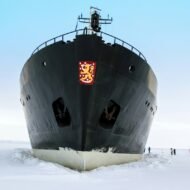
- 3. The Icebreaker Sampo & “Polar Float” (Finland)
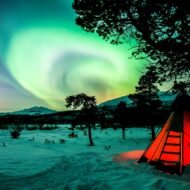
- 4. Chasing the “Green Flash” in Abisko (Sweden)
- 5. Arctic Surfing & Fjord Photography in Lofoten (Norway)
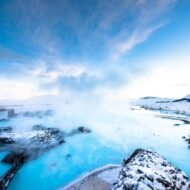
- 6. The Blue Lagoon & Crystal Ice Caves (Iceland)
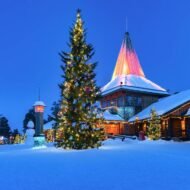
- 7. The Original Santa Claus Village (Finland)
- The Recap: Your Nordic Winter Cheat Sheet
- Disclaimer
Look, we’ve all seen those photos. You know the ones—someone bundled up like a marshmallow, standing under swirling green lights, living their absolute best life somewhere ridiculously far north. And you’ve probably thought, “That’s cool, but is it actually doable?”
Spoiler alert: It absolutely is.
The Nordic countries don’t just do winter—they own it. While the rest of us are complaining about scraping ice off our windshields, Scandinavians are out here turning the coldest, darkest months into a full-blown celebration. From centuries-old indigenous markets to voluntarily jumping into freezing water (yes, really), these experiences aren’t just about ticking boxes. They’re about understanding why people have thrived in these landscapes for thousands of years.
Let’s break down seven winter adventures that’ll transform you from “I don’t do cold” to “Book me the next flight to Lapland.”
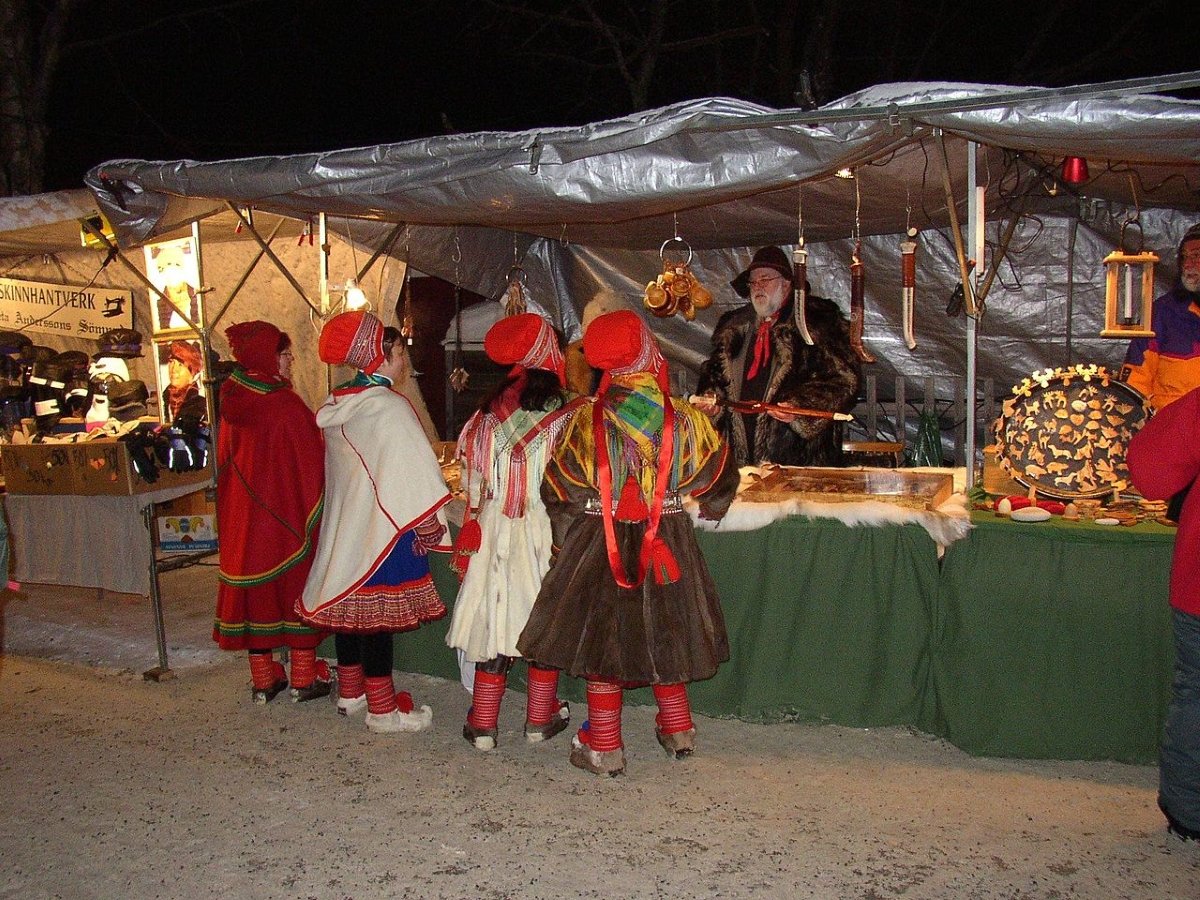
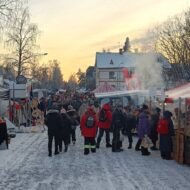
1. The 421st Jokkmokk Winter Market (Sweden)
The Focus:
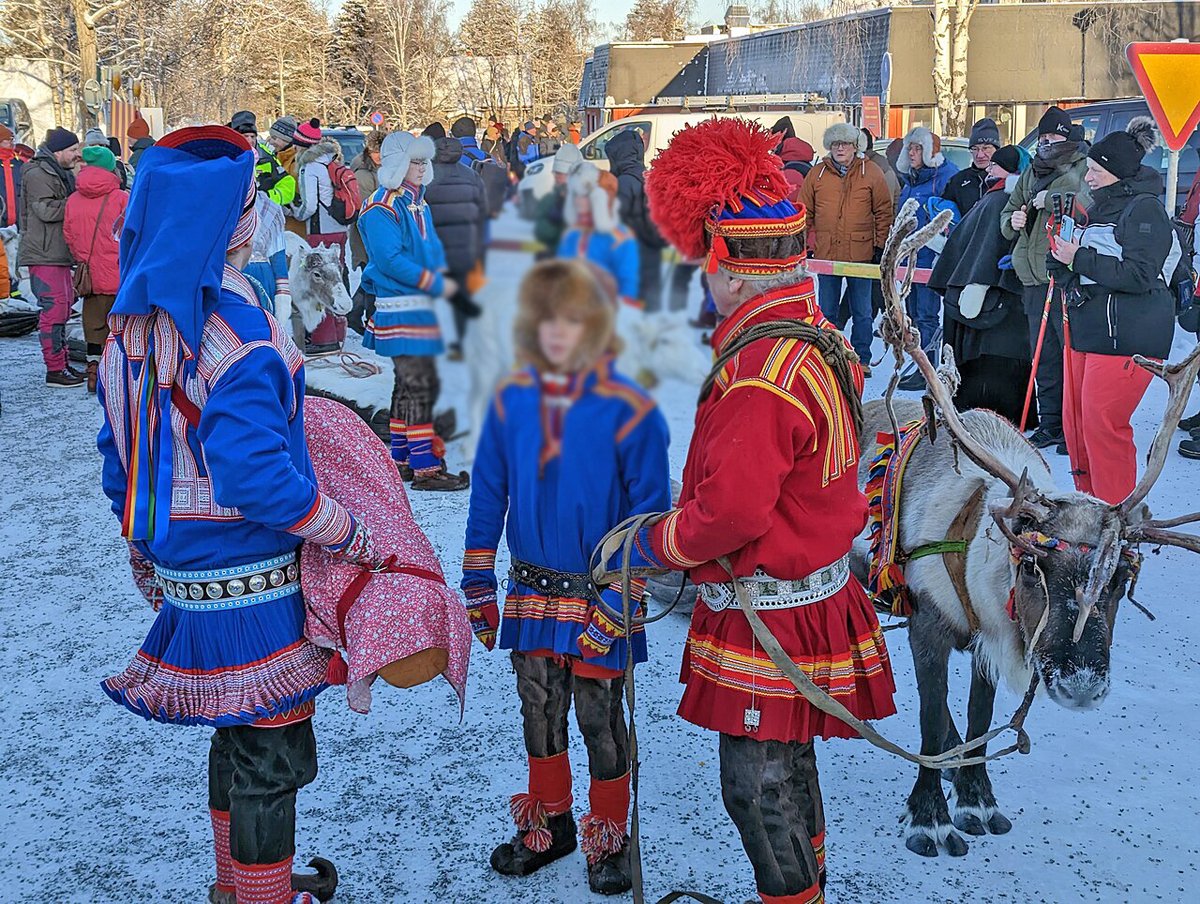
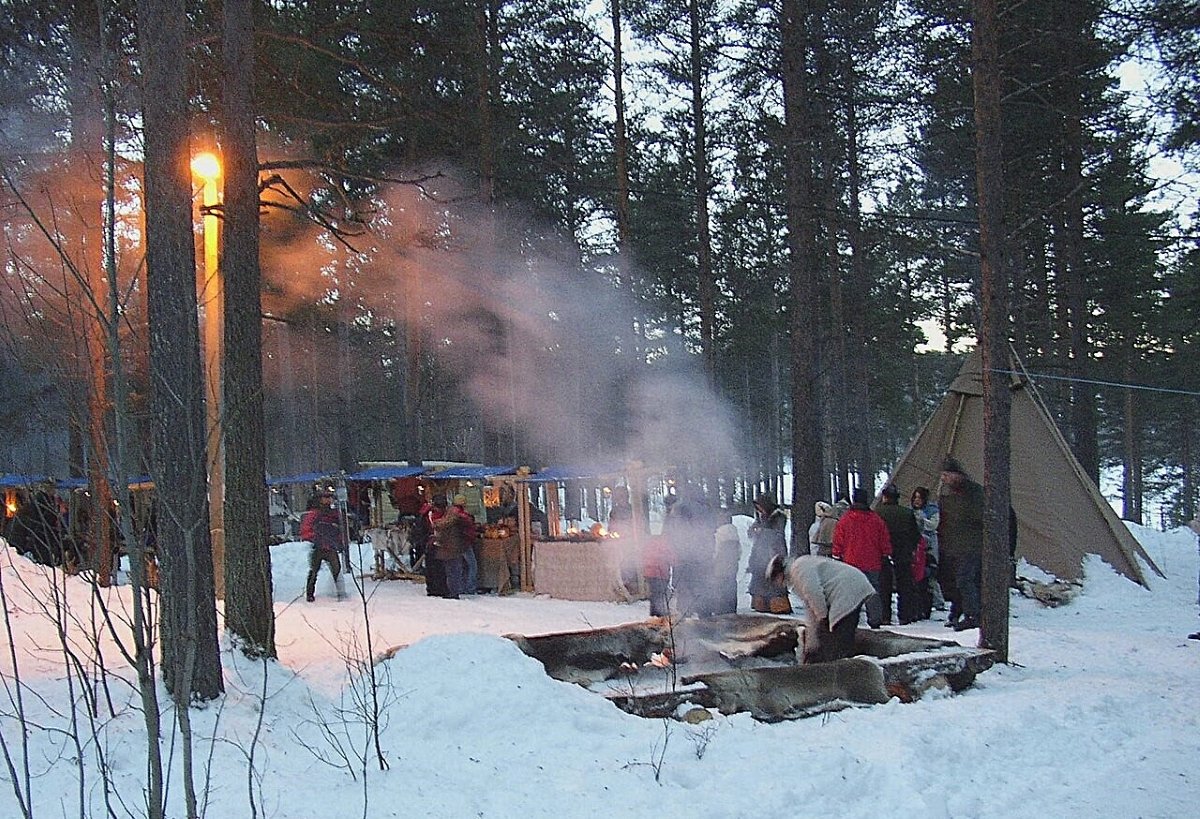
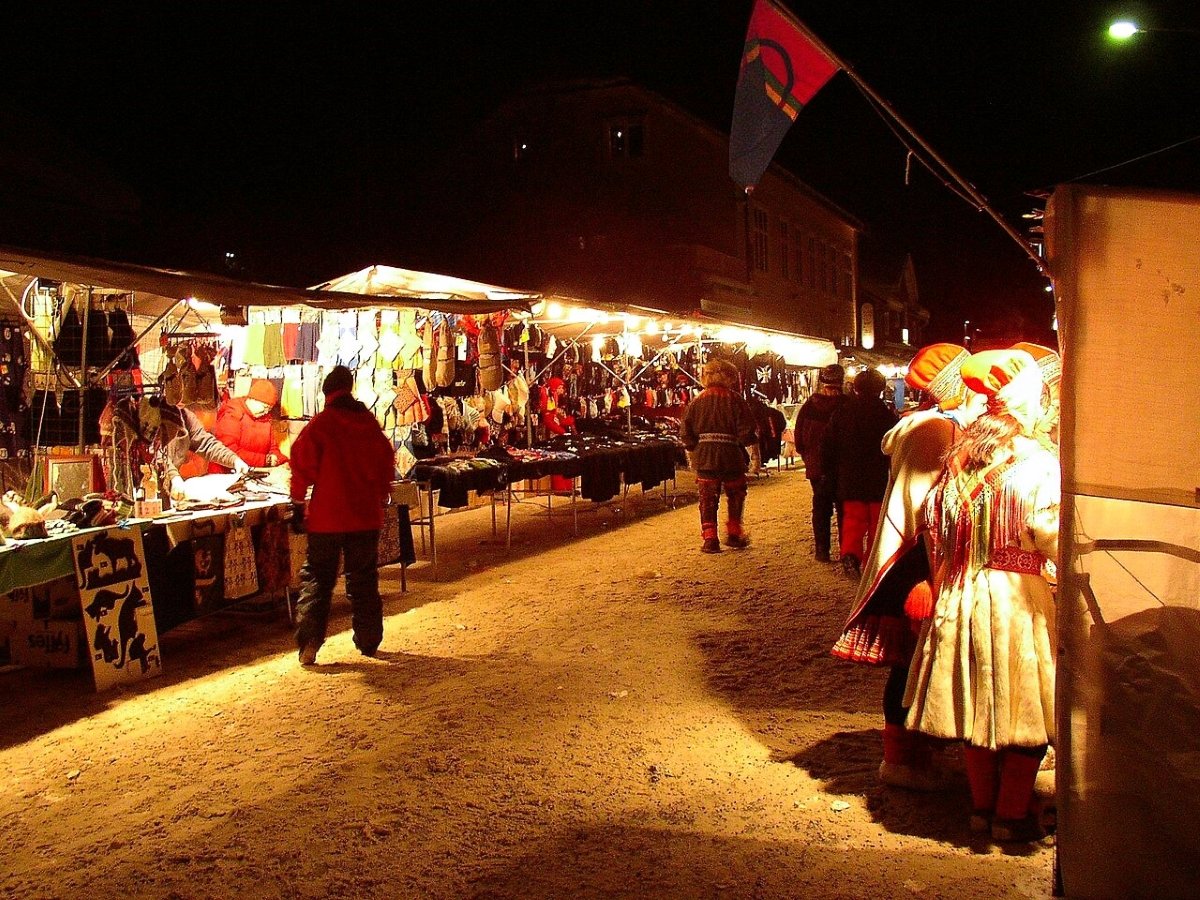
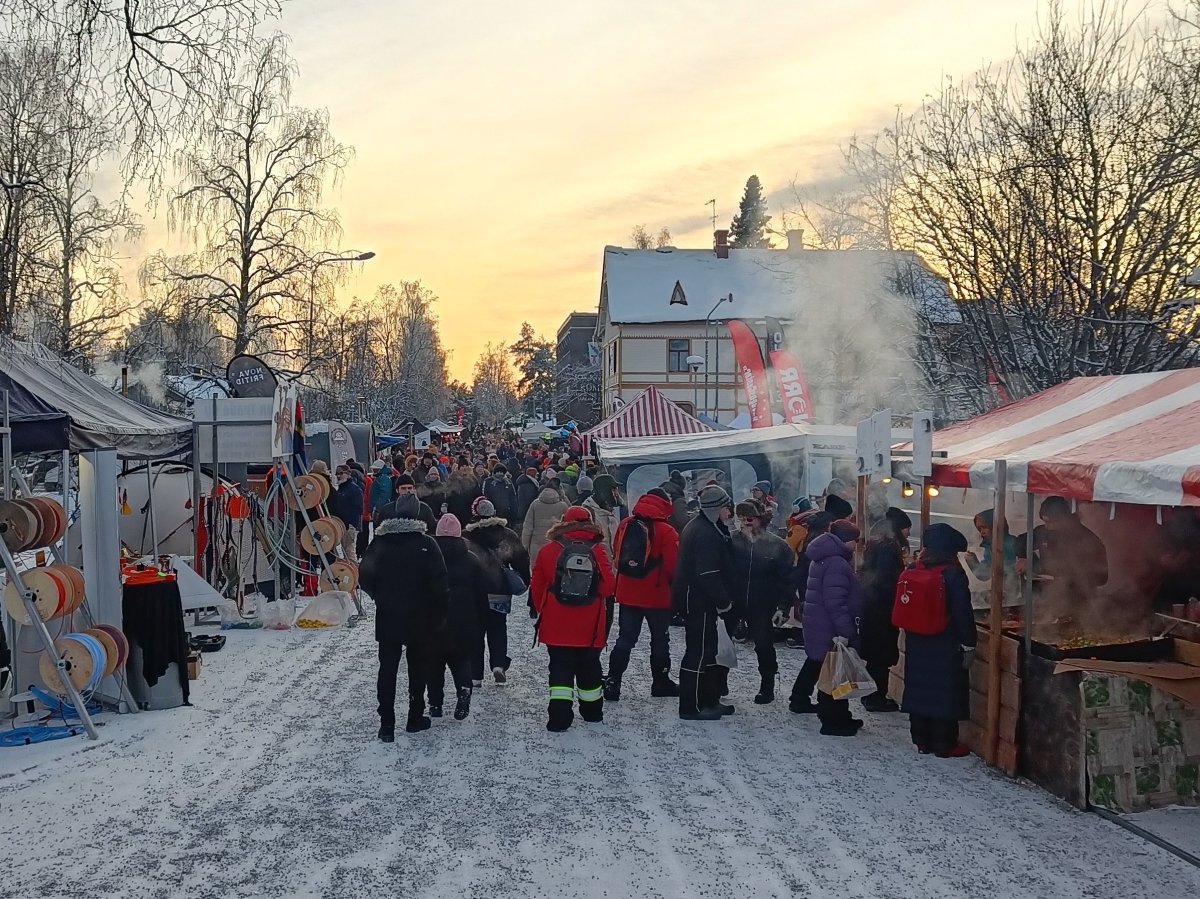
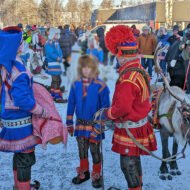
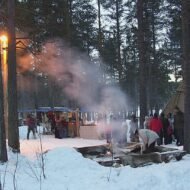
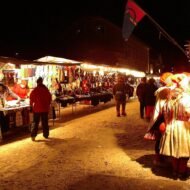
Every February, the small Sámi town of Jokkmokk (population: barely 5,000) swells to over 40,000 visitors for a market that’s been running since 1605. This isn’t your average craft fair—it’s a living celebration of indigenous Sámi culture, complete with reindeer racing, traditional handicrafts, and food that’ll make you rethink everything you thought you knew about Scandinavian cuisine.
Why it’s a hit:
This is cultural immersion without the tourist trap vibes. You’re talking authentic duodji (Sámi handicrafts), smoked reindeer heart sandwiches, and the chance to meet artisans who’ve been perfecting their craft for generations. The atmosphere? Think part county fair, part Arctic pilgrimage, 100% unforgettable. Plus, you’re 200km north of the Arctic Circle, so Northern Lights sightings are basically a bonus feature.
Budget considerations:
Mid-range sweet spot. Entrance is free (yes, FREE), but budget €50-100 daily for food, crafts, and experiences. Accommodation is the kicker—book 6-12 months ahead or you’ll be staying an hour away. A 3-day trip including flights from Stockholm, basic lodging, and market expenses runs €600-900. Go budget with hostels and self-catering, or splurge on wilderness cabins with aurora views.
Insider Tip for 2026:
The market runs February 6-8, 2026. Local Sámi families rent out rooms in their homes—check Visit Jokkmokk’s accommodation listings by summer 2025. Also, Thursday is locals’ day before the tourist rush, so if you can swing it, arrive Wednesday night for the most authentic vibe.
2. The Holmenkollen Skifestival (Norway)
The Focus:
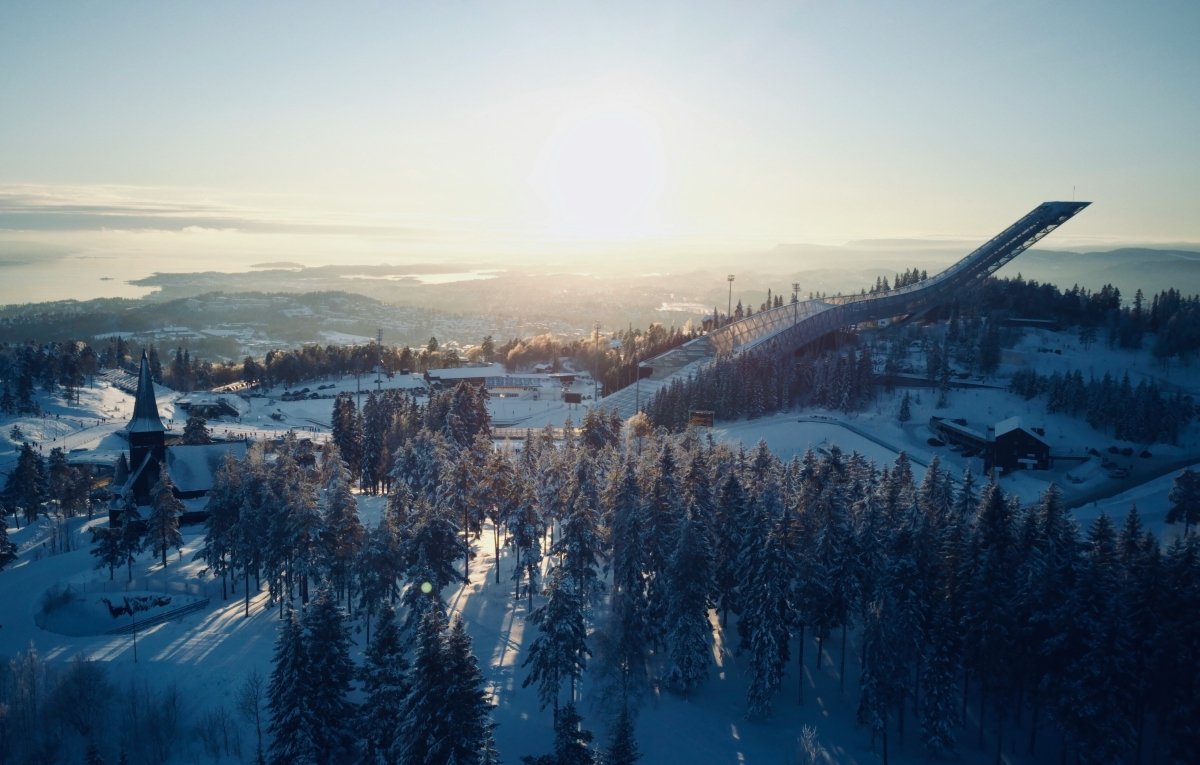
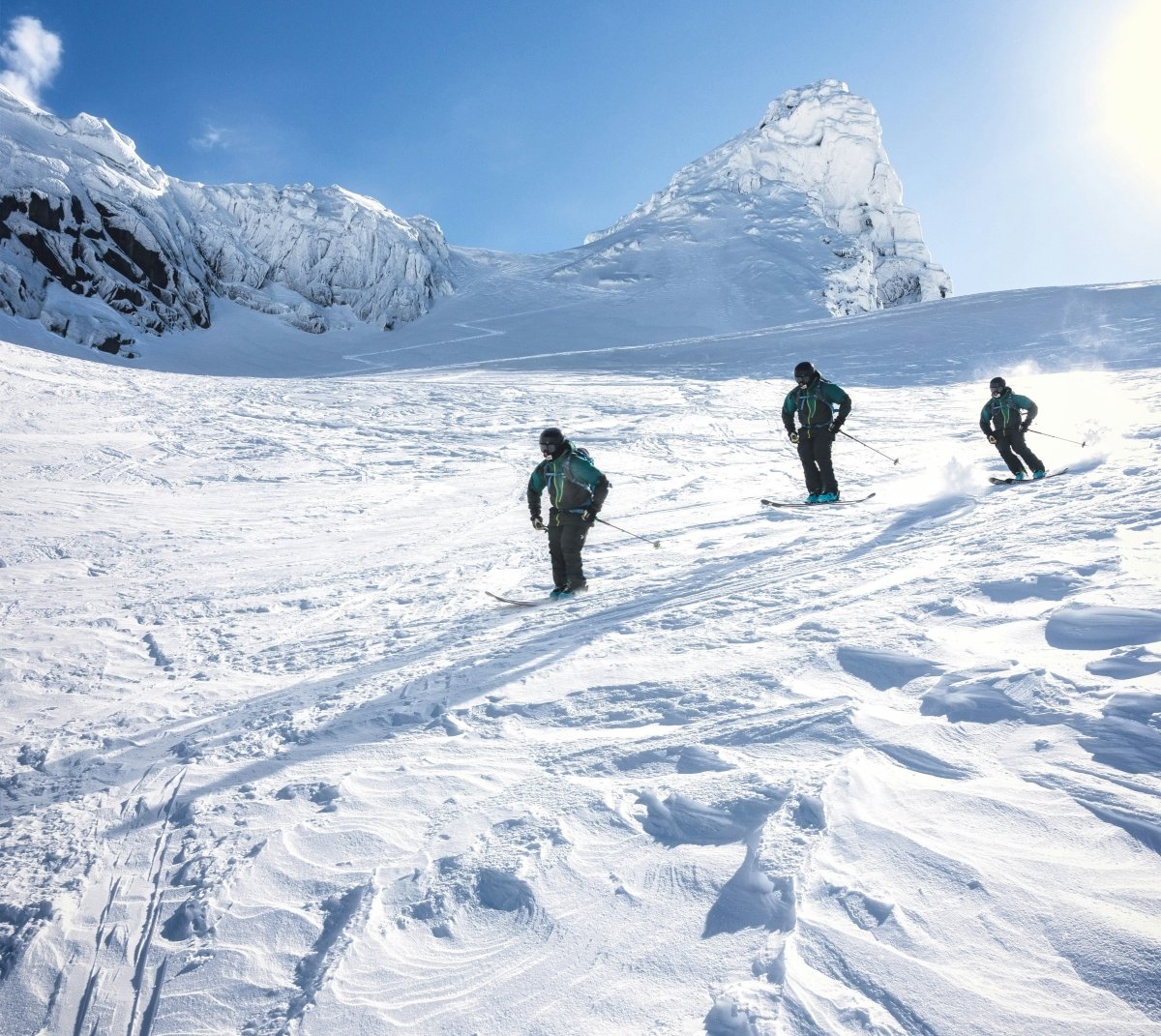
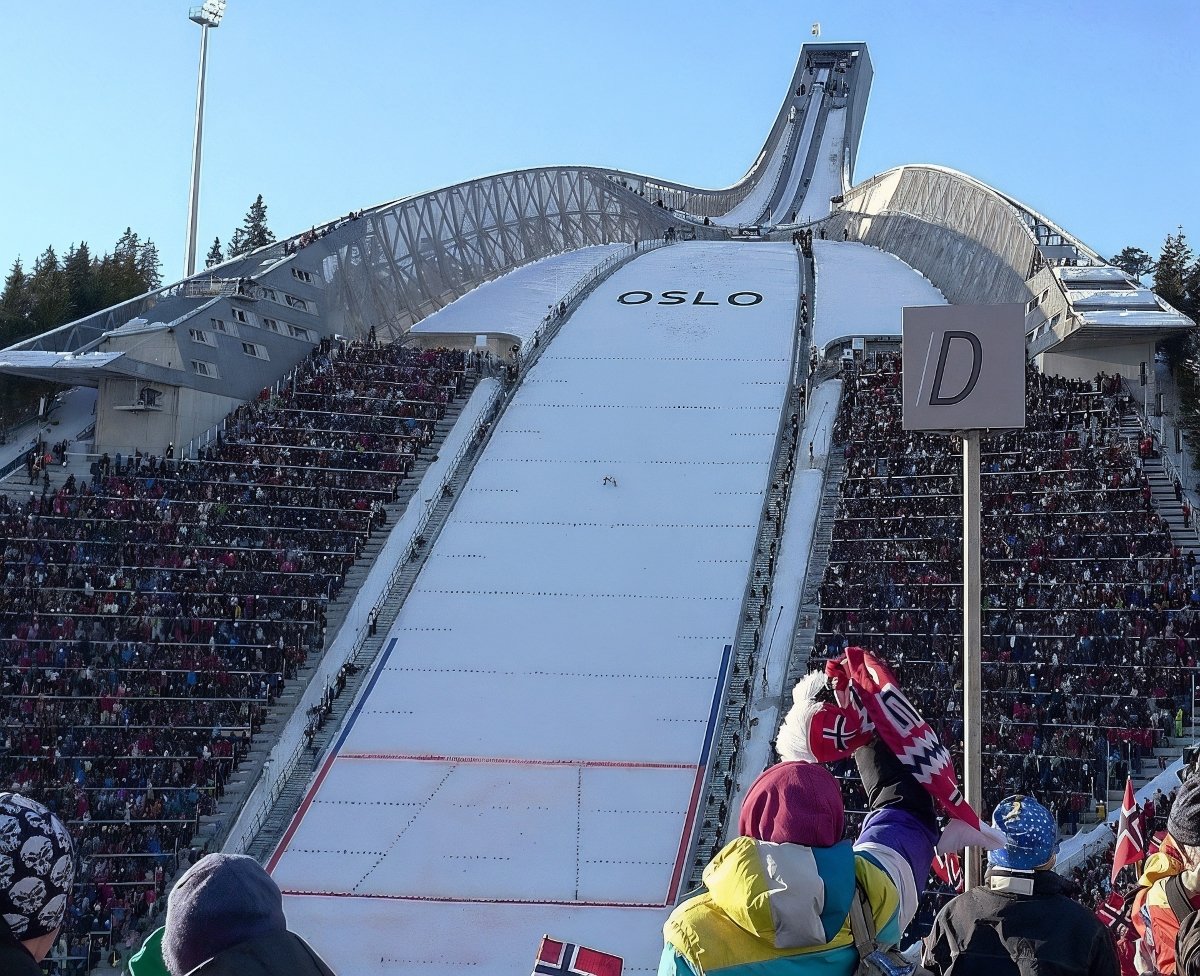
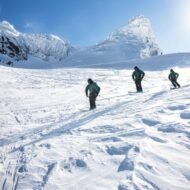
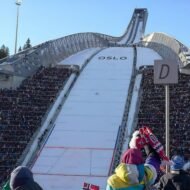
Picture this: 50,000 people crammed onto an Oslo hillside, watching the world’s best ski jumpers launch themselves off a historic 1892 jump, flying over 100 meters before landing like it’s no big deal. The Holmenkollen Ski Festival (typically March) is part sporting event, part national pride parade, and entirely electric.
Why it’s a hit:
Norwegians are born with skis on their feet (probably), and this event is basically their Super Bowl. The energy is infectious—even if you can’t tell a telemark turn from a Tuesday. You’re 20 minutes from downtown Oslo, so you get world-class winter sports combined with Nordic city culture. Plus, the ski jump museum is legitimately cool, and you can stand at the top of the jump if your knees can handle it.
Budget considerations:
Budget-to-moderate. Day passes for the festival run €30-60. Oslo’s pricey (a beer costs what your soul is worth), but you can offset with grocery store meals and public transport. A 4-day Oslo trip with festival tickets, decent accommodation, and meals runs €800-1,200. Hostels, happy hour specials, and the Oslo Pass can slash costs significantly.
Insider Tip for 2026:
The 2026 dates will likely be early-to-mid March—check Holmenkollen’s official site by fall 2025. Skip the expensive ski museum combo ticket and just watch the jumping for free from the lower hills (locals’ secret). Also, Oslo’s winter swimming culture is huge—hit one of the floating saunas and ice baths after the competition for maximum Norwegian cred.
3. The Icebreaker Sampo & “Polar Float” (Finland)
The Focus:
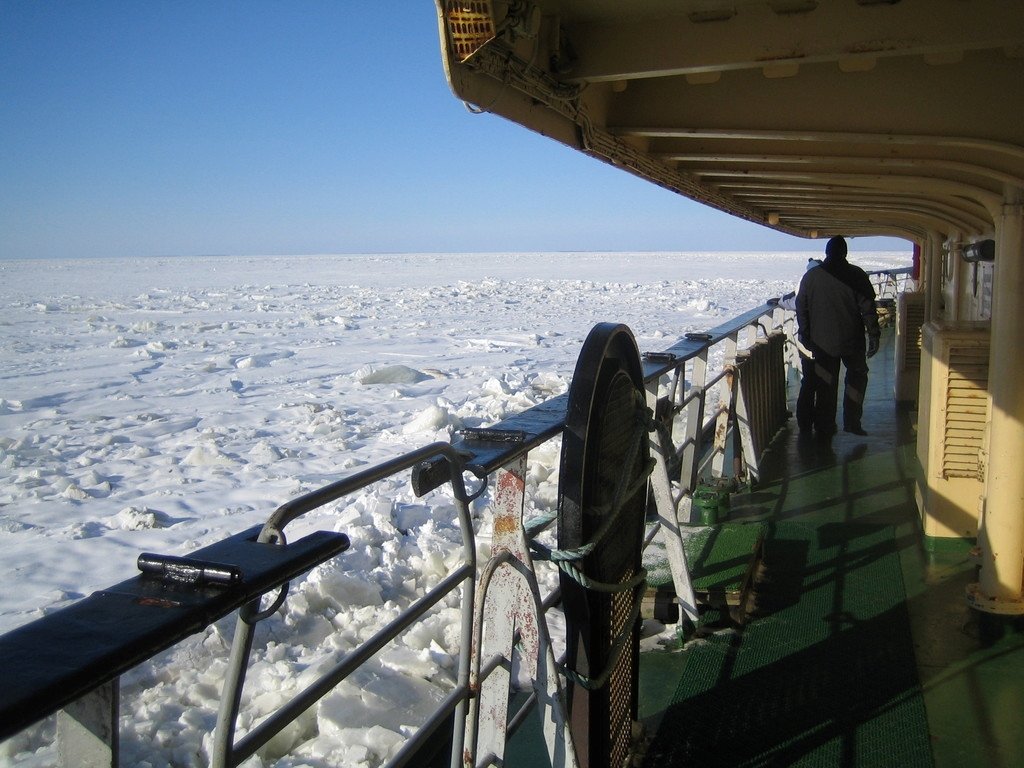
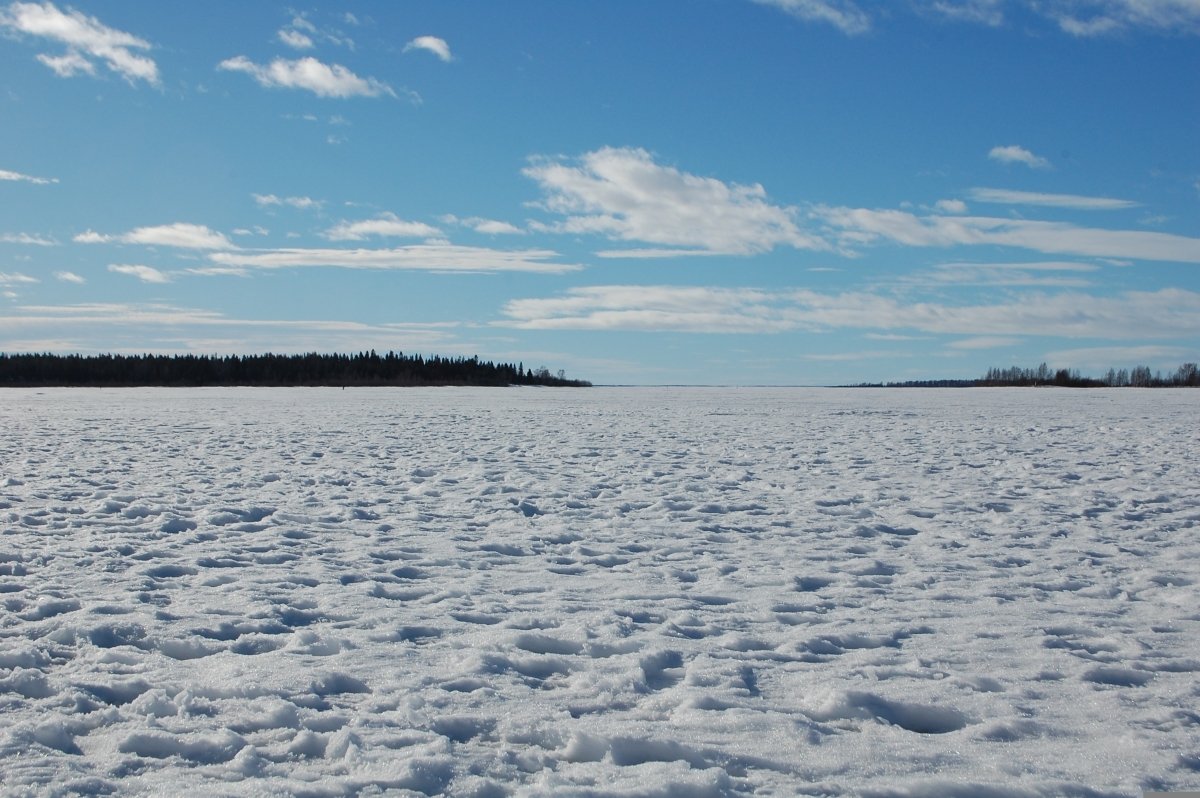
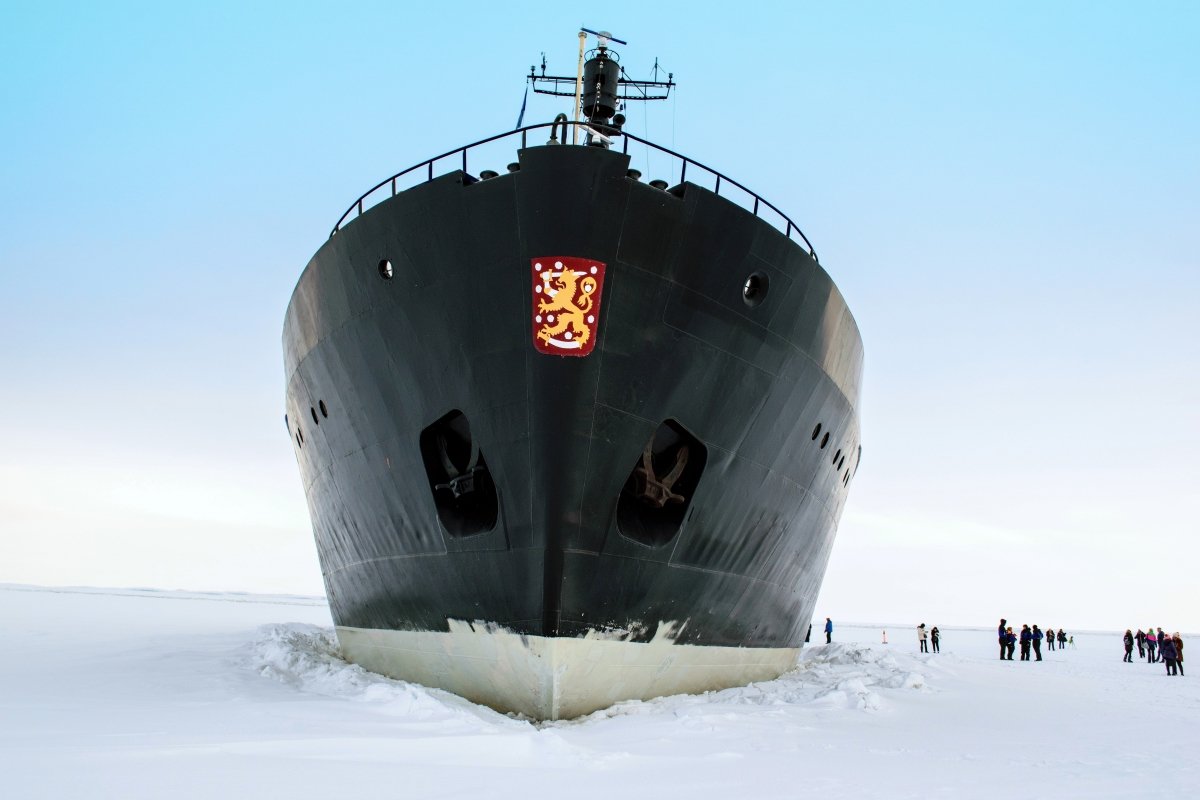
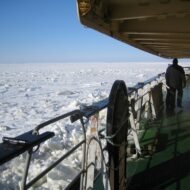
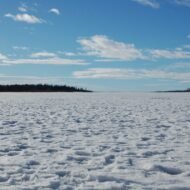
Aboard the Sampo icebreaker in the Bay of Bothnia near Kemi, you’ll cruise through meters-thick ice sheets, hearing them crack and groan beneath you like the earth is complaining. Then—and this is where it gets wild—you’ll suit up in a survival suit and float in the icy water between the ice floes. It’s surreal, slightly terrifying, and weirdly peaceful all at once.
Why it’s a hit:
Where else can you walk on frozen sea ice and swim in Arctic waters in the same afternoon? The survival suits keep you completely dry and buoyant (you literally can’t sink), making it accessible for everyone regardless of swimming ability. It’s that perfect combo of adventure and safety that makes you feel like a polar explorer without actual frostbite risk.
Budget considerations:
Splurge territory, but worth it. The 4-hour Sampo experience costs €295-350 per person (2026 prices), including the float, lunch, and certificate. Round-trip flights to Kemi/Rovaniemi run €150-300 from Helsinki. Total 2-3 day trip: €700-1,100. Not cheap, but genuinely once-in-a-lifetime. Budget travelers can skip the icebreaker but still do ice floating experiences for €50-80 through local operators.
Insider Tip for 2026:
Sampo runs December-April, but February-March offers the thickest ice and best weather balance. Book directly through Visit Kemi by October 2025—it sells out fast. Combine with the Kemi SnowCastle (rebuilt annually with new themes) for maximum value. Pro move: Stay in Rovaniemi (1 hour south) where accommodation is cheaper and you’re also positioned for…
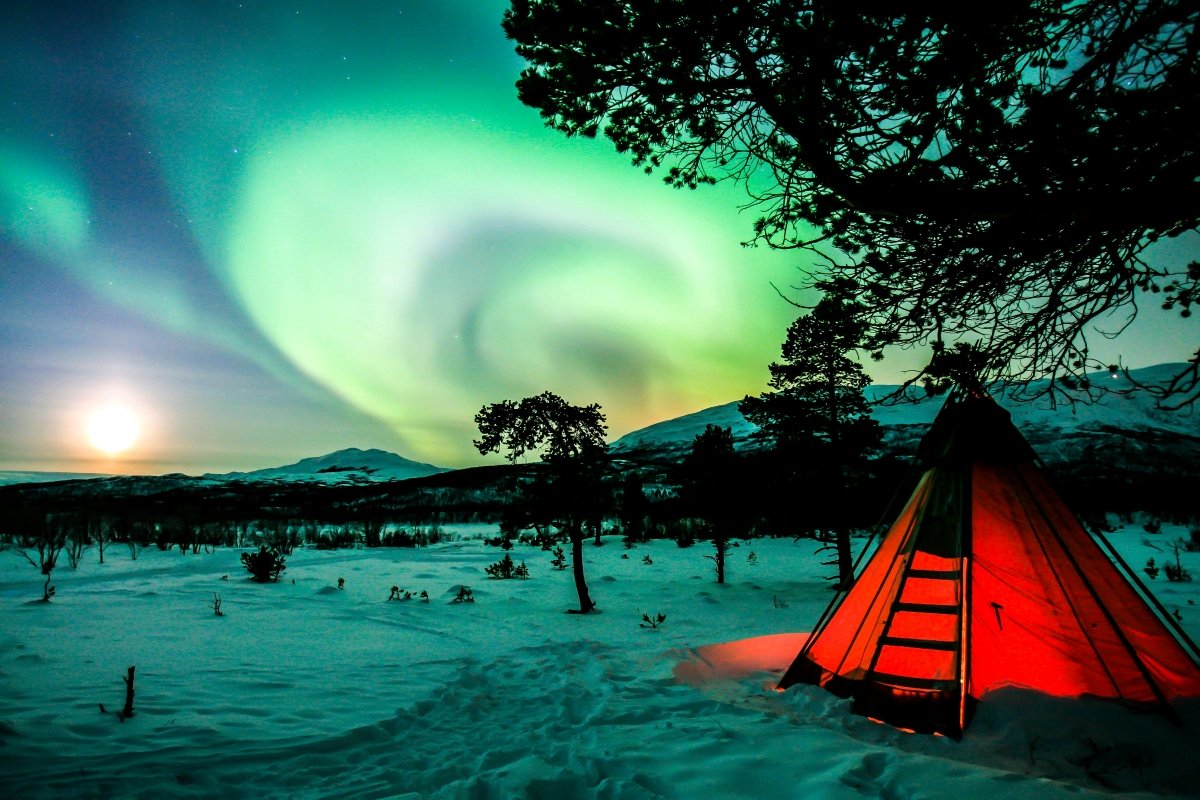
4. Chasing the “Green Flash” in Abisko (Sweden)
The Focus:
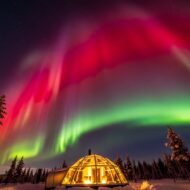
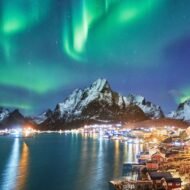
Abisko National Park sits under the “blue hole”—a meteorological phenomenon that keeps skies clearer here than almost anywhere else in the Arctic Circle. Translation: It’s one of Earth’s best spots to witness the Aurora Borealis dancing overhead in shades of green, purple, and occasionally red that photos absolutely don’t do justice.
Why it’s a hit:
This isn’t standing in a parking lot hoping for a glimpse. Abisko offers multiple ways to hunt the lights—chairlift rides to the Aurora Sky Station (minimal light pollution at 900m elevation), cross-country skiing under the aurora, or snowshoeing to frozen waterfalls. The STF Abisko Turiststation provides expert guides who actually understand the science, not just the sales pitch. The Northern Lights season runs September-March, but deep winter offers the darkest skies.
Budget considerations:
Flexible range. Aurora Sky Station tickets: €80-100. Budget hostel beds: €30-50/night. Mid-range STF accommodation: €100-150. Multi-day guided aurora tours: €200-500. A 4-day Abisko trip ranges from €600 (hardcore budget with self-catering) to €2,000+ (guided luxury). Flights to Kiruna + train to Abisko add €200-400 from Stockholm.
Insider Tip for 2026:
Solar activity is ramping down from the 2024 peak, but 2026 still offers strong aurora potential. February-March delivers the best weather/darkness balance. Skip the overpriced “aurora guarantee” tours—nature doesn’t do guarantees. Instead, book 4-5 nights and hunt independently with apps like Aurora Forecast. Also, the Abisko Market in February offers Sámi culture experiences at a fraction of Jokkmokk’s crowds.
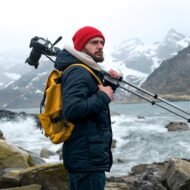
5. Arctic Surfing & Fjord Photography in Lofoten (Norway)
The Focus:
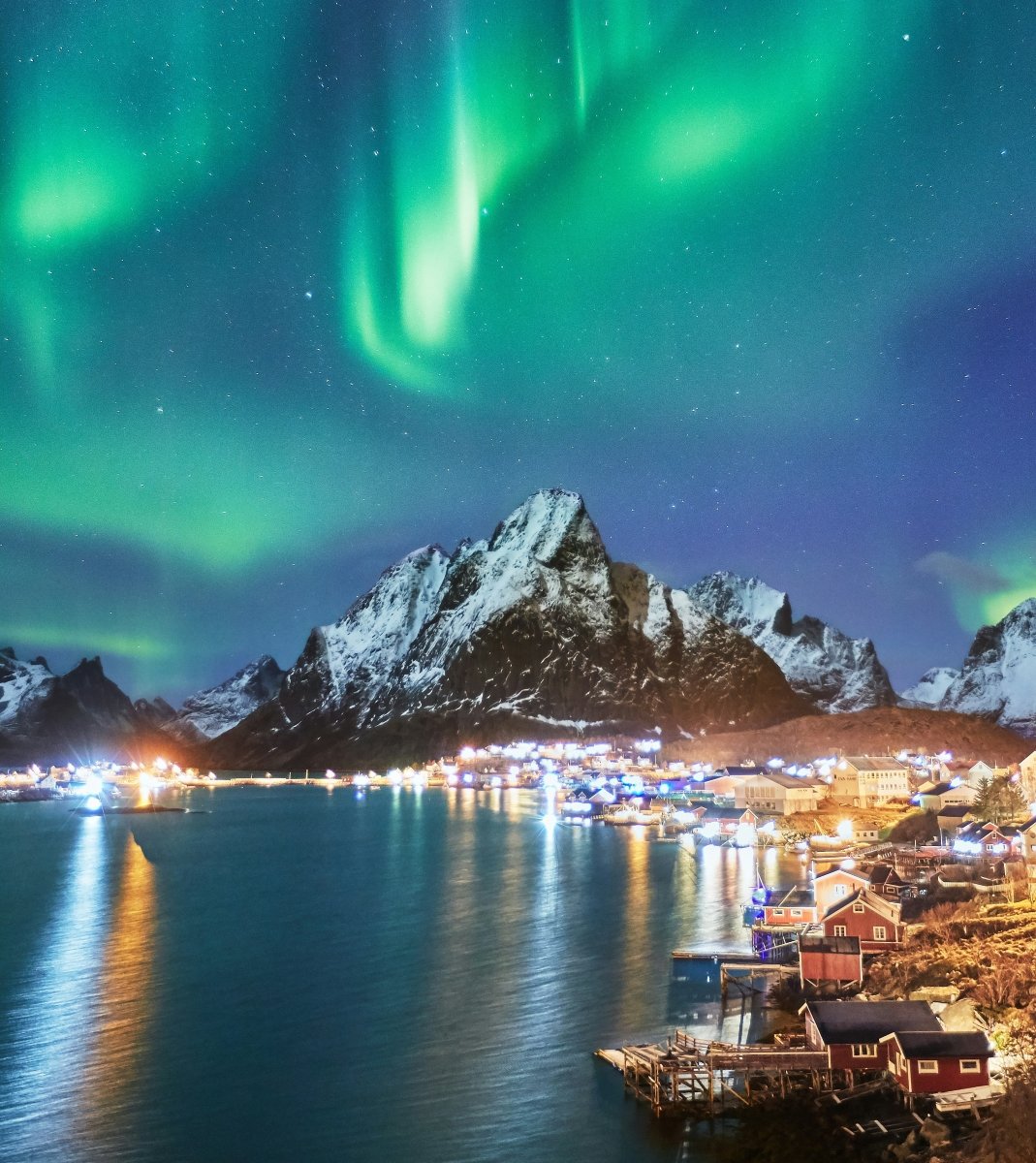
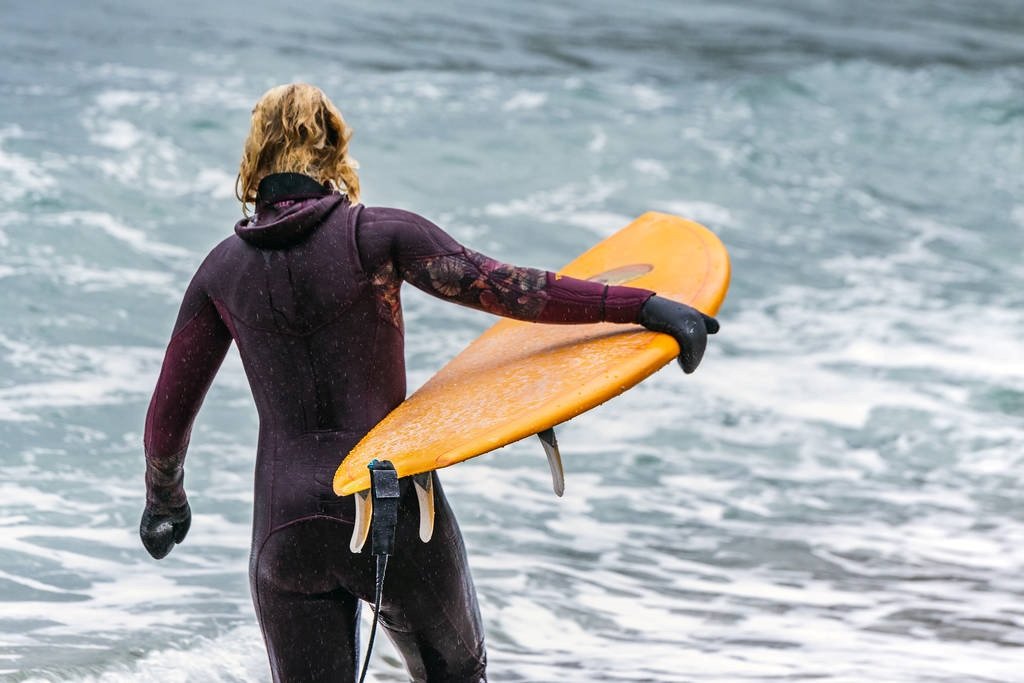
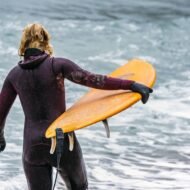
Yes, you read that right. Arctic. Surfing. The Lofoten Islands combine jagged peaks plunging into the Norwegian Sea, fishing villages that look Photoshopped, and year-round surf breaks where you’ll catch waves in a thick wetsuit while snow falls on the beach. It’s beautifully absurd.
Why it’s a hit:
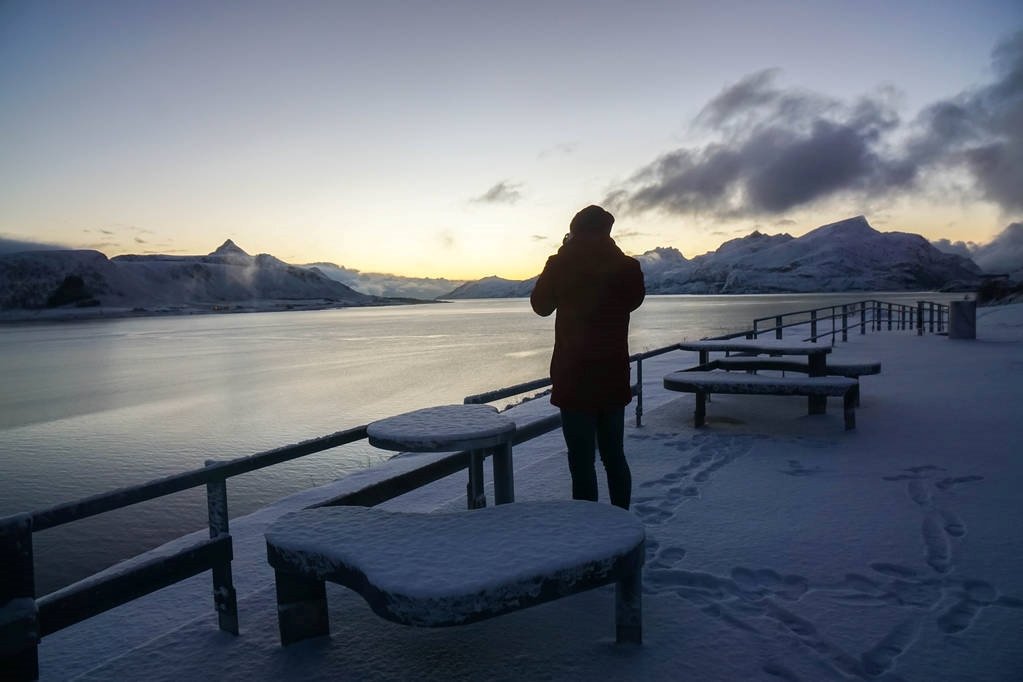
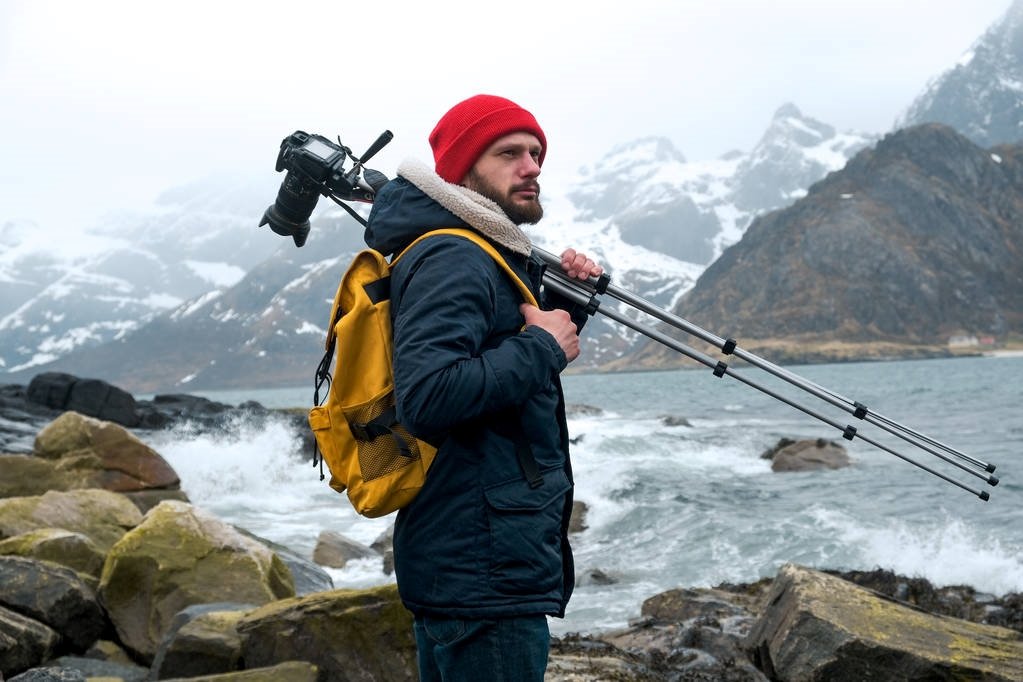
Lofoten in winter is what happens when nature shows off. The light from December-February creates insane photo opportunities—blue hour lasts for hours, and the mountains glow pink and orange even at midday. Non-surfers can hike, photograph cod drying on traditional racks, stay in refurbished fishermen’s cabins (rorbuer), and eat the freshest seafood imaginable. Surfers get uncrowded breaks and bragging rights forever.
Budget considerations:
Mid-range. Rorbuer accommodation: €80-150/night for basic setups (split between groups for value). Surf lessons/gear: €80-120. Rental car (essential for exploring): €40-70/day. A week-long Lofoten adventure runs €1,000-1,800 per person depending on accommodation and activities. Flights to Bodø or Leknes from Oslo: €100-250.
Insider Tip for 2026:
February offers the best light for photographers without the worst winter storms. Unstad Arctic Surf is the main surf hub—they’re friendly to beginners and rent full winter wetsuits (6mm thick, plus hood/gloves/boots). For non-surfers, the Lofotr Viking Museum in Borg offers surprisingly engaging history, and the village of Reine is mandatory for sunrise/sunset shoots. Grocery shop in Leknes or Svolvær before heading to remote villages where options are limited.
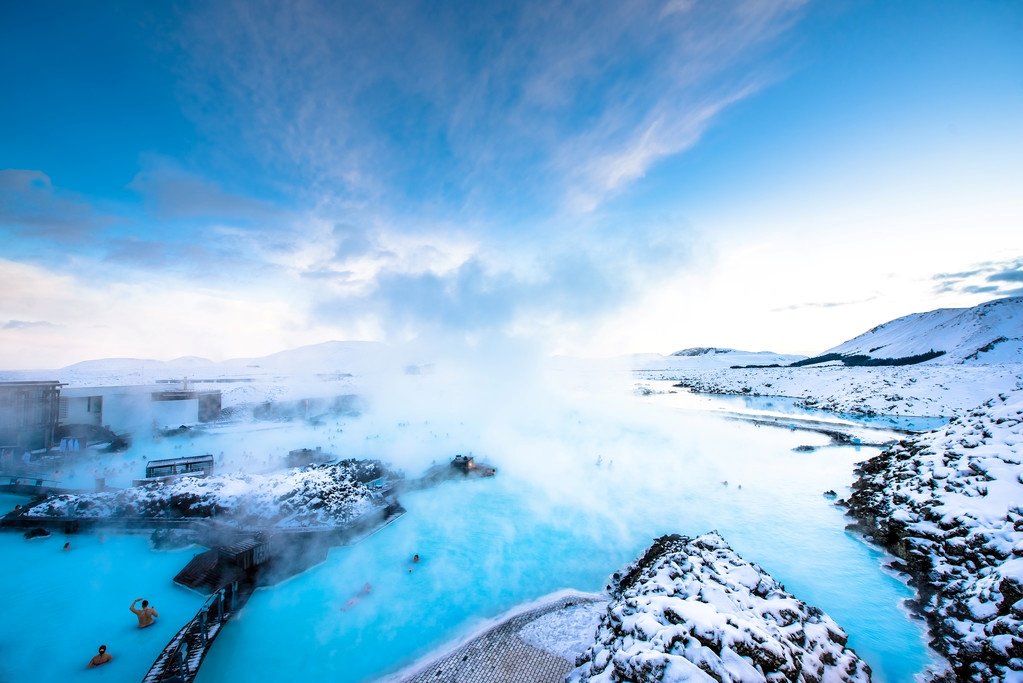
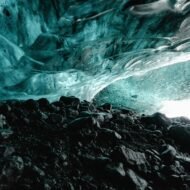
6. The Blue Lagoon & Crystal Ice Caves (Iceland)
The Focus:
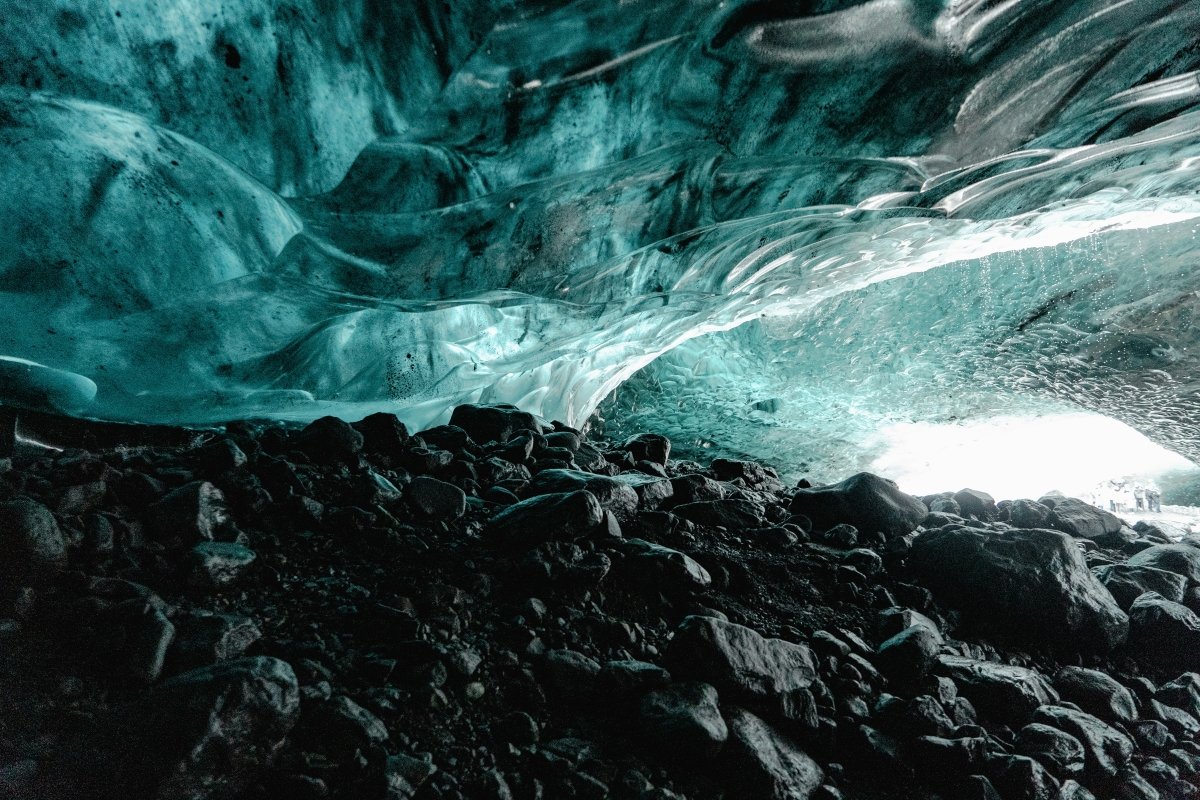
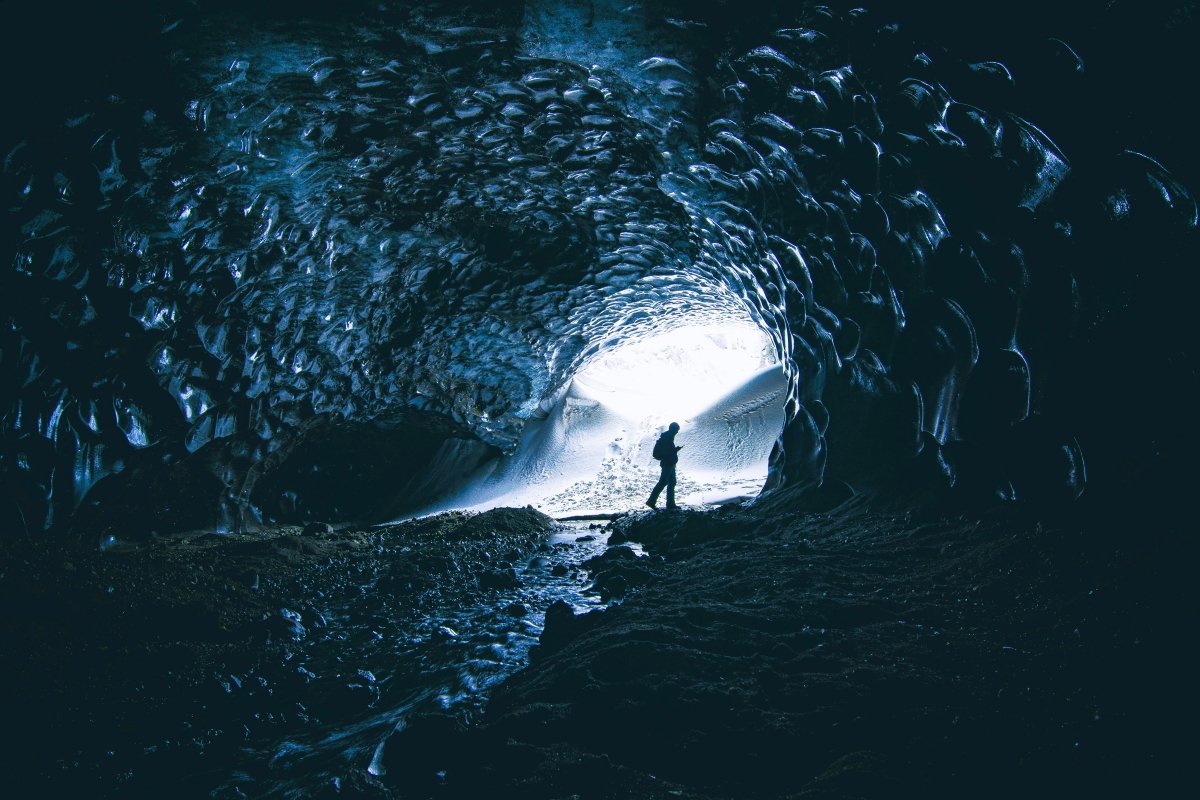
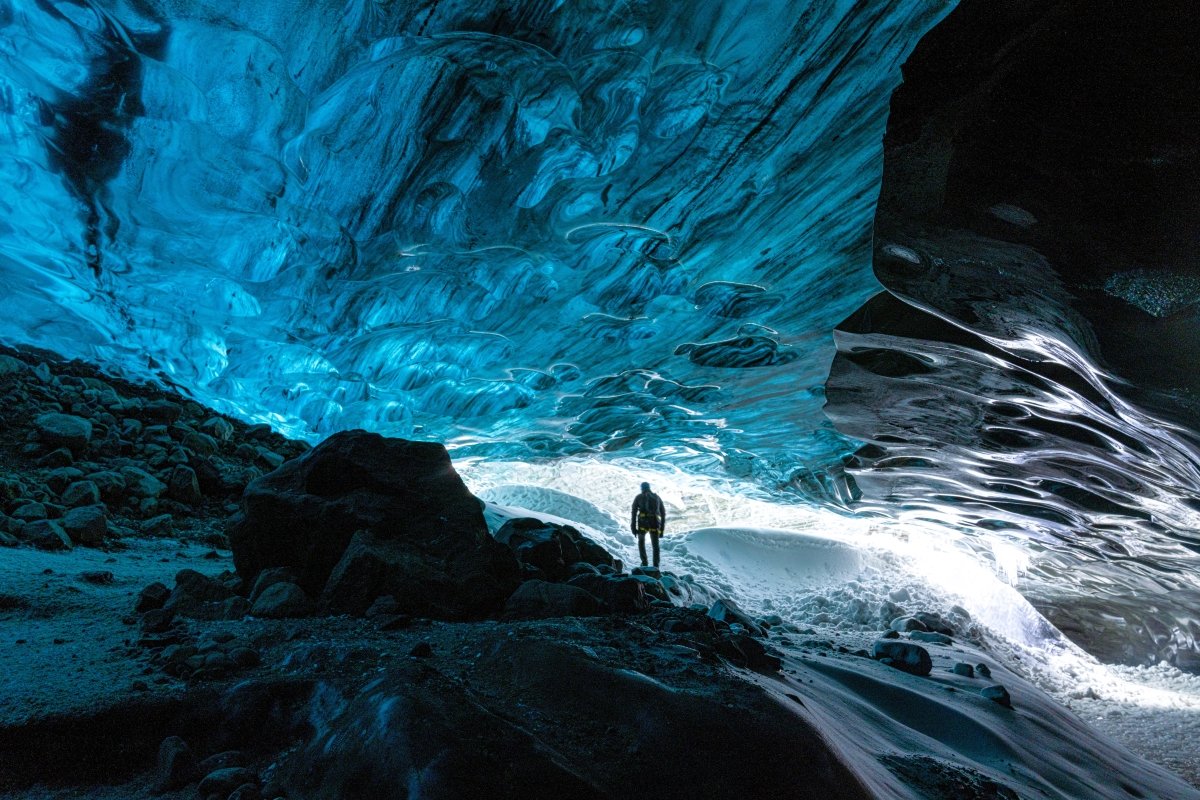
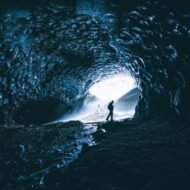
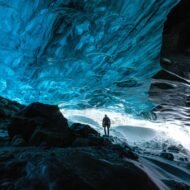
Iceland’s two mega-hits: soaking in milky-blue geothermal water at the Blue Lagoon while snow falls on your face, and exploring natural ice caves under Vatnajökull glacier that glow in surreal shades of blue. One is about ultimate relaxation, the other about crawling inside a glacier. Both are wildly Icelandic.
Why it’s a hit:
The Blue Lagoon combines accessibility (30 minutes from Keflavík Airport) with genuine geological wonder—that water really is heated by volcanic activity and rich in silica. The ice caves, meanwhile, are temporary natural sculptures that form each winter and disappear by spring. Guided tours (required for safety) take you into cathedral-like chambers where thousand-year-old ice has been compressed into crystalline blue formations. It’s like entering another planet.
Budget considerations:
Pricey but scalable. Blue Lagoon: €60-100 for standard entry, €450+ for luxury packages. Ice cave tours from Jökulsárlón: €120-160. Iceland’s expensive across the board—budget €100-150 daily for basics. A 5-day Iceland winter trip runs €1,200-2,500 depending on accommodation (hostels vs. hotels) and whether you rent a car (€40-80/day, essential for ice caves). Grocery stores like Bónus save massive money versus restaurants.
Insider Tip for 2026:
Ice caves are November-March only and weather-dependent—book through reputable operators like Local Guide and understand cancellations happen. The Blue Lagoon gets mobbed—book the earliest slot (8am) or latest (after 7pm) for fewer crowds. Alternative: Sky Lagoon in Reykjavík offers similar vibes, ocean views, and €50-70 entry with better availability. If choosing between them, Sky Lagoon wins for atmosphere; Blue Lagoon for the full tourist experience.
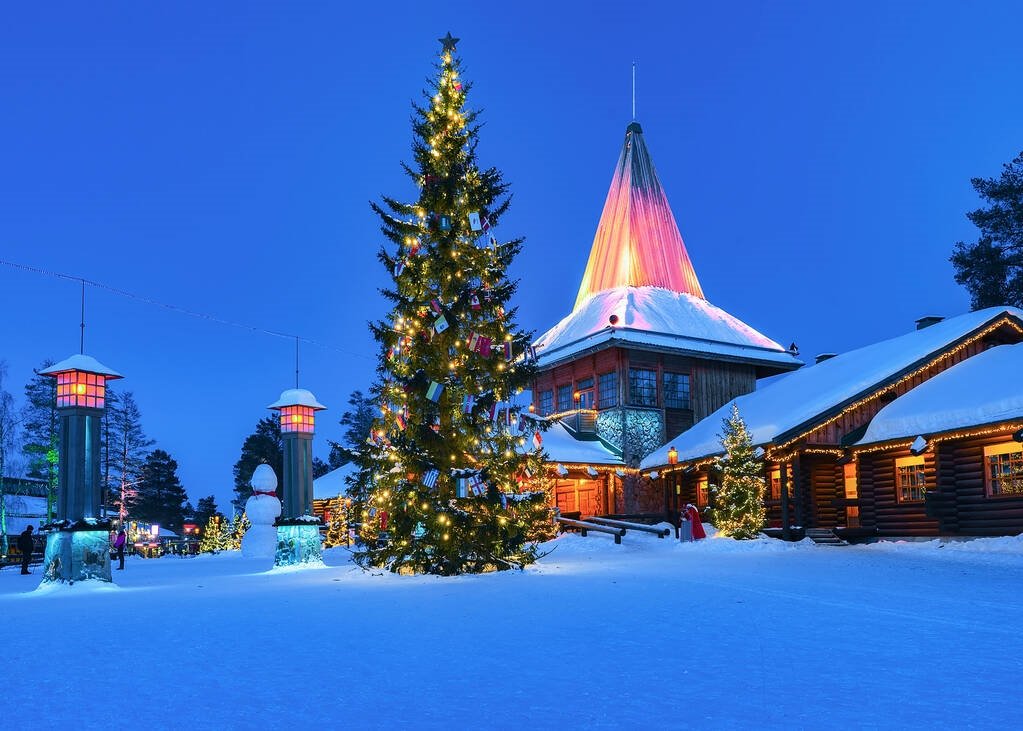
7. The Original Santa Claus Village (Finland)
The Focus:
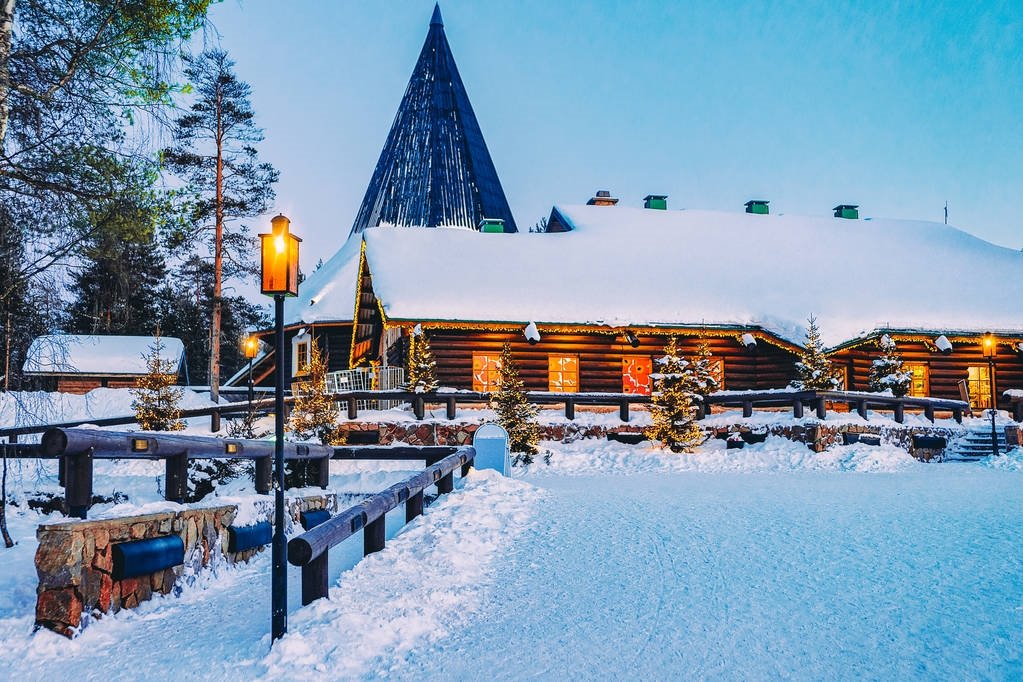
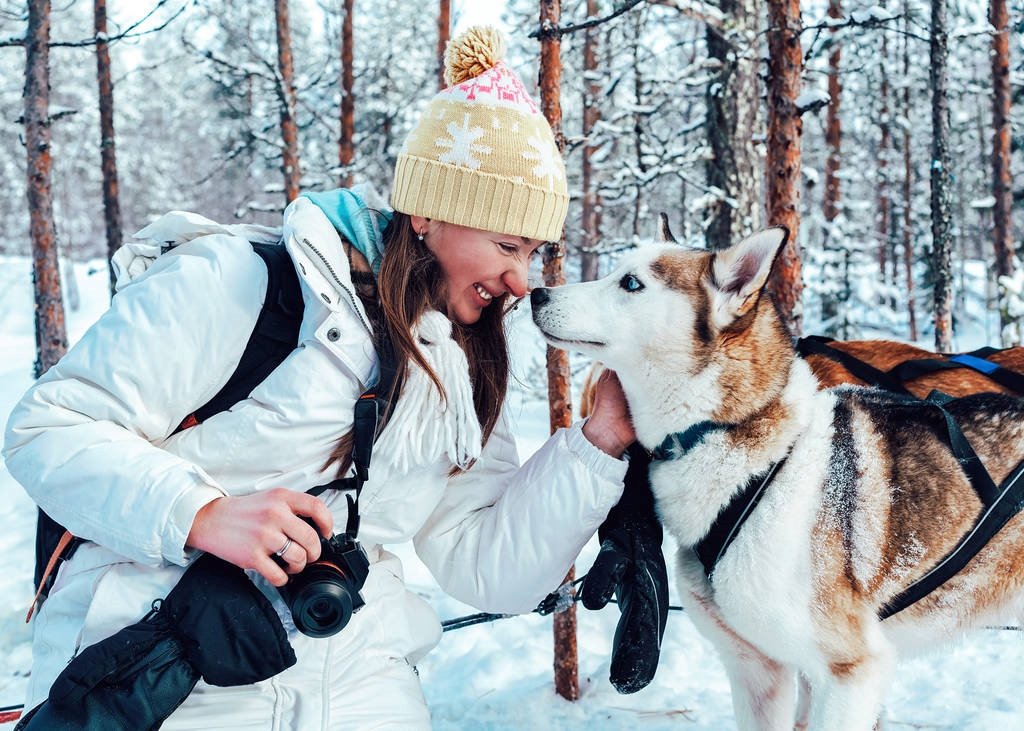
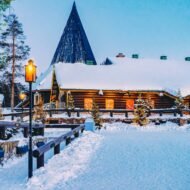
Right on the Arctic Circle line in Rovaniemi, this is where kids (and let’s be honest, adults) can meet Santa Claus year-round, mail letters from the official Santa Claus Post Office, and cross the Arctic Circle about 47 times because the line is painted on the ground and it’s weirdly satisfying.
Why it’s a hit:
Is it touristy? Absolutely. Is it also kind of magical? Also absolutely. Santa’s been receiving visitors here since 1985, and the whole operation is done with Finnish earnestness—it’s commercialized but not cynical. Beyond Santa, Rovaniemi offers husky sledding, reindeer farms, and SantaPark (an underground Christmas theme park carved into a hill). Winter brings proper snow, Christmas markets, and aurora potential.
Budget considerations:
Variable, family-friendly. Village entry: free. Santa meeting: free (photos cost €30-40). Husky sledding: €80-150 for short trips, €200-400 for half-day adventures. Reindeer farm visits: €40-80. Family of four can do a 3-day Rovaniemi trip for €1,500-2,500 including flights, accommodation, and activities. Budget options exist (hostels, skip paid photos), but families tend to splurge here.
Insider Tip for 2026:
December is chaos—avoid the weeks before Christmas unless you thrive in crowds. January-February offers the full snowy experience with 70% fewer tourists and better deals. The Santa Claus Village itself is small (you’ll see it in 2-3 hours), so base yourself in Rovaniemi town and do day trips to Ranua Wildlife Park (Arctic animals) or the Sampo icebreaker in Kemi. Also, Rovaniemi’s City Hotel does an excellent breakfast buffet that’ll fuel you for €15-20.
The Recap: Your Nordic Winter Cheat Sheet
Here’s the deal: Nordic winter isn’t about surviving the cold—it’s about embracing what makes this region come alive when the rest of the world hibernates. Whether you’re floating in Arctic waters, dancing under the Northern Lights, or eating reindeer at a 400-year-old market, these experiences connect you to landscapes and cultures that have mastered the art of thriving in darkness.
Quick-hit budget guide:
- Budget conscious: €800-1,200 for a week (hostels, self-catering, strategic splurges)
- Comfortable middle: €1,500-2,500 for a week (decent hotels, mix of experiences)
- Treat yourself: €3,000+ for a week (boutique stays, guided everything, all the gear)
Best overall timing for 2026: February-March offers the sweet spot of established winter conditions, improving daylight, and slightly better weather than December-January while maintaining full snow cover and aurora potential.
Getting around: Budget airlines (Norwegian, SAS, Finnair) connect Nordic capitals affordably. Within regions, trains work in Sweden/Norway; rental cars are essential for Iceland and Lofoten; buses and transfers handle most Finnish Lapland routes.
What to pack: Layers, layers, layers. Merino base layers, insulated jacket, waterproof shell, proper winter boots (not fashion boots), and accessories (hat, gloves, buff). You’ll be outside way more than you think.
Disclaimer
Travel information current as of January 2026. Prices, dates, and availability change—always verify directly with operators and official tourism sites before booking. Weather in the Arctic is unpredictable; Northern Lights sightings are never guaranteed despite “clear sky statistics.” Ice conditions, cave formations, and outdoor activities depend on seasonal weather patterns that vary yearly. Travel insurance covering extreme weather cancellations is strongly recommended for Nordic winter trips.
We’re not affiliated with any operators mentioned. These recommendations come from research and the goal of helping you plan an incredible trip—but the adventure (and any hiccups) are ultimately yours.
Sustainability note: Nordic countries take environmental responsibility seriously. Support local businesses, follow Leave No Trace principles, respect indigenous Sámi culture and lands, and consider carbon offset programs for flights. The North is calling, but let’s make sure it’s still here for the next generation of adventurers.
Now stop scrolling through winter photos and start booking. Your future self, standing under the Aurora Borealis or floating in Arctic waters, will thank you.